

Parchment paper sits quietly in the kitchen drawer, waiting for its moment to shine. It promises non-stick perfection and easier cleanup, a simple roll of paper ready to save your favorite baking sheets from a sticky fate. Yet, this simple tool comes with its own set of common blunders. Getting the hang of it can make a real difference in the kitchen, turning good bakes into great ones and saving you from some culinary headaches.
Here are a few frequent missteps and how to sidestep them.
1. Confusing it With Wax Paper
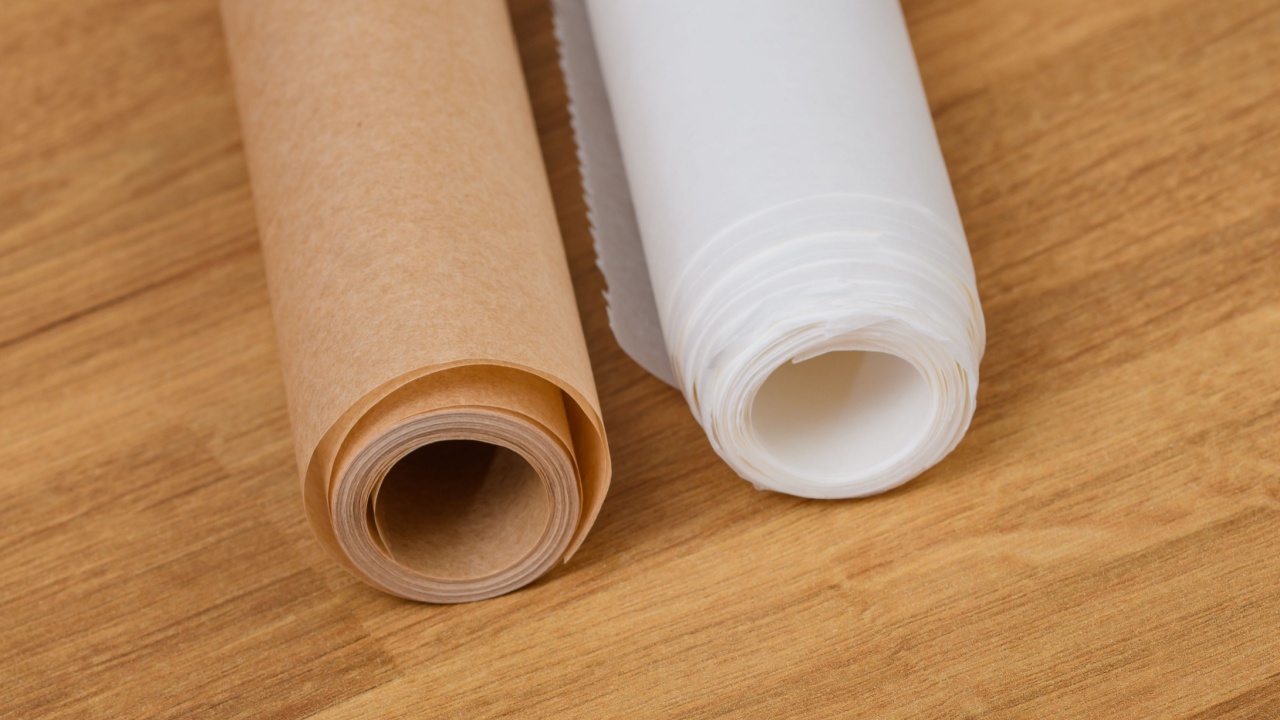
Image Credit: Shutterstock.
It happens. You reach for a roll, tear off a sheet, and line your pan, only to find a smoky, melted mess in your oven. Wax paper and parchment paper are not interchangeable. Wax paper is coated with a thin layer of, you guessed it, wax. This coating is not heat-resistant. When it gets hot, the wax melts, creating smoke and potentially ruining your food.
It’s best used for tasks like wrapping sandwiches, lining countertops for messy jobs, or separating layers of treats for cold storage. Parchment paper, on the other hand, is coated with silicone, which makes it non-stick and heat-safe up to a certain temperature. Always double-check the box before lining a pan destined for the oven.
2. Letting it Touch a Heating Element
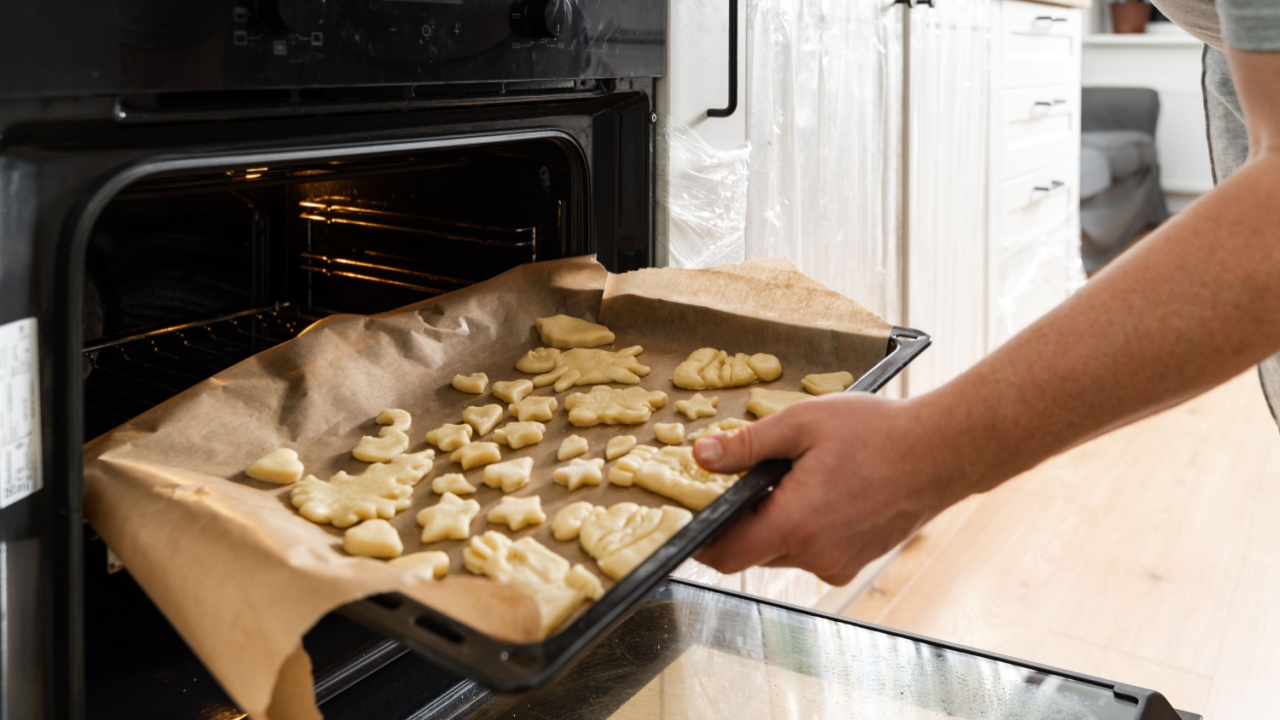
Image Credit: Shutterstock.
Parchment paper is heat-resistant, not fireproof. If a sheet is too large for your pan and curls up to touch the oven walls or a direct heating element, it can scorch and even catch fire. This is especially a risk in smaller toaster ovens or when using the convection setting, where circulating air can lift the paper.
To prevent this, always cut the paper to fit the size of your pan. If you’re worried about it flying around, a little dab of butter or cooking oil in the corners of the pan can act as a glue to hold the paper down.
3. Believing All Brands are Created Equal
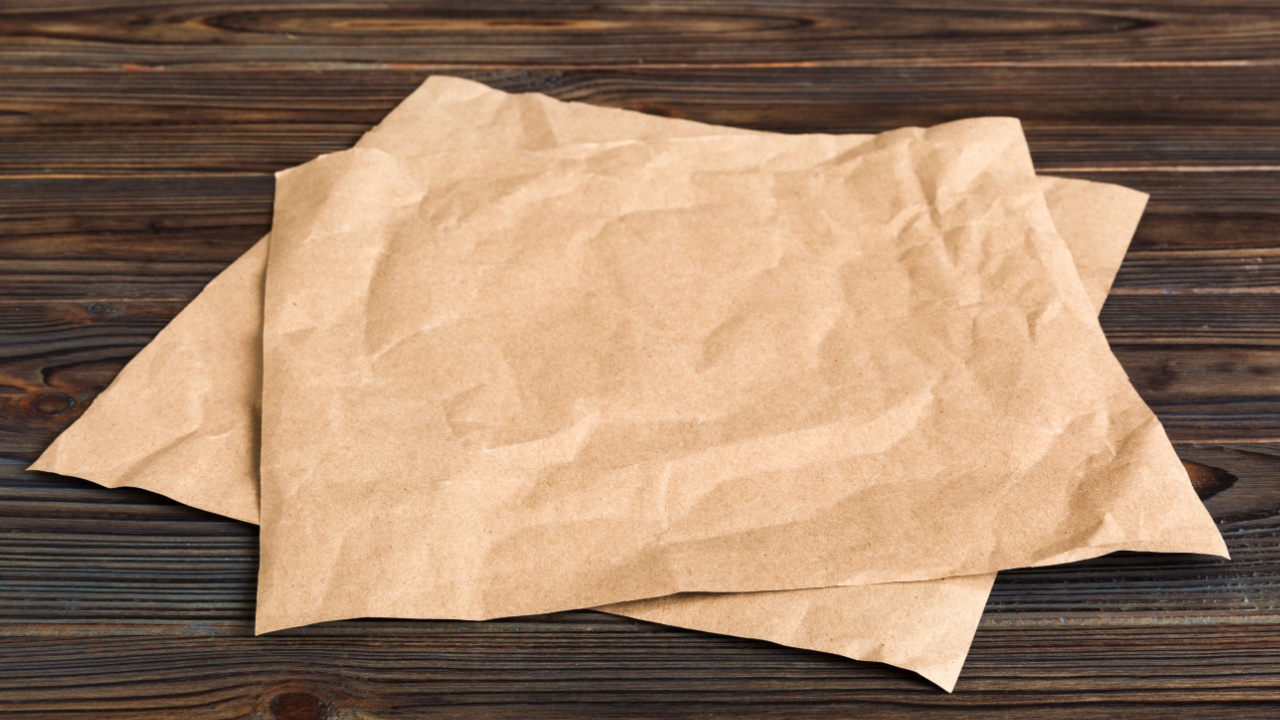
Image Credit: Shutterstock.
Grabbing any box of parchment paper off the shelf might seem fine, but they are not all the same. The biggest difference is the maximum temperature they can handle. Most brands are safe up to around 425°F to 450°F, but some cheaper options may have a lower heat tolerance.
Exceeding this temperature can cause the paper to become brittle, turn dark brown, and lose its non-stick properties. Before you preheat your oven to 500°F for that artisan bread recipe, check the packaging on your parchment paper to see what it can safely withstand. This small step can prevent a scorched bottom and a lot of frustration.
4. Tossing it After a Single Use
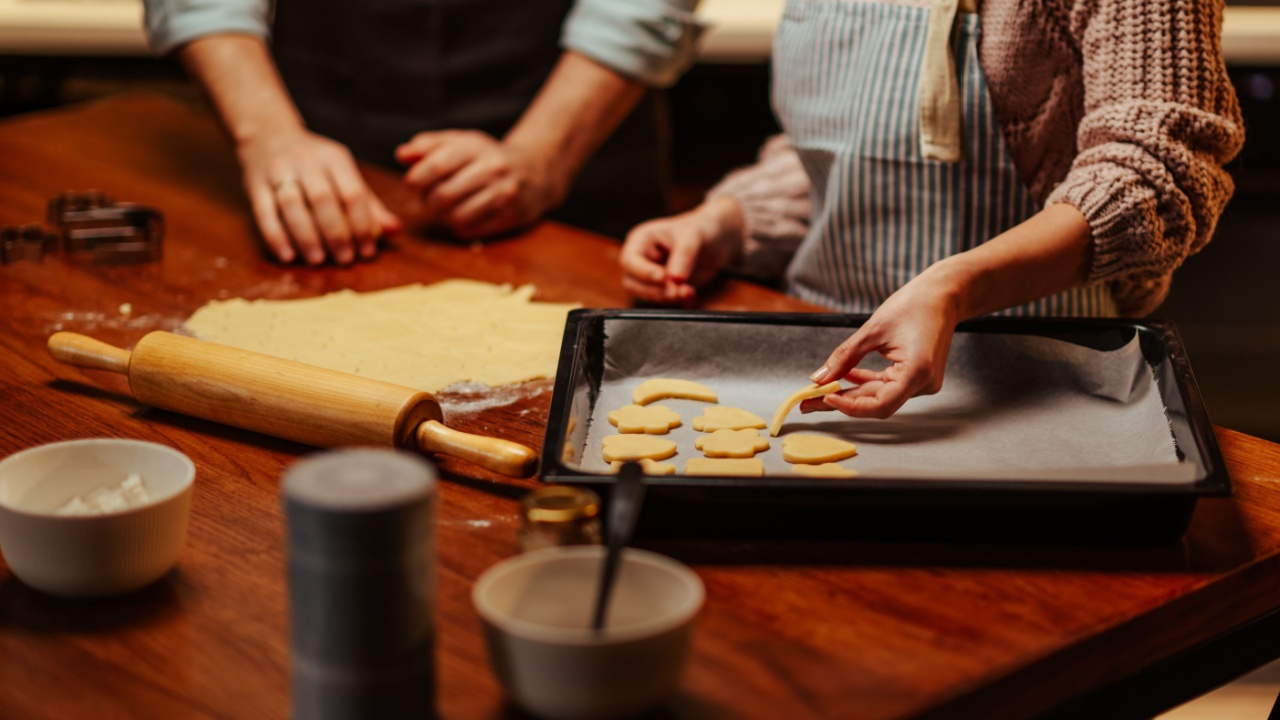
Image Credit: Shutterstock.
Tossing parchment paper after one batch of cookies feels standard, but it’s often unnecessary. High-quality parchment paper is durable enough for several rounds in the oven, especially if what you’re baking isn’t excessively greasy or sticky. If you’ve just baked a tray of shortbread or roasted vegetables, the paper is likely still in great shape.
You can reuse a sheet until it becomes dark, brittle, or heavily soiled. This habit reduces waste and saves you a little money. However, once it’s covered in melted cheese or meat drippings, it has served its purpose and should be discarded.
Perfecting Parchment Practices
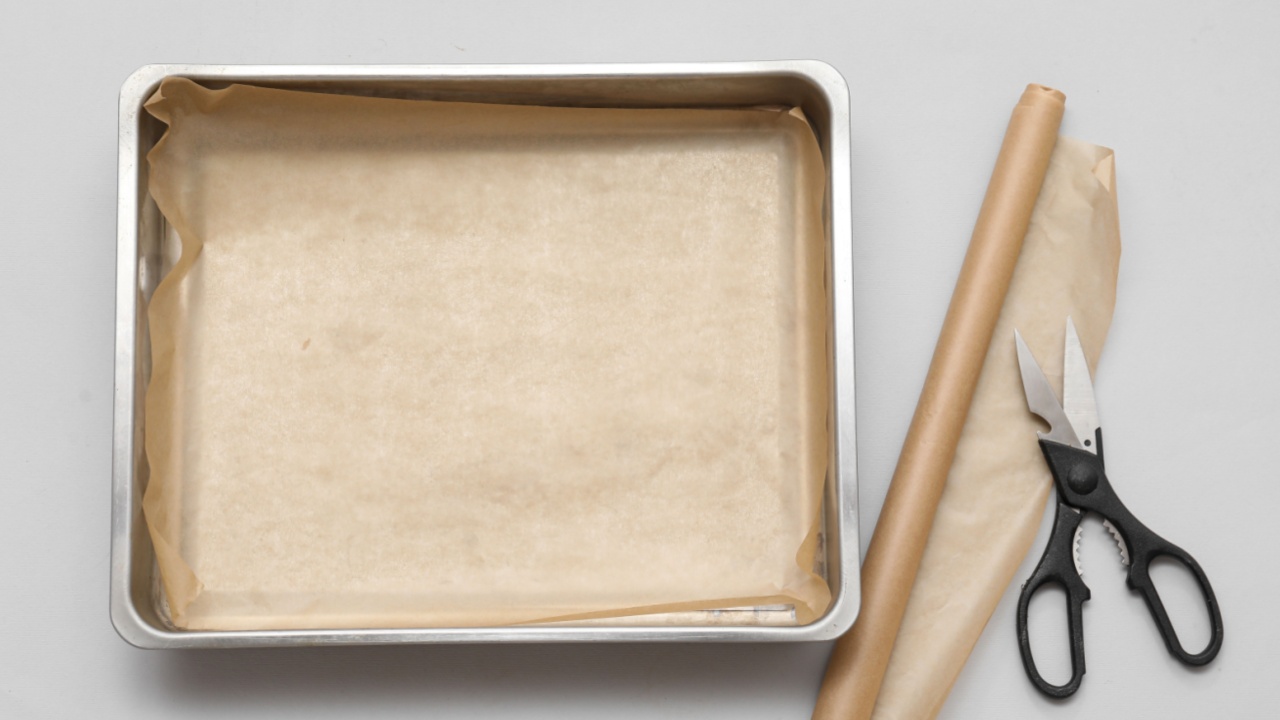
Image Credit: Shutterstock.
Using parchment paper correctly is a small detail that yields big results. Avoiding these common mistakes will make your time in the kitchen smoother and more successful. Instead of just lining baking sheets, try using it to create a “sling” to easily lift brownies from a pan, or fold it into a pouch to steam fish and vegetables. Getting comfortable with this kitchen staple opens up new techniques and makes cleanup far less of a chore.