4 Flooring Options That Make a Kitchen Look Bigger
You walk into your kitchen, bump your hip on the counter, trip over the dog, and realize you are basically cooking in a closet. Most of us have had that moment where the walls start closing in. While knocking down walls usually requires a sledgehammer and a lot of money, changing your floor only requires some smart decision-making. The right floor tricks the eye and opens up the room without adding a single square inch of actual space.
This article explores four specific flooring strategies that create the illusion of a more spacious kitchen. You will find practical options ranging from color selection to installation patterns, along with explanations on why they work. If you want a kitchen that feels less like a sardine can and more like a culinary haven, read on.
1. Go with Light-Colored Flooring
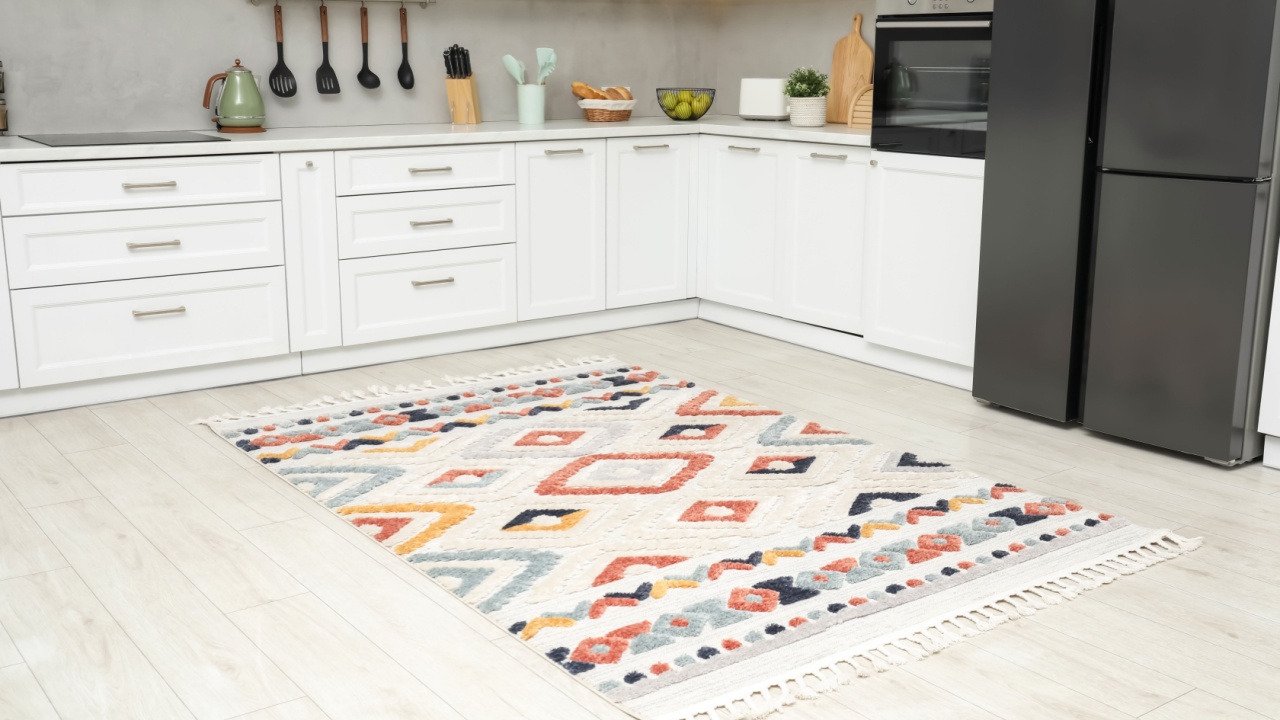
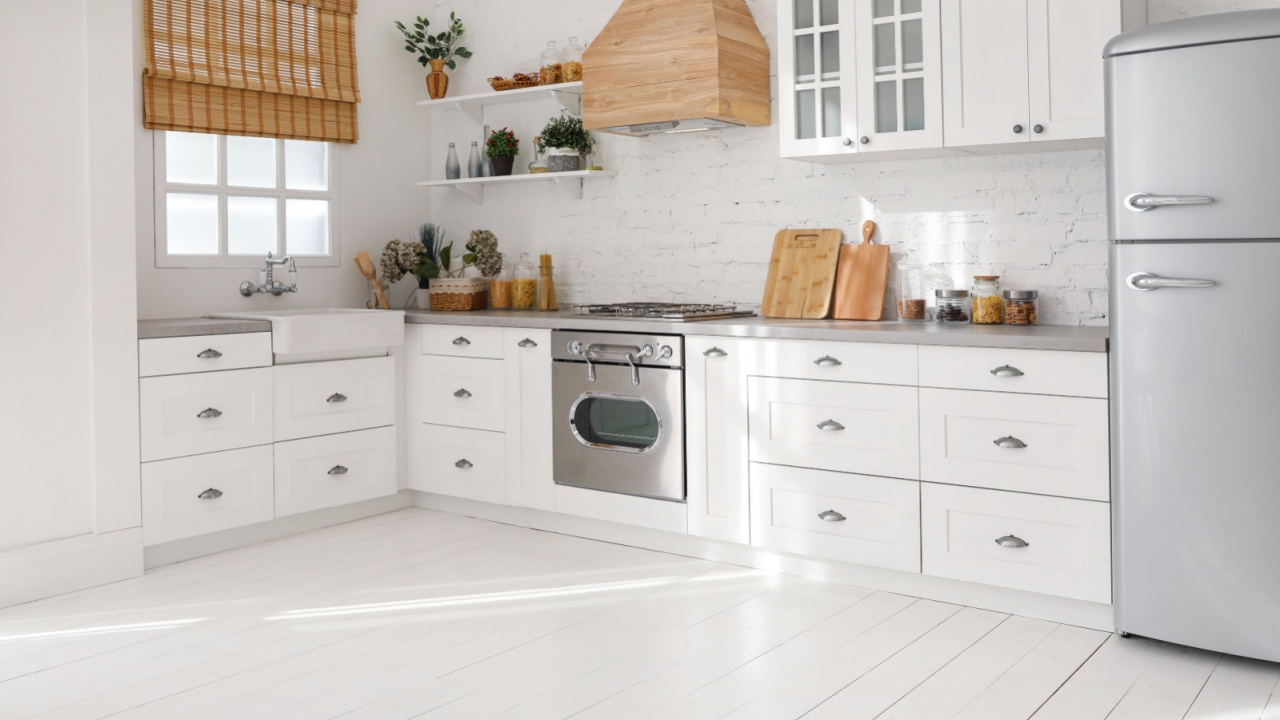
Dark floors often add richness, but in a small kitchen, they suck up all the light and make the room feel heavy. Light colors do the opposite. They act like a reflector, bouncing sunshine or artificial light back up into the room. This brightness blurs the lines between the floor and the walls, pushing the boundaries of the room outward visually.
Consider smart design options like pale oak, whitewashed wood, or soft gray tiles. Sandy beige works wonders, too. These shades create an airy atmosphere that feels open and unrestricted. You do not need to choose stark white, which shows every speck of dirt and dropped spaghetti sauce. A gentle, light tone provides that expansive feeling while still hiding a bit of daily mess.
2. Choose Large-Format Tiles or Wide Planks

Small tiles mean lots of grout lines. Narrow wood planks mean lots of seams. All those little lines create visual noise. Your brain subconsciously counts them, making the floor look busy and cluttered. When the floor looks cluttered, the whole room feels smaller.
By switching to large-format tiles (think 12×24 inches or larger) or wide wood planks, you drastically reduce the number of interruptions on the floor surface. This creates a smoother, more continuous look. The eye glides across the room rather than getting stuck on a grid. This lack of visual “stops” tricks your brain into perceiving a much larger surface area. It is a simple swap that delivers a massive impact on how big the room feels.
3. Keep It Minimal with Subtle Patterns
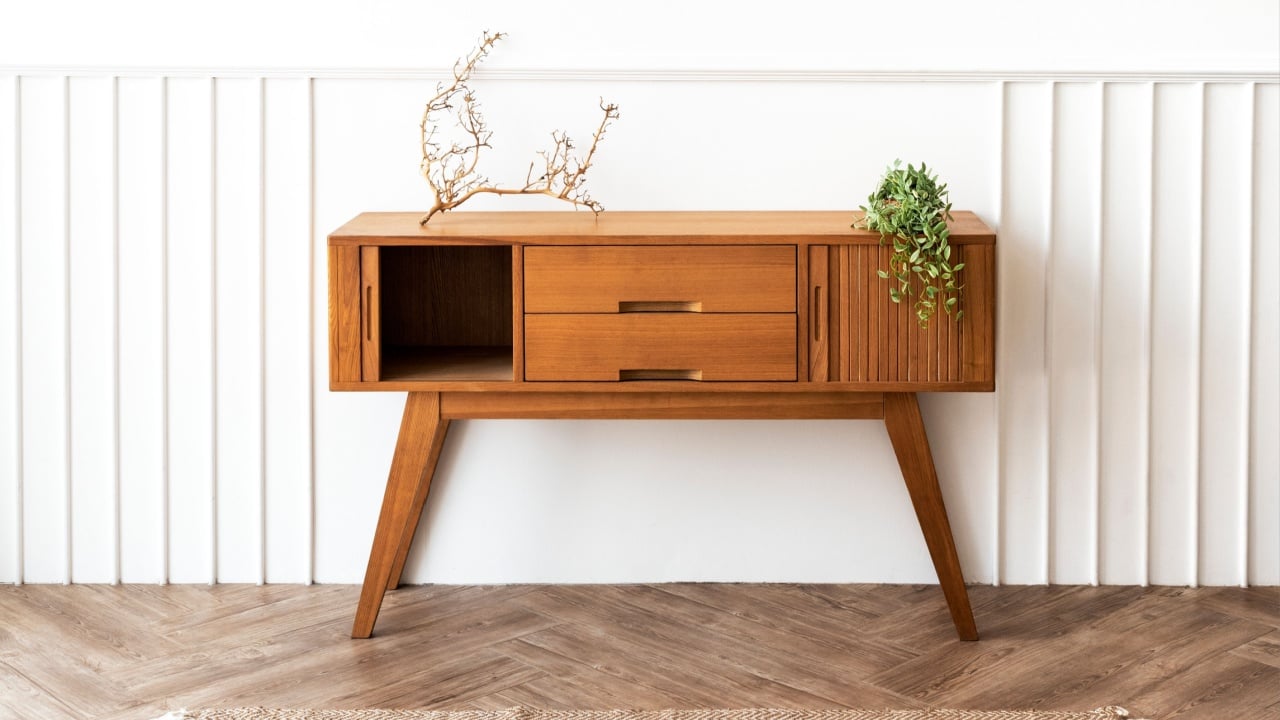
Patterned floors are fun until they start shouting at you. In a compact kitchen, a loud, busy pattern dominates the space and makes it feel cramped. It creates a lot of visual activity that a small room just cannot handle gracefully.
Instead of chaotic designs, look for subtle, understated patterns. A low-contrast herringbone is a fantastic example. It adds interest and style without overwhelming the senses. You want the floor to serve as a calm foundation, not the main attraction that fights for attention with your cabinets and appliances. Keeping the visual plane calm allows the rest of the room to breathe.
4. Create Continuity with Adjoining Rooms
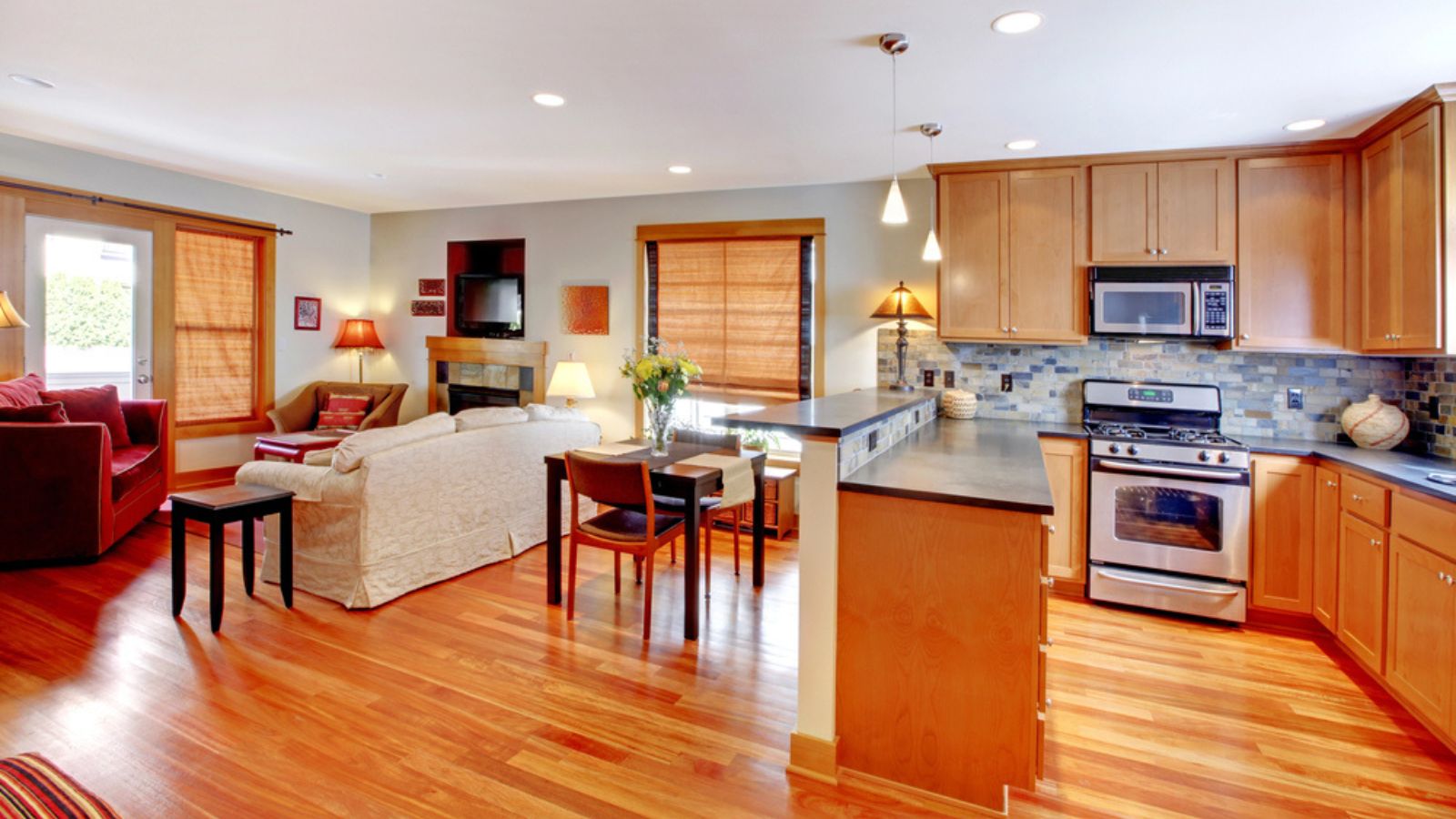
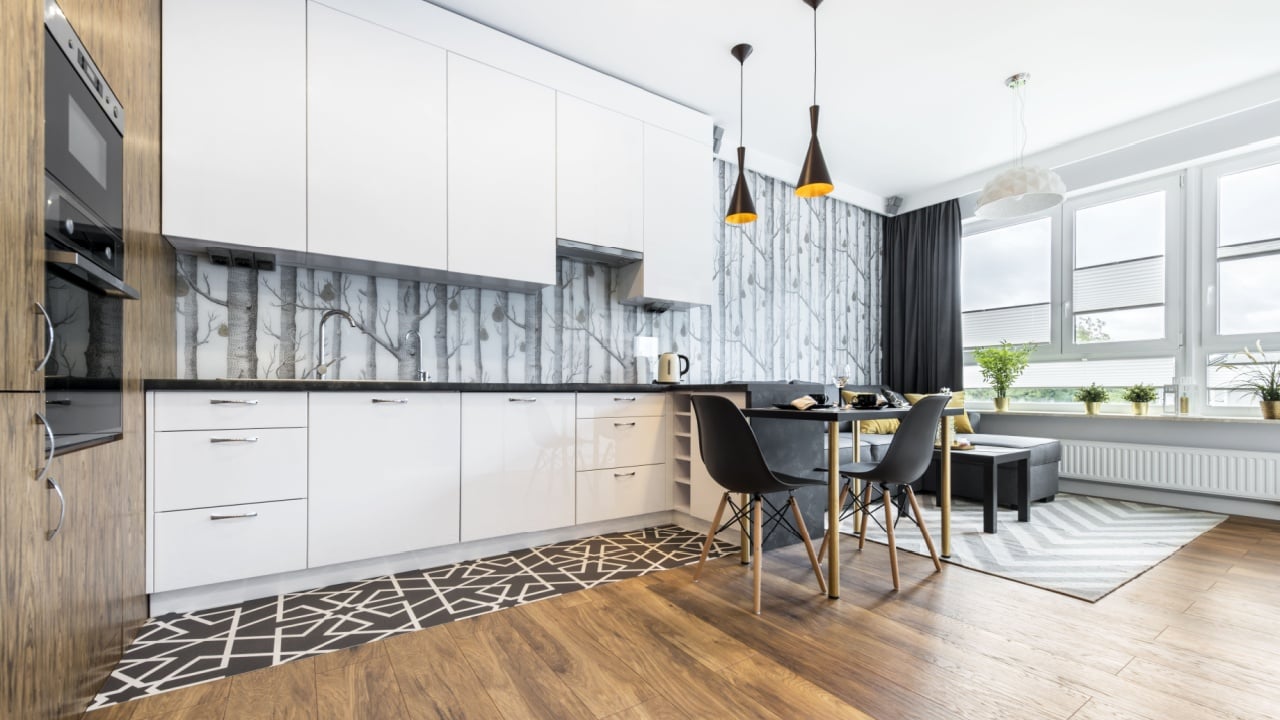
Chopping up your flooring creates borders. If your living room has hardwood and your kitchen suddenly switches to tile, that hard line defines exactly where the kitchen ends. It boxes the room in.
Eliminate that boundary by extending the flooring from your living or dining area right into the kitchen. When the same material flows from one room to the next without interruption, it borrows visual space from the adjacent area. The kitchen stops feeling like a separate, small compartment and becomes part of a larger, cohesive whole. This seamless flow is one of the most effective ways to make a floor plan feel generous.
Planning Your Kitchen Update
Now that you know the tricks, grab some samples. Bring home a few large tiles or wide planks in lighter shades and lay them on your current floor. Observe how they look at different times of day. Does the morning sun bounce off that pale oak sample? Does the large tile make the space feel less busy?
Seeing the materials in your actual space beats looking at photos online. Once you find the combination that makes you breathe a little easier, you are ready to schedule that installation. A bigger-feeling kitchen is just a few planks away.