4 Cleaning Myths We All Fall For and What to Do Instead
We often inherit cleaning habits from parents or pick them up from viral videos. We scrub surfaces with total confidence in our methods. Then we wonder why the grime remains or why the counter looks dull. It turns out that many popular cleaning tips function more like folklore than science. Believing these misconceptions can waste time and actually damage the surfaces we try to protect.
This post will examine four widespread cleaning myths that might be sabotaging your hard work. You will learn why vinegar fails on certain germs, why mixing chemicals is a dangerous game, and why “natural” does not always mean harmless.
1. Vinegar Is the Ultimate All-Purpose Cleaner
Vinegar has a reputation for tackling everything from kitchen counters to bathroom floors, but, spoiler: it isn’t as mighty as it’s made out to be. While it handles hard water spots and the odd streaky window just fine, vinegar is not up to the job of disinfecting. It simply can’t deal with tough bacteria like Salmonella, so using it to “sanitize” after raw chicken prep is just a false sense of security.
For regular cleaning, warm soapy water works wonders without damaging sensitive surfaces. If you actually want to kill germs, use a disinfectant with an EPA registration. Save vinegar for cleaning glass or descaling appliances, where it really shines without wrecking your countertops or seals. Use warm, soapy water for general surface cleaning.
2. Mixing Ingredients Creates a Stronger Cleaner
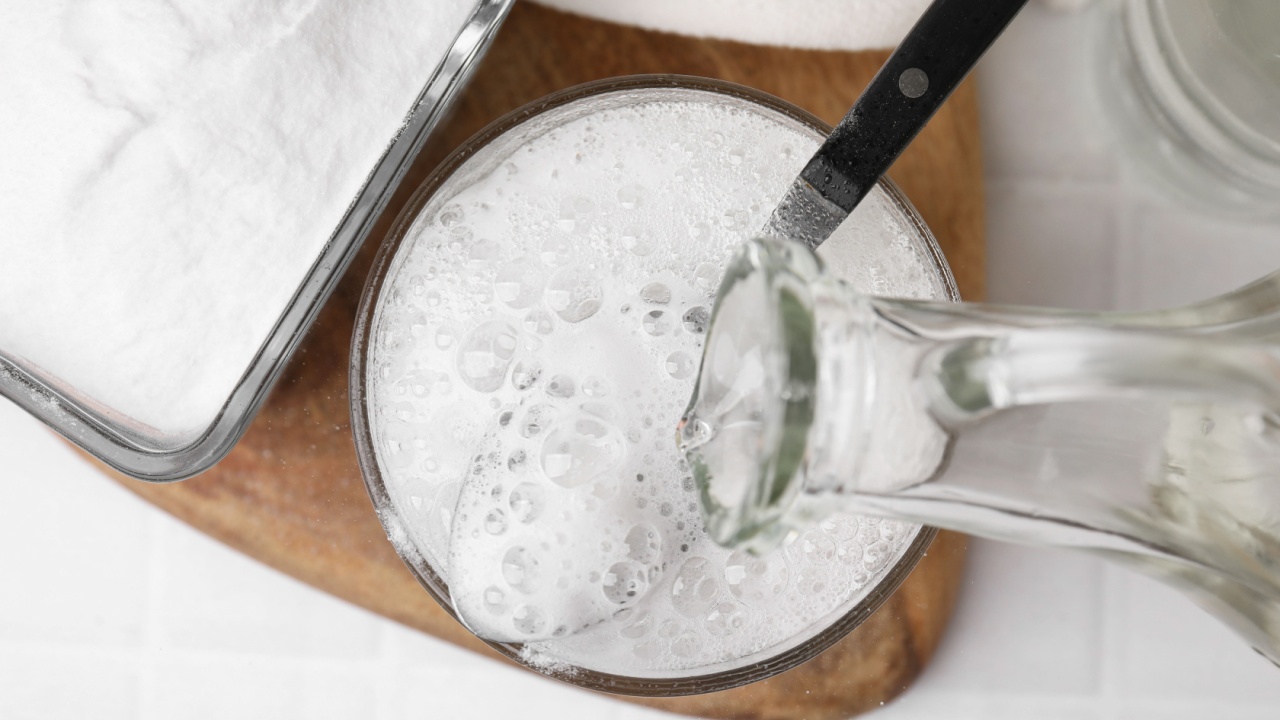
Combining cleaning products might sound like a genius shortcut, but it often backfires. Some mixtures, like baking soda and vinegar, end up neutralizing each other. All that fizz is just carbon dioxide. You’re not creating a powerhouse cleaner, just salty water with zero cleaning boost. Worse, mixing certain ingredients leads to real dangers. Combining bleach with ammonia or vinegar can produce toxic gases that send you wheezing out of the room.
For safety and actual results, stick to one cleaner at a time and trust the instructions on the label. If you are swapping products, let the first one dry or rinse it off before trying something new. Trust the formulation in the bottle. Manufacturers hire chemists to balance ingredients for maximum safety and efficacy. If a stain refuses to budge, try a different product rather than mixing two together. Allow one product to dry completely or rinse it away before applying a different one. This prevents accidental chemical reactions on the surface itself.
3. Baking Soda Is the Solution for Heavy Grime
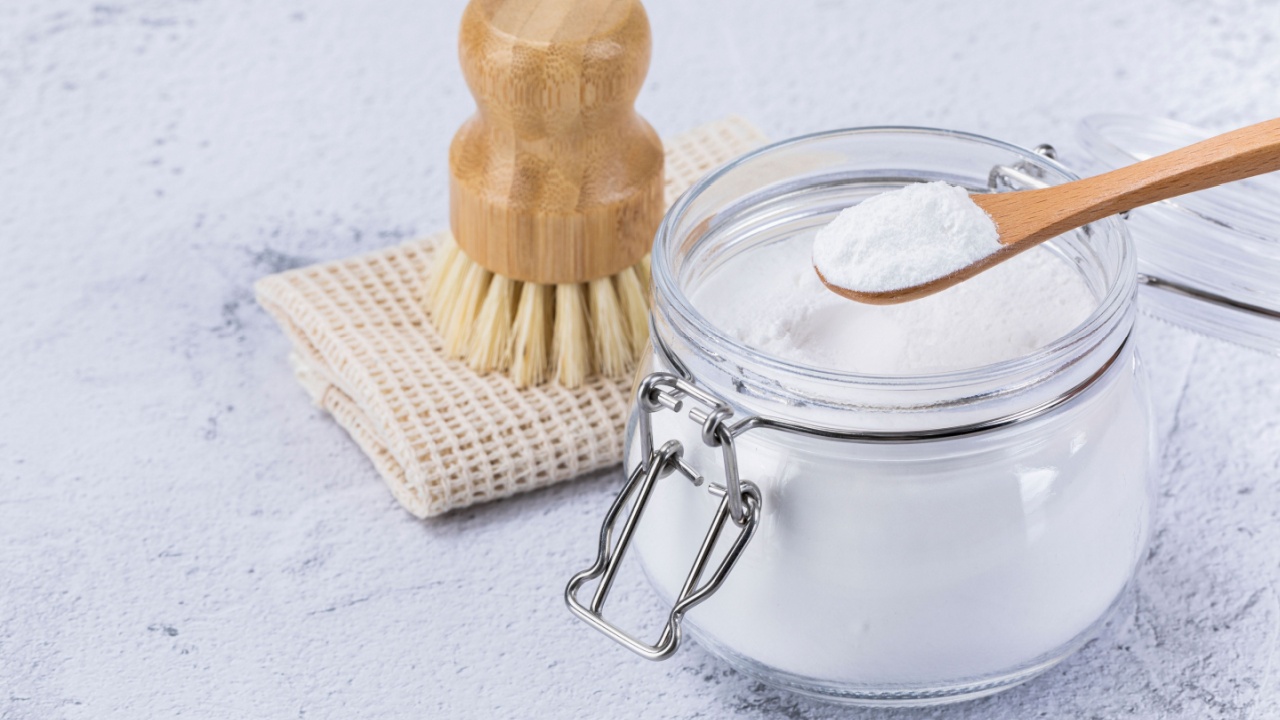
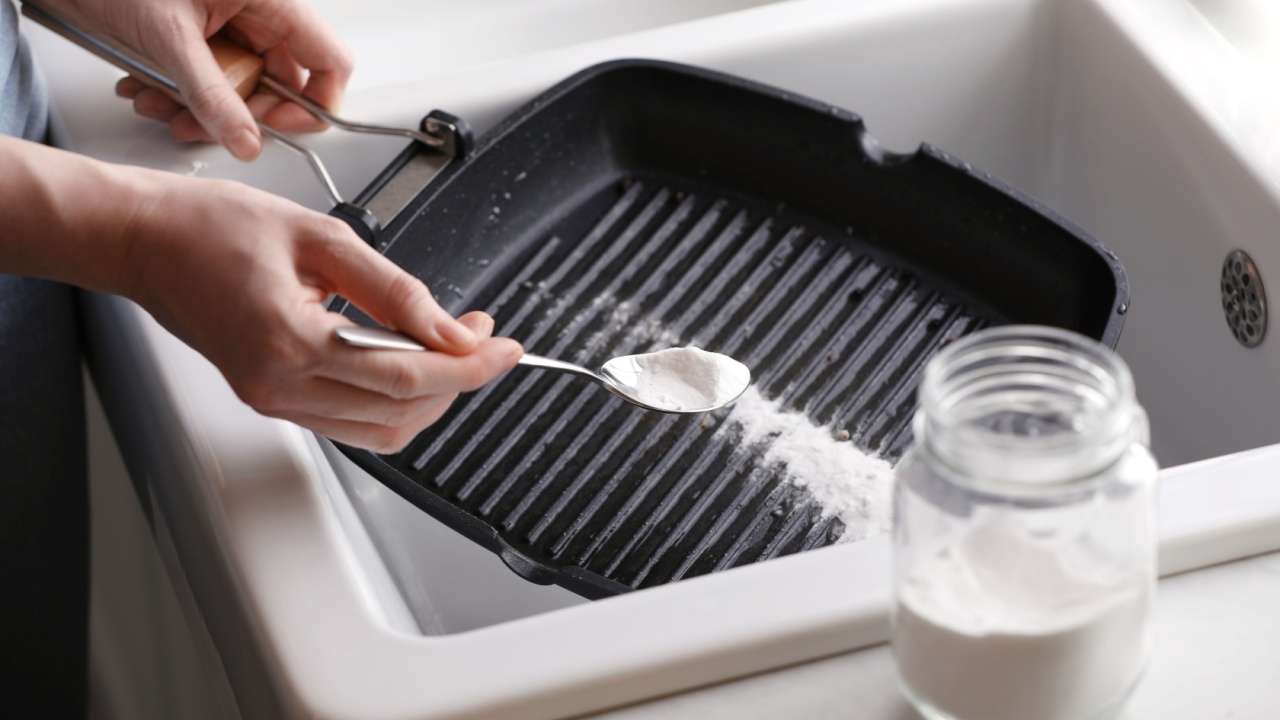
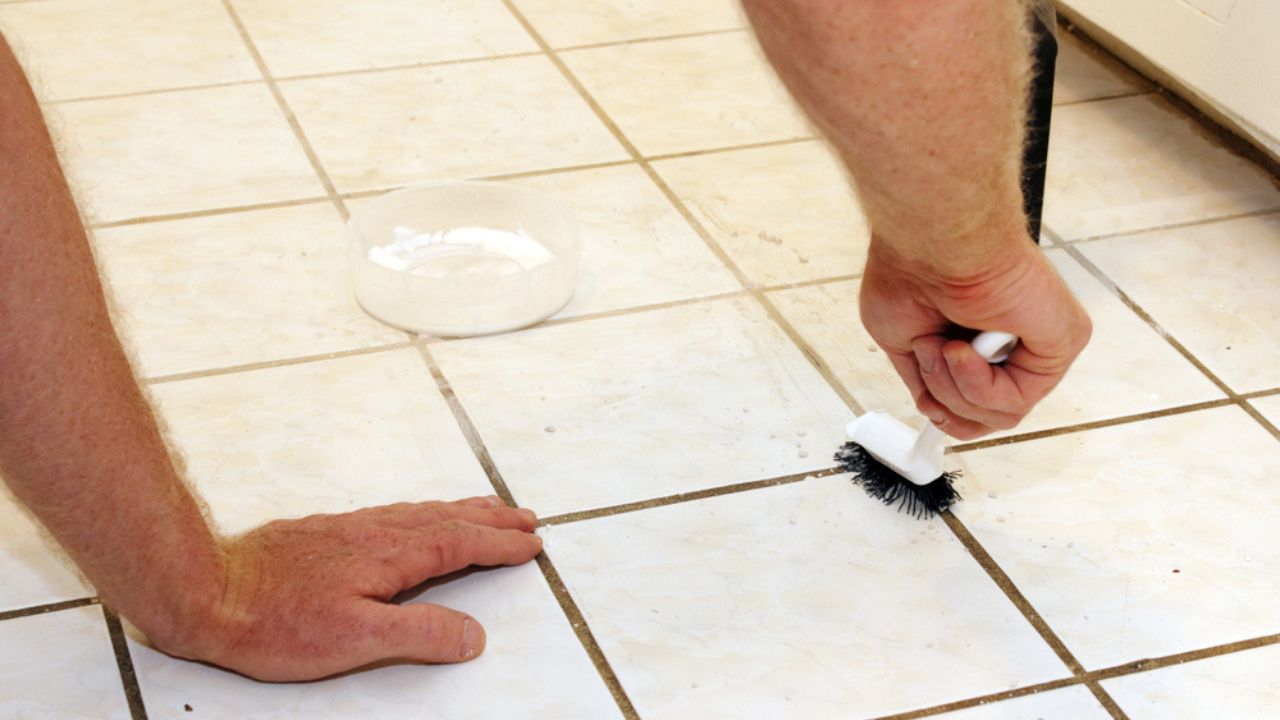
Baking soda has a loyal fan base when it comes to cleaning, with promises of stain-lifting and pan-scrubbing greatness. The reality, however, is less exciting. Baking soda is only mildly abrasive and depends almost entirely on elbow grease for real cleaning. For serious messes, it rarely gets the job done without a lot of extra work. It also tends to leave behind a chalky residue that’s stubborn to rinse away, especially on textured surfaces or fabric.
A better option for tough jobs is a cream cleanser, which includes micro-abrasives that tackle grime without the gritty drama. These rinse off more easily and are less likely to scratch delicate surfaces. For carpet disasters, enzymatic cleaners are the real stars; they break down what’s causing the stain instead of just covering it up.
Reach for a dedicated cream cleanser for tough scrubbing jobs. These products contain micro-abrasives that are softer than baking soda but suspended in a formula that lifts grease.
4. Borax Is Just a Mild, Natural Soap
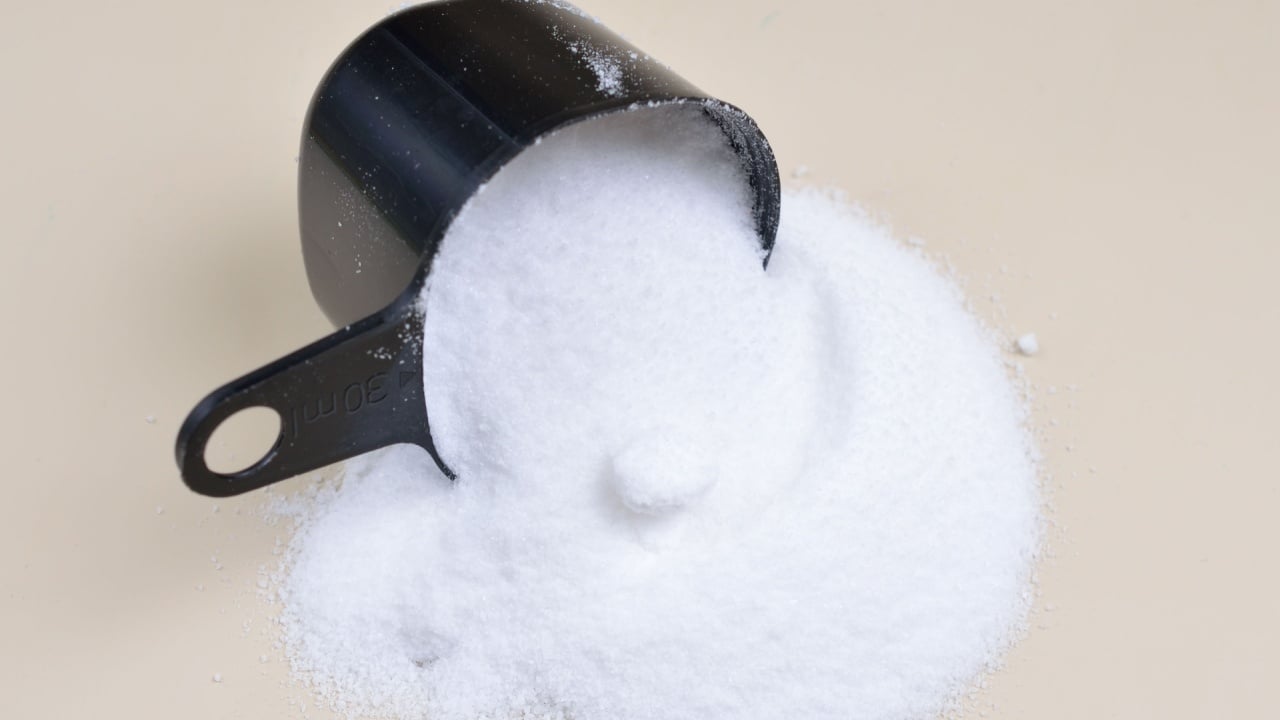
Borax is often described as a gentle, natural cleaner, popping up in DIY laundry recipes and sprays. But “natural” doesn’t always mean hazard-free. Borax is powerful enough to knock out ants and roaches, so using it like a mild soap, especially around kids or pets, can backfire. Long-term or heavy exposure can irritate skin, eyes, and lungs, and swallowing it never ends well.
Gloves are a smart move, and keep the stuff up and away from little hands. For a safer laundry boost, try washing soda or oxygen bleach—both lift dirt without the pest control side gig. Treat Borax with the same respect you give to conventional chemical cleaners. Wear gloves when handling the powder to prevent skin absorption. Keep it stored high and out of reach of children and pets. Do not use it to make “slime” for children to play with, as prolonged skin contact allows the boron to enter the body.
A Safer Cleaning Routine
Tossing out old cleaning myths means your effort actually pays off and your kitchen won’t smell like a pickling festival. Pick one stubborn task that’s been a thorn in your side, swap in a product formulated for the job, and notice if the work gets easier (and your surfaces thank you by lasting longer). Bookmark that EPA list of disinfectants, so you’re ready when cold and flu season hits. Reliable cleaning habits may not win style points, but the peace of mind (and fewer mystery residues) is always a win.