4 Bedroom Items Ruining Air Quality and Sabotaging Sleep
Sleep is the ultimate body reset. Yet, while you’re obsessing over high-thread-count sheets and those fancy blackout curtains, you’re probably ignoring the very air you breathe. The EPA says indoor air can be two to five times more polluted than the air outside.
Considering you spend about a third of your life in your bedroom, that stuffy air is a bigger deal than you think. Hidden pollutants and “stealth allergens” are the reasons you’re waking up with a foggy brain and a stuffed nose. Let’s unmask the common items that might cause poor sleep.
1. Paraffin Wax Candles

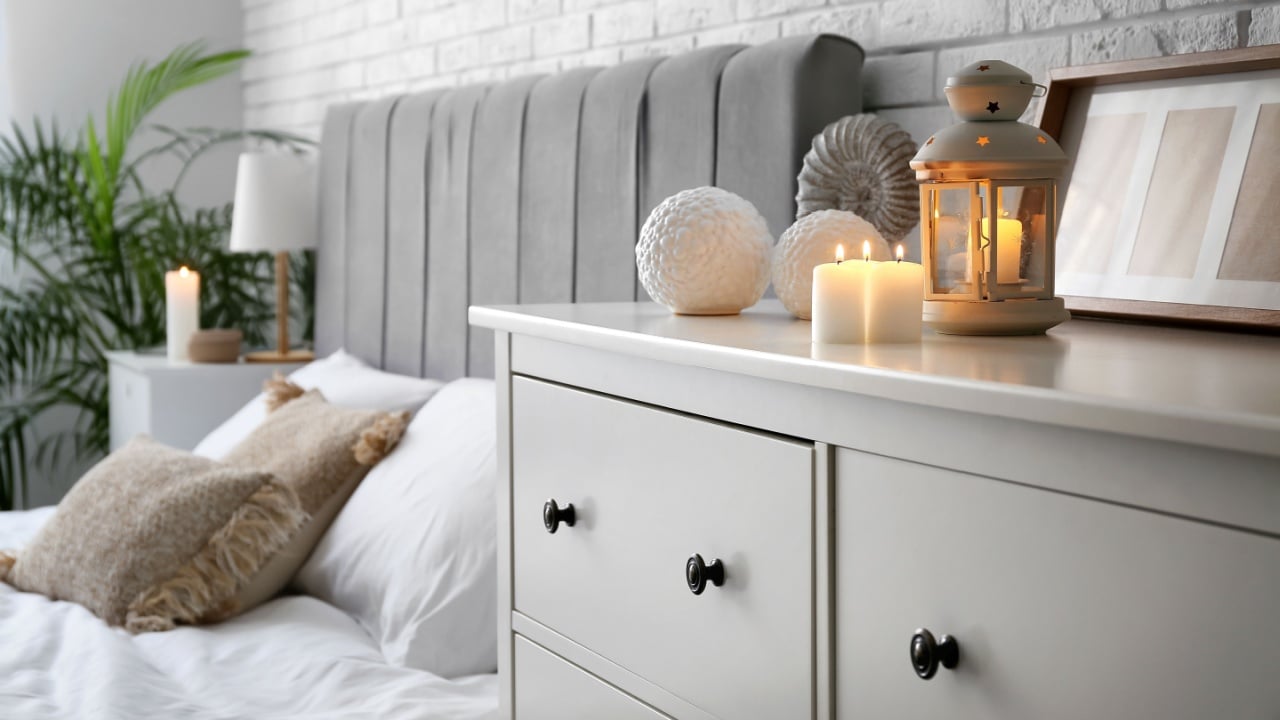
That relaxing lavender scent might be doing more harm than good. Most cheap and mid-grade store-bought candles are made from paraffin wax, a byproduct of petroleum refining. When you light one, it releases soot and VOCs like toluene and benzene. Yes, those are the same chemicals found in diesel exhaust.
Burning these in a small bedroom concentrates the pollution, irritating your lungs while you sleep. Plus, synthetic fragrances often pack phthalates, which are linked to hormonal issues. The vibe is nice, but the air quality drop isn’t.
2. Pressed Wood Furniture

That budget-friendly nightstand or dresser could be a secret polluter. Most modern furniture is made from particleboard or MDF, held together by glues containing formaldehyde. This colorless gas can “off-gas” into your room for years.
High exposure leads to watery eyes and a scratchy throat, and the process actually speeds up when your room gets warm or humid. It’s essentially a 24/7 chemical leak right next to your pillow.
3. Wall-to-Wall Carpeting

Carpet might feel great under your feet, but it’s basically a magnet for pollutants. It traps dust, dirt, pollen, pet dander, and even tiny insect bits. No matter how much you vacuum, there’s always deeper debris hiding in there. Every step you take can kick those particles back into the air, meaning you’re constantly breathing them in, even at night.
And it’s not just allergens. Carpets themselves can come with some chemical concerns. New synthetic ones often release VOCs (that “new carpet smell”) from the fibers, backing, and adhesives used in installation. Plus, stain-resistant treatments usually have PFAS, chemicals linked to health risks that stick around for a long time.
4. Memory Foam Mattresses

The mattress you sleep on might be harming your air quality. Many memory foam mattresses are made from polyurethane, which is treated with chemicals to make it dense and flame-retardant. When you unbox a new mattress, it releases VOCs into your bedroom that give it a “new mattress smell.”
Common chemicals released include formaldehyde, benzene, and naphthalene. Even after the initial smell fades, low-level emissions can continue. Since you spend hours with your face near the mattress, you’re getting a direct dose of these chemicals all night long.
Clearing the Air for Better Rest
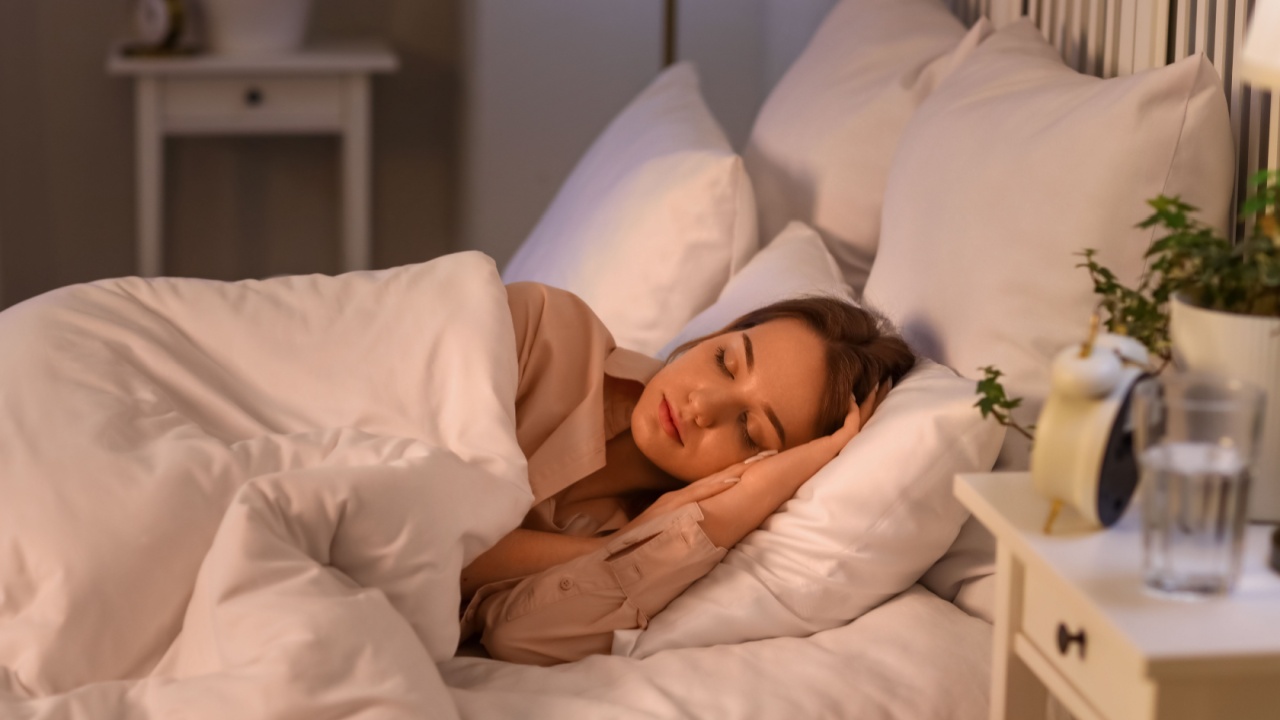
Creating a sleep sanctuary involves more than just aesthetics. By identifying and swapping out these common sources of pollution, the bedroom becomes a safer place for recovery. Start by checking the labels on candles or moving an old particleboard shelf to a different room.
Small changes to the bedroom environment can lead to clearer airways and more restorative sleep tonight.