
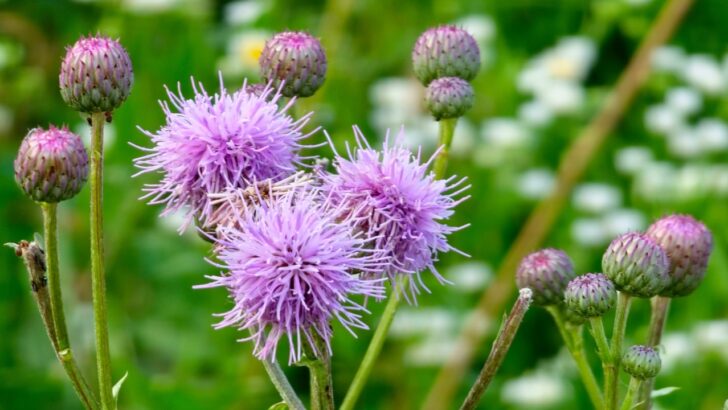
When it comes to backyard weeds, one gardener’s enemy might be another’s wildflower patch. Many so-called weeds provide medicinal value or essential food for pollinators, and their role in our lawns and gardens is often a matter of perspective.
Before reaching for the weed puller, remember: what you call a weed may offer beauty, nutrients, support for bees and butterflies, or even improve your soil. This guide explores 32 weeds you may find in your yard, with tips for ID, management, and potential benefits, so you can make the best choices for your garden goals.
Note: This article is for entertainment purposes only. Always consult a physician before trying medicinal plants or herbs and ensure you correctly identify what you’re harvesting.
1. Annual Sow Thistle (Sonchus oleraceus)
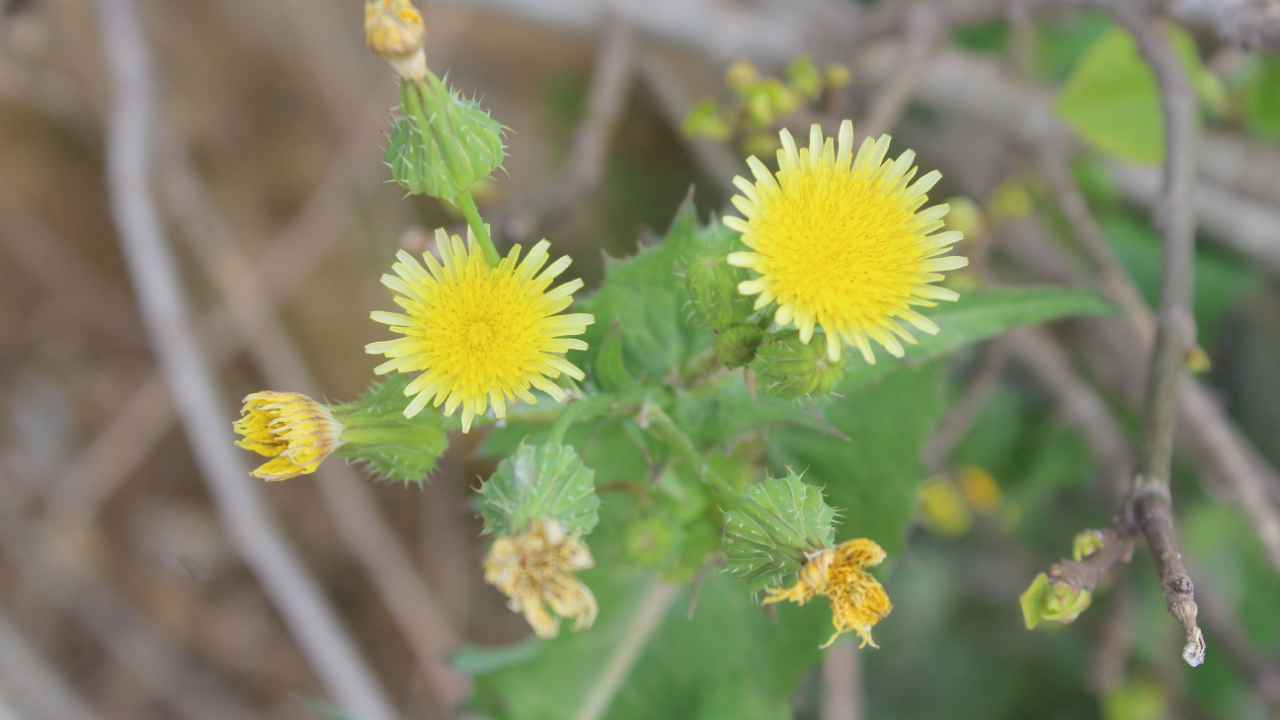
Image Credit: Shutterstock.
Appearance: Upright, bluish-green leaves with deep lobes; yellow, dandelion-like flowers; fluffy white seed puffs.
Why It Grows: Thrives in disturbed soils across North America.
Potential Benefits: Edible young leaves rich in vitamins; attracts pollinators and beneficial insects; mild anti-inflammatory and digestive uses in herbal remedies.
Management: Pull by hand or hoe while young; use selective herbicide as needed.
2. Crabgrass (Digitaria spp.)
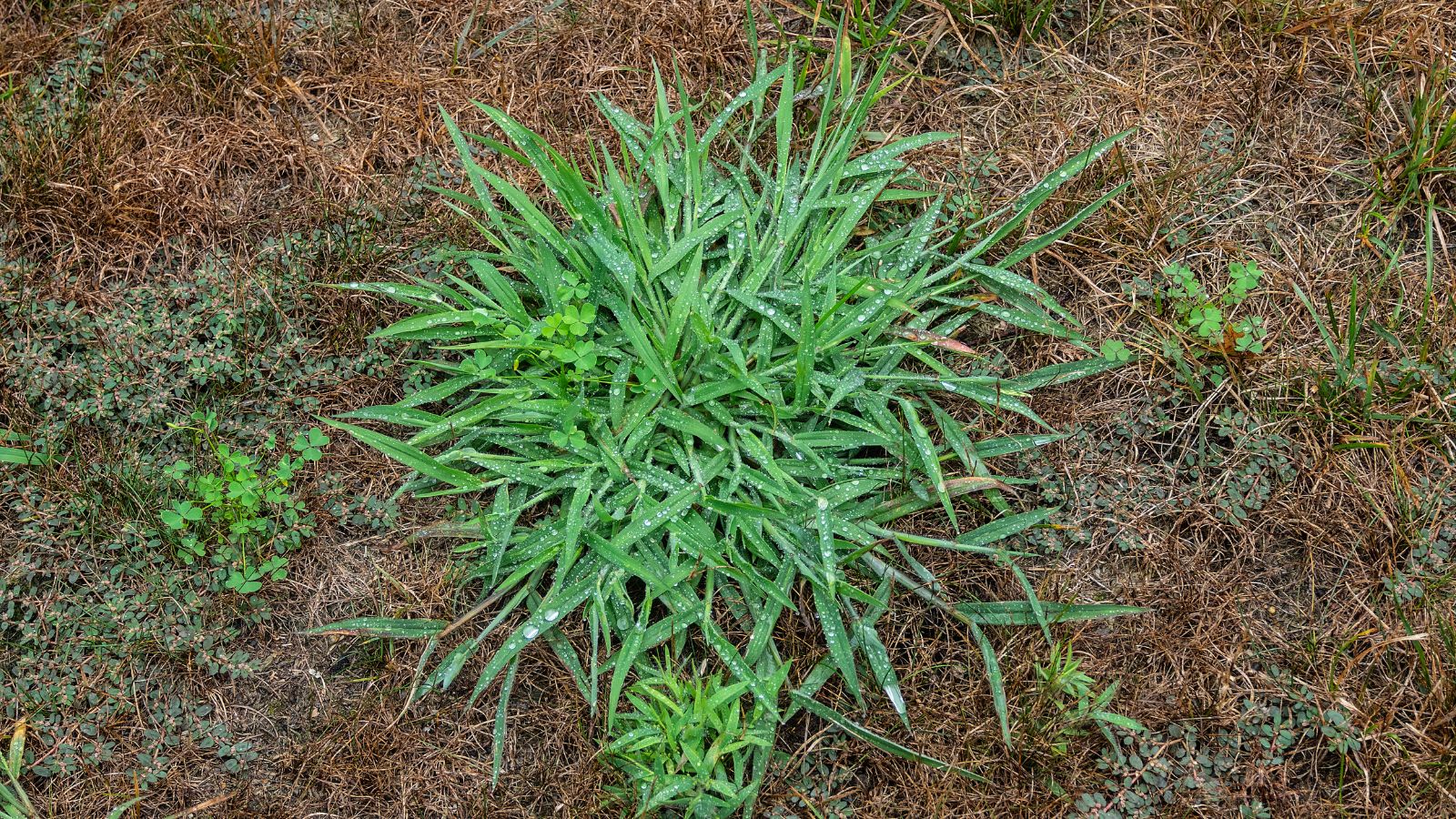
Image Credit: Depositphotos.com.
Appearance: Sprawling grass with fingered, low-growing leaves; seed heads at the center.
Why It Grows: Invades thin, bare, or stressed lawns.
Potential Benefits: Its dense growth can help prevent soil erosion. Some birds eat their seeds.
Management: Apply pre-emergent herbicides in early spring; keep the lawn thick and healthy.
3. Curly Dock (Rumex crispus)
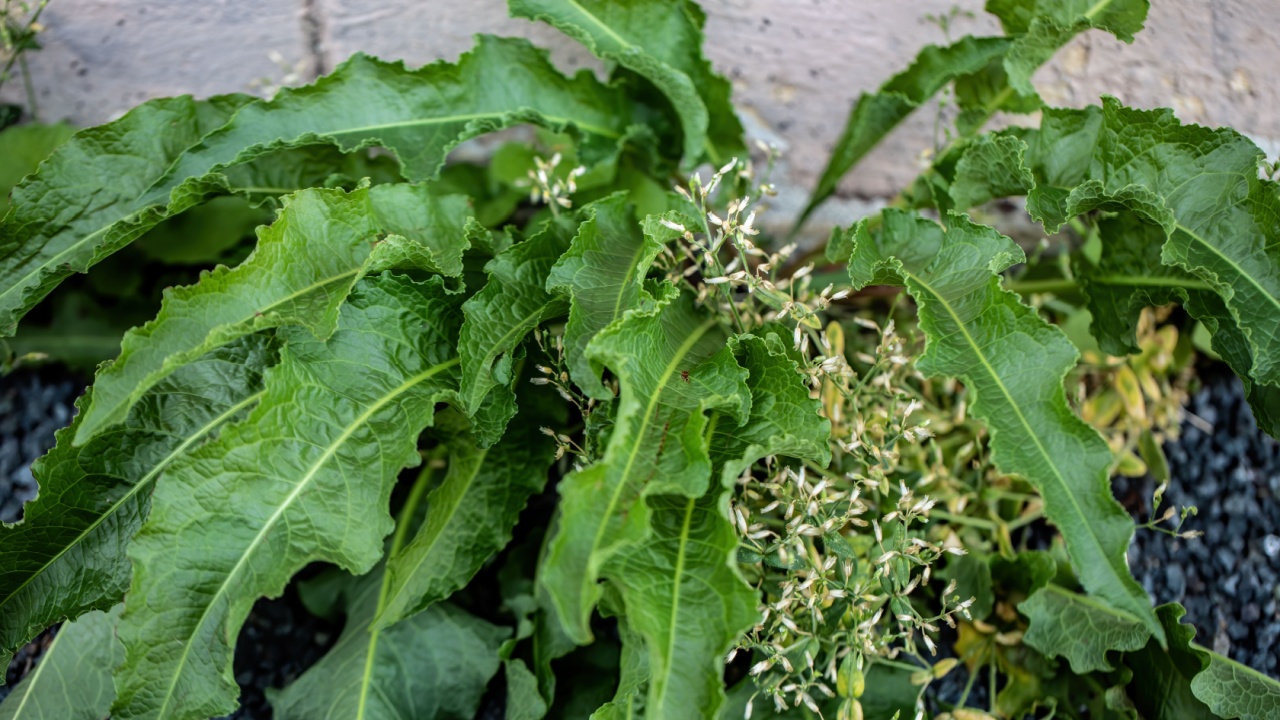
Image Credit: Shutterstock.
Appearance: Long, wavy green leaves with a reddish tint and tall stalks with seed clusters.
Why It Grows: Roots deeply in open or disturbed soil.
Potential Benefits: Young leaves can be cooked and eaten; roots are sometimes used in herbal teas as a mild laxative; seeds offer food for some birds.
Management: Dig deep to remove the full taproot; spot-treat stubborn patches.
4. Dandelion (Taraxacum officinale)

Image credit: YAY Images.
Appearance: Bright yellow flowers and serrated leaves; white puffball seed heads.
Why It Grows: Thrives in sun and disturbed soil.
Potential Benefits: Edible flowers, roots, and leaves (fresh or as tea); early nectar for bees; deep roots help break up hard soil and recycle nutrients.
Management: Hand-dig the full root; targeted herbicide for extensive infestations.
5. Field Bindweed (Convolvulus arvensis)
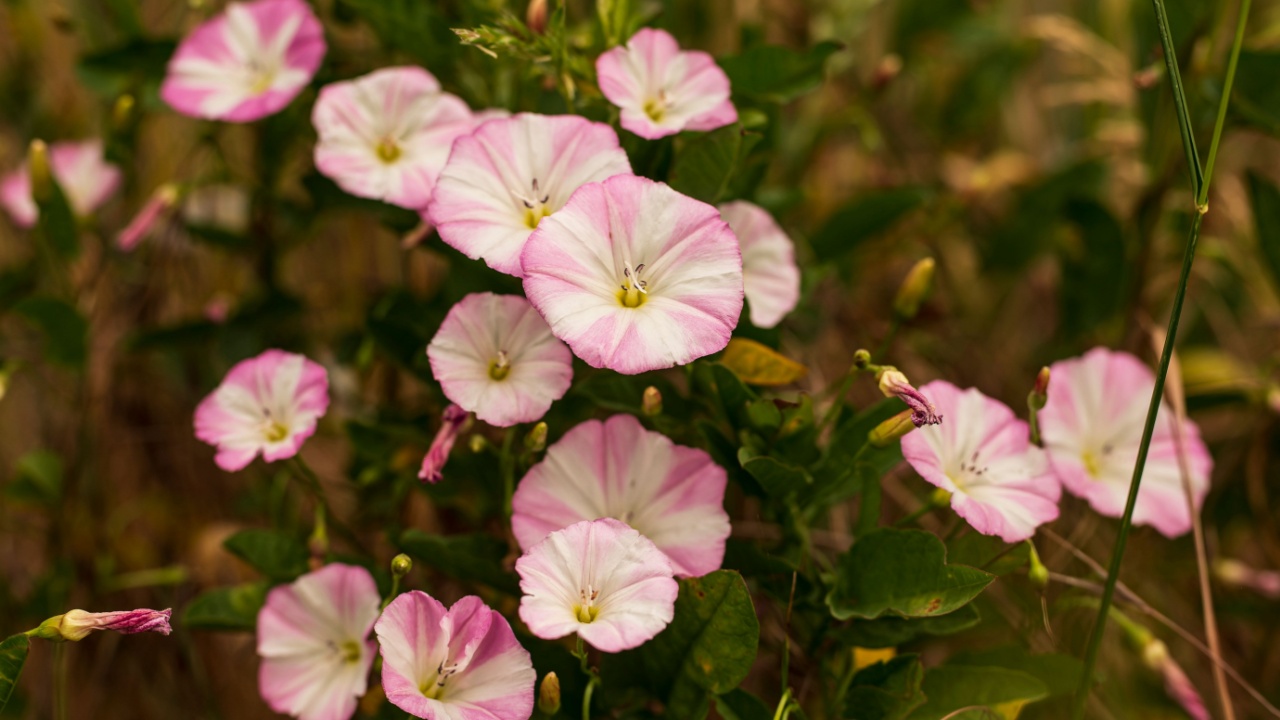
Image Credit: Shutterstock.
Appearance: Vine with arrowhead leaves and white or pink funnel-shaped flowers.
Why It Grows: Spreads by roots and seeds, especially in sunny areas.
Potential Benefits: Attracts some pollinating insects; improves ground cover where other plants struggle (though highly invasive).
Management: Persistent digging and weed barrier; repeated herbicides may be needed.
6. Ground Ivy / Creeping Charlie (Glechoma hederacea)
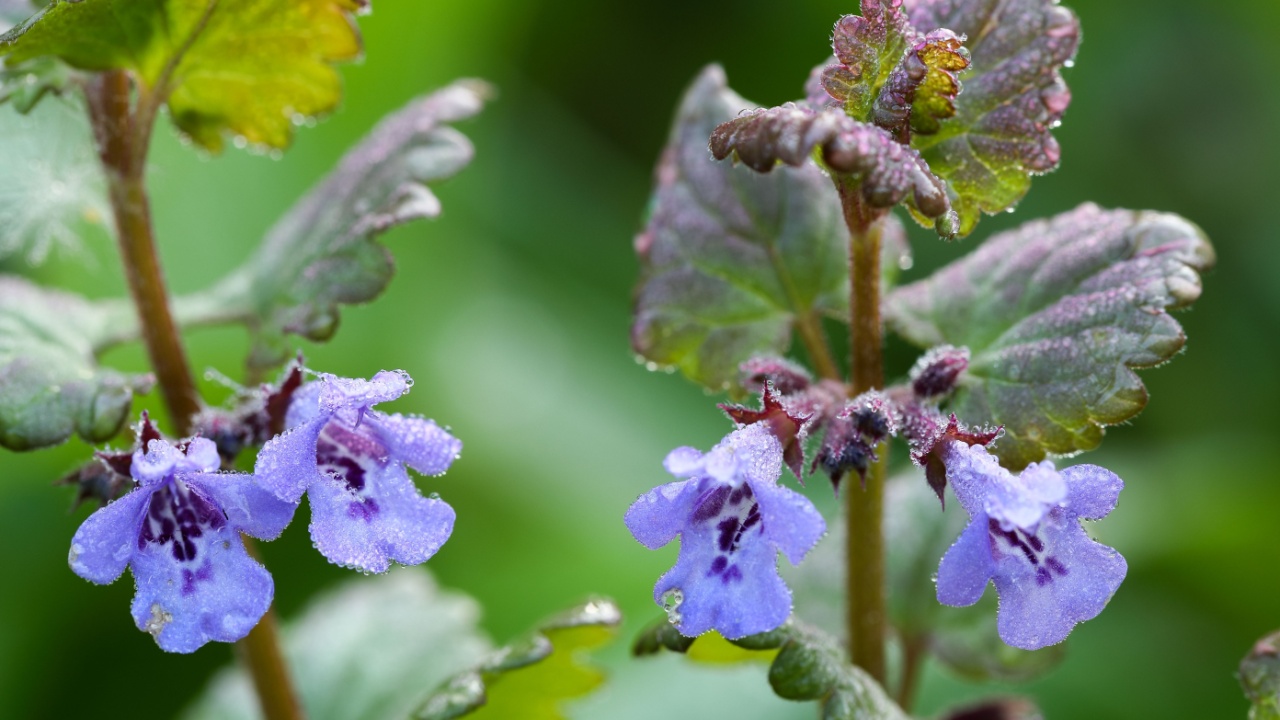
Image Credit: Shutterstock.
Appearance: Creeping mats of kidney-shaped leaves with scalloped edges and purple-blue flowers.
Why It Grows: Spreads in shady, moist lawns.
Potential Benefits: Early spring nectar for bees; historically used as a medicinal tea.
Management: Maintain healthy turf, pull by hand, or use selective broadleaf herbicide.
7. Japanese Knotweed (Fallopia japonica)
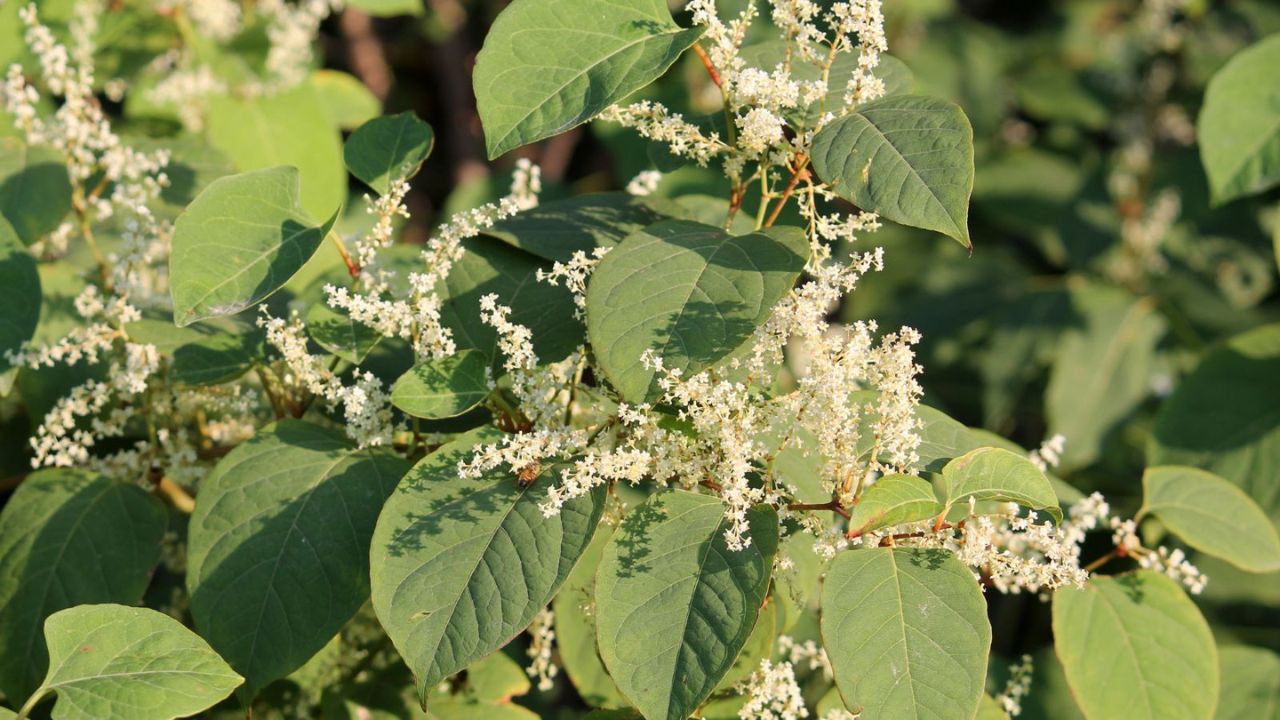
Image Credit: Depositphotos.com.
Appearance: Tall plant with bamboo-like stems and clusters of cream flowers.
Why It Grows: Rapidly invades disturbed areas, especially near water.
Potential Benefits: Young shoots are edible (used like rhubarb); roots are used in some traditional medicine; late-season flowers support bees.
Management: Repeated cutting and root removal; systemic herbicide (where legal).
8. Lamb’s Quarters (Chenopodium album)
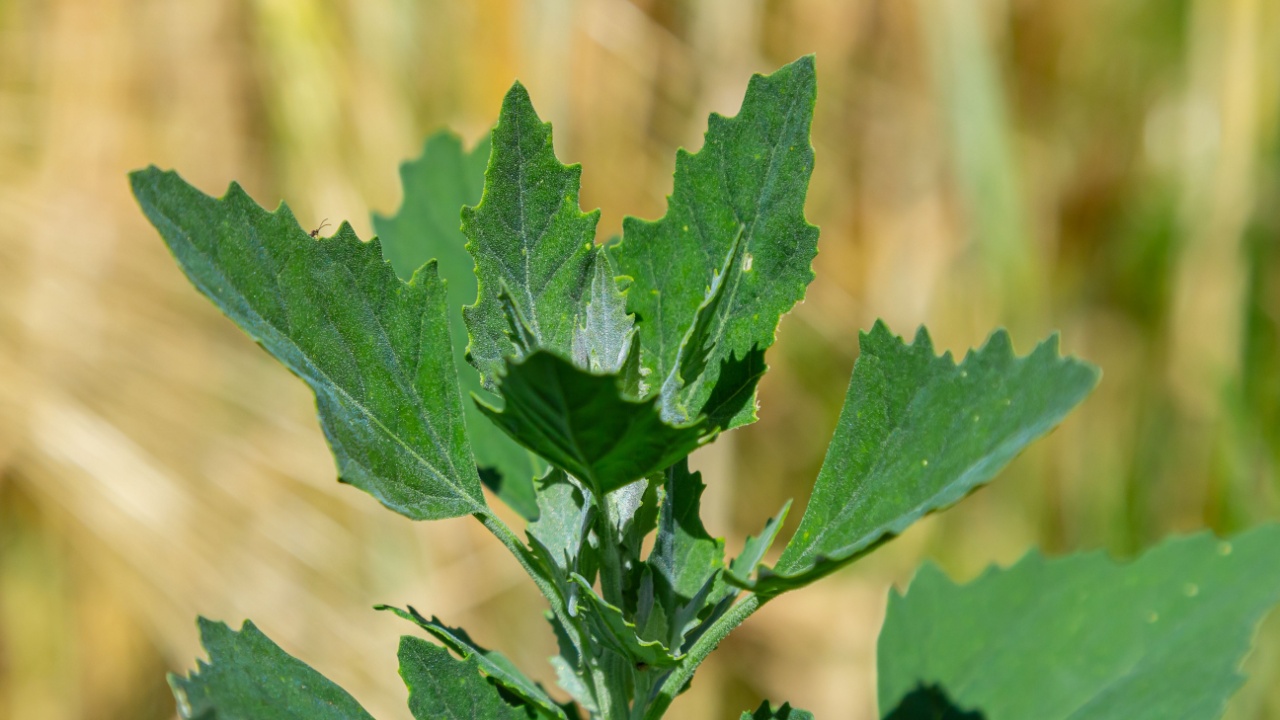
Image Credit: Shutterstock.
Appearance: Silvery, goosefoot-shaped leaves; small clusters of green seeds.
Why It Grows: Prefers rich, open soil; compost heaps.
Potential Benefits: Edible, highly nutritious leaves (cooked or raw); beneficial for pollinators; phytoremediation (can absorb excess nutrients from soil).
Management: Hand-pull before seeding; dense mulch helps block growth.
9. Burclover (Medicago polymorpha)

Image Credit: Shutterstock.
Appearance: Clover-like foliage, small yellow flowers, and spiny bur-like seed pods.
Why It Grows: Favors disturbed soils and lawns.
Potential Benefits: Fixes nitrogen in the soil, improving fertility; provides forage for bees.
Management: Hand-pull or mow before burs form; improve turf density.
10. Poison Ivy (Toxicodendron radicans)

Image Credit: Shutterstock.
Appearance: Woody vine or shrub; “leaves of three” with reddish tinge in fall.
Why It Grows: Wild or neglected spaces; edges of forests.
Potential Benefits: Berries are winter food for birds; they provide shelter for small wildlife.
Management: Wear gloves to dig roots; repeated systemic herbicide treatments.
11. Purslane (Portulaca oleracea)
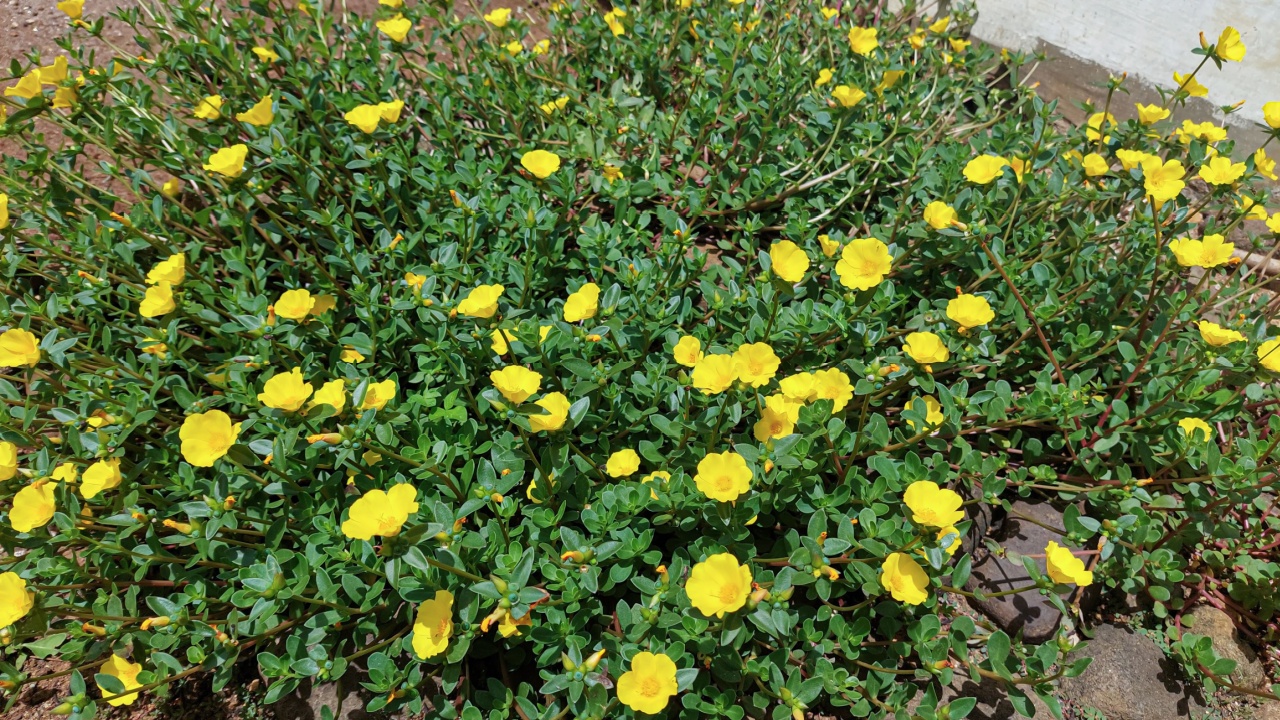
Image Credit: Shutterstock.
Appearance: Low, succulent plant with reddish stems, paddle-shaped leaves, and tiny yellow flowers.
Why It Grows: Grows in much-tilled, hot, and compacted areas.
Potential Benefits: Highly nutritious edible leaves (rich in omega-3s); attracts pollinators.
Management: Pull before seed drops; pulled stems can re-root.
12. Wild Violets (Viola spp.)
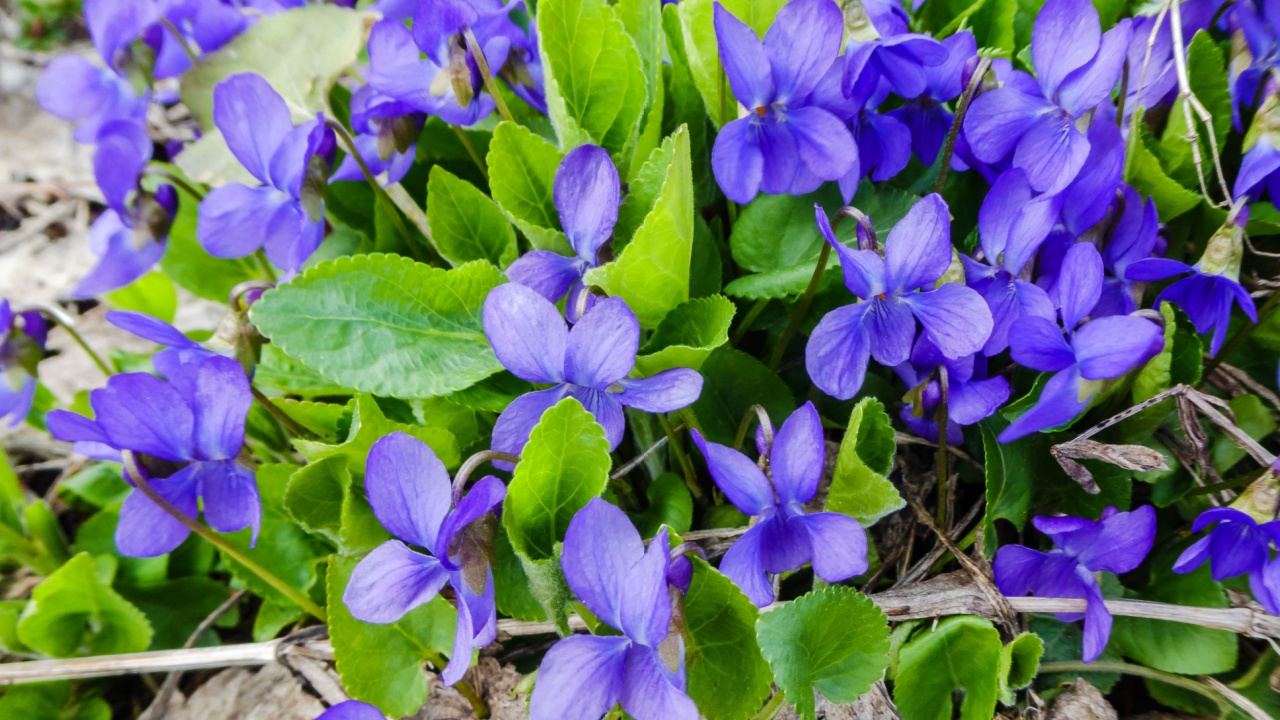
Image Credit: Shutterstock.
Appearance: Heart-shaped leaves, purple or white spring blooms.
Why It Grows: Prefers shady, moist areas.
Potential Benefits: Early nectar source for bees; edible leaves and flowers; roots stabilize soil.
Management: Dig up clumps; persistent pulling reduces spread.
13. White Clover (Trifolium repens)
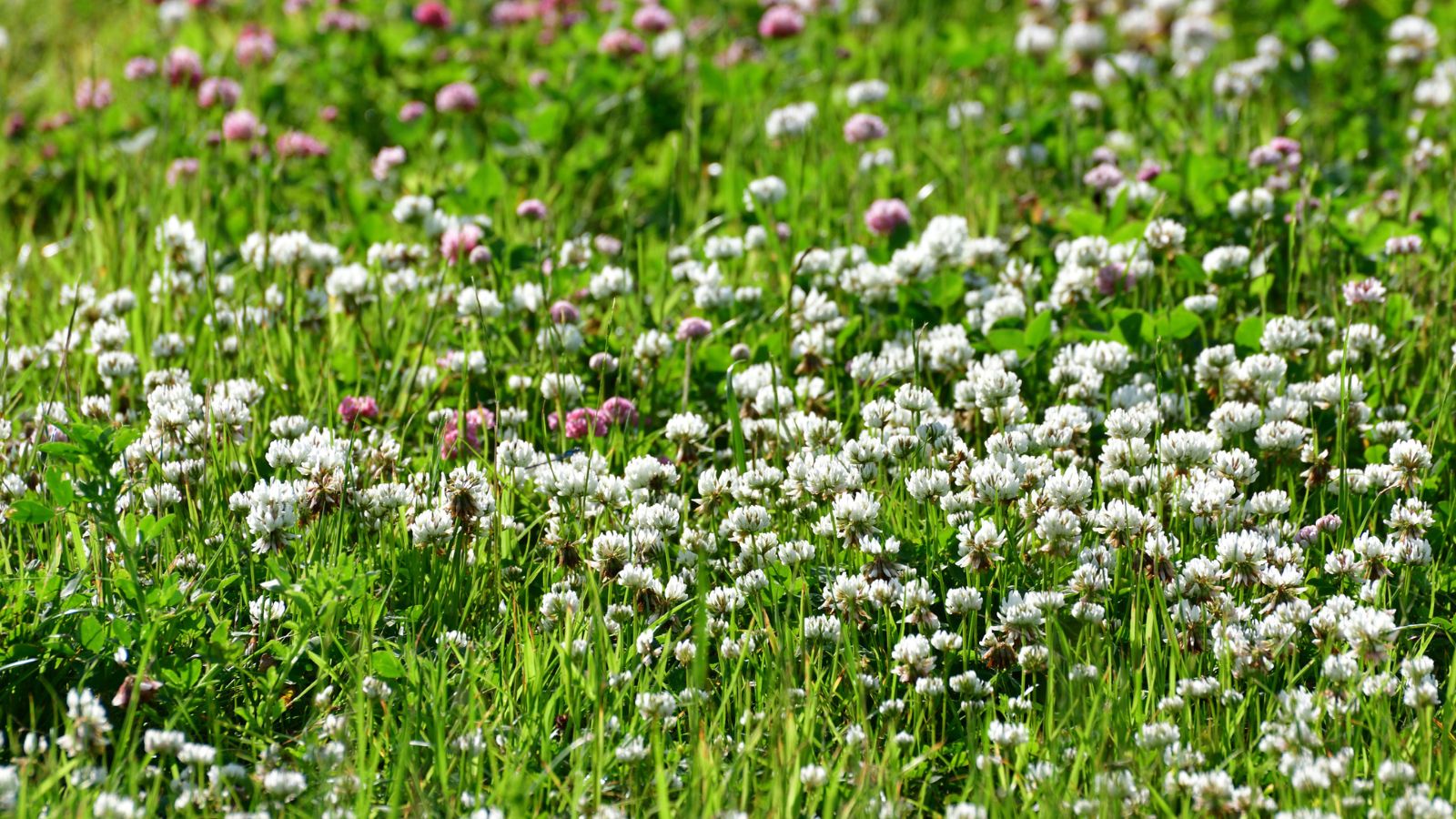
Image credit: YAY Images
Appearance: Three-leaf clusters; white or pale pink pom-pom flowers.
Why It Grows: Cool, moist lawns; disturbed soils.
Potential Benefits: Fixes nitrogen in soil; provides food for pollinators; edible leaves and flowers.
Management: Suitable for pollinator lawns; remove by hand or spot-treat as needed.
14. Yellow Woodsorrel (Oxalis stricta)

Image Credit: Shutterstock.
Appearance: Clover-like leaflets, small yellow flowers, and slender seedpods.
Why It Grows: Favors sun and disturbed beds.
Potential Benefits: Leaves are edible in small amounts; flowers attract bees.
Management: Mulch and hand-pull persistently.
15. Chicory (Cichorium intybus)

Image Credit: Shutterstock.
Appearance: Tall stalks with bright blue flowers.
Why It Grows: Thrives in dry, poor soils and roadsides.
Potential Benefits: Roots are roasted for a coffee substitute; edible leaves; pollen source for bees.
Management: Pull before seed set or tolerate as a pollinator plant.
16. Common Mallow (Malva neglecta)

Image Credit: Shutterstock.
Appearance: Low-growing, round leaves; pink or purple, small flowers.
Why It Grows: Grows in compacted, disturbed areas and cracks.
Potential Benefits: Leaves, flowers, and seeds are edible; traditional medicinal uses.
Management: Pull by hand when young; deep roots require digging.
17. Prostrate Spurge (Euphorbia maculata)
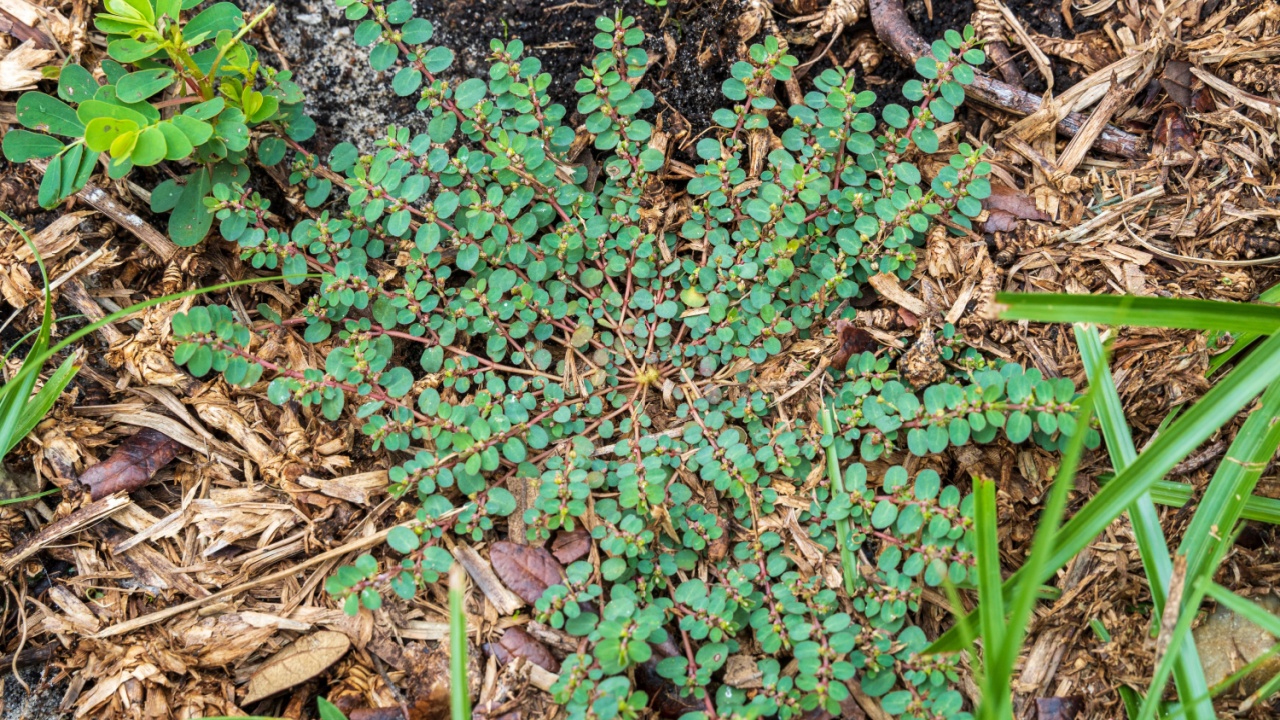
Image Credit: Shutterstock.
Appearance: Flat mats with reddish stems and small green leaves with a central red spot.
Why It Grows: Hot, dry, compacted soil.
Potential Benefits: Some insect support; roots help stabilize the soil surface.
Management: Mulch and pull by hand early.
18. Ragweed (Ambrosia artemisiifolia & A. trifida)
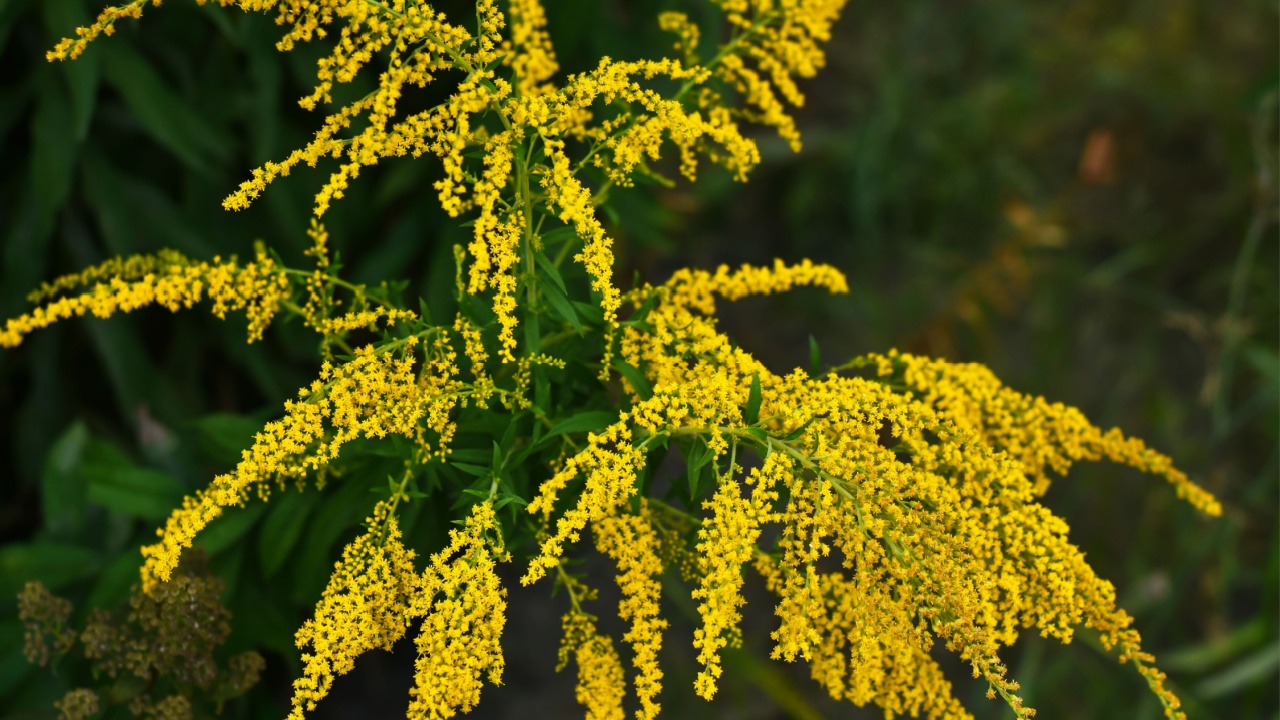
Image Credit: Shutterstock.
Appearance: Feathery leaves; inconspicuous green flowers on tall stalks.
Why It Grows: Poor, disturbed soils in the sun.
Potential Benefits: Seeds provide food for birds.
Management: Remove before flowering to avoid allergy issues.
19. Quackgrass (Elymus repens)
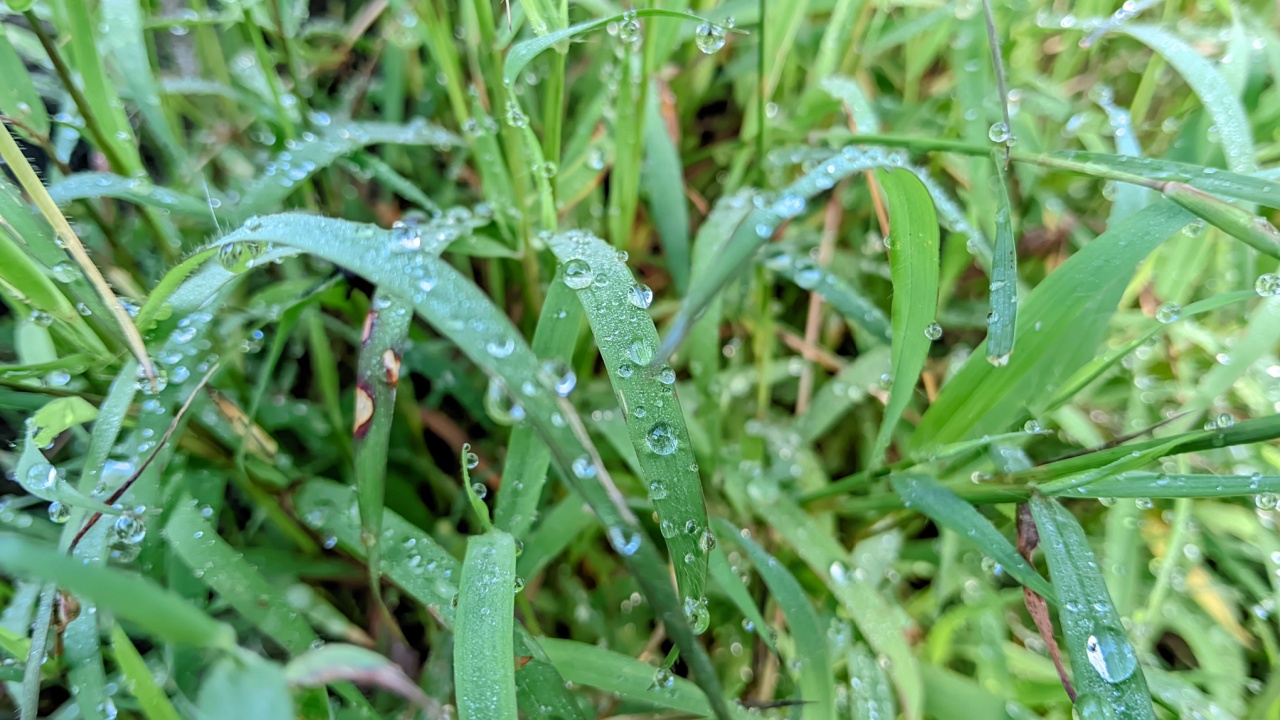
Image Credit: Shutterstock.
Appearance: Upright, coarse-leaved grass with creeping rhizomes.
Why It Grows: Spreads in weak lawns and bare soil.
Potential Benefits: Erosion control and some wildlife forage.
Management: Persistent digging; remove entire roots; thick mulch helps.
20. Sandbur (Cenchrus spp.)
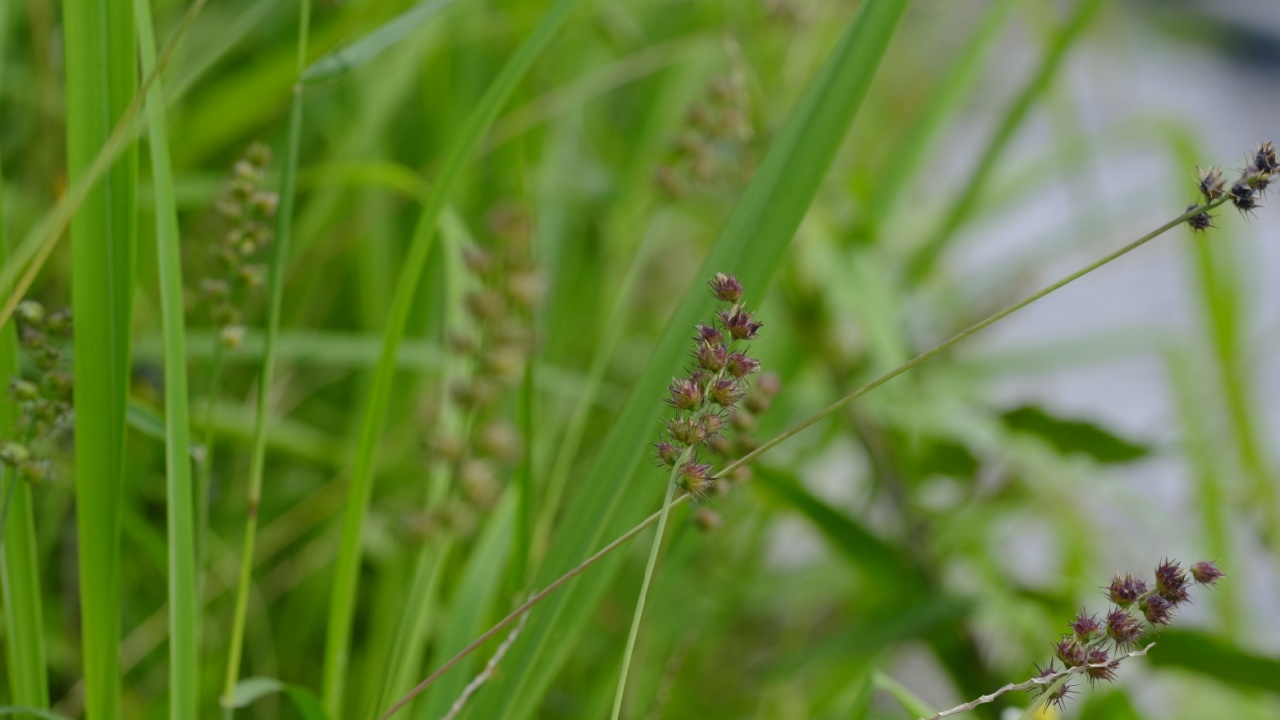
Image Credit: Shutterstock.
Appearance: Grass-like plant with sharp, sand-colored burs.
Why It Grows: Sandy, dry areas with sparse turf.
Potential Benefits: Can help stabilize soil in extremely dry spots.
Management: Maintain dense turf, mow before burs mature, spot treat.
21. Stinging Nettle (Urtica dioica)

Image Credit: Shutterstock.
Appearance: Tall, upright stems with jagged leaves and tiny stinging hairs.
Why It Grows: Rich, moist soils; sometimes in colonies.
Potential Benefits: Leaves can be cooked and eaten (rich in iron and protein); medicinal uses in teas; attracts butterflies.
Management: Gloves required; dig roots; consistent mowing works.
22. Shepherd’s Purse (Capsella bursa-pastoris)

Image Credit: Shutterstock.
Appearance: Rosette of leaves; stalk bears tiny white flowers and heart-shaped pods.
Why It Grows: Cool, moist, disturbed soil in spring/fall.
Potential Benefits: Traditionally used in herbal medicine; beneficial as early greenery for insects.
Management: Pull early or hoe before seeds form.
23. Sheep Sorrel (Rumex acetosella)
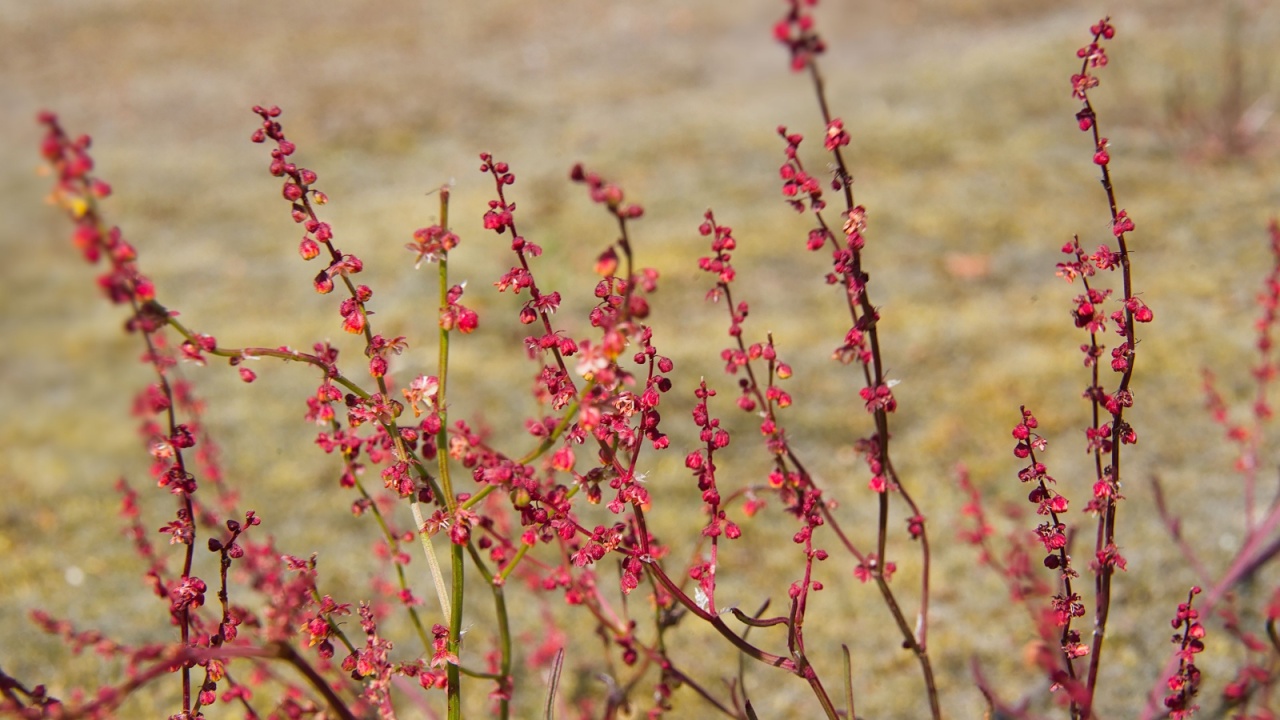
Image Credit: Shutterstock.
Appearance: Low plant with arrow-shaped leaves and tall, reddish seed stalks.
Why It Grows: Sandy, acidic soils.
Potential Benefits: Leaves edible in moderation; good groundcover in barren areas; attracts pollinators.
Management: Lime soil to change pH; remove full roots.
24. False Daisy (Eclipta prostrata)
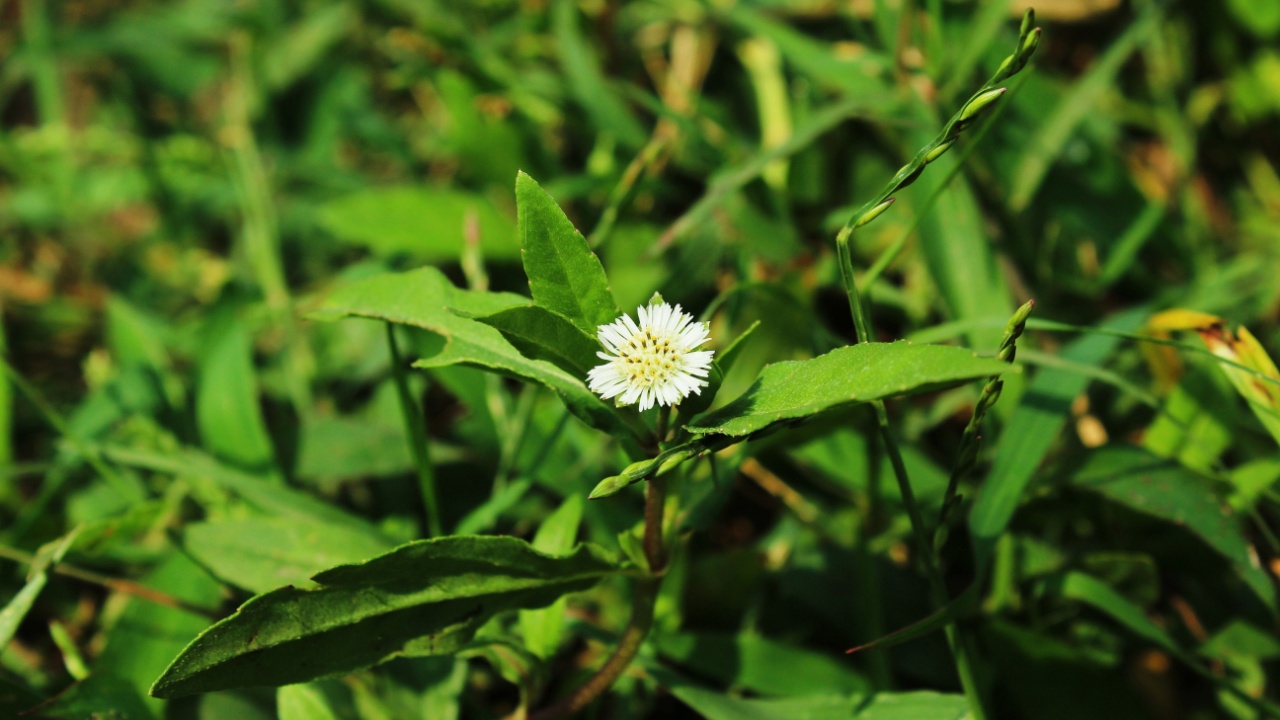
Image Credit: Shutterstock.
Appearance: Spreading plant with small white daisy-like blossoms and dark leaves.
Why It Grows: Prefers damp, poorly drained areas.
Potential Benefits: Used in herbal medicine (hair and skin health); flowers attract pollinators.
Management: Improve drainage; hand-pull before flowering.
25. Spiny Sowthistle (Sonchus asper)
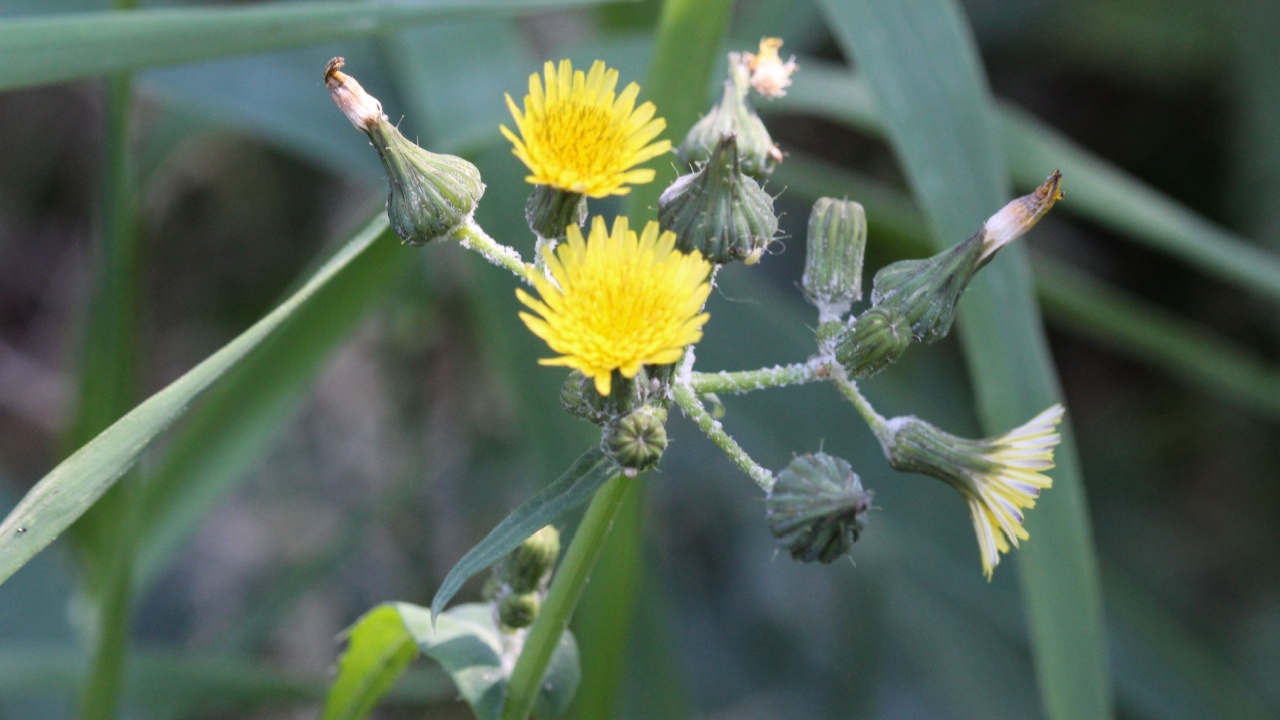
Image Credit: Shutterstock.
Appearance: Tall weed with shiny, sharply spined leaves and yellow dandelion-like flowers.
Why It Grows: Disturbed soil, garden edges, waste areas.
Potential Benefits: Edible young greens; flowers for bees.
Management: Wear gloves to pull or hoe while young; mulch bare ground.
26. Canada Thistle (Cirsium arvense)

Image credit: Depositphotos.com.
Appearance: Spiky leaves, purple or pink, fluffy flowers.
Why It Grows: Sunny, open, disturbed sites.
Potential Benefits: Flowers attract bees and butterflies; seeds feed birds.
Management: Repeated mowing and spot herbicide.
27. Black Medic (Medicago lupulina)

Image Credit: Shutterstock.
Appearance: Low, creeping clover relative with small yellow flowers and black seedpods.
Why It Grows: Compacted, low-nitrogen soils.
Potential Benefits: Nitrogen-fixer; feeds some pollinators; soil improvement.
Management: Correct soil deficiencies; hand-pull or spot-treat.
28. Burdock (Arctium spp.)
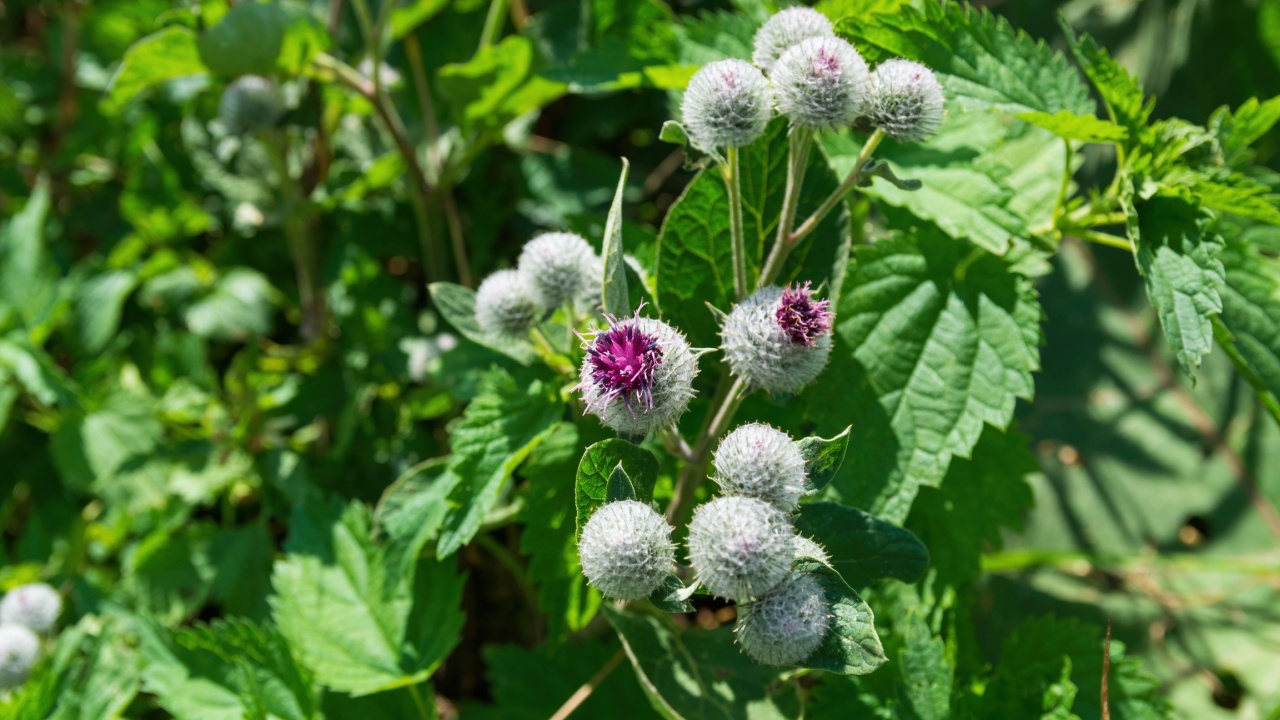
Image Credit: Shutterstock.
Appearance: Very large, broad leaves; prickly burrs; purple-pink globular flowers.
Why It Grows: Wild or untended areas.
Potential Benefits: Roots edible (used in Asian cuisine); flowers for late pollinators; burrs aid in natural seed dispersal.
Management: Remove young plants before the taproot matures.
29. Chickweed (Stellaria media)
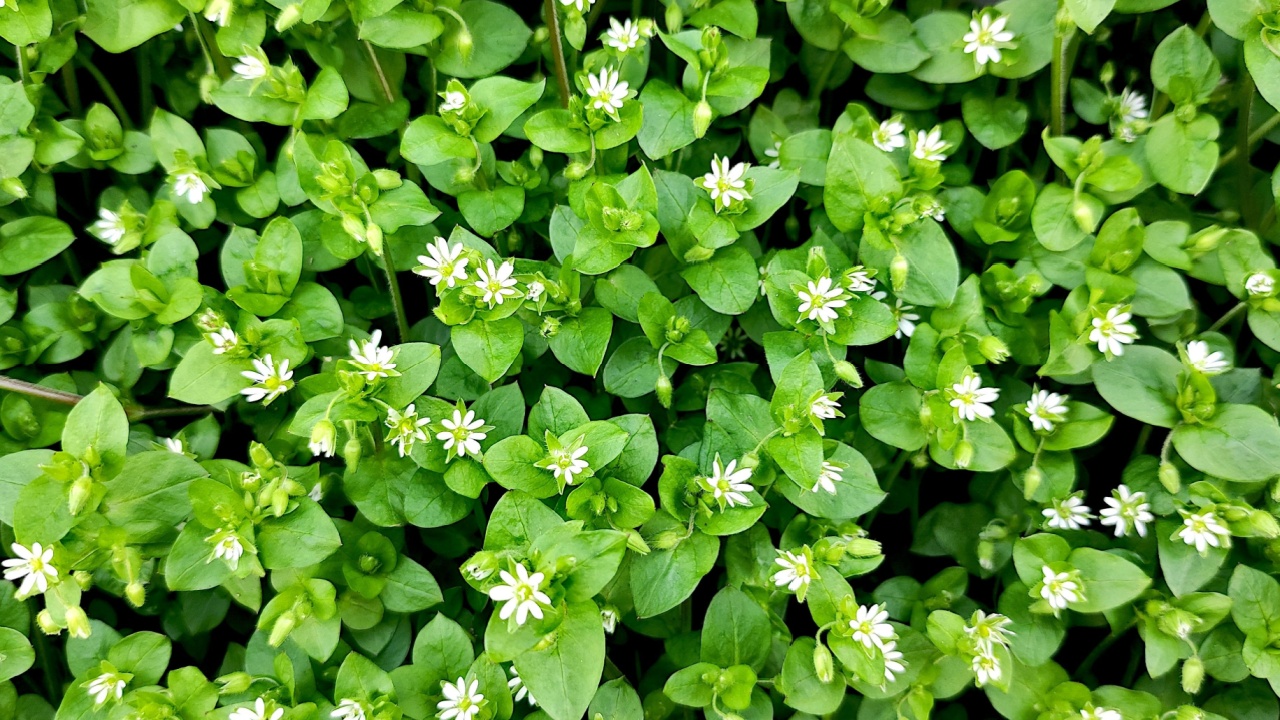
Image Credit: Shutterstock.
Appearance: Small star-shaped white flowers and tender, bright green leaves.
Why It Grows: Cool, moist spots and in rich soil.
Potential Benefits: Edible leaves and stems; nutritious and mild; attract early pollinators.
Management: Pull or hoe before seeds set.
30. Common Mullein (Verbascum thapsus)
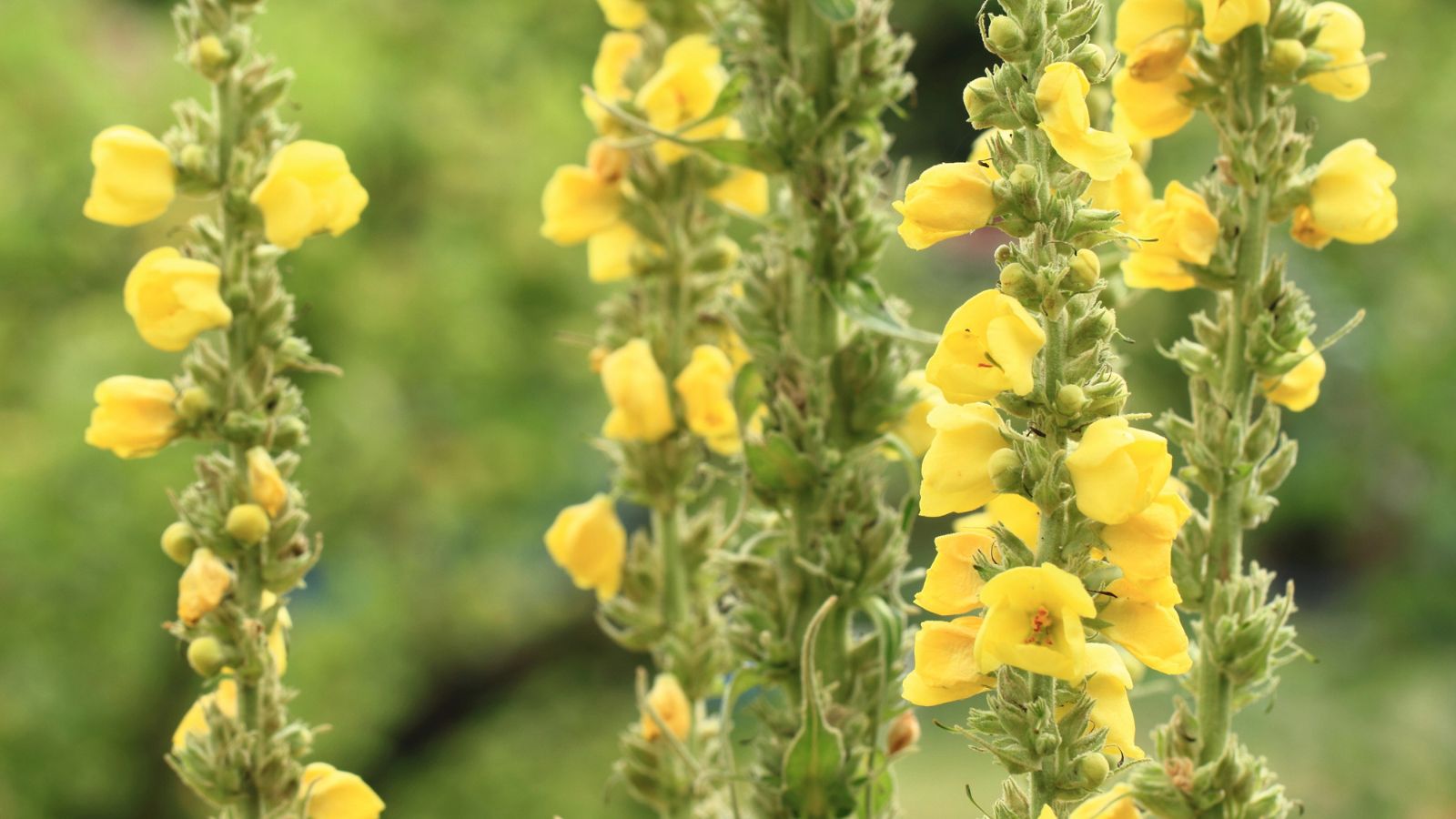
Image credit: Depositphotos.com.
Appearance: Large, velvety gray-green leaves in a rosette; tall stalk of yellow flowers.
Why It Grows: Dry, disturbed soils.
Potential Benefits: Flower stalks for pollinators; dried leaves traditionally used as an herbal tea.
Management: Pull by hand before flowering; cut stalks to prevent seeding.
31. Henbit (Lamium amplexicaule)
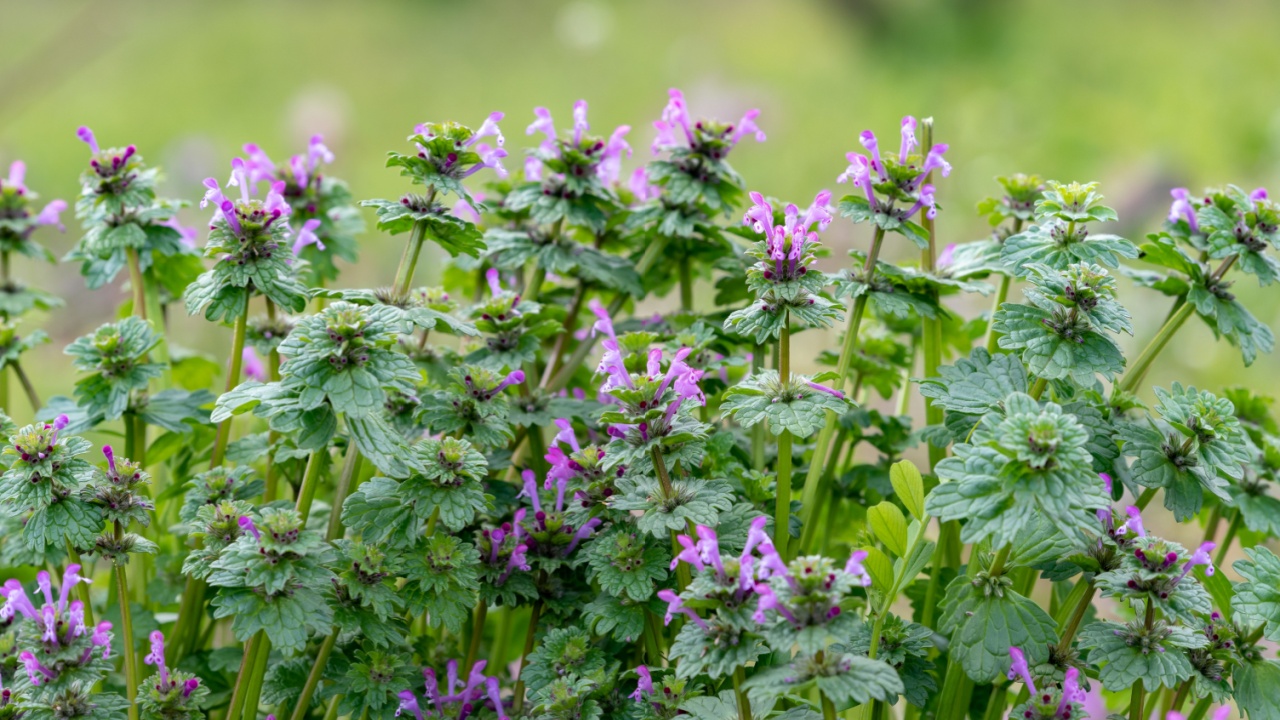
Image Credit: Shutterstock.
Appearance: Low, square-stemmed plant with rounded, scalloped leaves and small purple flowers.
Why It Grows: Cool, damp soils early in spring.
Potential Benefits: Blooms in late winter/early spring for pollinators; young leaves are edible.
Management: Hand-pull before bloom; add mulch to block regrowth.
32. Spotted Spurge (Euphorbia maculata)

Image Credit: Shutterstock.
Appearance: Prostrate mats; reddish stems, tiny green leaves often with a central spot.
Why It Grows: Compacted, dry places and between paving stones.
Potential Benefits: Stabilizes soil surface; attracts some insects. Sap is toxic, so take care.
Management: Hand-pull with gloves; address before seeds form; maintain dense groundcover to outcompete.
What Are Your Planting Goals?
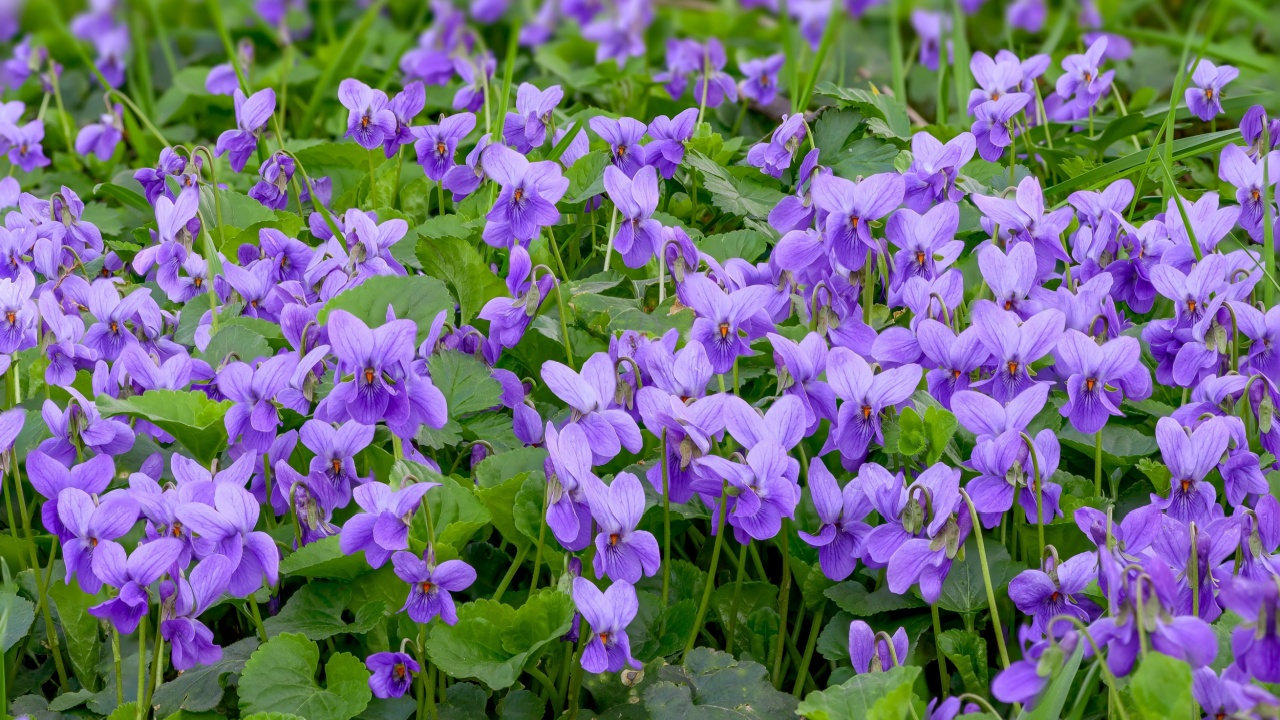
Image Credit: Shutterstock.
Let this guide help shape your garden priorities—whether maintaining a pristine lawn, fostering pollinators, or harvesting rare salad greens, understanding your “weeds” puts the power in your hands!