
3 Realities Retirees Face If They Live Alone
Could retirement be lonelier than it seems? Inflation and shifting demographics are reshaping the American retirement landscape. A growing group known as “solo-agers” (older adults without partners or children to rely on) now face a unique set of economic and logistical hurdles.
While living alone offers independence, it also shrinks the financial margin for error. With roughly 28% of Americans over 65 now living solo, understanding these specific challenges is critical for long-term stability. Let’s explore three primary difficulties solo retirees encounter and practical advice to navigate them successfully.
1. The Heavy Burden of the “Singles Tax.”
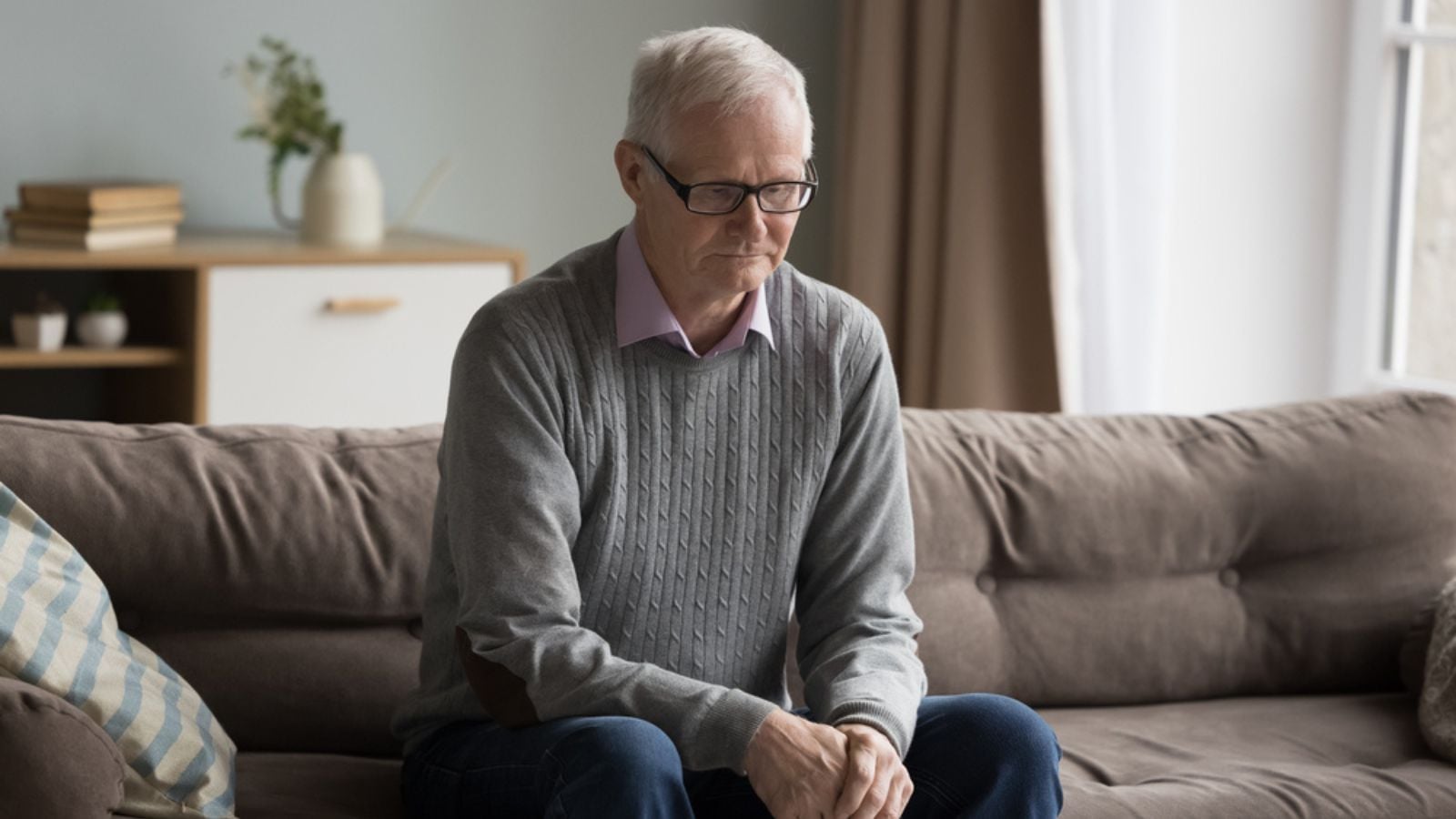
Solo-agers encounter a financial phenomenon known as the “singles tax.” This refers to the reality that a single person must shoulder the full cost of essential expenses that couples typically share.
A mortgage, property tax bill, internet connection, and heating bill cost the same amount for one person as they do for two (generally speaking). However, the solo retiree must cover these costs with a single income stream.
This burden hits housing costs the hardest. Rent and insurance rates continue to climb, which can quickly overwhelm a fixed income. This issue disproportionately affects women, as 43% of women over 75 live alone compared to just 21% of men. Without the buffer of a second Social Security check or pension, maintaining a household in a high-cost area becomes a precarious balancing act.
2. Health and Mobility Challenges

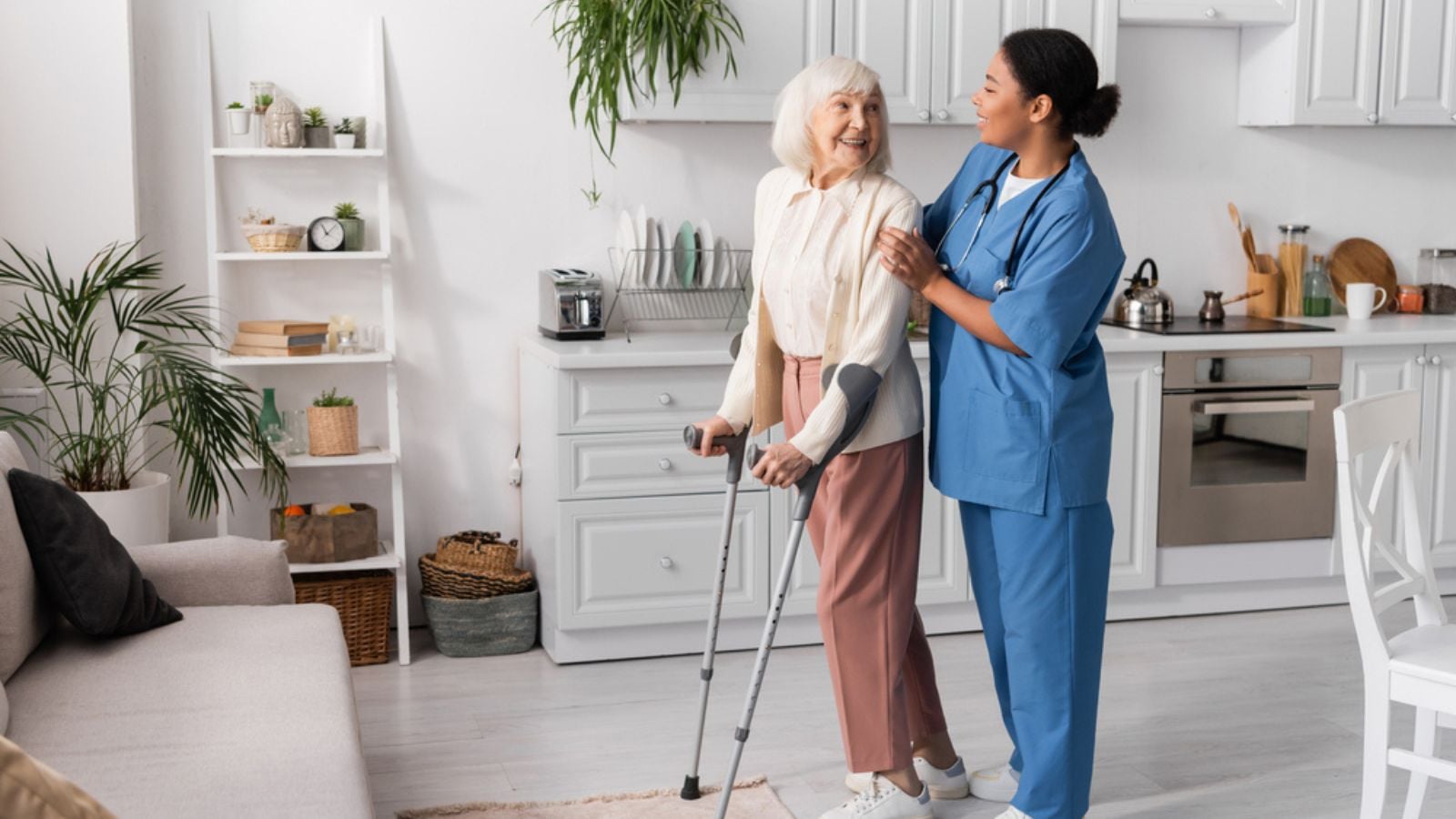
Living alone increases the risks related to health and mobility. Seniors without daily support face delays in addressing medical emergencies, falls, or chronic illness management. The absence of a live-in caregiver often means paying for professional help, which can be costly and emotionally stressful.
Making a few changes at home and staying in touch with others can really help. Things like grab bars, anti-slip mats, and stair rails make moving around safer, while regular telehealth check-ins or a wearable medical alert device can get help fast in an emergency. Having a solid support network of neighbors, friends, or local volunteers is just as important.
3. Decision-Making Paralysis and Legal Vulnerability
Planning for the end of life is uncomfortable, and without a partner to discuss these matters, many solo-agers procrastinate. Leaving wills, advance directives, and power of attorney unfinished is risky.
If you become incapacitated without a designated proxy, a court-appointed stranger may end up making your medical and financial decisions. Waiting for a crisis is often too late to protect your assets or health preferences.
Taking Control of Your Future

Living solo in retirement requires a higher level of strategic foresight than partnering up does. The financial and logistical stakes are higher, but the situation is manageable with proactive effort. Focus on creating a robust plan that addresses housing, health, and legal protection. By taking these steps today, you protect your independence and secure your peace of mind for the years ahead.