3 Reasons Scientists Say Guests Should Take Their Shoes Off Indoors
Deciding on house rules can be a delicate dance, especially when it involves asking guests to do something. The “shoes off at the door” policy is a common point of contention. Some people see it as a sign of respect and cleanliness, while others might find it a bit awkward.
This article explains the science behind why a no-shoes rule is a smart move for a healthier home. It’s not just about keeping the floors clean; it’s about what those shoes are tracking onto your carpets and floorboards.
The next time someone asks, “Should I take off my shoes off?” You can confidently say yes, please, without feeling guilty about how it’s perceived.
1. Shoes Track in Unwanted Bacteria
When you walk around outside, your shoes are collecting a microscopic menagerie. The ground is home to a vast array of microorganisms, and not all of them are friendly. Studies have revealed that the average shoe sole carries hundreds of thousands of bacteria. These bacteria can easily transfer from your shoes to your floors, where they can survive for days or even weeks.
Among the various bacteria found on shoes, some are particularly concerning. Researchers have identified pathogens like E. coli, which is commonly found in fecal matter from both animals and humans. Other culprits include Klebsiella pneumoniae, a bacterium that can cause pneumonia and urinary tract infections, and Serratia ficaria, which can lead to respiratory issues.
While the risk of getting sick from your shoes is relatively low for healthy adults, it’s a different story for toddlers crawling on the floor or anyone with a weakened immune system.
2. They Bring in Allergens and Pollutants
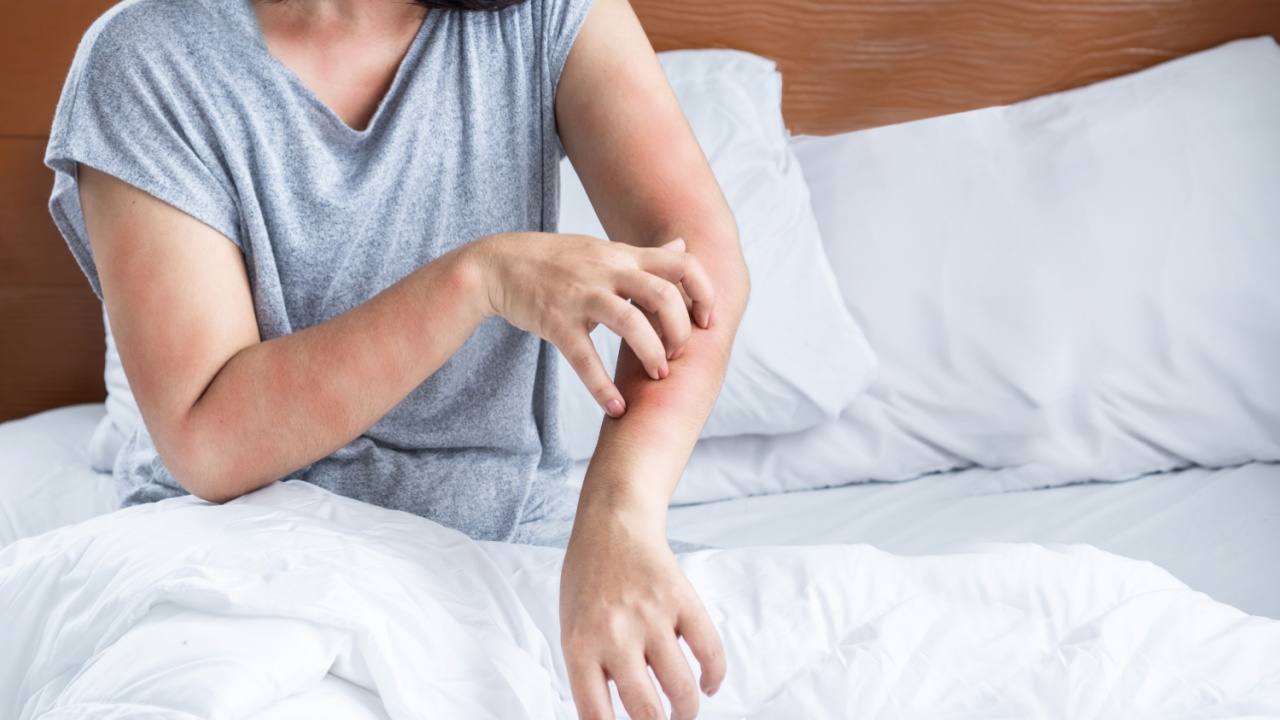
Your shoes can also act as vehicles for allergens and pollutants, bringing them from the outdoors directly into your home. Pollen from trees, grasses, and weeds can cling to the soles and uppers of your footwear. Once inside, these allergens get released into the air and settle on surfaces, potentially triggering symptoms like sneezing, itchy eyes, and a runny nose in allergy sufferers. For people with asthma, these indoor allergens can be a serious problem.
Beyond natural allergens, shoes can carry chemical residues from lawns, gardens, and streets. Pesticides and herbicides used on public parks or private yards can attach to your shoes and contaminate your indoor environment. These chemicals can persist on carpets and floors, leading to long-term exposure.
3. They Can Carry Harmful Lead Dust
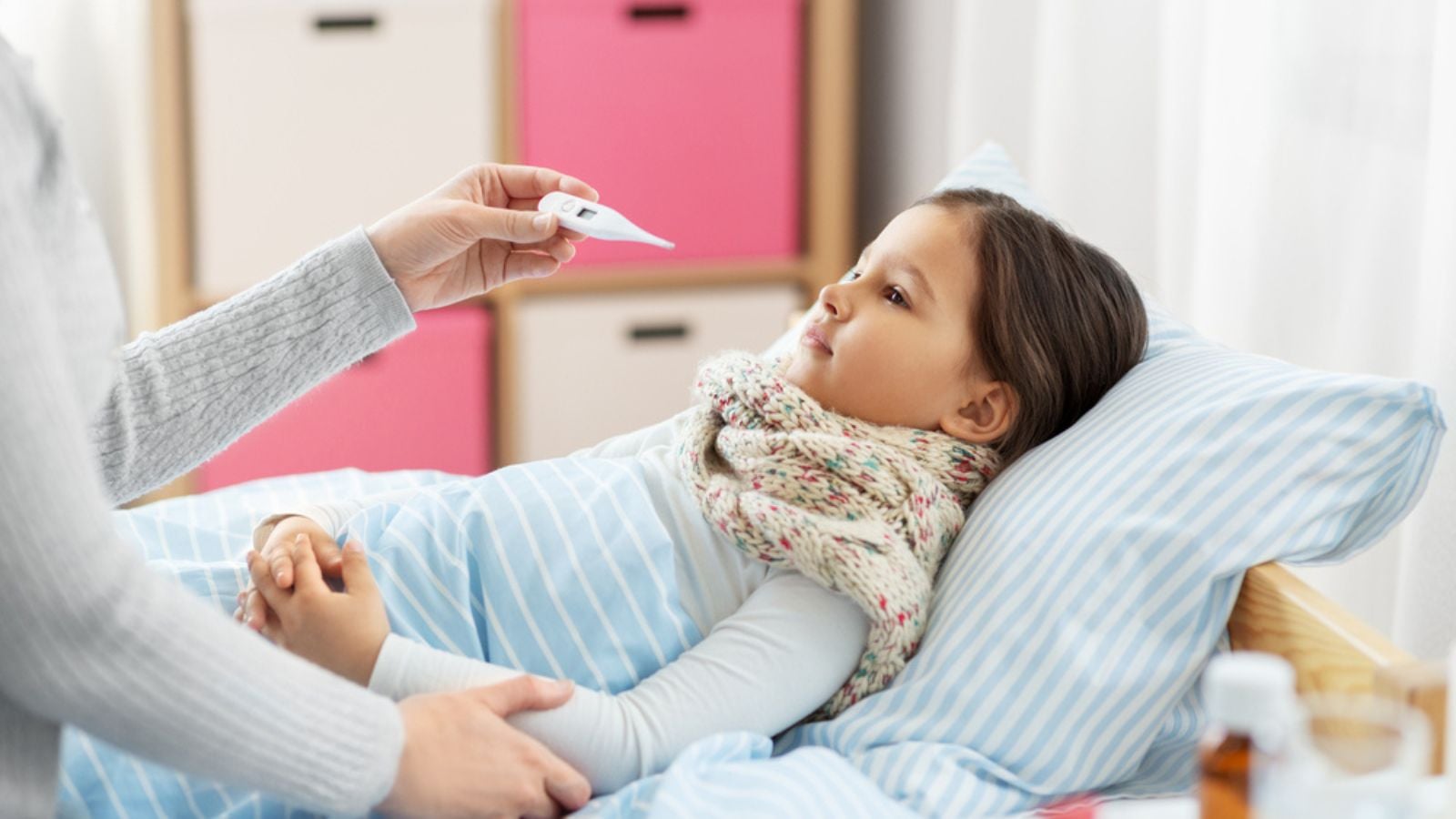
One of the more serious contaminants that shoes can track into a home is lead dust. Although lead-based paint was banned decades ago, lead can still be found in the soil, especially in older urban areas and near busy roads where leaded gasoline was once used. This lead-contaminated soil becomes dust that settles on sidewalks and streets, where it easily sticks to the bottom of shoes.
Once brought inside, lead dust poses a significant health risk, particularly for young children and pregnant women. Children are more vulnerable because they often play on the floor and put their hands in their mouths, increasing their risk of ingesting the toxic dust. Lead exposure can cause serious developmental and neurological problems in children. Removing shoes at the door is a critical step in preventing the transfer of lead dust from the outside world into your personal sanctuary.
Creating a Welcoming No-Shoes Home
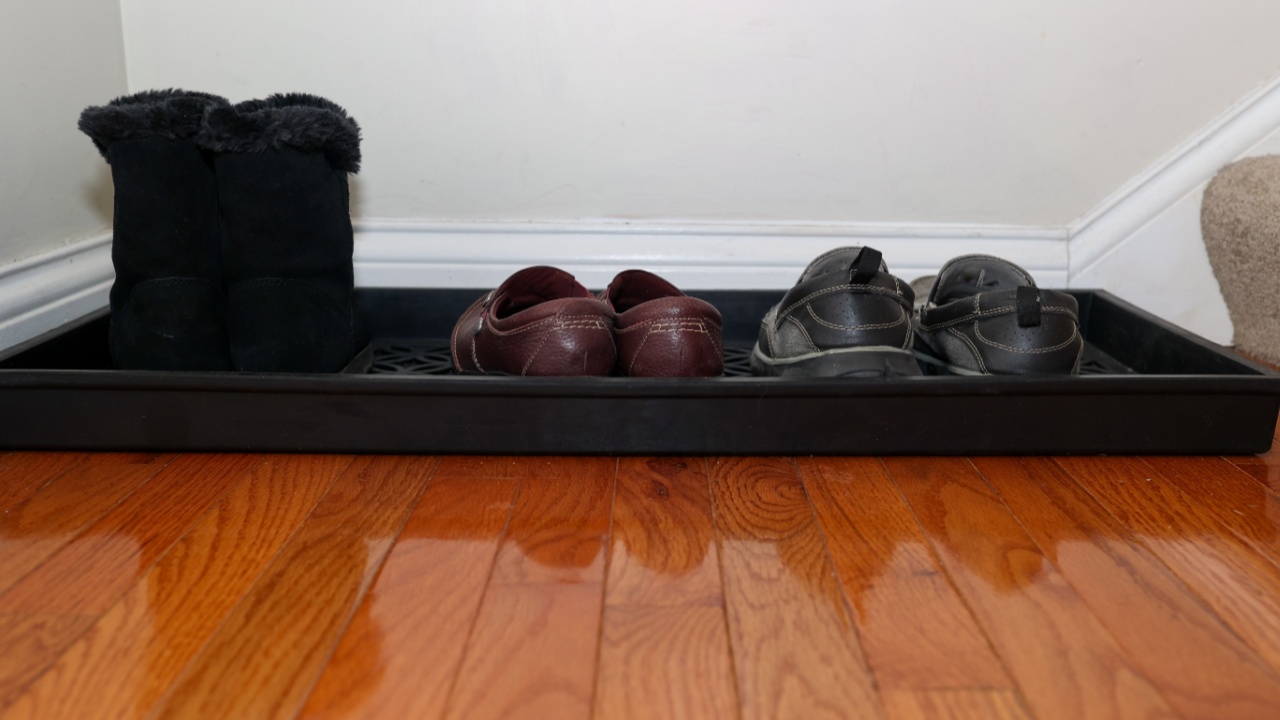
Adopting a no-shoes rule doesn’t have to be an uncomfortable conversation with your guests. You can make it a seamless part of visiting your home. A good first step is to lead by example; when your guests see that you and your family don’t wear shoes inside, they are more likely to follow suit without being asked.
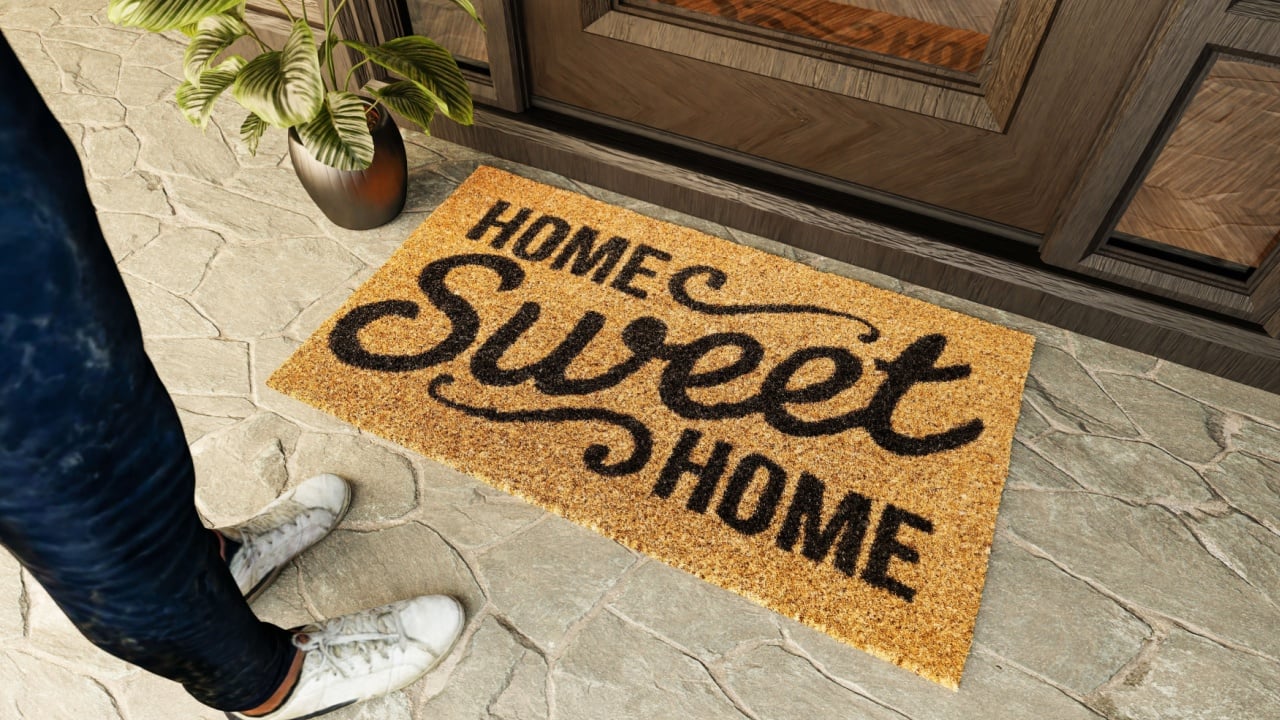
To make visitors feel more comfortable, create a designated space for shoes near the entrance. A stylish shoe rack, a simple mat, or a welcoming bench can signal your policy clearly and politely. You could also offer a basket of clean, cozy slippers or socks in various sizes for guests to wear. This gesture shows that you care about their comfort while also maintaining a clean and healthy home environment.