

Winter creates a harsh reality for local wildlife. Natural food sources disappear under frost and snow, leaving our feathered neighbors searching high and low for sustenance.
You might be surprised to discover that your kitchen cupboards hold nutritious treasures capable of helping birds survive the cold. Sharing a few specific human foods can provide essential energy and nutrients when backyard visitors need them most.
1. Raisins and Dried Fruit
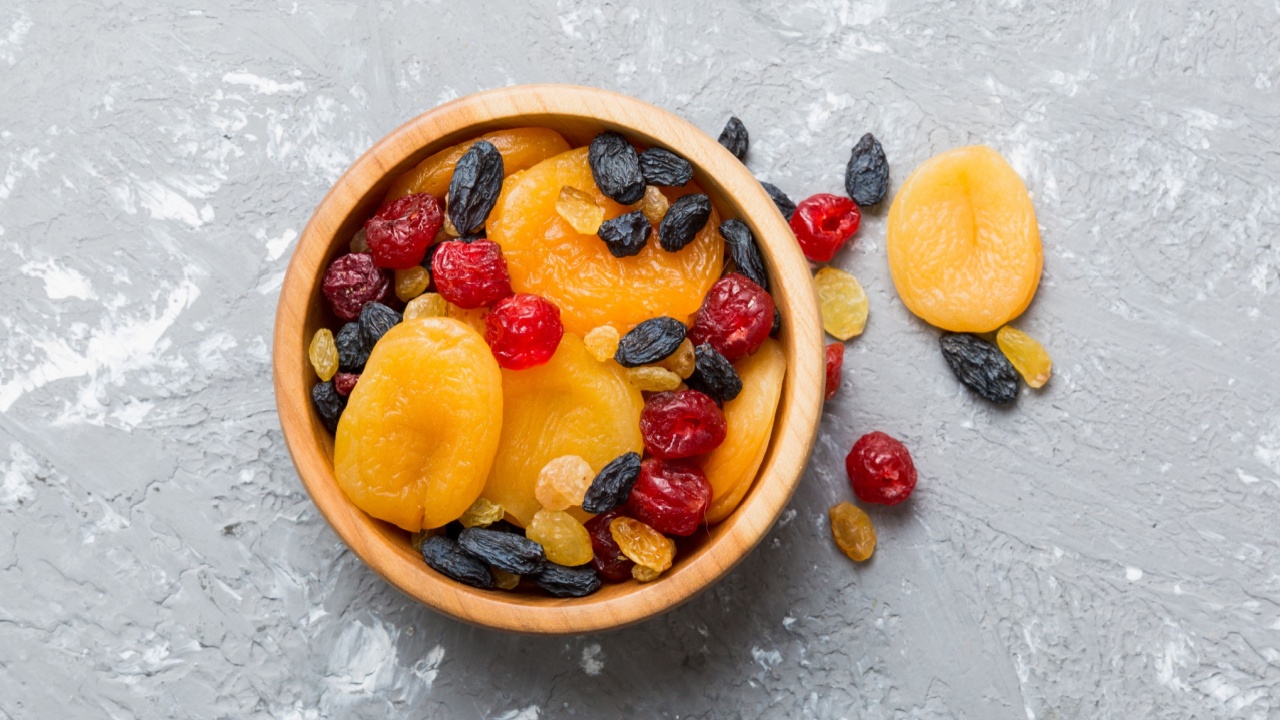
Image Credit: Shutterstock.
Dried fruits like raisins, sultanas, and currants act as high-energy fuel for wild birds. During winter, birds expend massive amounts of energy just trying to stay warm, so the concentrated natural sugars in dried fruit provide a vital calorie boost. Fruit-eating species such as robins, waxwings, mockingbirds, and bluebirds will flock to feeders stocked with these sweet morsels.
Because dried fruit lacks water content, it can be tough for some smaller birds to digest properly. It helps to soak raisins in warm water for a few minutes before putting them out. This rehydrates the fruit, making it softer and easier to swallow. Just remember that while birds enjoy these snacks, raisins and grapes are toxic to dogs and cats. Place them well out of reach of your household pets to avoid any accidental ingestion.
2. Peanut Butter
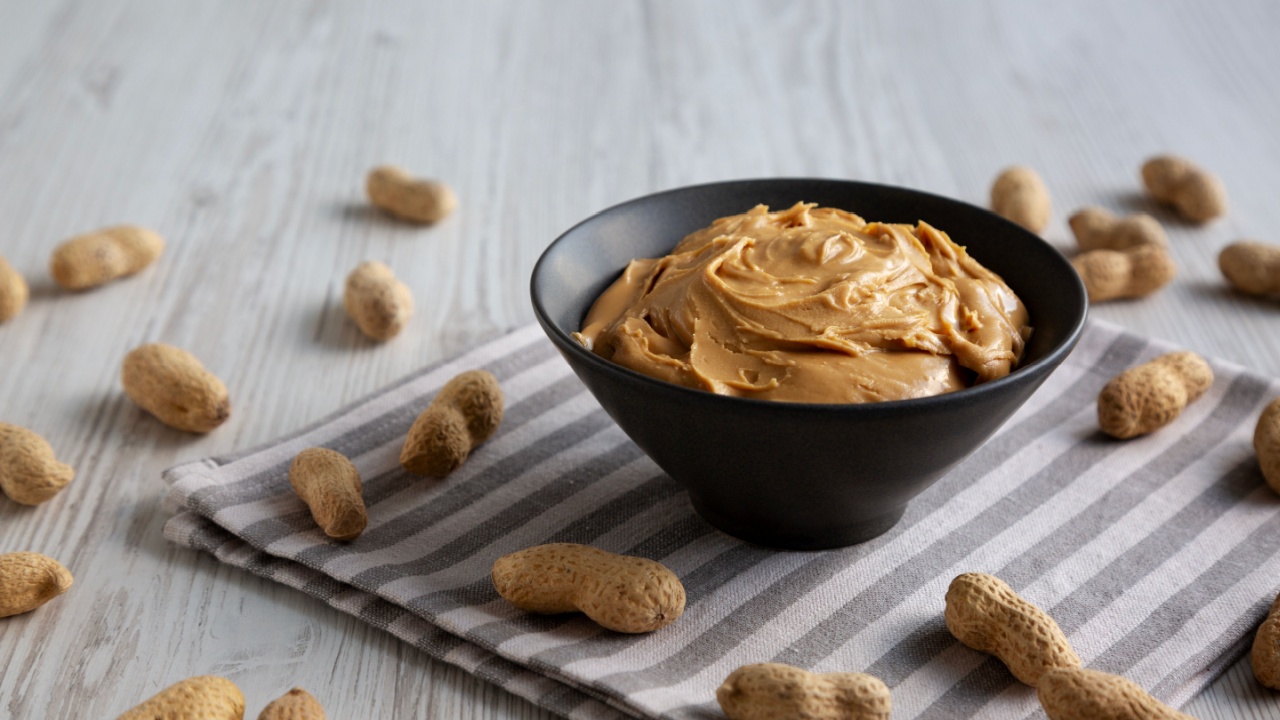
Image Credit: Shutterstock.
That jar of peanut butter sitting on your shelf is a powerhouse of fat and protein. Birds require high-fat foods in winter to maintain their body temperature and build up fat reserves for freezing nights. Nuthatches, chickadees, and woodpeckers particularly enjoy the rich taste and texture of peanut butter.
Stick to crunchy or smooth varieties that are low in salt and sugar. Avoid “diet” or “low-fat” versions, as the fat is exactly what the birds need. You can smear it directly onto tree bark for a natural feeding station or stuff it into pinecones rolled in birdseed. This sticky treat holds up well in cold weather and gives birds a reason to keep returning to your yard.
3. Uncooked Oats

Image Credit: Shutterstock.
Oats are another excellent pantry staple that can serve as a wholesome meal for ground-feeding birds. Uncooked porridge oats or rolled oats provide healthy carbohydrates and are safe for many species to eat. They are a great alternative if you run out of traditional birdseed and need a quick filler.
Scatter dry oats sparingly on the ground or a low table for birds like doves, pheasants, and native sparrows. Avoid cooking the oats first. Cooked oats can become sticky and glue-like, which may gum up a bird’s beak or dry on their feathers. Keeping the oats dry and raw prevents this mess and allows the birds to forage naturally.
Making Your Yard a Winter Haven
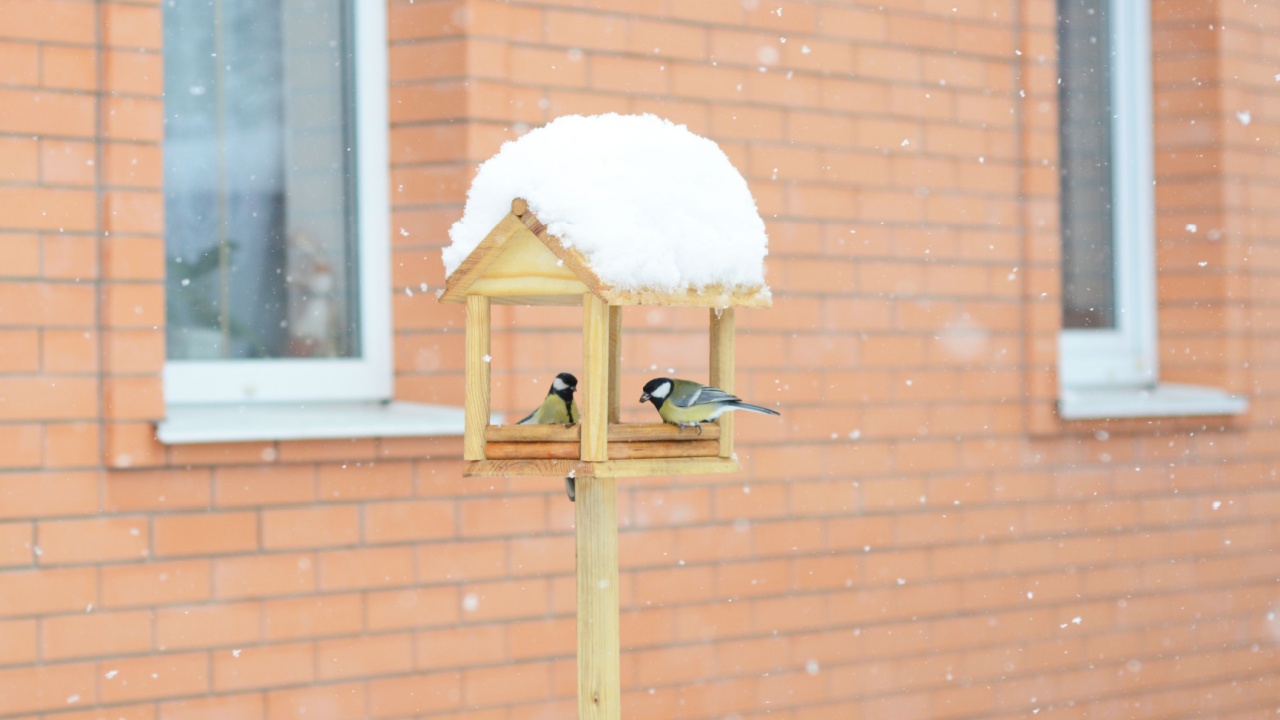
Image Credit: Shutterstock.
You now have a few simple ways to support local wildlife using items you likely already own. Check your pantry for these three staples and try offering a small amount to see who visits. Observing which species prefer which treat adds a layer of enjoyment to your winter gardening routine. If you want to expand your feeding station further, research native plants that provide natural winter berries for next year.