
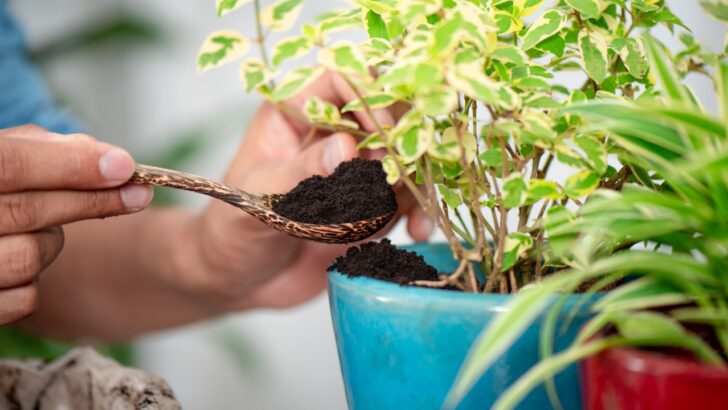
Caring for houseplants can be confusing. Some days they reach for the sun, and other days they droop for no clear reason. Before spending money on fertilizers with complicated instructions, check the kitchen pantry or compost bin. Some common kitchen items, usually thrown away, can offer valuable nutrients for stronger, healthier houseplants.
Repurposing these staples is a fantastic way to reduce waste and give plants a gentle, natural dose of what they need. The solution to a plant’s blues might just be sitting next to the colander. Here are three simple kitchen items that can give your leafy friends the support they need to grow stronger and healthier.
1. Banana Peels

Image Credit: Shutterstock.
It turns out that the slippery butt of many a cartoon joke is also a nutritional powerhouse for plants. Banana peels are rich in potassium, a vital nutrient that strengthens a plant’s stems, helps it use water more efficiently, and encourages flowering and fruiting. They also contain phosphorus, which supports robust root development and energy transfer, along with smaller amounts of calcium and magnesium.
One popular method is to create a “banana tea.” Chop up a fresh peel, place it in a jar of water, and let it steep for a few days. The water will absorb the nutrients, creating a mild liquid fertilizer. Strain the liquid and use it to water your plants as you normally would. For a more direct approach, you can chop the peels into small pieces and bury them in the top layer of soil. As they decompose, they release nutrients directly to the roots. Some people even dry the peels and grind them into a powder to sprinkle over the soil.
2. Rice Water
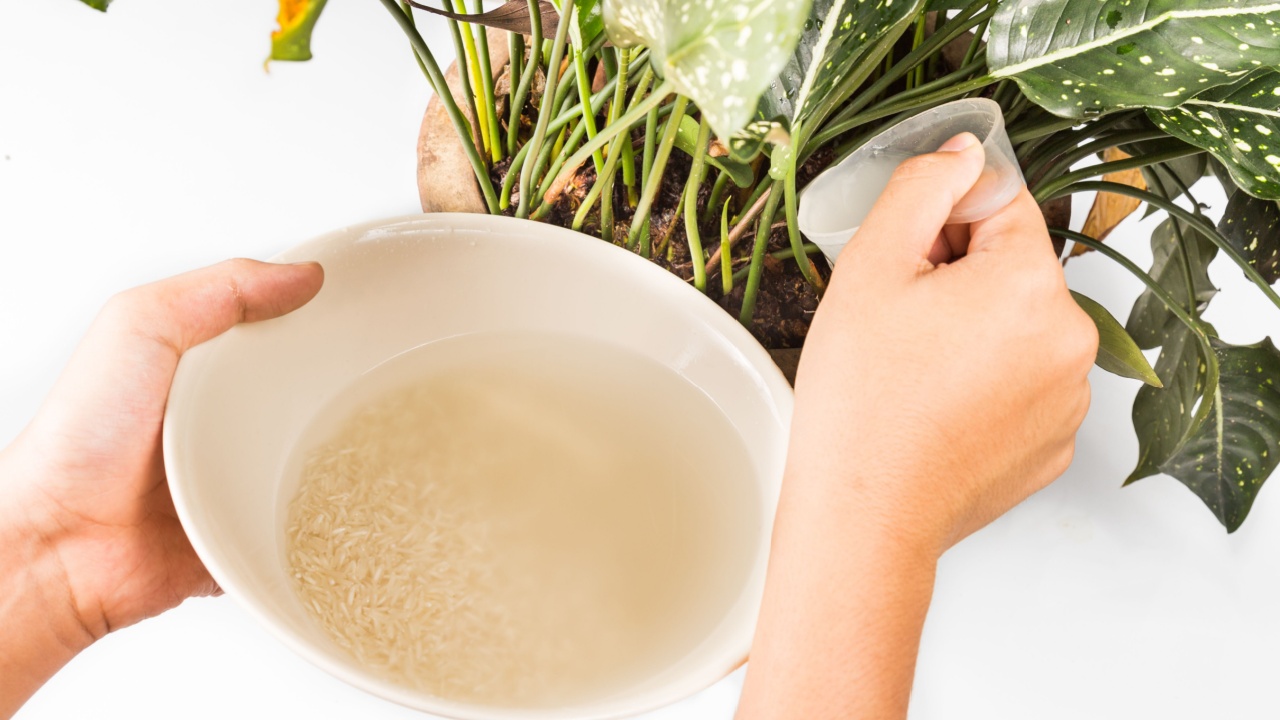
Image Credit: Shutterstock.
Don’t pour that cloudy water down the drain. The leftover water from rinsing or boiling rice is loaded with starch and trace minerals like nitrogen, potassium, and phosphorus. These are the fundamental building blocks (N-P-K) found in commercial fertilizers, making rice water a gentle, all-around tonic for houseplants. The starches also feed beneficial bacteria in the soil, which helps improve soil structure and nutrient availability for the plant’s roots.
After rinsing uncooked rice, collect the milky-white water. You can use it immediately to water your plants. If you boil rice, let the water cool completely before using it. It is important to use water from unsalted rice, as salt can build up in the soil and harm your plants. This mild fertilizing liquid can be used about once a week in place of a regular watering.
3. Coffee Grounds
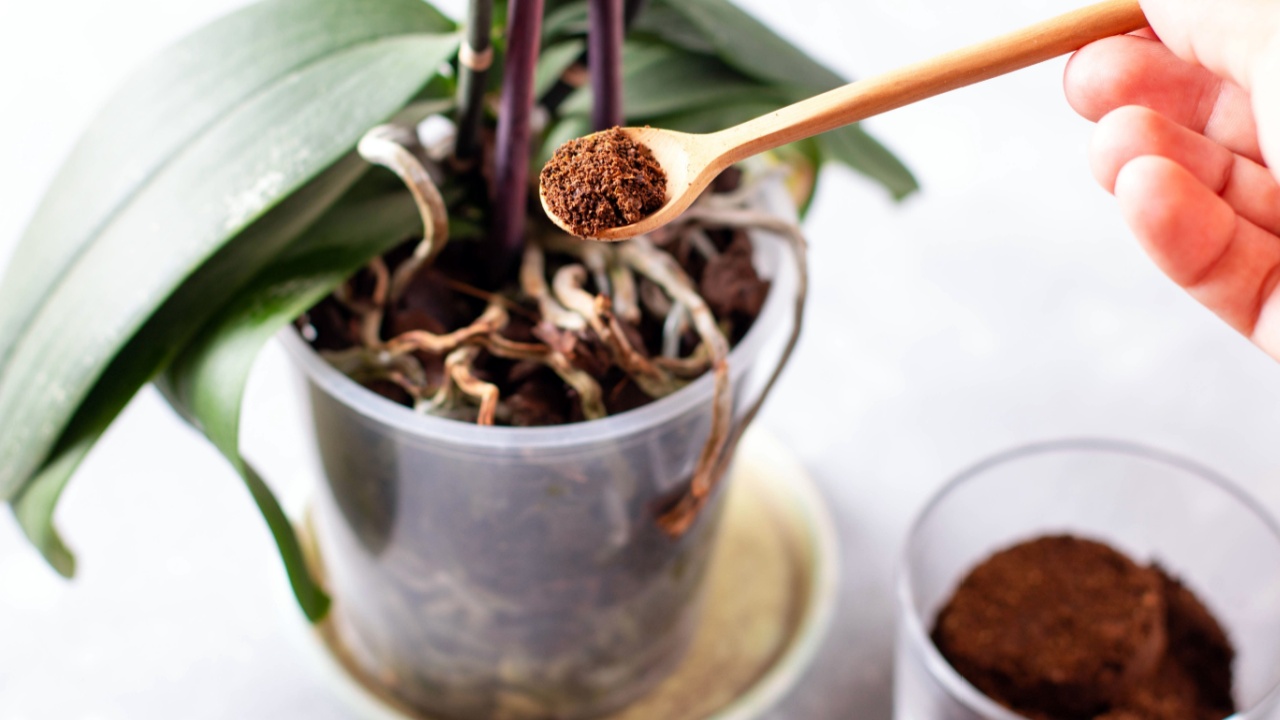
Image Credit: Shutterstock.
That morning cup of coffee can do more than just get a person going; the leftover grounds can give plants a nice lift, too. Used coffee grounds are a great source of nitrogen, which is essential for lush, green foliage growth. As they break down, they also release smaller quantities of potassium and magnesium. The slightly acidic nature of used grounds can be beneficial for acid-loving plants like ferns, African violets, and calatheas.
There are a few ways to apply coffee grounds. One of the easiest is to mix them directly into the top inch of potting soil. Use them sparingly; a thin layer is all that’s needed. Too much can compact the soil and hinder water drainage. Another option is to create a “coffee tea.” Add a cup of used grounds to a gallon of water, let it sit overnight, and then use the liquid to water your plants. This distributes the nutrients more evenly and avoids any potential soil compaction issues.
Putting It All Together
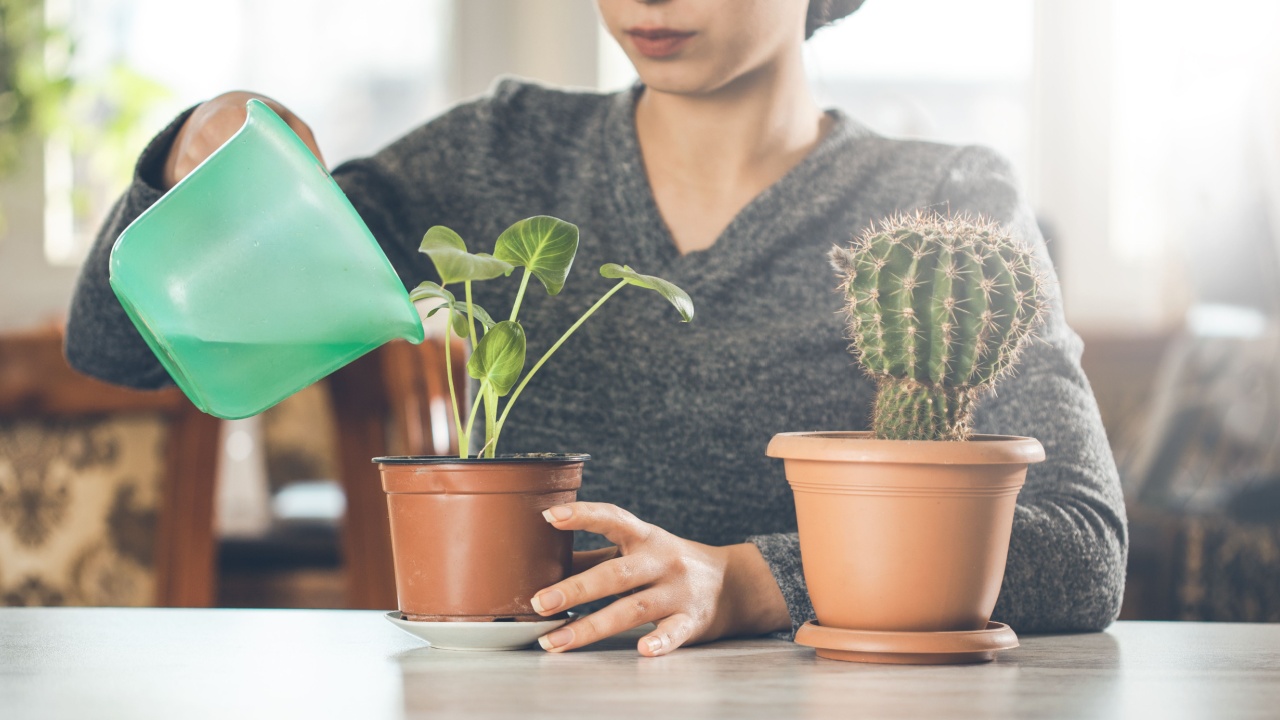
Image Credit: Shutterstock.
Incorporating these kitchen staples into a plant care routine is a simple, sustainable, and cost-effective way to support their health. The key is moderation and observation. Start by introducing one of these methods and see how your plants respond. Since these are very mild nutrient sources, you will not see explosive growth overnight. Instead, look for gradual improvements in leaf color, stem strength, and overall vitality.