19 Affordable Ways to Fill Your Raised Beds Cheaply (And Stop Overpaying at the Garden Center)
A single 4×8 raised bed holds 32 cubic feet of space. Most gardeners fill every inch of it with store-bought bagged soil. That one habit costs an average of $150 to $250 per bed, and it is a costly mistake you can stop making this spring.
The affordable ways to fill your raised beds have been hiding in plain sight for generations. German farmers were building soil-rich garden mounds from rotting wood and yard debris centuries before commercial potting mix existed.
Your grandmother likely composted fallen leaves into her garden borders every fall. These methods were never lost; they were just quietly outpaced by the convenience of the garden center checkout line.
According to Gardenary, filling a single 4×8 raised bed that is 12 inches deep can take more than 20 large bags of soil, and that adds up quickly when building multiple beds. There is a better way. By layering free and inexpensive organic materials in the lower portion of each bed, you can reduce what you spend on bagged soil by as much as 80%, while building soil that actually improves year after year.
The Ancient Technique That Cuts Your Soil Bill by 80%
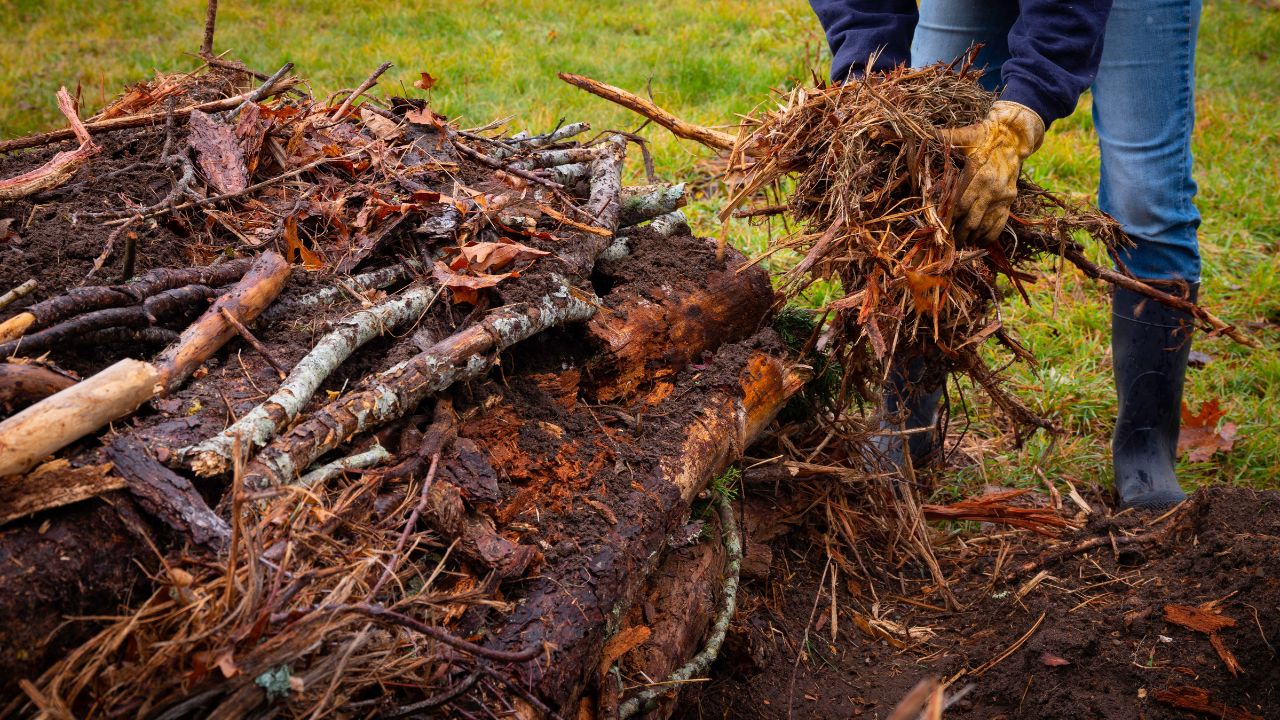
Hugelkultur — pronounced hoo-gul-kul-tur — is a centuries-old German gardening method that uses buried wood and organic debris to fill the base of raised beds. Vego Garden describes it as the process of layering organic garden waste inside the raised bed before adding soil, which saves on costs while attracting and preserving moisture. Of German origin, the word translates to “mound or hill culture,” and it is especially effective in areas where soil drainage is poor.
The principle is simple: rotting logs, branches, and woody debris fill the bottom 40–50% of the bed at zero cost. As they break down over several years, they release nutrients, support beneficial fungi, and retain water like a sponge. Your top layer of quality soil sits above all of it, and you only need to buy soil for that top 10–12 inches.
There is one critical rule. MI Gardener warns not to mix the organic material into the soil; use it to fill the bottom of the raised bed and add soil in a layer over the top. Mixing organic debris into soil robs nitrogen and causes plant health problems. Layer, don’t mix.
Here are 19 affordable ways to fill your raised beds cheaply, backed by real gardeners, horticulture experts, and one method that has been working since the 1800s.
1. Rotting Logs and Large Branches
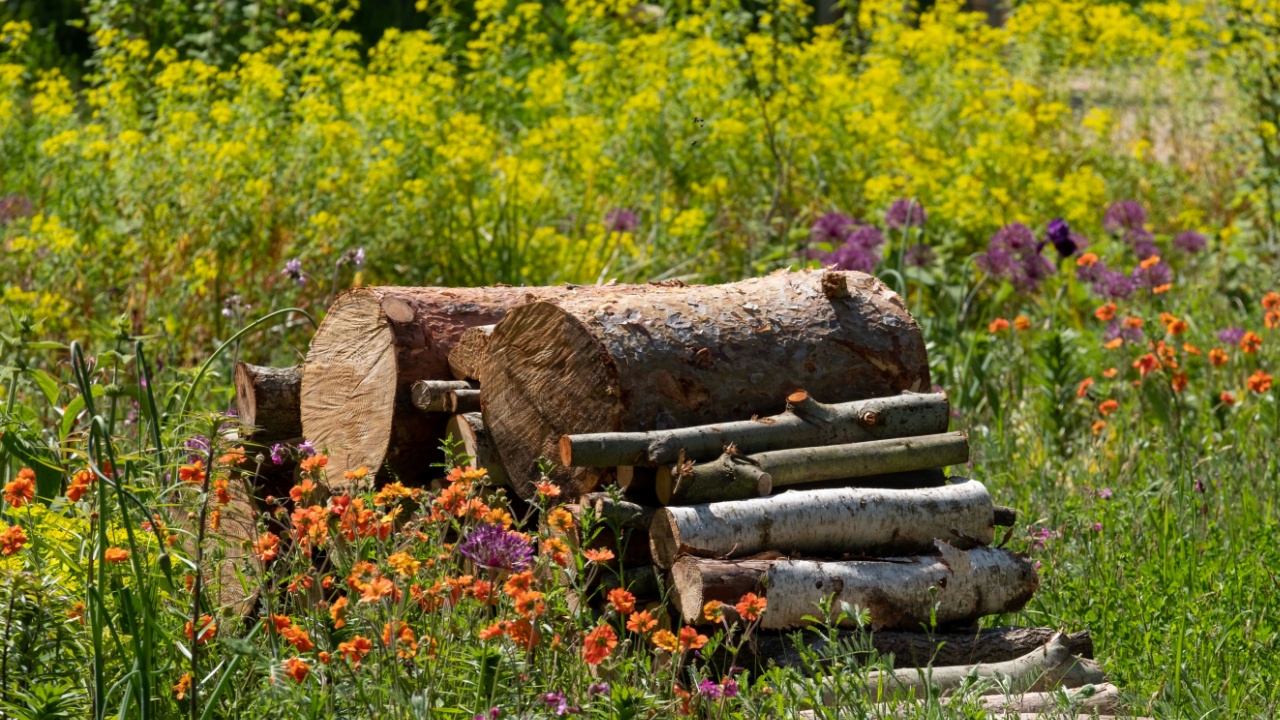
This is the cornerstone of the hugelkultur approach. MI Gardener recommends burying small logs at the base of raised beds, noting they decrease the amount of soil needed, help retain moisture, and create a hospitable environment for beneficial fungi.
Look for fallen logs on your property, ask neighbors who are pruning trees, or check Facebook Marketplace for free firewood pickup offers. Avoid treated lumber or black walnut wood.
2. Cardboard as a Weed-Suppressing Base Layer
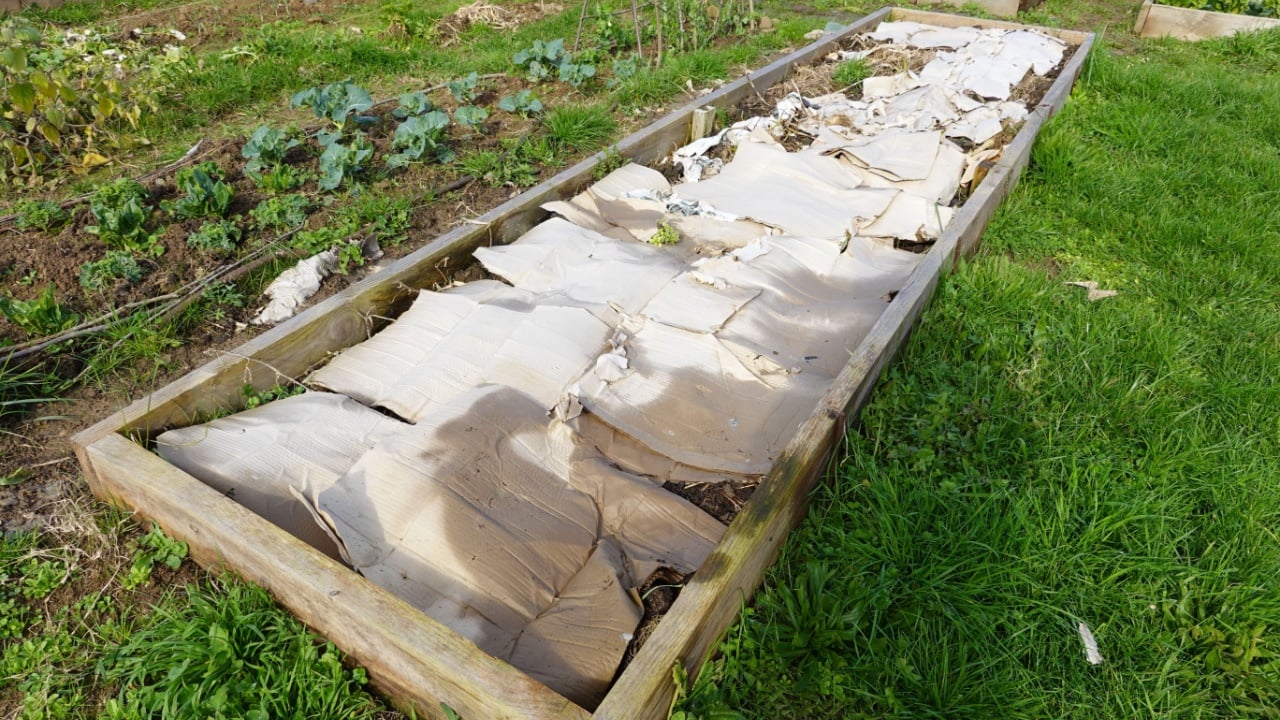
Before any fill goes in, lay a thick layer of plain brown cardboard across the bed floor. Water it well after laying it down to help it begin breaking down.
Cardboard smothers any weeds or grass beneath the bed and decomposes within one season. Remove tape; skip glossy printed cardboard.
3. Free Wood Chips via ChipDrop
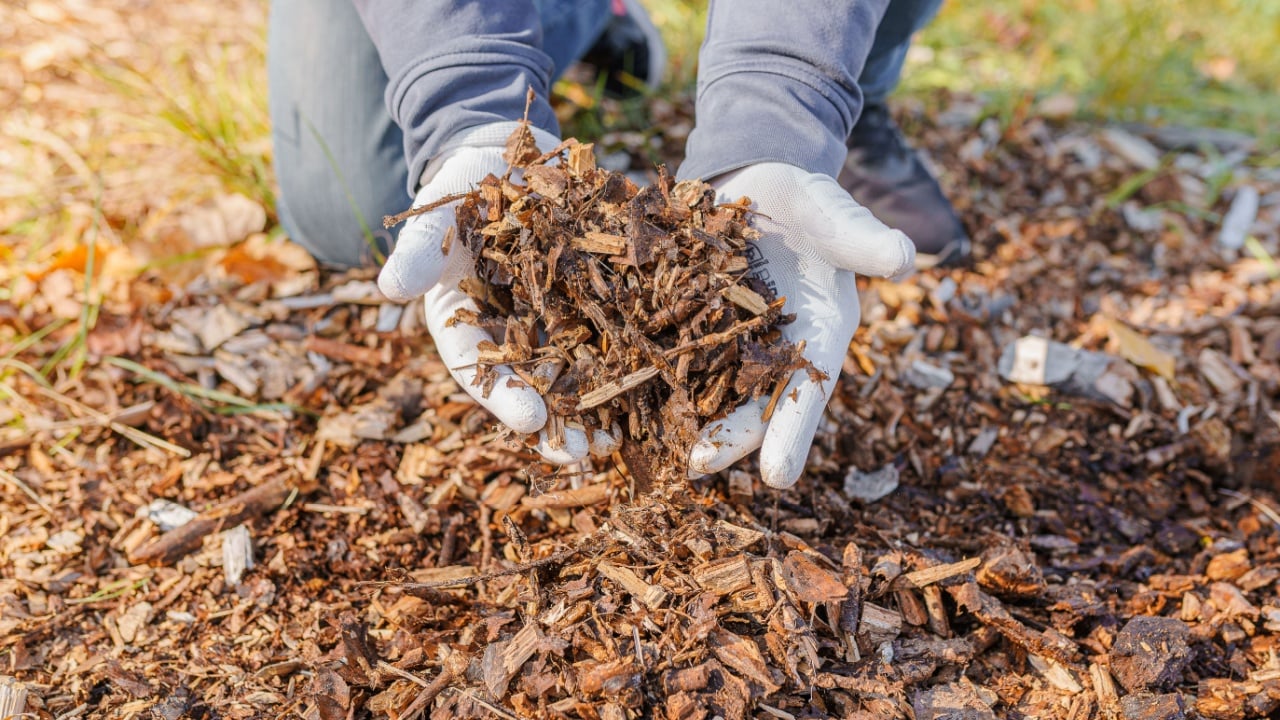
ChipDrop is a free online service that connects homeowners with tree-trimming arborists who need a place to unload fresh wood chips. Reviewers note that the process is straightforward, efficient, and the chips improve moisture retention and create rich compost over time.
Request a delivery at getchipdrop.com. Pile chips for 3–6 months before using in beds; fresh chips need time to reduce nitrogen draw.
4. Municipal Free Compost Programs
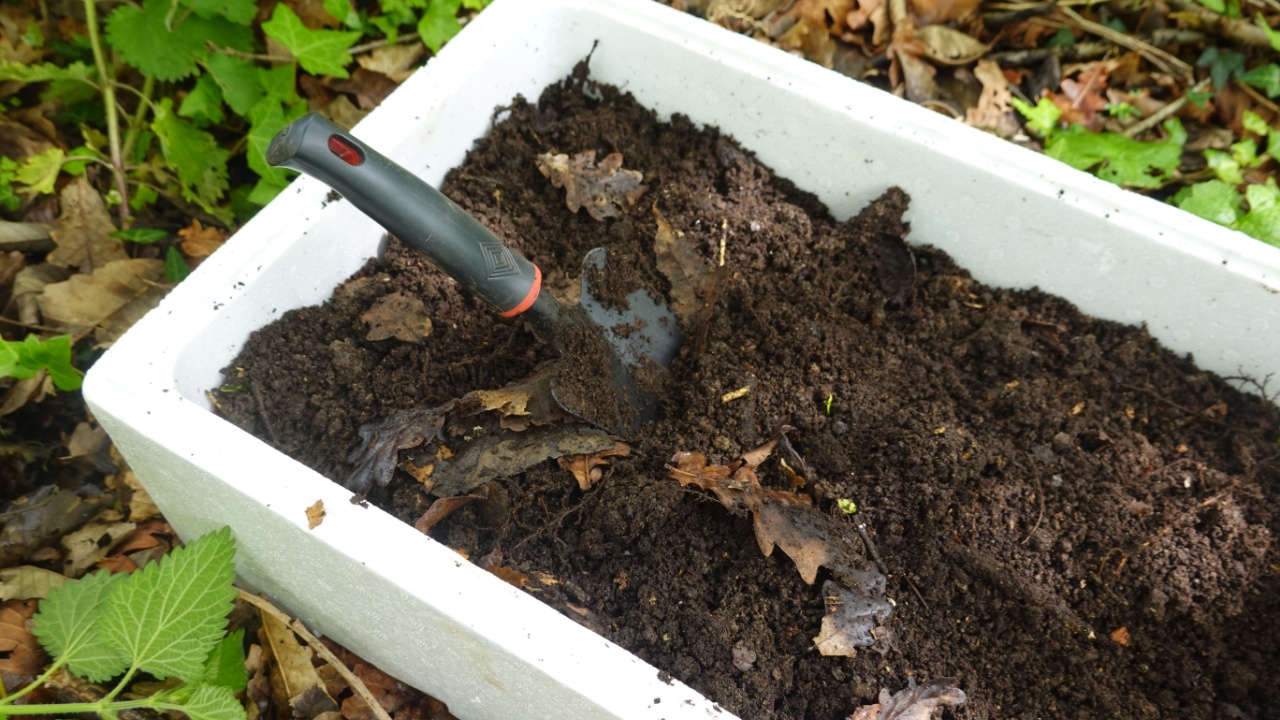
Hundreds of American cities operate free compost pickup programs for residents. St. Louis, for example, offers free wood chips and compost generated from shredded and decayed leaves, describing it as an excellent soil enhancer for garden beds.
Search your city’s parks department or public works website, or visit FindACompost.org to locate programs near you.
5. Neighbor Grass Clippings

Ask neighbors for their untreated grass clippings. Most people bag them and throw them away every week. One spring’s worth of neighborhood clippings from two or three households can fill the mid-layer of an entire raised bed.
Clippings break down quickly and add nitrogen to the decomposing layers below. Never use clippings from lawns treated with herbicides, pesticides, or synthetic fertilizers.
6. Fall Leaves
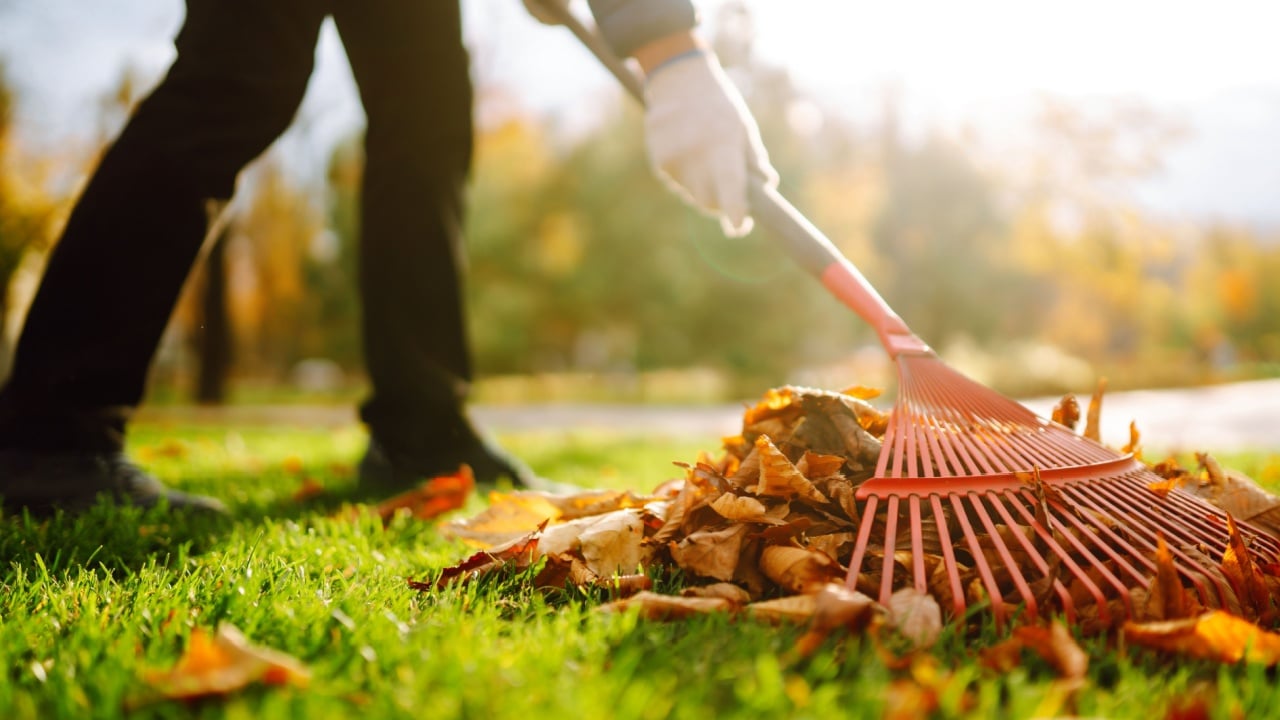
Bagged fall leaves are one of the single best free raised bed materials available. They break down into rich leaf mold, add carbon, and dramatically improve soil structure.
Epic Gardening notes that filling beds with fall leaves rather than throwing them in trash bags is an ideal method when you have lots of composting materials at your disposal. Shred them first with a lawn mower for faster decomposition.
7. Aged Straw
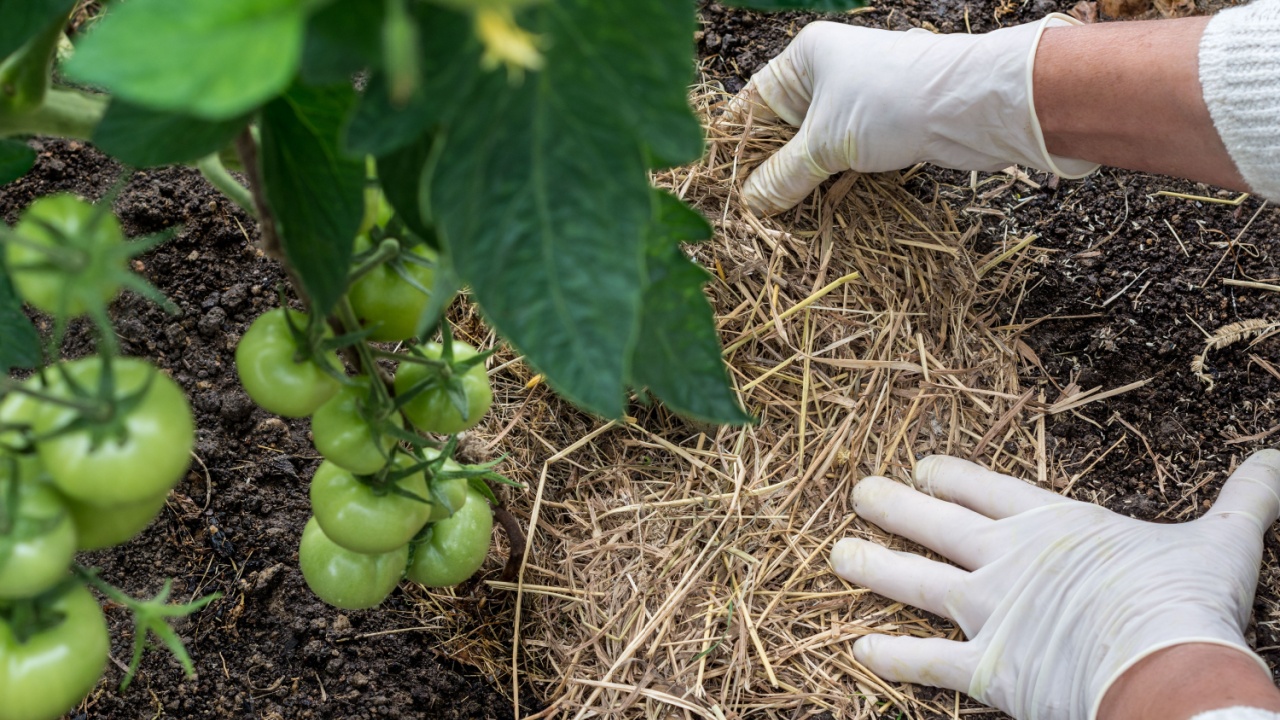
A layer of straw in the upper-middle section of a raised bed improves porosity and retains moisture between the organic base and the top soil layer.
Heritage Revived recommends using straw that is at least a few years old; fresh hay carries weed seeds and will create a weed nightmare in your bed. Spent straw from a neighbor’s chicken or goat pen is an excellent, nitrogen-rich option.
8. Shredded Junk Mail and Paper
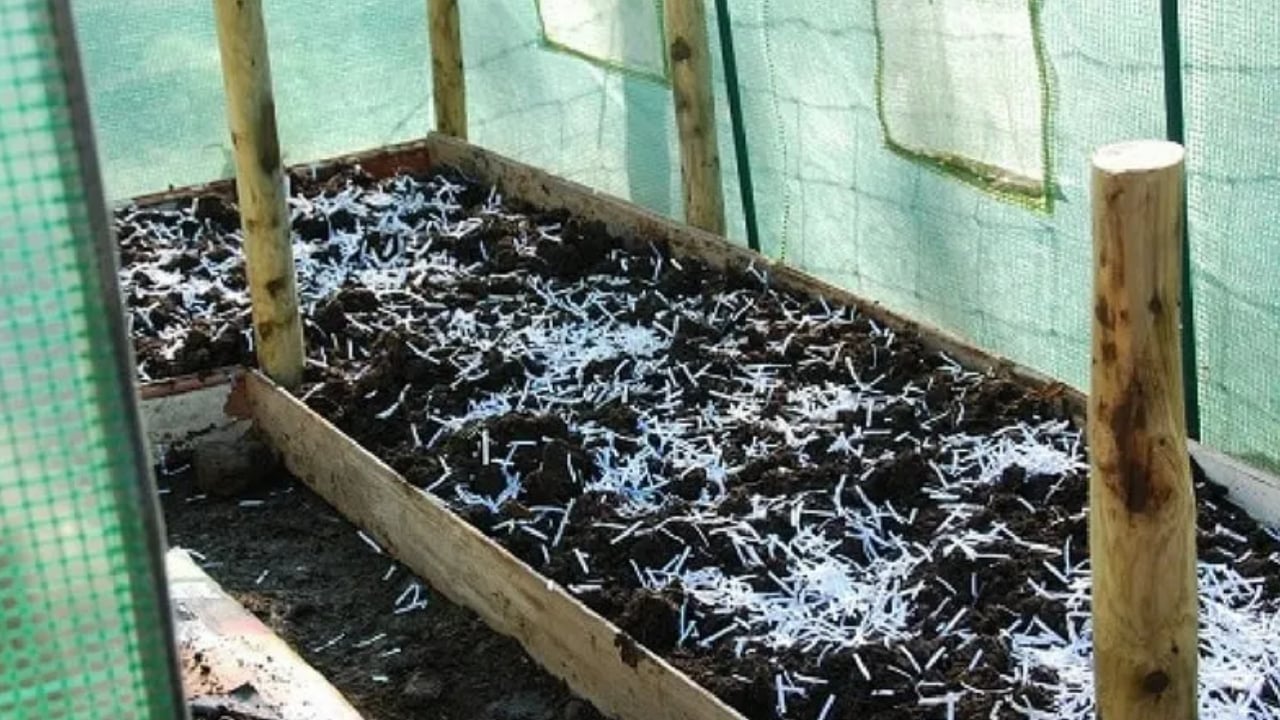
Plain paper and shredded junk mail (minus any plastic inserts) decompose readily and add carbon to your layering system.
Heritage Revived uses shredded paper as a layer near the upper third of the raised bed, noting it is also a great way to recycle all that junk mail. Avoid glossy paper, which contains coatings that break down more slowly.
9. Aged Animal Manure
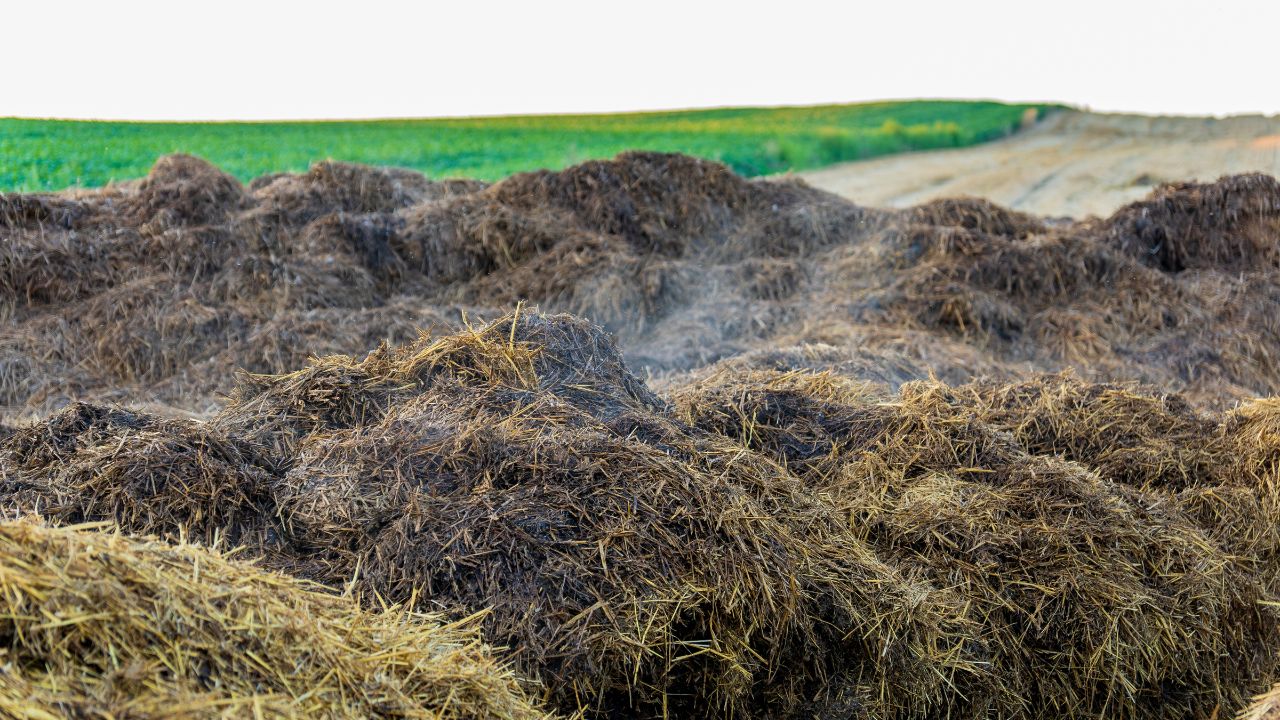
Horse farms and small livestock operations frequently give away aged manure to anyone willing to collect it; some will even deliver.
DIY & Crafts recommends chicken, cow, horse, sheep, and goat manure as a nutrient-rich addition, with one critical note: avoid fresh animal manure, which can burn and damage plants. Aged six months or longer, manure becomes one of the best free soil amendments available.
10. Buy Soil in Bulk, Not Bags
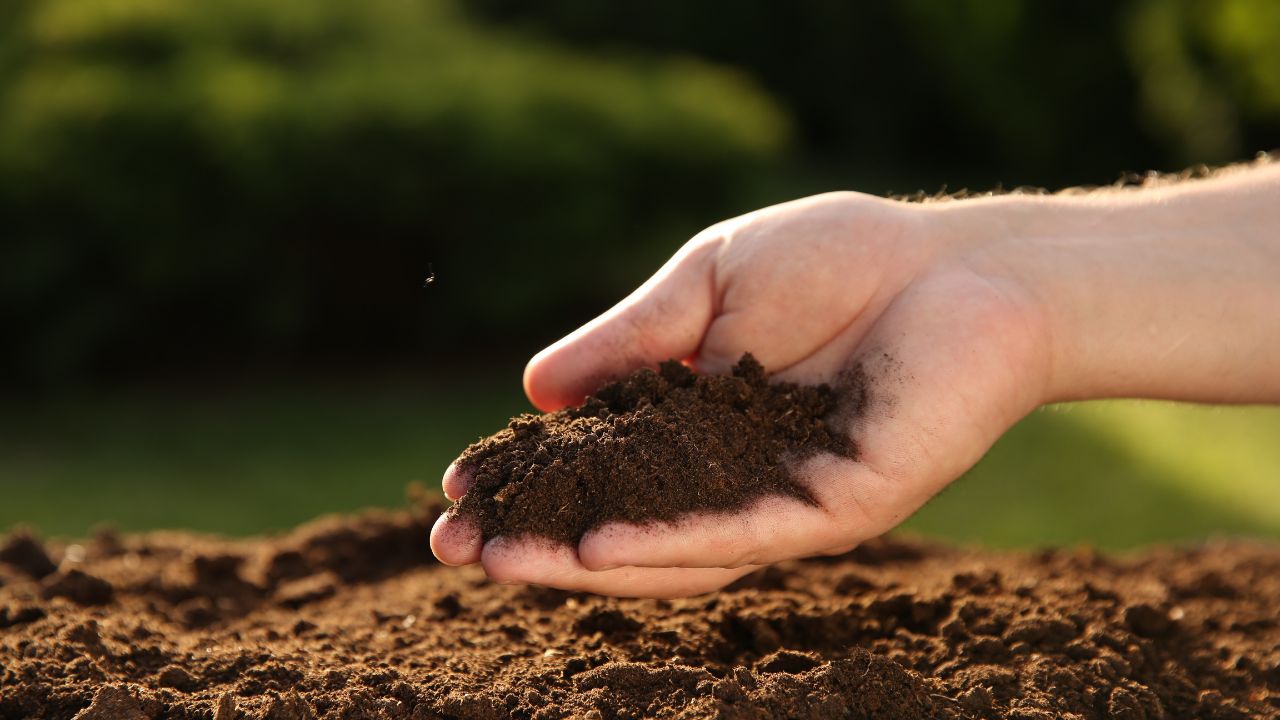
When you do need to purchase soil, buy by the cubic yard from a landscape supply yard, not in bags from a hardware store. A cubic yard of quality raised bed mix costs $40–80 delivered in bulk, versus $150–250 for the equivalent volume in bags.
If you need more than one cubic yard, the bulk savings pay for the delivery fee multiple times over. Call ahead and ask for a mix formulated for vegetable beds.
11. Use Perlite Instead of Vermiculite
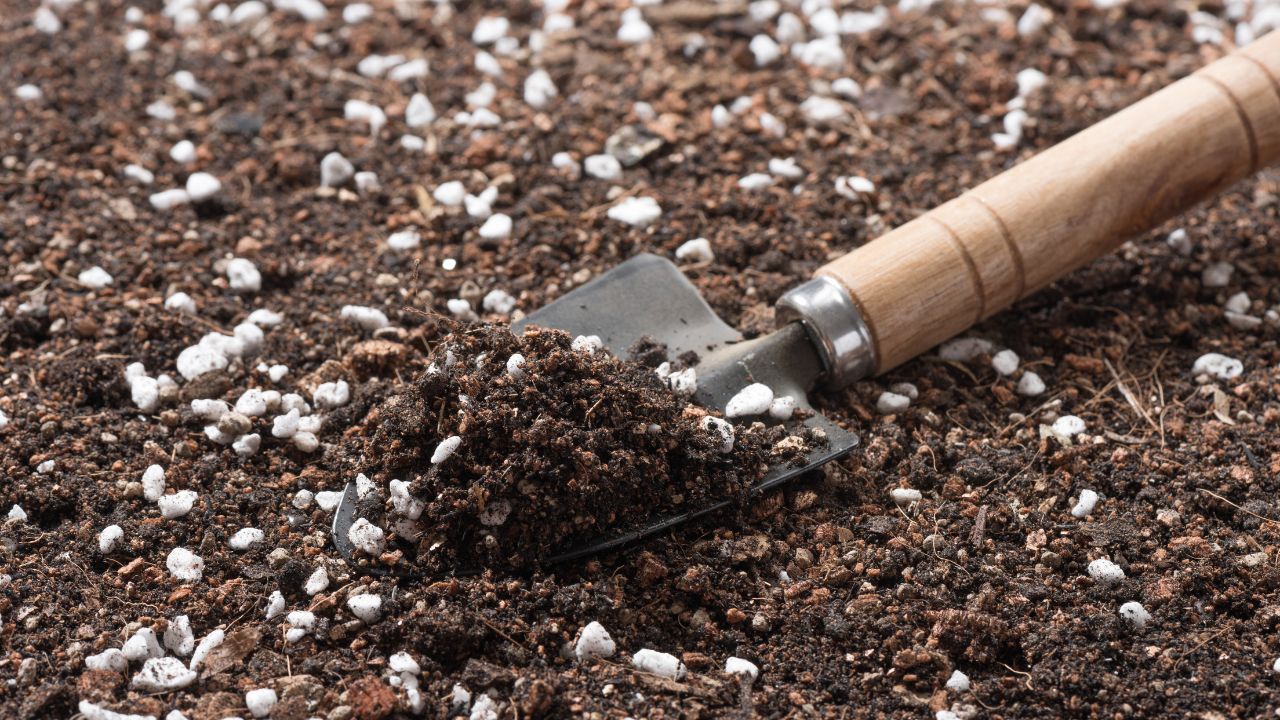
Vermiculite is widely recommended for soil aeration, but it is expensive. Frugal Organic Mama notes that perlite costs roughly 40–60% less per cubic foot than vermiculite and provides nearly identical drainage and aeration.
The primary difference is that perlite holds slightly less moisture, so you may water a bit more frequently in hot weather.
12. Coco Coir Instead of Peat Moss
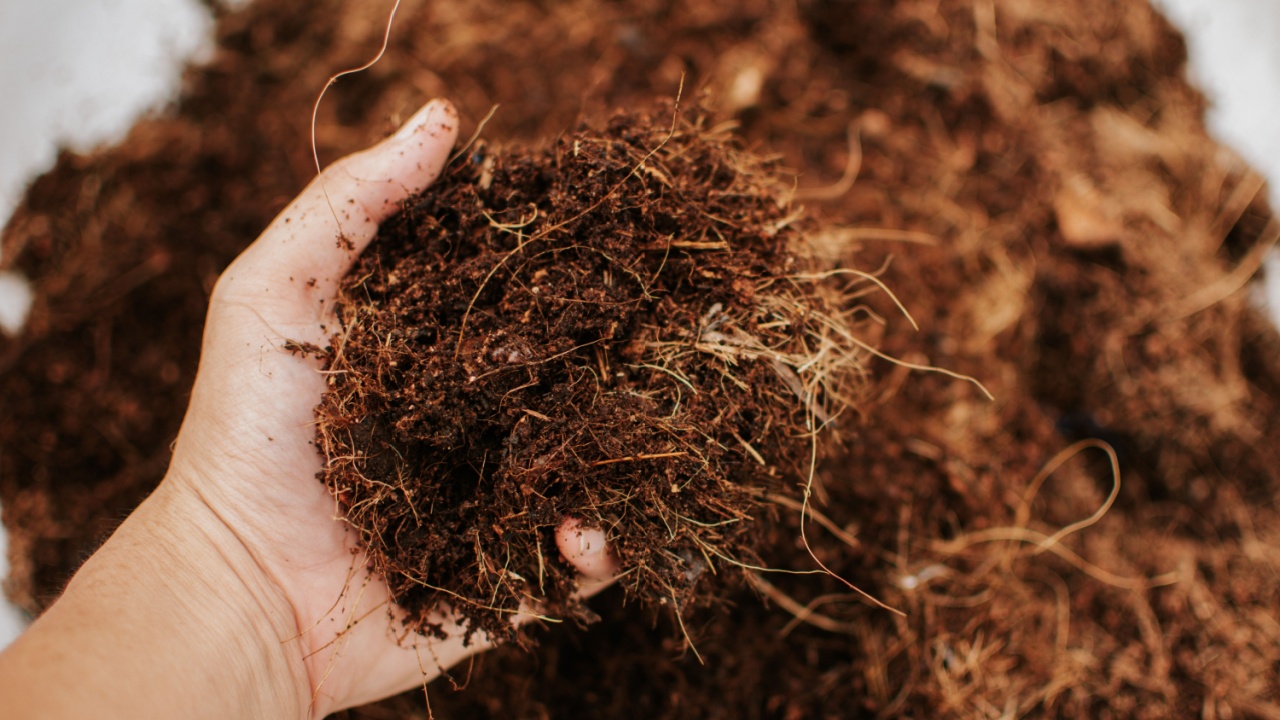
Peat moss is standard in many soil recipes, but it acidifies over time and often requires lime to correct the pH. Frugal Organic Mama recommends coco coir as a more sustainable alternative, noting that peat moss sits at a pH of 3.5–4.5 while coco coir provides a much safer 5.5–6.5, closer to what most vegetables prefer.
Coco coir is also a renewable byproduct of coconut processing.
13. Mix Your Own Simple Soil Blend for the Top Layer

Rather than buying a premium bagged blend, mix your own for the top 8–10 inches.
Gardenary’s recipe is as follows: 1 part topsoil, 1 part coarse sand, 1 part compost, plus a small boost of manure or worm castings. Aim for at least 6 inches of this mix at the top of the raised bed; this is the zone where seeds germinate, and roots expand.
14. Only Fill Three-Quarters Full Initially

First-time raised bed builders routinely overbuy by aiming for a filled bed from day one. Fill to three-quarters depth instead, then allow the bed to settle after the first few waterings. The organic base will compress, and you will have a far more accurate idea of how much additional topsoil you actually need before spending more money.
15. Return Spent Plants to the Bed
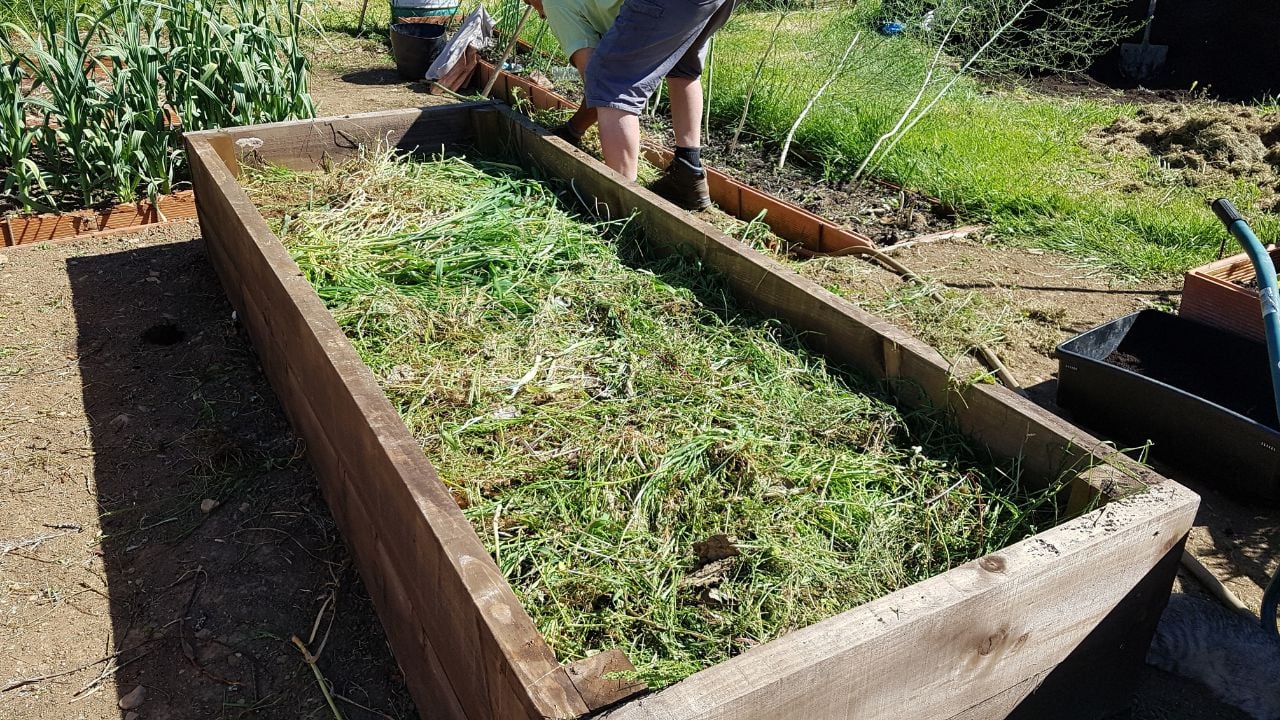
At the end of each growing season, chop and drop spent plant material such as stems, roots, and non-diseased foliage directly back into the bed.
Gardenary describes this closed-loop approach as a way to replace nutrients that plants use, build soil depth slowly, and keep the bed productive without a big upfront expense each year.
16. Check Craigslist, Facebook Marketplace, and Nextdoor for Free Soil
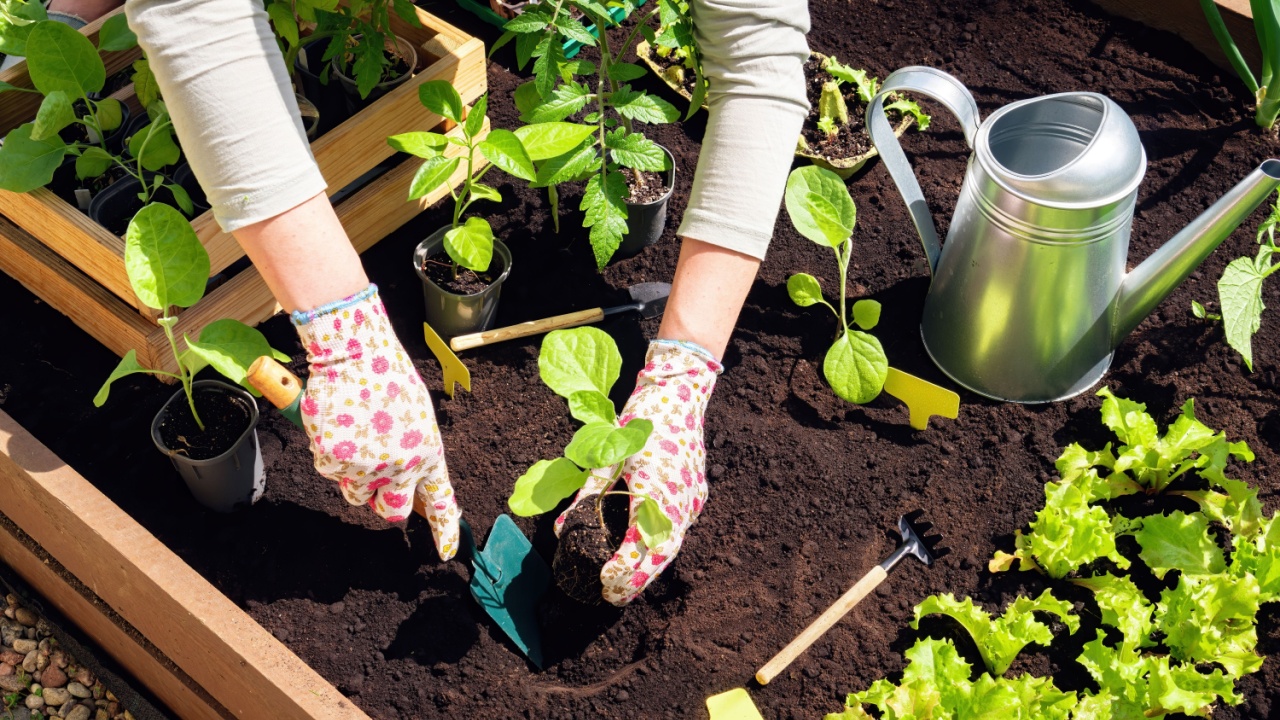
Neighbors, construction sites, and landscaping projects routinely give away excess topsoil, compost, and fill material online.
GreatGardenPlans recommends checking local classified ads and community Facebook groups for people selling or giving away soil and compost, and notes that pooling resources with neighbors to buy soil in bulk leads to significant savings.
17. Visit a Local Landscape Supply Yard
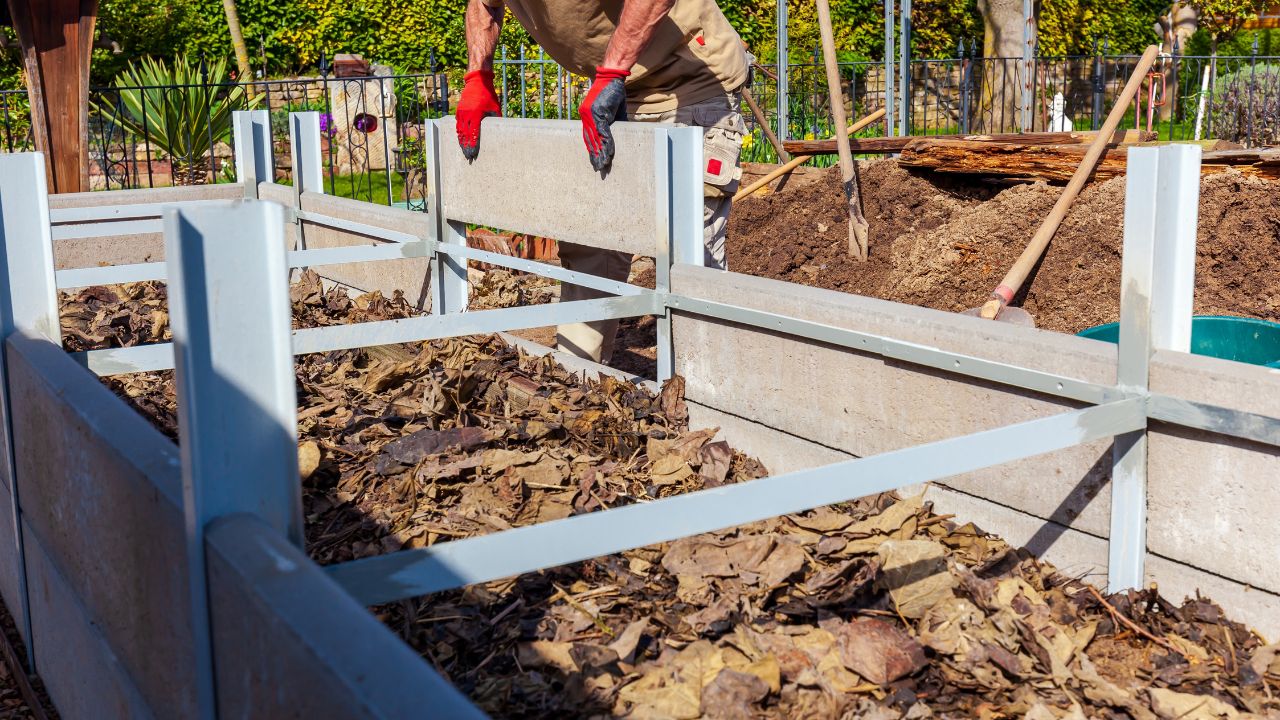
Skip the big box store. A landscape supply yard sells bulk raised bed mixes, compost, topsoil, and amendments by the cubic yard, and staff can advise you on the right blend for vegetables.
Quality is typically far superior to bagged “garden soil,” which is formulated for in-ground use and often compacts poorly in raised beds.
18. Try the Core Gardening Method
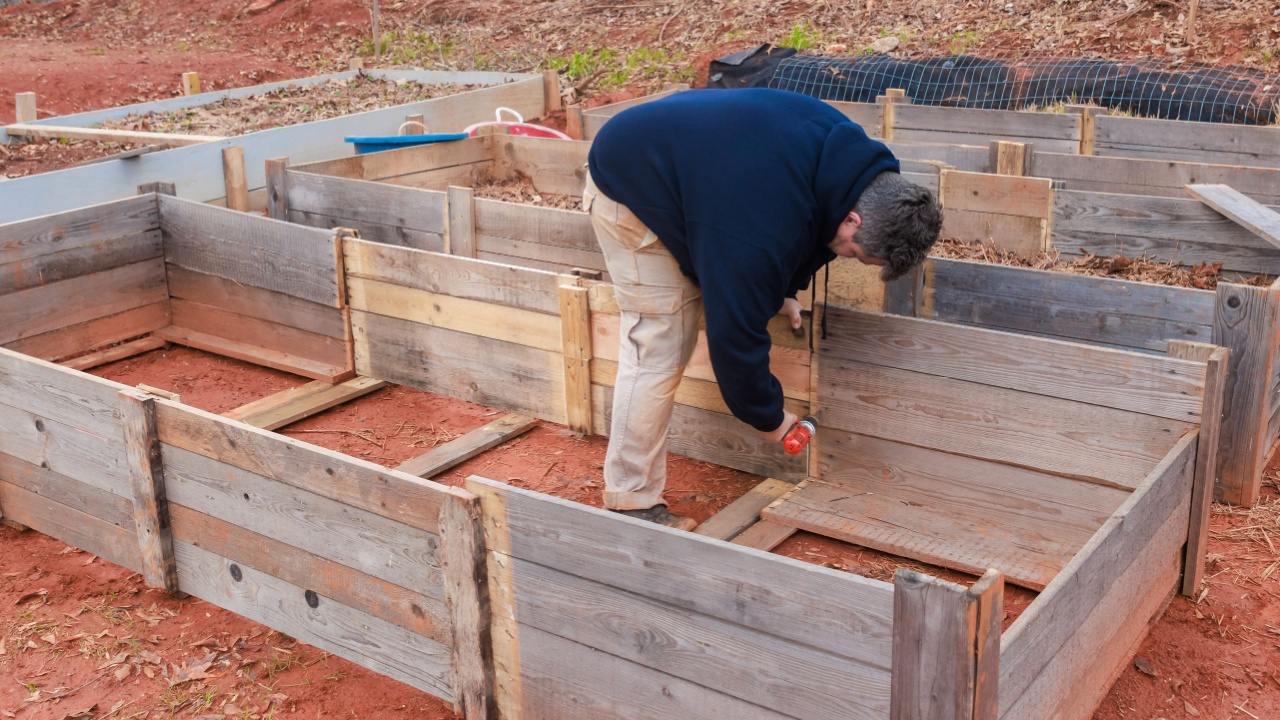
Core gardening involves placing a moisture-retaining “sponge” of straw, leaves, or grass clippings down the center length of the bed.
DIY & Crafts describes the method as holding water all season from two feet in both directions, reducing watering frequency, and keeping the soil surface dry so weed seeds have difficulty germinating. It is particularly useful for gardeners who want to conserve water as well as money.
19. Top-Dress With Compost Each Spring Instead of Replacing Soil

The single best long-term cost-saving habit for any raised bed gardener is to never replace your soil. Instead, Frugal Organic Mama recommends topping raised beds with 2–3 inches of fresh compost each spring, calling it cheaper and more effective than buying new soil mix every year.
A wheelbarrow of municipal free compost, applied in April, replaces all the nutrients used the previous season.
What You Should Never Put at the Bottom of Your Raised Bed
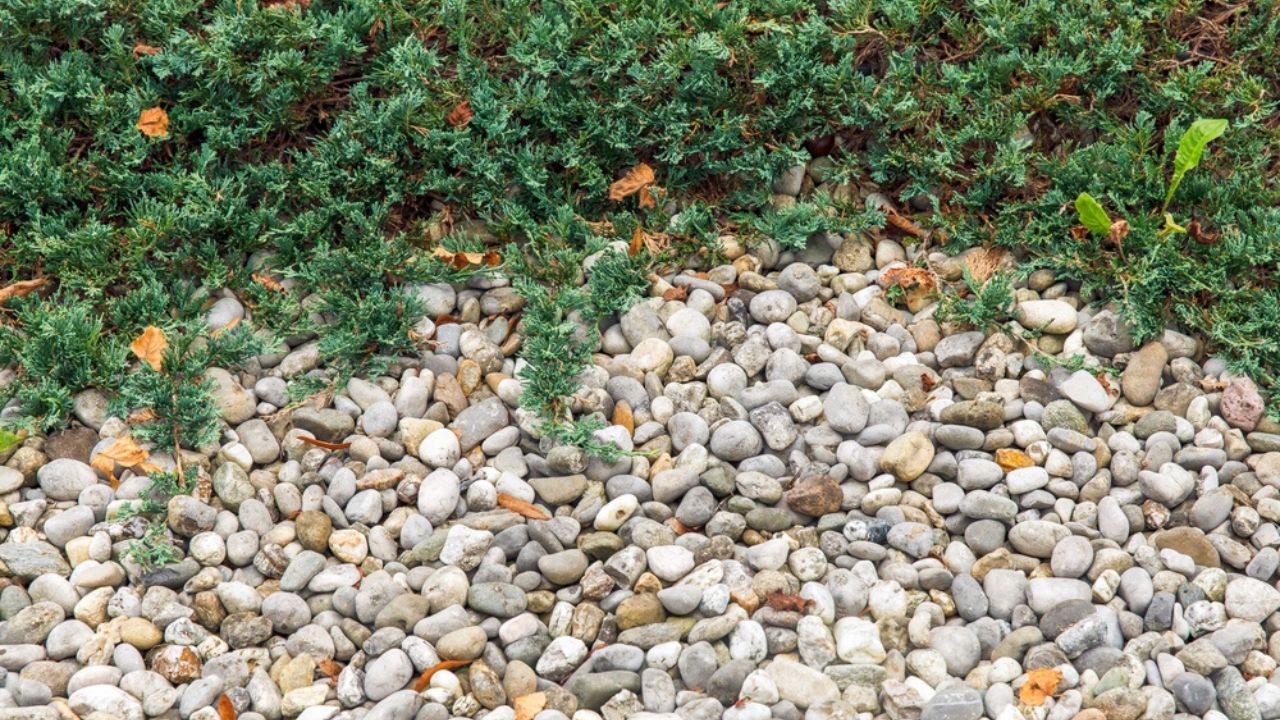
A few common DIY shortcuts will cost you far more than they save.
Rocks and gravel are the biggest myth in raised bed gardening. Many gardeners still add a drainage layer of gravel at the base, believing it prevents waterlogging. Fill Dirt Calc explains that rocks at the bottom actually raise the water table through a “perched water table” effect and can cause root rot, calling it one of the most persistent gardening myths. Skip the gravel entirely and use permeable organic matter instead.
Black walnut wood chips or leaves should never enter a vegetable raised bed. Black walnut trees produce juglone, a natural compound that is toxic to tomatoes, peppers, potatoes, and many other garden vegetables. The toxicity persists even in partially decomposed chips.
Fresh, uncomposted manure applied to a planting bed can burn roots and introduce pathogens to food crops. Always source manure that has been aged for at least six months, and never apply it within 90 days of harvest.
How to Make Your Cheap Fill Last for Years

The beauty of a well-layered raised bed is that it improves with time rather than depleting. As the organic matter at the base breaks down, it creates humus-rich soil that holds more moisture, supports greater microbial life, and requires fewer inputs each season.
Expect settling in the first 12–18 months; this is normal and not a failure of the method. Agricarehub notes that gardeners using budget layering techniques consistently report that by year two, beds produce superior results compared to uniformly soil-filled ones, with significantly reduced watering needs thanks to the sponge-like lower layers.
The Old Farmer’s Almanac has long championed the kind of resourceful, closed-loop soil building that these techniques represent: use what you have, return what you take, and trust the process. Gardeners who spend the most on inputs do not always grow the best gardens. The ones who do tend to work with organic materials, apply compost every spring, and let time do most of the heavy lifting.
Read more:
Why wildlife experts are telling people to take down their bird feeders
Plant these 10 companion plants with your tomatoes — and stop planting these 4