17 Household Items Our Parents Grew Up With That Aren’t Standard Anymore
Walking into a childhood home often feels like entering a different time period. The sights and objects instantly trigger memories of growing up in a specific decade. Homes used to contain distinct items that defined the era, from the way people communicated to how they decorated their living spaces. These objects were standard in almost every house, yet many have vanished from modern life.
Styles and technologies change rapidly. What once served as a sign of wealth or modern convenience now looks outdated or impractical. Advances in digital technology rendered many physical objects obsolete, while shifting tastes in interior design moved us toward cleaner lines and lower maintenance.
This article examines 17 specific household items that were common in our parents’ homes but are rarely seen today. Looking back at these items reveals just how much daily life has transformed over the last thirty or forty years. Function and fashion evolved to replace these once-essential objects.
1. The Heavy Physical Encyclopedia Set
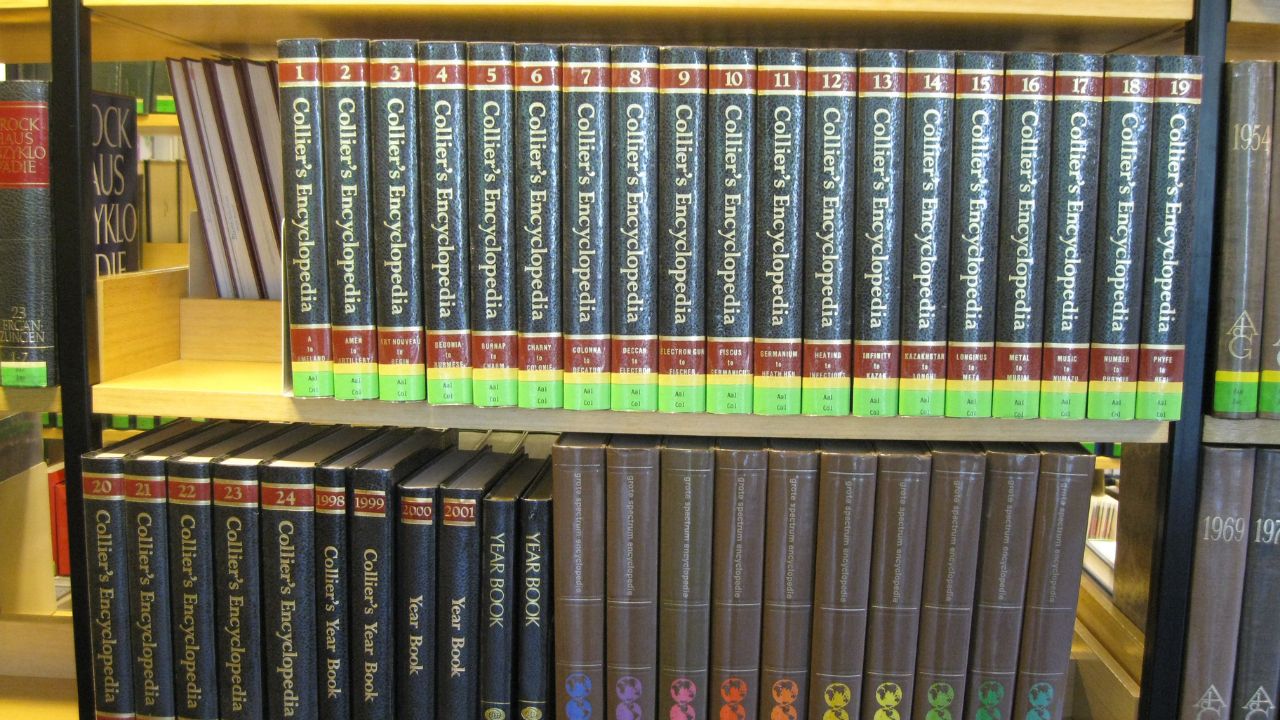
Families once dedicated an entire bookshelf to a set of encyclopedias. These heavy volumes were the primary source of information for school reports and general curiosity. Parents often bought them from door-to-door salespeople as an investment in their children’s education. Possessing a complete set from A to Z signaled that a household valued knowledge and learning.
In 2012, after 244 years in production, the oldest encyclopedia ceased printing. The internet made these massive collections obsolete very quickly. Digital search engines provide instant access to up-to-date information without taking up valuable floor space. While the books themselves were beautiful, the information inside them became outdated quickly. Most of these sets now sit in recycling centers or collect dust in thrift stores and libraries.
2. Wall-to-Wall Shag Carpeting
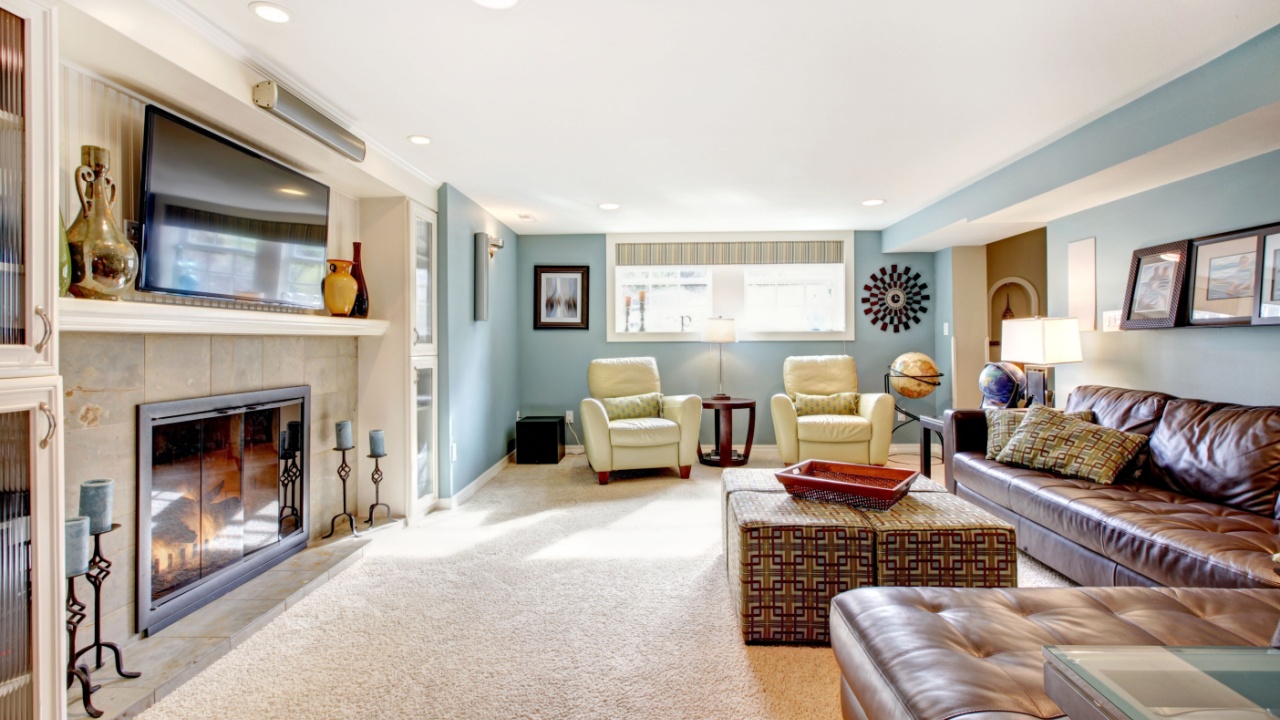
Thick, high-pile carpet was a major trend in the 1970s and 80s. Homeowners installed it in nearly every room to add warmth and cover up hardwood floors. The long fibers came in bold colors like harvest gold, avocado green, and burnt orange. It felt soft underfoot and served as a comfortable place for children to sit while watching television.
Maintenance issues eventually led to the decline of shag carpeting. The long fibers trapped dirt, dust, and allergens that standard vacuums struggled to remove. Modern homeowners prefer hardwood or low-pile options that are easier to clean and last longer. The aesthetic also shifted toward a cleaner and more open look that heavy carpeting could not provide.
3. The Popcorn Ceiling
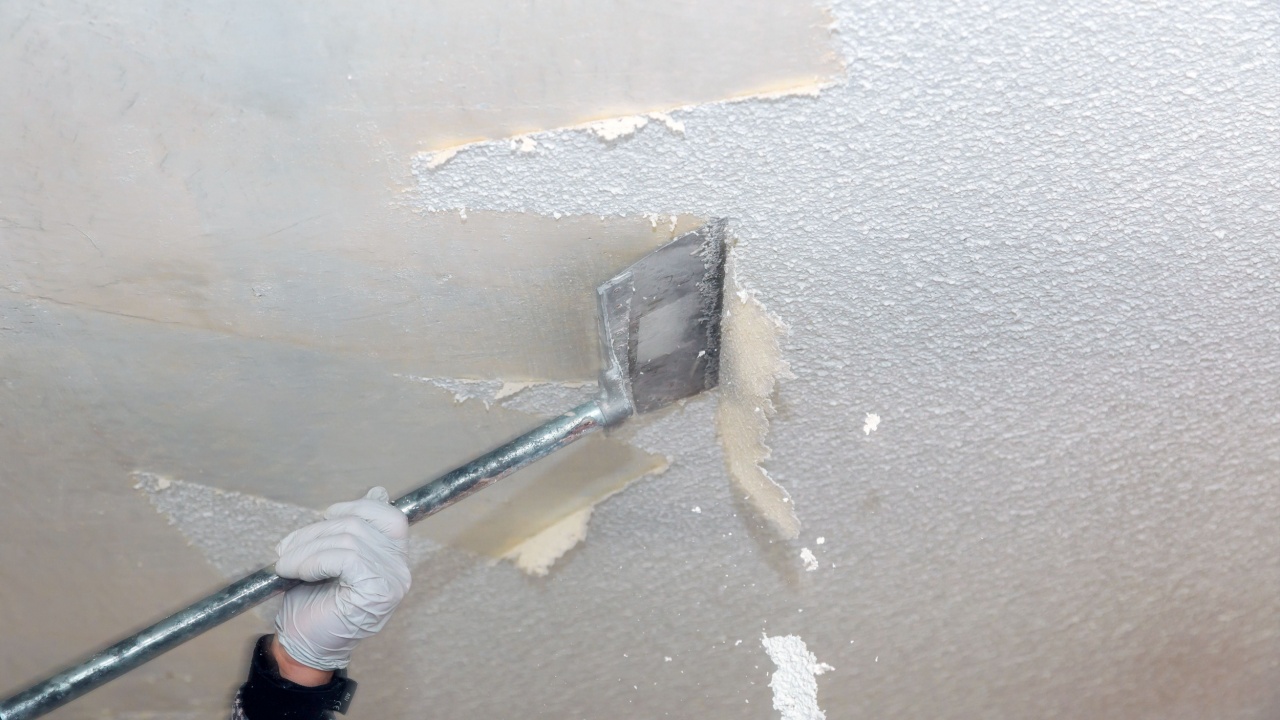
Builders heavily utilized textured acoustic ceilings for decades. This bumpy texture was inexpensive to apply and excellent at hiding imperfections in the drywall. It also had acoustic properties that dampened sound, which helped in busy households. It was the standard finish for hallways, bedrooms, and living areas in millions of homes.
People eventually realized the downsides of this texture. It acts as a magnet for dust and cobwebs, and it is notoriously difficult to clean or paint. Repairing a patch of popcorn ceiling without it looking obvious is nearly impossible. Many older popcorn ceilings also contained asbestos, which creates a safety hazard during renovations. Smooth ceilings are the standard preference today.
4. The Dedicated Fax Machine

A home office in the 1990s was not complete without a fax machine. This device allowed people to send documents instantly over telephone lines. It made a distinctive screeching noise when connecting and printed on slippery thermal paper that curled up. For a brief period, it was the pinnacle of instant written communication.
Although some legal and government offices may still use fax machines, email and digital scanners have completely replaced the need for physical fax machines at home. Sending a high-quality PDF takes seconds and requires no paper or ink. The bulky machine that once occupied desk space is now just a function on a computer or smartphone. Communication is faster, clearer, and far less noisy without them.
5. Elaborate Doilies
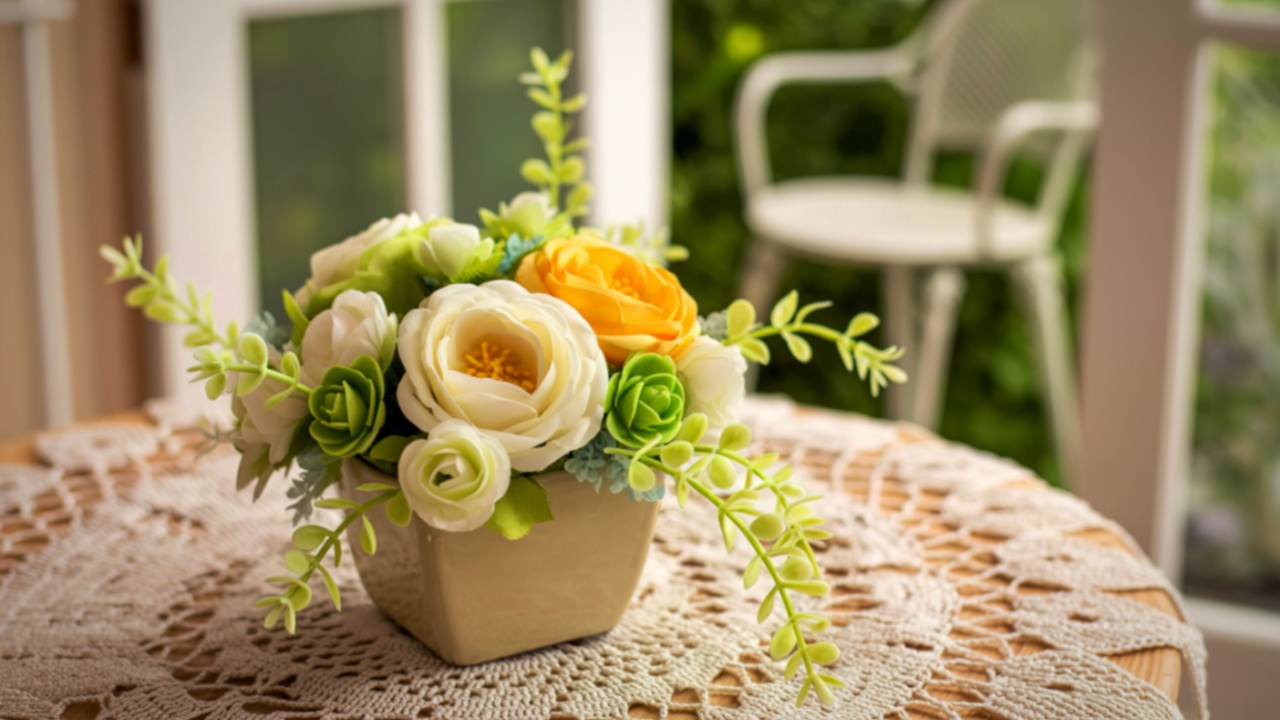
Lace doilies were a staple of traditional home decor. You would find them under vases, on the arms of sofas, and across the backs of chairs. Their original purpose was to protect furniture fabric from oils on human skin and to prevent scratches on wood surfaces. They added a touch of elegance and softness to a room.
Interior design trends moved away from this level of visual clutter. Modern furniture fabrics are more durable and stain-resistant, reducing the need for protective coverings. The intricate lace look does not fit with contemporary minimalist styles. Despite their unique beauty, many young homeowners view them as old-fashioned dust collectors rather than essential decor.
6. The Waterbed

Sleeping on a water-filled mattress was a unique trend that peaked in the 1980s. These beds required a heavy wooden frame, a heater to keep the water warm, and a vinyl liner to prevent leaks. Owners claimed the floating sensation provided the best night of sleep possible. It was a massive piece of furniture that dominated the bedroom.
The practical difficulties of waterbeds led to their disappearance. They were incredibly heavy, which strained floor joists, and moving them was a nightmare. The risk of leaks and the need for constant heating made them expensive and risky to own. Memory foam and hybrid mattresses now offer superior comfort without the danger of flooding the bedroom.
7. The Family Typewriter
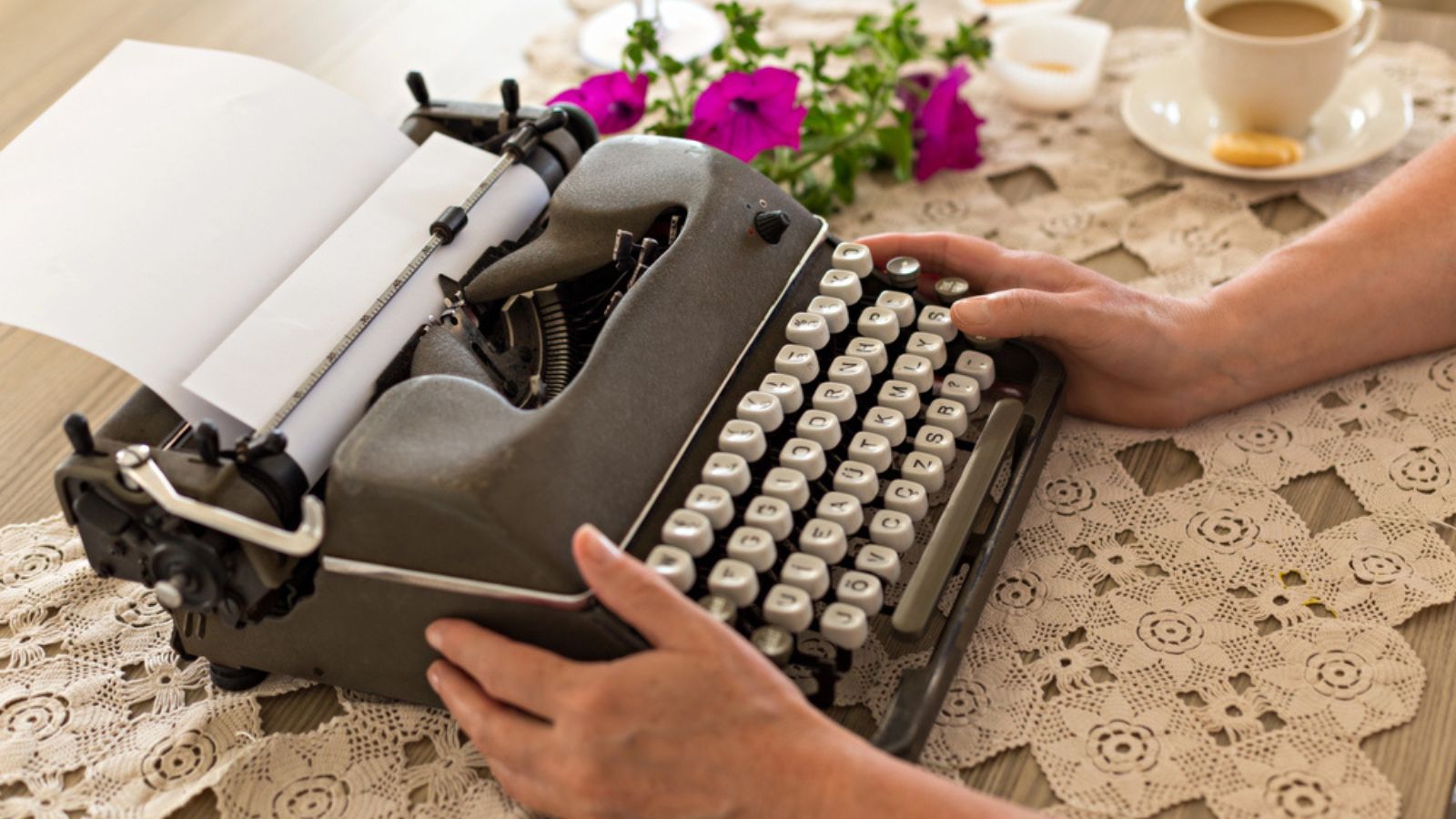
Before computers were affordable, a typewriter was essential for typing formal letters or school assignments. The rhythmic sound of keys striking the ribbon and the ding of the carriage return were the soundtrack of homework. Using one required focus meant correcting a mistake with messy white-out fluid or special correction tape.
Word processors and personal computers offered a level of convenience the typewriter could not match. The ability to edit, cut, and paste text before printing changed writing forever. Typewriters are now novelty items for collectors rather than functional tools. The digital revolution made the physical act of typing ink onto paper obsolete for daily tasks.
8. Carpeted Bathrooms
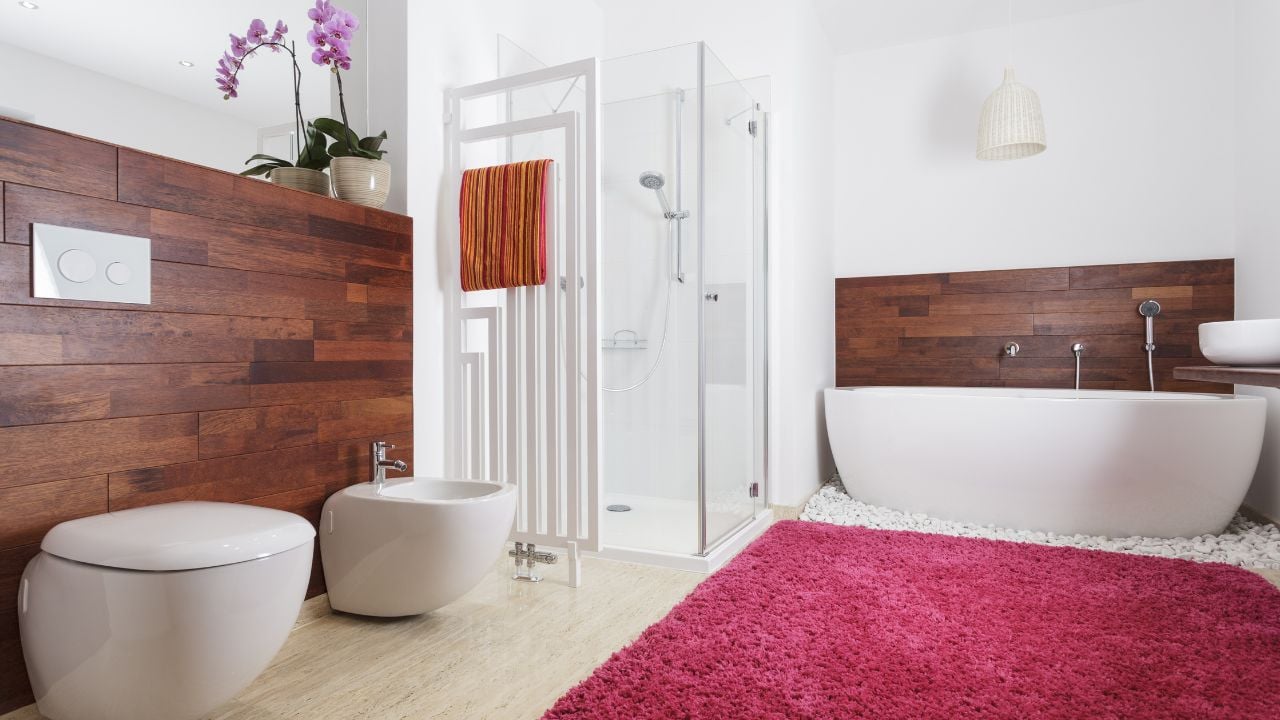
Carpet in the bathroom was once marketed as a luxury feature. It kept feet warm on cold mornings and added a plush feel to the space. Builders installed it right up to the tub and around the toilet. It matched the carpeting in the master bedroom to create a seamless flow between the rooms.
Hygiene concerns quickly killed this trend. Carpet in a wet environment traps moisture, leading to mold and mildew growth. It is impossible to sanitize bathroom carpet effectively. Tile, vinyl, and stone are the standard choices now because they are waterproof and easy to scrub. The idea of a carpeted bathroom now seems incredibly unsanitary.
9. The Glass Door Display Cabinet
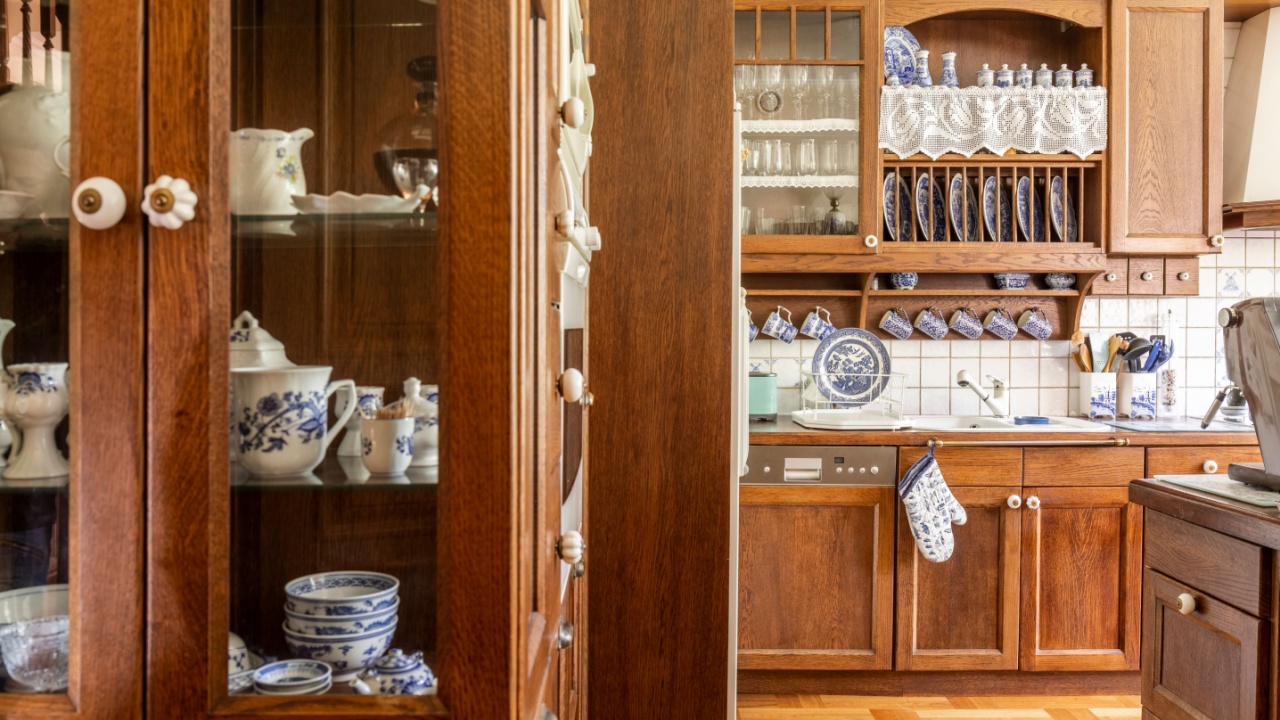
Dining rooms used to center around a large hutch or china cabinet. This piece of furniture displayed the family’s “good” china, crystal glasses, and porcelain figurines. These items were rarely used for eating and existed mainly to be looked at through the glass doors. It was a showroom within the home.
Dining habits have become much more casual. Few families register for expensive china patterns or crystal stemware anymore. The massive cabinet takes up too much space in modern, smaller dining areas. Open shelving or minimalist sideboards have replaced these heavy display cases. People prefer to use their dishes rather than lock them away behind glass.
10. Patterned Wallpaper Borders
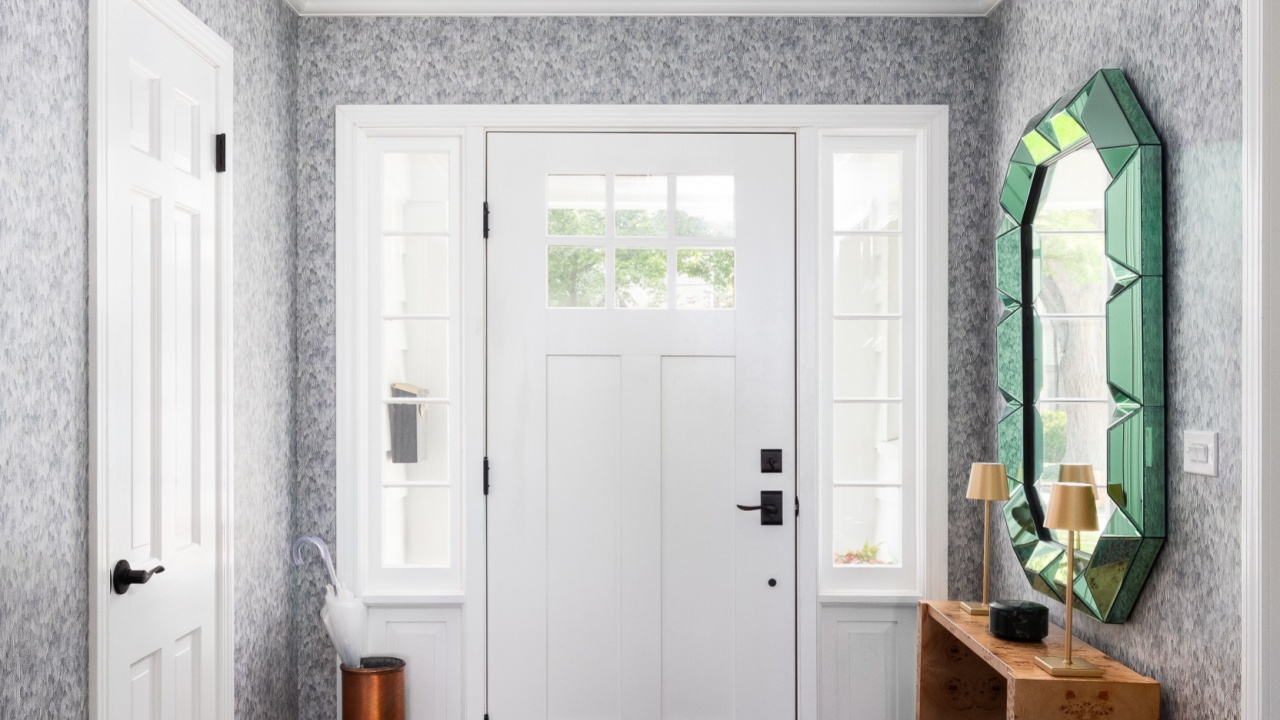
A strip of wallpaper running around the middle or top of a room was a major design element. Themes ranged from geese and teddy bears to ivy and fruit baskets. It was an easy way to add color and a theme to a kitchen or bedroom without wallpapering the entire wall. It visually broke up the paint and added character.
This look is now seen as very dated. Removing wallpaper borders is often the first task new homeowners tackle when moving into an older house. The strips are difficult to peel off and often damage the drywall underneath. Modern design favors accent walls or bold paint colors over thin strips of repeating patterns.
11. Wall-Mounted Landlines with Cords

The kitchen wall phone was the communications hub of the house. It usually had a remarkably long, coiled cord that allowed you to walk a few feet into the next room. Privacy was nonexistent, as the phone was located in a central, high-traffic area. Everyone in the house knew when the phone rang and who was talking.
Mobile phones grant individual privacy and mobility that landlines never could. Households rarely keep a landline anymore, let alone a wall-mounted one. The spot on the wall where the phone used to hang is now just another patch of drywall. Communication is personal and portable rather than tethered to a specific location in the kitchen.
12. Dark Wood Paneling
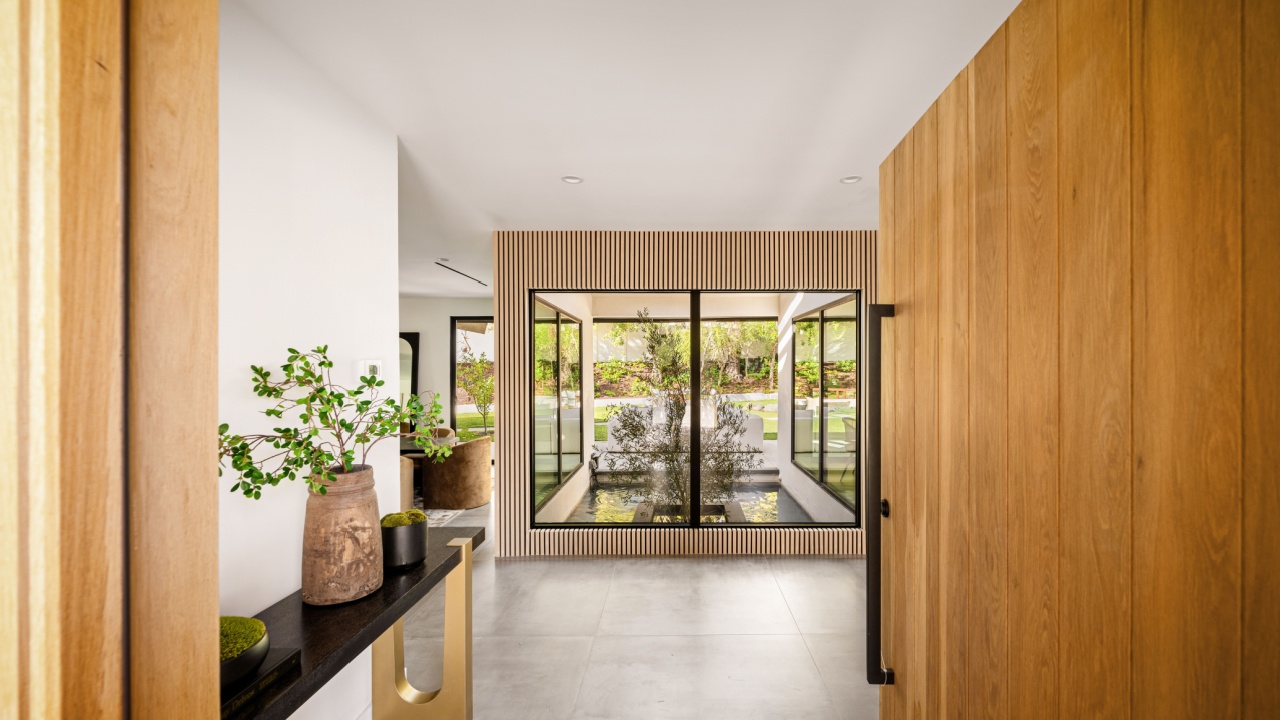
Basements and dens were frequently clad in sheets of dark, faux-wood paneling (nothing like the soft, natural wood tones you might see today). This material was inexpensive and durable, making it popular for finishing recreation rooms. It created a dim, cozy atmosphere often associated with the 1970s. The vertical grooves and dark finish absorbed light and made rooms feel smaller.
Bright and airy spaces are the current preference. Homeowners usually paint over old paneling or rip it out entirely to install drywall. The dark wood look feels oppressive and dated in modern interiors. Creating spaces that maximize natural light is the priority, and dark paneling does the opposite.
13. Fake Fruit Bowls

A bowl of plastic or wax fruit was a permanent fixture on the dining table or kitchen counter. The bananas were always too yellow, and the grapes had an unnatural shine. It provided a pop of color that never rotted or attracted fruit flies. It was a purely decorative attempt to make the kitchen look lived-in and bountiful.
People today prefer authenticity in their home decor. If there is a fruit bowl, it contains real apples and oranges meant for eating. Decorative trends shifted toward fresh flowers, natural materials, or leaving surfaces clear of clutter. Plastic food gathers dust and serves no function in a modern kitchen.
14. The Rolodex or Address Book
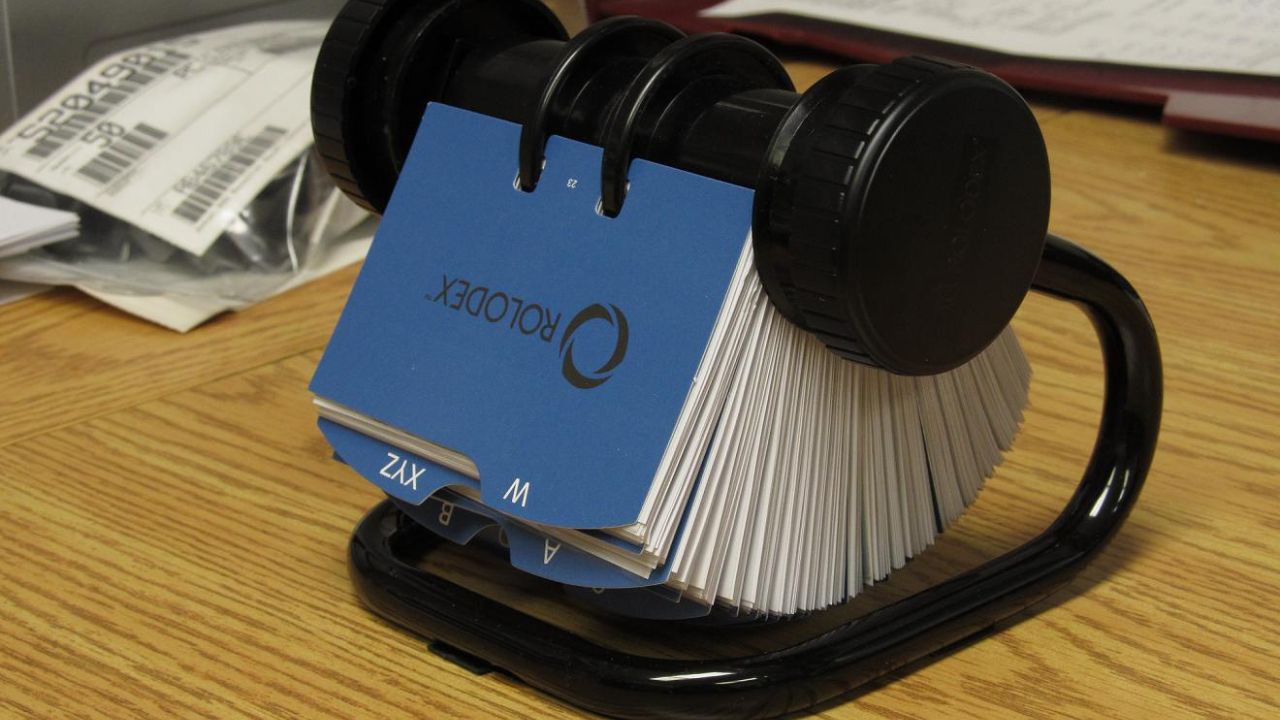
Keeping track of friends and family meant maintaining a physical address book or a spinning Rolodex. You had to handwrite every phone number and street address. Updating information meant scratching out old entries or using white-out. This little book was one of the most important items in the house.
Smartphones manage contacts automatically now. Cloud syncing protects numbers so they are never lost, even if a device breaks. Searching for a name takes seconds, and GPS maps replaced the need for written addresses. The physical act of writing down contact information is a ritual that has largely disappeared.
15. Videotapes (VHS)
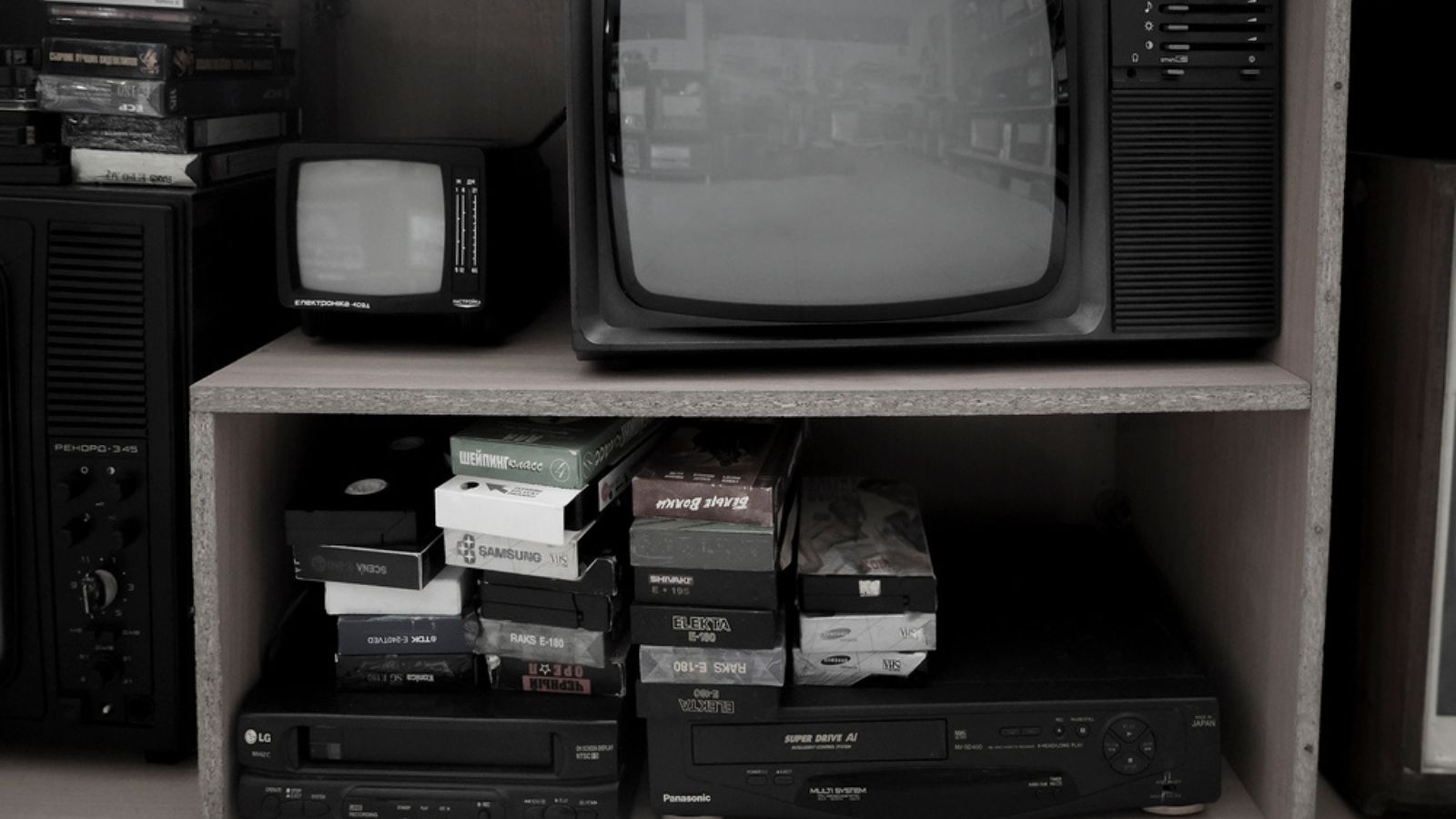
Shelves lined with bulky black plastic cassettes were a common sight in living rooms. Families recorded TV shows, bought movies, and rented the latest releases from the video store. You had to rewind the tape after watching it, or the next person would start at the end. The picture quality was grainy, and the tapes degraded over time.
Streaming services and digital downloads eliminated the need for physical media storage. High-definition content is available instantly without leaving the house. VHS tapes take up massive amounts of space and offer poor quality compared to modern standards. Most VCRs are long gone, leaving stacks of old tapes unplayable.
16. Window Valances
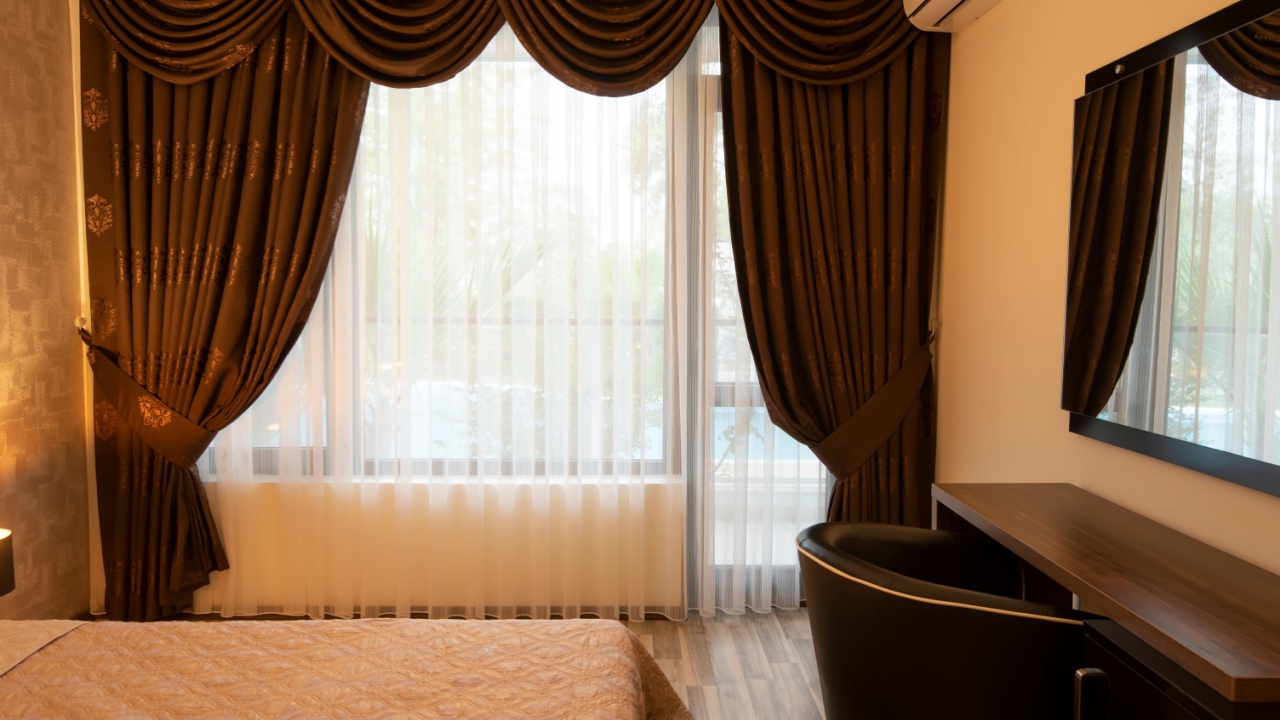
Windows were often topped with a fabric box or ruffled swag called a valance. This treatment hid the curtain rod and added a formal, decorative touch to the room. They were often made of heavy floral or plaid fabrics that matched the furniture. It was a layered look that felt complete and polished to previous generations.
Window treatments are much simpler now. The goal is often to let in as much light as possible, so heavy top treatments are avoided. Simple rods with straight panels or sleek roller shades are the norm. The valance makes a room feel shorter and darker, which contradicts current design philosophies.
17. Decorative Wall Plates
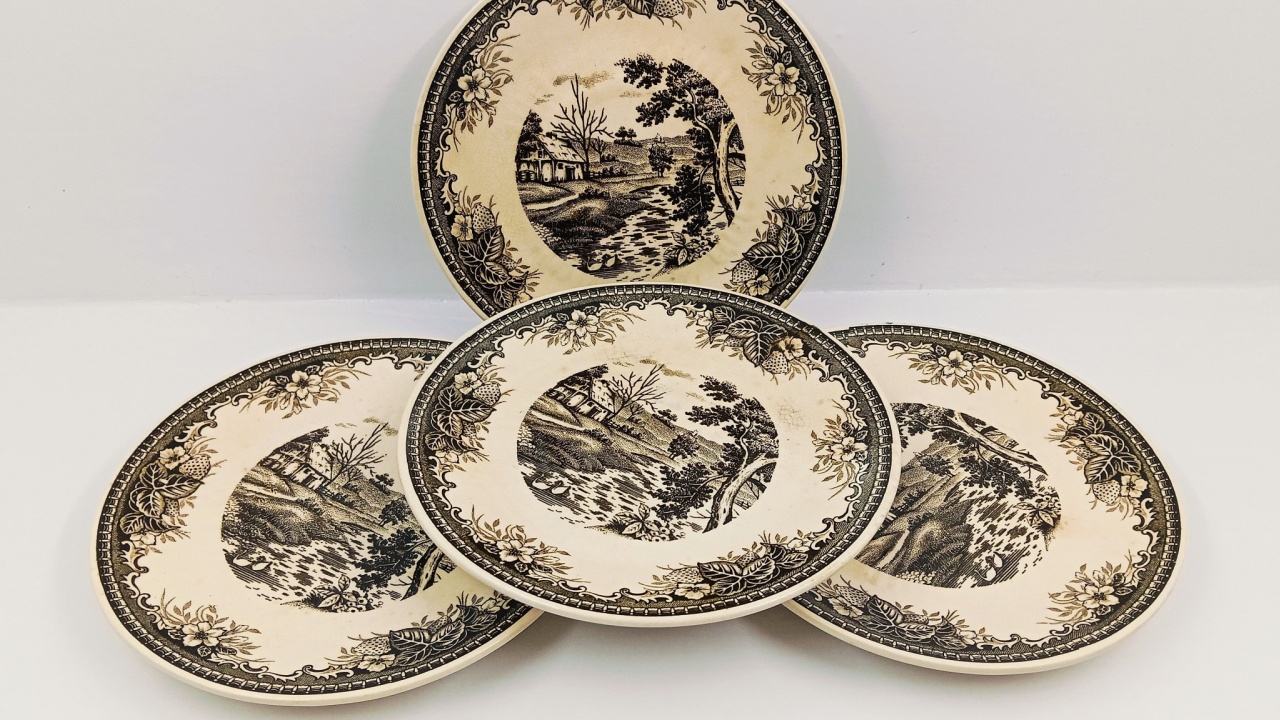
Many homes featured collectible plates hung directly on the wall. These plates depicted scenes like birds, landscapes, or historical events and were never intended for food. Special wire hangers secured them to the plaster. They were arranged in groups to create a focal point in the dining room or hallway.
This wall decor style may have been out of trend for a while, but some experts believe it’s making a comeback. Collecting specific sets of plates is a hobby that few younger people pursue. Modern wall decor leans toward large canvas prints, framed photography, or gallery walls of personal photos. The collectible plate market crashed as interest waned, leaving these items as relics of the past.
Times Change, So Do Our Homes
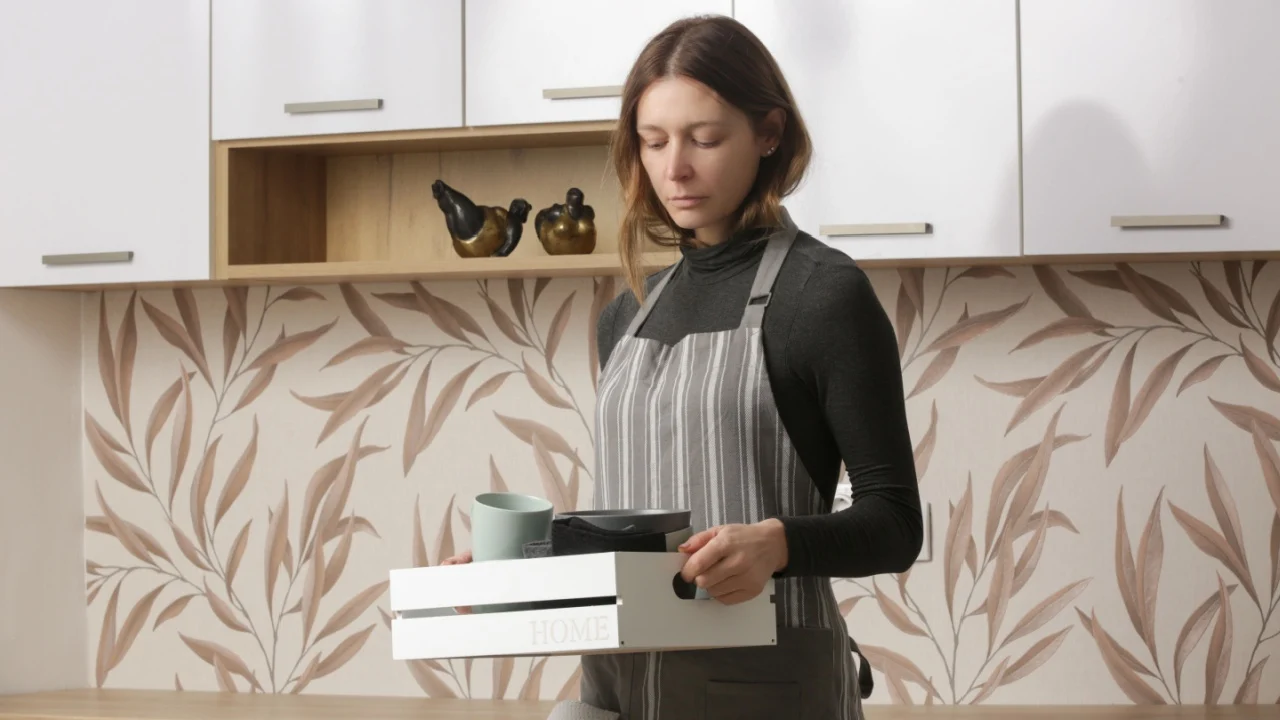
Homes are constantly evolving spaces that reflect the technology and lifestyle of the times. Some of the home features we don’t understand today. These items served their purpose well for our parents, but some no longer fit our way of life today. Others are making a comeback, albeit slowly. Letting go of these objects allows for new conveniences and cleaner designs to take their place. As time moves forward, the things we consider essential right now will likely join this list of memories.
Read More:
12 Old-School Things Once Done in the Yard That Now Make Us Wince