
16 Items to Stop Keeping Around Out of “Just in Case” Guilt
Keeping things just in case feels like a smart move. After all, you never know when you’ll need that spare button from a shirt you threw out in 2012.
But more often than not, this “responsible habit” leads to a home bursting at the seams with junk rather than a treasure trove of useful items.
Most of these hoarded objects are just gathering dust, patiently waiting for a purpose that will never arrive. It’s time to evict this dead weight and reclaim your living space.
Here are 16 common “just in case” items you can finally send packing.
1. Old Electronics Cables
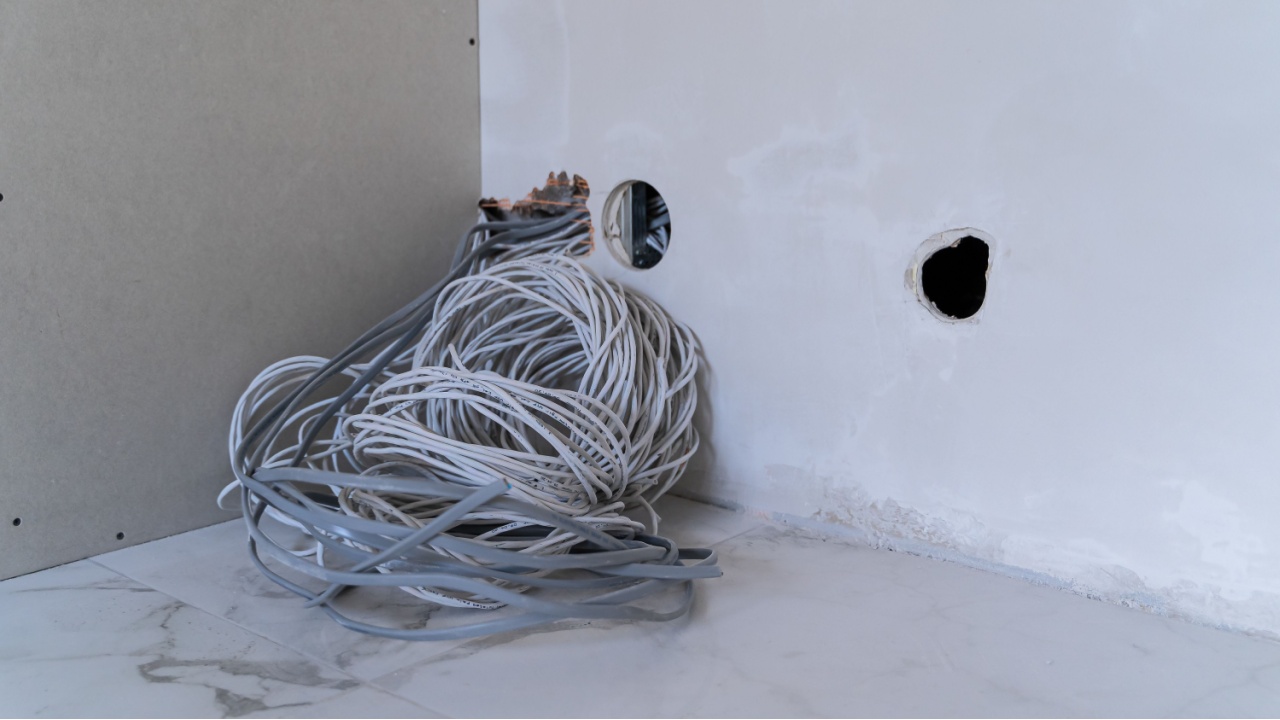
Technology moves at breakneck speed, rendering cords from five years ago as useful as a paper teapot. A drawer full of mystery wires typically belongs to relics like first-generation MP3 players or flip phones that retired long ago.
Tech experts advise that modern electronics utilize standardized connections like USB-C, making that tangled mess of proprietary chargers unnecessary. If a specific cord is required later, replacements are inexpensive and readily available.
2. Expired Beauty Products

Makeup and skincare items harbor bacteria after their shelf life ends. Using an old eye cream or mascara tube risks infection or skin irritation rather than providing any beauty benefit.
While throwing away expensive, half-used serums feels wasteful, the potential medical cost of an eye infection outweighs the value of the remaining product. Liquid products typically spoil fastest and should be the first to go.
3. The Orphan Sock Collection
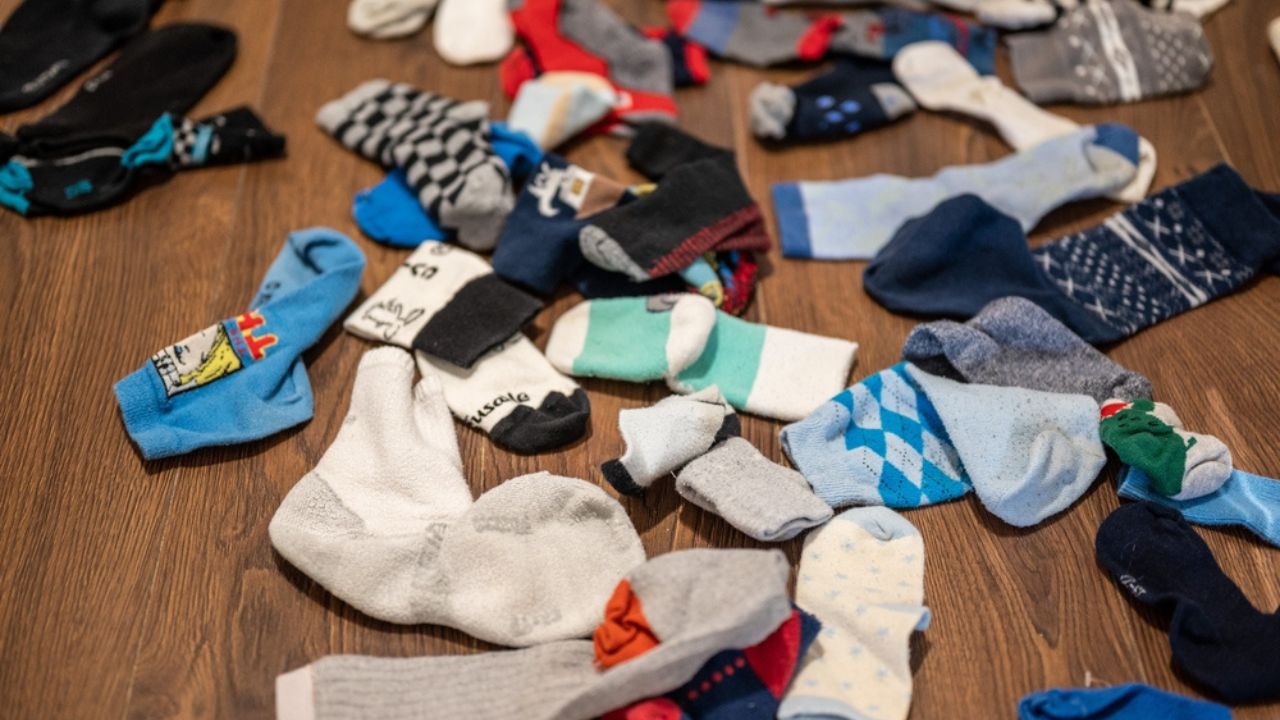
A basket of single socks awaiting their partners creates visual chaos in the laundry room. Organizational experts suggest that if a match has not appeared within a month, it likely vanished into the laundry dimension forever.
These lonely items clutter drawers and complicate morning routines. Maintaining a streamlined sock drawer saves time and frustration daily.
4. Damaged Clothing

Garments with holes, broken zippers, or stubborn stains often sit in closets under the guise of future repair projects. Unless you possess professional sewing skills and schedule time for mending, these pieces merely occupy hanger space.
Realistically, if the item has waited six months for a fix, the repair is unlikely to happen.
5. Vintage Magazines
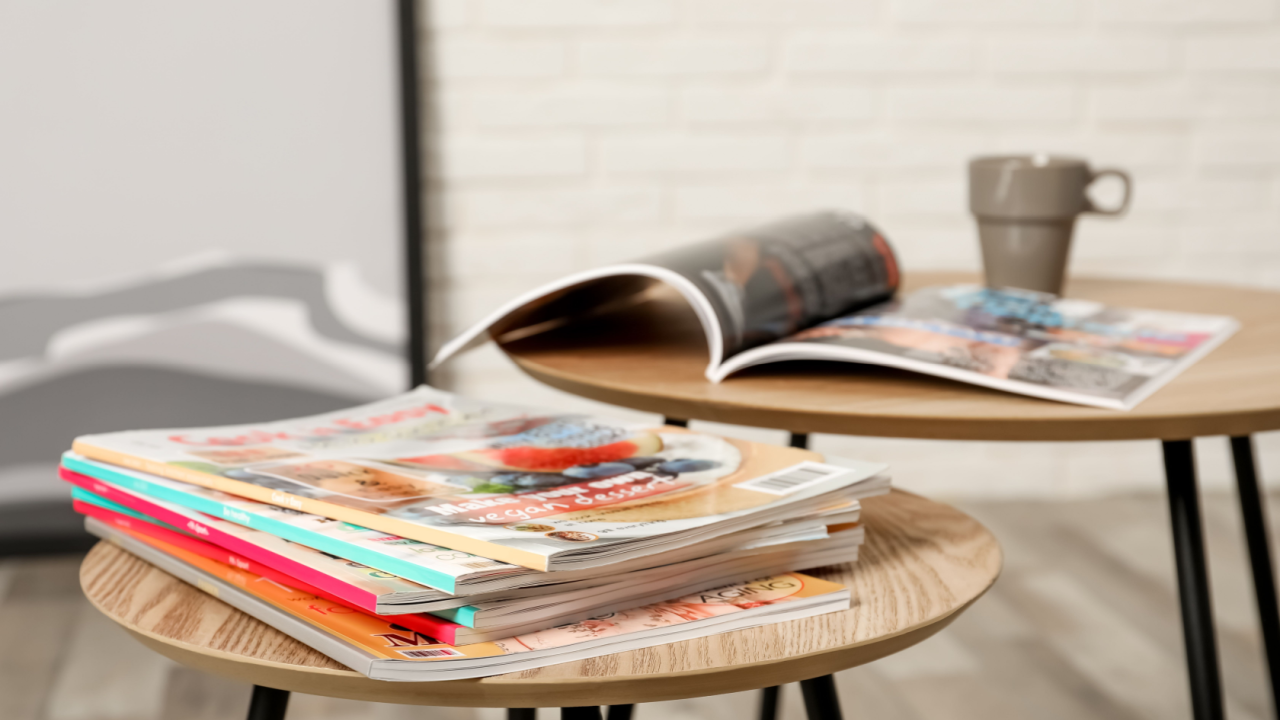
Stacks of glossy magazines accumulate quickly on coffee tables and nightstands. While specific articles or recipes may seem worth preserving, information in print becomes outdated swiftly.
Retaining these physical copies increases stress and clutter levels in the home. Most content is accessible digitally without the physical bulk.
6. Unitasker Kitchen Gadgets
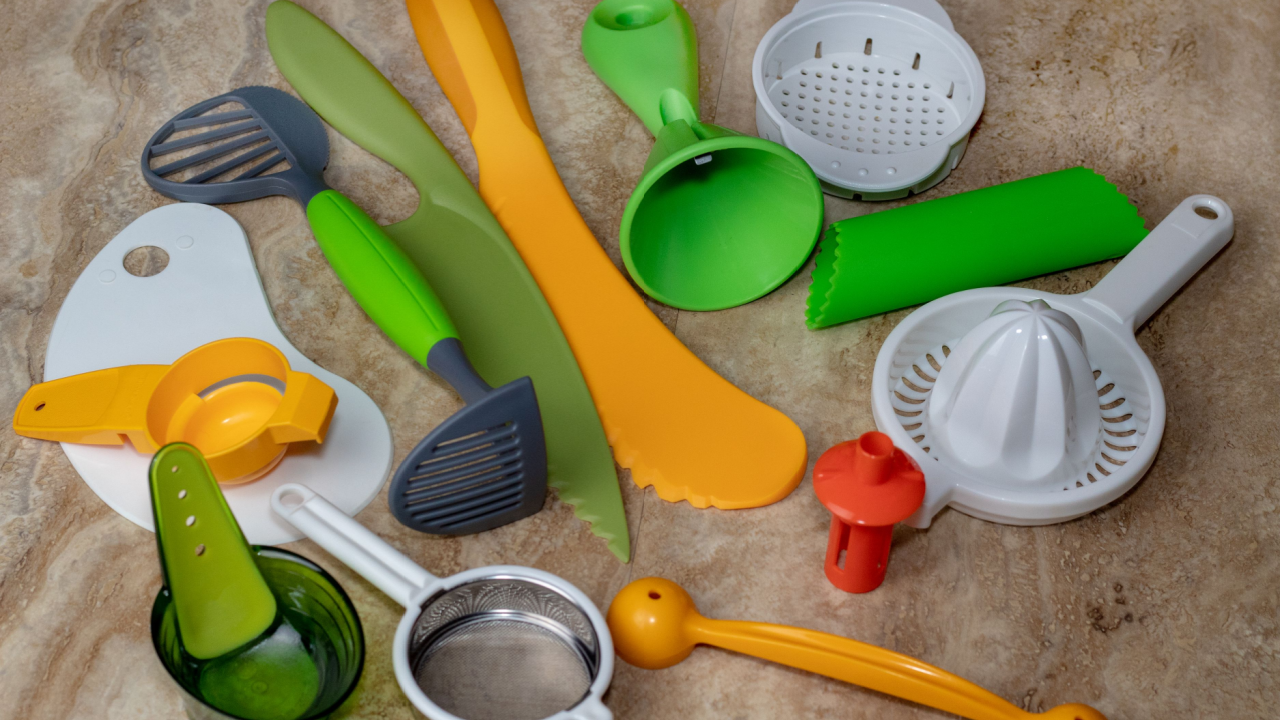
Specialized tools like avocado slicers, strawberry hullers, or egg separators often promise convenience but rarely deliver. These “unitaskers” clog utensil drawers and usually perform worse than a standard chef’s knife.
If a gadget performs only one specific function and sees use less than annually, it does not deserve kitchen real estate.
7. Aspirational Craft Supplies
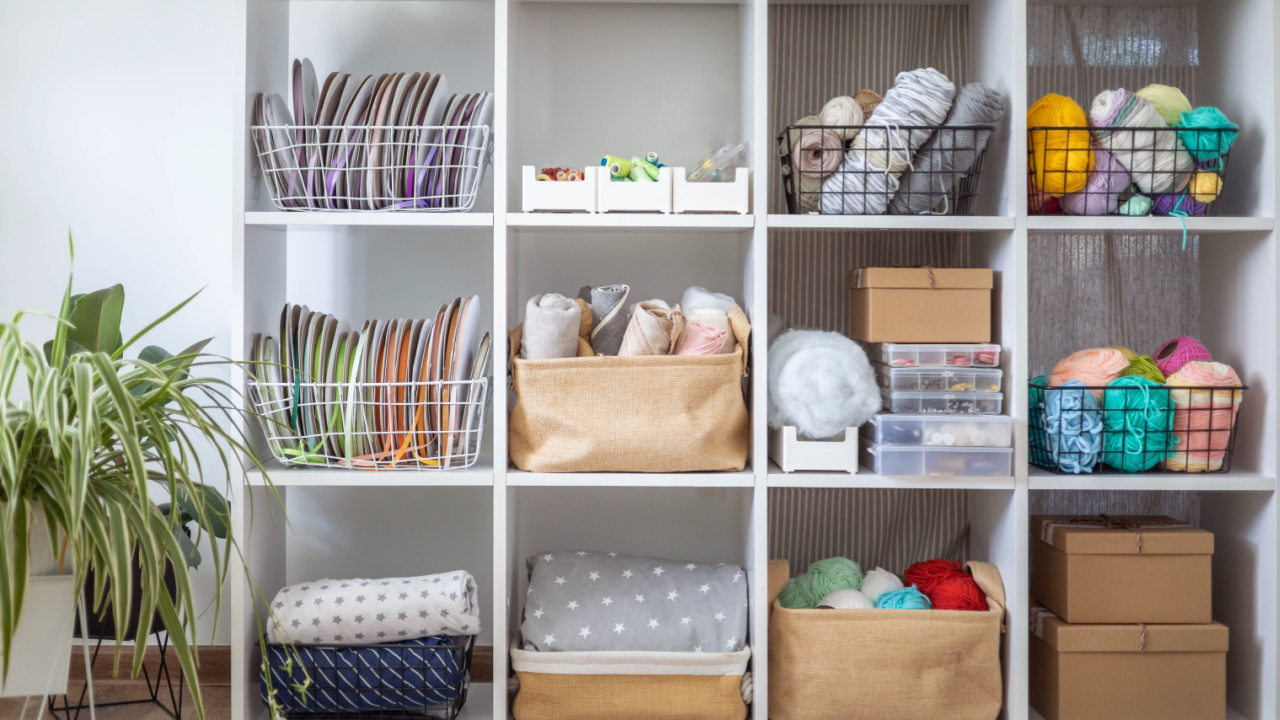
Bags of yarn, fabric scraps, or painting supplies often represent a fantasy self who has ample free time for hobbies. Hoarding experts note that people keep these materials, seeing potential rather than reality.
If these supplies have gathered dust for years, they serve as guilt-inducing reminders of unfinished projects rather than sources of creativity.
8. Unread Books
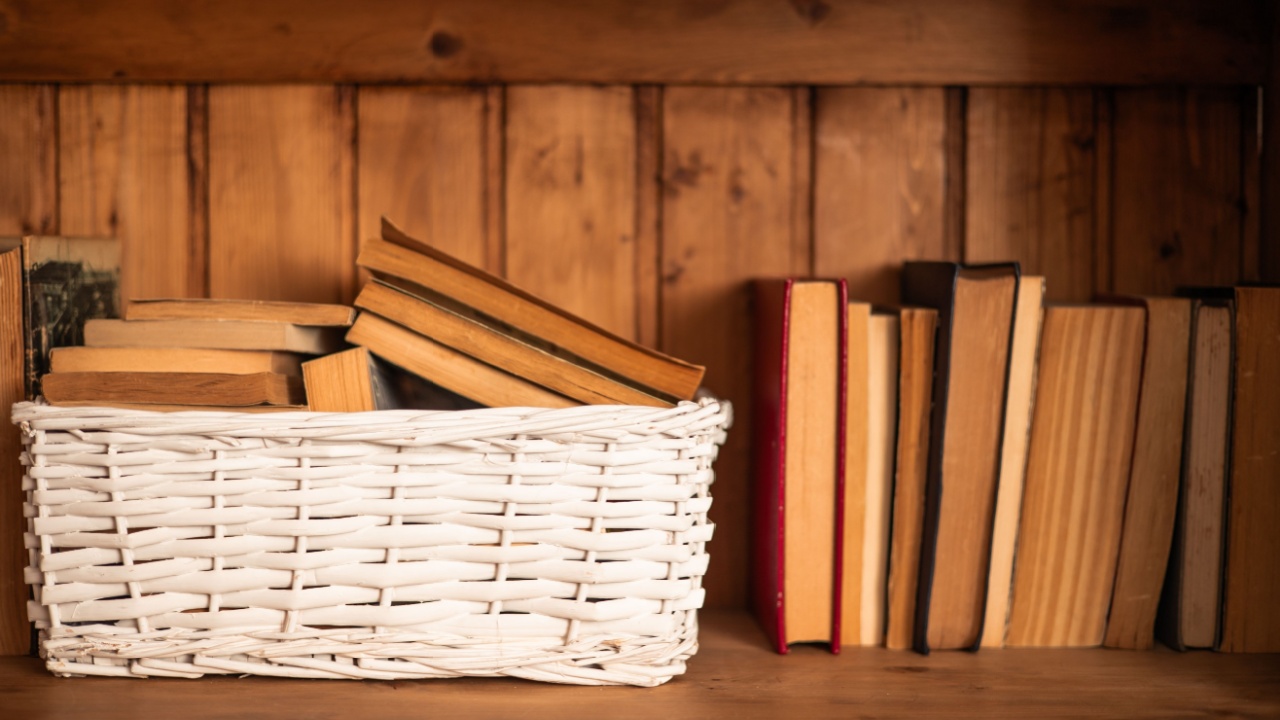
Bookshelves often serve as trophy cases for intellectual aspirations rather than libraries of actual reading material. Holding onto titles that hold no genuine interest creates visual noise.
Passing these volumes along allows someone else to enjoy the story and frees space for books that truly excite you.
9. Guilt-Laden Gifts
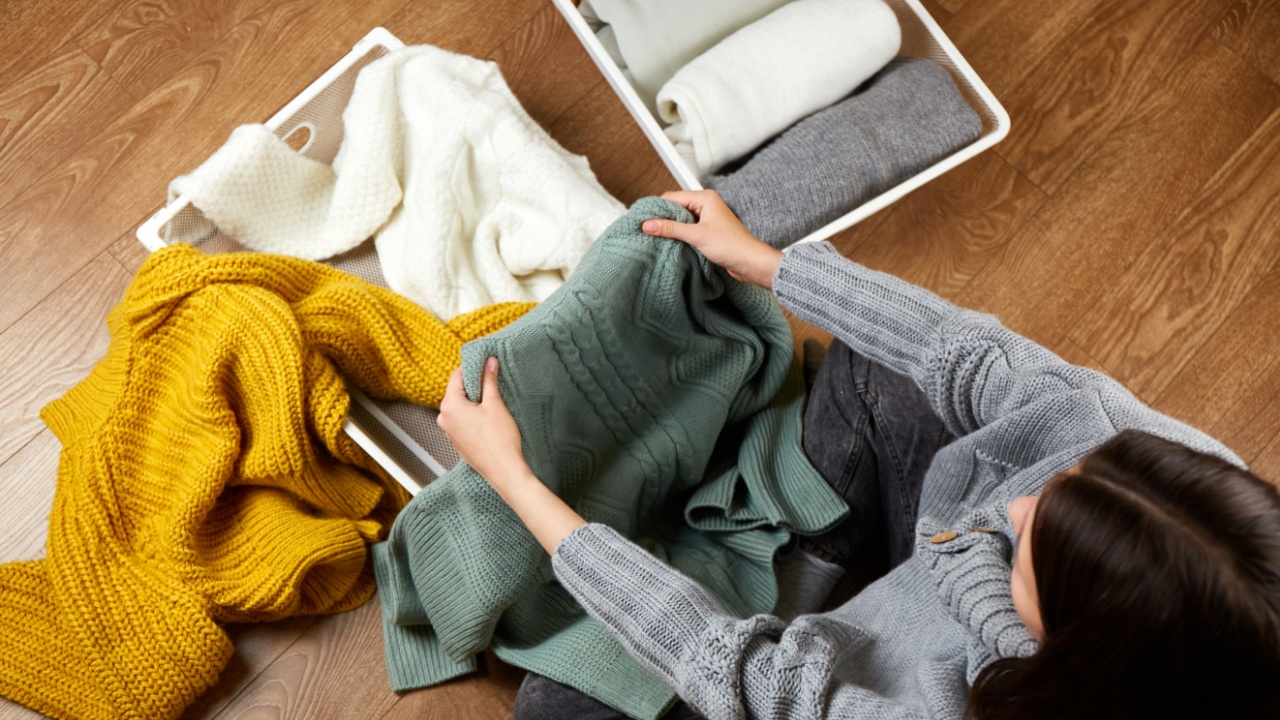
Presents from loved ones often remain in homes solely due to obligation. A vase that clashes with the decor or a sweater that fits poorly stays hidden in a closet to avoid hurting feelings.
However, the purpose of a gift is the act of giving. Once received and acknowledged, the object belongs to you to manage.
10. Mystery Hardware
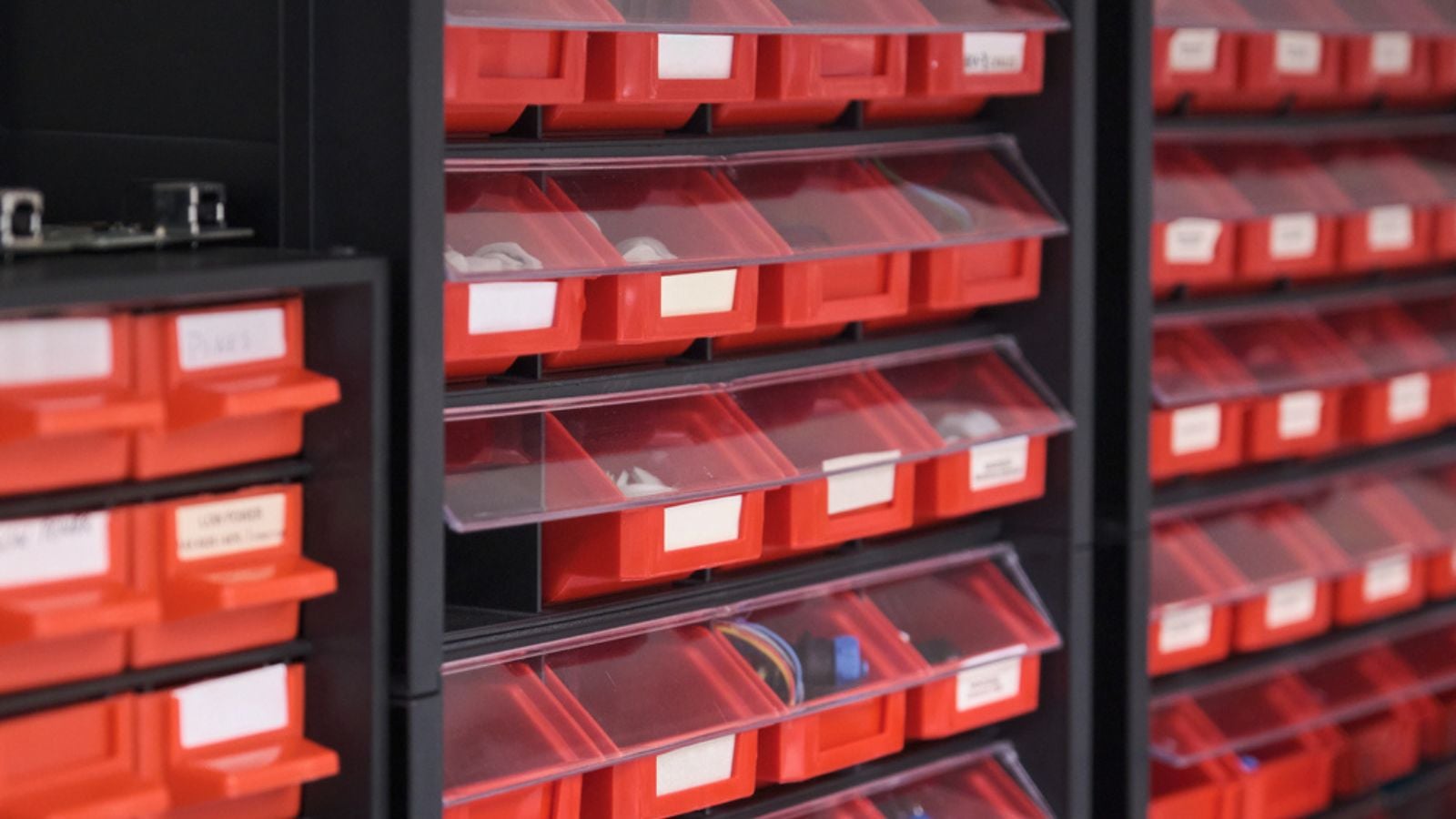
Jars filled with random screws, Allen wrenches, and plastic brackets are common in garages everywhere. The logic suggests these parts might save the day eventually. In reality, identifying the correct screw from a mixed jar is a game of chance with terrible odds. Most DIY projects require purchasing fresh, specific hardware anyway.
11. Ancient Receipts
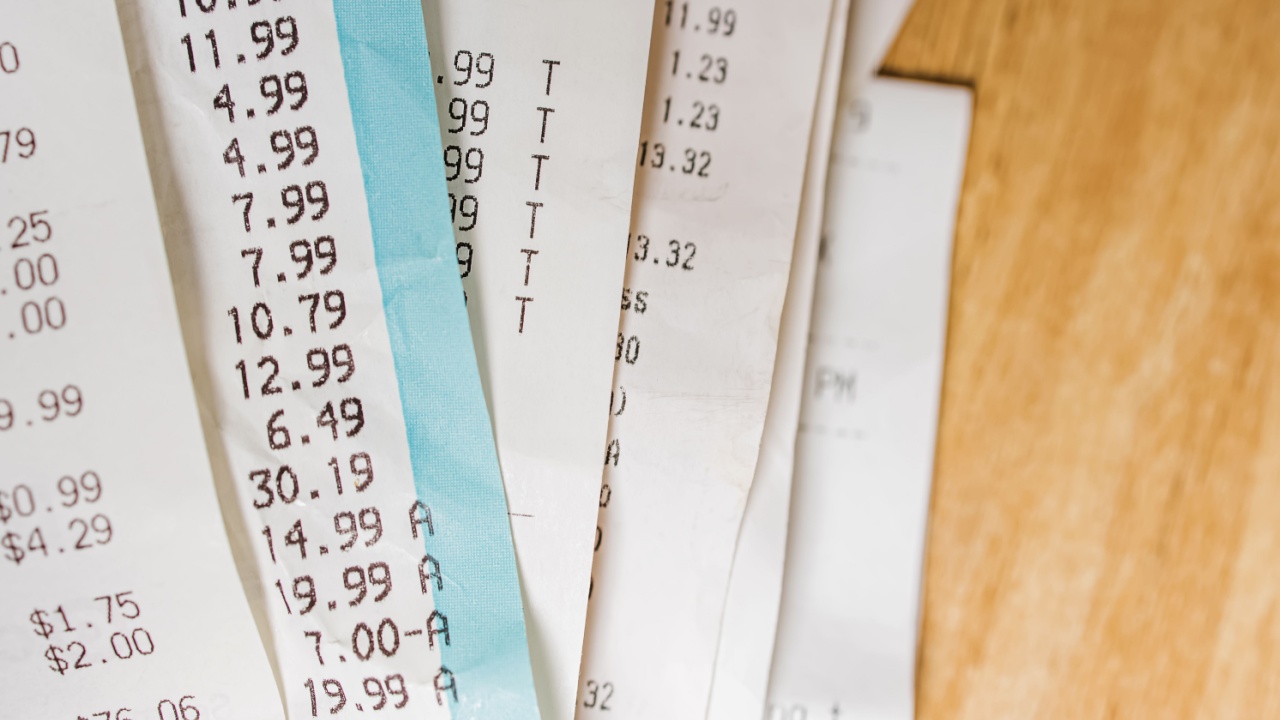
Paper receipts fade over time, leaving blank slips that offer no proof of purchase. Keeping non-essential receipts for minor purchases like coffee or fast food creates unnecessary paper trails.
Only warranties and tax-deductible expenses require documentation, and even those are safer in digital formats.
12. Takeout Menus

Smartphones have rendered the drawer of paper menus obsolete. Restaurants update prices and offerings online frequently, meaning the paper version in the drawer is likely incorrect.
These flyers contribute to kitchen clutter and fire hazards. Bookmark the websites of your favorite local restaurants and recycle the paper collection.
13. The Bag of Plastic Bags
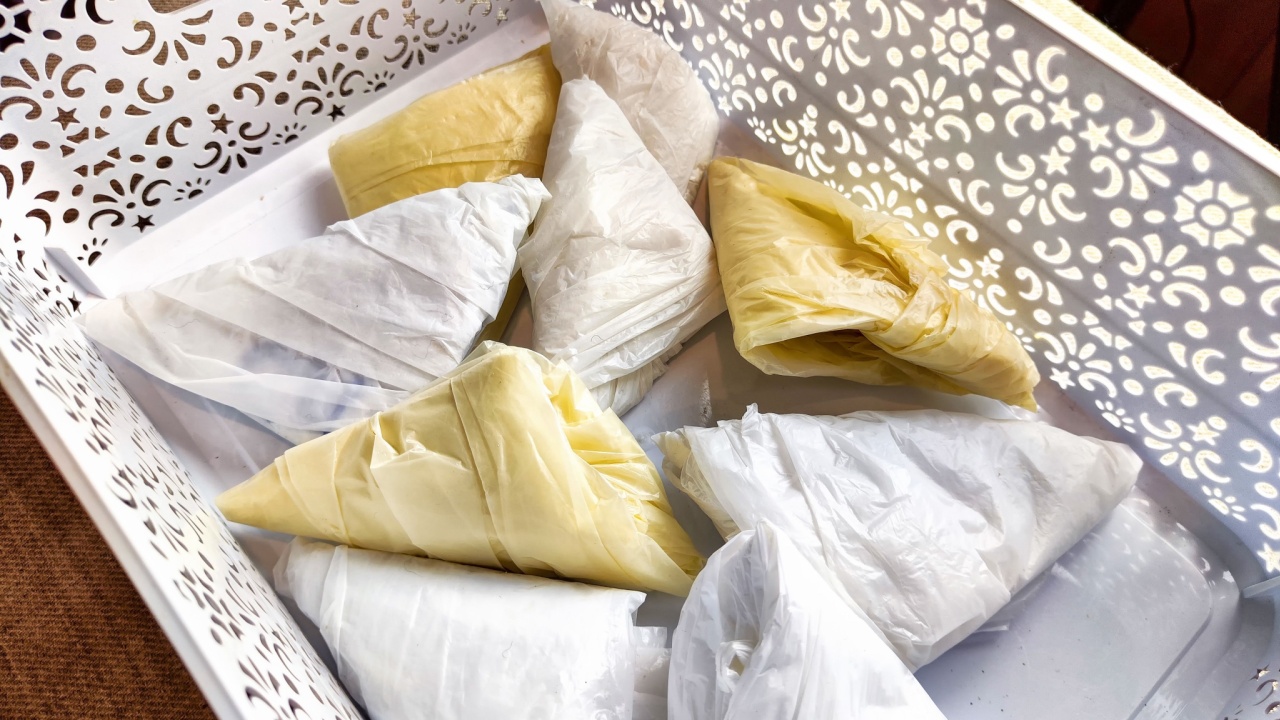
A massive collection of plastic grocery bags stuffed into one larger bag is a staple in many pantries. While keeping a few for small trash cans is practical, hundreds of bags take up excessive space.
They often degrade or tear before use. Reusable totes are a sturdier, more environmentally friendly alternative. Keep ten bags for bin liners. Return the remainder to the grocery store’s recycling drop-off point.
14. Unused Stationery
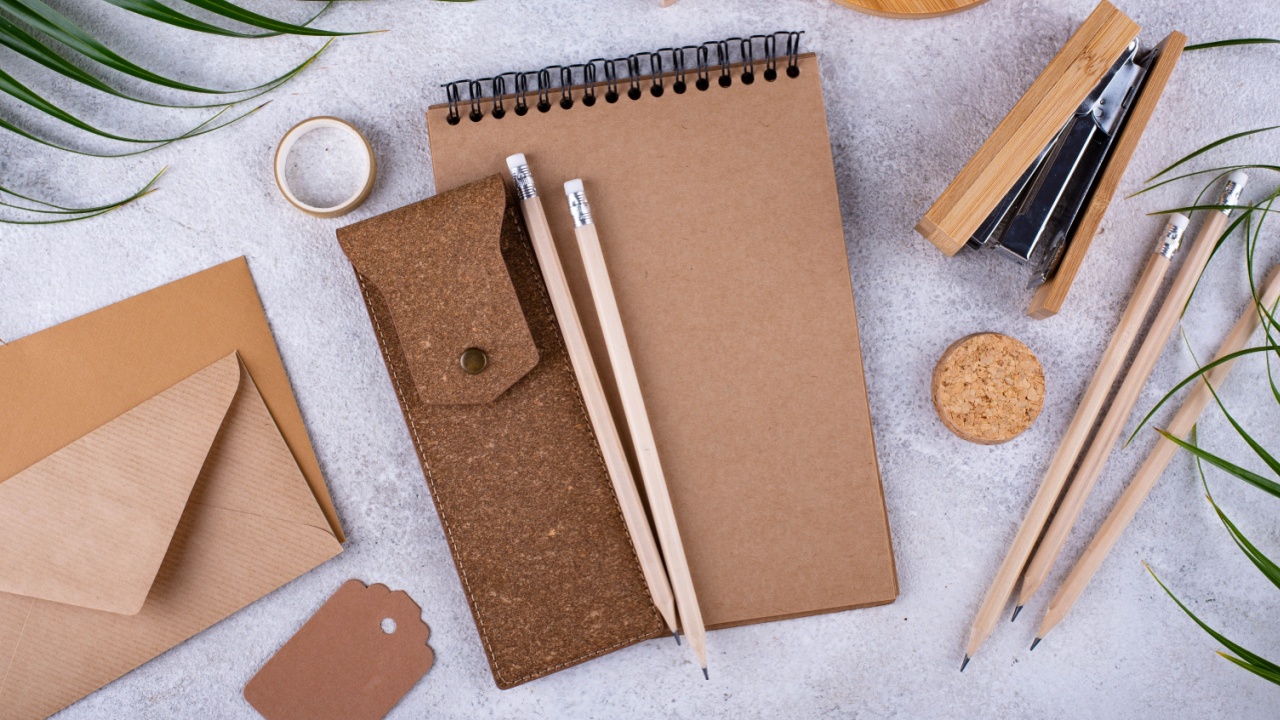
Notebooks, sticky notes, and pens accumulate rapidly. Many people buy stationery for the dopamine hit of a new start, but rarely fill the pages. A desk overflowing with empty journals hinders productivity rather than helping it.
Keep two notebooks for current projects instead. Donate the surplus to a local school drive.
15. Empty Boxes
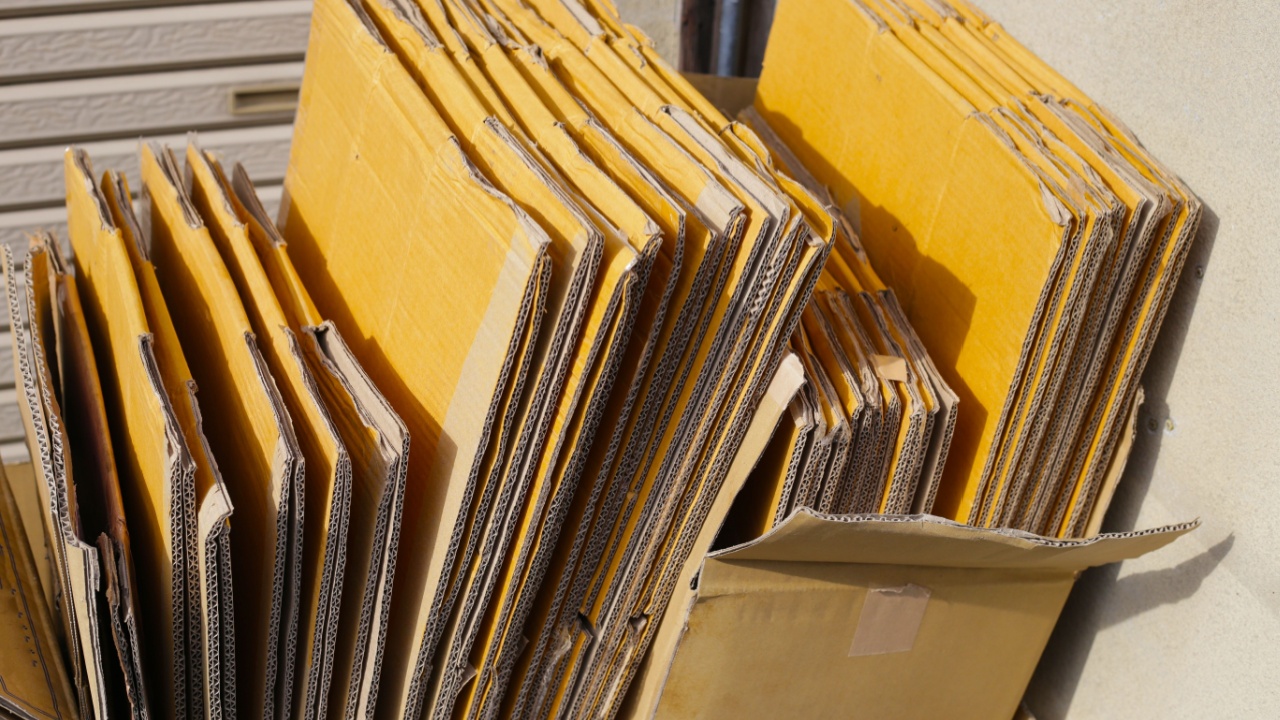
Keeping the original packaging for every appliance, phone, and blender is a widespread habit. The belief is that the box is necessary for returns or moving.
However, return windows close quickly, and standard moving boxes protect items better than flimsy product packaging. These empty containers attract pests and consume closet space.
16. Miniature Hotel Toiletries

Tiny bottles of shampoo and lotion from vacations often pile up in bathroom vanities. The intent is to use them for guests or future travel.
Unfortunately, liquids degrade, separate, and dry out eventually. Shelters have an immediate need for these hygiene products, whereas they likely just clutter your cabinet.
Breathe New Life into Your Home

Decluttering these “just in case” items lifts a weight off the home environment. The space reclaimed from old cables, mystery keys, and empty boxes allows for a more breathable, organized life. Start with one category today and observe how much lighter the room feels.
Read more
6 Questions That’ll Help You Declutter Ruthlessly
6 Reasons Marie Kondo’s Decluttering Method Doesn’t Work for Everyone, and What to Try Instead