16 Plants That Thrive When Sown in Winter
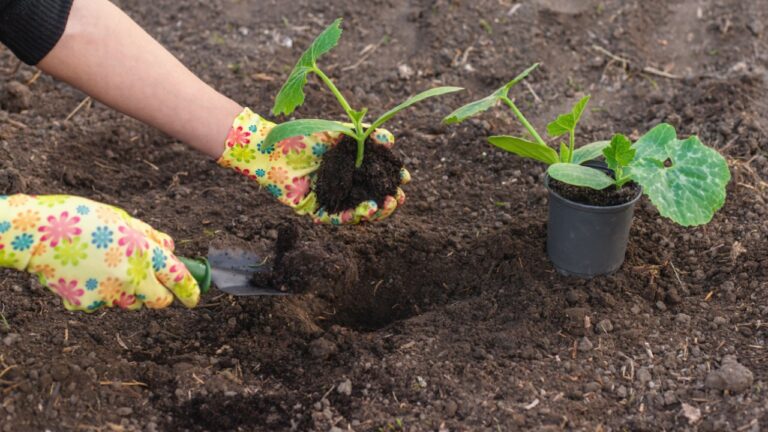
Most gardeners stick to a strict schedule: plant in spring, harvest in summer, and tidy up in fall. But nature does its own thing. Wildflowers and native grasses drop their seeds in autumn, letting them chill in the soil all winter before bursting to life when the weather warms up. You can totally copy this natural process to get a head start on your garden.
Winter sowing or planting seeds during the colder months saves you the hassle of grow lights and hardening off seedlings. Moreover, it lets hardy seeds go through stratification (a process where the cold breaks their dormancy), so they sprout when the time’s just right. Planting now gives them a chance to grow strong roots before spring even arrives.
1. Spinach
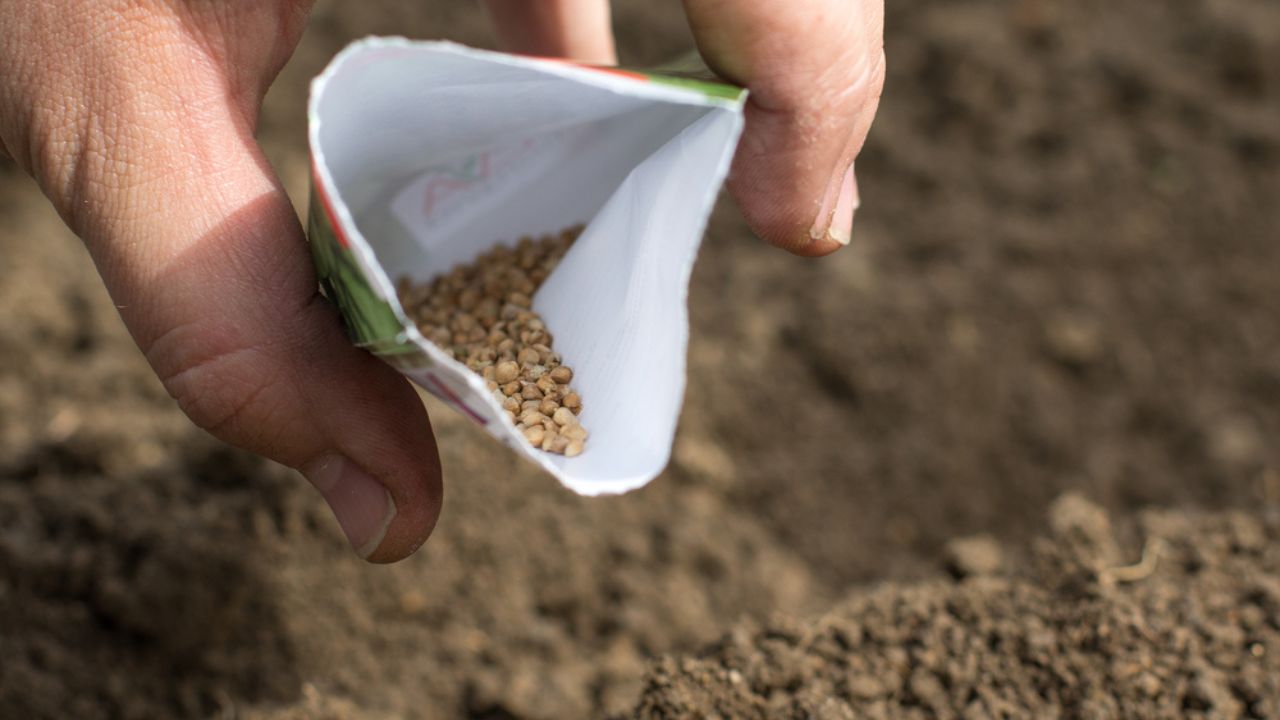
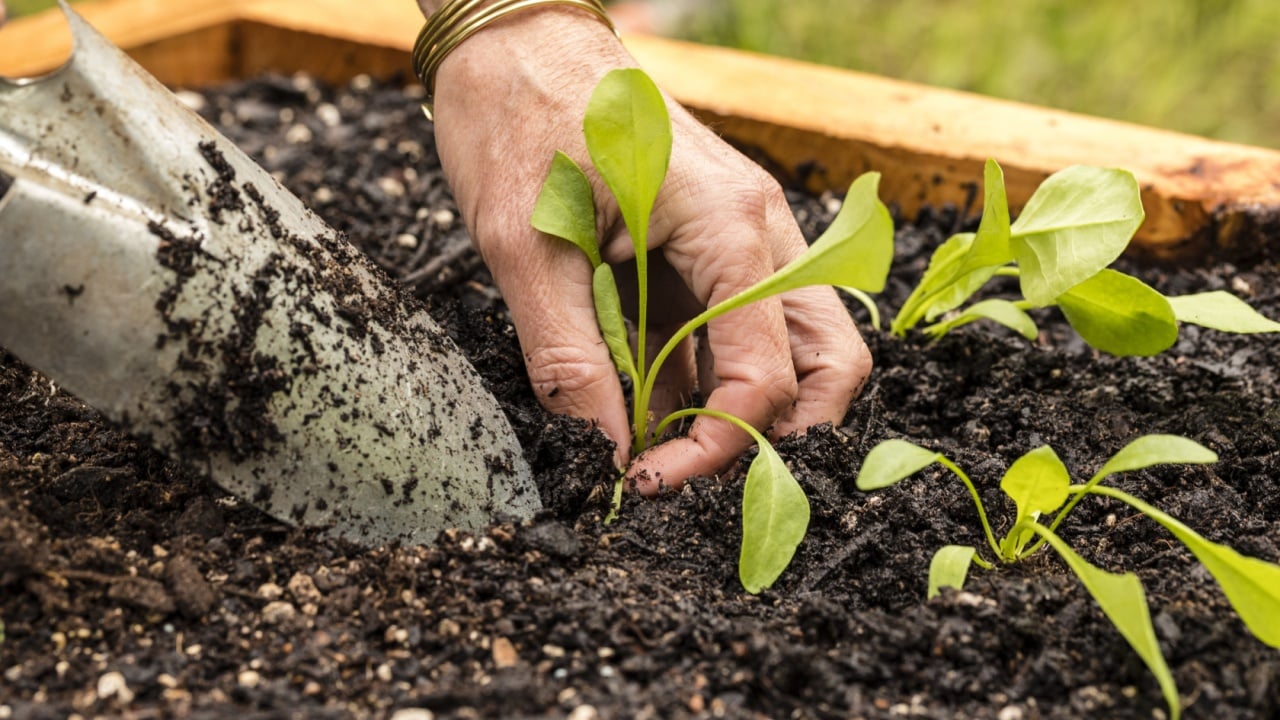
Spinach is a total winter champ. It loves the cold and can easily handle a frost that would kill off most other greens. When you sow spinach in winter, the seeds just chill out until the soil hits around 45°F (7°C), then they’re off to the races.
The best part? Spinach is super versatile. You can grab the baby leaves for a fresh salad or let them grow big for a hearty sauté. Just plant your seeds about an inch apart. Once they pop up, thin them out to six inches if you want larger leaves; it helps them breathe and keeps them from fighting over nutrients.
Tip: Heavy clay soil can stay too wet in winter. If working with dense soil, mix in organic compost to improve drainage and prevent seed rot.
2. Larkspur
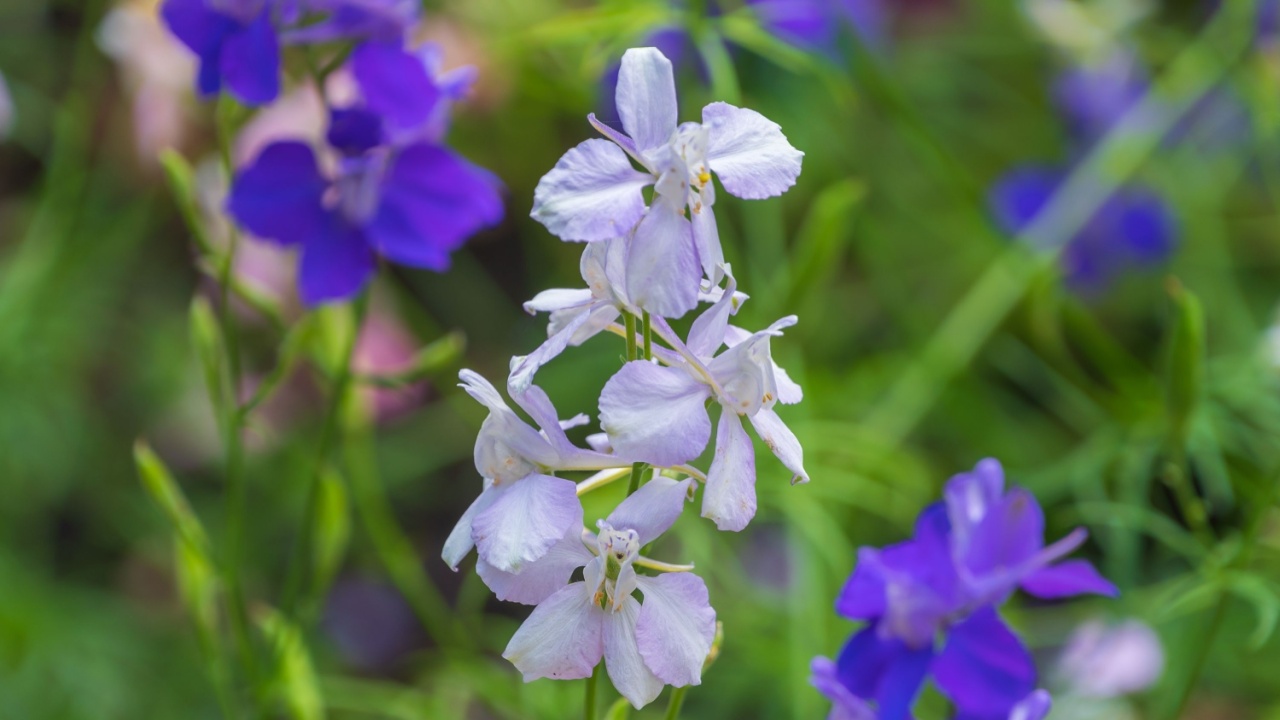
Got pollinators? Larkspur’s tall, beautiful spikes of blue, purple, and white flowers are a pollinator’s paradise. These flowers are a pain to transplant because they grow a long taproot that hates being messed with. Planting them directly in the winter skips that whole problem.
The seeds actually need the cold to get going and won’t sprout if it gets warmer than 55°F (13°C). Just toss the seeds on the ground and sprinkle a little compost over them. They’ll pop up on their own come springtime and be much tougher than any you could start inside.
Tip: Larkspur can grow quite tall, sometimes reaching three feet. Install stakes or netting at the time of planting so the support is ready when the plants shoot up in spring.
3. Carrots
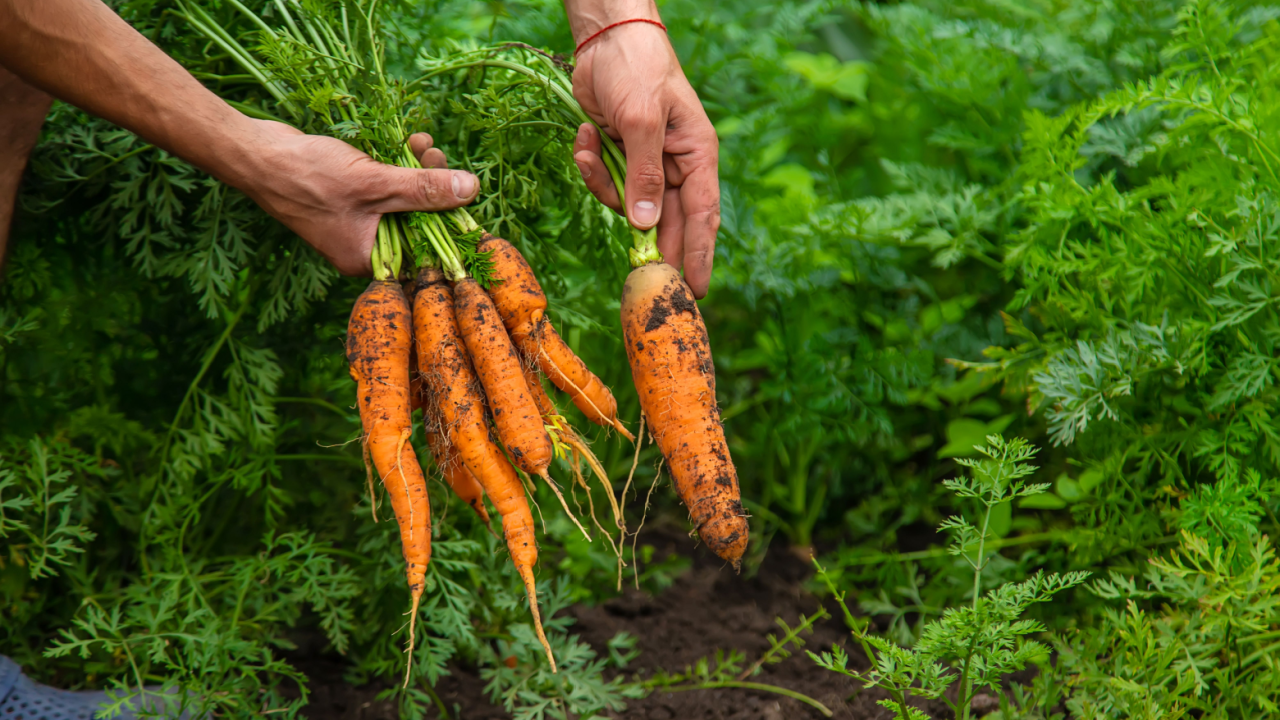
Carrots hate being moved, so they’re a perfect choice for winter sowing. The chilly ground provides just the right amount of moisture to soften up their tough outer shells, meaning you’ll get to harvest them weeks earlier than if you waited until spring.
The secret to great carrots is all in the soil. They need it loose and free of rocks to grow nice and straight; otherwise, you’ll end up with stunted or funky, forked roots. Just give the bed a quick once-over with a broad fork to loosen things up before you plant—it makes a huge difference for those deep roots.
Tip: Carrot seeds are microscopic. Mix them with a handful of sand before scattering to help distribute them evenly and avoid overcrowding.
4. Poppies

Similar to Larkspur, poppies thrive when subjected to a freeze-thaw cycle. These delicate blooms add a splash of color to any garden and are prolific self-seeders. The seeds need light to germinate, so winter sowing is as simple as tossing them onto prepared soil and pressing them down gently without covering them.
Varieties like California Poppies or Shirley Poppies are particularly cold-hardy. By getting them established early, you take advantage of the spring rains, reducing the need for manual watering once the plants begin to mature.
Tip: Mix poppy seeds with larkspur and bachelor’s buttons for a low-maintenance wildflower patch that attracts bees and butterflies.
5. Kale
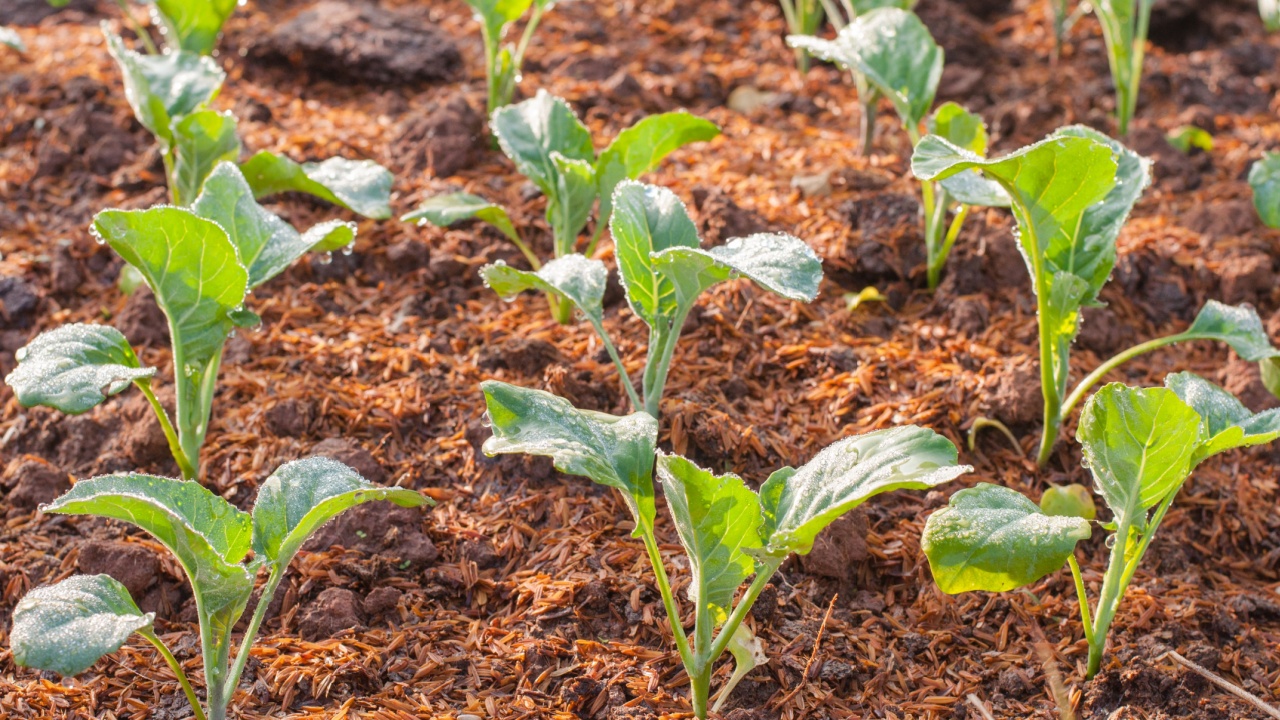
Kale stands as a titan of the winter garden. It survives harsh drops in temperature and snow accumulation, often tasting sweeter after a frost as the plant converts starches into sugars. Direct sowing varieties like ‘Lacinato’ or ‘Red Russian’ in winter yields nutrient-dense greens early in the season.
As a member of the Brassica family, kale consumes significant amounts of nitrogen. Amending the soil with blood meal or high-quality compost at planting time provides the fuel necessary for vigorous leaf production.
Tip: Harvest the outer leaves first and allow the center rosette to keep growing. This “cut-and-come-again” method supplies a continuous harvest from a single plant.
6. Sweet Peas
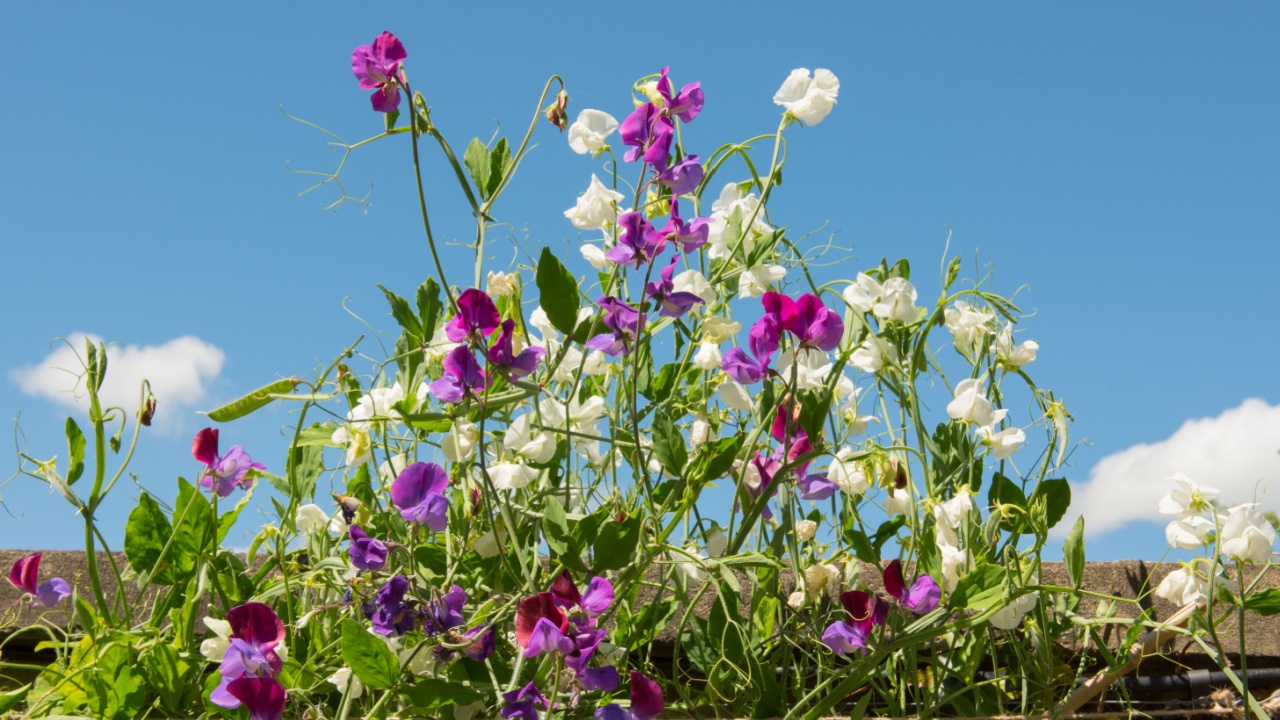
Sweet peas are prized for their intoxicating fragrance and delicate, ruffled blossoms. They require a long, cool growing season to flourish, as heat causes them to fizzle out quickly. Winter sowing allows the root system to develop fully before the foliage takes off, resulting in a more heat-tolerant plant later in the season.
Soak the seeds for 24 hours before planting to soften the seed coat, then sow them roughly an inch deep. Since sweet peas are climbers, planting them along a fence or trellis provides the necessary vertical support.
Tip: Once the seedlings reach six inches tall, pinch off the top set of leaves. This encourages the plant to branch out, creating a bushier vine with more blooms.
7. Arugula
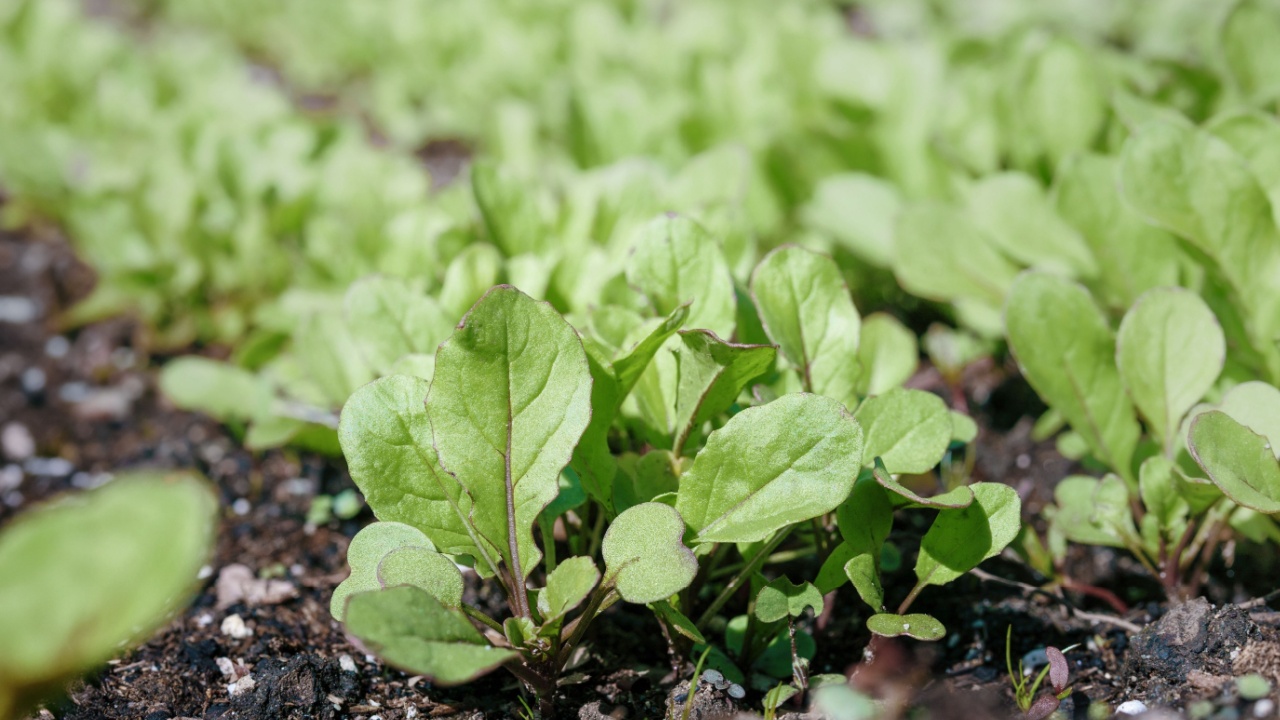
For those impatient for a harvest, arugula is the answer. This peppery green grows aggressively fast and loves the cold. Winter-sown arugula will often be the first edible green to pop up in the garden, sometimes appearing through late snow melts.
You can plant these seeds in tidy rows or scatter them broadly for a carpet of greens. Because arugula bolts (goes to seed) quickly once the weather warms up, winter sowing guarantees you get the longest possible harvest window during the cool spring days.
Tip: Flea beetles love arugula as much as humans do. Cover the patch with a floating row cover immediately after planting to create a physical barrier against these pests.
8. Radishes

Radishes are the sprinters of the vegetable world, often ready to harvest in as little as 30 days. They prefer cool soil and will become woody or spicy if grown in the heat. Winter sowing sets the stage for a crisp, mild crop.
These root vegetables also act as natural soil conditioners. As they expand, they break up compacted earth, paving the way for other crops later in the season. Space seeds about two inches apart to give the roots room to expand.
Tip: Don’t discard the leafy tops. Radish greens are edible and make a spicy, flavorful addition to pesto or stir-fries.
9. Foxglove
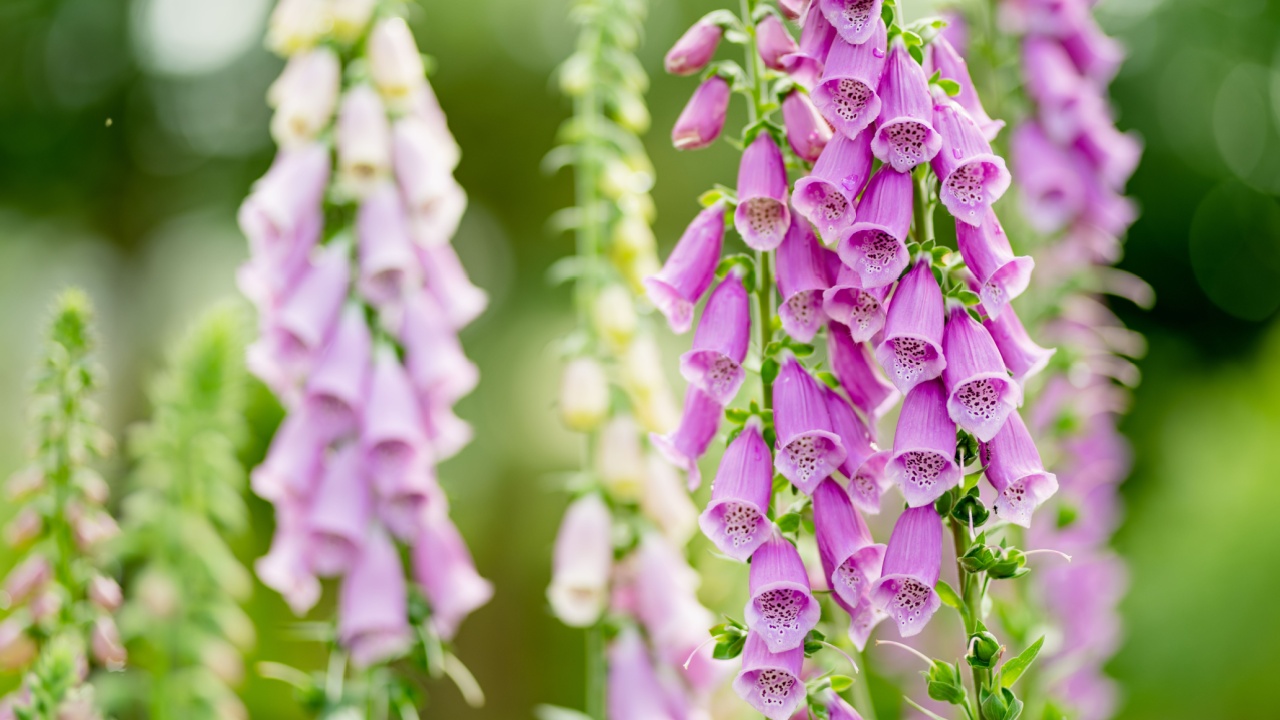
Foxglove adds dramatic height and architectural interest to the flower bed with its towering spikes of bell-shaped blooms. These are biennials, meaning they grow foliage in year one and flowers in year two. However, getting seeds in the ground during winter can sometimes trick the plant into flowering sooner or establishing a massive rosette for the following year.
Like poppies, foxglove seeds are tiny and need light to trigger growth. Press them into the soil surface and leave them be. They are tough plants that naturalize easily in woodland edges or shady corners.
Tip: Be aware that all parts of the foxglove plant are toxic if ingested. Plant them in areas away from where pets or small children play.
10. Cilantro
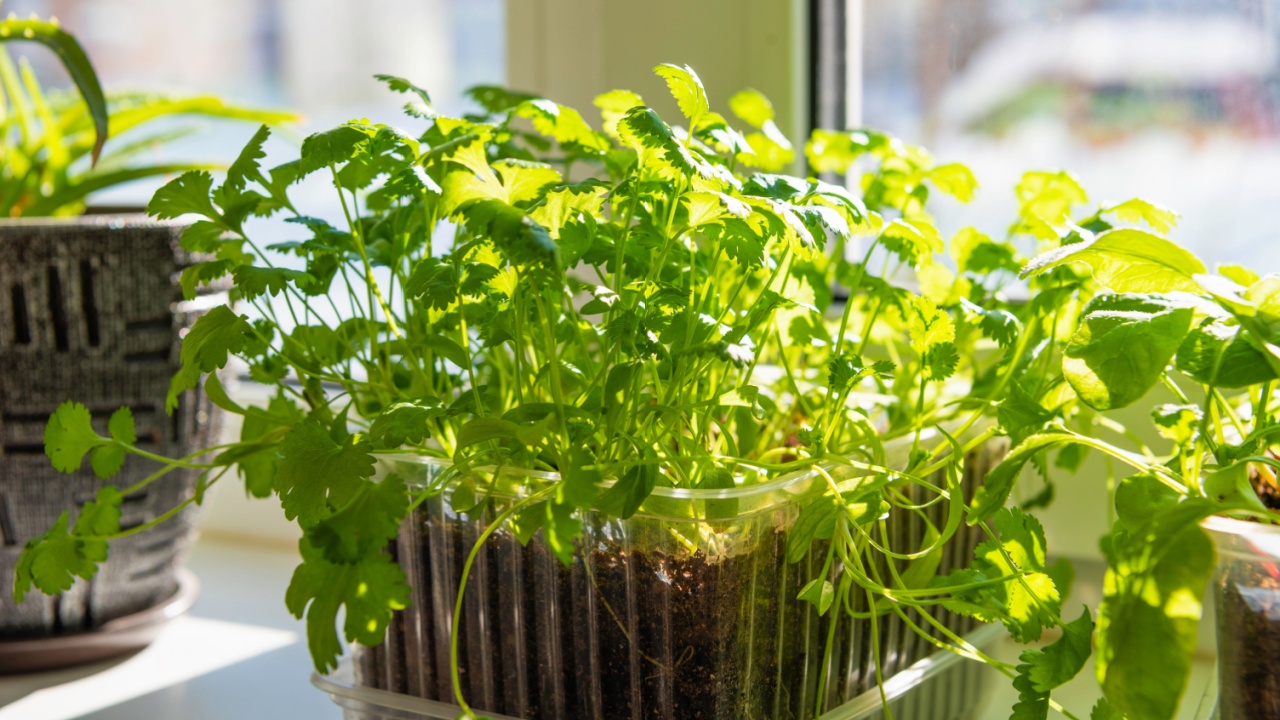
Cilantro has a reputation for being difficult because it bolts rapidly when temperatures rise. The secret to success lies in growing it during the cool season. It tolerates frost surprisingly well and develops a robust flavor in chilly weather.
Winter sowing cilantro results in a leafy, bushy plant that stays vegetative much longer than spring-planted cilantro. Plant a cluster of three to four seeds every six inches. This herb develops a taproot, so direct sowing is superior to transplanting.
Tip: For a constant supply of taco toppings, continue to sow small batches of seeds every two weeks throughout the spring.
11. Echinacea (Coneflower)
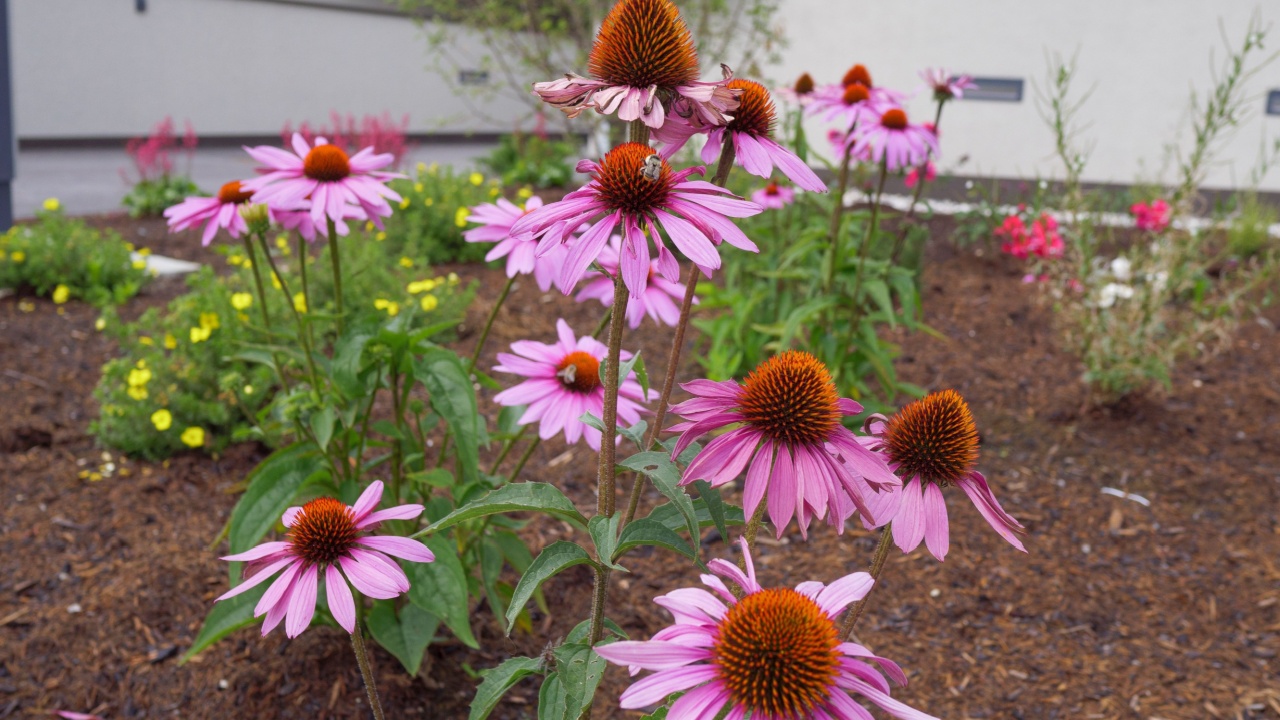
Echinacea is a staple of the native plant garden, beloved for its drought tolerance and medicinal properties. The seeds have a tough outer shell that requires cold stratification to crack open. Winter sowing handles this naturally, exposing the seeds to the freezing and thawing cycles of the soil.
Scatter these seeds in a sunny spot and cover them with a light layer of straw or compost. This covering is crucial not just for the seed, but to hide them from hungry birds looking for a winter snack.
Tip: Leave the dried flower heads on the plants at the end of the season. They provide winter interest and a vital food source for goldfinches.
12. Beets
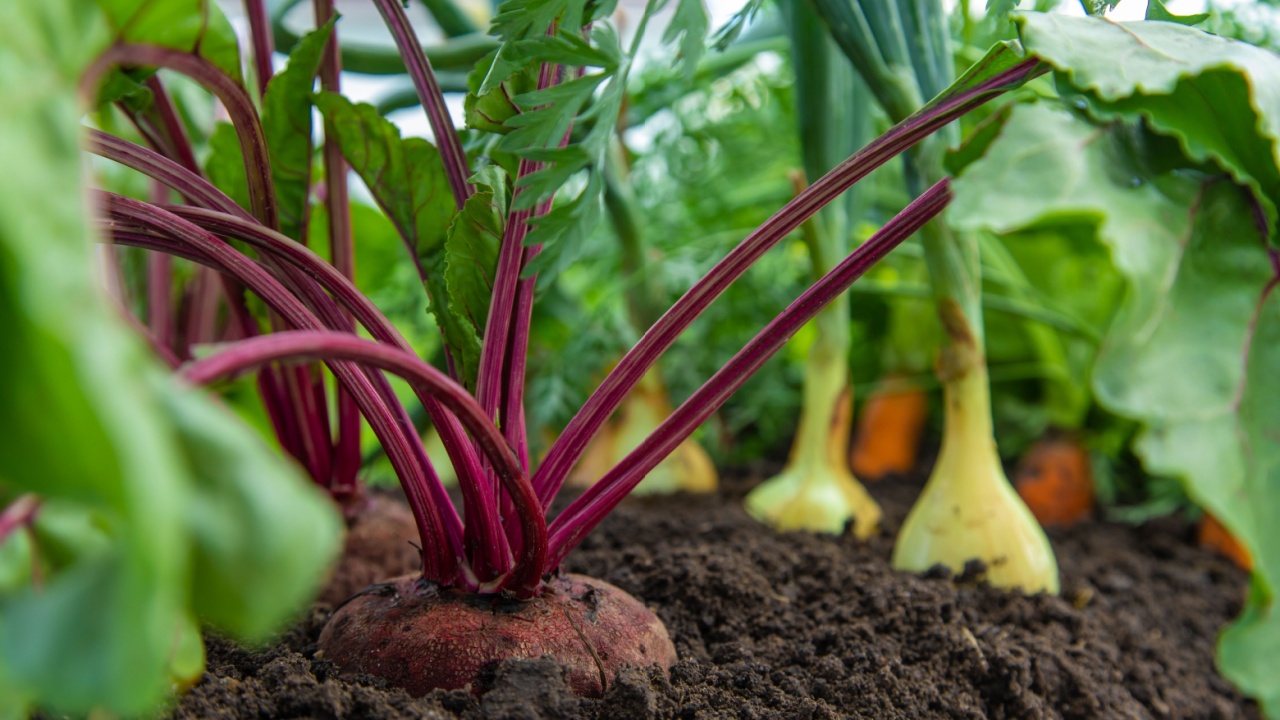
Beets are a two-for-one crop, producing sweet roots and nutritious greens. They are semi-hardy and can be sown a few weeks before the last frost, making them excellent candidates for late-winter planting.
A unique quirk of beet seeds is that the corky cluster you plant is actually a fruit containing multiple seeds. This means thinning is non-negotiable. Once seedlings reach two inches tall, snip off the extras to leave one strong plant every three inches.
Tip: Golden and white beet varieties taste milder and don’t bleed red juice, making them a tidy option for roasting with other vegetables.
13. Dill
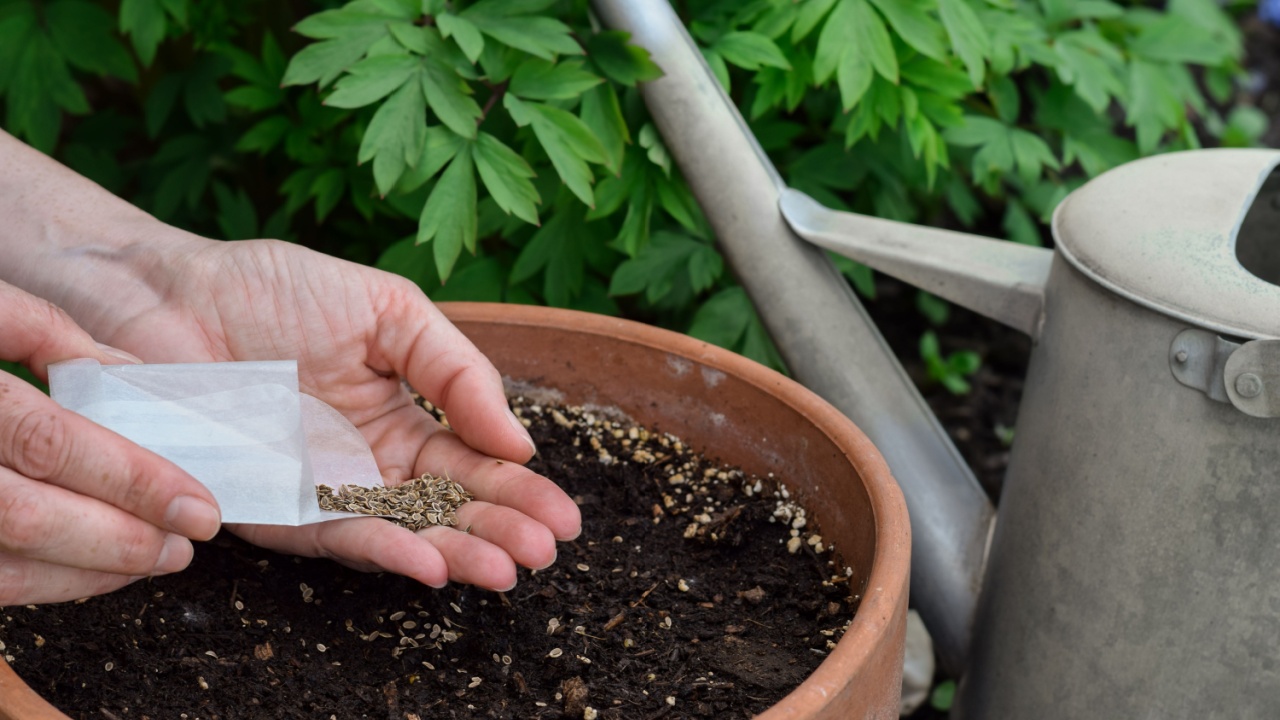
Dill is essential for pickles and pairs perfectly with fish, but it is notorious for dying if you look at it wrong while transplanting. Its long taproot demands to be left alone. Winter sowing allows the plant to establish itself in its permanent home without the shock of moving.
While dill prefers slightly warmer soil to germinate than spinach or kale, planting it in winter ensures it emerges the moment the climate is right. Protecting the seedbed with a row cover can warm the soil slightly and speed up the process.
Tip: Harvest the feathery leaves continuously before the plant flowers. Once the yellow umbrella-shaped flowers appear, the leaves lose flavor, but you get seeds for next year’s pickles.
14. Bok Choy
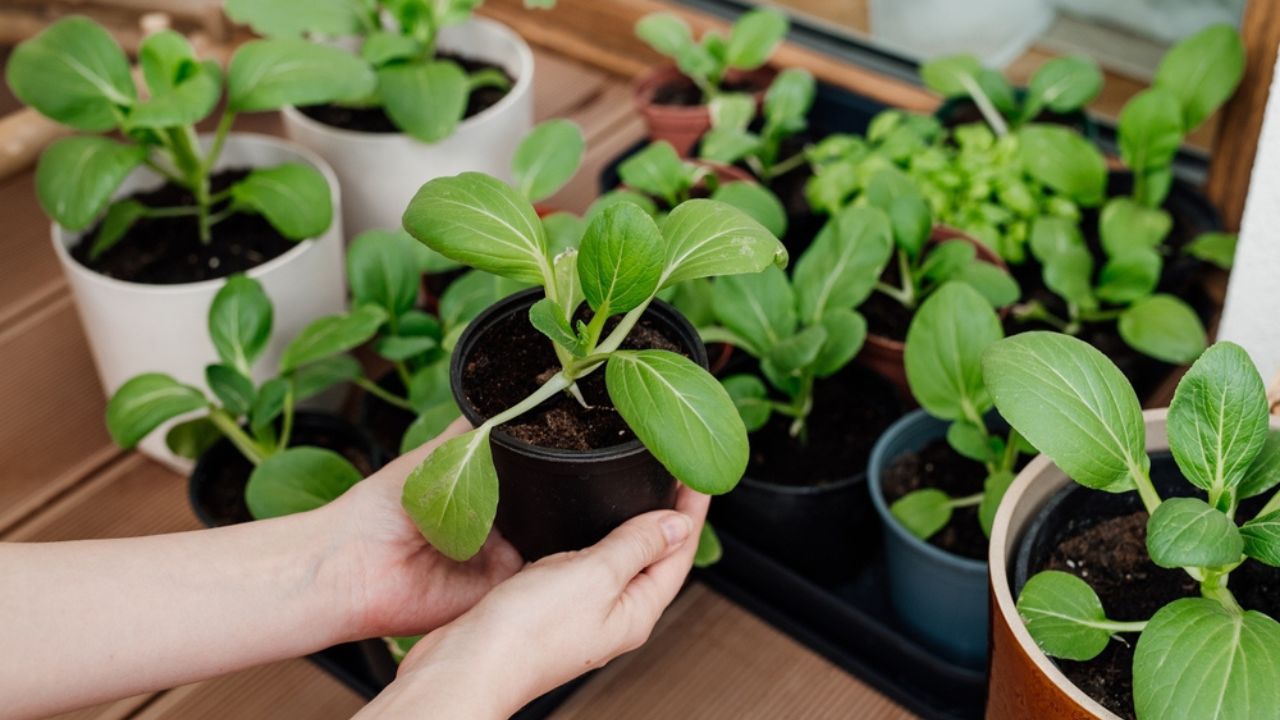
Bok Choy brings a satisfying crunch to the cool-weather garden. It is extremely cold-tolerant and grows rapidly. You can plant seeds close together for a harvest of baby greens or space them six inches apart to grow full-sized heads.
This vegetable is sensitive to day length and temperature fluctuations. Winter sowing helps it mature during the cool, short days of early spring, preventing premature bolting. Keep the soil consistently moist to encourage rapid, tender growth.
Tip: Slugs find Bok Choy irresistible. Set up organic slug traps or use copper tape around your garden beds to protect your crop.
15. Columbine
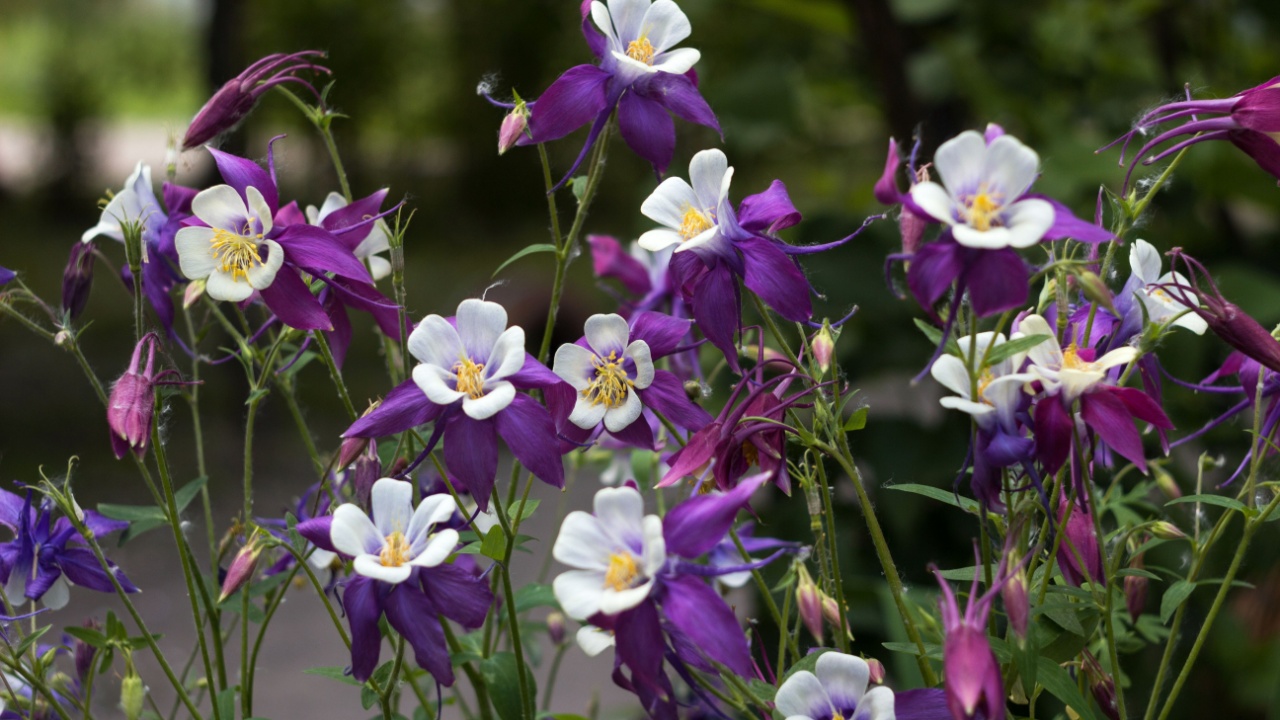
Columbine brings a whimsical, woodland feel to the garden with its unique spurred flowers. As a native wildflower in many regions, it is genetically programmed to endure winter outdoors. Winter sowing is often more successful than spring planting for these shade-tolerant beauties.
Scatter the seeds on bare soil and cover with a dusting of earth. They are slow to establish, so patience is required. Mark the area clearly so you don’t accidentally weed them out when spring cleaning the garden beds.
Tip: Columbine is susceptible to leaf miners, which leave white trails on the foliage. Removing affected leaves early helps keep the population in check without chemicals.
16. Broccoli

Broccoli thrives in cool weather, but timing is critical. If matured during the heat of summer, the heads become bitter and loose. Direct sowing in winter gives the plants a head start, allowing them to mature while the air is still crisp.
Plant seeds roughly 24 inches apart. Broccoli plants grow much larger than expected, and overcrowding leads to small, button-sized heads. Sowing multiple seeds per hole and thinning to the strongest candidate guarantees a full crop.
Tip: After harvesting the main central head, leave the plant in the ground. Most varieties will produce abundant side shoots for weeks, providing a continuous harvest.
Get Your Garden Ready
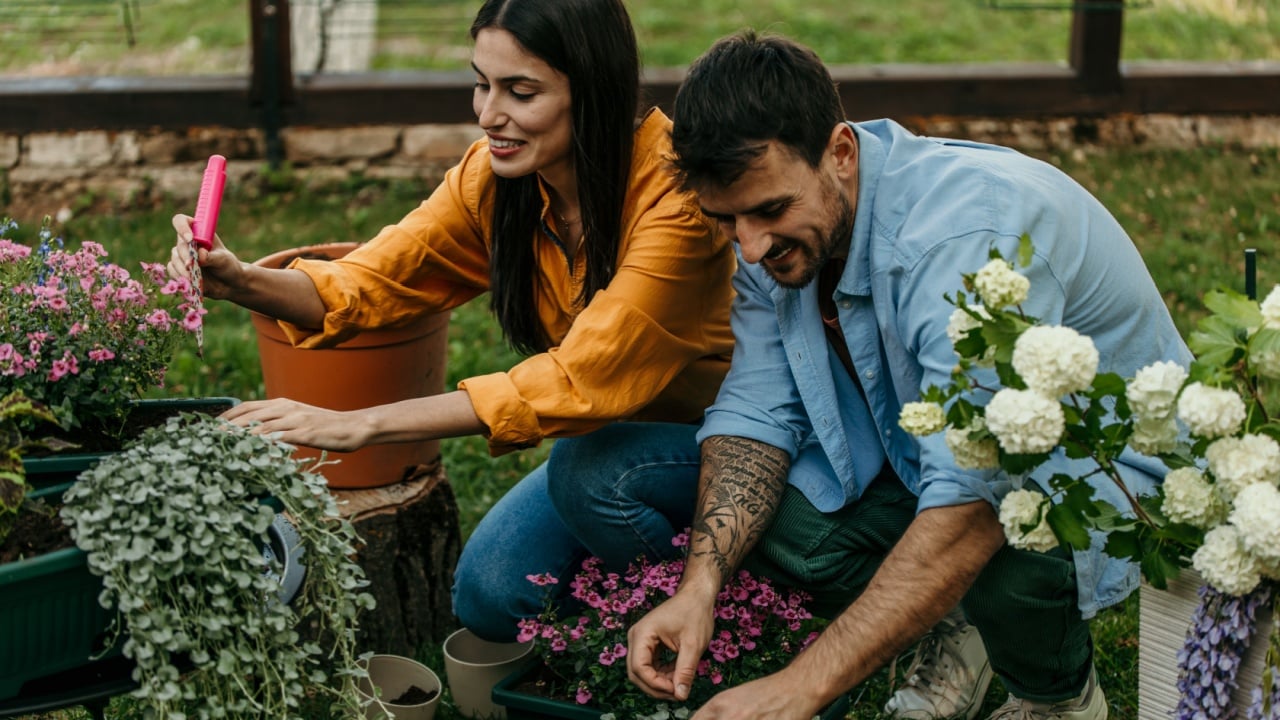
Winter sowing transforms the coldest months from a waiting game into an active part of your gardening year. By getting these 16 varieties into the soil now, you utilize nature’s refrigeration to prime your seeds for a spectacular spring.
Take stock of your seed collection and identify which of these cold-hardy varieties you have on hand. Prepare a small section of your garden bed or set up a few containers this weekend. The effort you put in now allows you to sit back and watch your garden come to life while others are just starting to buy their soil.