16 Martha Stewart Hacks That Are Actually Genius
Martha Stewart has been schooling us on how to live better since before most of us knew what a fitted sheet was. For decades, her no-nonsense methods have cut through the noise of overcomplicated advice, giving us something far more useful: techniques that actually work in a real kitchen, a real laundry room, and a real home full of sticky drawers and stubborn stains.
This list is compiled directly from Martha’s own tried-and-true tips, gathered from her official guides and how-to articles. Each one has a clear purpose and a tangible payoff.
Here are 16 of Martha’s smartest hacks, broken down with enough detail for you to put them into practice today. From extracting more juice from a lemon to testing seeds before wasting a season planting duds, this is the kind of household knowledge worth bookmarking.
1. Cook Bacon in the Oven
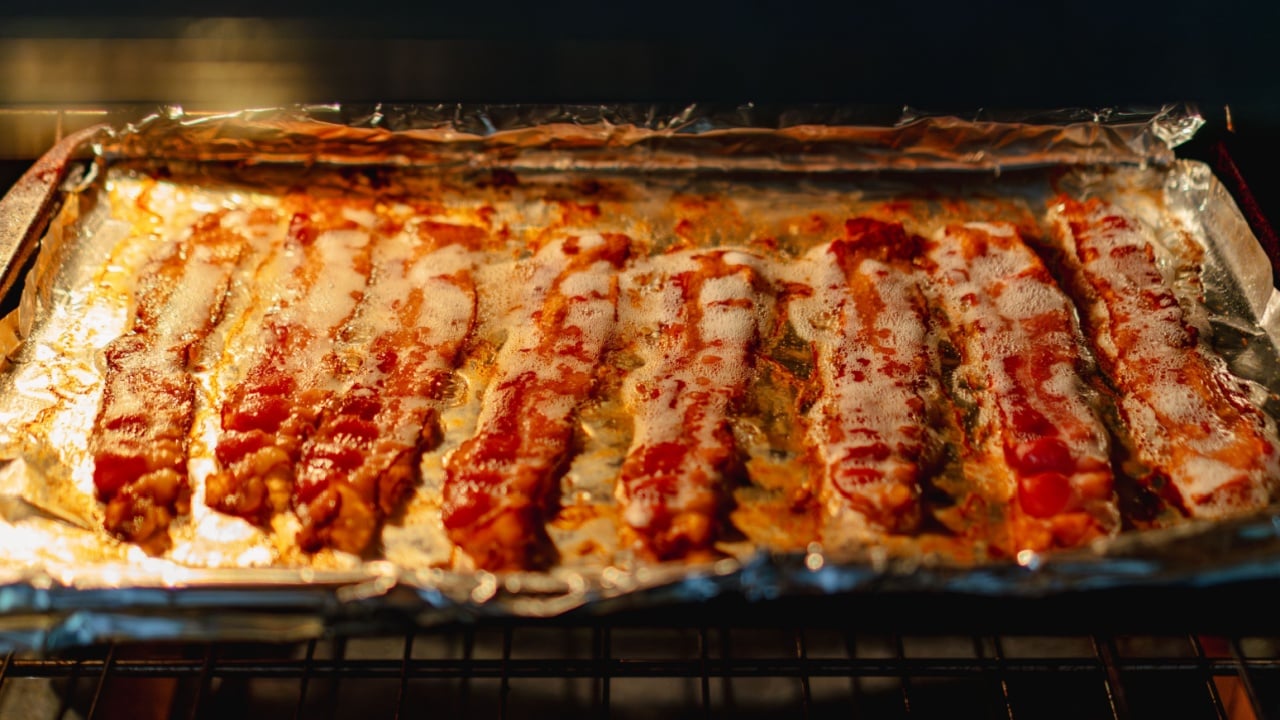
Cooking bacon on the stovetop is a guaranteed splatter fest. Grease hits the backsplash, the burner, and your shirt; it’s a mess that barely feels worth the trouble. Martha’s fix is as simple as it is brilliant: cook it in the oven. Just lay the strips on a rimmed baking sheet, slide them in, and walk away, no standing over a hot pan, no grease burns, and no major cleanup.
The bonus here goes beyond convenience. The rendered fat that collects on the sheet is liquid gold. Martha pours hers into a jar and saves it for cooking eggs and potatoes, adding significant flavor to simple dishes without any extra effort or cost.
2. Freeze Leftover Tomato Paste in the Can
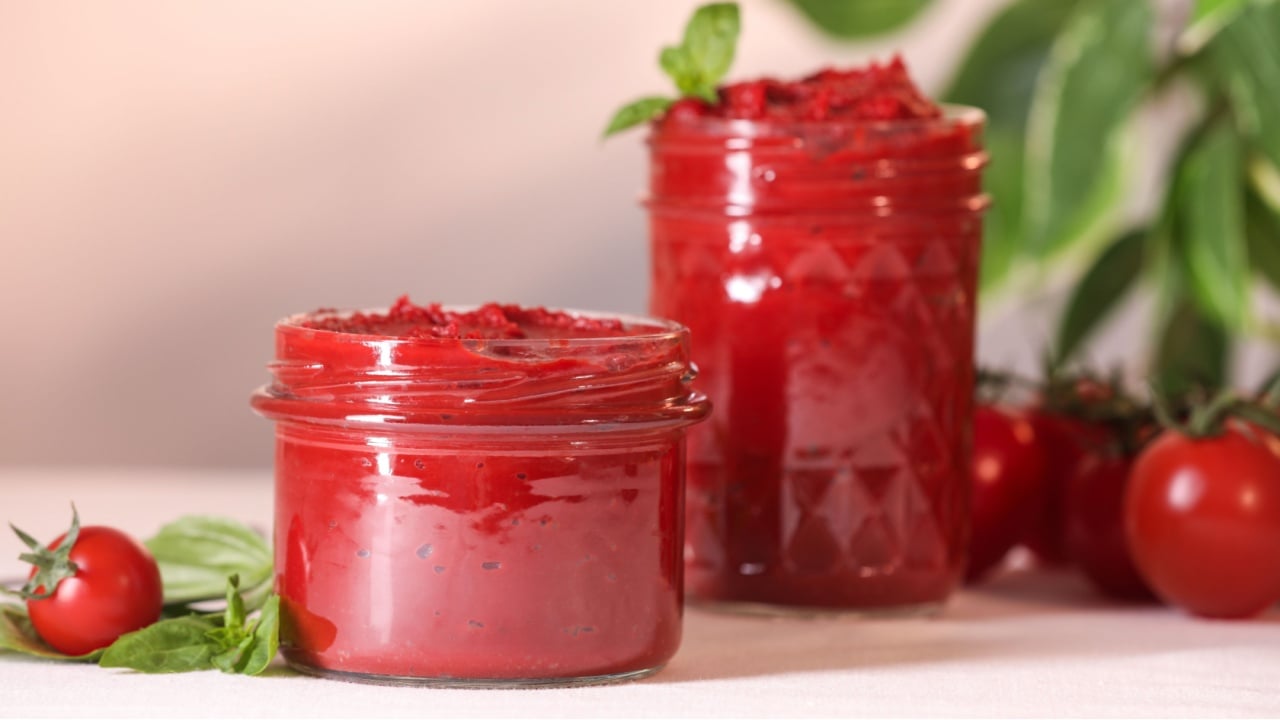
How many times has a recipe called for a tablespoon of tomato paste, leaving the rest of the can to languish in the fridge until it becomes a science experiment? Martha’s method puts an end to this. Use a can opener to remove both the top and bottom lids cleanly and smoothly. Leave one lid in place as a plunger (so that you can push out a frozen section of paste the next time you need a tablespoon), wrap the whole can in plastic wrap, and freeze it overnight.
Once frozen, use the loose metal lid to push the solid cylinder of paste out. Discard the can, rewrap the paste tightly, and store it in the freezer for up to three months. When you need a tablespoon, slice off what you need and return the rest to the freezer. No waste, no guesswork, no mysterious mold.
3. Cut the Tip Off Lemons Before Juicing
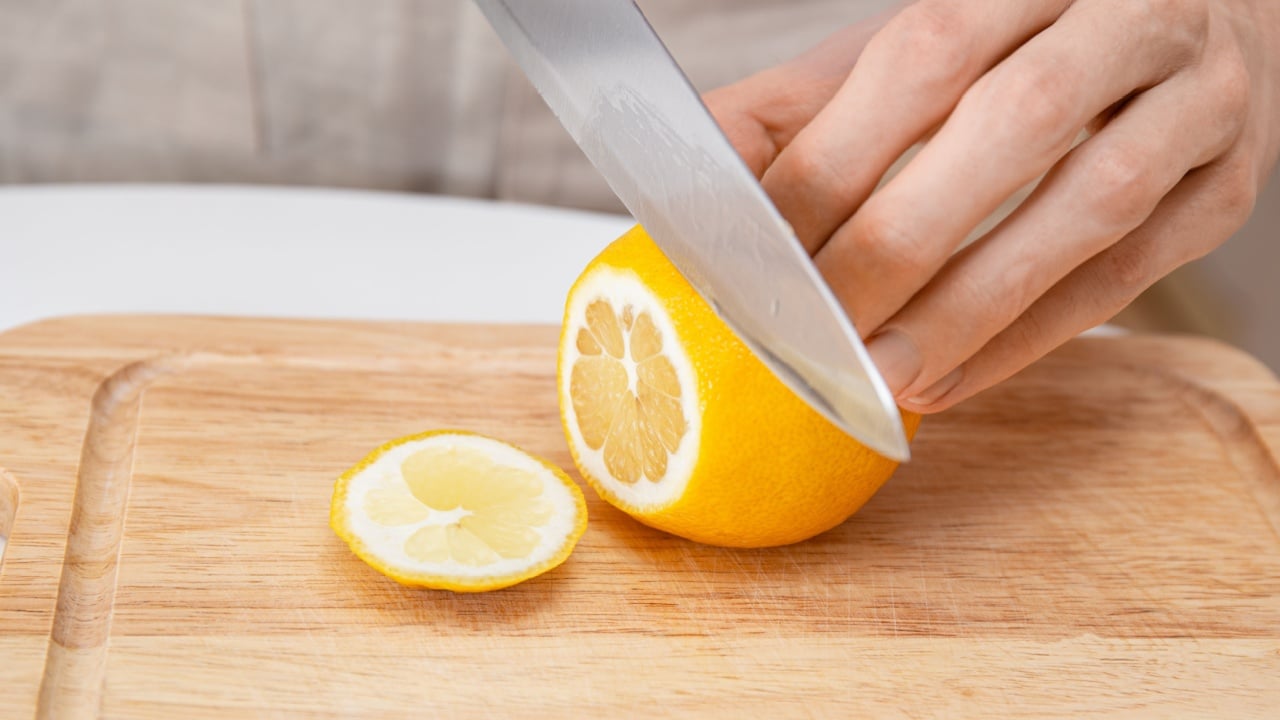
A lemon juicer works fine on its own, but it works even better with Martha’s simple tweak. Instead of slicing the lemon straight in half, she shaves off the pointed tip, cutting just above where the flesh begins.
This small adjustment allows the lemon to sit flush against the juicer’s cone, providing more surface contact and extracting more juice per squeeze. It’s especially useful for large lemons, where the pointy end often creates a gap. This two-second trim yields better results than any amount of brute force.
4. Use the Right Polish for Each Metal

A general-purpose metal polish sounds convenient, but Martha argues it’s a compromise that can do more harm than good. All-in-one formulas and chemical dips can be too abrasive or aggressive for certain metals, dulling their shine or stripping protective patinas. Her advice is to use polishes specifically designed for each material, such as brass polish for brass and silver polish for silver, and so on.
She also suggests examining the existing polish pattern on an item before you begin. Cutlery is often polished up and down, while larger items, such as pots, are typically polished in circles. Following these established lines helps preserve the original finish and prevents the streaky look that comes from working against the grain.
5. Use a Fork to Remove Lobster Meat

Serving lobster at home can feel intimidating, mostly because getting the tail meat out in one piece seems like a skill reserved for chefs. Martha’s method requires nothing more than a dinner fork. Gently flex the tail to loosen the meat, then insert the fork between the shell and the meat with the tines facing down. Twist and pull in one smooth motion, and the whole tail should slide out intact.
The fork creates just enough leverage to free the meat without tearing it or shattering the shell. It’s a technique worth practicing once before you have guests over. The result is a clean, beautiful piece of tail meat that looks great on the plate and requires no wrestling at the table.
6. Rub a Candle on Sticky Drawers
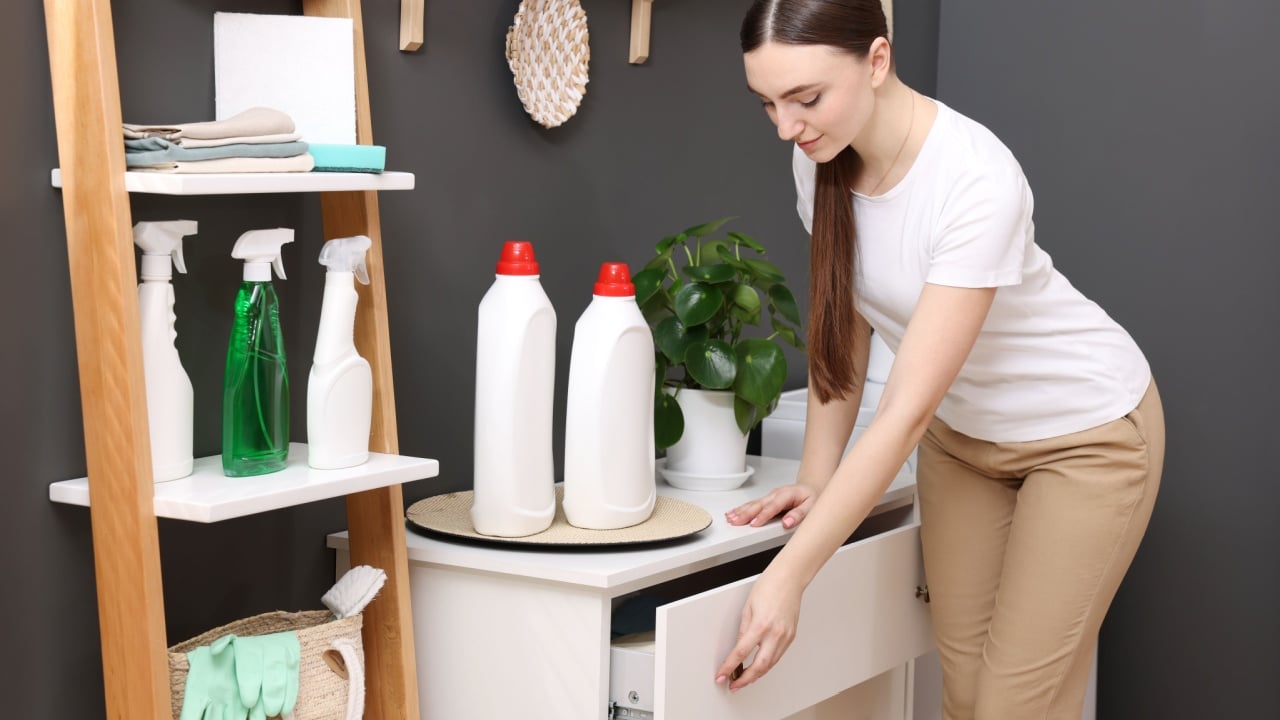
Wooden dressers and cabinets are beautiful, but their drawers often get stiff over time as the wood expands and the original wax coating wears away. Before you call a repair person, Martha suggests a simple fix: rub a plain wax candle along the drawer’s underside edges and tracks.
A few firm passes will deposit a thin layer of wax, allowing the wood to glide instead of drag. This trick works on drawer runners, the sides of drawers, and any wooden surface where there’s friction. No tools, no special products, and no disassembly required, just a candle you probably already have.
7. Remove Oil Stains with Cornstarch
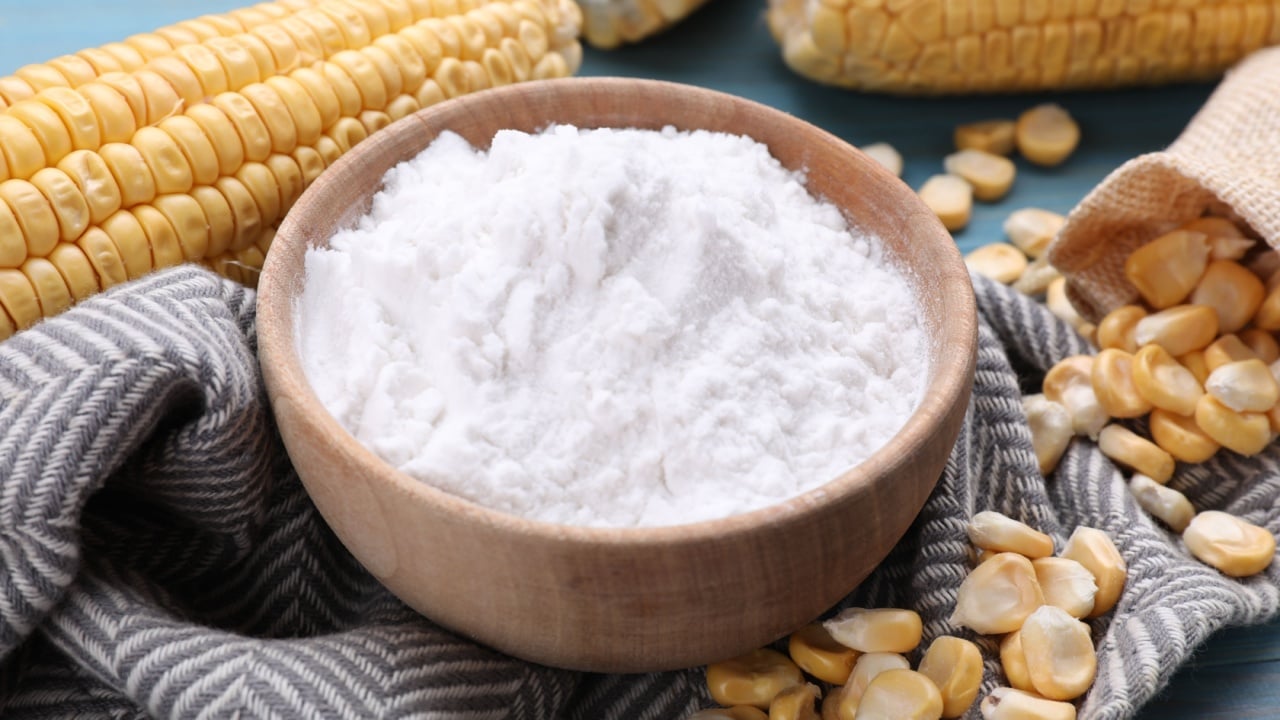
Oil stains are stubborn because liquid removers often just spread the grease around. Martha’s approach tackles the problem by absorbing the oil first. Generously sprinkle cornstarch over the stain and let it sit for 15-20 minutes. The cornstarch will draw the grease up and out of the fibers.
After letting it sit, brush off the cornstarch and treat the spot with a standard stain remover before washing. This pre-treatment step is what makes all the difference; it dramatically reduces the depth of penetration of the oil, making the final wash far more effective. This works on clothes, tablecloths, and upholstery.
8. Shake Garlic Cloves in a Jar to Peel Them

Peeling garlic one clove at a time is tedious. The classic smash-and-peel method is suitable for a clove or two, but it’s tedious for larger quantities. Martha’s solution scales up beautifully: place your unpeeled cloves in a jar, screw on the lid, and shake it like you mean it for about 20 seconds. When you open it, the cloves will be separated from their papery skins, which will come right off with a quick rub.
The shaking loosens the skins without crushing the garlic itself. For recipes that call for a whole head or more, this method is a serious time-saver. A mason jar with a tight lid works perfectly.
9. Test Saved Garden Seeds Before Sowing
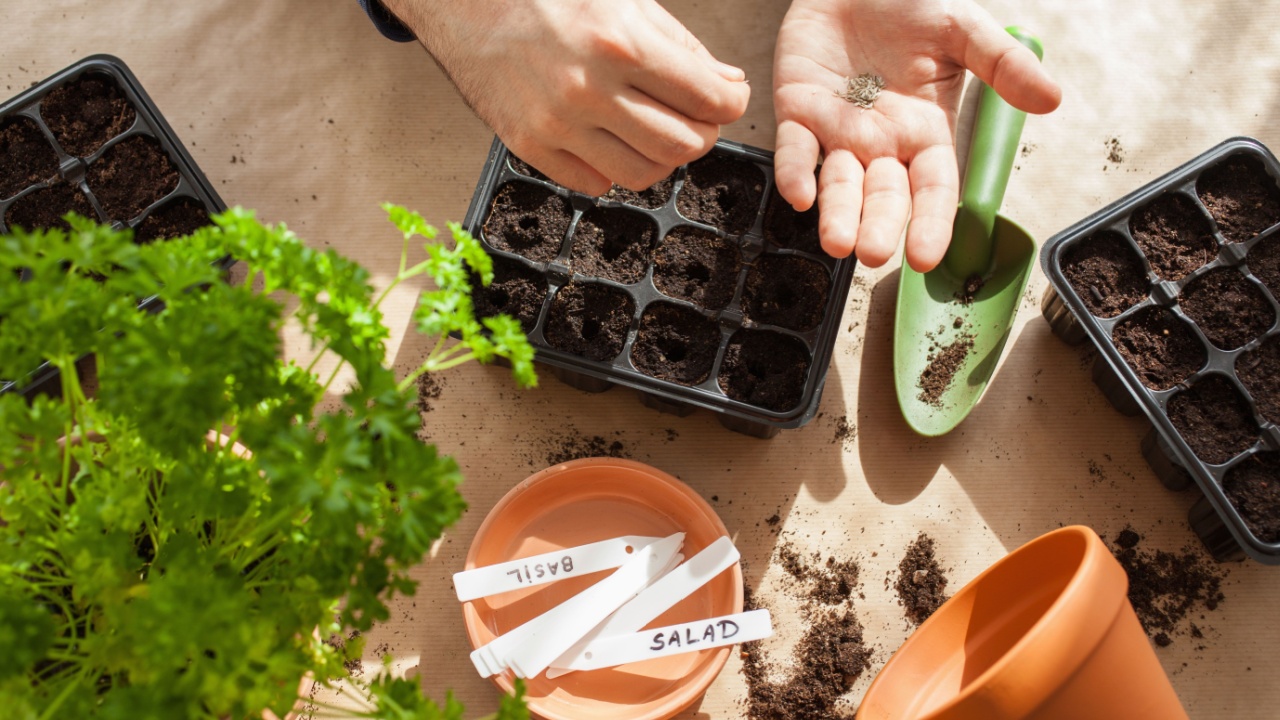
Seeds you saved from last season might be perfectly good, or they could be a total bust. Martha’s germination test tells you what you’re working with before you put in the effort of planting. Fold 10 seeds into a damp paper towel, seal it in a labeled ziplock bag, and wait. Check how many sprout, then multiply by 10 to get your germination percentage.
A rate above 70% is a green light. Between 40% and 60% means the seeds are still viable but weaker, so you should sow them more thickly. Below 40%, it’s probably best to buy fresh seeds. This simple test costs nothing and can save you from the frustration of a failed crop.
10. Fold a Fitted Sheet Properly

The fitted sheet appears to be designed to defy organization. Its elastic corners make a flat fold feel impossible, leading most of us to bunch it into a ball that hogs shelf space. Martha’s method, however, produces four sharp corners and a neat, stackable rectangle.
The technique involves tucking one corner into the other to align the curves, then folding the sheet into thirds lengthwise before folding it into a compact square. It may take a few tries to get the hang of it, but once you do, it becomes automatic. The payoff is a linen closet that looks tidy, and sheets that unfold without a fight.
11. Rub Stainless Steel to Remove Garlic Odor

That garlic smell can linger on your hands for hours after cooking because its sulfur compounds literally bind to your skin. Soap and water alone often don’t cut it. Martha’s fix is to rub your fingers over a stainless steel surface, such as the spine of a knife or the inside of your sink, under warm, running water.
This isn’t an old wives’ tale; it’s science. The molecules in stainless steel bind with the sulfur molecules on your hands, pulling the odor away from your skin. It works just as well as those special “odor-removing” steel bars, but with tools you already have.
12. Use an Ice Cream Scoop for Uniform Cookies
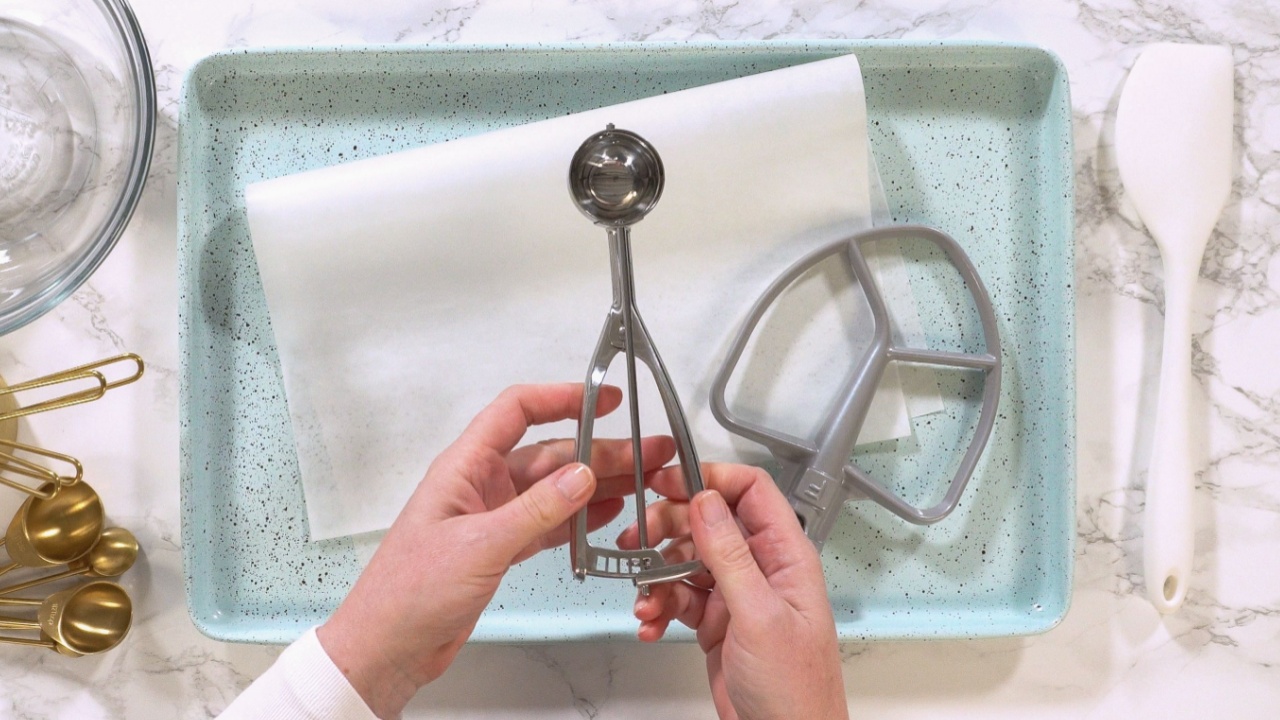
Inconsistent cookie sizes lead to inconsistent baking; some are burnt before others are even done. Martha uses a release-style ice cream scoop as a portioning tool to solve this. A 2-ounce scoop, for example, will produce perfectly uniform 4-inch cookies that bake evenly every time.
Beyond even baking, uniform cookies look better, especially if you’re giving them as a gift. A scoop also makes the portioning process much faster and cleaner than using two spoons. It’s a small kitchen investment that pays off in both process and results.
13. Whiten Laundry with Oxygen Bleach
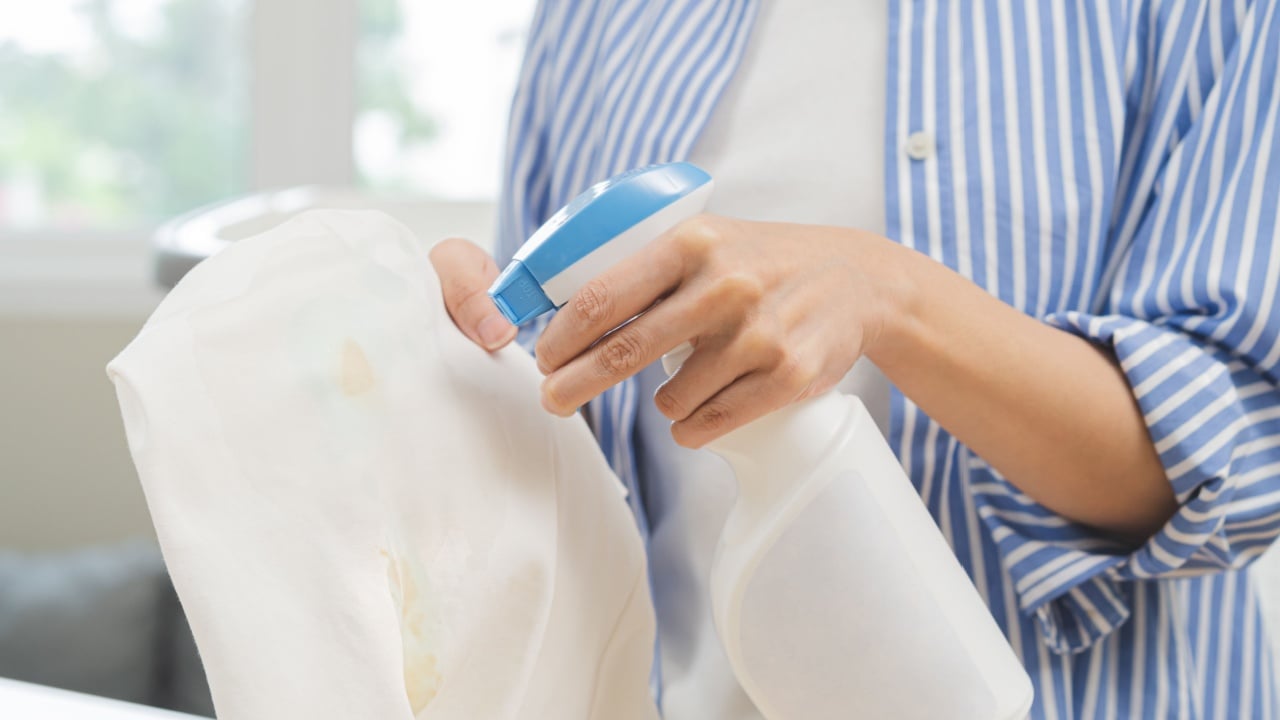
Over time, whites can start to look dull and dingy. Martha’s approach to restoring their brightness starts with a pre-treatment. Apply a stain-fighting solution directly to any discolored areas, then wash with a combination of your regular detergent and oxygen bleach.
Using oxygen bleach is a key distinction here. Unlike chlorine bleach, which can weaken fibers and even cause yellowing on some fabrics, oxygen bleach works through a gentler oxidation process. It lifts away dinginess without the risk of damage, making it a safe, long-term solution for keeping your linens, shirts, and towels looking bright.
14. Tackle Red Wine Stains Based on Fabric Type

A red wine stain requires a different game plan depending on where it landed. For delicate fabrics like silk or wool, Martha suggests soaking the stain with denatured alcohol, then flushing it with white vinegar.
For sturdier fabrics like cotton or linen, the method is more dramatic and more effective. Cover the stain with a generous layer of salt and let it sit for five minutes to draw out the wine. Then, stretch the stained area tightly over a bowl, secure it with a rubber band, and pour boiling water over it from at least a foot above. The height adds force, pushing the stain out of the fabric. Both methods work best if you act fast.
15. Label and Date Everything in the Freezer

A freezer full of unlabeled containers is a culinary graveyard. Martha is firm on this: everything that goes into your freezer needs a label with its contents and the date. Masking tape and a permanent marker are all you need for a habit that prevents waste and mystery meals.
Frozen items can look surprisingly similar, and even familiar leftovers can become unidentifiable after a few weeks. Dating your packages also allows you to follow a first-in, first-out system, so you use up older items before they become freezer-burnt beyond recognition.
16. Store Fresh Herbs Like Cut Flowers

Instead of letting fresh herbs wilt in the crisper drawer, treat them like a bouquet. Martha recommends trimming the stems and placing them upright in a jar with an inch or two of water. This simple trick can extend the life of herbs like parsley, cilantro, and mint by several days.
Basil, in particular, performs better at room temperature, as cold temperatures can cause its leaves to turn black. For extra longevity, you can loosely cover the herbs with a plastic bag to retain moisture. This method takes almost no effort and works far better than any other storage approach.
The Martha Method: Precision Over Guesswork

What do all these tips have in common? They favor precision over guesswork. Martha’s methods are specific because that’s what gets reliable results. By applying a little more intention and expertise to everyday chores, you can achieve better outcomes with significantly less effort.
Read More: