15 Useless Items to Ditch for a Happier Retirement
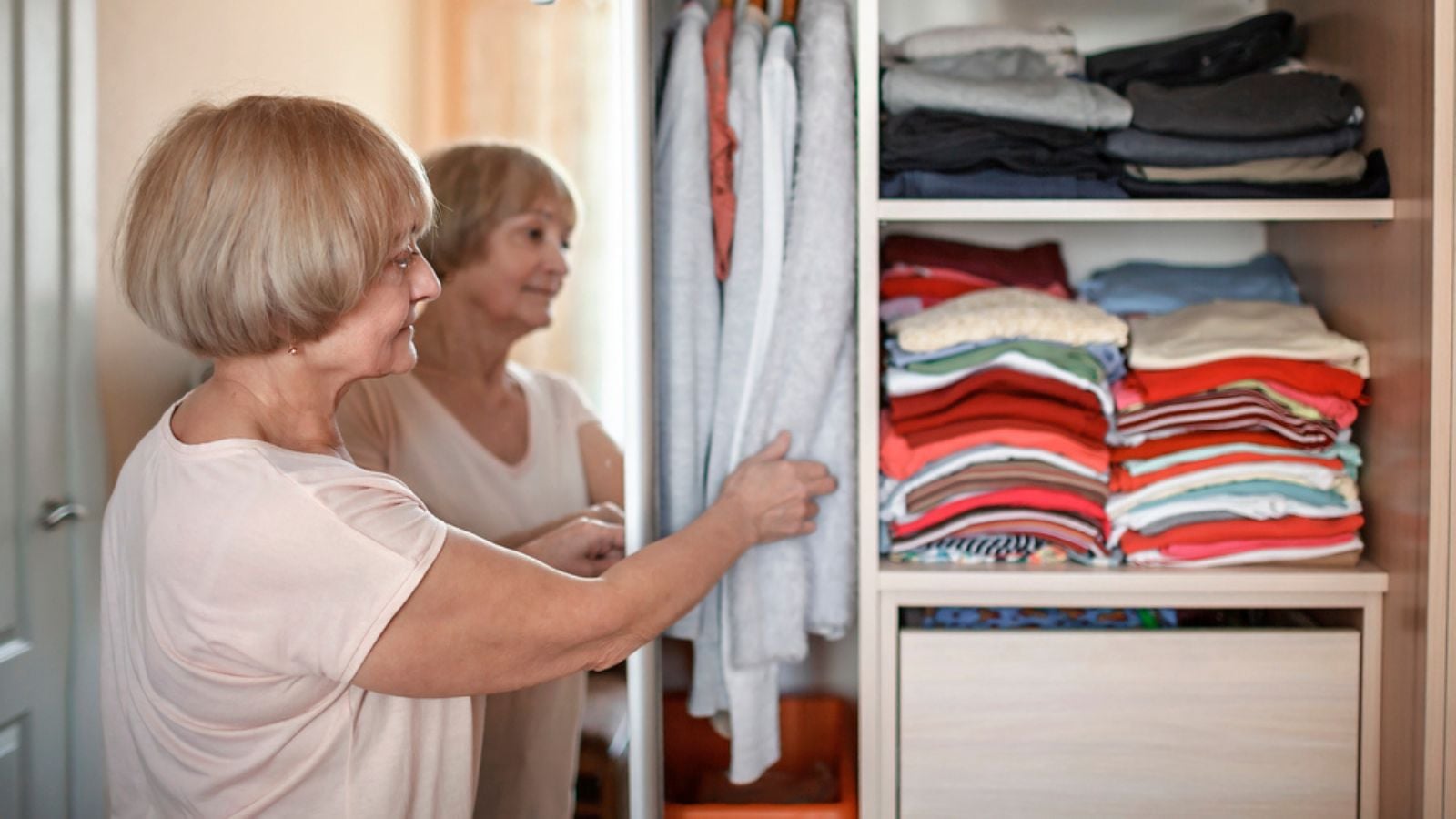
Retirement is the ultimate upgrade, a chance to spend your days exactly how you want. But for many, a house full of old stuff from the past can hold them back. That overflowing garage or overstuffed closet isn’t just taking up space; it’s a mental weight, keeping you tied to the past instead of enjoying the present.
That’s where downsizing (or at least decluttering) comes in. It’s about creating a space that works for your life now, not 20 years ago. Clearing out the clutter can reduce stress, cut down on chores, and even make your home safer.
Ready to lighten your load? We’ve put together a list of 16 common items, like outdated gadgets and kitchen duplicates, that you can let go of today for a simpler, more enjoyable retirement.
1. Old Electronics and Cords
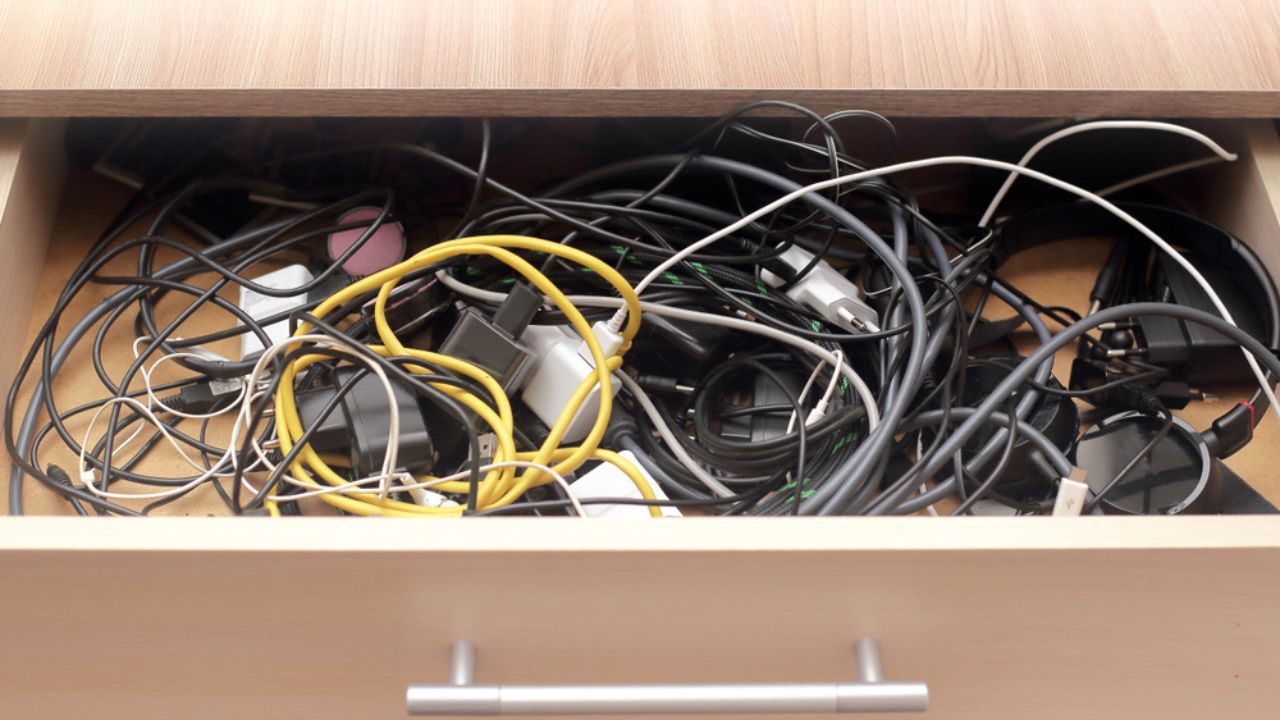
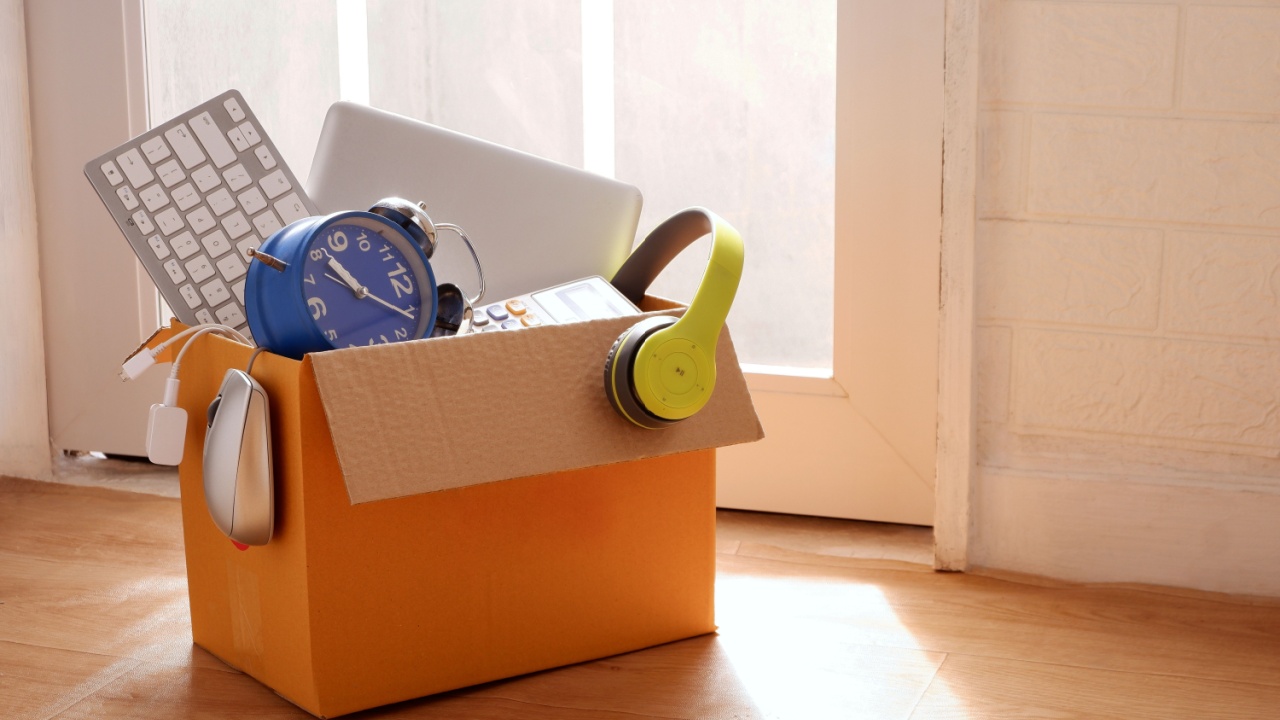
We all have that one drawer. You know the one, full of Nokia chargers, mystery USB cables, and perhaps a digital camera from 2005. Holding onto these items “just in case” is a common trap, but the reality is that technology moves too fast for these relics to ever be useful again.
Most local electronics stores (like Best Buy) or municipal waste centers have dedicated recycling programs. Gather up every cord you can’t identify and every device you haven’t turned on in a year, and drop them off. You will be amazed at how much drawer space you reclaim instantly.
2. Uncomfortable Shoes
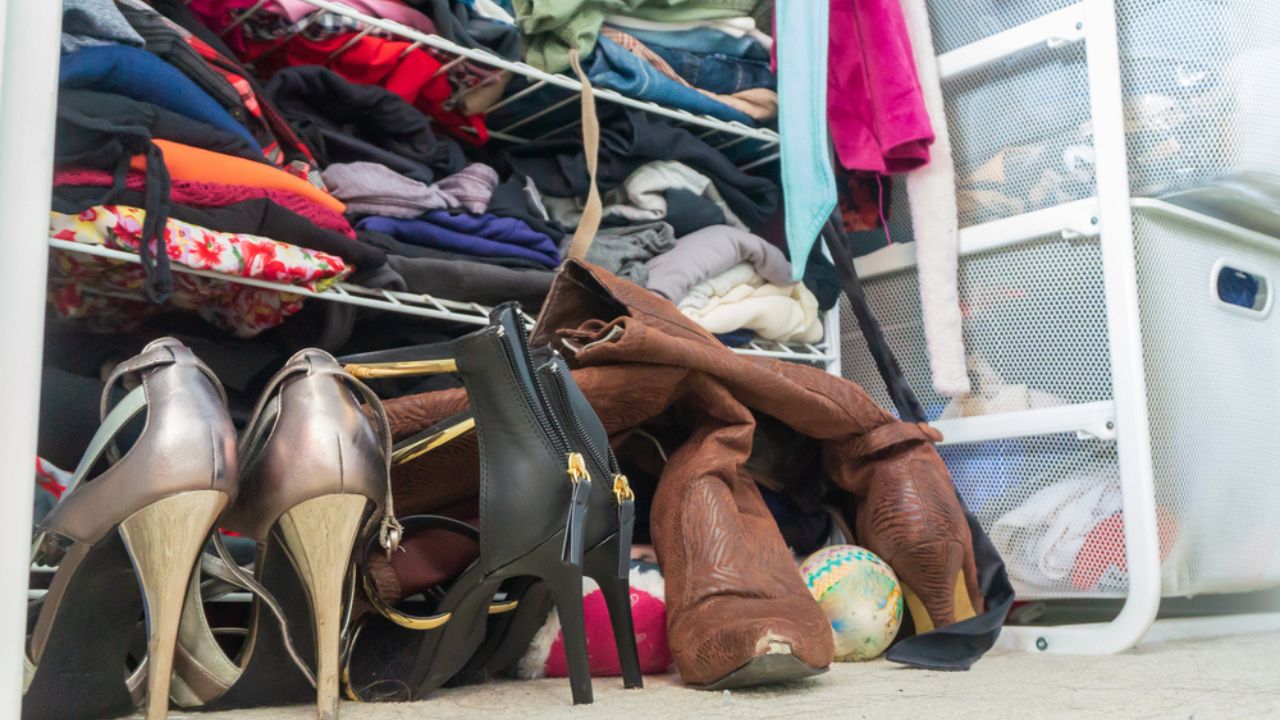
For decades, your footwear choices might have been dictated by dress codes, corporate expectations, or fleeting fashion trends. Now that you are the boss of your own schedule, there is absolutely zero reason to keep shoes that pinch, blister, or hurt your back.
Go through your shoe rack and be ruthless. If a pair of shoes requires a “break-in” period you are dreading, or if you only wear them for weddings you rarely attend, let them go. Your retirement should be walked in comfort, supporting your feet for all the new adventures you are planning.
3. Duplicate Kitchen Tools
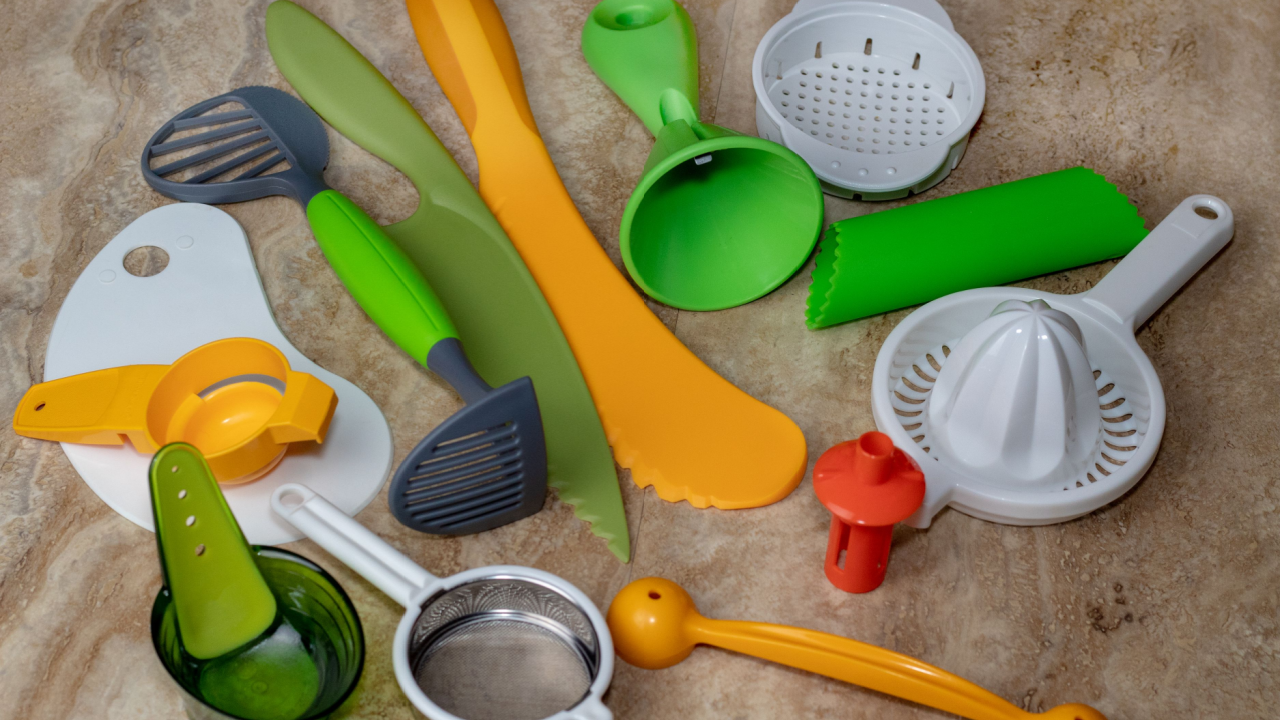
Over a lifetime of cooking, it is easy to accidentally accumulate three can openers, four ladles, and enough spatulas to staff a restaurant kitchen. While it feels practical to have backups, these duplicates usually end up jamming drawers and making it harder to find the tools you actually like using.
Pick your favorite version of each tool. The one with the comfortable grip or the sharpest edge, and donate the rest. A streamlined kitchen makes cooking less chaotic and cleanup significantly faster, leaving you more time to enjoy the meal.
4. Expired Medications and Toiletries
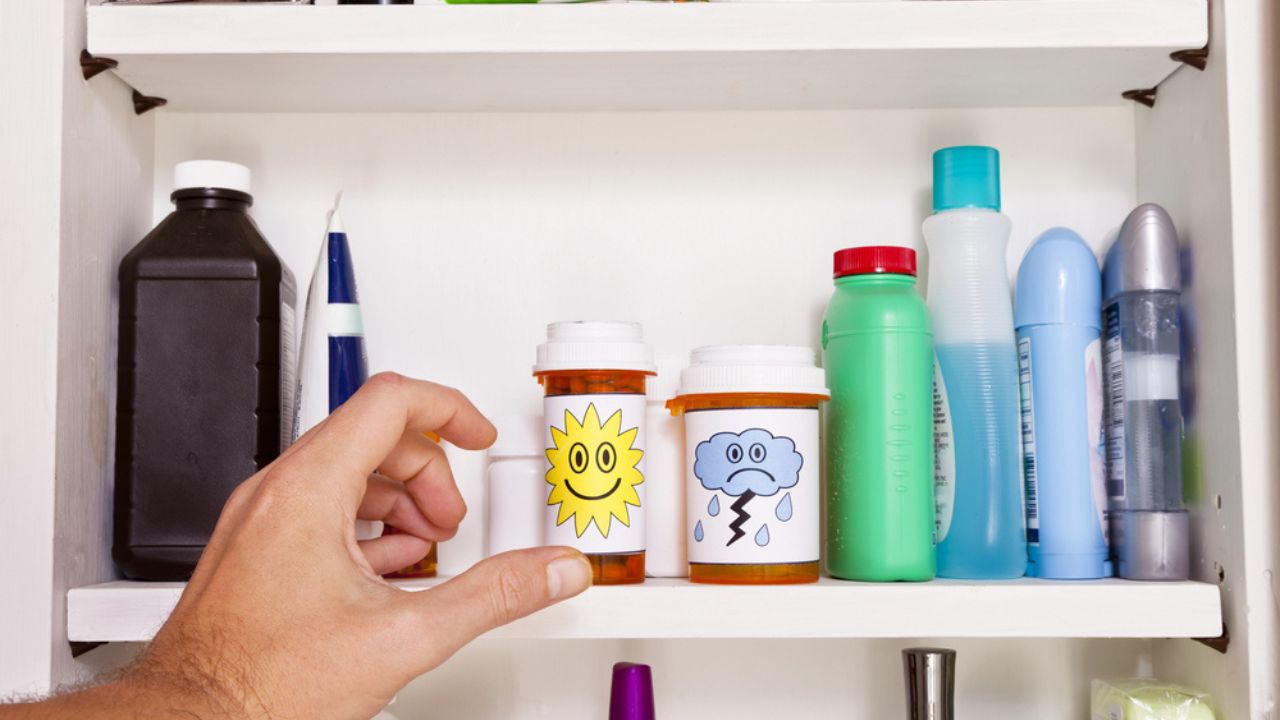
Medicine cabinets are prime real estate for clutter that is not just useless but potentially dangerous. Old prescription bottles, expired sunscreens, and half-used lotions often get pushed to the back and forgotten. Using expired medication can be ineffective or harmful, and old toiletries can harbor bacteria.
Check the dates on everything in your bathroom. For medications, look for local drug take-back programs to dispose of them safely rather than flushing them. For toiletries, if it smells off or is separated, toss it. This simple audit makes your daily routine safer and more hygienic.
5. Books You Won’t Read Again
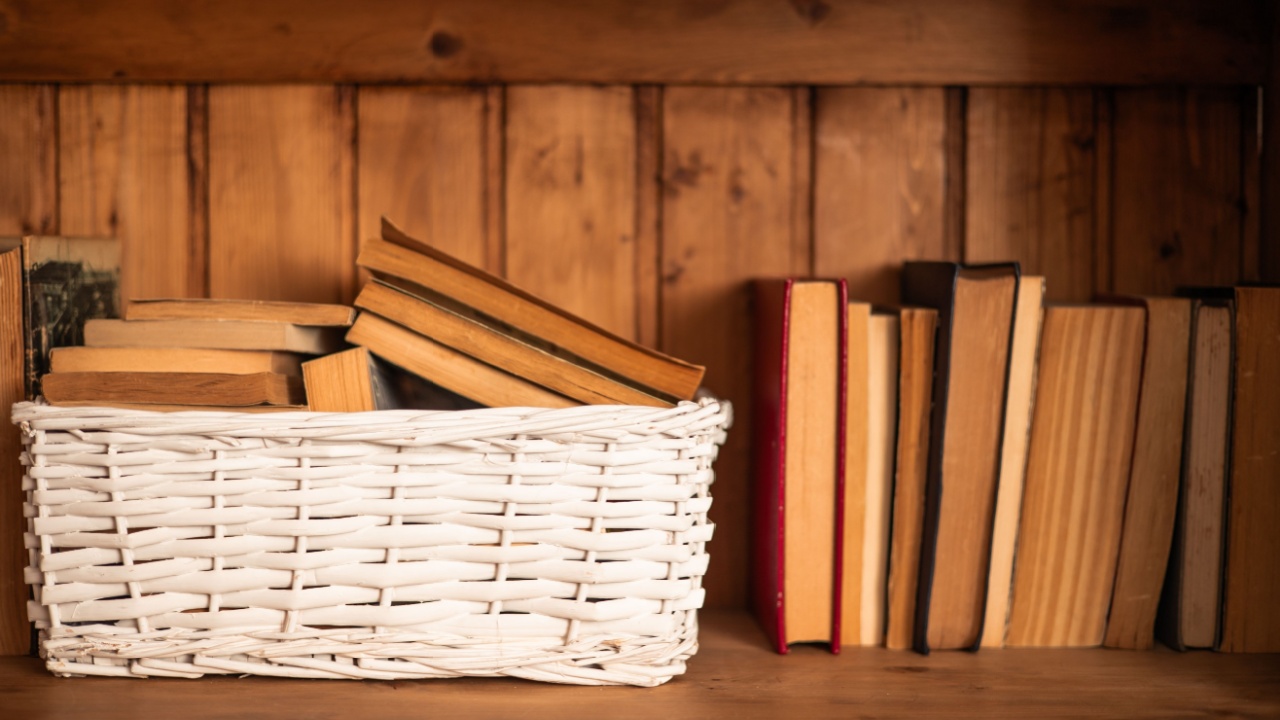
Books often hold sentimental value, representing knowledge we have gained or stories we have loved. However, keeping a massive library can collect dust and take up valuable square footage. If you have books you have already read and don’t plan to reference again, they are essentially just decorations.
Keep the absolute favorites that changed your life, and pass the rest on. Local libraries, schools, and “Little Free Libraries” in your neighborhood are excellent places to donate. You get the shelf space back, and someone else gets the joy of a good story.
6. Clothes That Don’t Fit
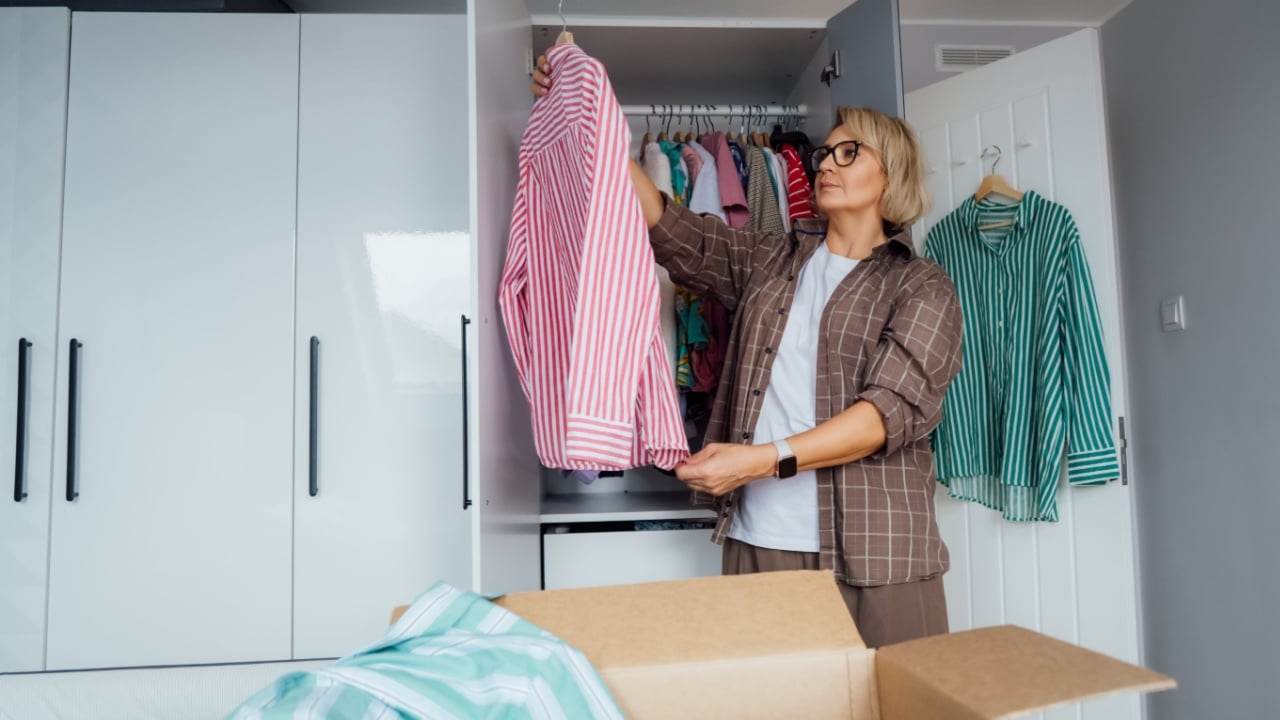
It is common to hang onto clothes in sizes we used to wear or hope to wear again. But opening your closet every morning and seeing clothes that don’t fit is a subtle, daily discouragement. Your wardrobe should reflect and celebrate the body you have right now.
Try on anything you are unsure about. If it buttons easily and makes you feel confident, keep it. If it’s a struggle or just doesn’t feel like “you” anymore, bag it up for donation. A smaller wardrobe of items you actually love wearing makes getting dressed a pleasure rather than a chore.
7. The Treadmill You Use as a Coat Rack

Large exercise equipment is often bought with the best intentions, but it frequently becomes the most expensive clothes hanger in the house. If that elliptical or stationary bike hasn’t seen action in months, it is crowding your room and likely gathering dust bunnies.
Sell it on a local marketplace or donate it to a community center. Reclaim that floor space for a reading nook, a hobby area, or just open space. If you want to stay active, consider walking outside, joining a gym, or trying equipment-free exercises like yoga.
8. Outdated Paperwork
Fear of needing a document often leads retirees to keep decades of financial records. While you certainly need to keep current tax returns and legal documents, you likely do not need utility bills from 1998 or bank statements from closed accounts.
Invest in a shredder or find a local shredding event. Check with your accountant on exactly what needs to be kept (usually tax returns for the last 3-7 years), and shred the rest. For indispensable documents, consider scanning them to a secure digital drive to eliminate the physical bulk entirely.
9. Unused Hobby Supplies
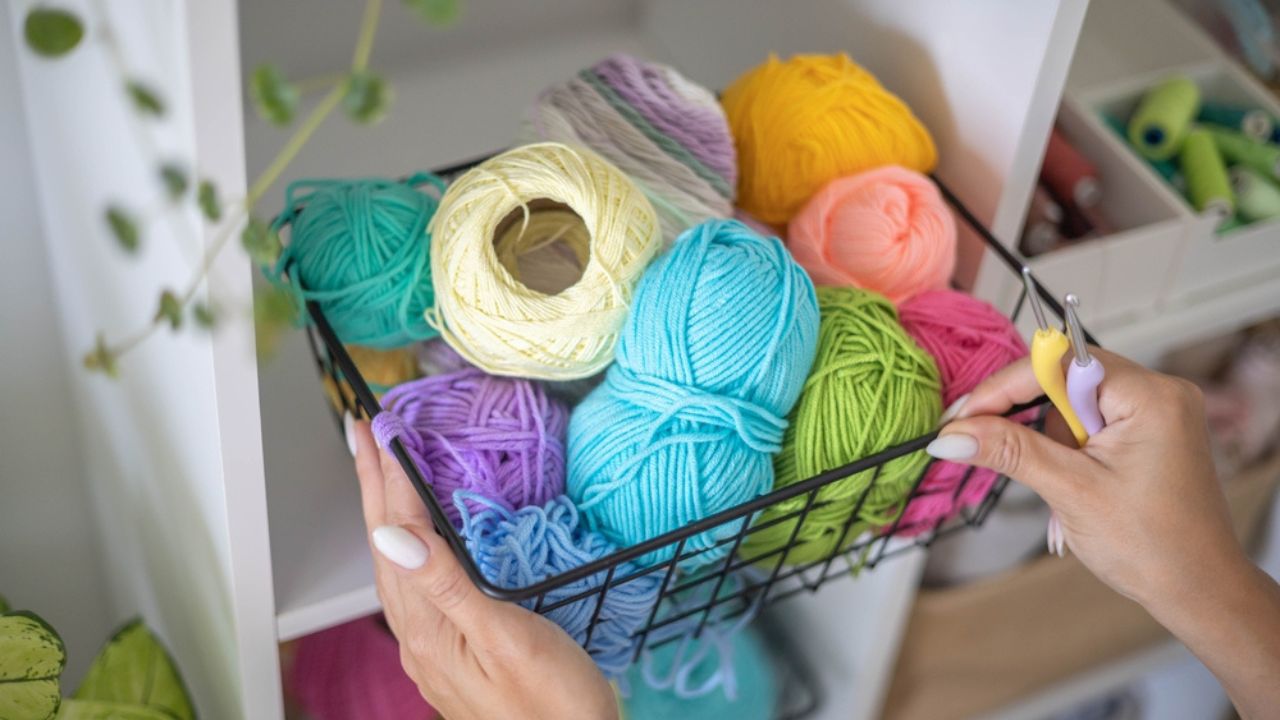
Did you get really into knitting for three weeks in 2010? Do you have a box of watercolor paints that have dried into rocks? Abandoned hobby supplies are guilt-inducing clutter. They remind you of projects you never finished rather than inspiring you to start new ones.
Be honest about how you spend your time now. If you aren’t actively using those supplies, donate them to a school art program or a senior center. It is better for those materials to be used by someone else than to sit in your closet drying out.
10. Plastic Containers Without Lids
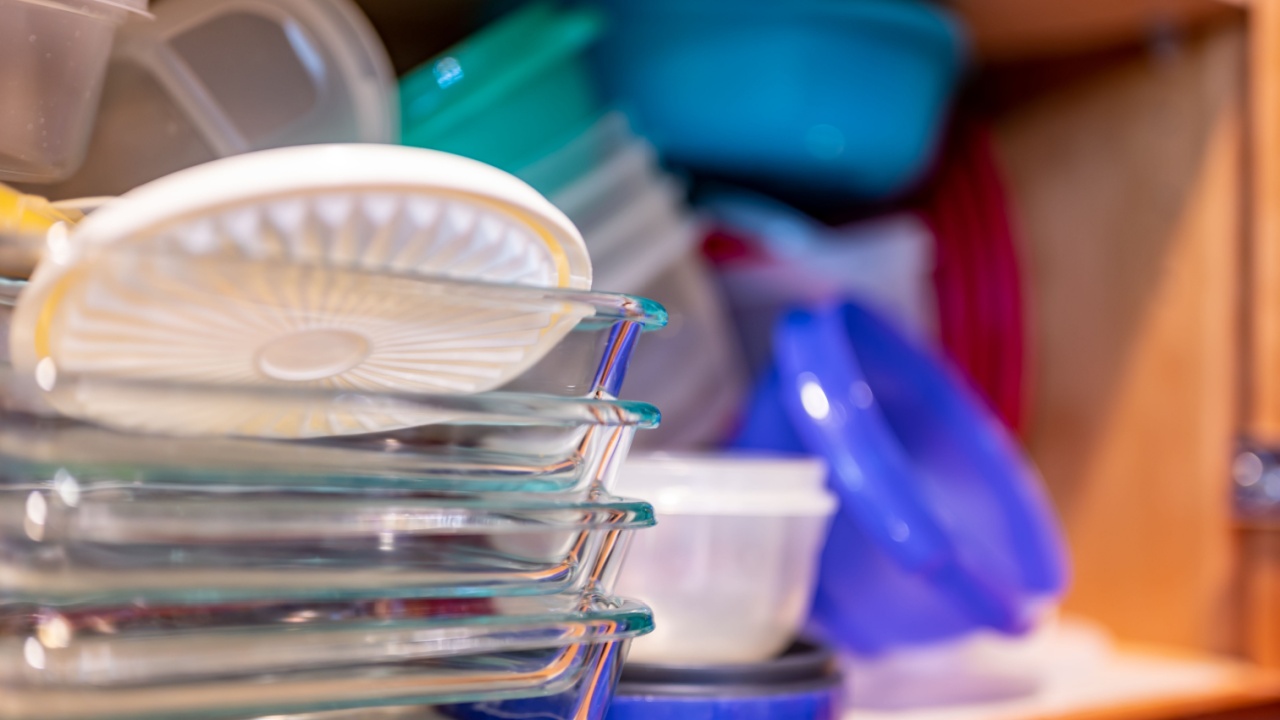
The “Tupperware drawer” is a universal source of frustration. It is baffling how lids disappear, leaving you with a stack of useless plastic tubs (or vice versa). Searching for a matching set while trying to put away leftovers is an annoyance you don’t need.
Pull every single container out. Match them up. If a tub doesn’t have a lid, or a lid doesn’t have a tub, recycle it immediately. Keep a manageable number of high-quality containers that stack well, and say goodbye to the plastic avalanche.
11. Old Magazines
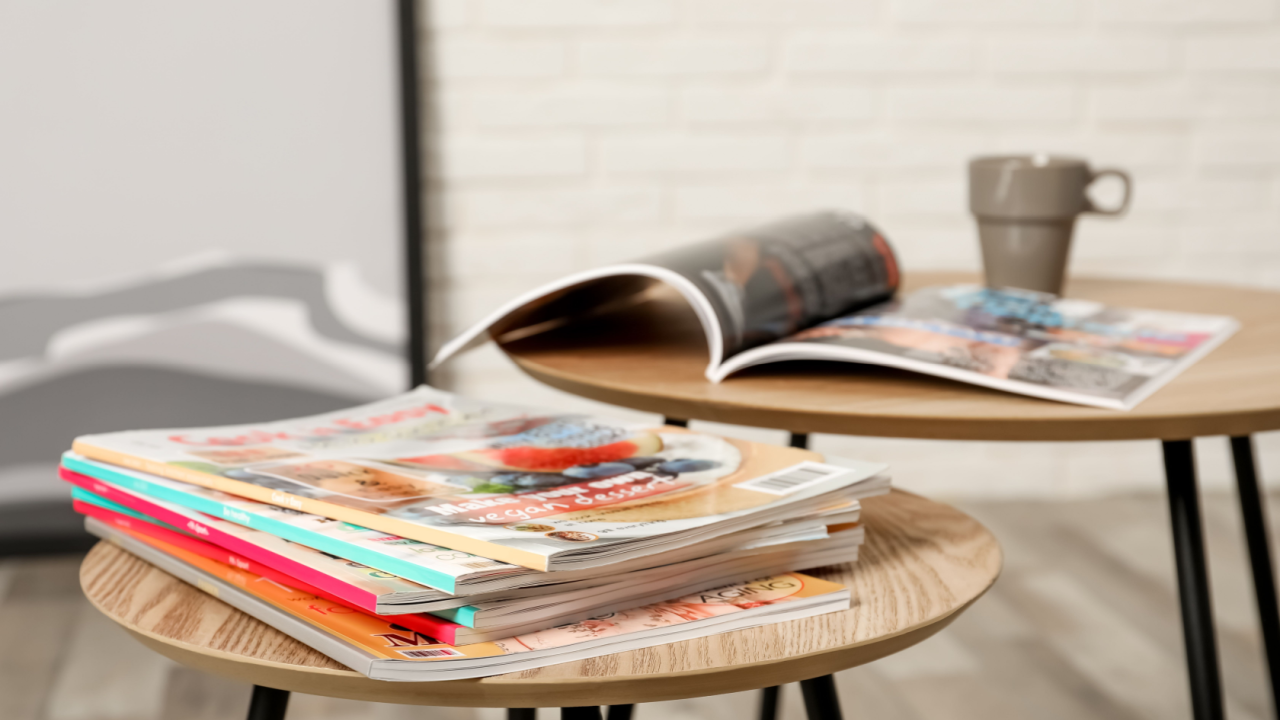
Magazines are consumable media, yet we stack them like encyclopedias. Whether it is old issues of National Geographic or catalogs for stores you don’t shop at, these piles are heavy, collect dust, and are rarely looked at a second time.
If there is a specific article or recipe you love, cut it out or take a photo of it. Then, recycle the stack. Most of the information is available online now anyway, and your coffee table will look instantly cleaner.
12. Unwanted Gifts
We hold onto strange vases, itchy sweaters, and gadgets we don’t use simply because they were gifts. We feel guilty getting rid of them, so they stay in the back of the closet. But keeping an item out of obligation burdens your home with negative energy.
The purpose of the gift was the act of giving and receiving, which has already happened. You are free to let the item go. Donate it so it can find a home with someone who will actually cherish and use it.
13. Excess Furniture
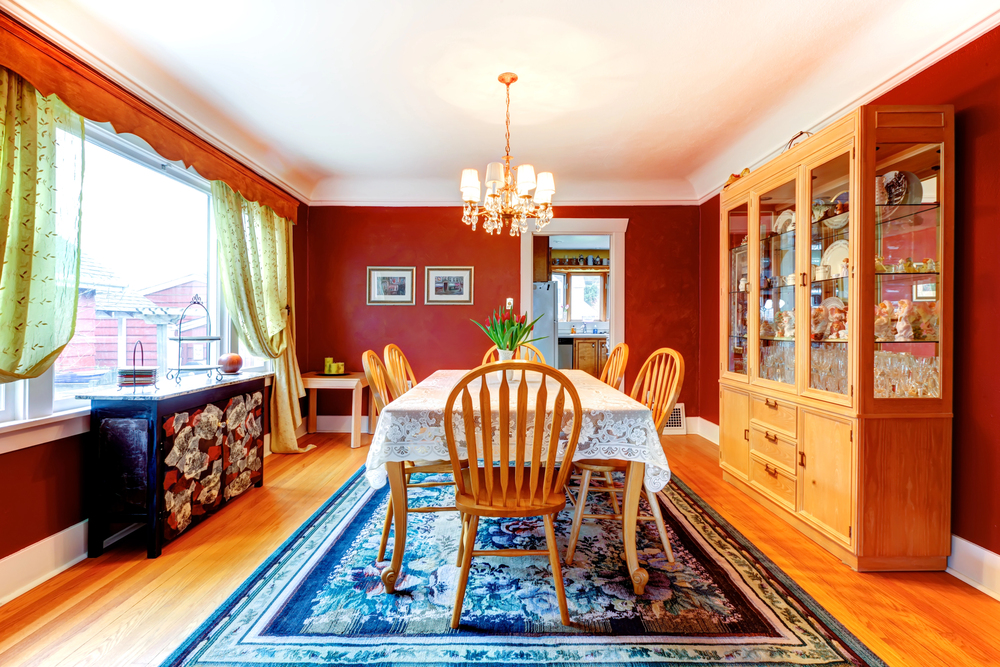
When you downsize or simply change how you use your home, you might find you have too much furniture. An extra end table that you keep bumping into or a chair that nobody ever sits in disrupts the flow of your home and makes rooms feel smaller.
Look at the traffic patterns in your house. If you have to walk around a piece of furniture to get through a room, it is an obstacle, not an asset. Selling or donating these pieces can open up your floor plan and make your home feel airier and safer to navigate.
14. Broken Jewelry
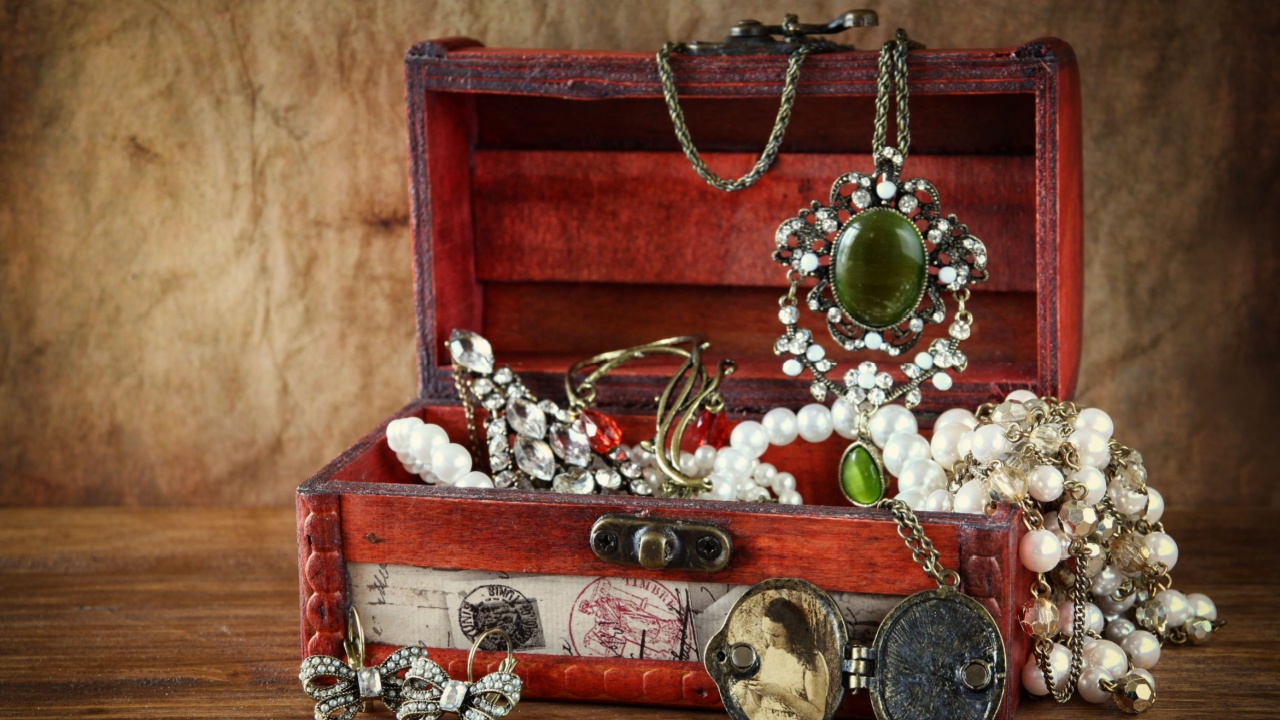
If you have a jewelry box full of single earrings, tangled necklaces with broken clasps, or watches that haven’t ticked in years, it is time to clear it out. We often keep these things thinking we will fix them, but years go by without a trip to the jeweler.
Sort through your collection. If it is real gold or silver, you can sell it for scrap value. If it is costume jewelry, consider if it is worth the cost of repair. If not, let it go. You will enjoy your collection more when you can easily see and access the pieces that are ready to wear.
15. Excess Linens
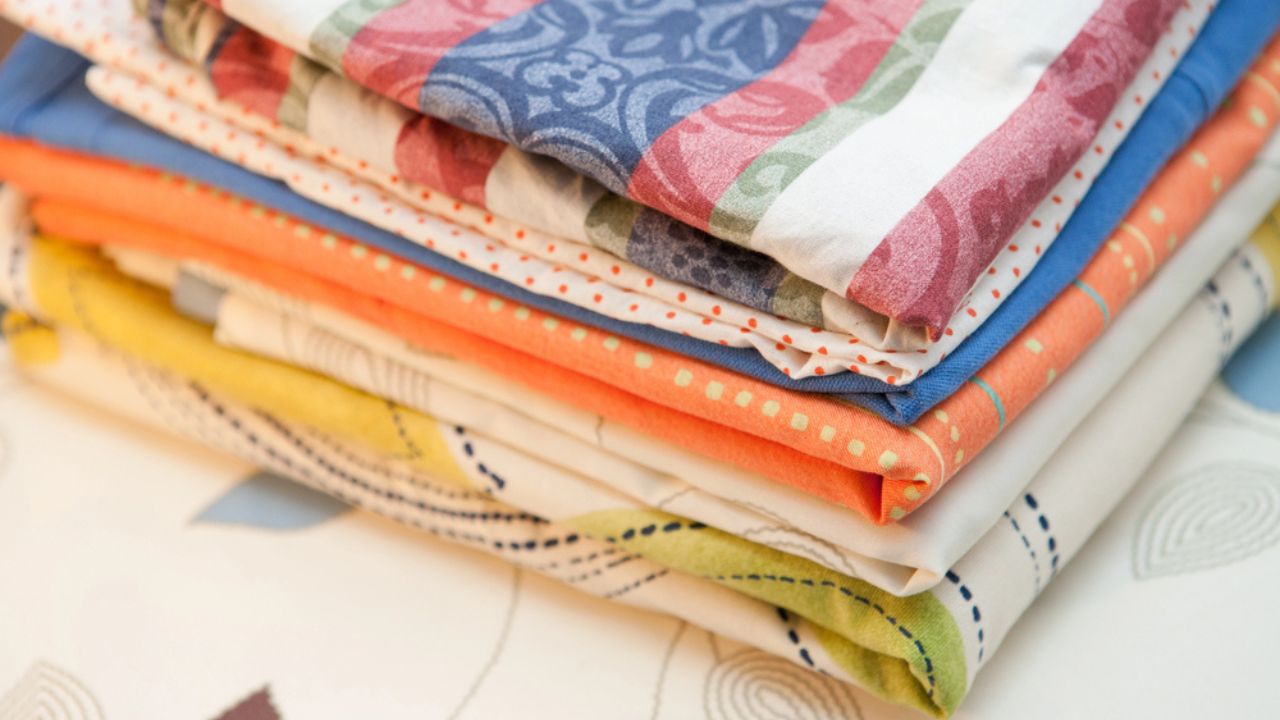
How many towels does a one or two-person household really need? If your linen closet is jammed so tight that towels fall out when you open the door, you have too many. Old, frayed towels or sheets that don’t fit your current bed are just taking up space.
A good rule of thumb is two sets of sheets per bed and two bath towels per person, plus a few extras for guests. Animal shelters are often desperate for old towels and blankets, so your clutter could be a warm bed for a puppy or kitten.
Your Lighter Life Starts Now
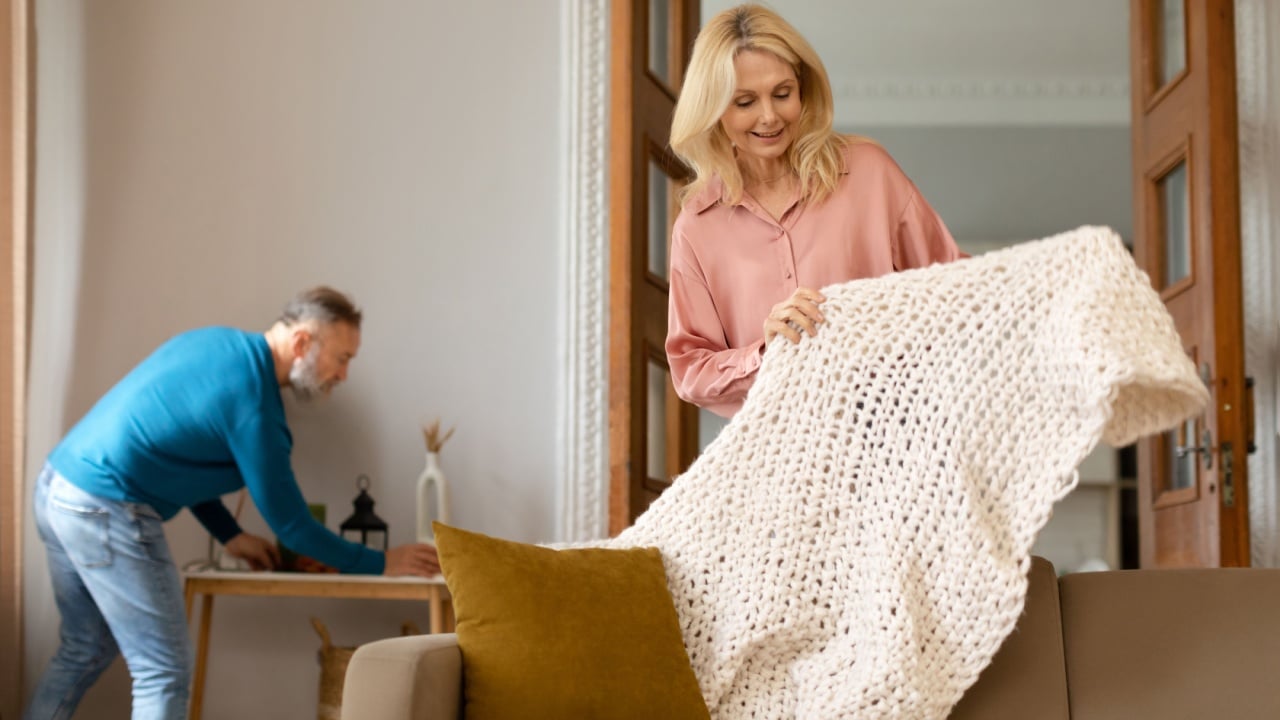
Clearing out these 15 categories of items is not about deprivation; it is about making room for the new life you are building. Every bag you donate lifts a little weight off your shoulders, leaving you with a home that is easier to clean, safer to navigate, and more peaceful to inhabit.
Start small. Pick just one of these categories to tackle this weekend—maybe just the sock drawer or the bathroom cabinet. You will likely find the momentum builds quickly. Once you experience the relief of a decluttered space, you will wonder why you held onto all that stuff for so long.