
15 Signs Someone Struggles to Connect With Others
Some people make every conversation feel easy. Others… don’t. Social missteps aren’t always loud or obvious — in fact, the most telling signs are usually the small habits people don’t even realize they’re doing.
Social interaction allows us to interact and communicate with others effectively, build relationships, and navigate a variety of social situations successfully, no matter the circumstances. However, not everyone possesses these skills naturally, and some have to work hard to learn and develop them over time. Others might have a diagnosed social disorder, which can significantly impact their ability to engage in social interactions. Meeting people and building and maintaining relationships can be hard without these habits and skills.
But what are the signs that someone lacks basic social skills? Are you guilty of any of these? I know I am.
1. Conversation Anxiety

One telltale sign that you lack basic social skills is feeling anxious or uncomfortable during conversations. You might find it challenging to initiate small talk, keep a conversation flowing, or even make eye contact with the other person. This can lead to awkward silences and difficulty connecting with others.
Remember, most people are concerned with their conversational ability, so try your best to shake the feeling that all eyes (and pressure) are on you.
2. Discomfort in Silence

Similarly, if you feel the need to fill every moment of silence with words, it could be a sign that you lack basic social skills. This can stem from a fear of being judged or not knowing how to read and respond to social cues. Silence isn’t necessarily a bad thing, and being comfortable with it is a sign of strong social skills.
3. Poor Listening Skills

Effective communication involves both speaking and listening. If you struggle to listen actively, often interrupt others, or have difficulty remembering what the other person said, it could indicate a lack of basic social skills. Good listening skills are crucial for building connections and understanding others’ perspectives.
Taking the time to become a better listener is an invaluable skill for making friends and improving social situations.
4. Difficulty Reading Social Cues

People with poor social skills often have trouble reading subtle social cues, such as body language, facial expressions, and tone of voice. As a result, they may misinterpret others’ intentions or feelings, leading to misunderstandings and conflicts.
5. Difficulty Reading Facial Expressions

Similar to other cues, being able to read and interpret facial expressions is crucial in understanding the emotions and intentions of others. However, if you struggle with this, it could indicate a lack of basic social skills. You may have difficulty knowing when someone is happy, sad, or angry, making it challenging to respond appropriately.
6. Inappropriate Social Behavior

People with well-developed social skills know how to act in different social situations and adapt their behavior accordingly. However, if you struggle with this, you may exhibit inappropriate or awkward behaviors that can make others uncomfortable or lead to misunderstandings.
7. Poor Boundaries

Poor boundaries can also be a sign of a lack of social skills. They could manifest as being too clingy, oversharing personal information, or invading others’ personal space without regard for their feelings.
Learning how to set and respect boundaries is essential for building healthy relationships and maintaining good social interactions.
8. Inability to Maintain Eye Contact

Maintaining appropriate eye contact is crucial for effective communication and building connections. However, you may struggle to do this without basic social skills. Avoiding eye contact can make you appear disinterested or untrustworthy. This skill is particularly hard for anyone on the Autism Spectrum.
Practicing making and maintaining eye contact can help improve your social skills and make others feel more comfortable around you.
9. Difficulty Making Friends

Developing and maintaining friendships is a significant aspect of our social lives that boosts our mental health and quality of life. If you struggle to make friends or keep them, it could be a sign of lacking basic social skills. This might result from not knowing how to initiate or maintain conversations, difficulty reading social cues, or exhibiting inappropriate behaviors.
10. Lack of Empathy
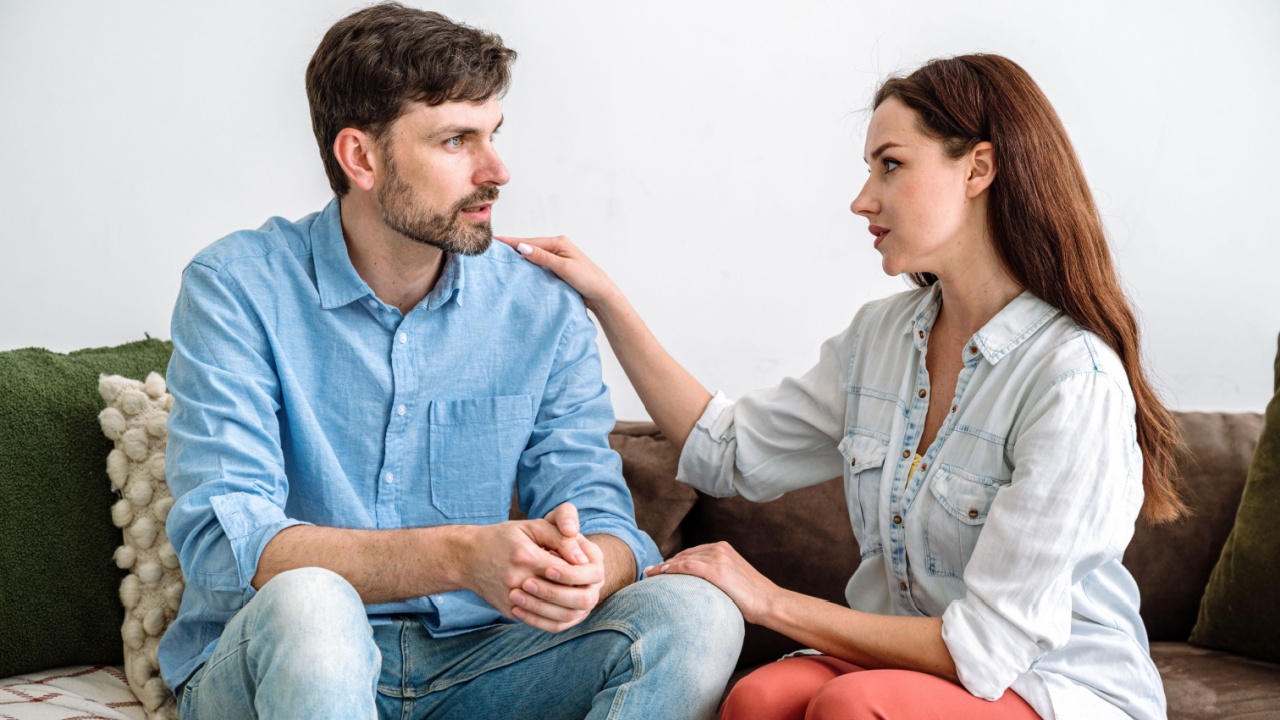
Empathy is the ability to understand and share another person’s emotions. When you lack basic social skills, you may struggle with this, making it challenging to connect with others on a deeper level. As a result, you may come across as insensitive or indifferent to others’ feelings.
11. Overly Sensitive

People with poor social skills may be overly sensitive to criticism, rejection, or negative feedback. This can make receiving constructive criticism or handling disagreements challenging without becoming defensive or upset. Developing a thicker skin can help improve your social interactions.
12. Difficulty Asking for Help

Asking for help is a necessary skill in both personal and professional relationships. If you lack basic social skills, asking for assistance or expressing your needs and preferences may be challenging. This could lead to frustration, misunderstandings, and problems in your relationships.
Learning to communicate your needs effectively and ask for help when needed is essential for building healthy relationships and improving your social skills.
13. Lack of Self-Awareness

Self-awareness is the ability to recognize and understand your emotions, thoughts, and behaviors and how they affect others. People with poor social skills may lack this self-awareness, making it challenging to evaluate their actions’ impact on those around them.
Becoming more self-aware can help you improve your social interactions by allowing you to reflect on your behaviors and make necessary changes to build more meaningful connections.
14. Difficulty Resolving Conflicts

Conflict resolution is a vital skill in any relationship, but people with poor social skills may struggle with this. They may avoid confrontation altogether or handle conflicts aggressively, leading to damaged relationships and ongoing issues.
Learning healthy ways to resolve conflicts can help improve your social skills and strengthen your relationships.
15. Rambling or Monopolizing Conversations
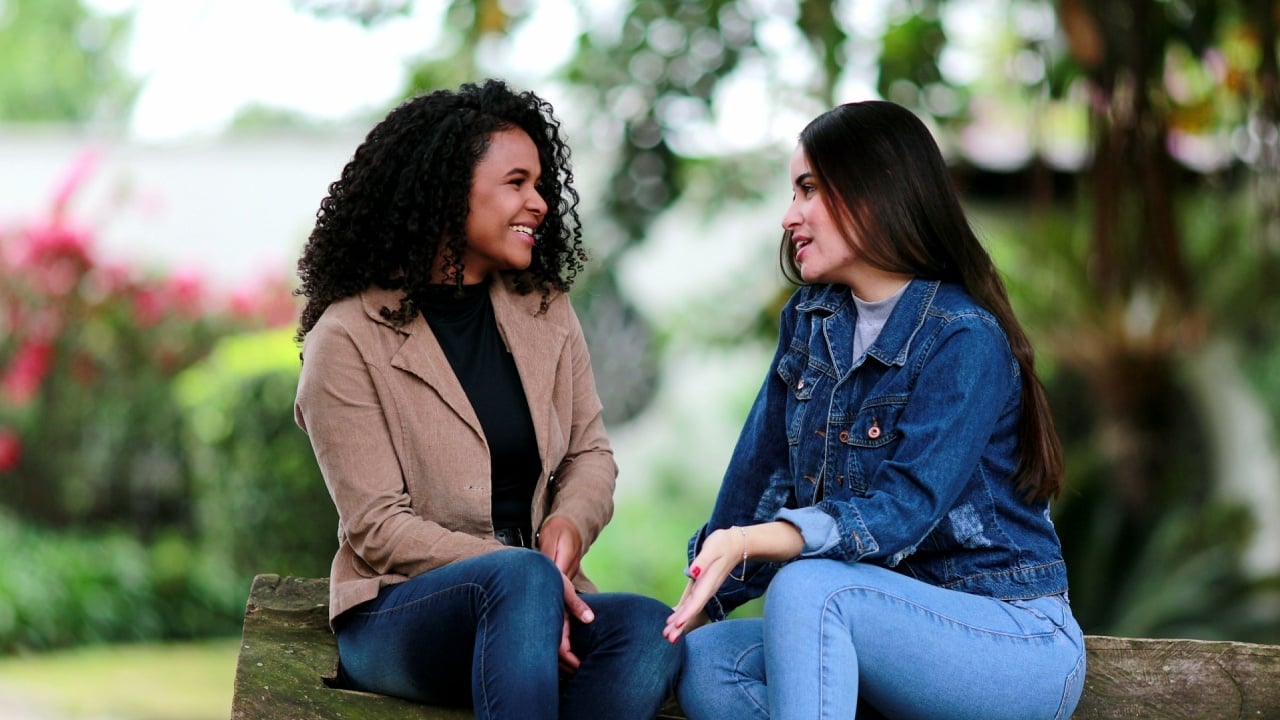
People with poor social skills may struggle to engage in meaningful conversations. They may talk excessively without letting others speak or dominate conversations, making it difficult for others to participate fully.
Learning how to listen actively and share the conversation can help improve your communication skills and make you a more engaging conversationalist.