
15 American Habits That Are Super Weird to the Rest of the World
Travel abroad enough times, and you start to notice a particular look on the faces of locals. It isn’t hostility or confusion, exactly, but rather a mild bewilderment reserved for people who ask for ice water in the dead of winter. We often move through the world assuming U.S. default settings are universal, yet many habits ingrained in American culture register as deeply bizarre once you step outside the borders.
Cultural anthropologists and travel forums are full of observations about these distinct behaviors. It turns out that what feels like convenient living to Americans often translates to wastefulness or lack of privacy elsewhere.
This list breaks down some of the most common American behaviors that leave international visitors scratching their heads. We will look at why we do these things, how they are perceived globally, and perhaps help you see your own daily routine through a fresh pair of eyes.
1. The Obsessive Need for Ice
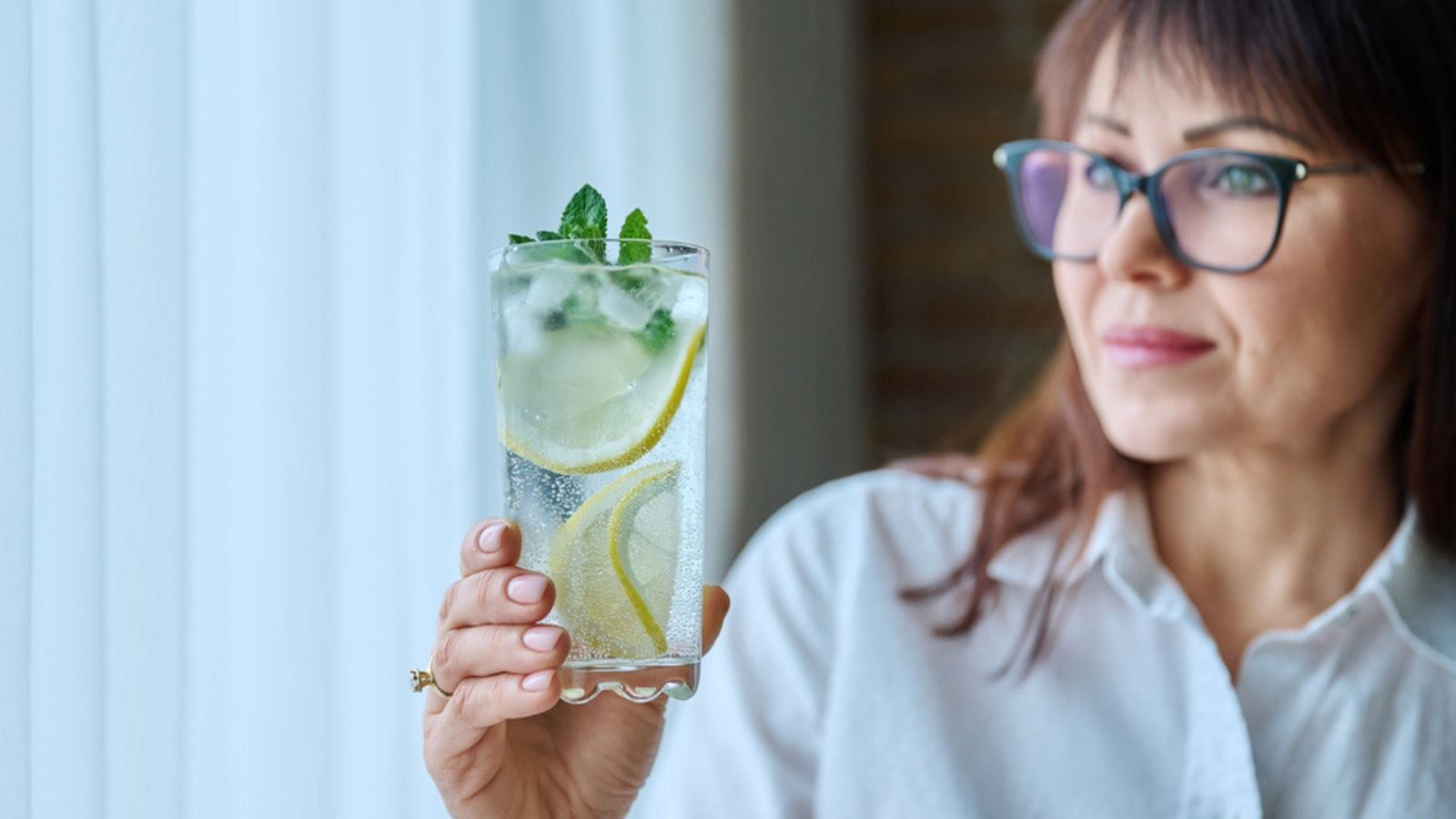
Ordering a drink in the United States usually guarantees a glass filled to the brim with frozen cubes, leaving just enough room for a few ounces of liquid. Americans love their beverages, bordering on glacial, regardless of the season or the room’s ambient temperature. This preference is so strong that hotel hallways are lined with ice machines (to chill the drinks and fill the coolers, not so much to drink in this case), a feature virtually nonexistent in European or Asian accommodations, where room-temperature beverages are considered better for digestion and flavor profile.
Americans’ love of ice dates back to the early 19th century, when Boston merchant Frederic Tudor—nicknamed the “Ice King”—began harvesting and shipping ice internationally. By the mid‑20th century, the rise of affordable home refrigeration and automatic ice makers cemented ice as a symbol of modern convenience. Today, a frosty glass of cola feels refreshing to Americans, but visitors often see it as reducing actual drink volume or even worry about the cold shock.
2. Bathroom Stalls with Massive Gaps

Public restrooms in America offer a surprising lack of visual isolation. The partitions between stalls often stop a foot above the floor and feature significant gaps between the door and the frame. This may lead to an awkward moment when anyone washing their hands accidentally makes eye contact with someone in a vulnerable position.
This design choice prioritizes ease of cleaning, safety monitoring, and lower construction costs over the absolute privacy preferred by most other nations. For visitors accustomed to floor-to-ceiling doors and complete sound isolation, an American public restroom can feel like a stage performance. The lack of acoustic and visual privacy can induce significant anxiety for tourists. While Americans have grown desensitized to the concept of communal gaps, it remains one of the most frequently cited “culture shocks” for visitors.
3. Tipping as a Mandatory Salary Supplement
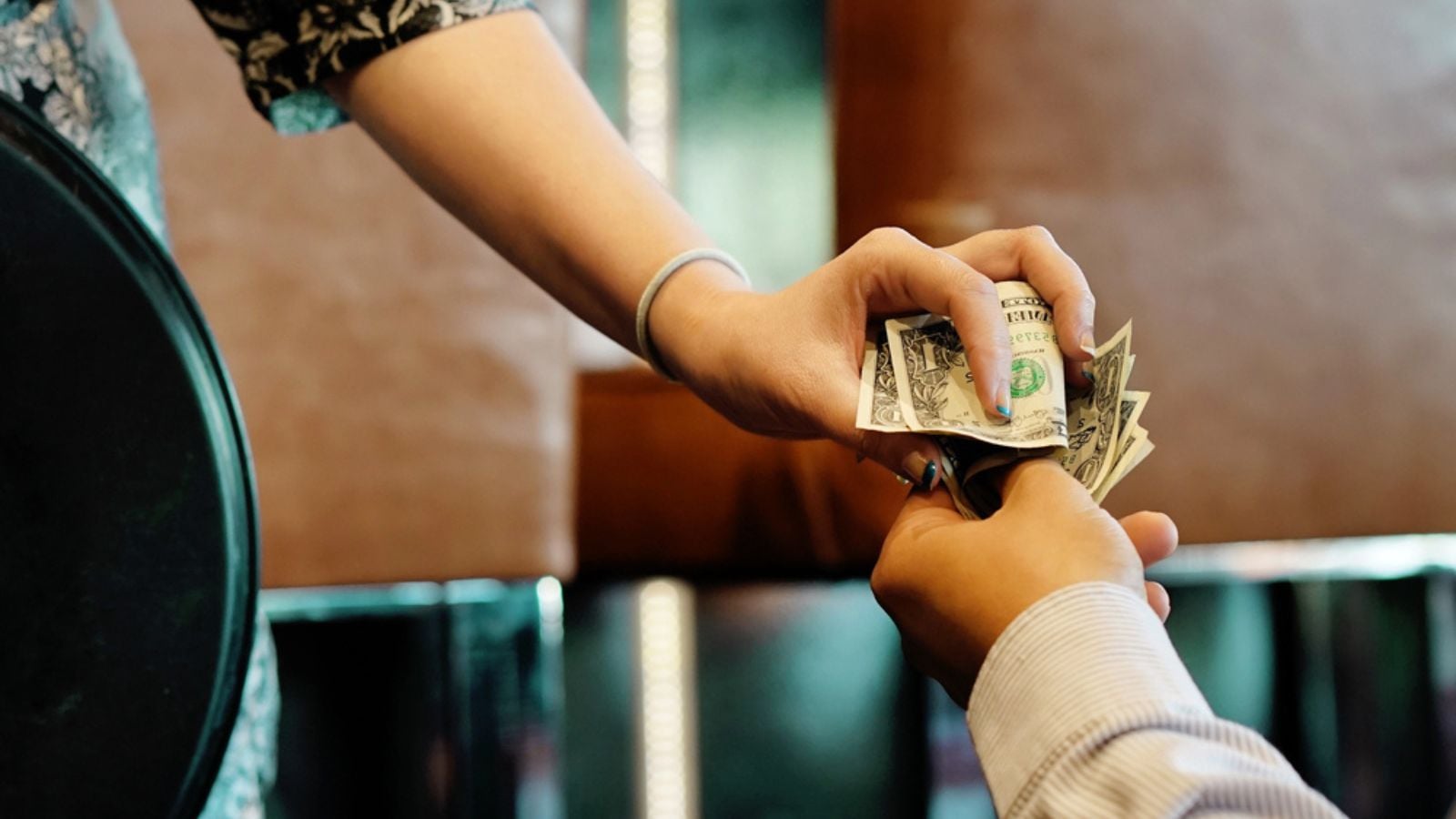
The math required at the end of an American meal can baffle international guests. Americans operate on a system where the listed price is merely a suggestion, and the real cost involves adding 20 percent or more to make sure the server can afford their rent. This structure shifts the burden of paying a living wage from the employer to the customer, creating a dynamic where service quality is directly monetized in real-time.
In places like Japan or Australia, tipping is either nonexistent or reserved for truly exceptional circumstances because service staff are paid a standard wage. Foreign visitors often view this system as stressful and confusing, unsure of who to tip and how much is appropriate. Meanwhile, many Americans feel a deep guilt if they leave anything less than standard, knowing the livelihood of the staff depends on that extra cash.
4. Drive-Thru Everything

The United States has perfected the art of completing errands without ever leaving the car. Beyond fast food, Americans can access banking, pick up prescriptions, buy coffee, and even get married through a drive-thru window. This entire infrastructure is built around the automobile, reflecting a culture that values speed and convenience above almost all else.
To a visitor from a walkable city like Amsterdam or Tokyo, this level of car dependency can seem isolating and strangely inefficient. While convenient, it encourages a sedentary lifestyle and contributes to traffic congestion and pollution. Making a conscious choice to park and walk into a business can be a small act of rebellion against this isolation.
5. Supersized Food Portions

Portion sizes at American restaurants are legendary, often appearing comical to outsiders. An individual order of pasta or a stack of pancakes can frequently feed a small family in many other parts of the world. This approach is rooted in a “more is more” philosophy, where value is equated with sheer volume.
This culture of abundance has significant consequences, contributing to food waste and normalizing overconsumption. For international guests, it can be overwhelming and lead to the assumption that all Americans have enormous appetites. Understanding this cultural difference is helpful for anyone trying to manage their diet. It becomes clear that a single restaurant serving is often two or three recommended portions.
6. The Price on the Tag Isn’t the Final Price

In most countries, the price displayed on an item is the exact amount you pay at the register because taxes like the VAT are included. In the U.S., however, sales tax is a surprise addition at the end of the transaction. The final cost of a $19.99 shirt is never $19.99 (unless you live in one of the few tax-free states like Montana), thanks to sales tax. This lack of price transparency can be frustrating and confusing for tourists trying to budget their expenses.
This system persists due to the country’s decentralized tax laws and a marketing belief that lower sticker prices are more appealing to consumers, even if they are misleading. For visitors and residents alike, it requires a constant mental calculation to estimate the actual cost of goods. The only way to manage it is to learn the local tax rate and always assume the final bill will be higher than advertised.
7. Constant Pharmaceutical Ads

American television viewers are bombarded with commercials for prescription medications that treat everything from depression to chronic dry eye. The United States is one of only two countries in the world that permits direct-to-consumer advertising for prescription drugs. For people from other nations, the concept of patients suggesting specific medications to their doctors based on a TV ad seems backward and dangerous, highlighting an aggressive commercialization of healthcare.
These advertisements empower patients to seek information, but they also turn medical conditions into marketable products. The ads often create demand for expensive, branded drugs when cheaper generic alternatives may be just as effective. Being a critical viewer is essential; it’s better to discuss symptoms with a doctor than to request a specific pill seen between segments of a popular show.
8. Wearing Pajamas and Sweats in Public

In the U.S., it’s not unusual to see people at the grocery store, post office, or even an airport wearing fleece pajama pants or a full sweatsuit. Comfort often trumps presentation in the American hierarchy of values, leading to an extremely casual public dress code. For visitors from countries where people dress more formally for public outings, seeing someone buy milk in their sleepwear can be jarring and seem disrespectful.
This casualness reflects a prioritization of personal comfort over social formality. While it makes life feel more relaxed, it can also blur the lines between private and public life. For those who find this habit a bit too relaxed, simply choosing to put on “real clothes” before leaving the house can be a small way to bring a little more intention and structure to the day.
9. Smiling at Complete Strangers

Americans often make eye contact and smile at people they pass on the street or stand in line with at a store. In the U.S., this is generally seen as a polite, friendly gesture meant to acknowledge another person’s presence. In many other cultures, particularly in Eastern Europe, a smile is reserved for people you know well. Smiling at a stranger for no reason can be interpreted as insincere, foolish, or even a sign of a potential scam.
This difference in non-verbal communication can lead to misunderstandings. An American tourist might perceive locals as cold or unfriendly, while a visitor to the U.S. might feel overwhelmed by what they see as unwarranted familiarity. It’s a reminder that the meaning of a simple facial expression can change dramatically from one culture to another.
10. The Ubiquitous American Flag
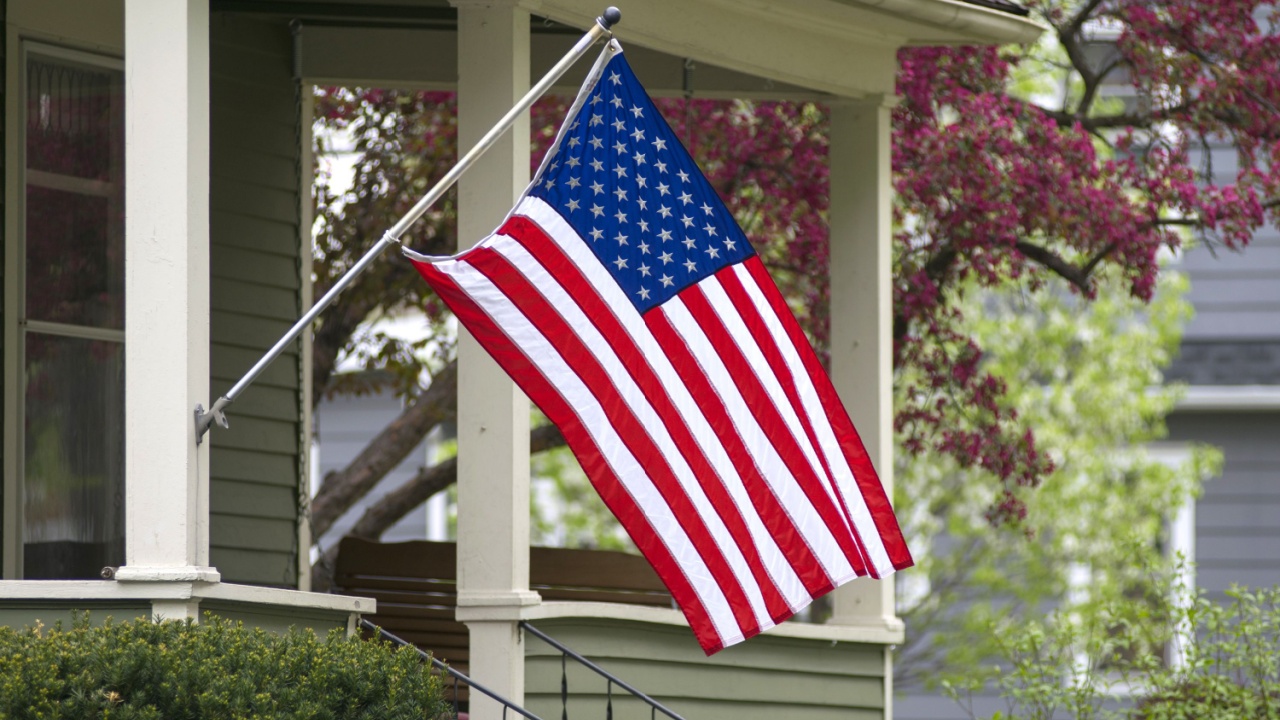
The American flag is displayed with a frequency that is startling to many outsiders. It appears on front porches, car bumpers, clothing, and in advertising, serving as a constant backdrop to daily life. In most other countries, the national flag is reserved for government buildings and special occasions. The casual, commercial, and constant use of the flag in the U.S. can come across as an intense and overwhelming form of nationalism.
For many Americans, displaying the flag is a passive expression of patriotism or cultural identity rather than a strong political statement. It’s woven into the country’s visual fabric. Understanding this context helps visitors interpret the display not as aggression, but as a deeply ingrained cultural habit.
11. Extreme Air Conditioning
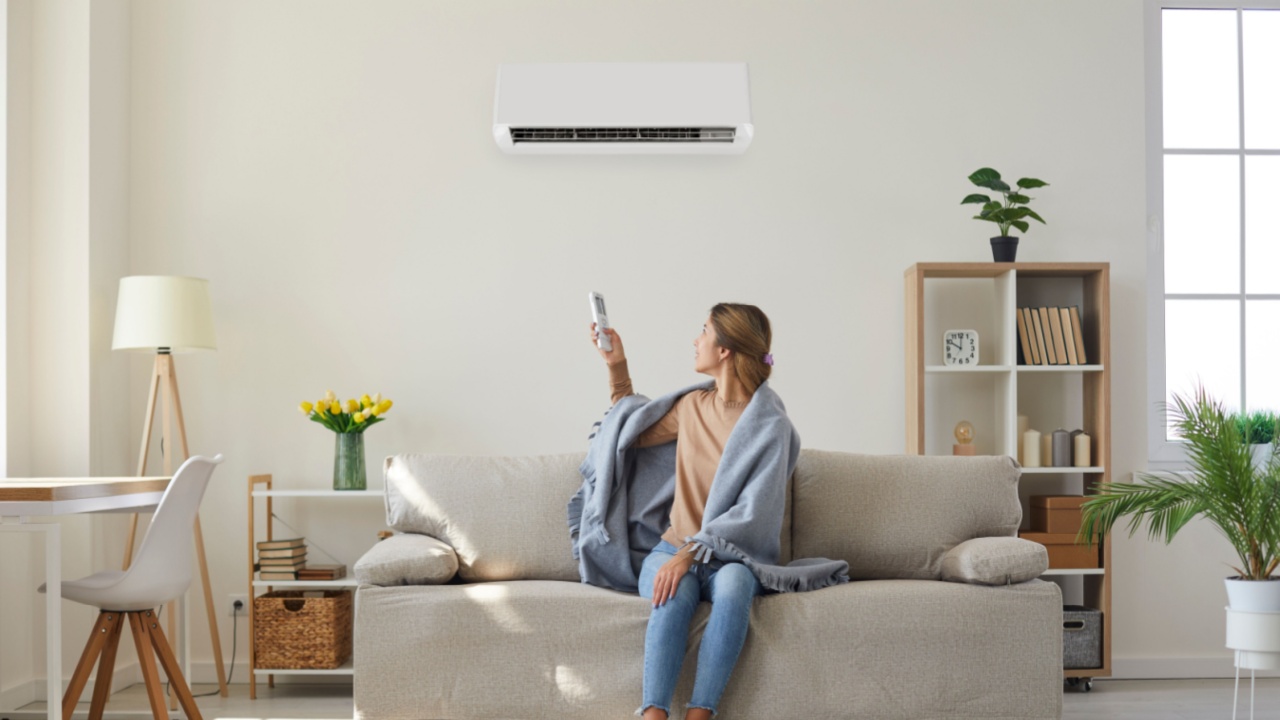
Walking into an American building during the summer can feel like stepping into a walk-in freezer. Thermostats are often cranked down to temperatures that require wearing a sweater indoors, creating a jarring contrast with the heat outside. This love for powerful air conditioning is not shared globally; in many European and Asian countries, AC is used more sparingly to conserve energy and avoid the unpleasantness of thermal shock.
This reliance on blasting cold air reflects a desire to conquer the climate rather than adapt to it. It is necessary in the more hot and/or humid places like the South. However, it comes with a high environmental and financial cost. Moderating the thermostat saves energy and creates a more comfortable indoor environment that doesn’t feel so disconnected from the season.
12. “How Are You?” as a Greeting

In the U.S., the phrase “How are you?” is often a rhetorical greeting, not a genuine question. The expected response is a brief, positive platitude like “Good, you?” rather than a detailed report on your current state of being. Foreign visitors who attempt to answer the question honestly are often met with confusion, as the person who asked has already moved on with the conversation.
This linguistic shortcut functions as a simple acknowledgment, similar to saying “hello.” It prioritizes social efficiency over genuine inquiry in casual passing encounters. Recognizing this allows for smoother interactions, saving the real, in-depth conversations for moments when both parties have stopped to actually engage with one another.
13. College Sports Fanaticism

The intensity surrounding university-level sports in the U.S. is baffling to many people from other countries. Huge stadiums are filled with tens of thousands of screaming fans, and entire towns shut down for a college football game. This level of devotion, typically reserved for professional leagues elsewhere, is a unique American phenomenon.
Amateur athletics command massive media attention and generate billions of dollars. This fervor is deeply tied to alumni identity, regional pride, and a sense of community. The university becomes more than an educational institution; it’s a lifelong source of entertainment and social connection. While it creates powerful bonds, it can also seem to overshadow the primary academic mission of these schools in the eyes of an external observer.
14. Wearing Shoes in the House

For a significant portion of the world, wearing outdoor shoes inside the home is a major social and hygienic taboo. In many Asian, Middle Eastern, and European cultures, shoes are removed at the door to avoid tracking in dirt and germs. In the U.S., however, it’s common for people to walk across their carpeted living rooms in the same sneakers they just wore on a city street or a public restroom floor.
This habit prioritizes convenience over the strict separation between the “dirty” outside and the “clean” inside that is important in other cultures. It’s one of the most common observations made by visitors, who are often horrified at the thought of what is being tracked onto floors and rugs. Adopt a shoe-free policy to maintain a cleaner home and show respect for international customs.
15. Endless Free Refills
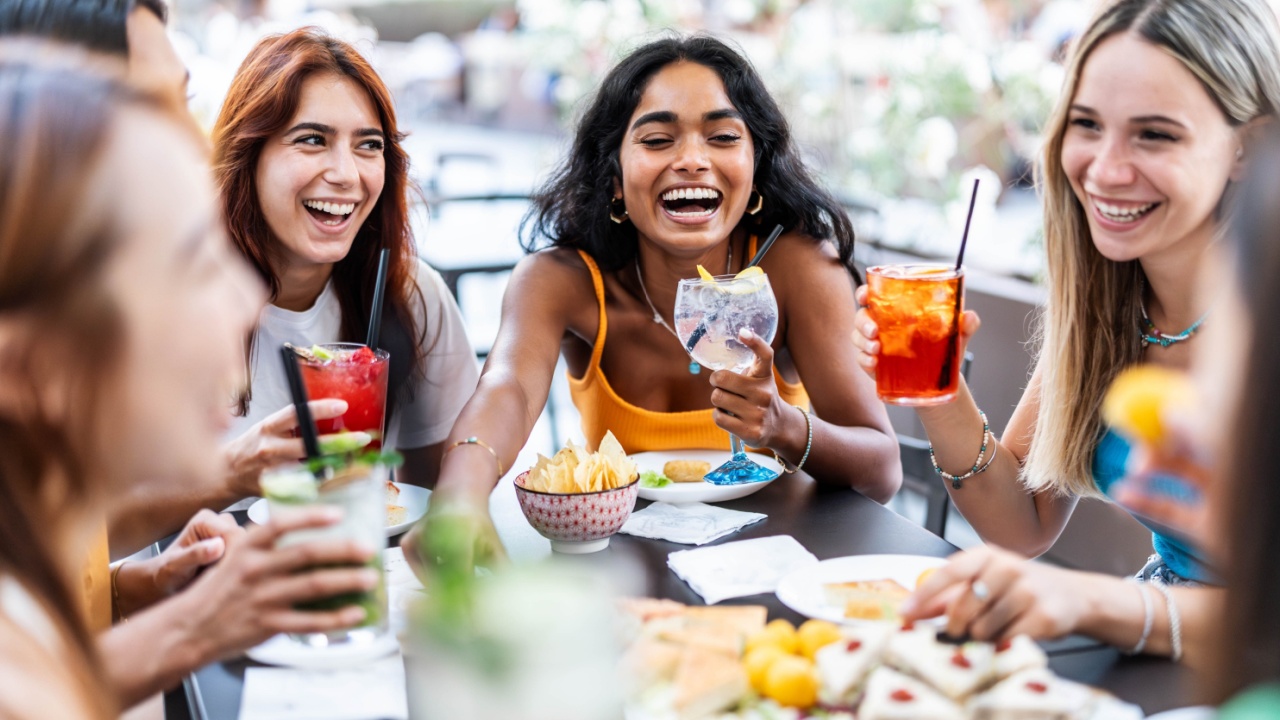
Order a soda or an iced tea at most American restaurants, and your glass will be refilled endlessly at no extra charge. This concept of “bottomless” drinks is a foreign one in most of the world, where you pay for each individual beverage you consume. The American model reinforces the idea of abundance and customer value, ensuring no one ever goes thirsty.
While it seems like a great deal, this practice encourages the consumption of sugary drinks and can feel wasteful to visitors. For an American traveling abroad, it’s a quick lesson in resource management when they order a second cola and see it appear as a new charge on their bill. It highlights a fundamental difference in dining economics and expectations.
Through Fresh Eyes

In the end, the habits that seem so ordinary in the United States are the very things that make travel, and even simple conversations with out-of-town guests, so fascinating. Scratching the surface of these so-called “normal” routines reveals a world of conflicting priorities, clever workarounds, and sometimes baffling logic that Americans call home.
By getting curious about how these habits look from the outside, it’s possible to spot easy opportunities for connection, find a little humor in daily routines, and maybe rethink the necessity of a full bag of ice in your water during winter. Next time the shoes stay on, or the flag goes out, you’ll know there’s a story behind it, and you’ll be ready to swap tales with visitors eager to share a few of their own.