14 Tree Planting Mistakes That Can Ruin Your Investment Before It Takes Root
Trees can bring so much value and beauty to your yard, but they’re also a big investment of time and money. It’s incredibly frustrating to watch a sapling you’ve carefully picked out struggle to survive, let alone thrive.
You might be surprised to learn that most early tree deaths are caused by simple mistakes made during planting. While nature has no problem growing a forest on its own, planting a tree in your yard is a different story. We need to give it the right conditions to grow strong.
To help you out, this guide covers fourteen common mistakes people make when planting trees. By sidestepping these common pitfalls, you can protect your investment and enjoy your new leafy friend for years to come.
1. Choosing Species Unsuited for the Climate

A common mistake that can doom a tree from the start is picking a species that just can’t handle your local weather. It’s tempting to buy an exotic tree you saw online, but it often leads to disappointment when that plant can’t cope with the local climate. For example, a magnolia tree that loves Georgia’s humidity will have a tough time in the dry Texas heat, even if they’re in the same “hardiness zone.”
How to fix it: Do some research on species that are native or well-suited to your area. Your local agricultural extension office is a great resource for advice specific to your region. It’s also a good idea to buy from local nurseries, since their trees are already used to the weather in your neck of the woods.
2. Ignoring Sunlight and Wind Requirements
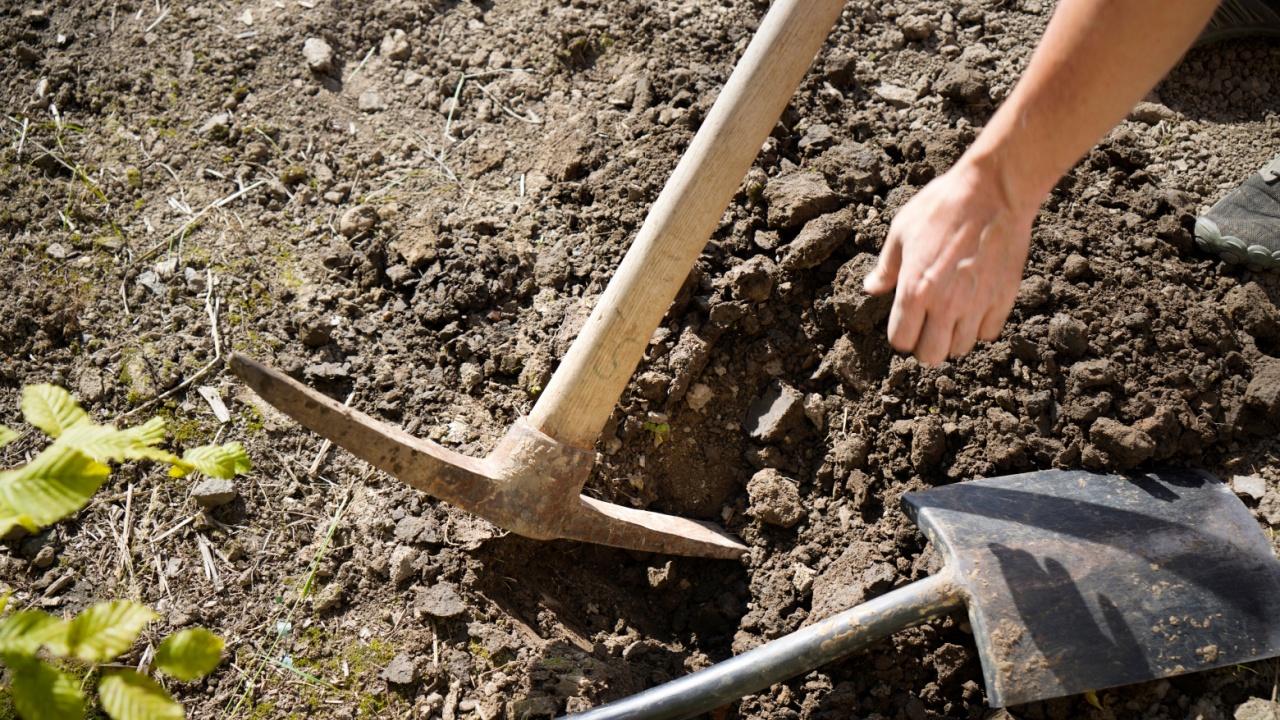
Putting a tree in the wrong spot can keep it from growing properly and leave it open to environmental stress. For example, fruit trees need tons of sun to produce fruit, while weeping willows need a damp, low-lying spot to thrive. If you plant a delicate tree in a windy part of your yard, you’ll likely end up with broken branches and slow growth.
How to fix it: Before you dig, check out the spot where you plan to plant. Watch how the sun hits it throughout the day and take note of any areas that get a lot of wind. Planting more fragile trees near a fence or building can give them the shelter they need, similar to the cozy spots they’d find in nature.
3. Planting During Active Growth Periods
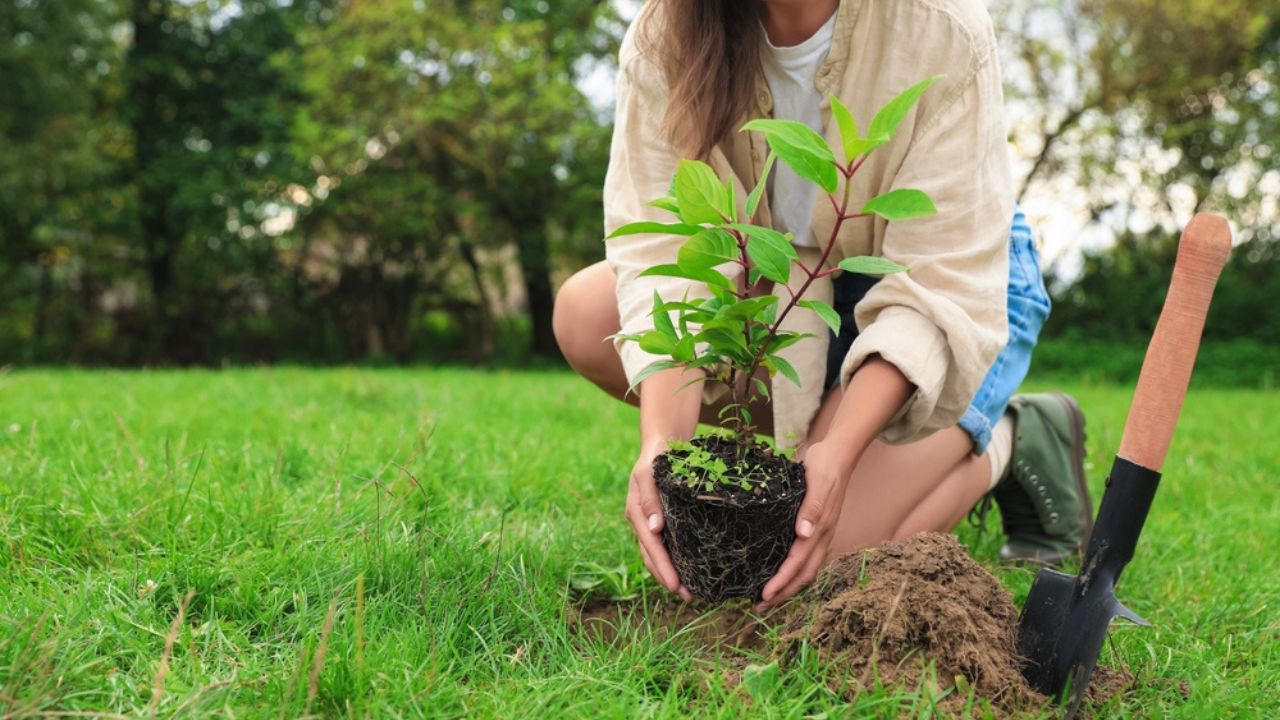
Timing matters immensely when transferring a new tree into the ground. Many nurseries sell dormant bare-root trees in the fall or early spring, which is the safest time to plant in temperate zones. Dropping an actively growing seedling into the ground during the blazing heat of summer shocks the plant and severely damages the root system.
How to fix it: Match the planting schedule to the regional climate and the specific tree type. In mild areas where tropical plants never drop their leaves, aim for periods of moderate weather. Keep small seedlings in containers under careful supervision until the weather cools down or the plant enters a dormant phase.
4. Overlooking Bound or Girdled Roots
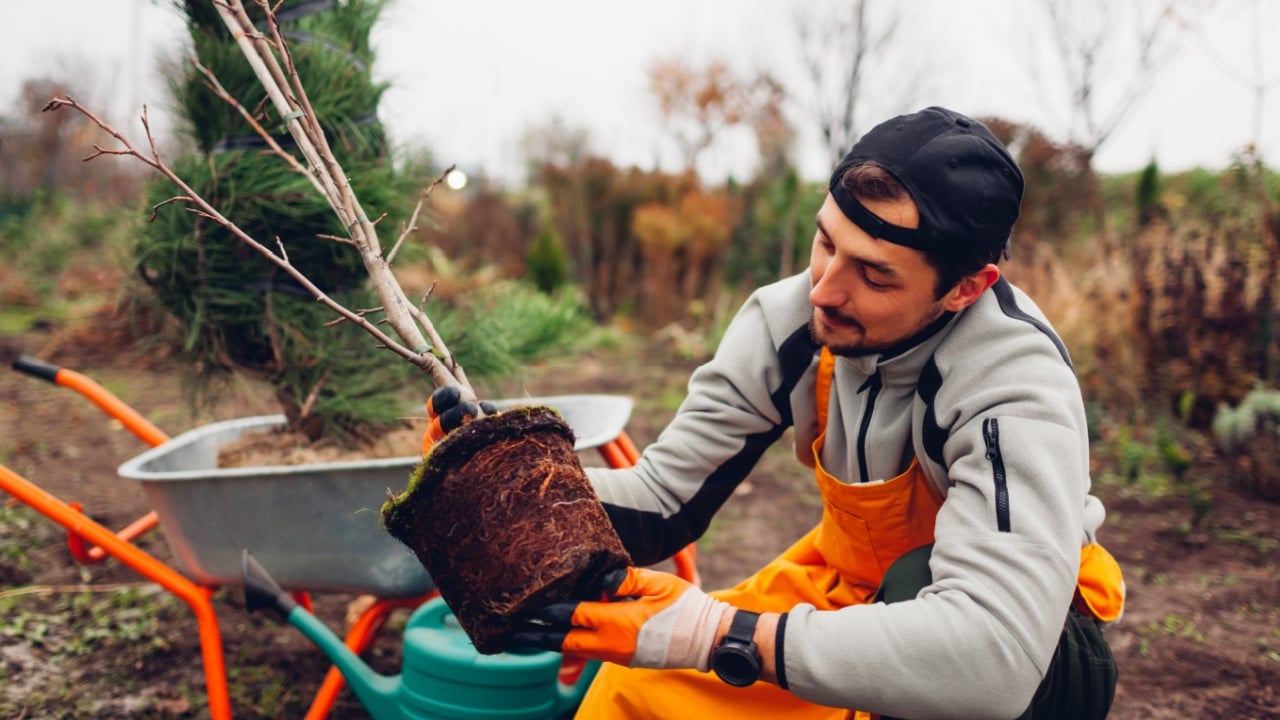
If you’ve ever bought a plant from a nursery, you might have noticed its roots are tightly coiled inside the pot. If you plant it like that, the roots will keep growing in a circle. Eventually, these “girdled” roots will wrap around the trunk’s base, cutting off nutrients and water. This leads to a sick-looking plant that never really thrives.
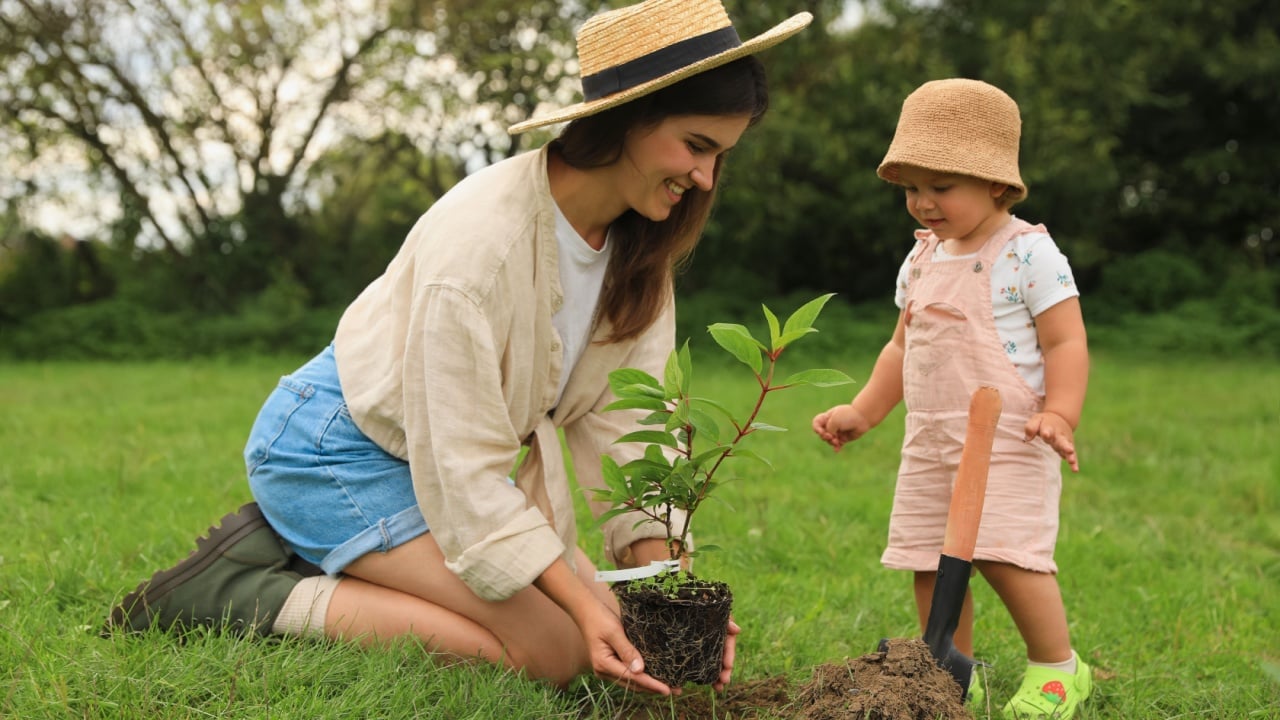
How to fix it: Before you buy a plant, take a peek at its roots. When you’re ready to plant, gently pull the outer roots outward with your fingers to stop them from growing in a circle. If you find any thick, woody roots that won’t budge, just snip them. This will encourage new roots to grow out into the soil.
5. Digging a Hole That is Too Narrow
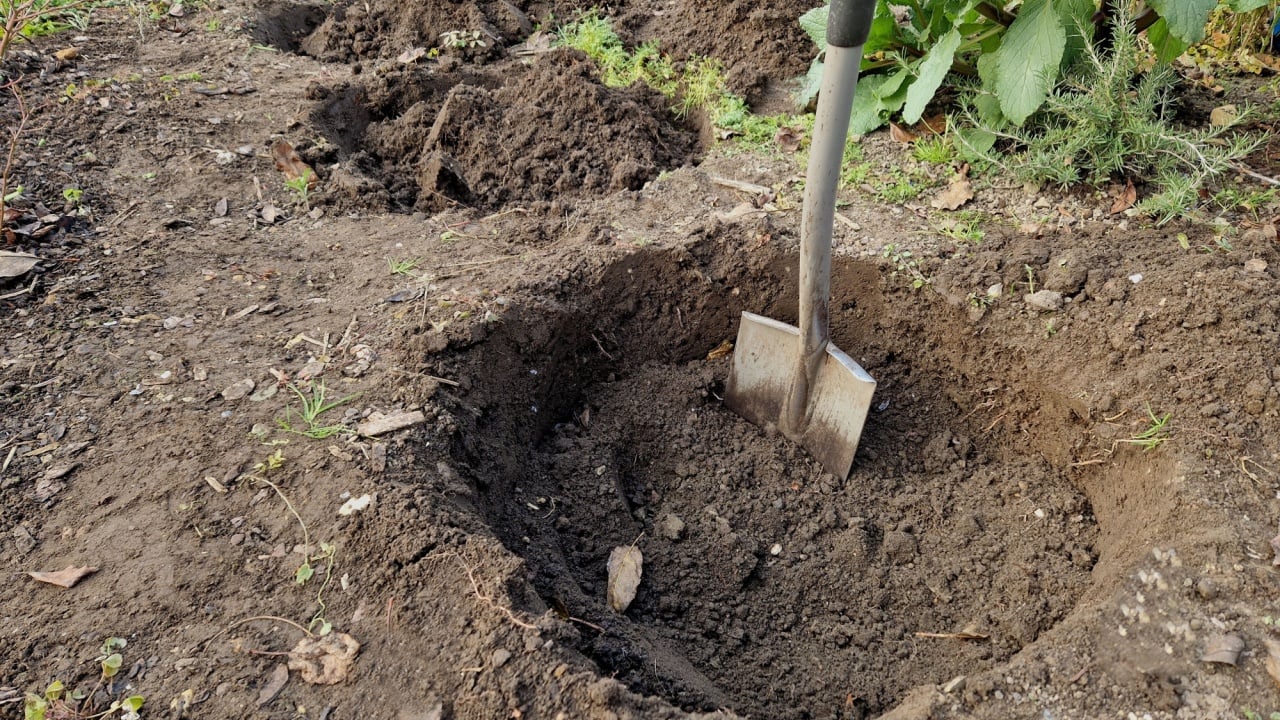
Roots need room to spread out and hold the tree firmly in the ground. If you stuff the root ball into a tight hole, the new roots will have to fight through hard-packed dirt. This makes it hard for them to get oxygen and settle in.
How to fix it: Dig a hole that’s at least twice as wide as the plant’s container. Loosening the surrounding dirt creates air pockets that bring oxygen to the roots. A wide, shallow hole is always better than a deep, narrow one.
6. Burying the Root Flare or Graft Point
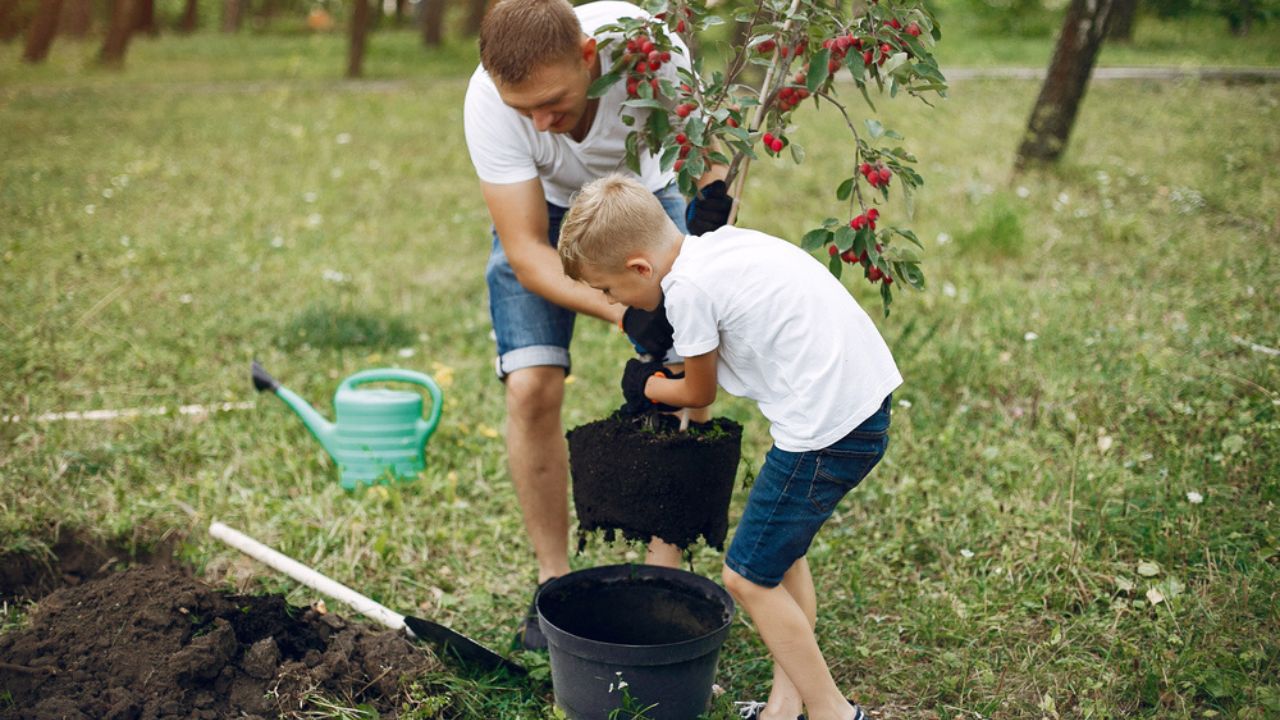
Planting a tree too deeply is one of the most common mistakes in landscaping. You know that spot where the trunk flares out into the roots? That’s the root flare, and it needs to stay above the ground so the bark doesn’t rot.
If you see a weird bump on the trunk (the graft point), burying that is also a no-go. It tells the tough root part of the tree to take over the part that’s supposed to grow fruit.
How to fix it: Find the root flare and make sure it sits a little higher than the ground around it. If you live somewhere dry, you can make a little bowl shape around the tree to help catch water, but keep the trunk itself high and dry. Never pile dirt right up against the bark; that’s just asking for fungus and will suffocate your tree.
7. Adding Rich Compost to the Planting Hole
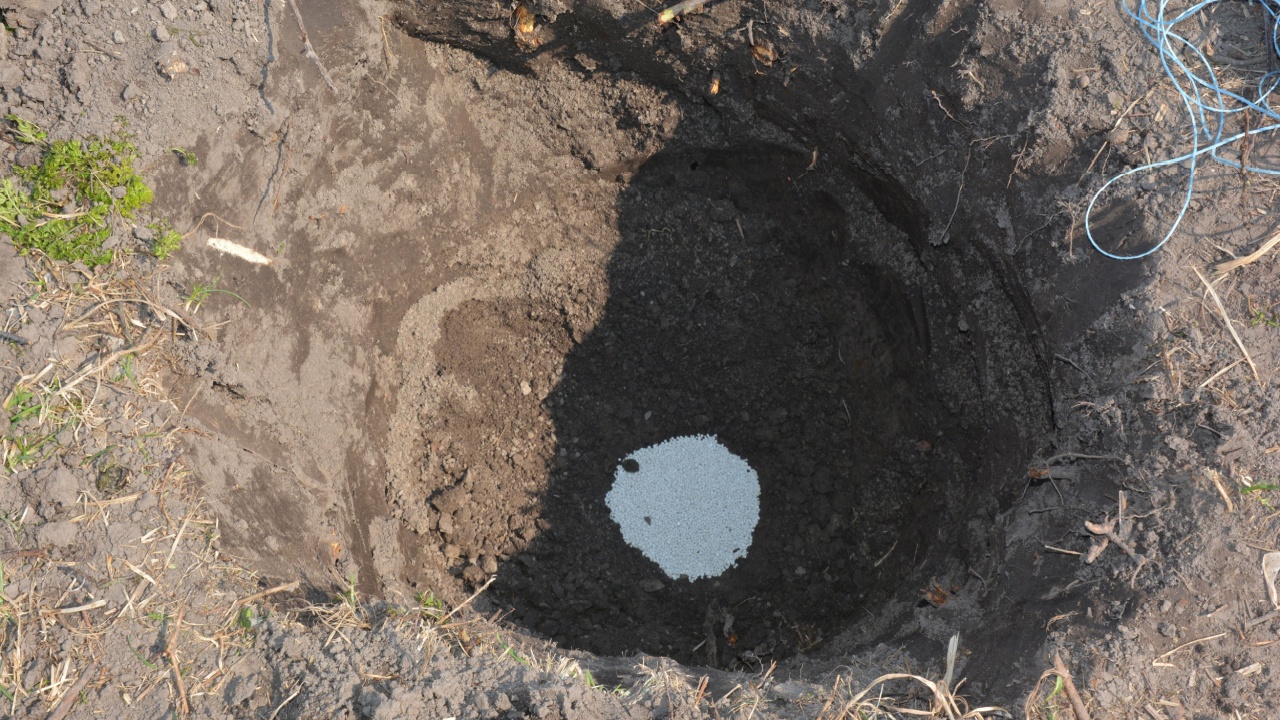
It might seem like a good idea to load the planting hole with rich compost or fertilizer, but it actually discourages roots from spreading. The roots will just hang out in that cozy, nutrient-rich spot instead of spreading out into the regular dirt. This creates a weak, wobbly tree that could easily fall over in a storm.
How to fix it: Just use the dirt you dug out of the hole to fill it back in. If your soil is really bad at draining, you can mix in a bit of sand. For an extra boost, sprinkle some mycorrhizal fungi powder on the roots. This will help the tree find its own food in the soil for years to come.
8. Suffocating the Base with Volcano Mulch
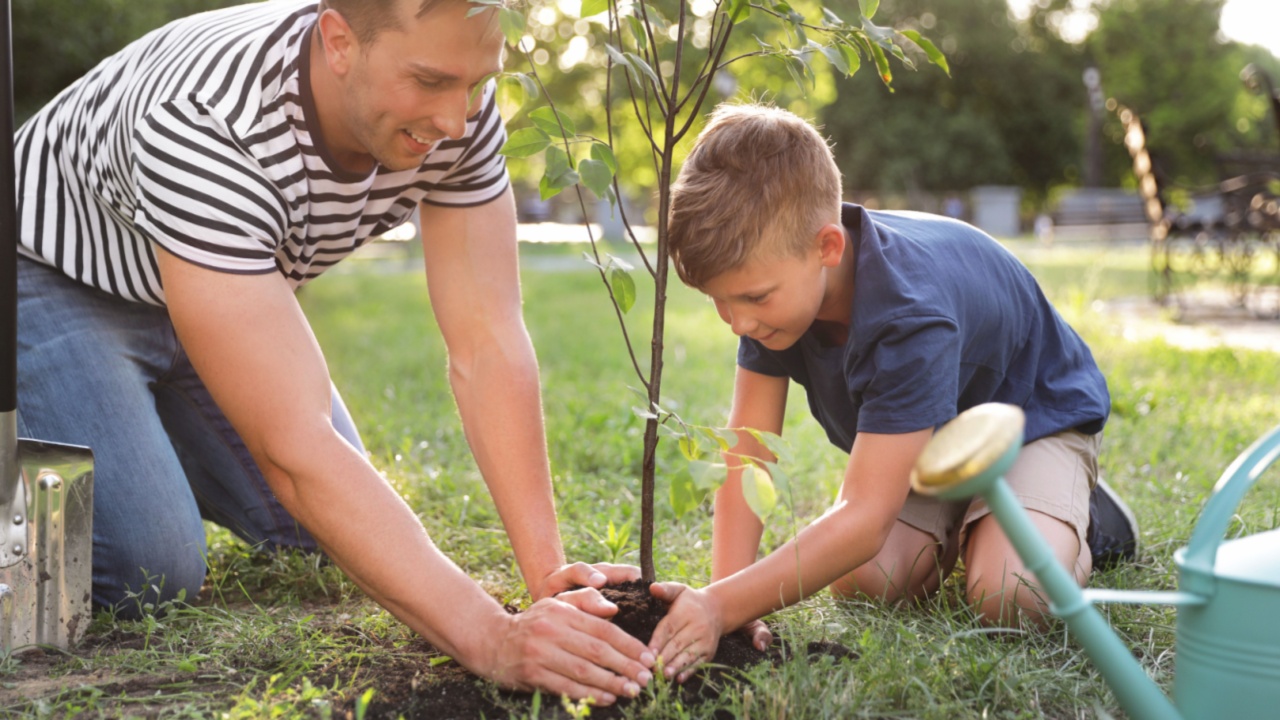
Mulch is great for holding in moisture and keeping weeds away. But piling it up against the trunk like a volcano is a big mistake. It traps moisture against the bark, which can cause serious rot. It also cuts off oxygen to the roots and gives rodents a perfect place to hide and chew on your tree.
How to fix it: Spread a three-inch layer of wood chips in a wide circle around the tree, out to where the branches end (the drip line). Make sure to keep the mulch at least six inches away from the trunk so it can breathe. A fresh layer each year will feed the soil without choking your plant.
9. Staking the Trunk Too Tightly
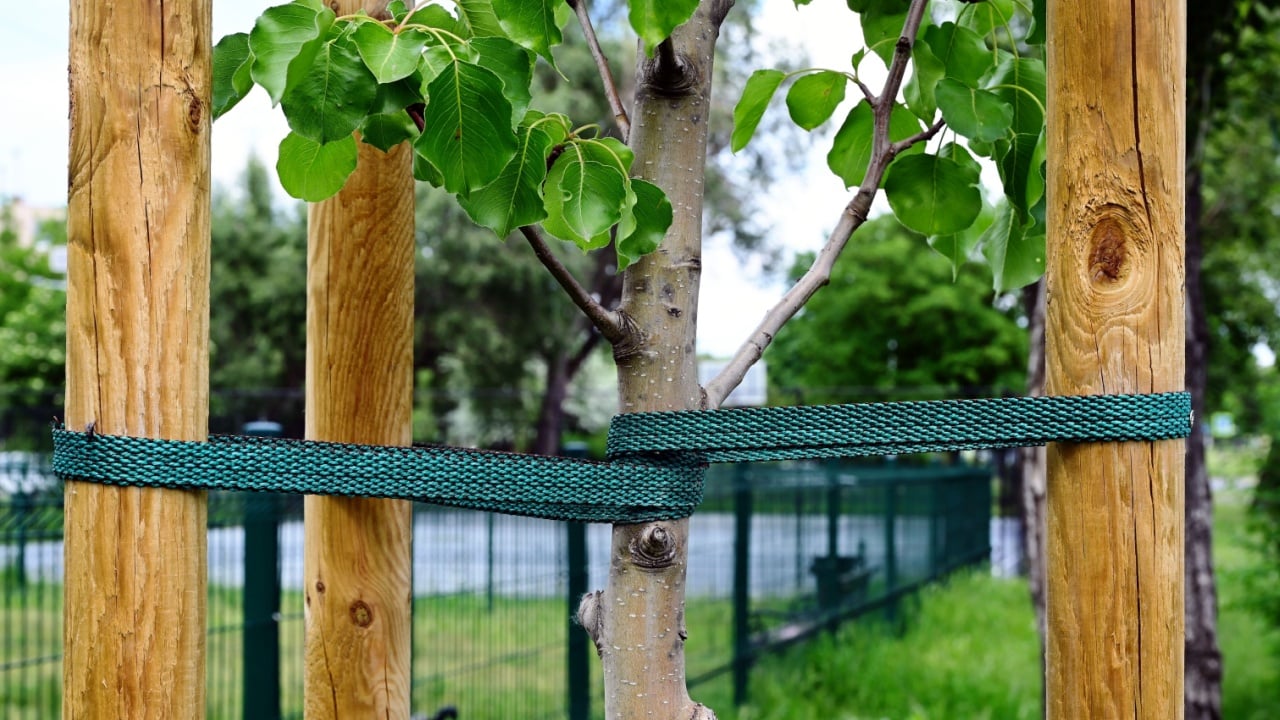
Tying a young tree up too tightly keeps it from building the trunk strength it needs to handle wind. Just like our muscles need exercise, trees need to sway a bit to grow strong. If you leave stakes and tight wires on for years, they’ll cut into the bark and cause permanent damage.
How to fix it: Only use stakes if you’re in a super windy spot or the tree is really top-heavy. Use flexible straps and leave them loose enough for the tree to move a few inches. Take all the supports off after the first year, once the roots have a good grip.
10. Mismanaging the Watering Schedule
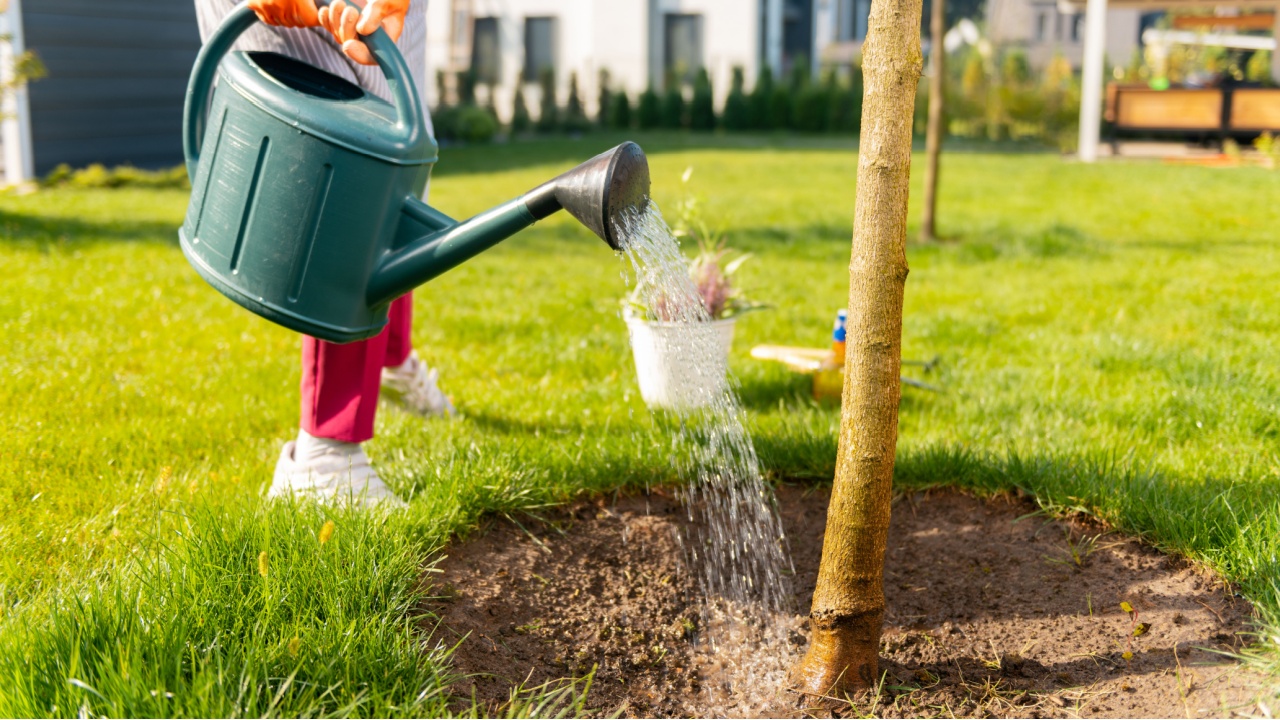
Watering is key to a new plant’s survival. Too little water, and the leaves will curl, wilt, and fall off. Too much water, and you’ll drown the roots, cutting off their oxygen supply and causing them to rot.
How to fix it: Before you water, stick your fingers a few inches into the dirt under the mulch. It should feel cool and a little damp, but not muddy or dry. Give the tree a long, deep soak once or twice a week for the first year. This encourages the roots to grow down deep into the ground.
11. Neglecting Post-Planting Care
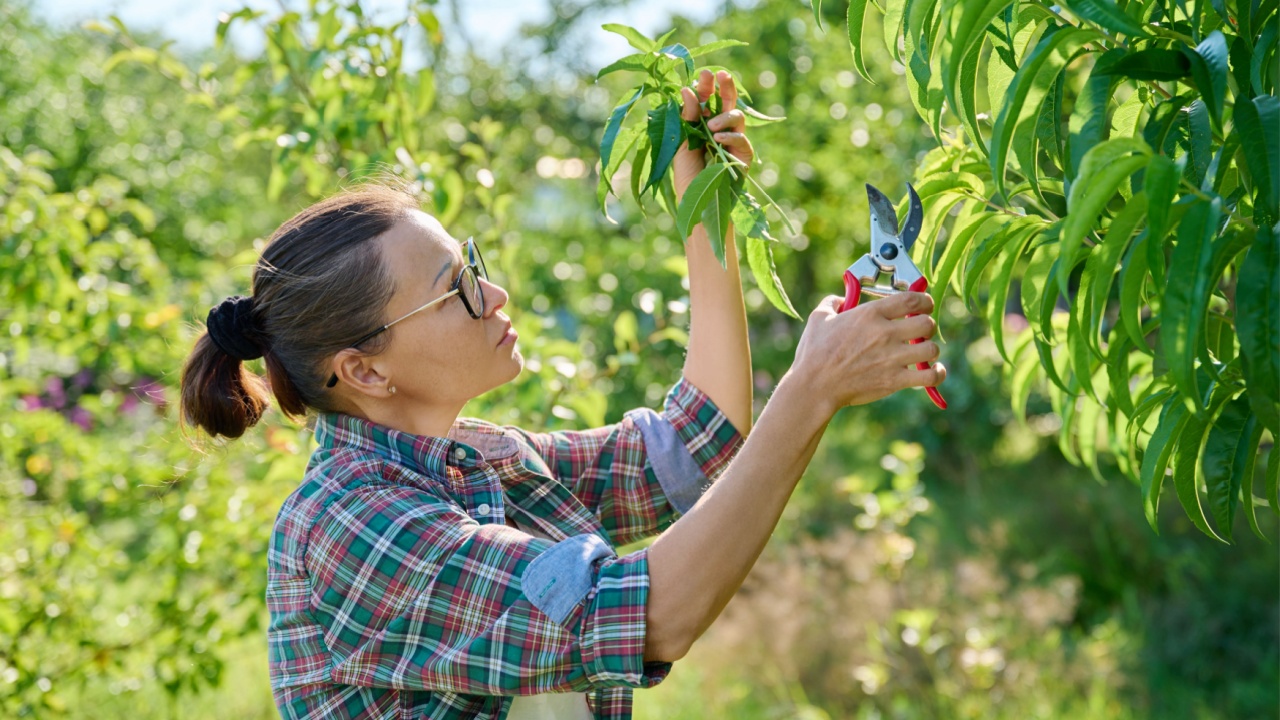
You can’t just plant a tree and walk away. Pests, diseases, and broken branches need to be dealt with quickly before they become big problems. A newly planted tree is stressed from the move and needs a little extra TLC.
How to fix it: Check the leaves and bark every week for any weird spots or bugs. Learn how to prune your specific type of tree to help it grow into a strong shape. And give it some extra water during heatwaves or dry spells.
12. Leaving Wire Baskets and Tags Attached
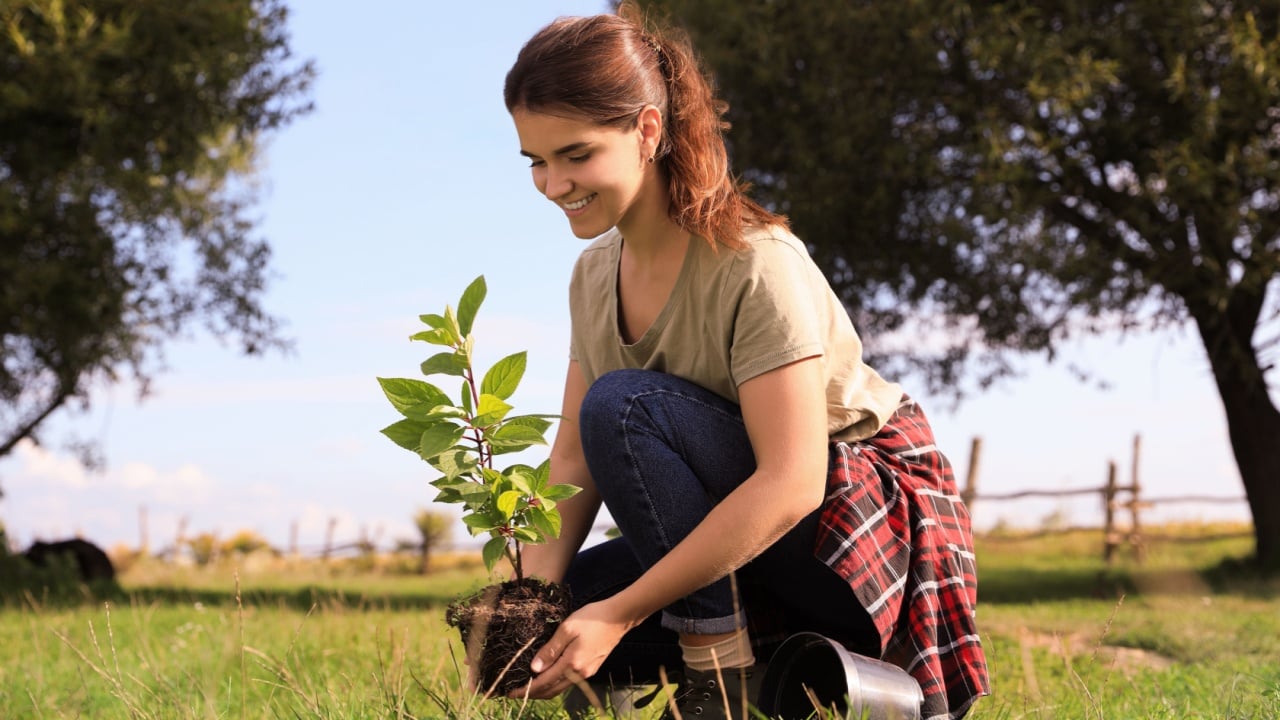
Those nursery tags, strings, and wire baskets can strangle your tree as it grows. The trunk and branches will grow around them, cutting off the flow of water and nutrients. This creates weak spots that can easily snap in the wind or under heavy snow.
How to fix it: As soon as you plant the tree, take off all tags, strings, and plastic ribbons. Cut away as much of the wire basket and burlap as you can without breaking up the root ball. Getting rid of these now will prevent major damage later.
13. Ignoring Underlying Drainage Issues
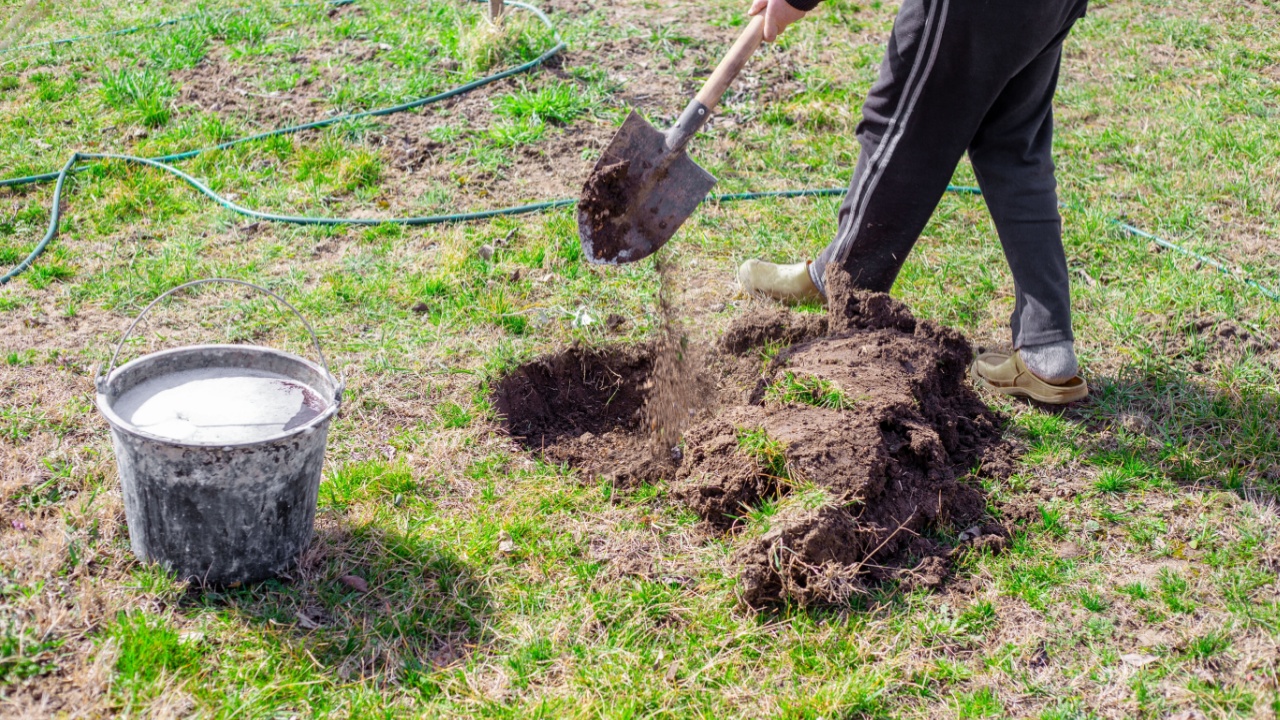
If you plant a tree that hates wet feet in a spot that turns into a puddle, you’re setting it up for failure. Roots sitting in water will drown, turn black, and rot in just a few weeks. The tree will quickly drop yellow leaves and die, no matter what you do.
How to fix it: Do a simple drain test. Dig a hole, fill it with water, and see how long it takes to disappear. If the water is still there a day later, you either need to pick a tree that likes swampy spots or build up a raised mound of soil to plant in.
14. Pruning Heavily at Installation
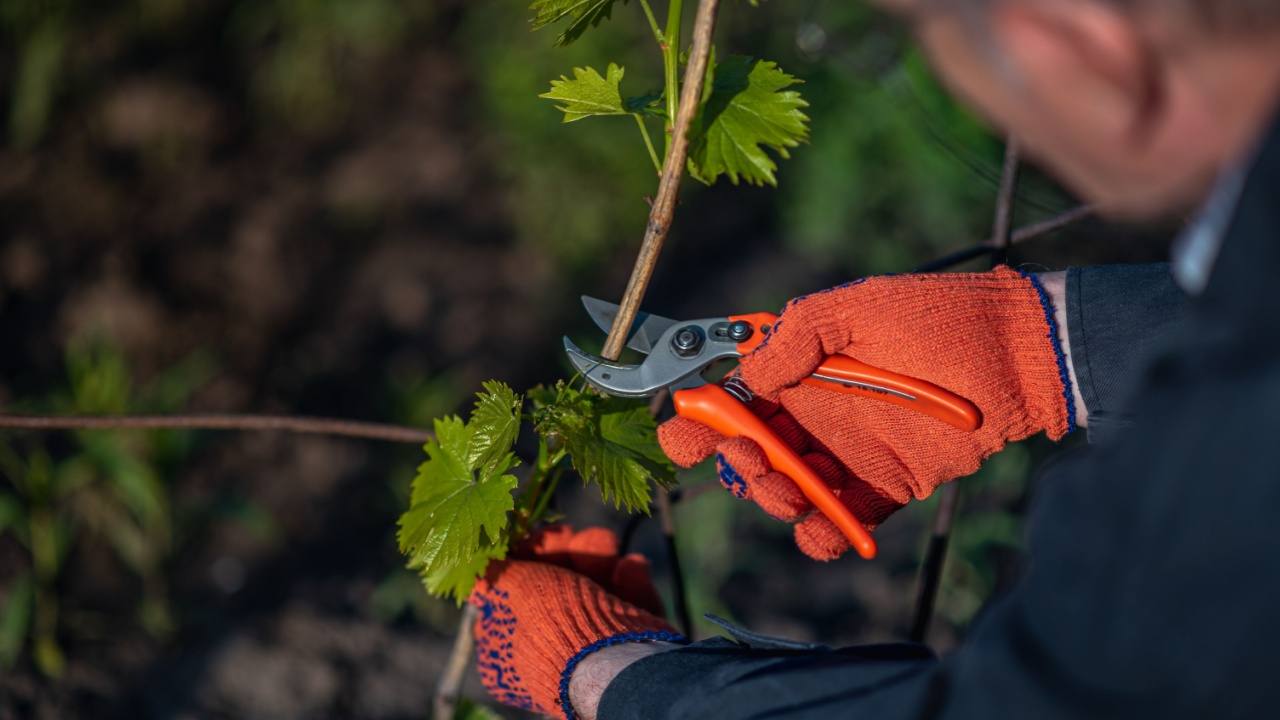
Chopping off a bunch of branches right after planting is a bad move. The tree needs its leaves to make energy through photosynthesis, which helps it grow new roots and recover from being moved. If you prune it, the tree has to use its energy to heal cuts instead of getting established.
How to fix it: For the first year, only cut off branches that are broken, dead, or diseased. Leave the healthy leaves alone so the tree can soak up the sun and grow strong roots. You can start shaping it after it’s had a full year of healthy growth.
Plan Your Planting and Plant Your Plan
Reviewing your property layout and choosing appropriate species will set your landscaping efforts up for massive success. Researching regional plants and digging wide holes takes a bit of extra effort upfront, yielding beautiful results that last for generations. Grab a shovel, follow these guidelines, and order your next favorite sapling today to transform your outdoor space.
Read More: