14 American Cities with the Highest Homeless Populations
When it comes to homelessness in the U.S., it’s often the largest cities that grab the headlines. But digging into the numbers reveals that it’s not just New York or Los Angeles struggling with this issue. Cities across the country are grappling with growing homeless populations. As housing costs soar and wages struggle to keep pace, more and more people are finding themselves priced out of their homes.
For some cities, the problem has grown exponentially in just a few years. Homelessness isn’t just a matter of job loss or poor choices—it’s deeply tied to rising rent, mental health issues, and the cost of living. The U.S. Department of Housing and Urban Development (HUD) keeps track of these numbers, and the results show that no city is immune. From booming tech hubs to sun-drenched tourist destinations, homelessness is a widespread issue that’s getting harder to ignore.
We’re outlining the 14 U.S. cities with the highest homeless populations (according to 2023 data). Each faces its own unique challenges, but they all share a common thread: more people than ever are struggling to find stable housing, and the crisis continues to grow.
1. New York, New York

New York City tops the list with a staggering 88,000 people experiencing homelessness. Despite its size and resources, the city has seen a 13% increase in homelessness between 2020 and 2023. With an estimated rate of 10.6 per 1,000 residents, many are finding themselves priced out of the city’s notoriously expensive housing market, where rents for a one-bedroom can easily hit $3,000 or more per month.
The city’s shelters are often full, and for those without a safety net, the streets become the only option. New York’s high cost of living and economic inequality make it hard to reverse this trend, leaving more families and individuals struggling to make ends meet.
2. Los Angeles, California

Los Angeles has the second-highest homeless population in the U.S., with over 71,000 people living without stable housing. The city has seen a 12% increase in recent years, with a homelessness rate of 18.7 per 1,000 people. Much of this is driven by LA’s sky-high rent prices, which average over $2,400 per month for a one-bedroom apartment.
Encampments line the streets in some neighborhoods, a stark contrast to the city’s glitz and glamour. Los Angeles has been working to build more shelters and provide services, but the problem continues to outpace their efforts.
3. Seattle, Washington

Seattle’s booming tech industry has helped drive the city’s homeless population to over 14,000, with a growth rate of 20% since 2020. The homelessness rate is a shocking 18.9 per 1,000 people, fueled by housing prices that are out of reach for many. The monthly average rent for a one-bedroom apartment in Seattle is now around $2,300, making it tough for even those with steady jobs to stay housed.
Many of Seattle’s homeless population often find themselves in difficult housing situations due to a mix of mental health issues and a lack of affordable housing options. The city is struggling to keep up with demand for affordable housing, leaving many without a place to call home.
4. San Diego, California

San Diego’s homeless population has risen by 34% in recent years, with more than 10,000 people living on the streets or in shelters. With a homelessness rate of 7.4 per 1,000, the city’s warm weather may draw people to its streets, but its average rent, around $2,400 for a one-bedroom, makes finding affordable housing nearly impossible.
The city is expanding its shelters and services, but the homeless population continues to grow faster than San Diego can provide solutions. The contrast between the beautiful beaches and the increasing homeless population highlights the severity of the crisis.
5. Denver, Colorado

Denver has seen a 65% spike in homelessness since 2020, with over 10,000 people now without stable housing. The Mile High City’s homelessness rate is 14.1 per 1,000 residents, driven by skyrocketing home prices that now average over $600,000. The rising cost of living is outpacing wages significantly, leaving many Denver residents struggling to find affordable housing.
Encampments are becoming more common in downtown Denver, and while the city has made efforts to increase shelters and services, the demand far exceeds available resources. The rapid rise in homelessness has made it clear that more aggressive action is needed.
6. San Jose, California

San Jose’s nearly 10,000 homeless residents reflect the challenges of living in Silicon Valley. Despite only a 3% increase in the homeless population since 2020, the city’s homelessness rate is 10.2 per 1,000 people. The tech industry’s success has driven housing prices through the roof, with the median home price now over $1 million and rent for a one-bedroom apartment hovering around $3,000.
The growing gap between wealthy tech workers and those in lower-paying service jobs means more people are being pushed out of the housing market. San Jose has been working on affordable housing initiatives, but the tech boom makes balancing growth and affordability difficult.
7. Oakland, California

With nearly 10,000 homeless individuals, Oakland has one of the highest homelessness rates in the country at 22.7 per 1,000 residents. The city’s homeless population has grown by 20% in just three years, largely driven by the Bay Area market’s lack of affordable housing. Many residents who can’t afford San Francisco rents have moved to Oakland, which is itself becoming increasingly expensive.
Oakland has expanded its homeless services, but the growing crisis continues to strain the city’s resources. Evidence of increased homelessness across the city has become difficult to ignore, but the housing crisis leaves many with few alternatives.
8. Phoenix, Arizona

Phoenix’s homeless population has grown by 30% since 2020, with over 9,600 people now without homes. The city’s homelessness rate is 5.9 per 1,000 residents. Rising housing costs and a growing population have made it difficult for many Phoenix residents to keep up with rent, which averages around $1,400 monthly for a one-bedroom apartment.
The desert heat makes life on the streets particularly challenging, especially during Phoenix’s scorching summer months. Despite efforts to increase affordable housing, the city continues to see its homeless population grow.
9. Sacramento, California

Sacramento has experienced an eye-watering increase of 68% in homelessness since 2020, with more than 9,200 people currently without homes. The city’s homelessness rate is 17.6 per 1,000 residents. Sacramento’s rising housing costs, driven by the state’s broader affordability crisis, have left many low-income residents without stable housing.
The city is struggling to expand shelters and provide resources for those in need. Sacramento’s homeless crisis reflects the broader housing affordability and rising cost of living issues seen throughout California.
10. San Francisco, California

San Francisco has seen a slight 7% decrease in its homeless population since 2020, but over 7,500 people still live without stable housing. The city’s homelessness rate is 9.4 per 1,000 residents. With the average monthly rent for a one-bedroom apartment exceeding $2,800, many low-income residents are simply priced out of reasonable housing.
Despite efforts to provide more shelters and other assistive services, the high cost of living and limited affordable housing options make it difficult to make significant progress in reducing homelessness.
11. Las Vegas, Nevada
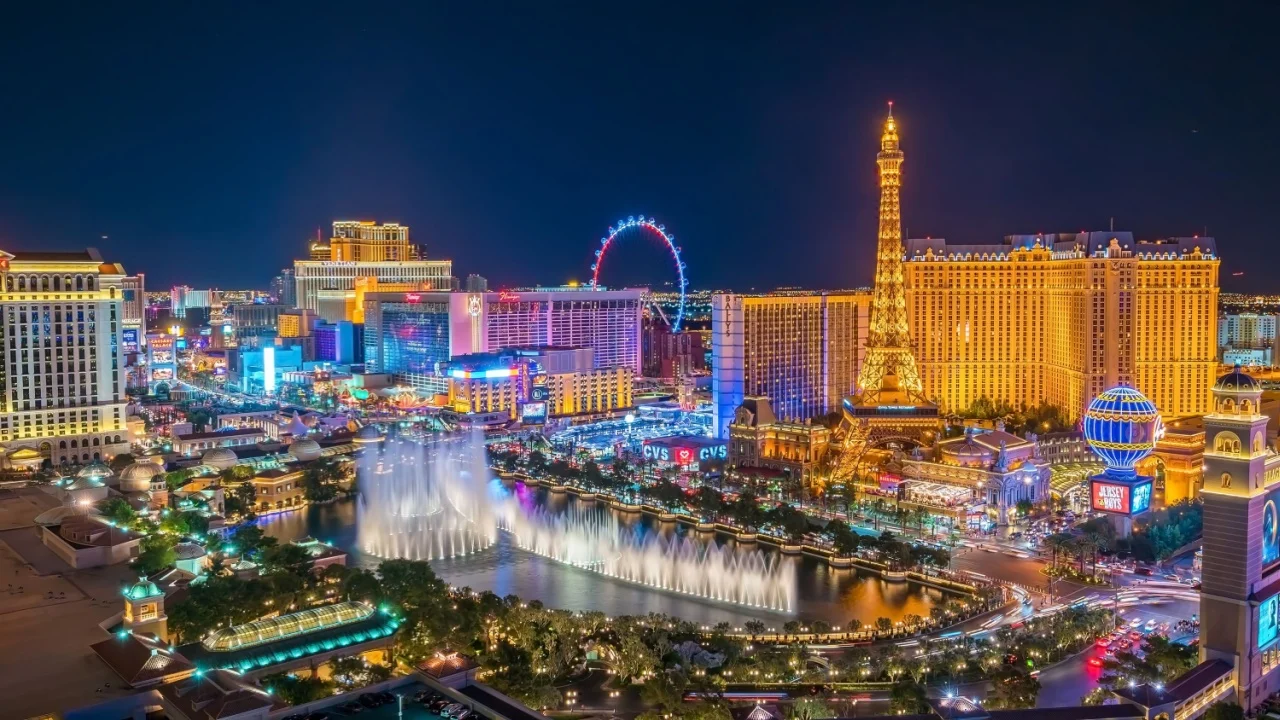
Las Vegas is home to over 6,500 homeless residents, with a homelessness rate of 10 per 1,000 people. The city has seen a 24% increase in its homeless population since 2020. While the tourism industry drives the economy, many workers in low-paying jobs struggle to afford housing in the city.
Many homeless people utilize the underground tunnels to shelter from the extreme desert heat. This reduced visibility of the homeless population can present unique challenges for the city as it works to address the crisis.
12. Portland, Oregon

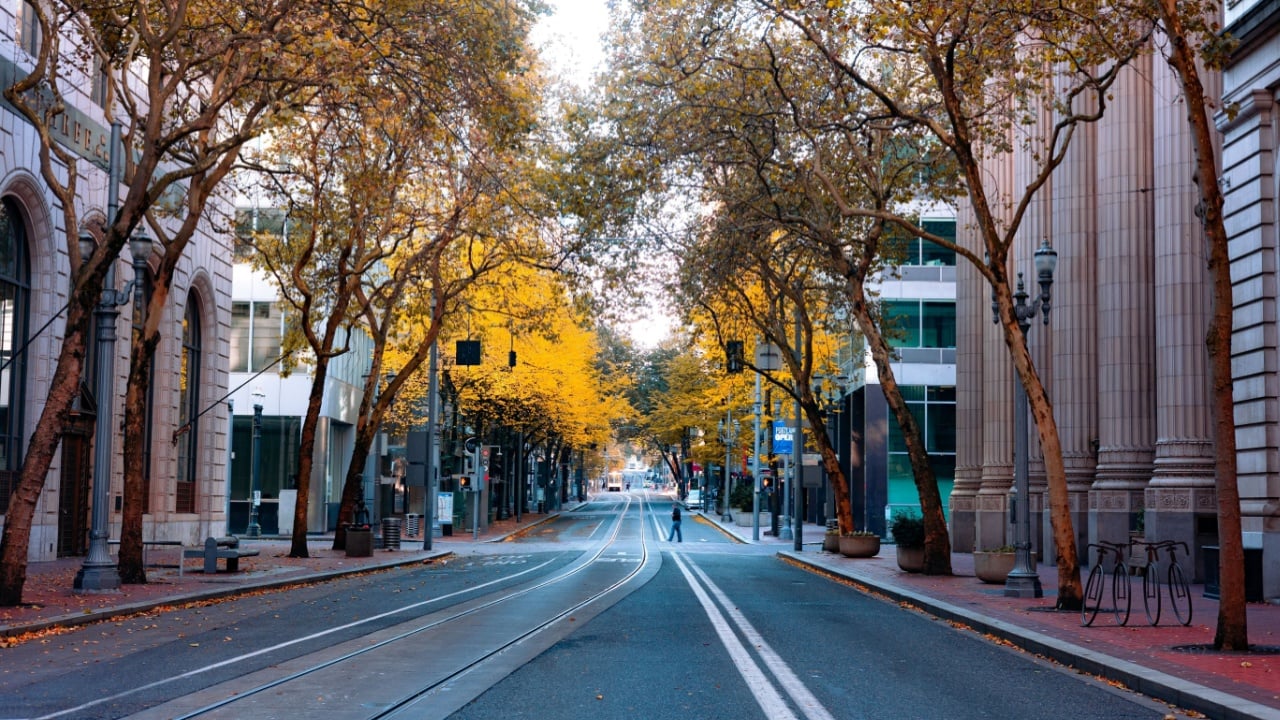
Portland’s homeless population has grown by a staggering 51% since 2020, with over 6,200 people now without stable housing. The city’s homelessness rate is 9.9 per 1,000 residents. Rising housing costs and a lack of affordable rentals have contributed to the crisis, with tent encampments becoming more common throughout the city.
While Portland has made efforts to provide more shelters and services, the city’s resources have struggled to keep pace with the growing demand. The visibility of homelessness in Portland, in areas where services are provided, has sparked debates about the best ways to address the issue.
13. Chicago, Illinois

Chicago is home to just over 6,100 homeless individuals, with a homelessness rate of 2.3 per 1,000 people. The city has seen a 14% increase in homelessness since 2020. The harsh winters in Chicago make life on the streets particularly difficult, and many residents seek shelter anywhere they can during the colder months.
While the city has expanded its shelter system, rising rent prices and a lack of affordable housing continue to push more residents into homelessness. It’s a vicious cycle that still needs to be addressed.
14. Boston, Massachusetts
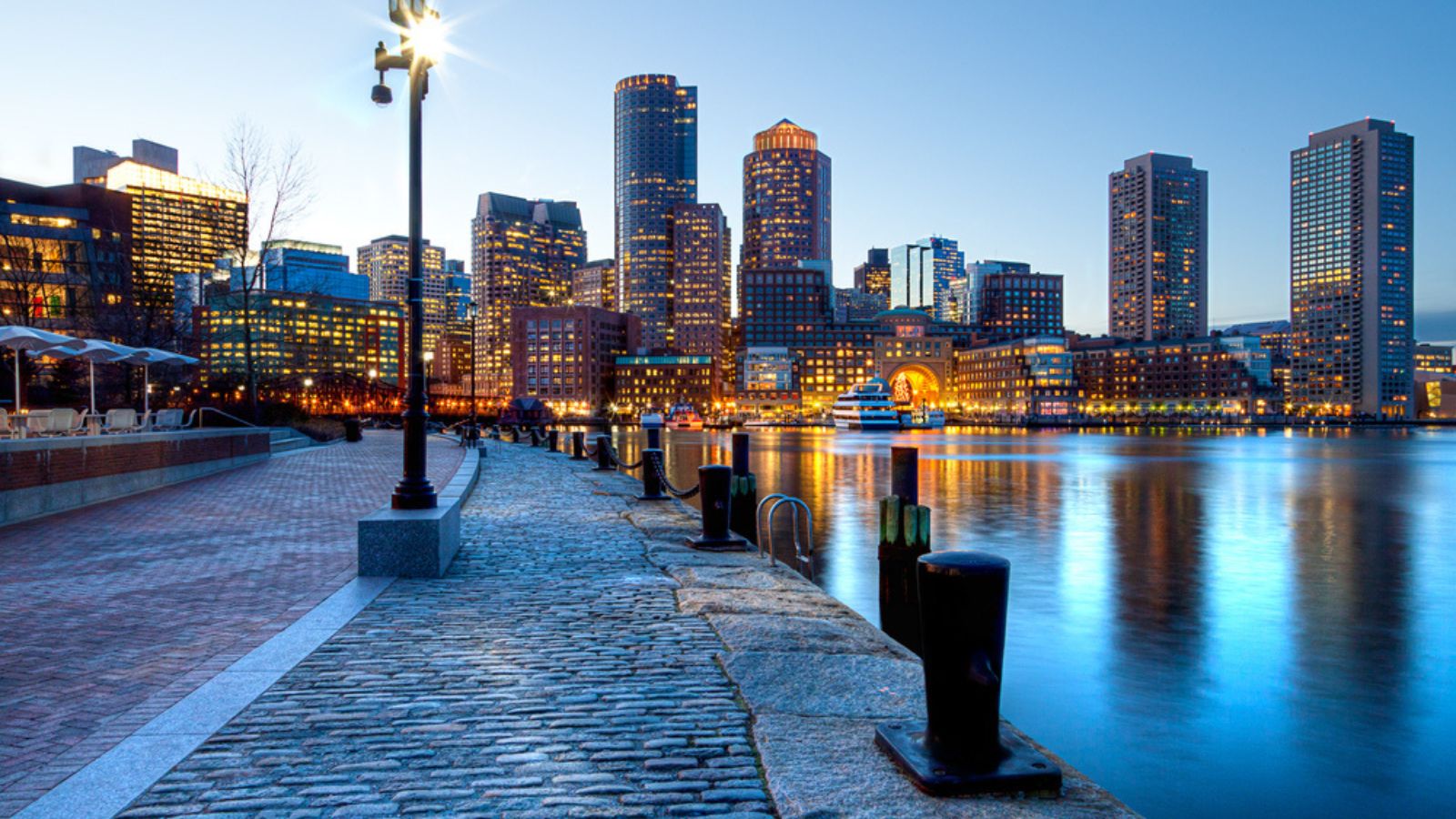
Boston has made progress in reducing homelessness, with a 15% decrease since 2020. However, the city still has over 5,200 homeless residents, and the homelessness rate is 8 per 1,000 people. Boston’s high cost of living, driven by its universities and booming economy, makes it difficult for low-income residents to afford housing.
The city has focused on expanding shelter services and providing more affordable housing, but the ongoing housing shortage continues to be a significant challenge.
Read more:
Just Two U.S. Cities Are Affordable to Local Homebuyers, Study Finds
6 Affordable U.S. Cities (And What You Need to Make to Live There)