13 Thrift Store Garden Finds That Look Like They Cost a Fortune (And Cost Almost Nothing)
Most gardeners walk right past the best garden décor they’ll ever own. It’s sitting on a thrift store shelf right now, mislabeled as kitchen surplus or old camping equipment, waiting for someone with a little imagination to take it home.
Summer is in full swing, and so is the annual temptation to blow your budget at the garden center on trellises, planters, and yard art marked up for peak season. But the gardeners whose outdoor spaces look most layered and intentional, those whose gardens feel genuinely collected, aren’t necessarily the ones with the biggest budgets. They’re the ones who know what to look for at the thrift store in August, when shelves are stocked with the season’s second big wave of donations, garage-cleanout castoffs, moving purges, and the leftovers from other people’s outdoor projects that never got finished.
August also has an advantage March doesn’t: you can see exactly how a piece will perform outside before you buy it. A metal basket or ceramic bowl that looked promising in a dim thrift store aisle either handles a hot afternoon in direct sun or it doesn’t, and heat has a way of exposing cracks, weak glazes, and warped wood that cooler months hide. Buying in summer means you’re testing durability in real conditions, not hoping it holds up once the weather turns.
Why Thrift Stores Are Secretly the Best Garden Shops in Town
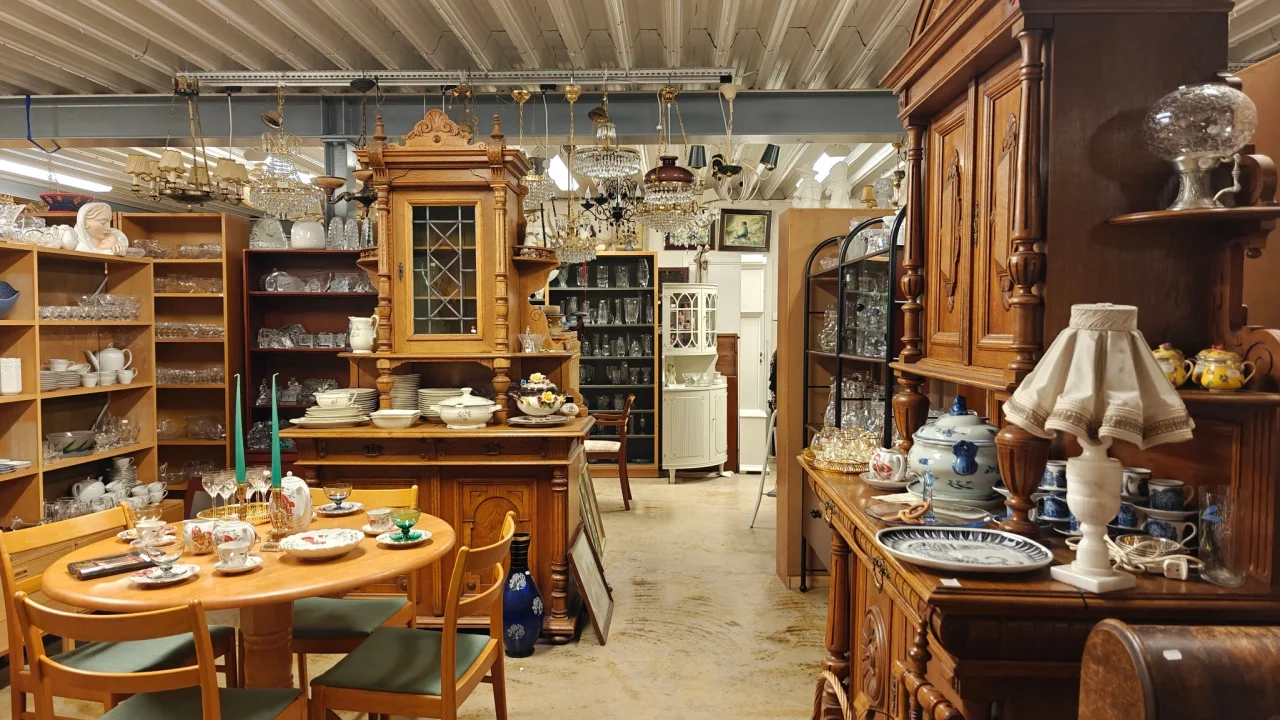
There’s something a garden center simply cannot manufacture: the feeling that a space has been gathered over years, that each piece has a small history. A $4 galvanized pail with a dent in its side carries more visual weight than a $35 glazed planter fresh from a retail shelf. Patina, character, and imperfection are what make a garden feel lived in rather than installed.
August is a strong month to thrift for the garden. Donations pick up as people tackle summer decluttering, garage cleanouts, and moving-season purges, which means thrift store shelves are unusually well stocked right now. Beginning-of-the-week visits are ideal because weekend donations make it onto shelves by Monday morning.
And honestly, older garden tools often outperform the ones on sale at big-box stores. Vintage hand tools were built to be repaired and to last decades; many modern equivalents are built to be replaced. A secondhand shovel with a solid hickory handle will still be working long after its lightweight aluminum counterpart has bent or split.
These 13 thrift store garden finds are worth grabbing every time.
1. Hand Tools
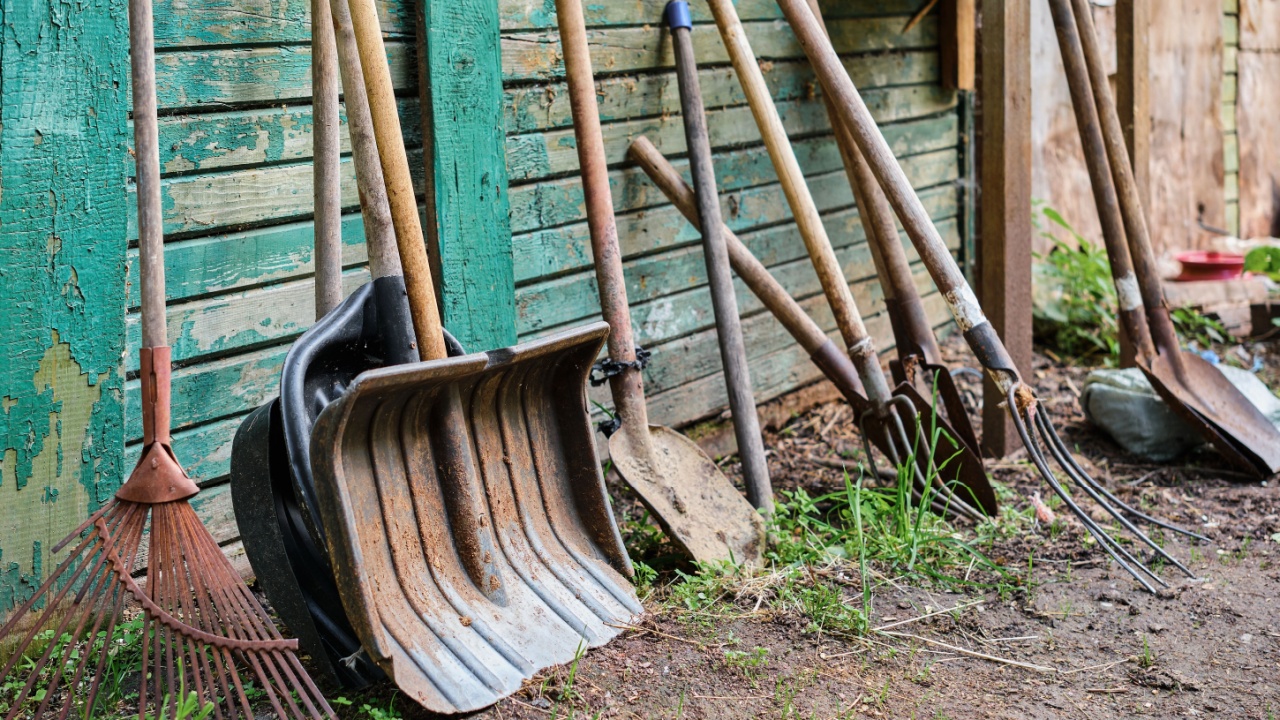
Shovels, hoes, trowels, and rakes are among the most reliable thrift finds you’ll come across. Surface rust cleans off easily with steel wool or a vinegar soak and has no effect on function. Check that handles are solid and not splintering, and avoid deeply pitted metal. For pruners, test the blade alignment before buying. Old hand tools are almost always worth the few dollars they cost.
2. Galvanized Metal Pails and Buckets
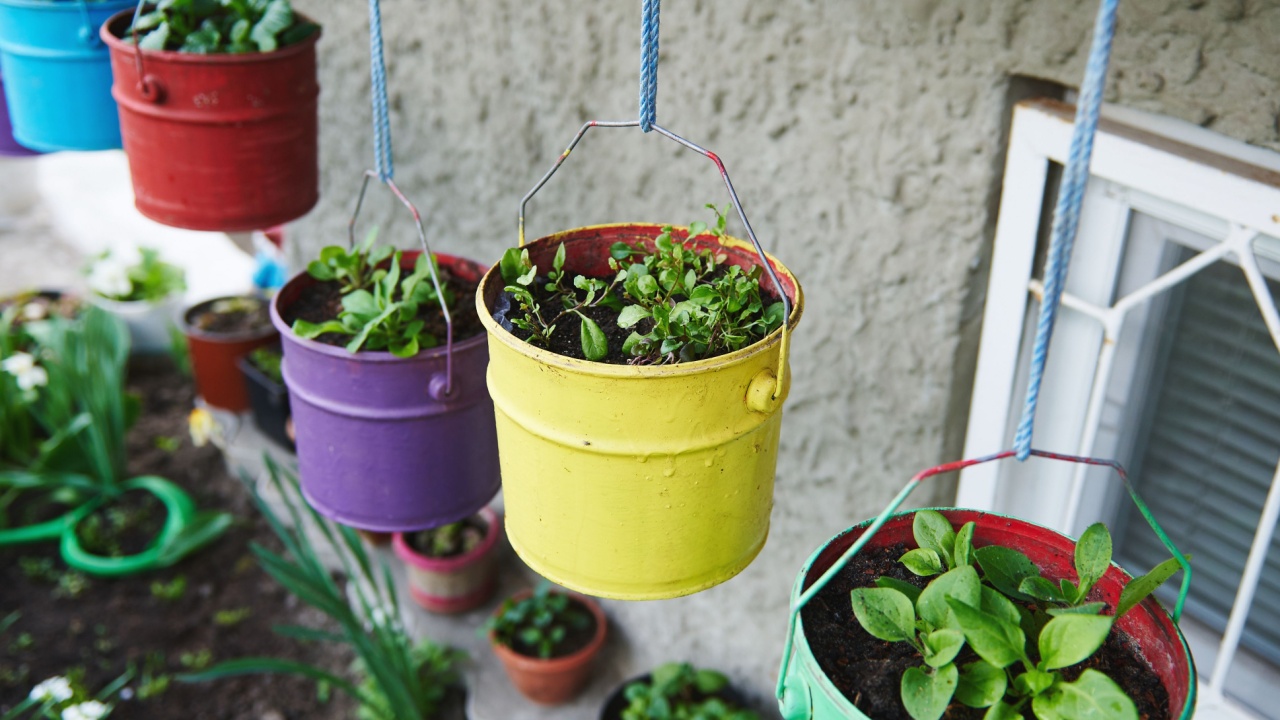
Galvanized metal is one of the most beloved materials in the garden thrifting world, and for good reason. It ages beautifully, holds up outdoors through all seasons, and looks at home in everything from a cottage garden to a modern farmhouse bed. Find them in any size and use them for planting, storing tools, or cutting garden arrangements.
3. Large Ceramic Planters
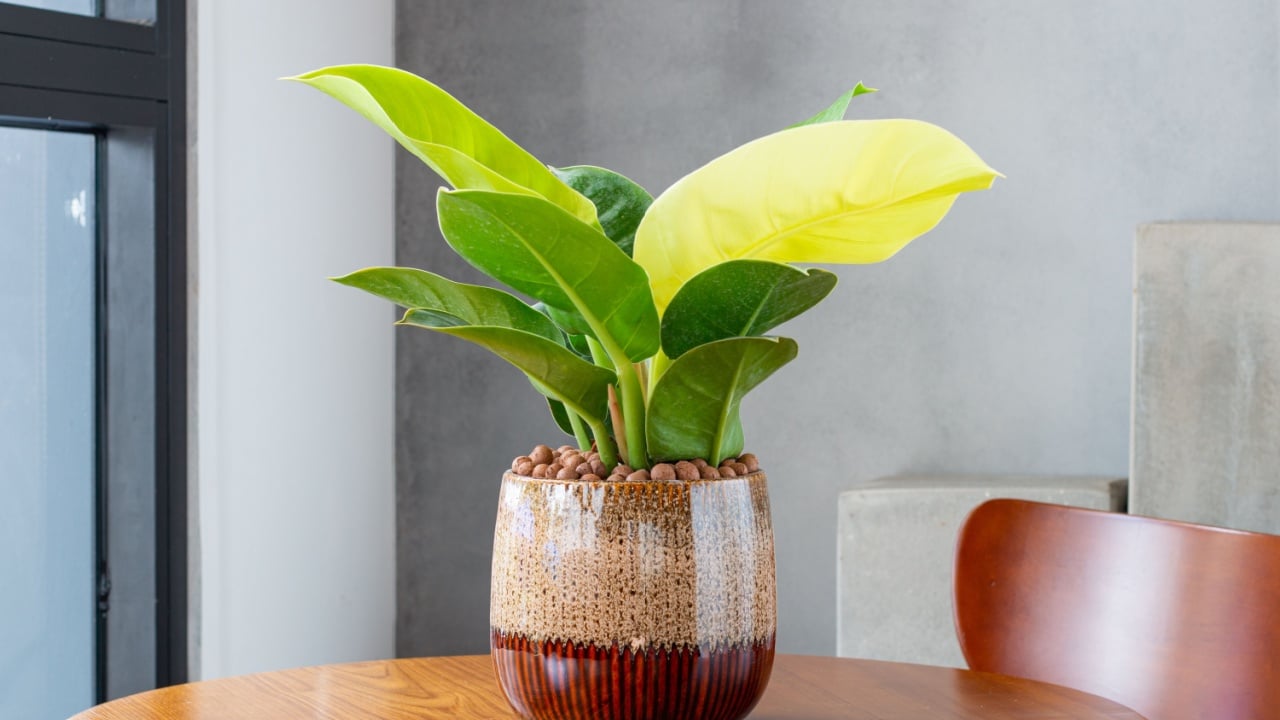
This is where the real savings live. A large ceramic planter can run $80 to $200 new. Thrift stores regularly stock the same quality pieces for $5 to $15. Look for ceramic or stoneware without cracks; a single frost cycle will split a cracked pot wide open. If the piece is beautiful but cracked, use it as a cache pot with a plastic liner inside.
4. Vintage Watering Cans

Copper, zinc, and galvanized watering cans develop a patina over time that makes them look like heirlooms. Before buying, check that the spout isn’t clogged, the seams aren’t leaking, and the handle feels secure. A $6 thrift store watering can will outlast most new versions and look far better doing it.
5. Wooden Ladders
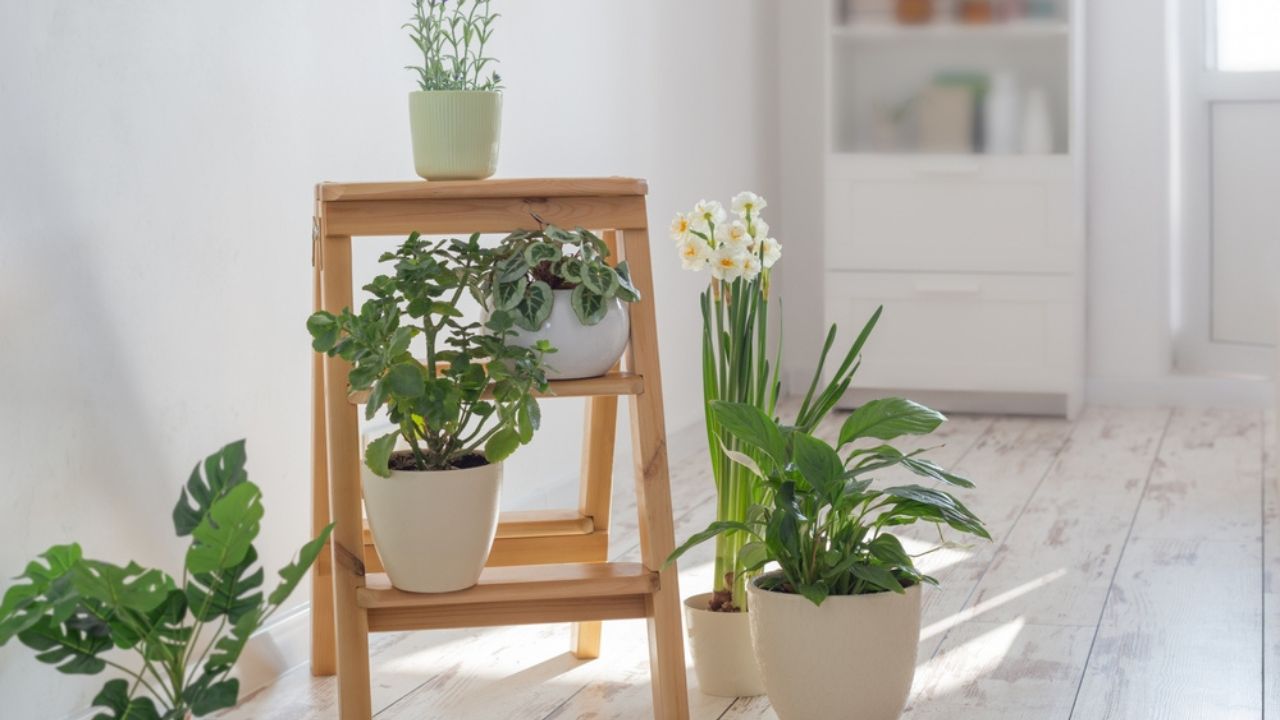
A secondhand wooden ladder leaning against a fence or wall instantly becomes a vertical garden structure. Use the rungs to display potted plants at different heights, hang birdhouses, or encourage climbing vines. It’s one of those finds that adds scale and dimension to a garden without taking up a single inch of planting space.
6. Kitchen Colanders

This is the find most gardeners walk past without a second look, and it’s one of the best in the store. Colanders already have built-in drainage, which means no drilling, no lining, just fill with soil and plant. They look especially charming planted up with trailing herbs or strawberries. Grab every one you see.
7. Wooden Shutters
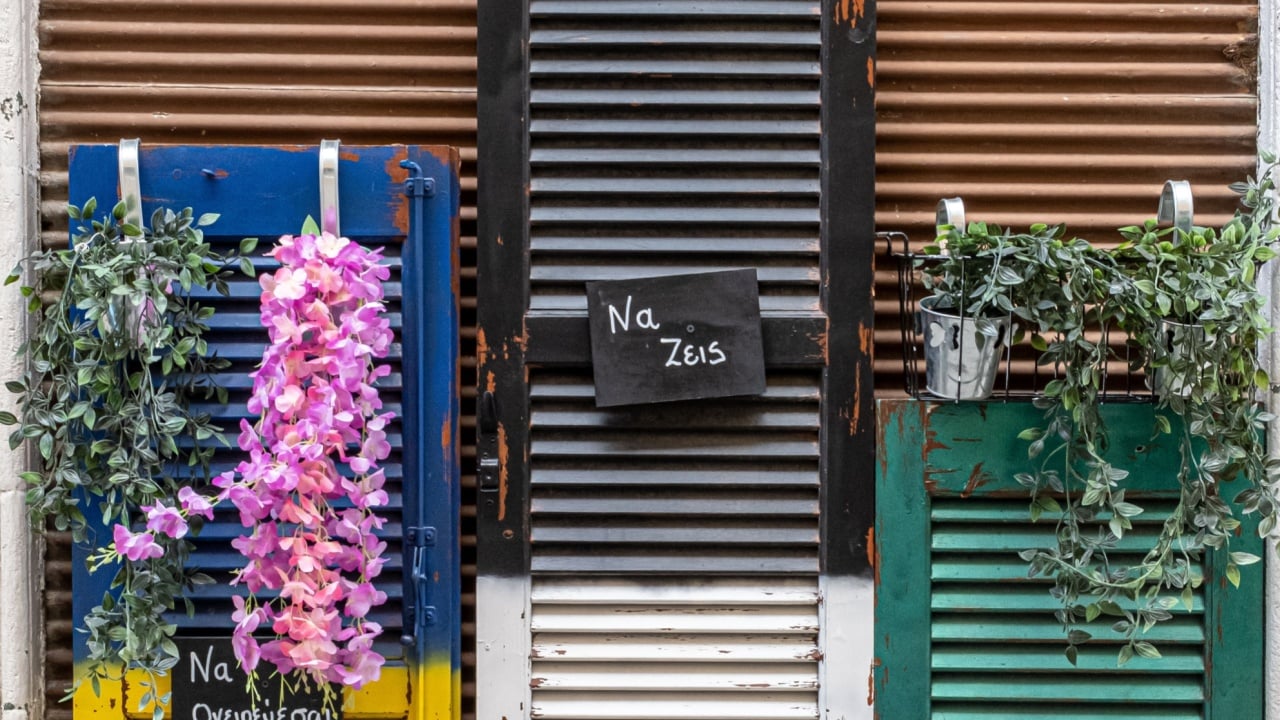
Old shutters function as instant garden architecture. Lean one against a wall as a dramatic planting backdrop, hang metal wall buckets from the slats, or use one as a frame for a vertical herb display. The weathered paint finishes that make shutters worthless inside the house are exactly what make them beautiful outside.
8. Old Chairs and Benches

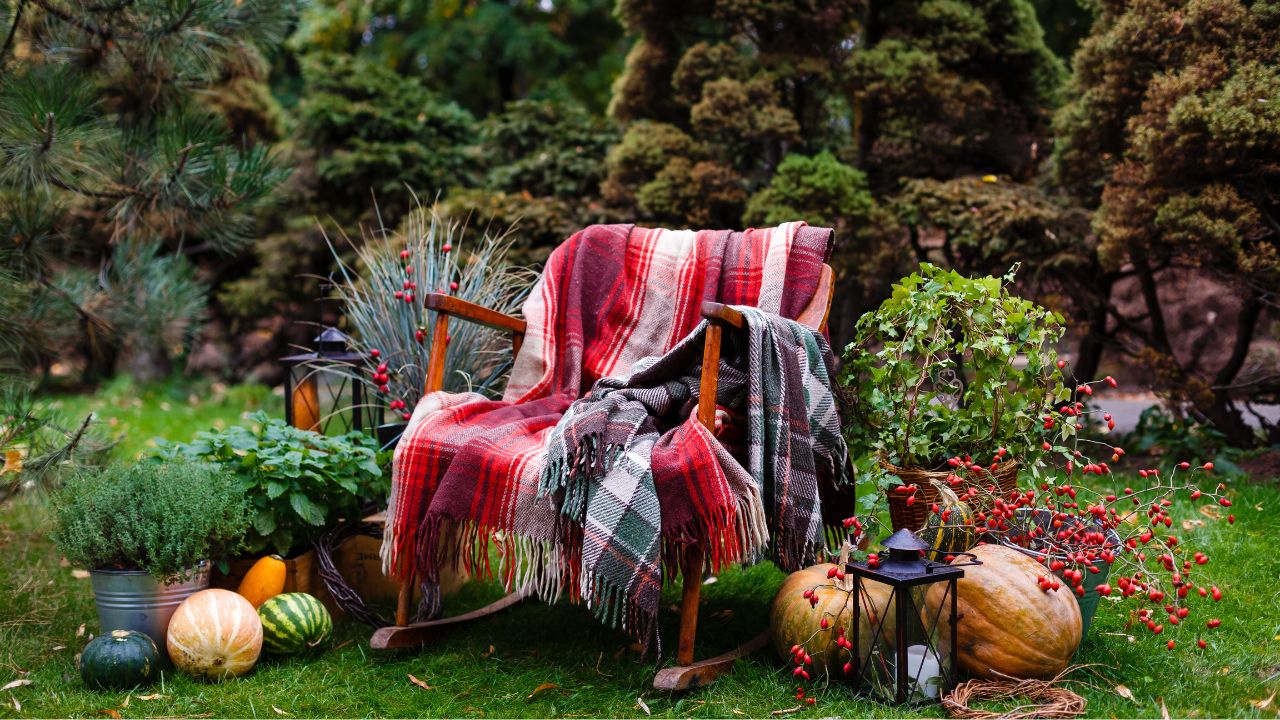
A chair with a broken seat is not a castoff; it’s a planting opportunity. Remove or leave the broken seat, set a pot inside the opening, and let trailing plants spill over the armrests. Intact chairs and benches work as focal points in a border or as elevated plant stands. Iron pieces, in particular, age magnificently outdoors.
9. Vintage Statuary and Busts
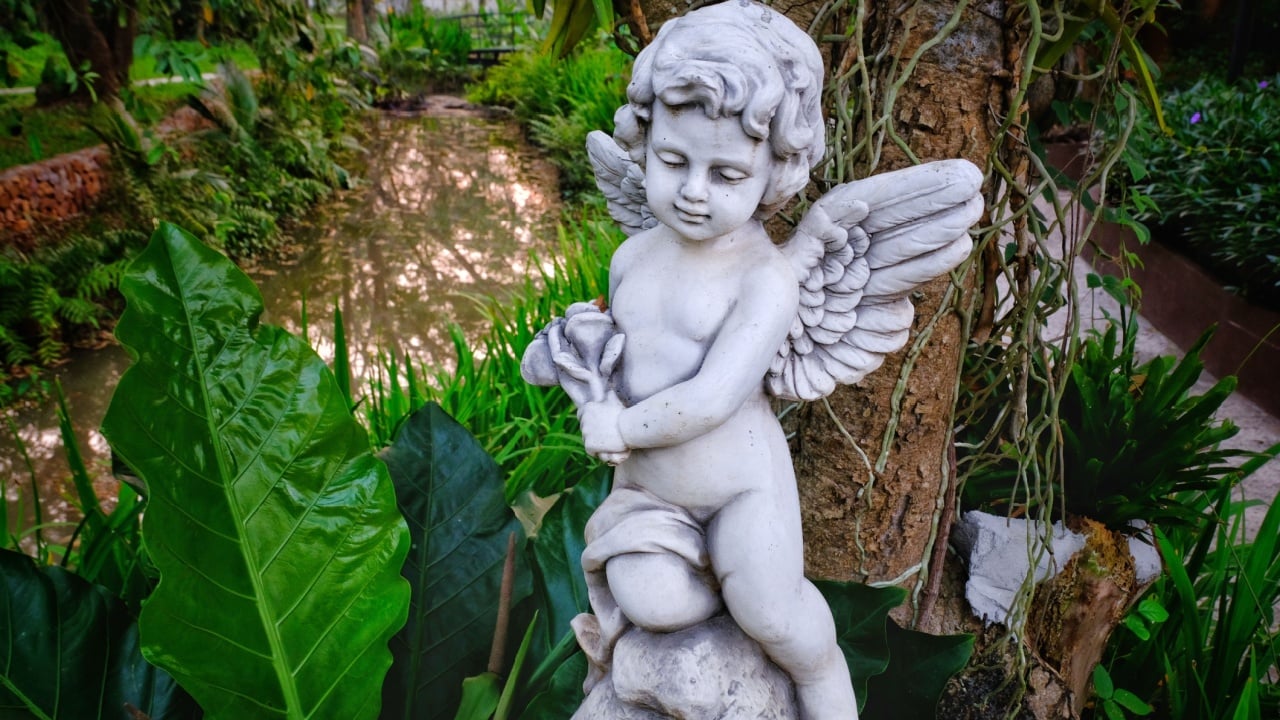
When you find a secondhand garden statue, take it. The chipping and weathering that make statues unsellable inside the house are precisely what give them garden character. A slightly mossy cherub or a worn stone animal nestled among perennials reads as history, not neglect. These pieces are conversation starters that no garden center reproduction can match.
10. Lanterns and Candlesticks

Old kerosene lanterns, candlestick holders, and even vintage lamp bases work beautifully as garden accents. Pair a wooden candlestick with a small footed bowl, glue them together, and you have a custom birdbath that looks like it cost real money. Lanterns tucked into garden corners add architectural presence without requiring any structural work.
11. Mirrors
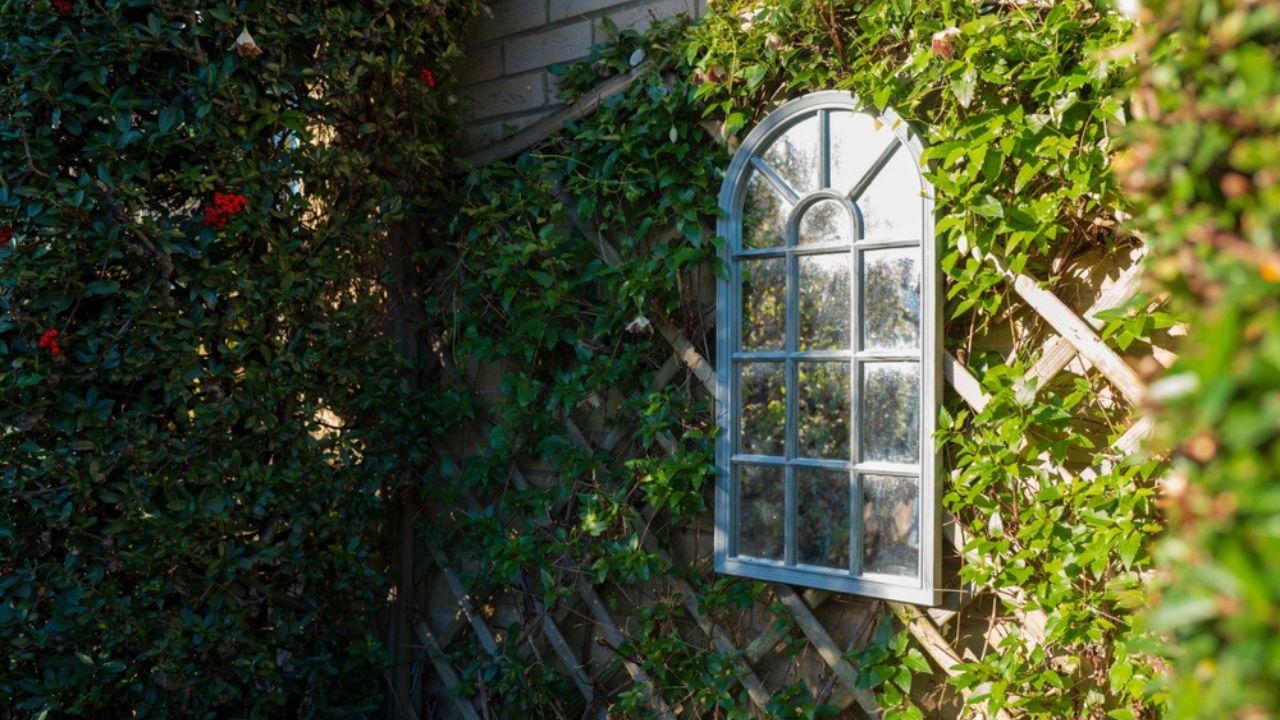
Framed mirrors in the garden are one of the most underused design moves available. Placed against a fence or tucked into a shaded corner, a mirror reflects surrounding greenery and makes even a small garden feel expansive and layered. Opt for ornate vintage frames; the more elaborate, the better they read against foliage.
12. Iron Patio Furniture
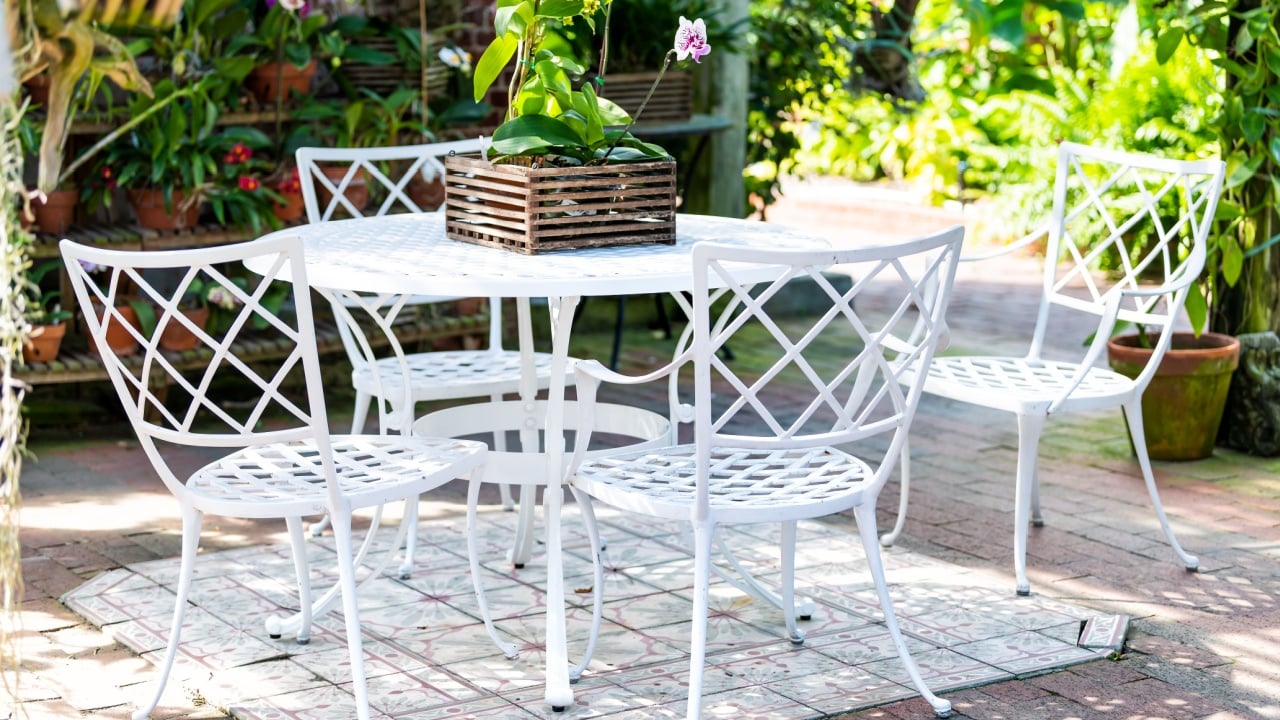
Secondhand iron patio sets are one of the great value finds in the thrift world. Iron weathers outdoors with grace rather than deteriorating, and a set that costs hundreds of dollars new can show up at a thrift store for under $40. Inspect welds and joints before buying; these rarely fail, but it’s worth checking.
13. Heavy Woven Baskets
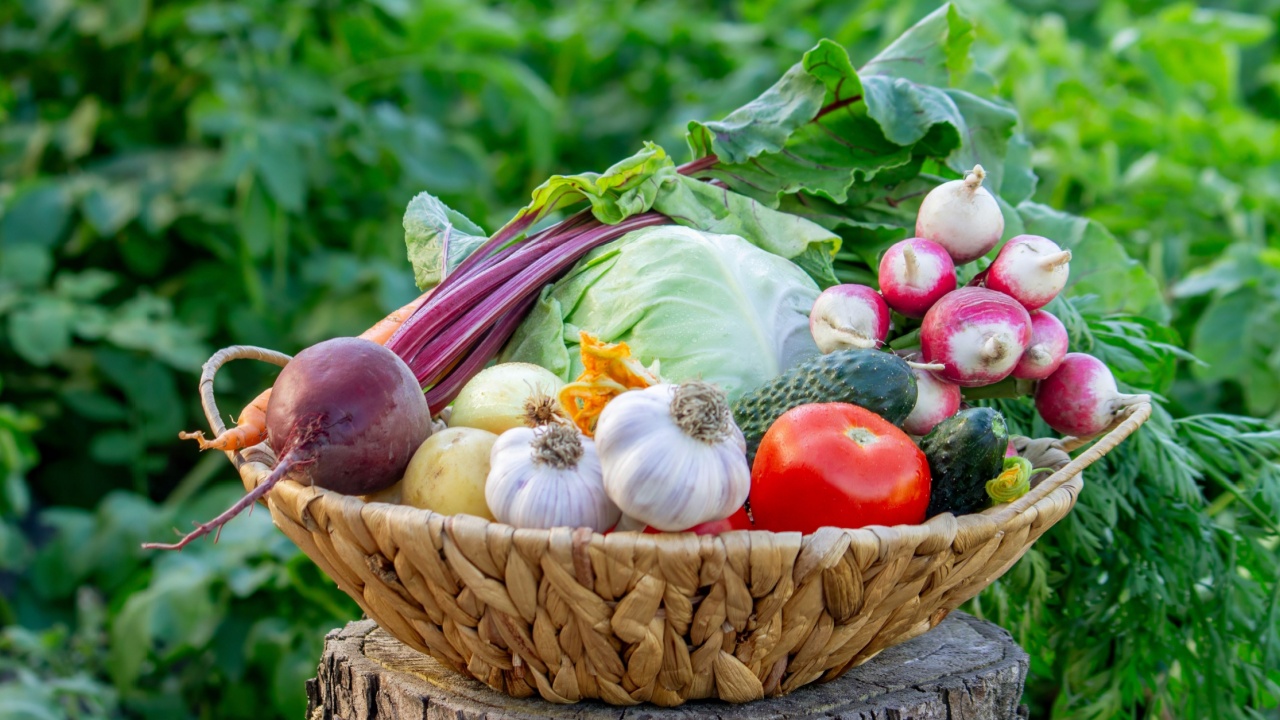
Baskets are one of the most functional thrift garden finds, and experienced gardeners grab them without hesitation. Use them as container vessels with a plant dish liner underneath, hang them on fence posts to collect weeds while deadheading, or stack them for rustic storage. The large, tightly woven styles from a few decades ago last longest outdoors; line them with plastic to extend their life further.
The One Part of the Thrift Store Most Gardeners Skip Entirely
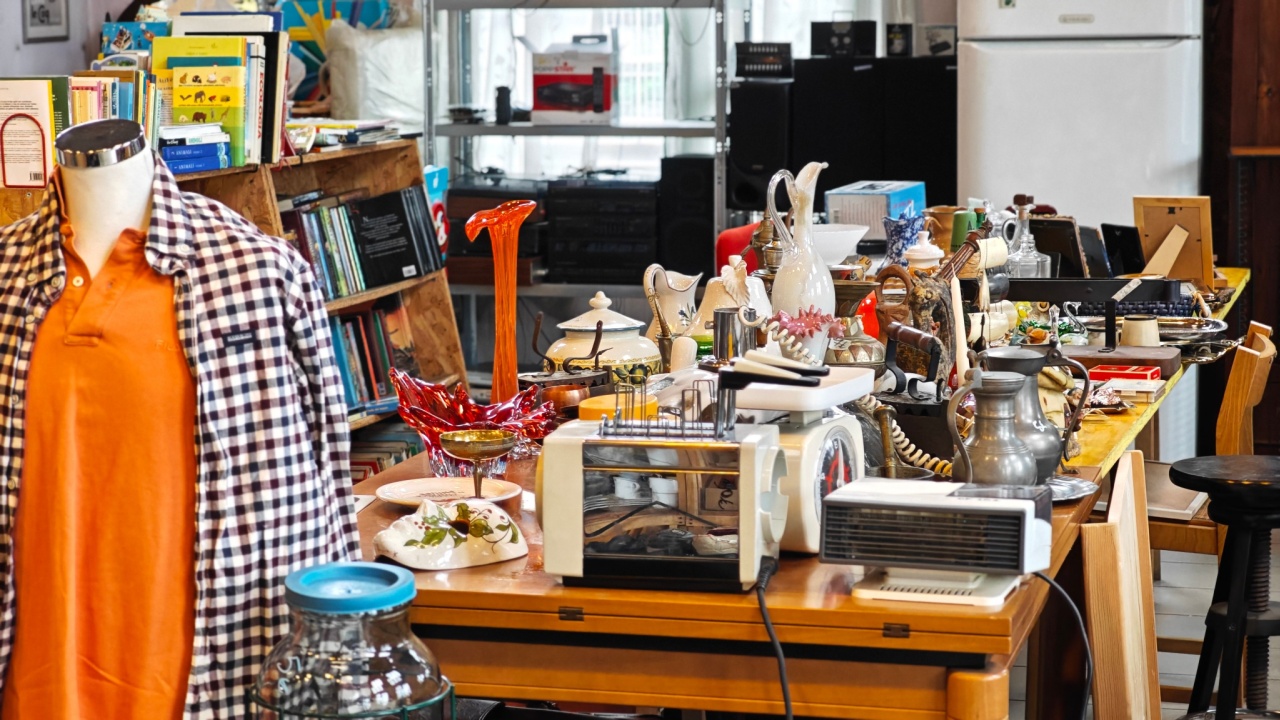
The garden section of a thrift store is rarely the best place to find garden items. Experienced thrifters head straight for the kitchen aisle, the home décor section, and the sporting goods shelves, where the real finds are hiding in plain sight.
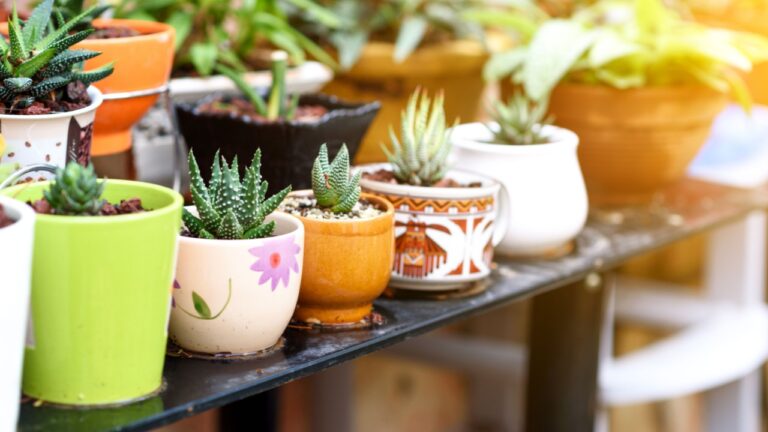
A metal colander becomes a planter. A ceramic bread box becomes a weathered container overflowing with succulents. A chipped teapot becomes a bird feeder. A set of vintage crockery becomes a herb garden. The goal is to look at material and form rather than intended function. If the shape, drainage potential, and character are right, the original purpose is irrelevant.
Garden writer Mary Jo of Masterpieces of My Life puts it directly: “Look at thrift store finds while thinking outside the box. Sometimes you like an item, but don’t need to use it for its intended purpose.”
What to Pass On (And Why It Matters)

Not everything is worth loading into your car. Skip severely rusted pruners with loose or wobbly hinges; the blade alignment on damaged pruners is rarely recoverable, and they can be genuinely dangerous. Avoid any container with peeling or unknown coatings if you’re planting edibles; use those as decorative cache pots with plastic-lined inner containers instead. Cracked terracotta should stay on the shelf if you garden anywhere with hard winters, because freeze-thaw cycles will split a crack into a full break within one season.
Power tools and electronic irrigation equipment are worth skipping unless the store allows you to test them on-site. Moving parts and electronics don’t reveal their flaws at a glance.
How to Make Thrifted Finds Look Intentional
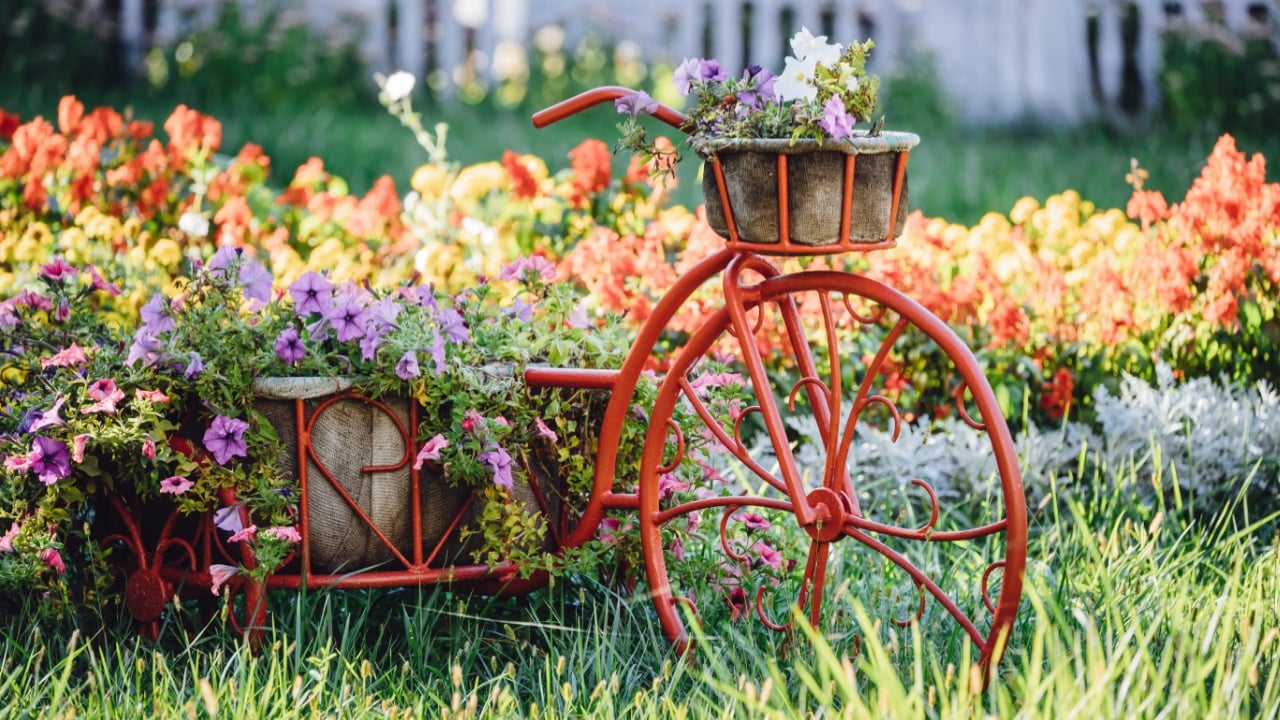
The difference between a garden that looks thoughtfully collected and one that looks like a rummage sale is editing. Before you go, decide on one or two material threads to follow: galvanized metal only, aged terracotta and wood, or weathered white and iron. When your thrifted pieces share a common material palette, they read as curated rather than random, even if every single one came from a different store and a different decade.
Patina and imperfection are features, not flaws. The slight moss on a vintage urn, the dent in a galvanized bucket, the chipped rim of a ceramic planter; these are the details that make a garden feel genuinely inhabited. The gardens that stop people in their tracks are rarely the perfectly matching sets from a catalog. They’re the ones that look like they took twenty years to assemble.
Read More
Washing Your Lettuce Won’t Remove Cyclosporiasis, But Growing Your Own Will
Your Grandmother Stored These 8 Foods All Winter Without Canning a Single Jar