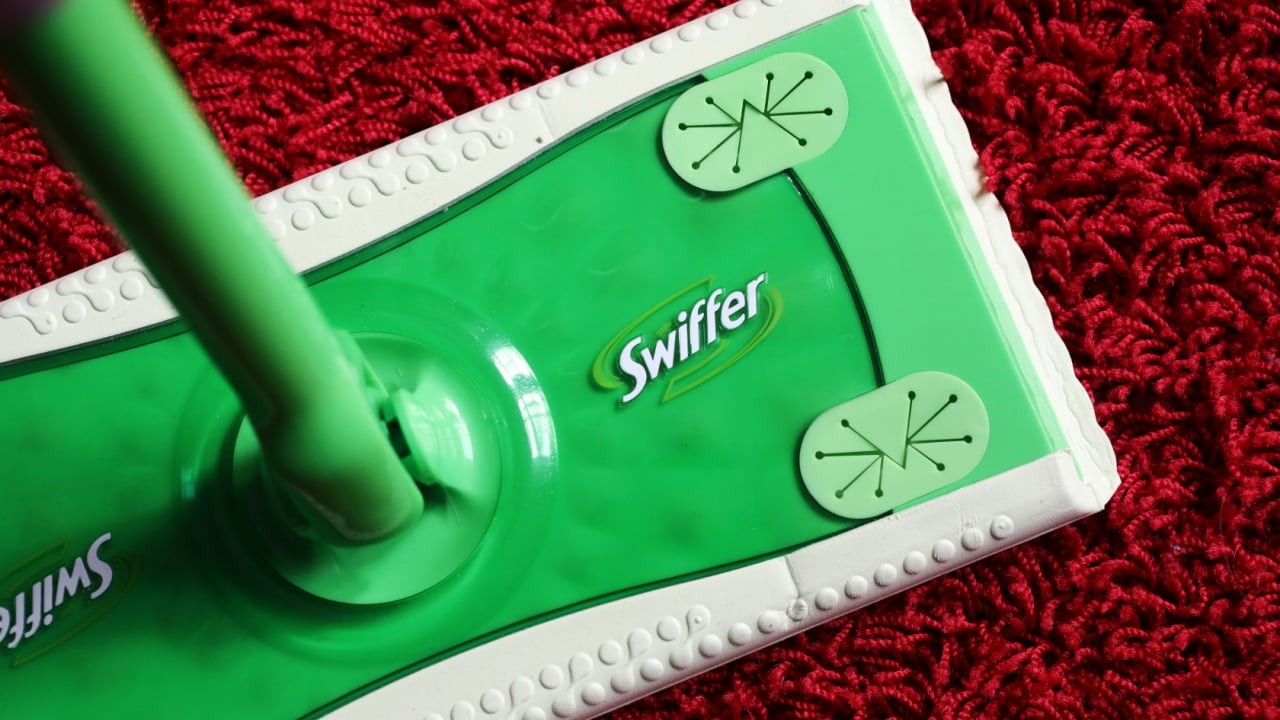
12 Things to Never Clean with a Swiffer
Swiffers have earned their place in millions of homes for one simple reason: they make cleaning feel manageable. They’re quick, lightweight, and perfect for grabbing dust before guests arrive or giving the kitchen floor a fast refresh. However, here’s the catch: they were designed for certain surfaces, not every surface.
If you’ve been reaching for your Swiffer to clean just about anything flat, shiny, and dusty, you’re not alone; it’s an easy habit to form. When something works well in one room, it’s tempting to assume it will work everywhere else.
The problem isn’t that you’re using Swiffers wrong; it’s that some materials simply require a different approach. We have scoured the Internet to find expert insight on where not to wield this revolutionary cleaning brand.
1. Carpets and Rugs

Carpets and area rugs might seem like obvious targets for a Swiffer, but cleaning authorities universally caution against this. Swiffer‑style dry cloths are designed to trap light dust on smooth floors, but they “won’t pick up dust, hair, or other debris hiding in carpet fibers,” according to Hunker’s home cleaning guide. Moreover, using wet pads on carpets can leave behind residue or moisture that encourages mold and odor rather than actually cleaning the fabric.
Experts at the Carpet and Rug Institute (CRI) recommend vacuuming carpets regularly, and when needed, spot‑treating stains with appropriate carpet cleaners. A professional deep clean every 12 to 18 months will also help maintain healthy fibers.
Among other useful tips they publish in a carpet-care guide, one that stands out aims to prevent muck from entering the vicinity. “Stop dirt at the door by using mats outside and in, taking your shoes off when you enter the space, and changing your air filters to reduce airborne dust particles,” it reads.
2. Porous Natural Stone
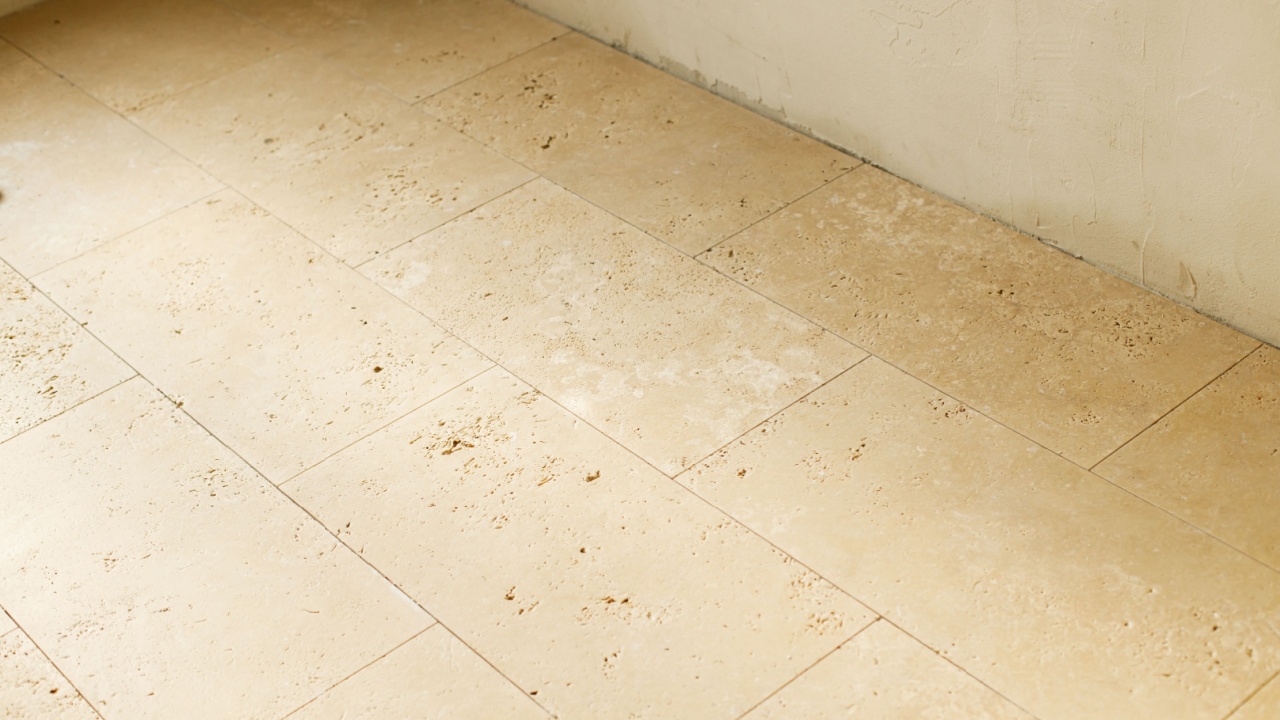
Natural stone floors and surfaces like granite, marble, travertine, and limestone are beloved for their beauty, but they’re also sensitive to chemicals and moisture. According to TastingTable’s cleaning advice, “The chemical cleaning agents in Swiffer Wet Mops and Wet Jets” are most harmful. Abrasions, discoloring, and other damage might occur as a result.
It means that while a Swiffer might appear to clean evenly, the cleaning solution can actually dull the stone’s finish and compromise the protective layer that keeps sparkles from turning into stains.
It is best to use pH‑neutral cleaners or a solution of warm water with a stone‑safe concentrate applied with a soft microfiber mop, followed by instant drying that preserves both shine and structural integrity.
3. Unfinished Wood

Swiffer wet pads might feel gentle, but they’re not appropriate for all wood surfaces. Unfinished, raw wood floor, DIY pine tabletops, or old wooden trim lack the protective sealant that finished wood has. “Like natural stone, unfinished wood is porous, so it’s best to avoid any wet or water-based cleaning solutions that could cause it to swell, warp, or permanently stain,” advises Hunker’s Heather Fishel.
The solution is to opt for a barely damp microfiber mop and a cleaner designed for wood, then dry immediately. Furniture needs a slightly damp cloth and immediate buffing to remove dust without exposing the wood to unnecessary moisture, states CoLumber Real Wood Furniture.
4. Laminate Flooring

Laminate flooring, common in many homes for its affordability and durability, has the look of wood but a very different structure. Erika on the Instagram channel Realtor Tip Talk implores any laminate floor owners to avoid the Swiffer wet jet.” If you have laminate floors, I beg you, do not use the Swiffer Wet Jet,” she says in a recent update. She adds that liquid seeps into seams where boards meet, causing warping and bubbling.
Sadly, Swiffer’s wet pads, while convenient, introduce more moisture than laminate floors need, not least in the seams where water gets trapped beneath the surface.
Laminate floor is best cleaned with dry microfiber or a laminate‑specific cleaner spray applied sparingly, followed by drying with a soft cloth. A comprehensive laminate floor-cleaning lesson comes from the OneStepBeyondFlooring company.
5. Electronic Screens
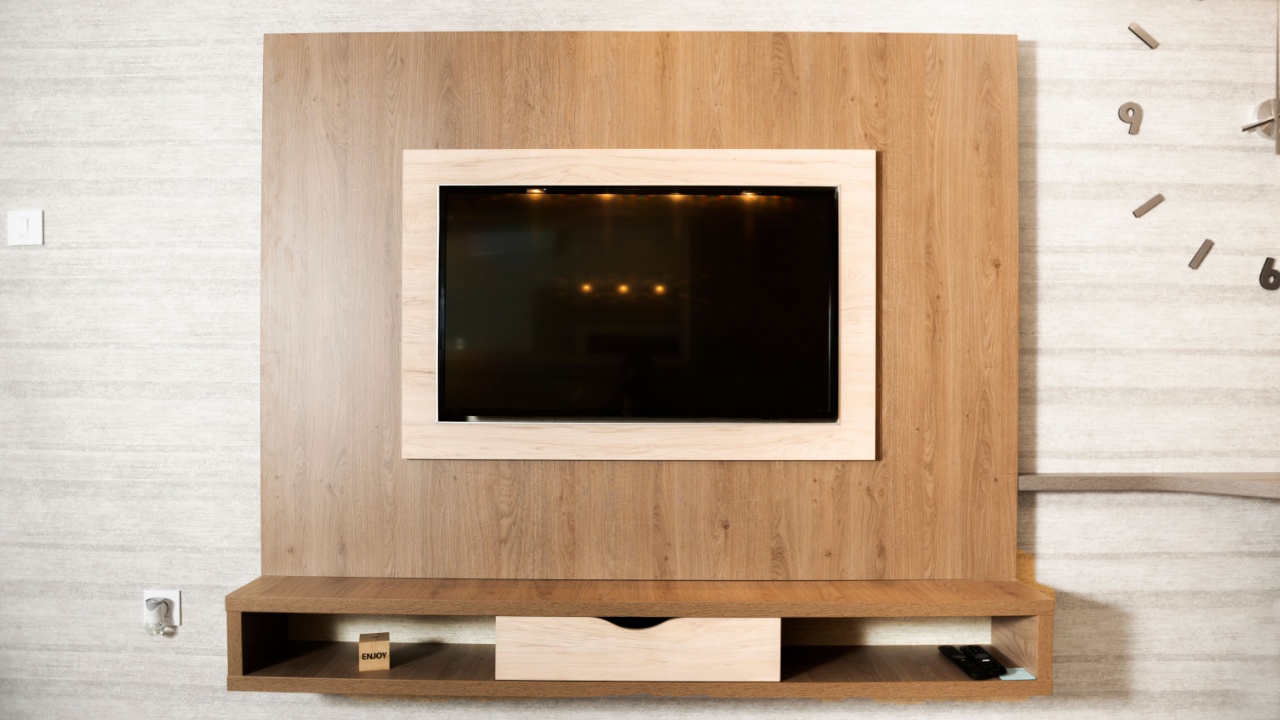
While it may be tempting to grab whatever is handy to wipe down your TV or laptop screen, electronics experts unanimously warn against using wet Swiffer pads. Reader’s Digest reminds readers that “Liquids can damage electronics and leave streaks on sensitive surfaces.” Moreover, Swiffer wet pads aren’t designed with electronics in mind. Moisture can seep into crevices, causing circuit damage or pixel problems that are expensive to fix.
Springfield Technical Community College (STCC) has a solution for the best cleaning solution, offering a detailed breakdown of what to do. For screens, it is the perennial damp microfiber cloth with “a mixture of 70% isopropyl alcohol [and] 30% water.”
What’s more, we should aim to never spray liquid directly onto the surface. Instead, apply it on the cloth first, then gently wipe in straight motions to eliminate dust and fingerprints without risking liquid intrusion.
6. Textured or Rough Surfaces

Swiffer pads excel on smooth floors and flat surfaces, but once you move to textured, uneven, or deeply grooved materials, they fall short. A Swiffer will only move surface dust while leaving deeper grit behind, according to a Southern Living post.
“As the duster gets caught on rough items, it can leave behind small tufts that get stuck and cling to surfaces,” says Karen Brewer Grossman. “Your best bet for these textures may be a vacuum cleaner with a brush attachment or a microfiber cloth.”
The goal is to reach dirt in the grooves rather than smear it around or leave behind lint. Microfiber cloths (yet again) with a little scrubbing action also outperform disposable flat pads on uneven materials.
7. Unsealed Tile and Grout

Unsealed tile and grout pose a unique challenge that Swiffer wet pads were never designed to tackle. Grout, by nature, is porous and easily traps dirt and grime. According to famous cleaning resource Bob Vila, “Grout tends to collect grease, dirt, and soap residue, and requires scrubbing with a grout brush and appropriate cleaner to lift stains truly.”
Using a Swiffer pad here can spread soil around rather than extract it from the pores of the material, so for tile floors with unsealed grout, the right tools are critical.
Vila recommends cleaning grout with a “baking soda paste” before rinsing with a warm water and vinegar solution. These penetrate the rough lines and lift embedded grime, while disposable dusters and flat mop cloths merely touch the surface.
8. Fiberglass Showers and Tubs

Fiberglass surfaces like those in many showers and tubs are typically coated with a gel finish that can dull or scratch if handled incorrectly. Using a Swiffer wet pad can smear stubborn buildup instead of removing it, leaving streaks and film behind.
Instead of Swiffer products, The Spruce suggests using warm water and a dedicated bathroom cleaning spray followed by a soft scrub brush or sponge. An important step: “While the shower is steaming, make a paste of one cup of baking soda and one-fourth cup of white distilled vinegar in a small bowl.” This combination breaks down oils and soap residue and rinses cleanly without damaging the fiberglass finish.
9. Concrete Floors

Concrete floors are tough, but that very toughness makes them vulnerable to some cleaning solutions. Swiffer’s wet mop pads fall into that category. The high alkalinity within the mop pads can react with concrete, leaving behind a chalky film or weakening surface sealers over time.
The experienced experts at Concrete Floor Supply suggest two tiers of concrete floor-cleaning methodology. For basic cleaning, “Use a broom, dustpan, mop, buckets, warm water, and mild detergent (such as dish soap or Castile soap).” Meanwhile, the firm gets behind the Super Blue Concentrated or Ez Clean brands for “almost any coated or sealed floor.”
10. Cork Flooring
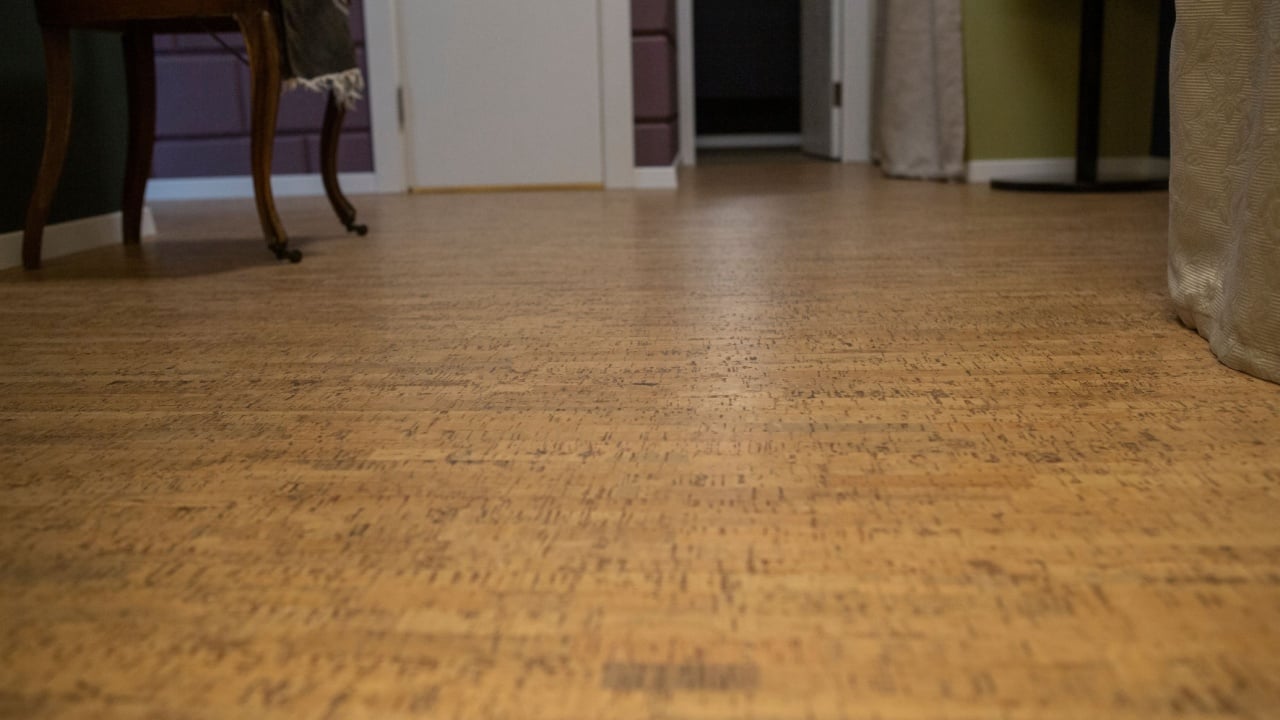
I am not sure I have ever met someone with a cork floor; yet, they have grown in popularity thanks to their comfort and sustainability. Nevertheless, they are far more sensitive than hardwood or laminate floors and need a requisite level of care.
Cork is especially softer and much more porous than other flooring materials, and it will absorb liquid cleaners quickly. Therefore, using Swiffer wet mop pads will forecast a problem waiting to happen. Excess moisture can cause cork to swell, discolor, or lose its structural integrity.
Interestingly, products like the Dry Swiffer and Swiffer Moisture Cloth are acceptable, according to a Green Building Supply post. The list of alternatives includes “AFM Multi-Purpose Cleaner, Woodwise, Detergente Neutro, Bona Hardwood, and HydrOxi Pro.”
11. Wooden Decks and Outdoor Porches

Wooden decks and porches face elements like sun, rain, and grit that standard indoor tools aren’t built for. Using a Swiffer pad outdoors, especially a wet one, can result in shredding, clogged pads, and incomplete cleaning. It might yet work, but this is one very expensive decision.
A House Digest guide explains the right way. “For proper deck maintenance, a more robust cleaning method is essential,” writes Osi Egwuogu. A pressure washer is one of the most effective tools for blasting away built-up grime, mildew, and stains without excessive scrubbing in outdoor areas.
12. Glass and Mirror Surfaces

It may seem counterintuitive, but disposable mop pads and wet Swiffer cloths actually create streaks on reflective surfaces like glass, mirrors, and windows. Good Housekeeping cautions that products not specifically formulated for glass cleaning are a threat to the glass’s integrity.
The cleaning agents in some wet pads can leave a thin film that becomes visible when light hits it at certain angles.
Perhaps the most useful tip, alongside the informative instructions offered, is this tip. “If you live in an area with hard water,” writes Alyssa Gautieri, “consider using distilled water in your homemade glass cleaner.”
Read More
Stop Pouring These 10 Things Down Your Drain — Plumbers Say It’s a Costly Mistake