12 Sneaky Tricks Stores Use to Make You Overspend
Retailers spend billions annually researching retail psychology to learn how shoppers make purchasing decisions and boost sales. When you walk through automatic doors, you enter a carefully designed environment built specifically to empty your wallet faster than you planned. Supermarkets and department stores study eye movements, walking patterns, and emotional responses to fine-tune their sales floors.
Our brains naturally look for shortcuts when making decisions, leading us straight into retail traps. Companies design shopping experiences to trigger emotional responses rather than logical calculations, making impulse buying feel completely natural.
This guide exposes the psychological methods stores use to manipulate your spending habits during everyday shopping trips. Retailers know that overwhelmed or highly stimulated shoppers lose track of their budgets and spend freely. Fortunately, there are practical methods to protect your hard-earned money. By understanding these hidden tactics, you can take control of your finances and shop with confidence.
1. Tower-Like Product Displays

Retailers frequently stack items in massive, ceiling-high columns placed prominently at the end of shopping aisles. Shoppers naturally assume massive displays indicate a massive discount or a popular sale, prompting them to grab items without checking the actual price tag. End-cap displays can significantly increase a product’s sales simply because the item stands out from the standard shelf presentation.
You can defend your wallet by completely ignoring these large promotional stacks and checking the regular aisles instead. Compare the promotional price with the standard shelf price to see if the deal actually saves you any money. Often, stores place high-profit margin items in these prominent spots to maximize their revenue from hurried shoppers.
2. Coupons That Tempt Splurges
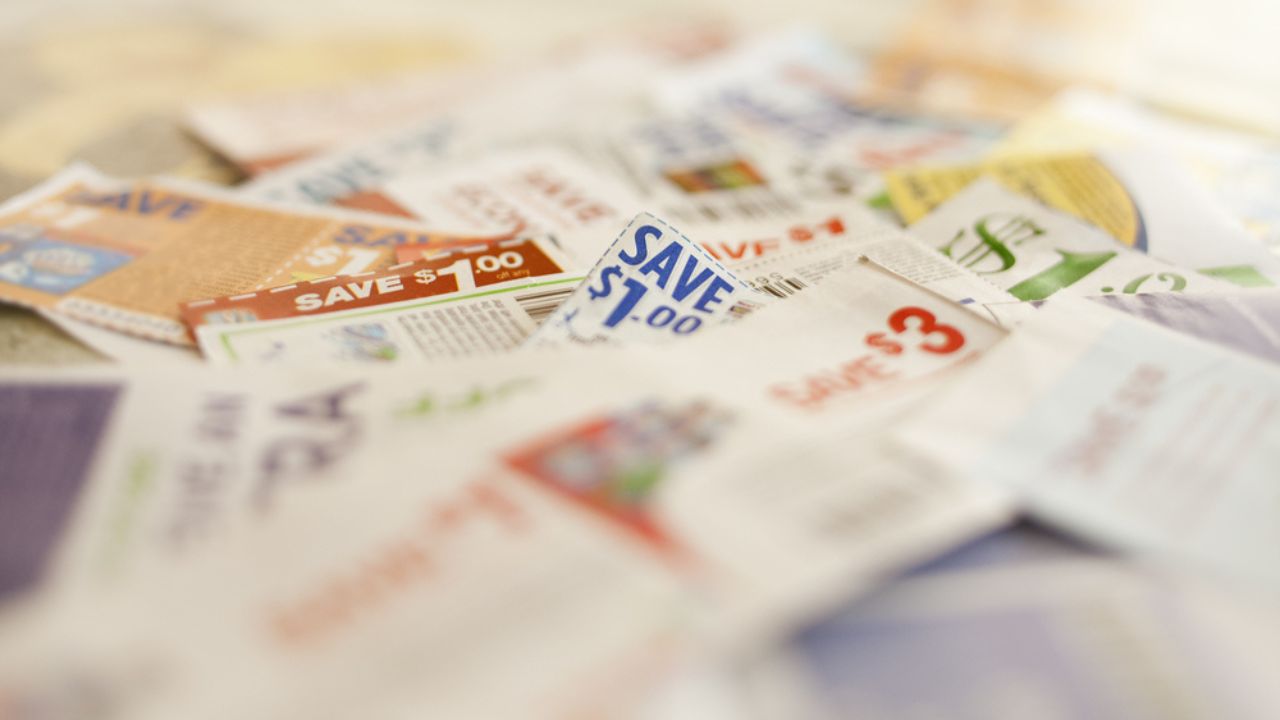
Retailers issue small discount codes and coupons specifically to make you feel like you received free money. Shoppers frequently use a five-dollar coupon to justify spending fifty extra dollars on items they originally had no intention of buying. Studies indicate that consumers with a discount code actually spend more money overall than shoppers paying full price.
Always treat coupons as a bonus for items you already planned to purchase rather than an excuse to browse. If a store sends a discount code, write your shopping list first before looking at the specific promotion details. Avoid adding random items to your cart simply to reach a minimum spending threshold for a discount to apply.
3. Friendly Cashier Interactions

Warm customer service directly influences your mood and often leads to higher sales at checkout. Associates receive training to strike up pleasant conversations, compliment your selections, and suggest complementary items. When a friendly employee points out a matching accessory or an extended warranty, social pressure makes declining the offer surprisingly difficult.
You must separate the pleasant social interaction from your actual financial decisions at the register. Practice a polite but firm refusal script before you walk into the store to handle upselling attempts smoothly. Smiling and saying “no thank you, just these items today” allows you to maintain the friendly atmosphere without emptying your wallet.
4. Bright Lights and Upbeat Music

Research shows that retail environments often feature loud, energetic music paired with vibrant lighting to elevate your heart rate and excitement. This party-like atmosphere distracts your brain from making logical calculations regarding prices and budgets. Supermarkets and clothing retailers carefully select background tracks with a tempo designed to make you move faster and grab more items on impulse.
Combat this sensory manipulation by wearing noise-canceling headphones while you navigate the aisles. Listening to your own calm, slow-tempo music helps you maintain a rational mindset and slows your shopping pace. Give yourself a strict time limit to complete your trip before the store environment wears down your willpower. Getting in and out quickly minimizes the psychological impact of the manufactured retail atmosphere.
5. AI-Powered Grocery Suggestions

Online grocery platforms use complex algorithms to track your purchase history and suggest additional items just before you pay. These systems analyze millions of transactions to pinpoint exactly which complementary goods you are most likely to add to your digital cart. These automated recommendations boost the average grocery order by using your previous orders to give personalised discounts.
Stick strictly to your pre-written grocery list when shopping online to defeat these algorithmic temptations. Ignore the “you might also like” section completely and proceed straight to the checkout page once you finish finding your necessities. Before finalizing the payment, review your cart carefully to delete any impulsive additions that sneaked in during browsing.
6. The Lack of a Conscious Pause

Retailers design store layouts and checkout processes to be as smooth as possible to prevent you from stopping to reconsider your choices. Studies reveal that frictionless payment methods like contactless cards and mobile wallets remove the physical pain of handing over cash. Because these tactics bypass your conscious awareness entirely, you finalize the transaction before fully registering the total cost.
Implement a mandatory waiting period for any item that does not appear on your original shopping list. A simple two-second pause to ask yourself if you genuinely need the item can break the spell of an impulse purchase. For larger online purchases, leave the items in your digital cart for twenty-four hours before submitting your payment information. Taking a breath gives your logical brain enough time to override the immediate desire to buy.
7. Artificial Scarcity and Limited Offers

Signs declaring limited stock or sales deadlines trigger a deep psychological fear of missing out on a good deal. Stores artificially restrict supply or create tight schedules to force customers into making rushed, irrational decisions. When people believe an item might disappear soon, they prioritize acquiring the product over evaluating its actual usefulness or price.
Recognize that retail sales operate on predictable cycles, and another discount will almost certainly appear soon. Step away from the promotional display and calculate if you actually need the item right now or if you just want the deal. Remind yourself that a bargain is only valuable if the product serves a practical purpose in your daily routine.
8. Strategic Store Layouts

Supermarkets intentionally place essential items like milk and bread at the very back of the building. This layout forces you to navigate past hundreds of tempting products just to grab your basic necessities. Along the journey, colorful displays and promotional ends catch your eye, leading to unplanned additions to your basket.
Stores map out these walking paths to maximize your exposure to high-margin merchandise. Plan your shopping route in advance to bypass these strategic aisles completely. Walk directly to the dairy section and immediately return to the register without lingering in the snack or seasonal sections. Staying focused on your specific path dramatically reduces the temptation to browse.
9. Decoy Pricing Tactics

Retailers often present three pricing tiers for a product, intentionally pricing the middle option to make the most expensive tier look like a better value. The store does not actually want you to buy the highest-priced item; they want to make you feel smart for choosing the middle option instead of the cheapest one. This decoy pricing effect manipulates your perception of value by providing a deliberately poor comparison point.
Ignore the adjacent product tiers completely and evaluate each item based strictly on its individual utility. Ask yourself what specific features you need and purchase the cheapest model that meets your strict criteria. Do not let a slightly better price-per-ounce ratio trick you into buying a massive quantity you will never finish using.
10. Checkout Lane Impulse Traps
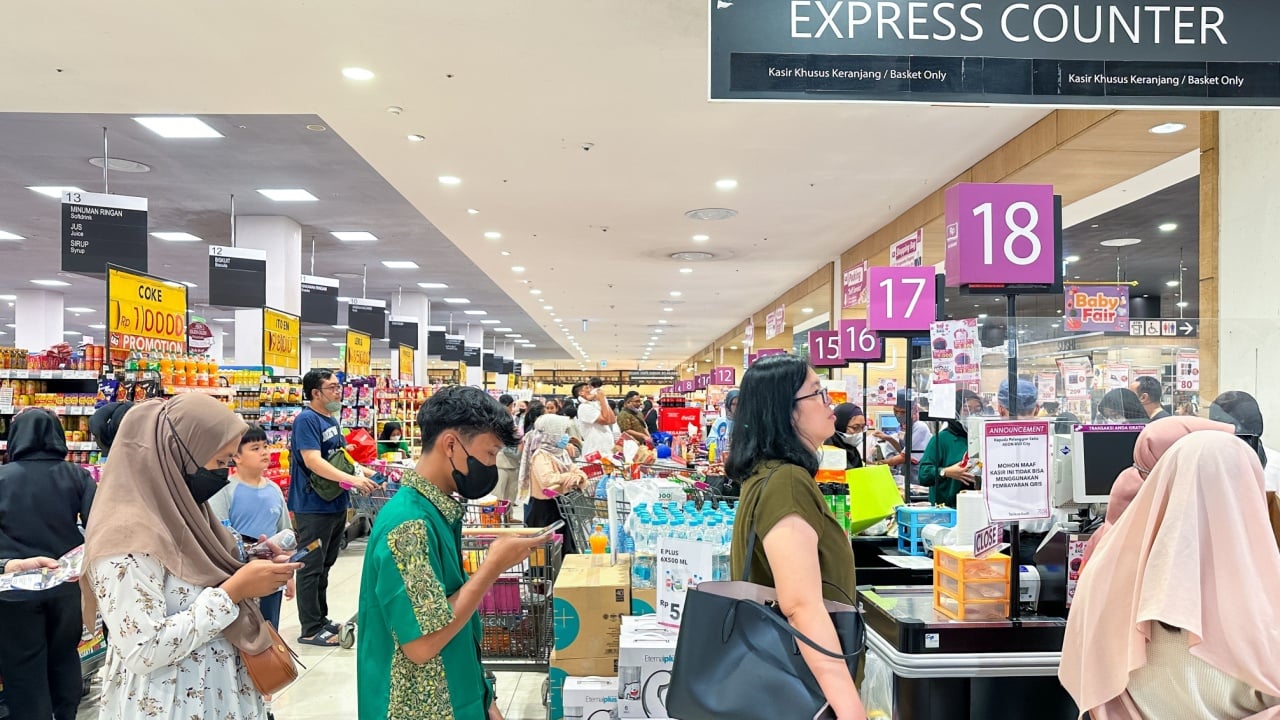
The check-out lane is heavily lined with cheap, brightly colored items like candy, magazines, and small gadgets. Stores know that decision fatigue sets in at the end of a shopping trip, leaving your willpower completely depleted. While waiting in line, you have nothing to do but stare at these low-cost items, making them incredibly difficult to resist. The low individual price tags trick you into ignoring the cumulative impact on your final bill.
Keep your eyes focused on your phone or read a book while standing in the checkout queue to avoid staring at the candy displays. Calculate the total cost of the items already in your cart to keep your mind occupied with financial realities. If you feel the urge to grab a snack, remind yourself that you likely have better, cheaper options waiting at home.
11. Free Samples and Reciprocity
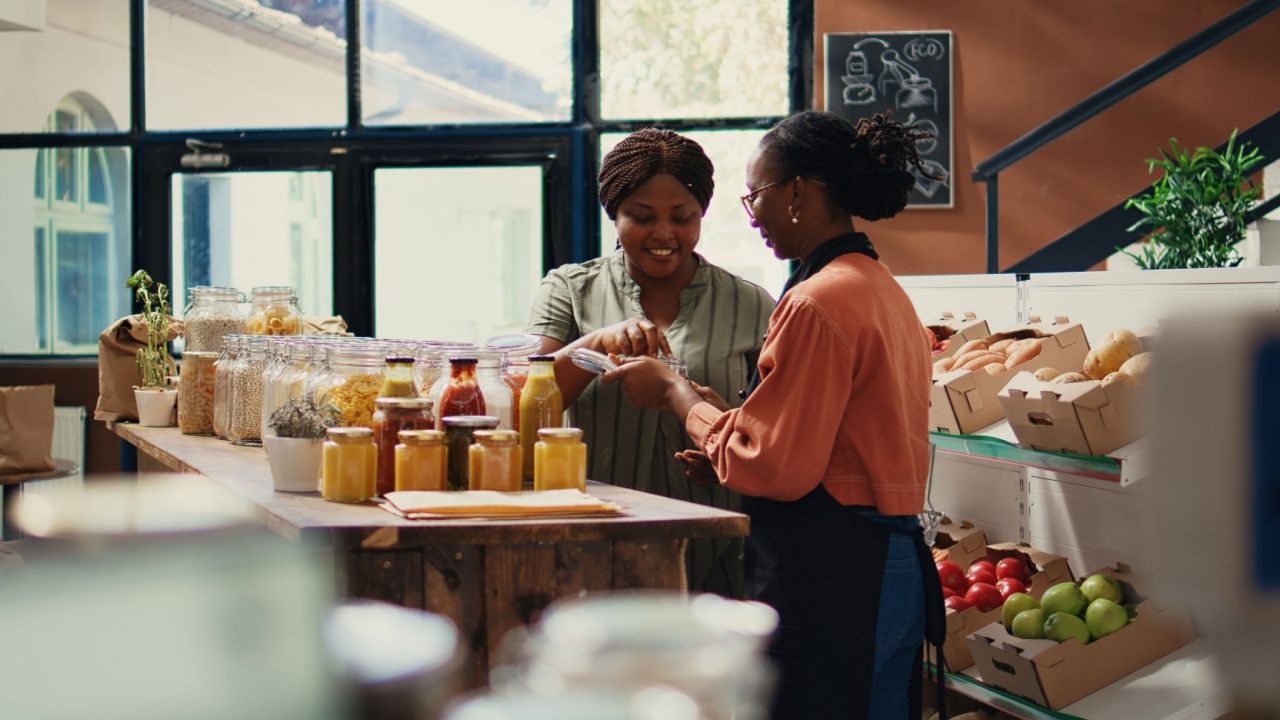
Grocery stores frequently set up tasting stations to hand out small bites of new products to passing shoppers. While the sample costs the store pennies, receiving something for free triggers a strong psychological obligation to reciprocate. Shoppers often buy a full-priced box of the sampled item out of a subconscious desire to be polite to the person handing out the food.
You must view free samples as a marketing strategy rather than a personal gift from the store employee. Accept the sample with a polite “thank you” and immediately keep walking down the aisle to break the social interaction. If you struggle with feelings of guilt, simply decline the samples altogether to avoid the psychological pressure.
12. Loyalty Programs That Hook You Into Spending More

Loyalty programs are designed to keep you coming back. By offering points, tiers, or “exclusive member perks,” they create a sense of progress and investment. Once you’ve started earning rewards, you feel compelled to shop more often or buy extra items just to reach the next threshold.
This taps into the sunk-cost fallacy; you don’t want your past spending to go to waste, so you keep spending to “unlock” benefits. Treat loyalty rewards as a bonus, not a goal. If you wouldn’t buy the item without the program, don’t let points or perks push you into overspending.
Take Control of Your Cart

Impulse buying is a money-wasting habit. A brilliant psychological defense against it involves shifting your perspective away from immediate gratification toward long-term goals. When shoppers pause to picture how saving money will benefit their future, they easily resist store manipulation. Visualizing a planned vacation, a secure retirement, or a debt-free life activates the logical planning centers of your brain. This quick mental exercise interrupts the emotional high created by store environments and sales tactics.
Read More:
Save Thousands and Reach Your Dreams Faster With Goal-Oriented Shopping