12 Modern Home Trends Older Generations Don’t Love
Home design has never been short on strong opinions, especially across the generations. While some folks are lining up for quartz countertops and seamless living rooms, others are still reminiscing about the glory of shag carpeting and sunken dens. These shifting trends are more than just style preferences; they reveal how different ages handle comfort, convenience, and everyday living.
What’s fashionable today might leave grandparents genuinely baffled, if not searching for the nearest room divider. This article explores 12 popular modern home trends that often leave older generations scratching their heads. It’s a friendly exploration of how tastes in home decor evolve.
1. Open Floor Plans
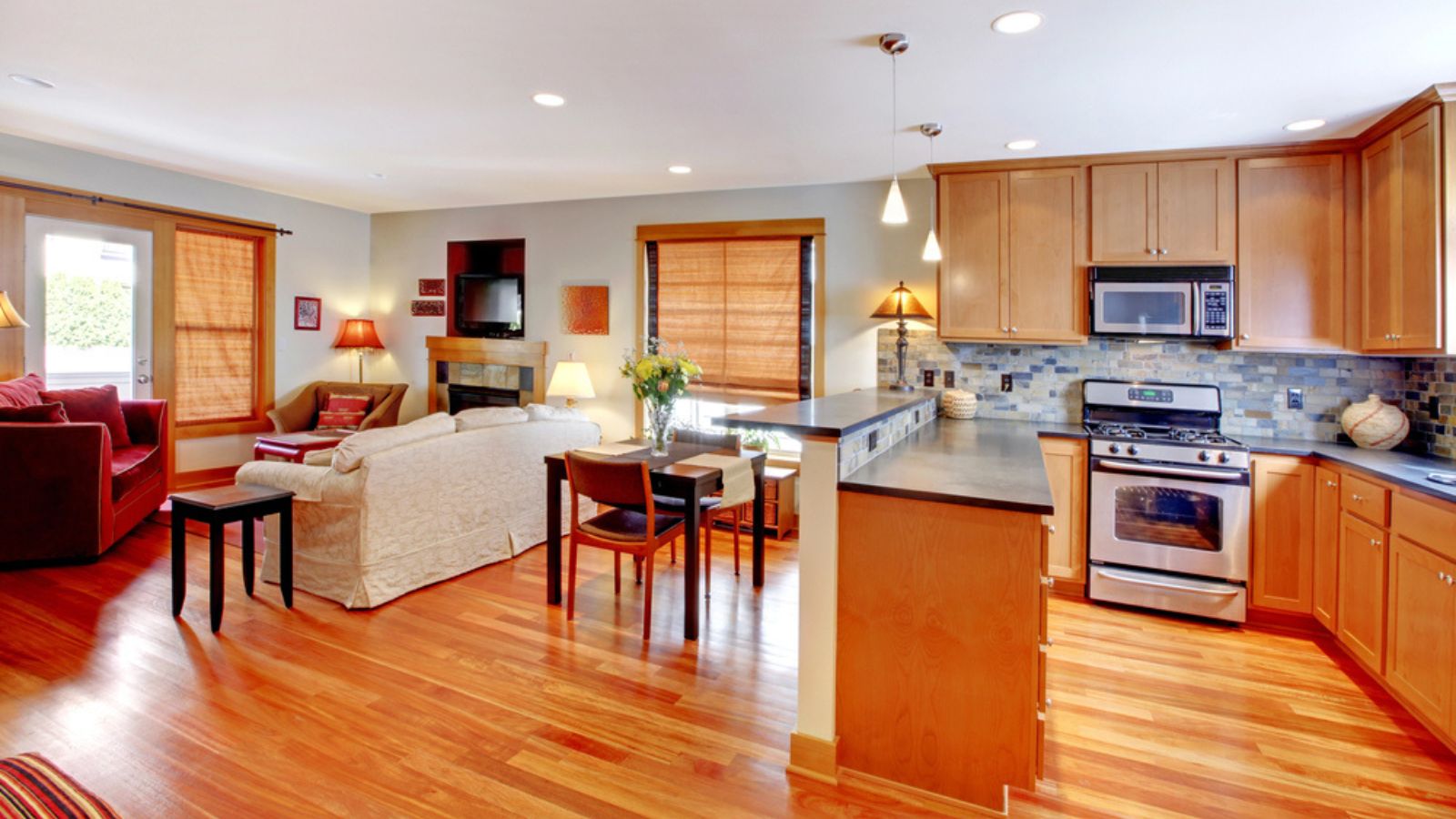
The open floor plan merges the kitchen, living room, and dining area into one large, cohesive space. By removing interior walls, this design creates an airy, expansive environment perfect for social gatherings and family interaction. The layout allows light to travel freely and makes a smaller home feel much larger than its actual square footage.
For those accustomed to more traditional layouts, the lack of separation can feel chaotic. Distinct rooms once served distinct purposes: cooking smells were contained in the kitchen, and television noise stayed in the family room. The absence of walls means less privacy, fewer places to display furniture and art, and a constant need to keep the entire area tidy, since every corner is always on display.
2. Kitchens with Open Shelves
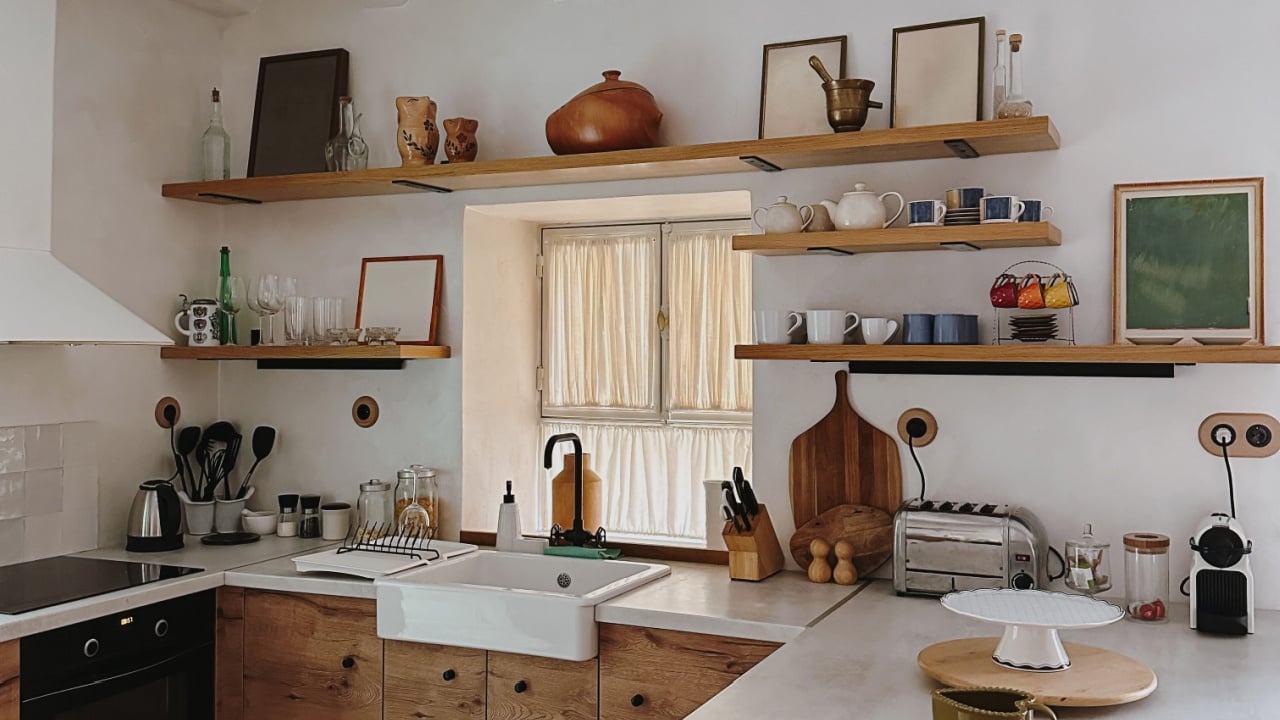
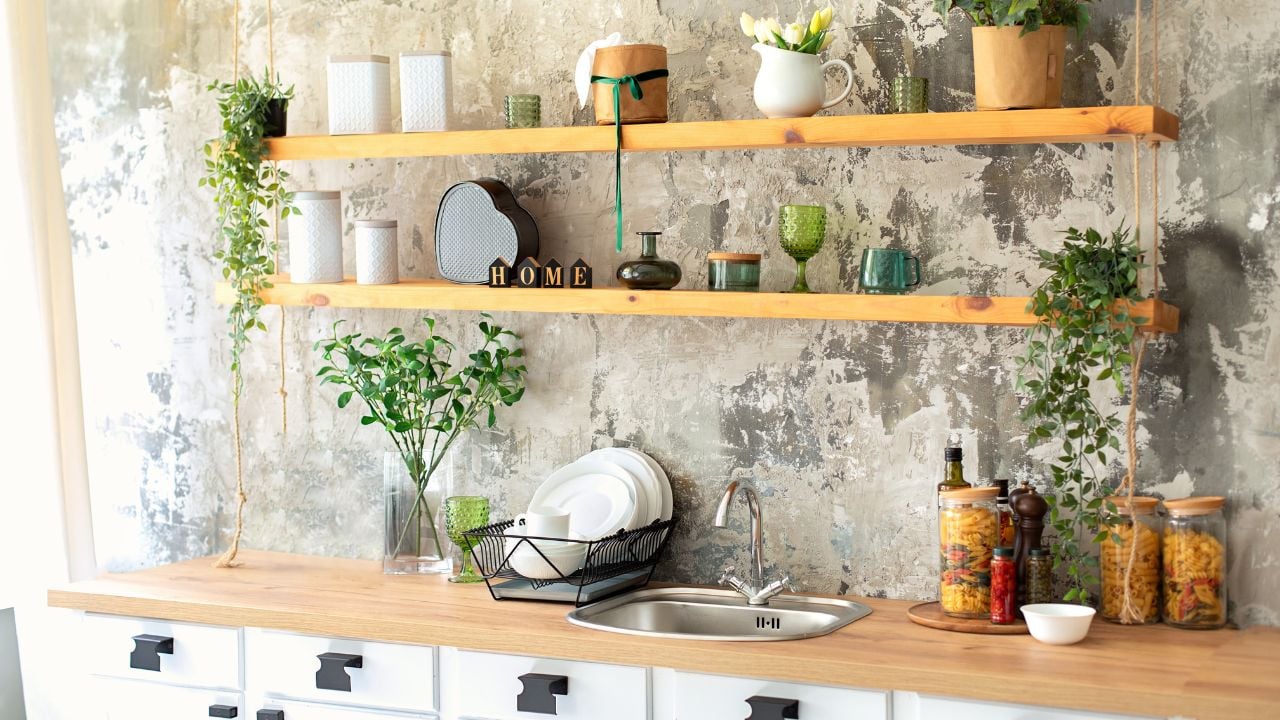
Replacing upper cabinets with open shelving is a popular way to create a light and modern kitchen. This trend allows homeowners to display attractive dishware, glassware, and cookbooks, turning everyday items into part of the decor. It can make a kitchen feel more personal and less utilitarian, offering easy access to frequently used items.
However, this design choice requires a commitment to organization and cleanliness that not everyone shares. Everything on the shelves is visible, meaning mismatched mugs or a slightly disorganized stack of plates can make the whole room look cluttered. The items are also exposed to dust and kitchen grease, requiring frequent washing even if they are not used regularly.
3. White Kitchen Cabinets
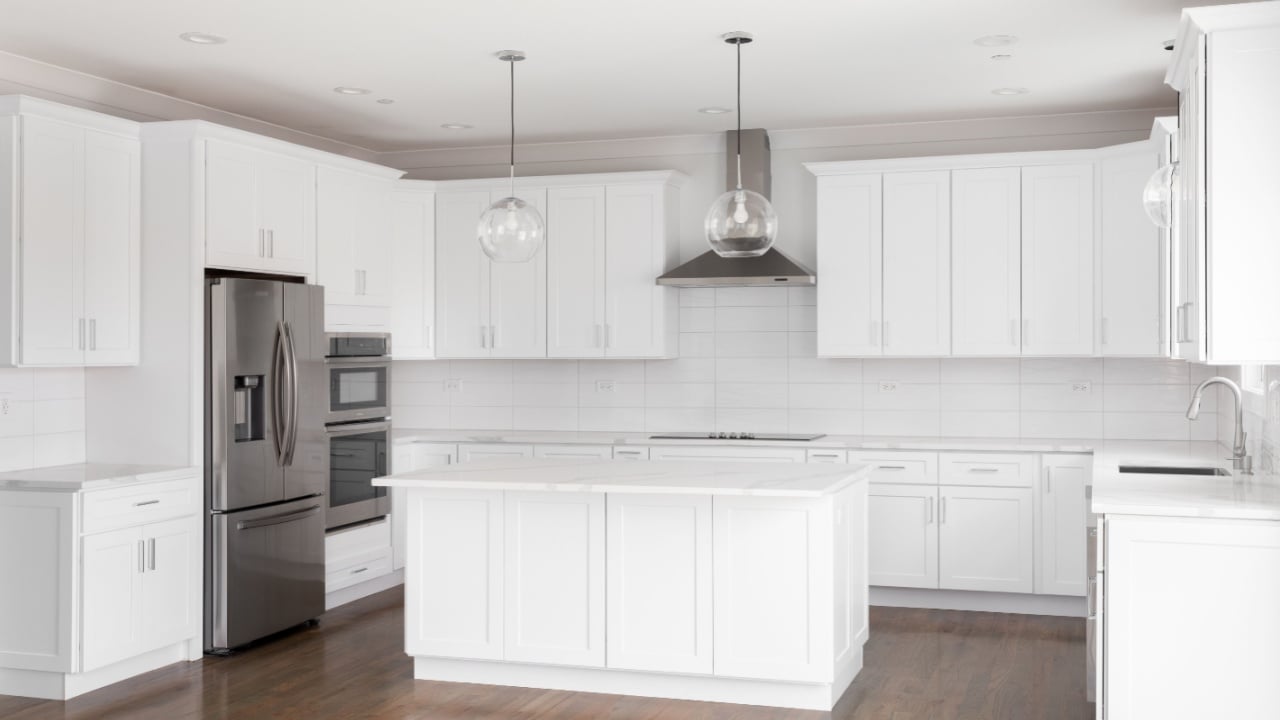
An all-white kitchen is a staple of modern design, prized for its bright, clean, and timeless appearance. White cabinets can make a kitchen feel larger and more open, reflecting light and providing a neutral backdrop for any accent color. This look is frequently seen in design magazines and home renovation shows.
While undeniably popular, the sea of white can feel sterile or clinical to some. Older generations might remember when white kitchens were standard, not a style choice, and prefer the warmth of natural wood tones. Practically, white surfaces show every fingerprint, spill, and smudge, demanding constant upkeep to maintain their pristine appearance.
4. Handle-Free Cabinets

Sleek, handle-free cabinets contribute to a minimalist and seamless kitchen aesthetic. These cabinets use integrated channels or push-to-open mechanisms to create a flat, uninterrupted surface. The look is ultra-modern and reduces visual clutter, resulting in a streamlined and sophisticated space.
This minimalist style can come at the cost of functionality. Without handles, opening cabinets and drawers can be less intuitive, especially for guests. The push-to-open hardware can sometimes be finicky, and the surfaces around the opening mechanism can accumulate fingerprints and grime from being touched repeatedly.
5. Brass or Gold Hardware

After years of chrome and brushed nickel dominating home hardware, warm metals like brass and gold have made a significant comeback. This hardware adds a touch of glamour and warmth to kitchens and bathrooms, pairing beautifully with many cabinet colors, from deep greens to classic whites. It offers a sophisticated, jewel-like accent.
For many in older generations, this trend is a throwback to the polished brass fixtures of the 1980s and 90s, which later became dated. Having lived through the cycle once, they may be hesitant to embrace a material they associate with a bygone era. The fear is that what is fashionable today will look tired and out of place in another decade.
6. Freestanding Bathtubs

A freestanding bathtub acts as a stunning sculptural element in a bathroom, suggesting luxury and a spa-like atmosphere. Placed away from the walls, it becomes the room’s centerpiece. This design offers a more immersive and relaxing soaking experience compared to a standard built-in tub.
Despite their visual appeal, freestanding tubs present practical challenges. They often lack the surrounding ledge space of a built-in tub, leaving no convenient spot for shampoo, soap, or a book. Cleaning around and underneath the tub can also be difficult, and they typically require more floor space, making them unsuitable for smaller bathrooms.
7. Mounted TVs Over a Fireplace
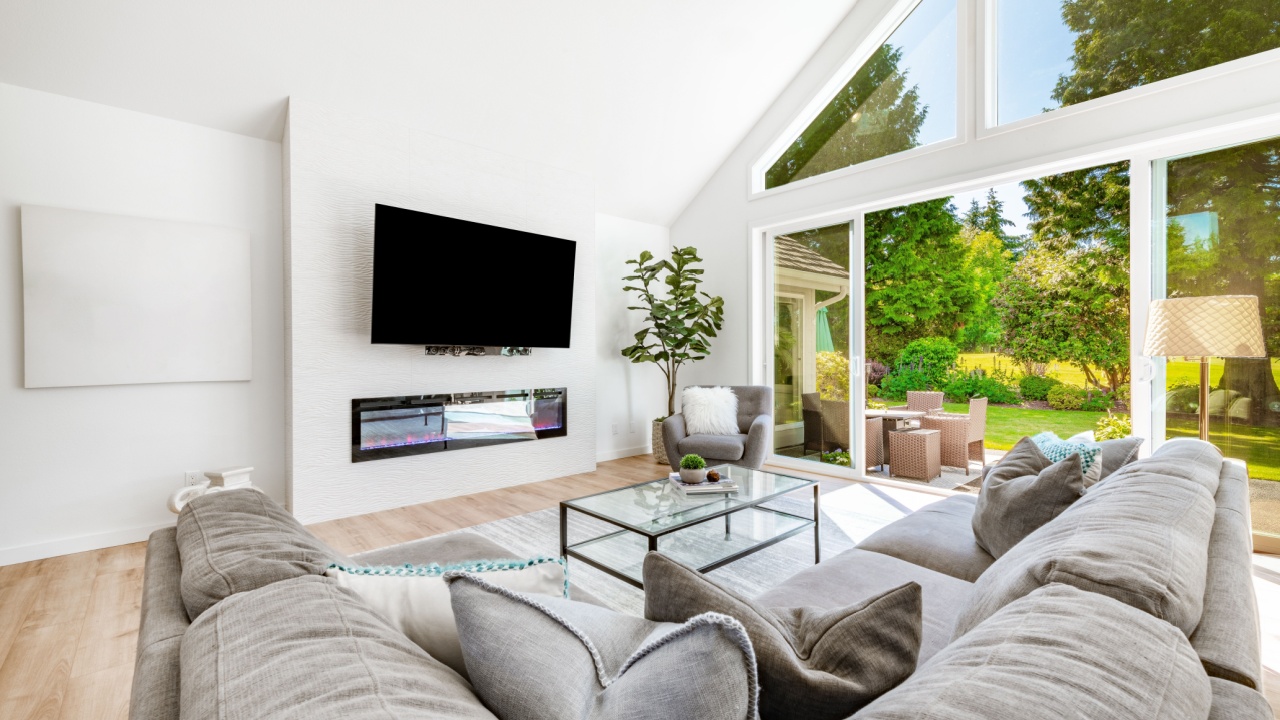
Placing a television above the fireplace has become a common solution for arranging furniture in living rooms, especially those with open layouts. It creates a single focal point, freeing up wall space and simplifying the room’s design. This setup consolidates the two main attractions of a living area.
This popular placement is often criticized for ergonomic and technical reasons. Mounting a TV that high forces viewers to crane their necks, which can lead to discomfort over time. Additionally, the heat and soot from a wood-burning fireplace can potentially damage the electronic components of the television, shortening its lifespan.
8. Books Turned Backwards
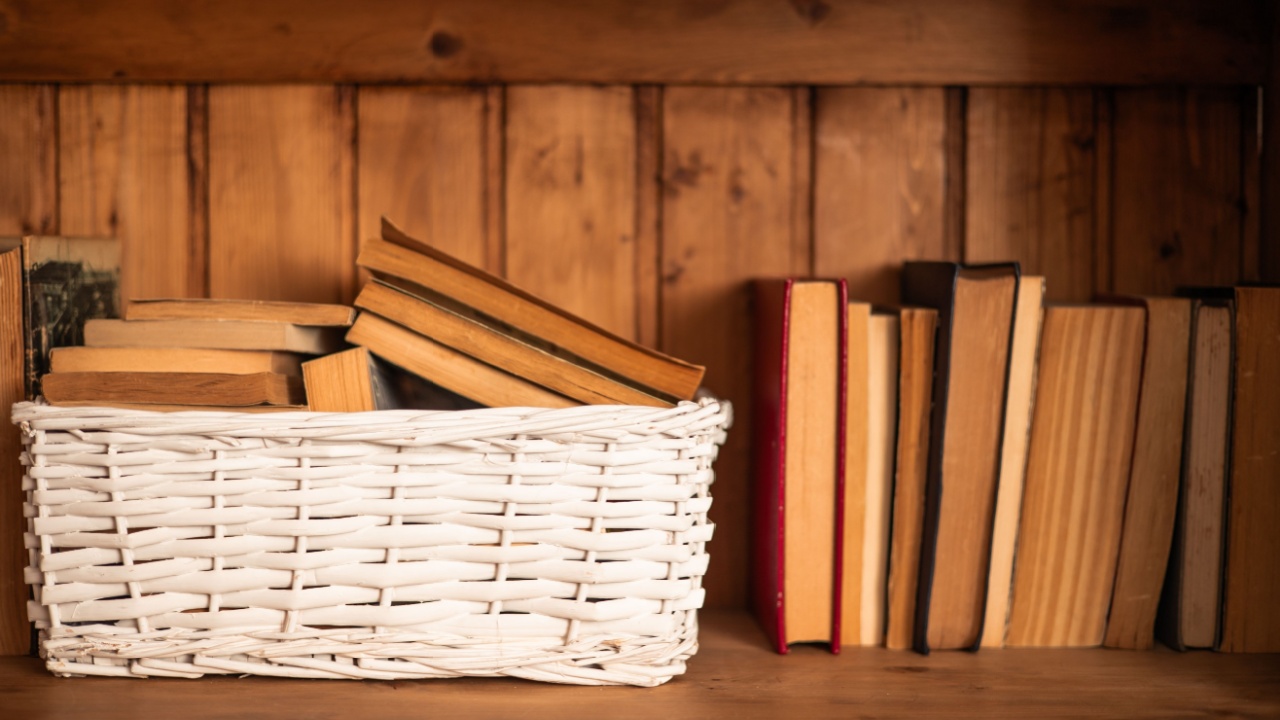
A peculiar decorative trend involves arranging books on a shelf with their spines facing the wall and the pages facing out. This creates a uniform, neutral look, focusing on the texture of the paper rather than the colors and titles of the book spines. The goal is purely aesthetic, treating books as objects to achieve a certain style.
For anyone who loves to read and collect books, this idea can seem nonsensical. Books are meant to be read, identified, and enjoyed. Turning them around makes it impossible to find a specific title without pulling out multiple volumes. It prioritizes a fleeting decorative whim over the primary function of a library.
9. Pedestal Sinks
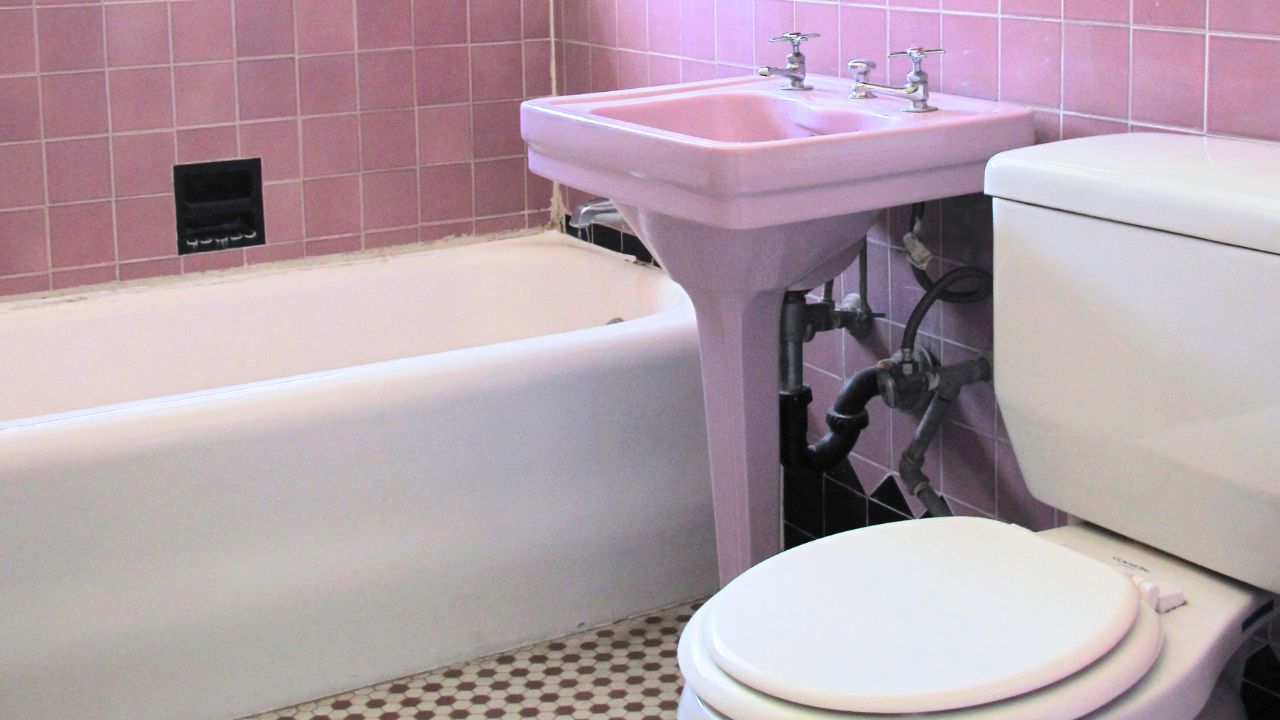
Pedestal sinks have a classic, elegant profile that can make a small bathroom or powder room feel more spacious. By eliminating the bulky vanity cabinet underneath, they create more visible floor area and a less cluttered look. Their simple design is timeless and fits well in both traditional and modern homes.
The main drawback of a pedestal sink is its complete lack of storage and counter space. There is no place to hide cleaning supplies, extra toilet paper, or toiletries. The small ledge around the basin offers minimal room for even a soap dispenser, making the sink beautiful but often impractical for a primary, high-traffic bathroom.
10. Greige Walls
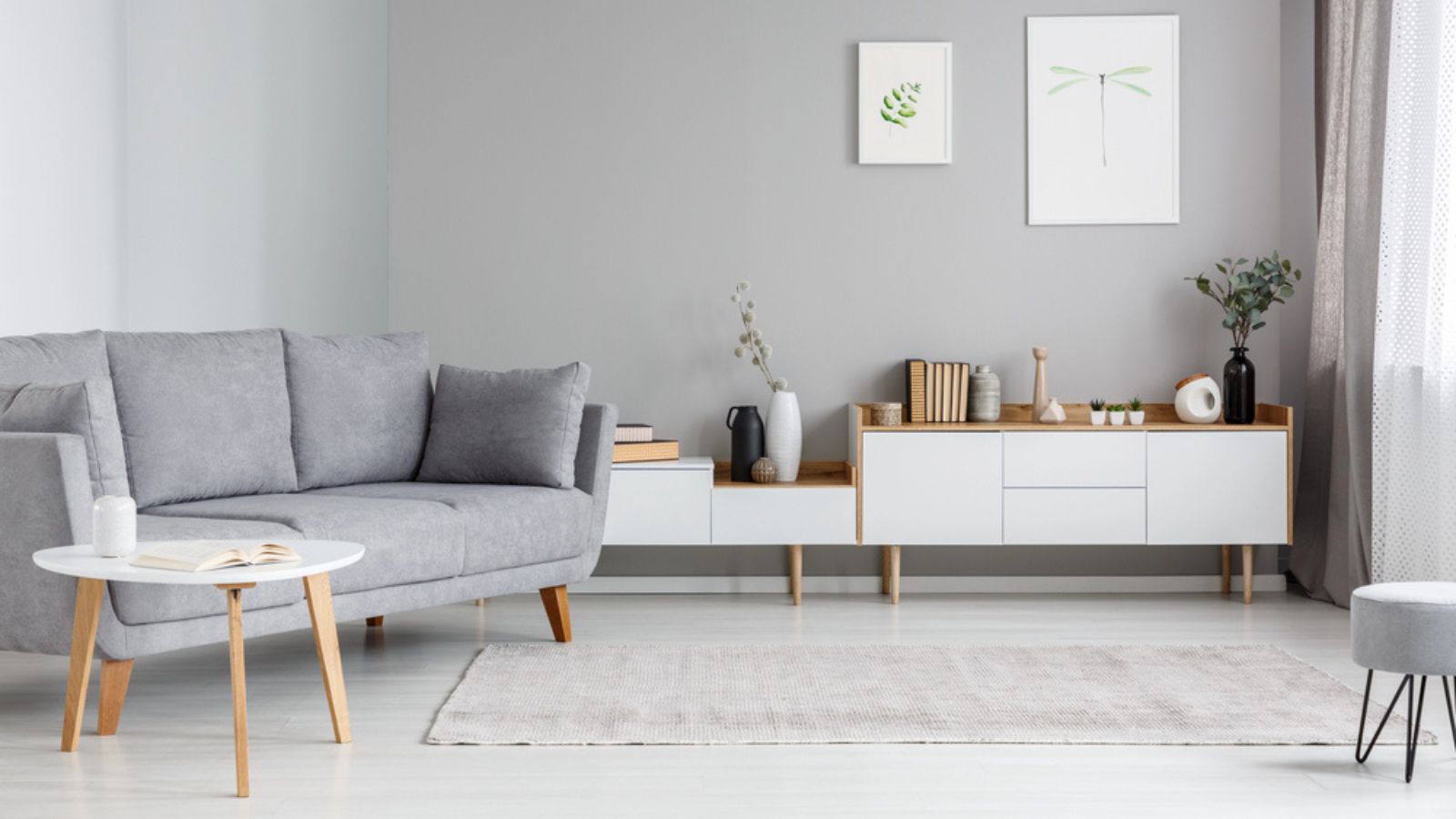
A mix of gray and beige, “greige” has become the go-to neutral paint color for many modern interiors. It offers more warmth than a stark gray but is more contemporary than a traditional beige. This versatile color provides a sophisticated and calming backdrop that complements a wide range of furniture and decor styles.
To some, particularly those who have seen color trends come and go, this ubiquitous neutral can feel uninspired and bland. A home painted entirely in greige can lack personality and character. Older generations may prefer more defined colors or classic off-whites, viewing the current obsession with this specific shade as a passing fad.
11. Clear Glass Shower Doors
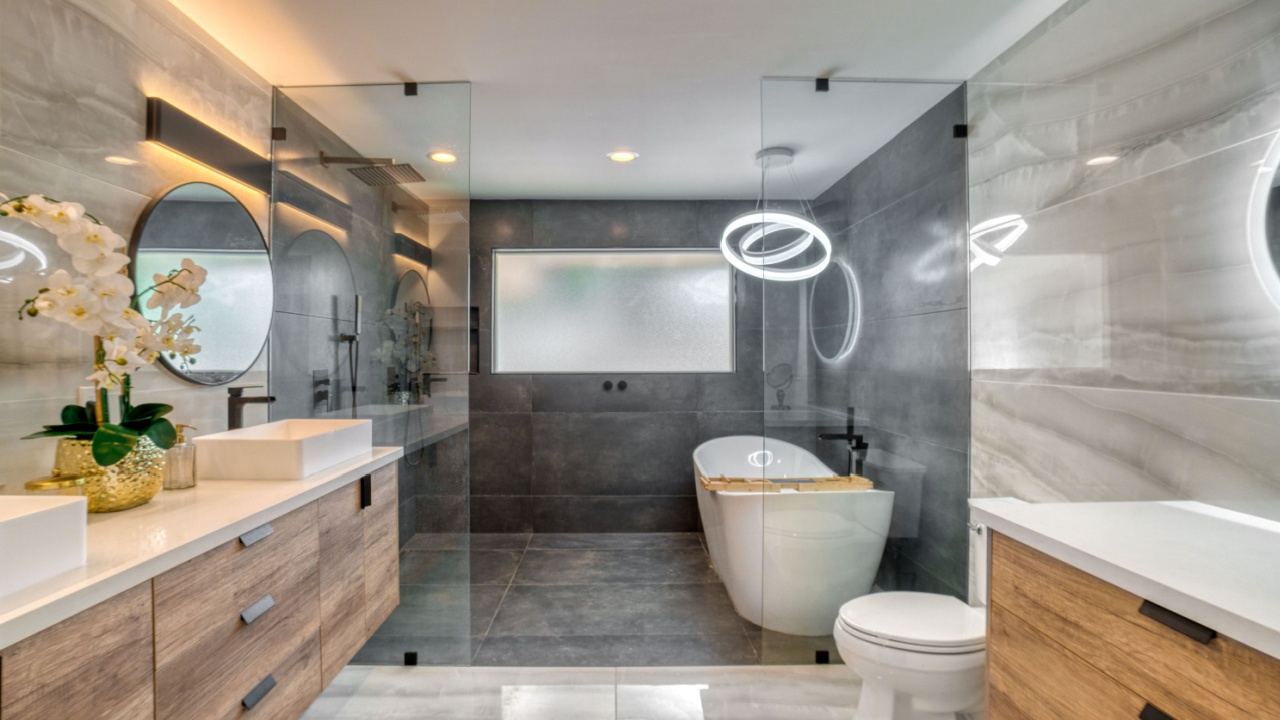
Frameless, clear glass shower doors are a hallmark of contemporary bathroom design. They create an open, airy feeling and allow decorative tilework inside the shower to be a focal point of the room. This seamless look can make a bathroom feel larger and more luxurious.
The transparency that makes these doors so appealing also makes them high-maintenance. They show every water spot, soap streak, and bit of mineral buildup, requiring diligent squeegeeing after every shower and frequent cleaning to look their best. Many people prefer the privacy and lower upkeep of a frosted or patterned glass door, or even a simple shower curtain.
12. Kitchen Islands with an Integrated Sink

Placing the primary kitchen sink in the island is a popular choice in open-concept homes. This design allows the person washing dishes or preparing food to face the living area and interact with family or guests. It transforms a typically solitary chore into a more social activity.
While it promotes sociability, an island sink brings the messiest part of the kitchen into the center of the living space. Dirty dishes tend to pile up in a highly visible location, and water can splash onto the surrounding counter, where people might be eating or sitting. Many prefer to keep the sink against a wall, reserving the island as a clear surface for dining and food prep.
Wrapping It Up
Home design trends are always changing, reflecting shifts in how we live, work, and socialize. While modern styles emphasize openness and minimalism, there are valid reasons why these choices might not appeal to everyone. Understanding the different perspectives can help you decide what truly works for your own home. Instead of following a trend, focus on creating a space that is functional, comfortable, and a true reflection of your personal taste.