
12 “Healthy” Foods That Are Actually Ultra-Processed (And What to Eat Instead)
It’s easy to get tricked in the grocery store. Packages with earthy colors and promises of “all-natural” goodness can make you think you’re making a healthy choice. But many products marketed as wholesome hide a heavily manufactured reality. Shoppers often toss these items into their carts, thinking they are making nutritious decisions.
To understand what makes a food processed, nutrition scientists use a classification tool called the NOVA system. It ranks foods on a scale, from completely unprocessed whole foods to ultra-processed foods at the other extreme. These ultra-processed products are typically made with industrial ingredients you wouldn’t find in a home kitchen, like hydrogenated oils, high-fructose corn syrup, and artificial flavors. Study after study has linked diets high in these foods to a greater risk of serious health problems, including type 2 diabetes and cardiovascular disease.
This list breaks down twelve surprisingly manufactured items that pretend to be health foods. We’ll also give you simple, whole-food alternatives. You’ll discover practical swaps to upgrade your daily meals without losing flavor or convenience.
1. Flavored Yogurt

Flavored yogurt frequently parades as a wholesome morning staple despite containing heavy doses of artificial flavors and thickeners. wide popular varieties pack high amounts of added sugar that rival sweet desserts while offering very little satiating protein. Consuming excess sugar regularly increases the risk of weight gain and high blood pressure.
Switch to plain Greek yogurt and sweeten it naturally using fresh berries or a small drizzle of honey. This swap provides a substantial protein boost and removes industrial additives from the morning routine. Adding sliced bananas or crushed walnuts brings extra texture and essential nutrients to the bowl.
2. Plant-Based Meat Alternatives

Many people swap red meat for plant-based burgers to cut down on cholesterol. But here’s the catch: many of these meatless patties are highly processed and packed with protein isolates, refined oils, and starches to get that beef-like texture. This means you might be getting a lot of extra sodium and fewer quality vitamins than you would from whole foods.
For a healthier, nutrient-packed alternative, try making your own black bean or lentil burgers. It’s easy to blend legumes with your favorite veggies and spices to create delicious, fiber-rich patties. If you’re buying them, check the label and go for options with short ingredient lists that feature real vegetables and grains.
3. Gluten-Free Snacks

Going gluten-free is a necessity for managing certain health conditions, but be wary of what you’re swapping in. Many heavily marketed crackers and cookies simply replace wheat with refined starches like tapioca flour, gums, and stabilizers. These structural additives offer zero nutritional value and take the place of beneficial whole-food ingredients.
For a better alternative, try naturally gluten-free options like homemade roasted chickpeas or crunchy brown rice cakes. Tossing chickpeas with your favorite spices and baking them delivers a satisfying crunch with a good dose of protein. For another easy snack, spread some almond butter over a plain rice cake; it’s filling and free of unnecessary industrial binders.
4. Granola Bars
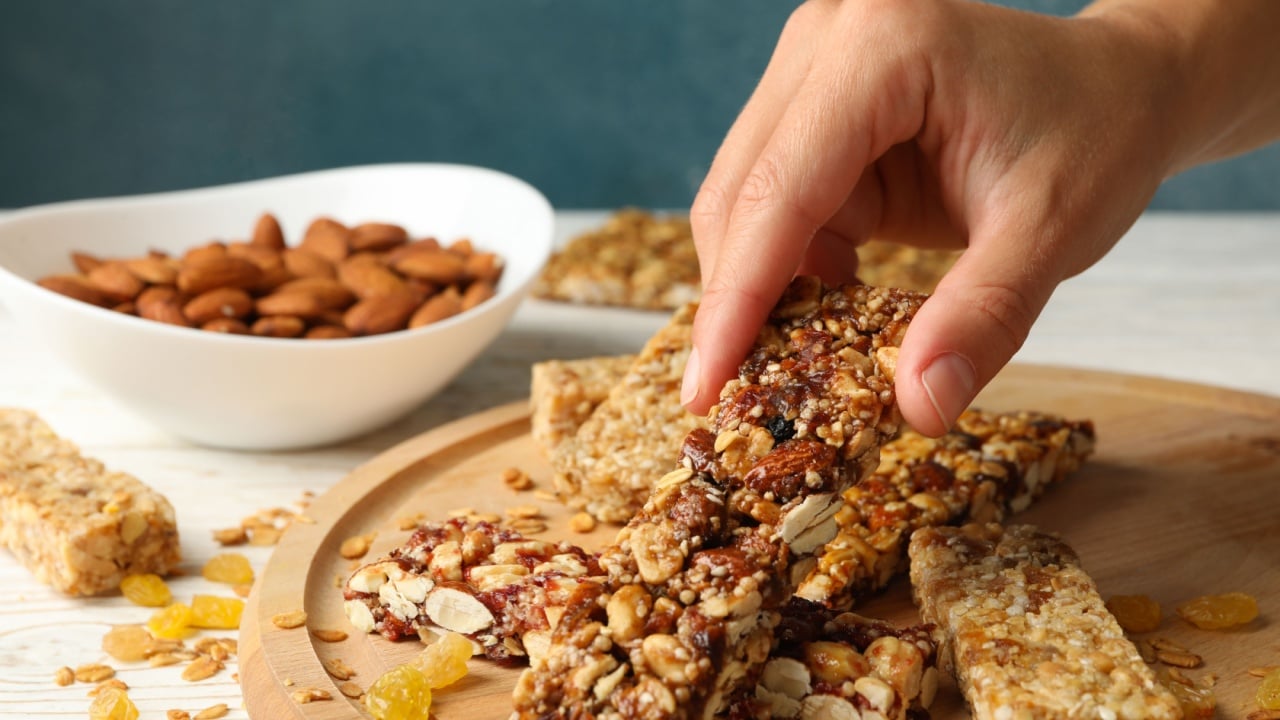
Granola bars often project an image of health and vitality, but their ingredient lists tell a different story. Many are loaded with refined grains, vegetable oils, sugar, and preservatives to extend their shelf life. The result is a product that delivers a quick sugar rush followed by a crash, offering empty calories instead of sustained energy.
Making your own oat bars is surprisingly easy and gives you complete control over the sweetness. Simply mix rolled oats with your favorite nuts, seeds, and dried fruit for a genuinely restorative snack. If you’re buying them, look for bars with short, recognizable ingredient lists and no added syrups.
5. Protein Bars and Powders
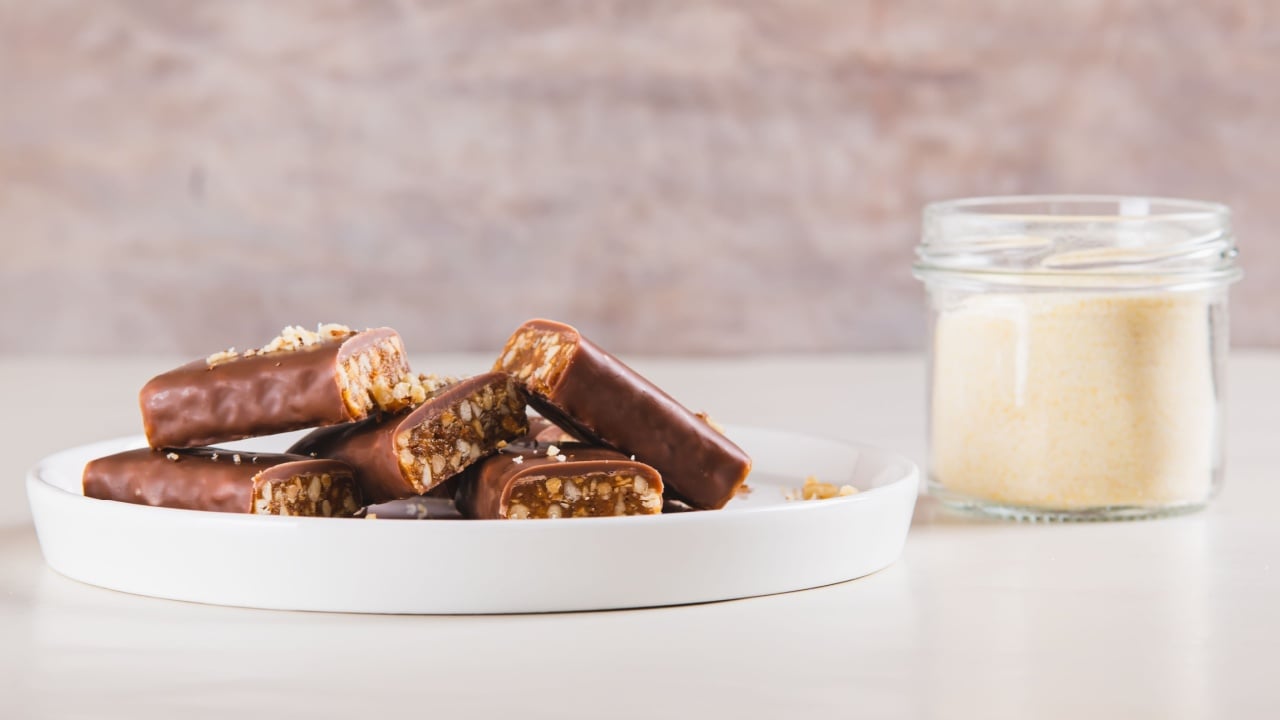
Many fitness enthusiasts rely on protein bars and powders for muscle recovery, but these supplements can be a mixed bag. Often, they’re heavily formulated with protein isolates, artificial sweeteners, and sugar alcohols that can cause bloating and an upset stomach. These factory-made products also lack the natural vitamins and fiber found in whole-food protein sources.
For a healthier approach to post-workout recovery, reach for actual food. Legumes, seeds, hard-boiled eggs, and poultry are all excellent choices. A portable snack of raw almonds and pumpkin seeds provides substantial fuel without the digestive distress. You could also blend rolled oats with natural peanut butter for an ideal post-workout bite that’s free of chemical sweeteners.
6. Packaged Salad Dressings

Don’t let labels like “light” or “organic” fool you. Bottled dressings often hide emulsifiers, artificial flavors, and high levels of sodium and sugar. Pouring these over fresh greens can turn a healthy meal into one loaded with empty calories. High sodium intake can drive up blood pressure, while hidden sugars increase the risk of metabolic syndrome.
It’s easy to make your own delicious and healthy dressing. A simple mix of olive oil, fresh lemon juice, and black pepper creates a bright, refreshing topping. For a creamy alternative, blend tahini with a splash of water and garlic powder. Making your own dressing at home means you can skip the chemical preservatives entirely.
7. Breakfast Cereals

Cereal boxes often shout about high fiber and organic grains, but many are packed with refined carbohydrates and artificial food coloring. These morning staples can cause a rapid spike in blood sugar, leaving you hungry long before lunchtime. A diet high in sugary breakfast cereals is strongly linked to an increased risk of obesity and heart disease.
For a better start to your day, build your breakfast bowl from scratch using plain oats, which provide a slow release of energy. For a convenient option, prepare overnight oats with chia seeds and fresh fruit. If you must buy a boxed cereal, choose one that lists whole grains as the first ingredient and contains only a few grams of sugar.
8. Veggie Straws and Chips
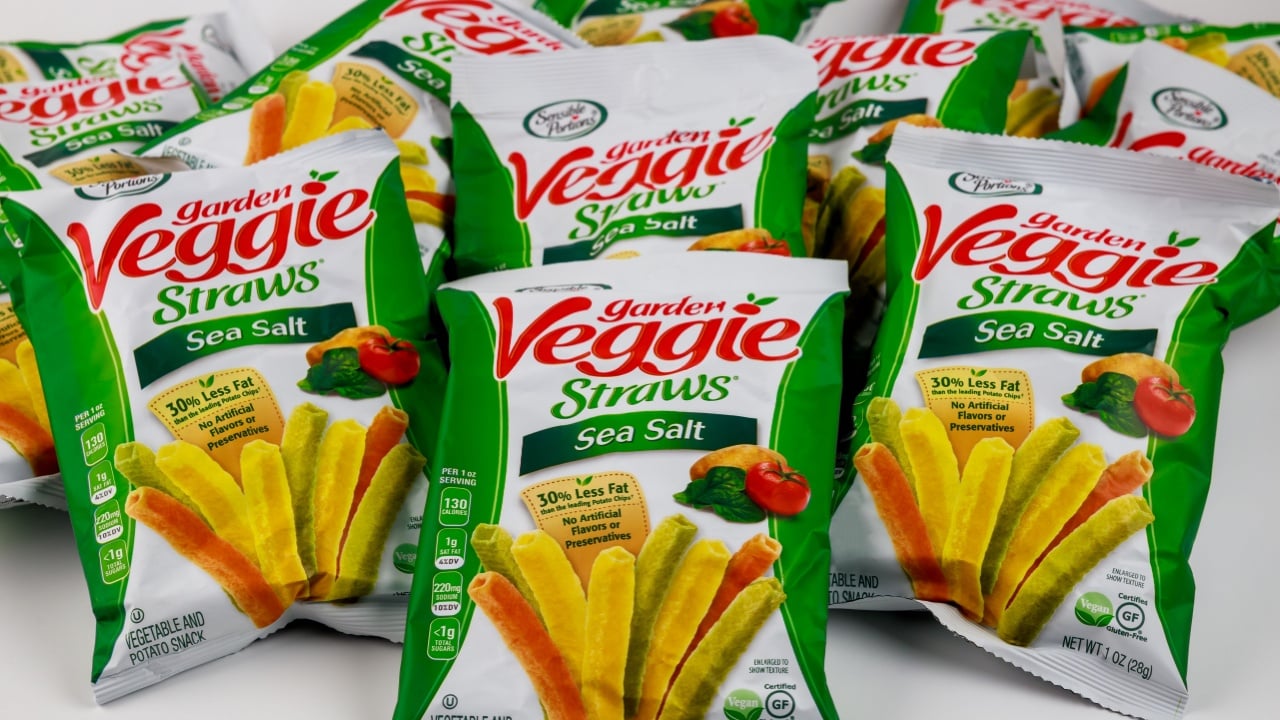
Those colorful veggie straws and chips might seem like a lighter alternative to potato chips, but their nutritional profiles are nearly identical. They’re typically made from potato flour and refined oils, with just a dusting of vegetable powder for color. These puffy snacks offer almost no dietary fiber and rely on heavy salt for flavor.
A much healthier option is to make your own popcorn. Just pop plain kernels in a paper bag for a voluminous, crunchy snack that’s rich in natural fiber. Sprinkle it with nutritional yeast or garlic powder for a savory kick without all the processing and refined oils.
9. Sweet Potato Fries
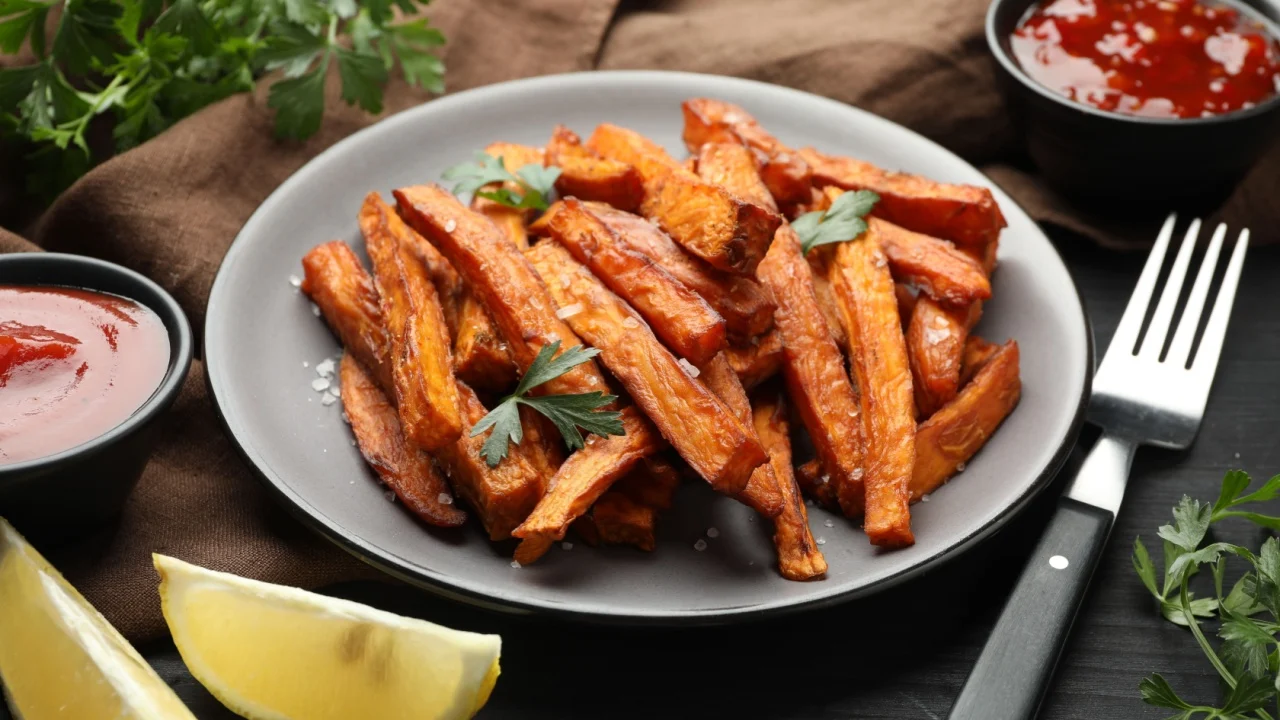
Many people order sweet potato fries, thinking they’re making a healthier choice. However, restaurants usually deep-fry them in the same repeatedly heated oils as regular fries. This intense frying process can generate oxidized fats and other harmful compounds linked to increased cancer risks.
For a much healthier version, bake fresh sweet potato wedges in your oven with a little bit of oil. For maximum crispiness, use an air fryer, which will also help preserve their nutrients. Leave the skins on to get the most vitamins and fiber from every bite.
10. Store-Bought Smoothies
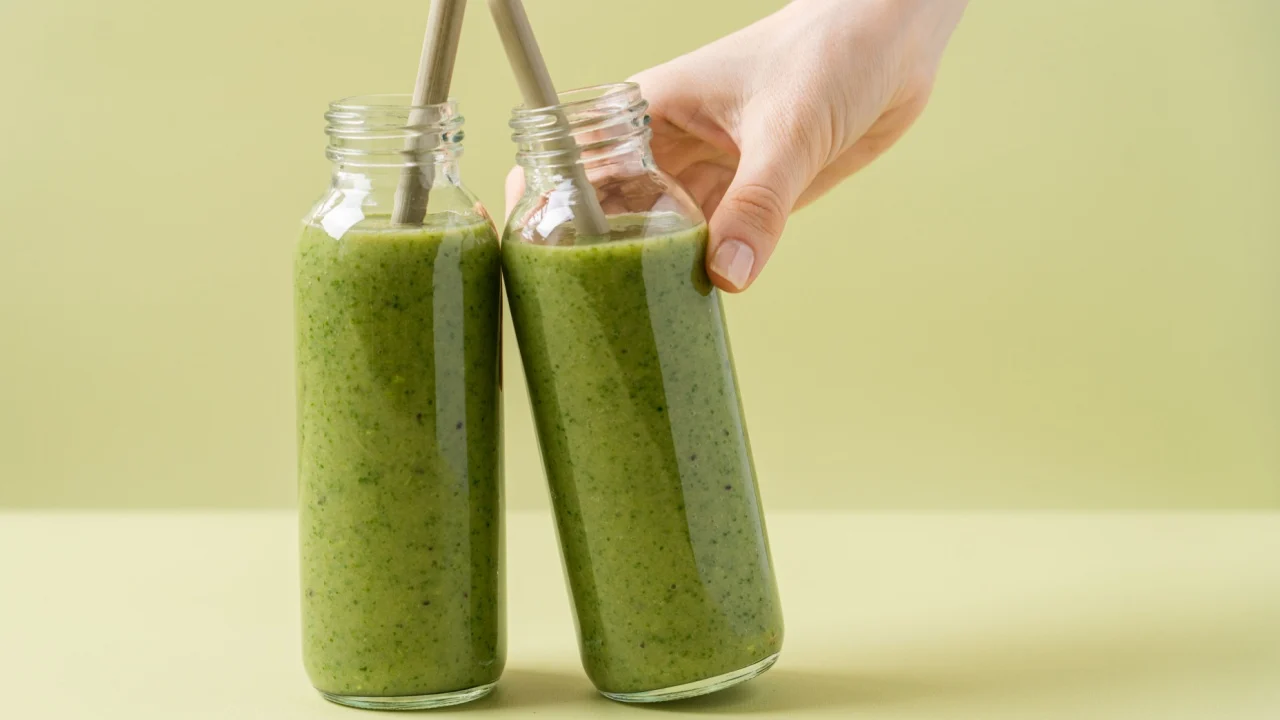
Bottled smoothies on refrigerated shelves promise a quick and easy way to get your daily vitamins. But these convenient drinks are often made from pasteurized purees stripped of their natural fiber and loaded with fruit juice concentrates. Gulping down one bottle can mean consuming more concentrated sugar than you’d get from eating several whole apples.
For a truly refreshing and nutrient-packed drink, blend your own smoothie at home. Combine whole spinach leaves with frozen berries and water for a beverage full of intact fiber. Add half an avocado or a scoop of hemp seeds for healthy fats that slow down sugar absorption. Homemade smoothies are far superior to any pasteurized commercial product.
11. Flavored Plant Milks

Cartons of vanilla almond or oat milk often boast about fortified vitamins to attract health-conscious shoppers. But check the ingredient list. Many brands add seed oils for a creamy texture and significant amounts of cane sugar to improve the taste. These additions can turn a simple plant-based beverage into something more like a liquid dessert.
For a pure and delicious alternative, try making your own almond milk by blending soaked raw almonds with fresh water. If you’re buying it, look for unsweetened versions that contain only water and nuts. Reading the label carefully will help you avoid products loaded with sunflower oil, sugar, and artificial thickeners.
12. Agave Nectar

Marketed as a natural sweetener, agave nectar goes through intensive thermal and chemical processing that destroys any beneficial plant compounds. The result is a syrup made almost entirely of pure fructose. Consuming highly concentrated fructose can overload the liver and contribute to insulin resistance.
For a healthier way to sweeten your food, try using mashed ripe bananas or unsweetened applesauce in baked goods and oatmeal. Raw local honey is a less processed option that contains trace minerals and enzymes. A small amount of real maple syrup is also a much better choice than highly refined agave.
Clean Up Your Diet by Cleaning Out Your Pantry

Revamping a daily diet requires taking a closer look at the brightly colored packages dominating modern pantries. Swapping manufactured conveniences for simple whole foods immediately removes hidden sugars and industrial oils from the menu. Head to the kitchen right now to inspect those ingredient labels and throw out anything resembling a chemistry experiment.
Read More: