12 Habits of Baby Boomers That Thoroughly Confuse Younger Generations
Have you ever watched an older relative answer a ringing house phone during dinner without a second thought, or print out driving directions for a trip across town? These small actions often create a sense of bewilderment for younger people who are accustomed to screening calls and relying on GPS. The world is shaped by the tools and social norms we grow up with, and what is normal for one generation can seem completely alien to another.
These generational divides are not sources of conflict, but points of curiosity. They show how quickly society, technology, and communication styles can change. The habits of older generations were formed in a different context, one with different expectations for social interaction, work, and daily life.
This article will look at twelve specific habits commonly found in older individuals that often puzzle their younger counterparts. Understanding the “why” behind their actions can bridge the gap and turn confusion into appreciation for the different paths people have walked.
1. Preferring Phone Calls Over Texts
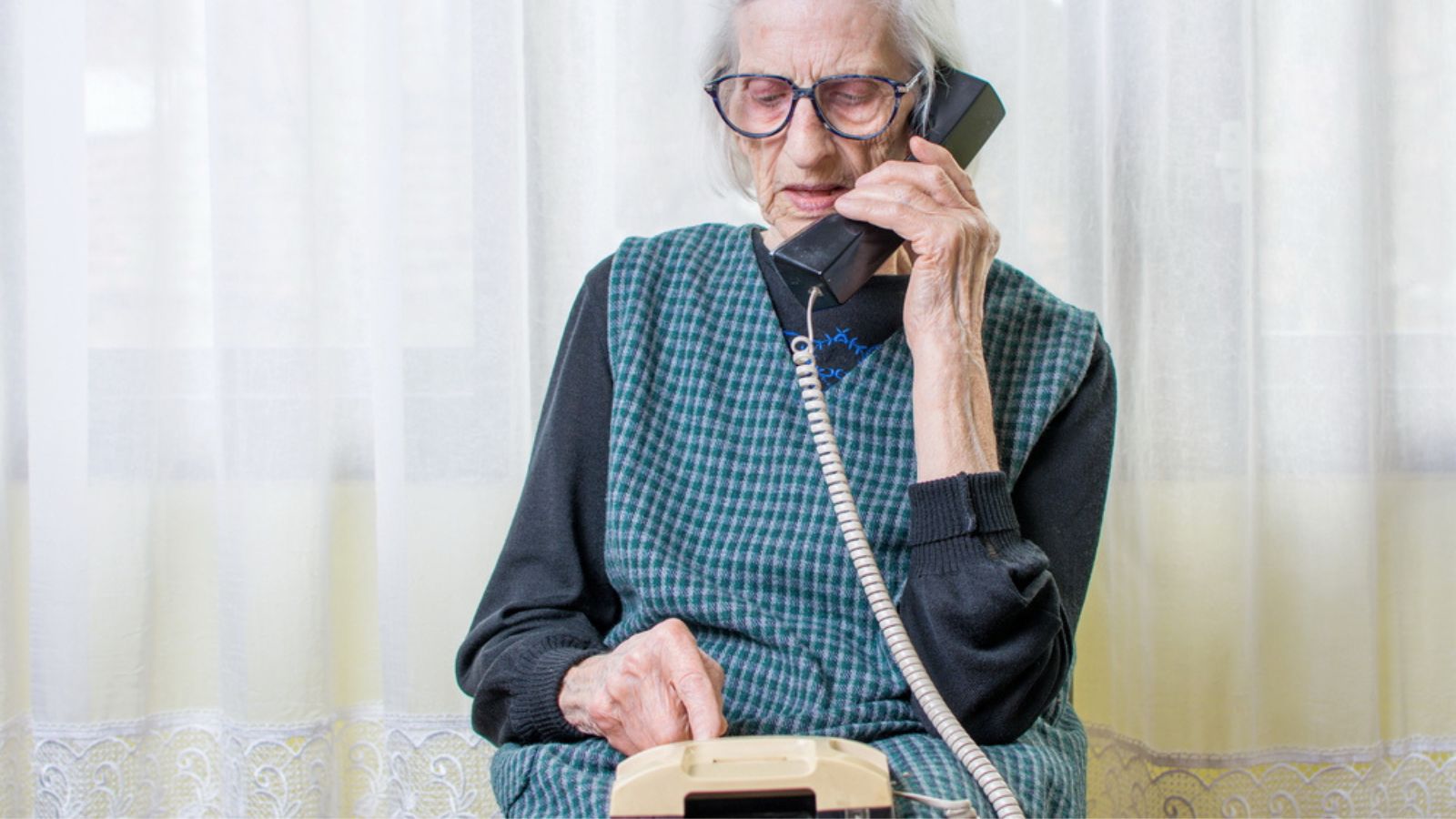
For many younger individuals, an incoming phone call can feel like an intrusion, reserved for emergencies or scheduled appointments. They often prefer texting, which allows for thoughtful replies at a convenient time. Older people, however, frequently reach for the phone as their primary method of communication. They will call to ask a simple question, share a quick story, or just to say hello.
This reliance on phone calls stems from an era when the telephone was the main tool for instant connection across distances. A phone call was personal and direct. For them, a call is a more genuine way to connect with someone, while a text can feel impersonal or detached.
2. Depending on Paper for Many Tasks

We have digital calendars, online banking, and cloud storage; therefore, the continued reliance on paper can be perplexing. Younger generations might watch in confusion as an older person meticulously writes down appointments in a physical planner, balances a checkbook by hand, or prints every important document.
The preference for physical copies is tied to a sense of security and tangibility. For people who grew up without digital backups, a piece of paper was a reliable record. It could not be deleted by a technical glitch or lost in a forgotten digital folder. Writing things down also helps with memory retention for many.
3. Commenting on Another Person’s Appearance

An older relative might greet you with a comment like, “You’ve gained some weight,” or “You look tired,” with no ill intent. To a younger person, such direct observations on their physical appearance can feel judgmental or rude. Contemporary social etiquette for younger people often discourages unsolicited comments on someone’s looks, positive or negative.
This habit often comes from a place of familiarity and what was once considered normal observation. In previous decades, commenting on appearance was a common way to start a conversation or show that you were paying attention. It was not necessarily meant to be critical, but rather a straightforward observation between people who knew each other well.
4. Dropping By Unannounced

The surprise knock on the door from a friend or family member is a scene many older individuals remember fondly. For them, dropping by a neighbor’s house for a cup of sugar or visiting a relative who lives nearby without calling first was a normal part of life. Younger generations, however, often view their homes as private spaces and prefer planned visits.
An unannounced guest can feel like an interruption to their schedule or an invasion of their personal time. This difference highlights a shift in how communities and personal time are perceived. With today’s hectic schedules and digital planning tools, giving a heads-up has become a practical courtesy.
5. Expecting Small Talk in Every Situation
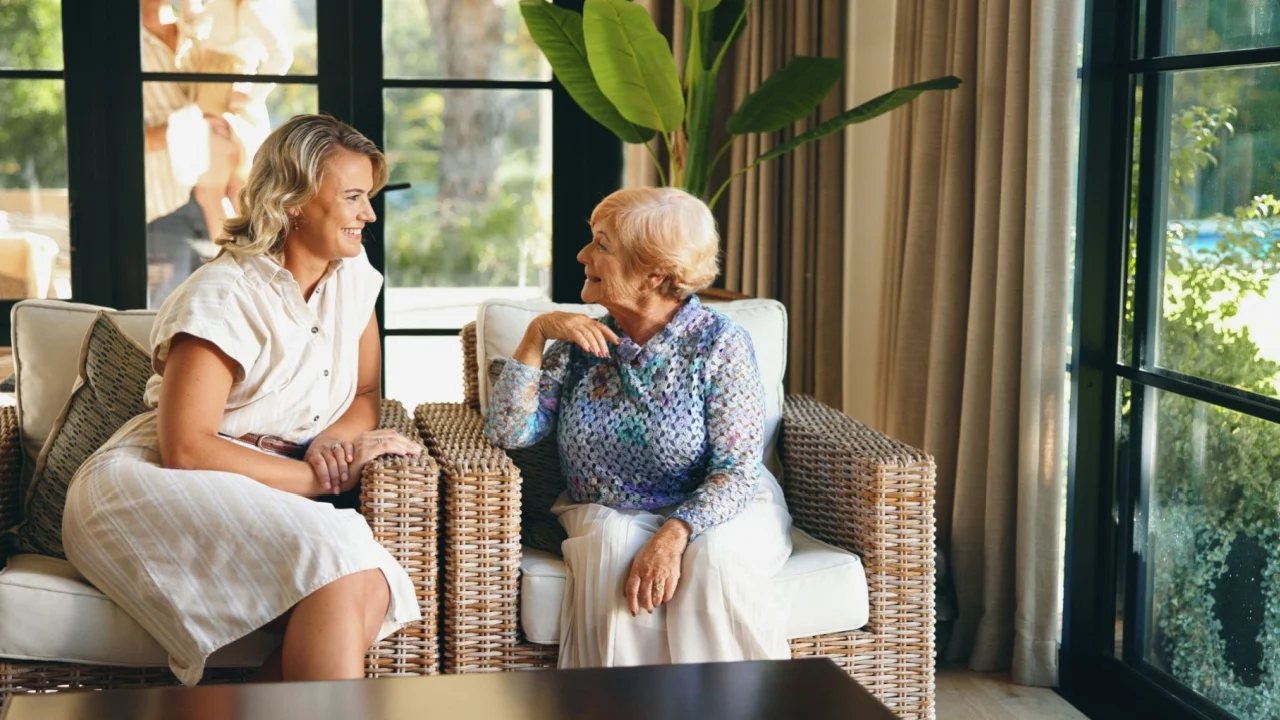
For many older people, engaging in small talk with cashiers, bank tellers, or strangers in line is a natural and pleasant part of any public interaction. They might ask the grocery clerk how their day is going or strike up a conversation with the person next to them at the pharmacy. To younger individuals who are often focused on efficiency, this can seem unnecessary.
They might prefer a quick, transactional exchange, sometimes using headphones as a signal that they do not wish to be disturbed. This desire for small talk is rooted in a culture where community interactions were more frequent and valued. These brief conversations were seen as a way to build a sense of community and acknowledge the humanity of the people around you.
6. Valuing Loyalty to a Single Employer

The idea of staying with one company for an entire career is one that many older workers hold in high regard. They often view job-hopping as a sign of unreliability or a lack of commitment. A long tenure at one organization was a source of pride and stability. It was often rewarded with pensions and other benefits.
This perspective can make them question why younger workers change jobs every few years. Younger generations entered a very different job market. While the promise of lifelong employment with a single company has faded, research suggests that young people aren’t job-hopping as much as it might seem.
7. Being Wary of Modern Technology

Many older individuals express a general distrust of new technology, from online banking to social media. They might worry about privacy, scams, and the security of their personal information. This can lead them to avoid using digital services that younger people find essential.
While they may use a smartphone or a computer for basic tasks, they remain hesitant to fully integrate these tools into their lives. Most prefer traditional methods they understand and trust. This caution is not unfounded. Older generations have been the target of many online scams, and they did not grow up with the intuitive understanding of the digital world that younger people possess.
8. Sending Food Home With You

A common experience for younger people visiting older relatives is leaving with an armful of leftovers or pantry items. According to Science Direct, Grandma always thinks you are hungry. Even after insisting they are full or have enough food at home, the host will pack containers of food to take. This gesture, while generous, can sometimes feel overwhelming or even wasteful if the food is not eaten.
For the younger person, a simple “thank you for dinner” is sufficient. This habit is often an expression of care and a deep-seated desire to nurture. For many older individuals, providing food is a primary way to show love and affection.
9. Leaving the Television on All Day

Walking into an older person’s home, you might find the television on, even if no one is actively watching it. Younger people are used to curating their own media consumption with streaming services or podcasts. The idea of a television running constantly in the background can seem distracting or pointless.
The television as a constant companion is a habit from a time when it was the central piece of household entertainment and information. For some, especially those who live alone, the sound from the television can provide a sense of company and connection to the outside world.
10. Using Formal Language in Casual Settings

Receiving an email or text from an older person can sometimes feel like reading a formal letter. They might use full sentences, proper capitalization, and punctuation, and even sign off with their name. This contrasts sharply with the abbreviated, emoji-filled, and lowercase-heavy communication style common among younger people.
The formality can seem stiff or out of place in a casual digital conversation. This formal approach to writing is a direct result of their education and professional training. In their time, proper grammar and spelling were emphasized in all forms of written communication. There was no distinction between a formal letter and a quick note; clarity and correctness were always the standard.
11. Assuming the Worst-Case Scenario

Some older individuals seem to have a tendency to jump to the worst possible conclusion in any given situation. They catastrophise pain: a mild stomachache could be a sign of a serious illness, or a late arrival could mean a terrible accident has occurred. This can come across as excessive worry or pessimism to younger people, who may have a more relaxed or optimistic outlook.
The constant anticipation of disaster can be emotionally draining for everyone involved. This mindset is often a product of life experience. Older generations have lived through more and have seen more go wrong. They may have experienced economic downturns, personal losses, or health crises that have taught them to be prepared for adversity. Their tendency to imagine the worst is not meant to be negative, but is a protective mechanism.
12. Following Traditional Gender Roles
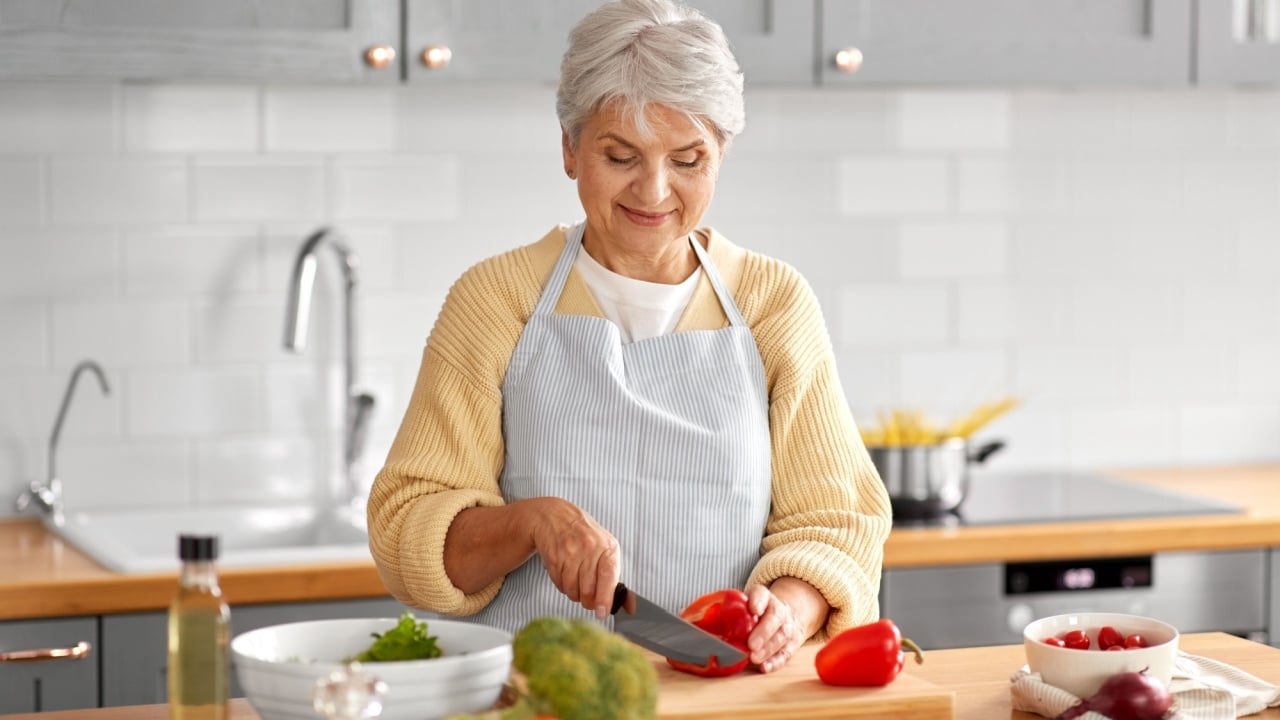
Studies show older generations often adhere more strictly to traditional gender roles in their relationships and households. It might be assumed that women handle the cooking and cleaning, while men take care of yard work and home repairs. These expectations can be confusing for younger people, who are generally raised with a more egalitarian view of partnership and domestic responsibilities.
These roles were the social norm for much of the 20th century, reinforced by culture, media, and community expectations. For many older individuals, these divisions of labor were simply the way things were done, and they formed the basis of their family structures. While society has changed, these ingrained habits can persist. It is a reflection of the world they grew up in, not necessarily a rejection of modern ideals.
Learning From Each Other

Generational habits are a fascinating reflection of our shared history. The behaviors that confuse us today were once practical, polite, or simply the norm. Understanding where these habits come from does more than just solve a mystery; it fosters empathy. It reminds us that every generation is a product of its time, shaped by the technology, social structures, and life experiences available to them.
By looking at these differences with curiosity instead of judgment, we can learn more about each other and the ever-changing world we all inhabit.
Read More:
Protect Your Heart and Home: 5 Types of People That Target Retirees
17 Things Boomers Should Sell Right Now to Pad Their Retirement Cushion