12 Estate Sale Items That Just Aren’t Worth It
Walking into a stranger’s home to buy their belongings offers a unique thrill. The possibility of uncovering a hidden gem drives people to wake up early on weekends and stand in line. However, amidst the treasures lie plenty of traps. Not everything priced to sell deserves a spot in your trunk. Bringing home certain objects often leads to regret rather than satisfaction. You might find yourself saddled with repair bills, hygiene hazards, or items that simply do not fit your life.
Here are specific categories to avoid, helping you save money and storage space while keeping your home safe.
1. Pantry Items

Open boxes of tea or half-used spices might seem like a bargain at fifty cents. Resist the urge. Spices lose potency quickly. That tin of paprika from 1995 likely tastes like dust rather than pepper. Oils and nuts go rancid over time, developing an unpleasant smell and taste that ruins fresh ingredients.
Even sealed packages pose risks. Packaging degrades. Moisture seeps in. Weevils or pantry moths often hide inside flour or grain boxes, waiting for a ride to a new home. Bringing these pests into your kitchen introduces an infestation that costs hundreds to remove. Home-canned goods present an even larger danger. Without knowing the exact processing method used, you risk botulism.
2. Custom Window Treatments

Drapes and curtains custom-made for a specific window rarely fit another. Windows differ in width and height even in similar houses. You might love the fabric, but functionality matters. If the drapes are too short, they look awkward. If they are too long, they gather dust on the floor.
Altering heavy fabric requires skill and heavy-duty machinery. Taking them to a professional for resizing often costs more than buying brand-new panels. Furthermore, fabric that hung in a sunny window for decades often suffers from dry rot or fading. The damage might not appear obvious until you take them down and unfold them, revealing streaks of discoloration. Unless the fabric possesses incredible value for a craft project, let it hang.
3. Kitchen Appliances
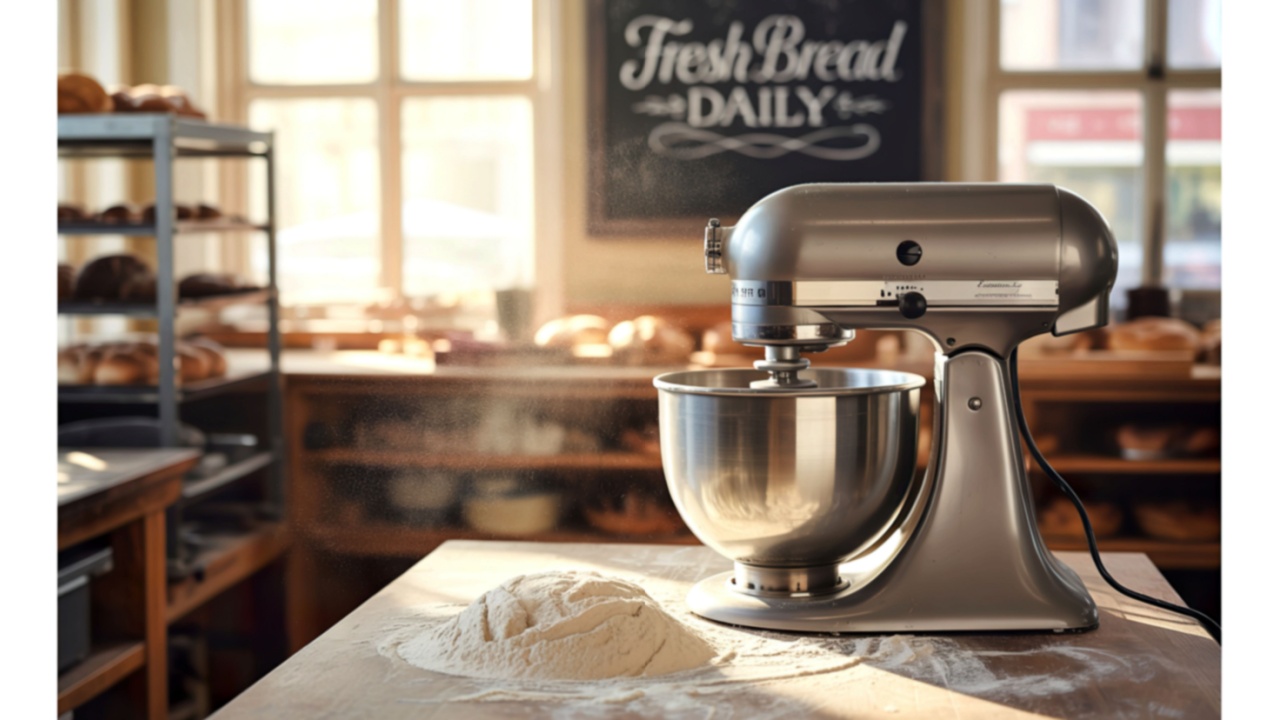
A vintage mixer or toaster looks charming on a counter. Sadly, internal components degrade regardless of how good the exterior looks. Rubber gaskets dry out and crack, leading to leaks. Wiring becomes brittle and insulation flakes off. A motor that hums for ten seconds might smoke and die under load.
Safety standards have changed drastically over the years. Older appliances often lack grounding plugs or safety shut-offs. Using them poses a fire risk. Additionally, replacement parts for obscure models often do not exist. Unless you possess skills in small engine repair and enjoy hunting for salvage parts, sticking to modern appliances saves frustration.
4. Repainted Items

Buying decor at an estate sale can bring a lot of tears. A fresh coat of paint often signals a cover-up. Sellers might paint over water damage, rust, or rot to make a piece look presentable for the sale. That charmingly distressed dresser could hide moldy wood or structural cracks underneath. Paint also masks odors, sealing in smells of mildew or smoke that eventually seep out again.
Inspect any painted furniture closely. If the paint looks brand new but the piece smells musty, walk away. You want furniture with good bones, not just a pretty face. Stripping paint to reveal the original wood is a messy, toxic job that takes days. You are better off buying unpainted wood so you know exactly what you are getting.
5. Sheets and Towels
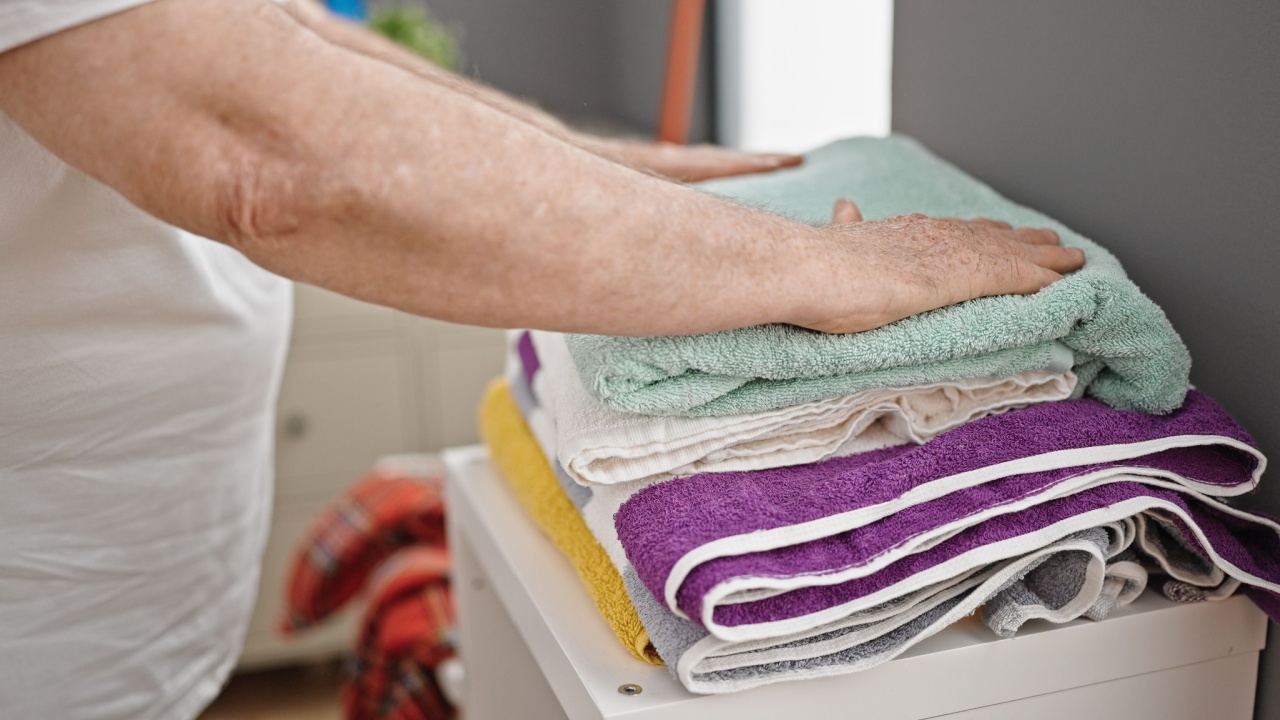
Linens retain a history you do not want. Towels lose absorbency with age and repeated washing, becoming scratchy and thin. Sheets wear down in the center, making them prone to tearing after one or two uses. Mismatched sets are common, leaving you with a fitted sheet that has no matching pillowcases.
Hygiene concerns also arise. Bedbugs and dust mites survive in fabric fibers. Washing in hot water helps, but stubborn biological stains and general wear remain. You spend a third of your life in bed. Treat yourself to fresh, new linens from a store instead of sleeping on someone else’s memories.
6. Chipped Glassware
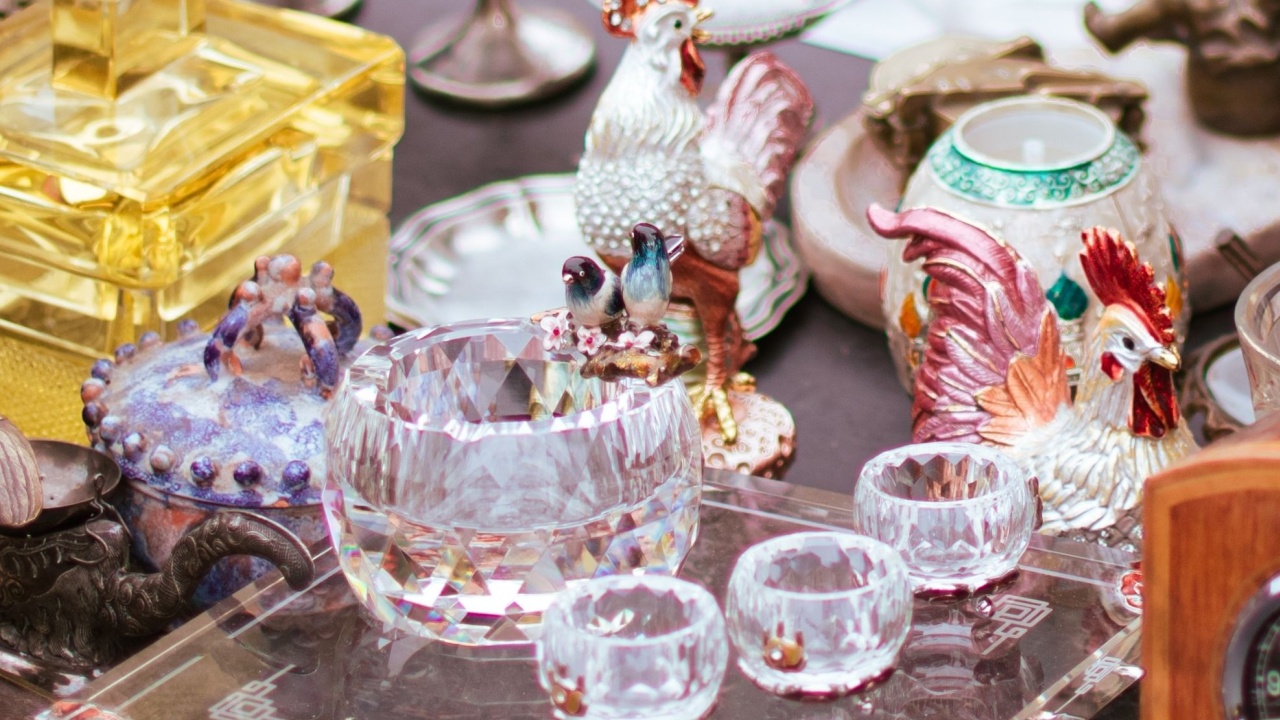
Crystal stemware sparkles beautifully until you spot the jagged edge. A chip on the rim renders a glass unusable. Drinking from it risks injury to the lips and tongue. Even a small nick weakens the overall structure of the glass. It becomes liable to shatter in a dishwasher or when exposed to warm water.
Collectors generally avoid damaged glassware, meaning resale value sits at zero. You cannot fix a chip in glass; you can only grind it down, which ruins the profile. Do not clutter cupboards with broken dishes that you cannot use for guests. Check the rims of every glass with your finger before purchasing. If it feels rough, put it back.
7. Potential DIY Projects

Not all furniture at an estate sale should follow you home. We all see a broken chair and imagine restoring it to glory. Be honest regarding your free time and energy levels. Most “fixer-upper” items move from the estate sale directly to your garage, where they gather dust for five years. Buying a project assumes you have the tools, skills, and hours to complete it immediately.
Often, the cost of materials to fix an item exceeds the value of the finished piece. If you need to buy clamps, glue, and stain, the bargain chair becomes very expensive. Unless you are a professional restorer with an empty schedule, leave the project for someone else.
8. Old Light Fixtures
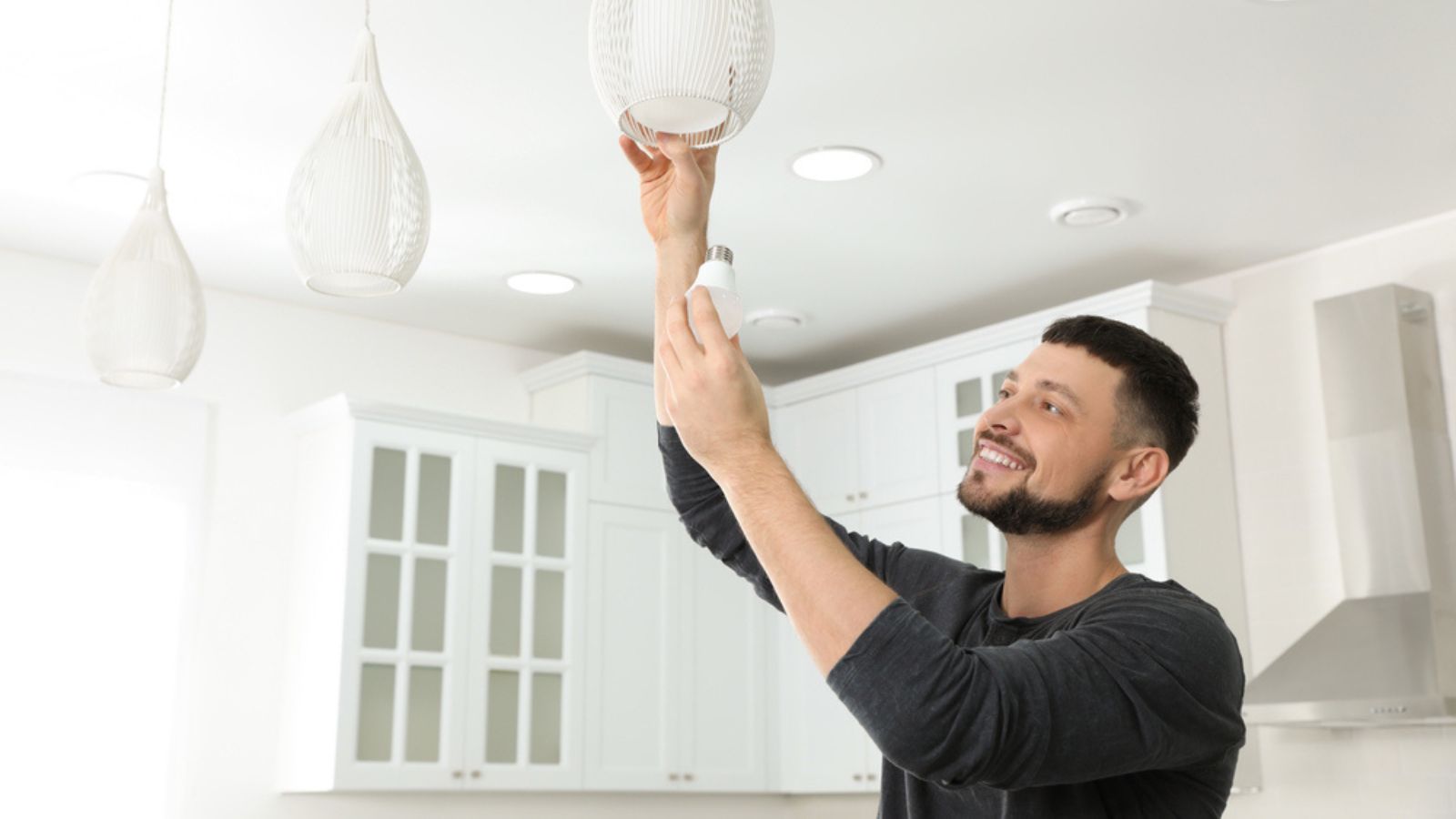
Vintage lamps offer style, but old wiring invites danger. Cloth-covered cords fray over the years, exposing live wires. Plugs crack and lose their grip. Internal sockets corrode, leading to short circuits. Using these without rewiring creates a significant fire hazard in your home.
Rewiring a lamp is simple for some, but complex chandeliers or sconces require professional help. Many older fixtures also use non-standard bulb sizes or sockets that are hard to find today. Factor the cost of rewiring into the price. Usually, the total expense outweighs the value.
9. Puzzles
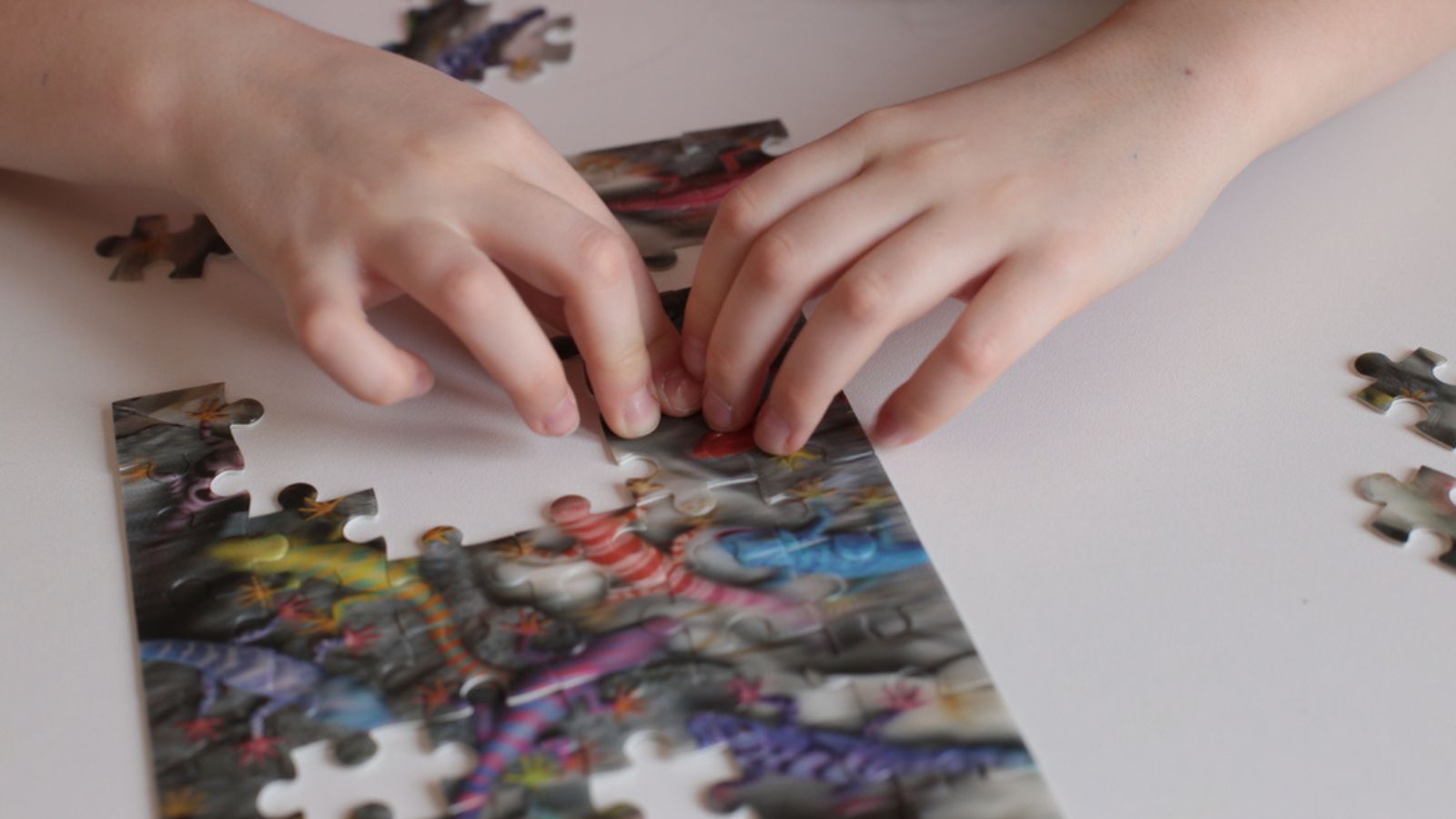
Buying puzzles can be, well, a puzzle. Imagine spending three weeks assembling a thousand tiny cardboard pieces. You reach the end, only to find the final piece is missing. This scenario happens constantly with second-hand puzzles. Once a box is opened, pieces vanish into carpets or vacuum cleaners.
Unless the box is factory sealed, assume it remains incomplete. Even if the box is taped shut, moisture damage from basement storage might have caused the pieces to warp or peel. The frustration of an unfinished image is never worth the dollar savings.
10. Items You Haven’t Measured

Spatial optimism leads to bad purchases. That armoire looks small in a large estate showroom with high ceilings. In your hallway, it becomes a behemoth. Buying furniture without precise measurements of your own space guarantees headaches. You might find the piece physically fits in the room, but blocks a walkway or covers a vent.
More importantly, you must measure your entryways. A beautiful sofa is useless if it cannot fit through your front door or pivot around a staircase landing. Always carry a tape measure and a list of your room dimensions. If you don’t know the numbers, keep your wallet closed.
11. Cutting Boards and Kitchen Utensils
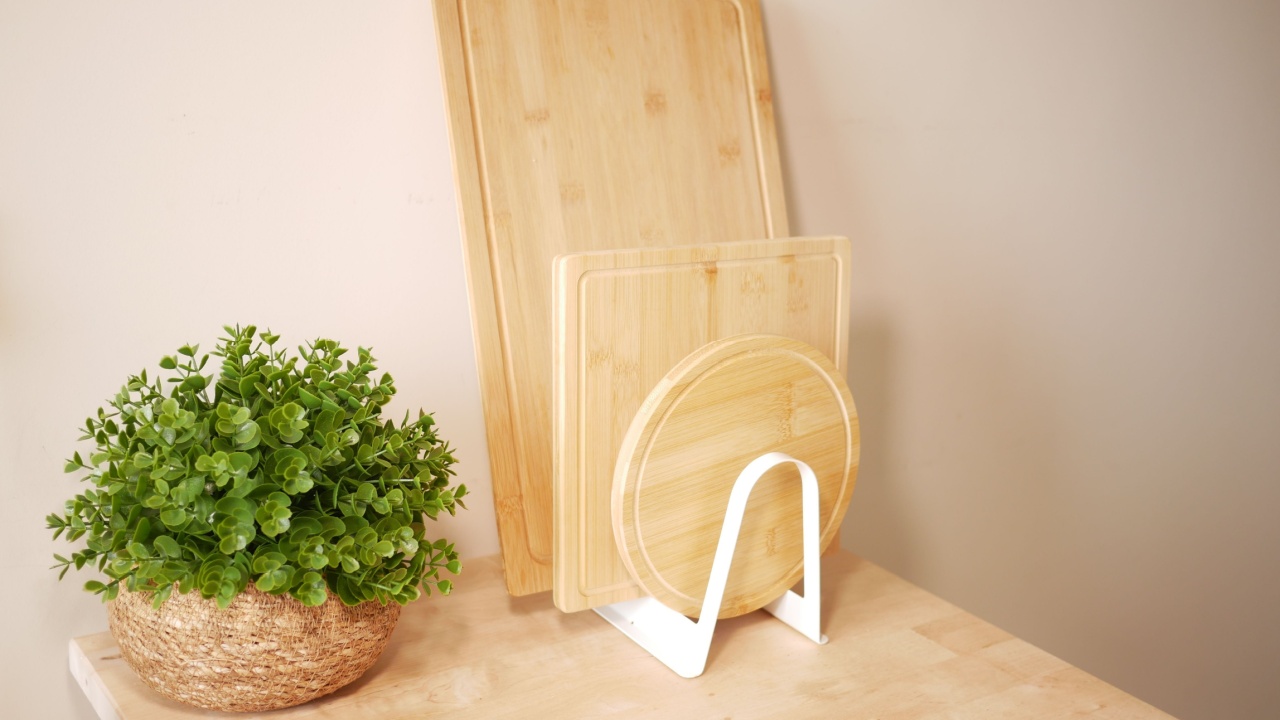
Wooden cutting boards absorb liquids and bacteria. Over years of use, deep knife grooves form, harboring germs that scrubbing cannot reach. You can tell a cutting board is well past its prime if it is warped; warping often occurs if the board was soaked in water, causing it to wobble on the counter. Glued seams can fail, harboring mold.
Plastic utensils melt and degrade, releasing microplastics or chemicals into food. Rubber spatulas become brittle and flake off. Second-hand kitchen tools of this nature present a health risk. These items are inexpensive to buy new. Prioritize health over a minor discount.
12. Upholstered Furniture

Sofas and armchairs absorb their environment. They trap cigarette smoke, pet dander, and cooking odors deep in the foam. Febreze only masks these smells temporarily. On a hot day, the old odors return with a vengeance.
More alarmingly, upholstery makes a perfect nest for bedbugs. These pests travel easily from one home to another inside cushions or underneath fabric folds. Structural issues also hide beneath the fabric. Springs sag and frames crack, defects you might not notice until you sit on the piece for an hour. Professional cleaning and reupholstering cost a fortune. It is safer to buy hard furniture that you can wipe down.
Shop Smart

Estate sales offer a fun way to spend a weekend, but discernment pays off. Avoiding these twelve categories keeps your home clean, safe, and functional. Focus your budget on solid wood furniture, art, hardback books, or decor that cleans up easily. Your wallet and your storage space will appreciate the restraint. When you find yourself debating a purchase, ask if you would buy it if it were full price. If the answer is no, walk away.