
12 Entry Points Pests Use That Homeowners Can Miss
Small intruders do not need an invitation to settle into a living space. While you might see your house as secure, to a cockroach or a mouse (or even a snake), it is full of small openings waiting to be used. These pests can spot tiny gaps that most people would never notice at a glance. Once they find a way in, they waste no time making themselves at home.
A big part of dealing with this problem is knowing where to look. These entry points are not random. They come from common building gaps and everyday wear and tear around the house. Pests rely on simple needs like food, water, and shelter, so they are always searching for the easiest way inside.
Weather changes also play a role. When it gets colder or food becomes easier to find indoors, insects, reptiles, and rodents start looking for warmer, safer spaces. Their senses help them track even the smallest openings, which is why small cracks or loose fittings can quickly turn into a bigger issue.
This guide walks through the most common ways pests get in. It covers hidden gaps, daily habits that attract them, and outside conditions that make entry easier. Each section explains why these spots are risky and what you can do to fix them before the problem grows.
1. Gaps Around Windows
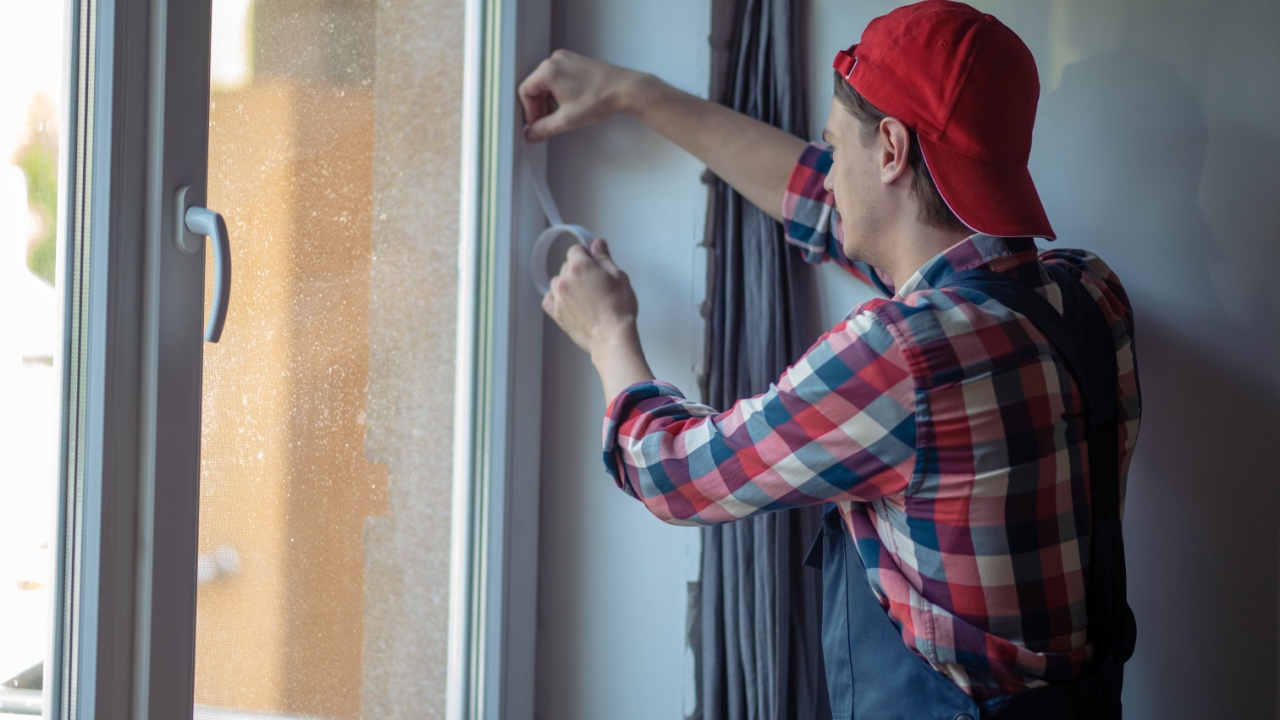
Windows are designed to give us a view of the world, but they often hide tiny, invisible doorways. Gradually, the sealant used during installation can shrink or crack as it bakes in the sun and freezes in the winter. This leaves a gap just wide enough for an ant or a spider to stroll through without breaking a sweat.
To find these leaks, do a lap around your house and check the perimeter of every window frame for visible light or a faint draft. Even a gap the size of a fingernail is a major highway for seasonal invaders looking to escape the rain.
Replacing old, crumbly caulk or adding a fresh layer of weatherstripping creates a tight seal that blocks both pests and high energy bills. Consistent maintenance is the only way to keep these openings from expanding into bigger issues. While you’re at it, give your screens a close look; even a tiny tear allows flies or mosquitoes to bypass the glass entirely.
2. Thresholds Under Doors
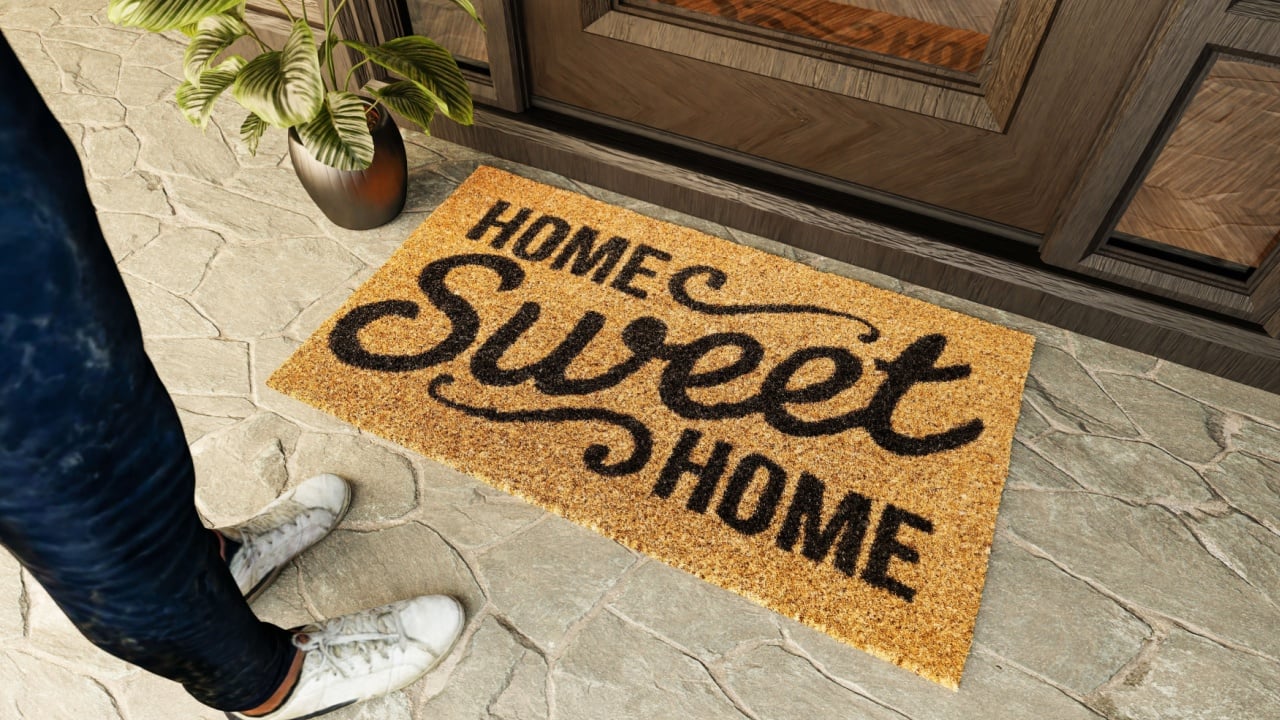
The space beneath your exterior door is a “Welcome” mat for larger pests like crickets, beetles, and mice. Most doors rely on a flexible sweep to block the gap, but these rubber strips wear out or tear after thousands of openings and closings. When that sweep fails, you’re essentially leaving your front door ajar for anything crawling on the porch.
A simple test is to stand inside with the lights off and look for daylight peeking through the bottom of the door. If light can get through, a bug definitely can. Installing a heavy-duty door sweep made of silicone or brush material creates a physical barrier that stops pests in their tracks while making your home feel much less drafty.
You can also adjust the metal threshold on the floor to close the distance between the floor and the door itself. Pairing a sturdy sweep with a clean porch reduces the chances of critters loitering near your entrance, waiting for a chance to slip inside.
3. Damaged Roof Shingles
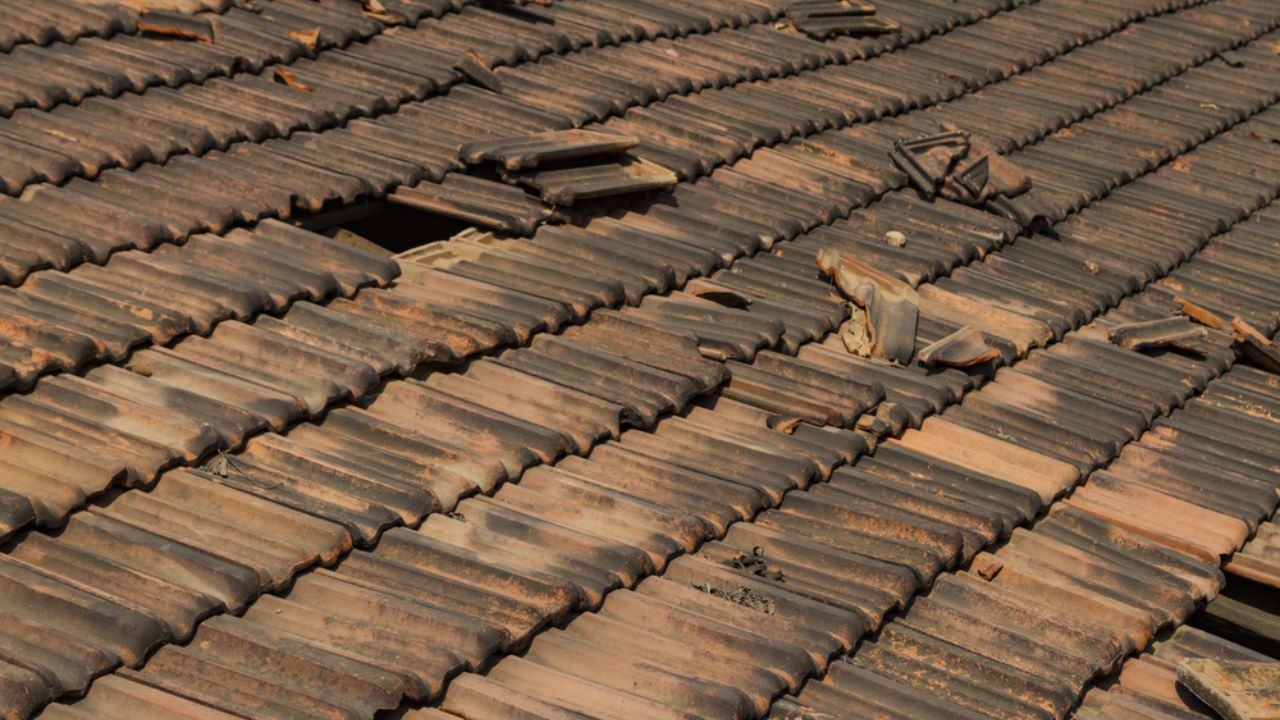
Your roof takes the brunt of every storm, and eventually, it develops weak spots that act like a beacon for climbing pests. Missing or broken shingles allow moisture to seep in, which rots the wood underneath. This softened material is an absolute dream for squirrels, raccoons, or carpenter ants for a place to build a cozy nest.
Keep an eye on your roofline for any signs of lifting, discoloration, or “gnaw marks.” Animals are opportunistic and will find existing damage and expand it into a hole large enough to fit through. Patching these areas immediately keeps your attic dry and ensures it doesn’t become a luxury condo for local wildlife.
One of the best preventative measures you can take is trimming back tree branches that hang over your house. Squirrels and rats (and some types of snakes) use these limbs like a bridge to reach your shingles with ease. Keeping a clear six-foot perimeter around your roofline is a smart, simple way to make your home much harder to reach.
4. Unsealed Utility Lines
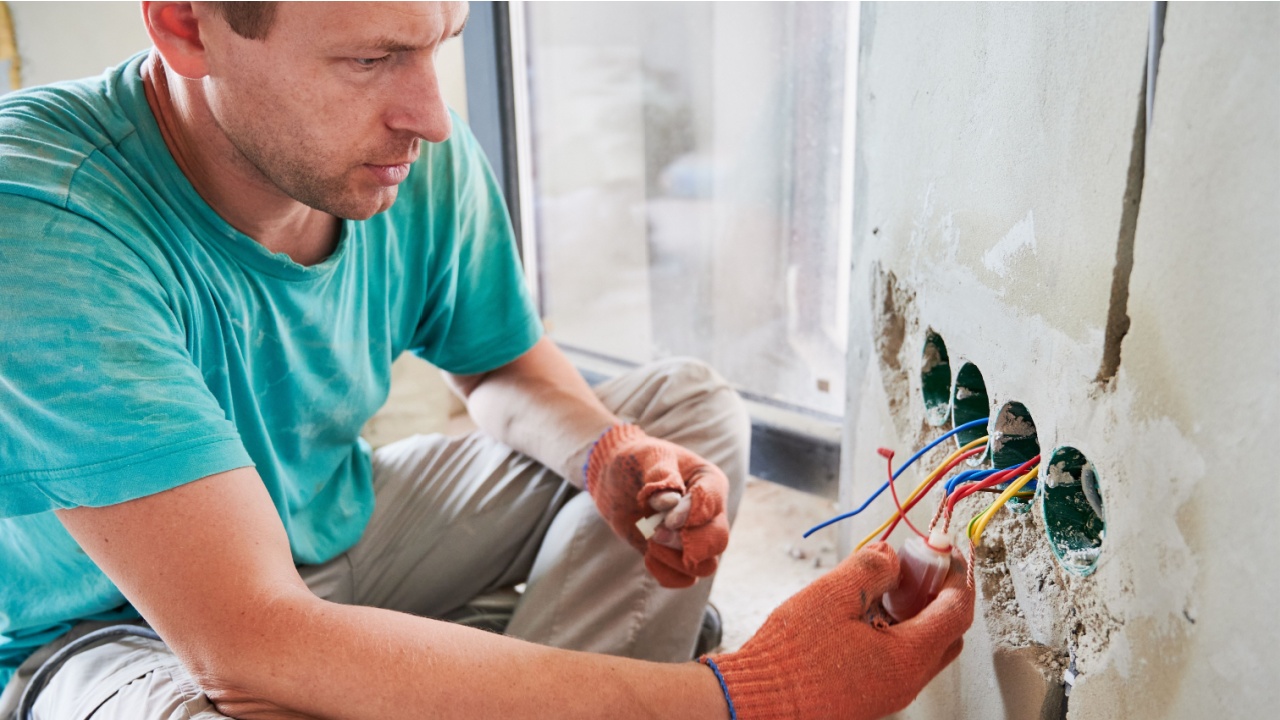
Pipes and wires have to enter your home somewhere, usually through holes drilled into your exterior walls. Often, these holes are made much larger than the pipe itself, leaving a ring of space around the line. Since a mouse can squeeze through a hole the size of a dime, these utility penetrations are one of the most overlooked risks in any home.
Check the areas where your AC lines, gas pipes, and electrical conduits meet your siding. Gaps here provide a direct route into your wall voids or straight down into the basement. Filling these spaces with expandable foam or, better yet, copper mesh and steel wool prevents rodents from chewing their way inside.
It’s also helpful to check the interior side of these lines, like where they emerge under your kitchen sink or in the laundry room. Sealing both sides of the wall adds a “double-lock” layer of protection.
5. Cracks in the Foundation
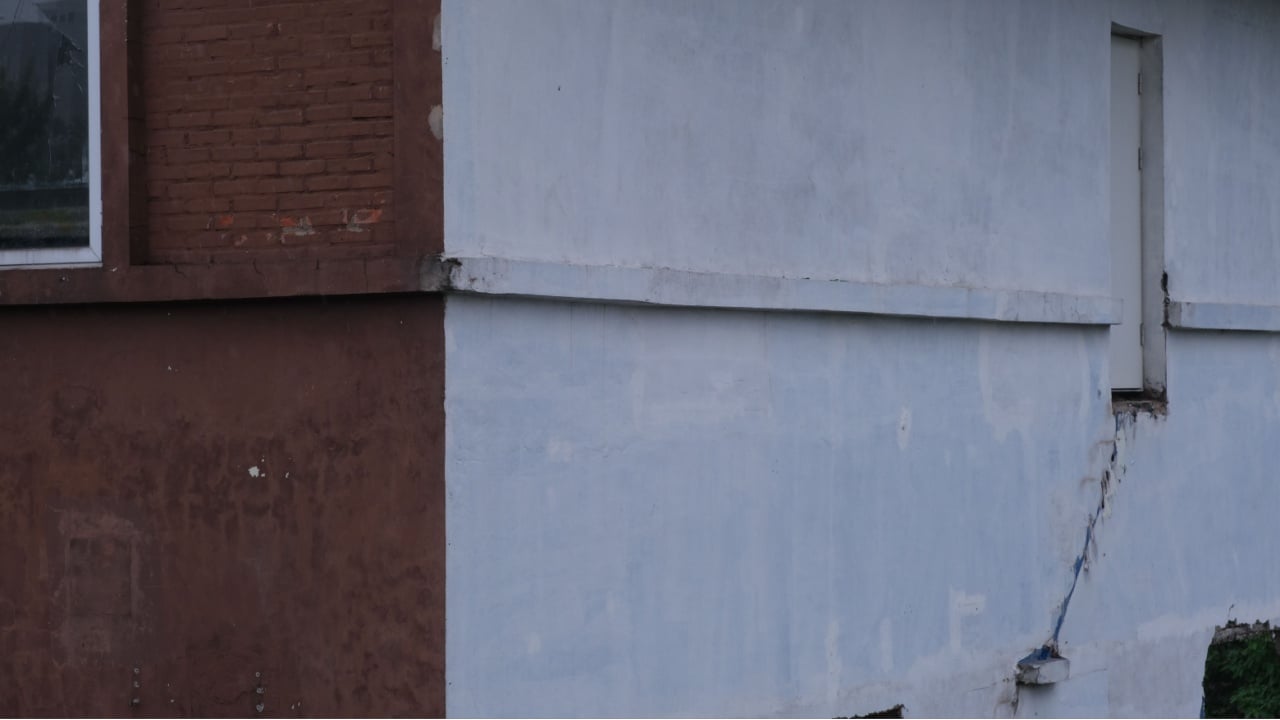
Foundations naturally settle over time, which often leads to small hairline fractures in the concrete. While these might not be a threat to your home’s structure, they are perfect tunnels for termites and ants. These pests follow the moisture in the soil and can walk right through a foundation crack and into your floor joists.
Make it a habit to walk around the exterior base of your house once a year to find any visible splits in the masonry. Some cracks might be hidden behind mulch or overgrown bushes, so you’ll need to clear away some debris to get a good look. Using a waterproof masonry sealant is an easy weekend project that keeps the basement dry and the bugs out.
Managing the moisture levels near your foundation is another great way to discourage pests from hanging out there. Make sure your gutters and downspouts are moving water at least three to five feet away from the house.
6. Dryer Vents and Exhausts

Exhaust vents are meant to let air out, but if the flaps get stuck in the open position, they act like a one-way tunnel for invaders. Lint buildup is the main culprit, preventing the slats from closing properly after a drying cycle. This creates a warm, lint-lined retreat for birds, wasps, or mice looking for a pre-made home.
Regularly cleaning the lint out of your exterior vent cover is a small chore with a big payoff. A vent that stays partially open is an easy target for opportunistic animals that can smell the warmth from the yard. For extra security, you can install a mesh bird guard over the opening that keeps critters out without blocking the airflow.
Don’t forget to check your bathroom exhaust vents on the side of the house as well. These smaller openings are often overlooked but carry the same risks as the larger dryer vent. Keeping all your external flaps clean, functional, and “click-shut” is a simple, effective way to block the path of unwanted guests.
7. Tears in Window Screens
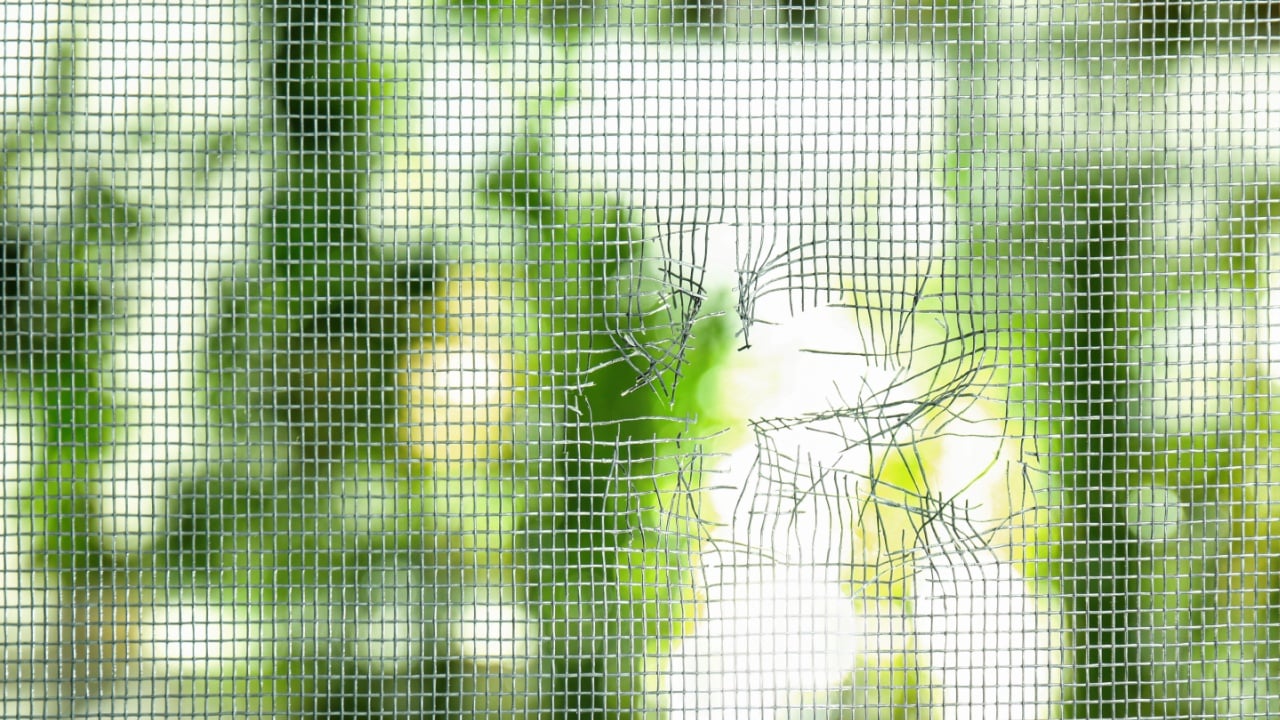
Screens are your primary defense when you want to enjoy a cross-breeze without the bugs. However, even a tiny puncture from a pet’s claw or a fallen branch can compromise the entire barrier. Insects like flies and mosquitoes are experts at finding these holes and will hover along the mesh until they find the way in.
Small tears are often hard to see from a distance, so you’ll need to get up close and personal with your screens during your inspection. You can use a simple screen patch kit to fix minor holes without having to replace the whole thing. If the mesh is sagging or pulling away from the frame, it’s time to re-spline the screen for a tighter fit.
Cleaning your screens annually does more than just improve your view; it removes the dust and pollen that can attract certain bugs. It’s also the perfect time to check the integrity of the frames themselves. Using durable materials like fiberglass or aluminum mesh offers the best resistance against the wear and tear of daily life.
8. Chimneys Without Caps
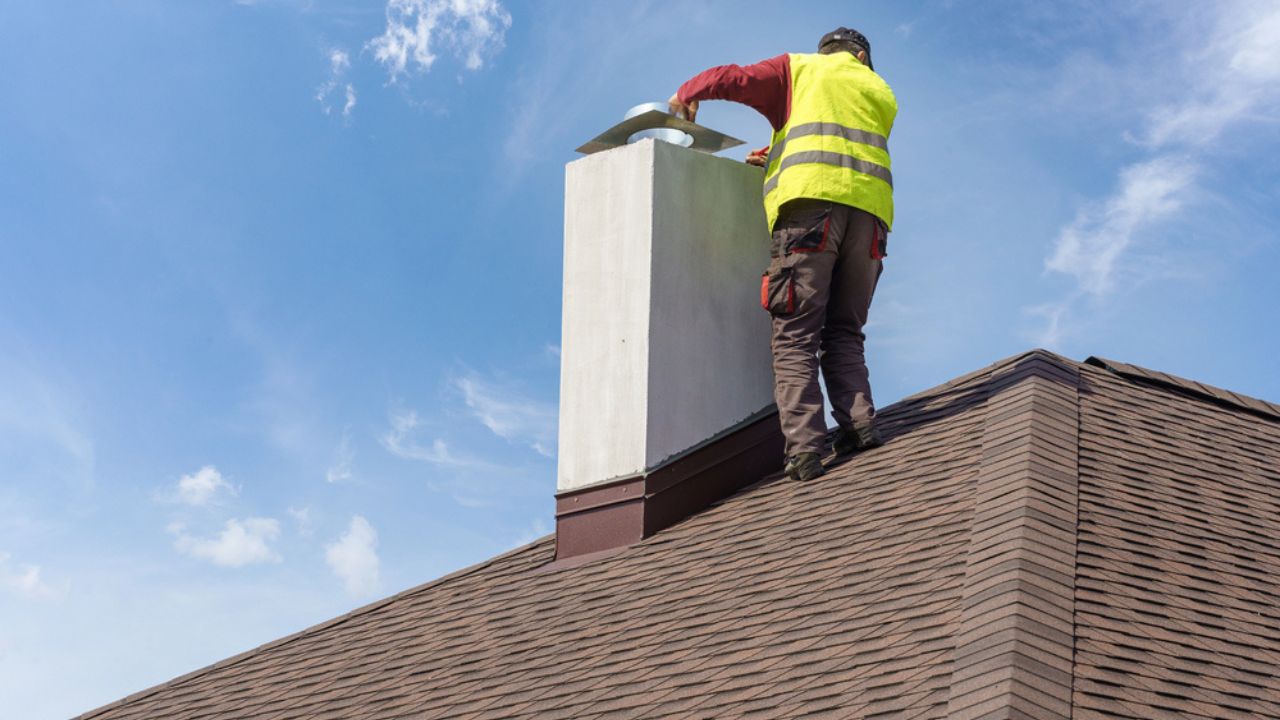
An open chimney is essentially a giant, vertical hole in your roof that leads straight into your living room. Without a proper cap, birds and bats can fly inside or build nests that can actually block the flue. During the summer, many pests use the chimney as a cool, sheltered place to reproduce and hide.
A chimney cap with a wire mesh screen is a must-have; it allows smoke to escape while keeping animals out. It also acts as a rain shield, preventing moisture from entering and damaging your fireplace’s interior. Making sure the cap is securely fastened will prevent wind or a determined raccoon from knocking it loose.
When your fireplace isn’t in use, keep the metal damper inside closed tight. This adds a second physical barrier against any adventurous insects that might crawl down the flue. Regular professional inspections can also help you spot any cracks in the chimney’s brickwork that could let tiny pests sneak in.
9. Gaps in Siding
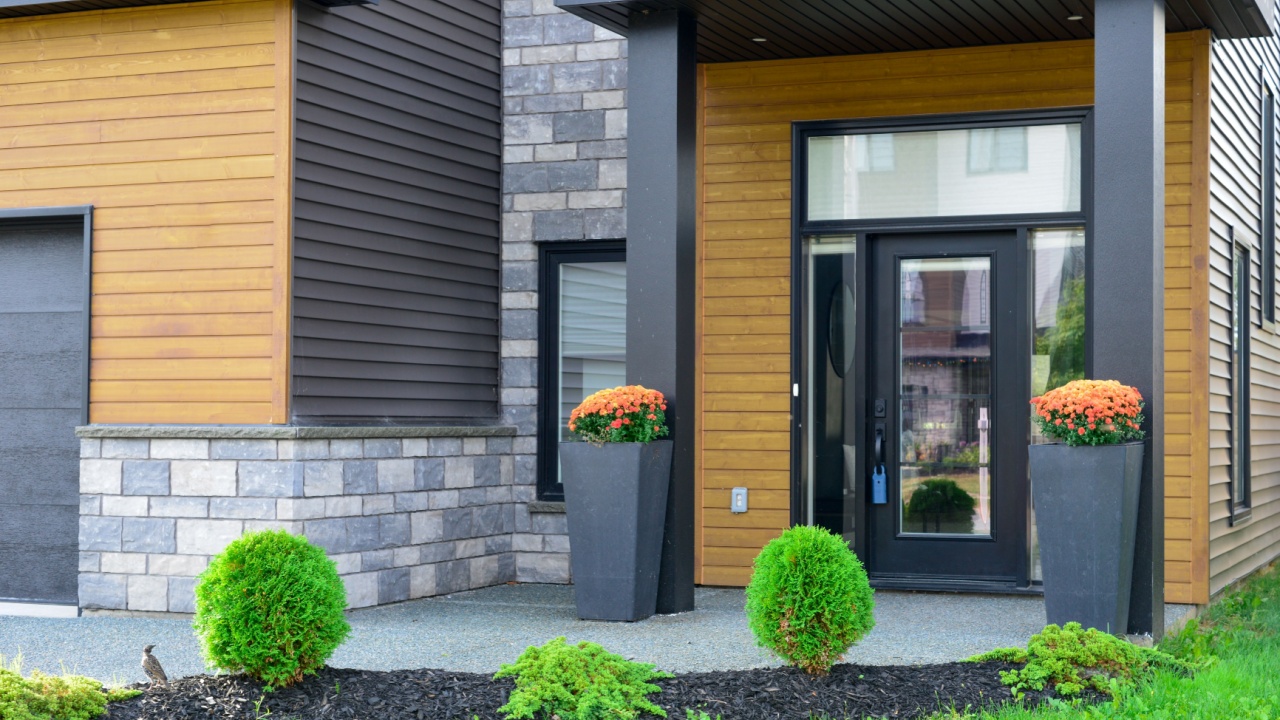
Siding panels can become loose, warped, or “buckled” due to years of sun exposure and heat. When these panels don’t sit flush against the house, they create protected pockets that are perfect for wasps to build nests. These gaps also allow ants to travel behind the siding and find their way into the wooden framing of your home.
Check for any areas where your siding appears to be bulging or pulling away from the structure, especially near the corners. Re-securing these panels or replacing the damaged sections eliminates the “dark and dry” hiding spots that pests crave. Pay special attention to the trim where two different materials (like wood and stone) meet.
Keeping your siding clean also helps prevent the growth of mold or algae, which can attract certain types of beetles. A quick pressure wash once a year can remove egg sacs or spider webs tucked into the grooves of the panels. A well-maintained exterior is simply much harder for a pest to navigate or penetrate.
10. Floor Drains and Sump Pumps
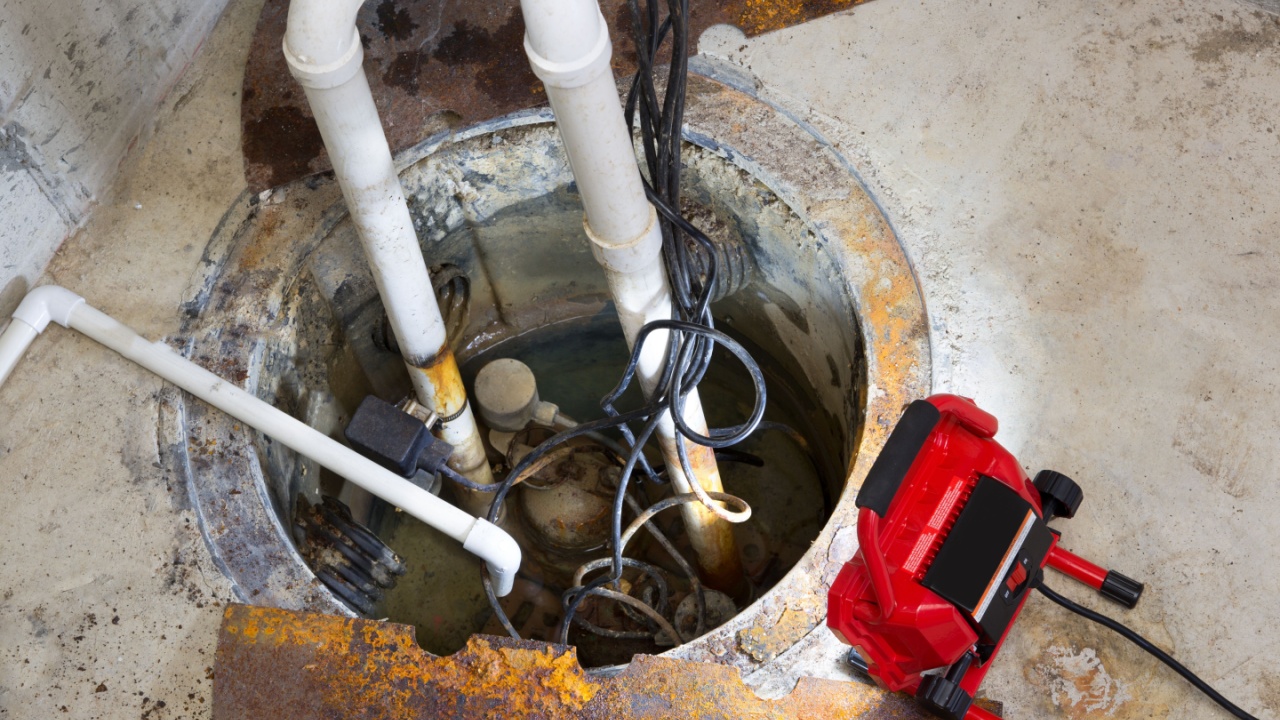
Pests often use your home’s plumbing system as a secret “back door” into the basement or utility room. Floor drains that don’t have a proper water trap can allow sewer flies or cockroaches to emerge directly from the pipes. Sump pump pits are also a major draw for moisture-loving pests like centipedes and silverfish.
The easiest fix is to periodically pour a bucket of water into any floor drains that aren’t used often. This keeps the “P-trap” full of water, which blocks both sewer gases and crawling insects. For extra protection, you can buy a fine-mesh drain cover that provides a physical block while still letting water through.
Make sure your sump pump lid is sealed tightly to prevent pests from climbing out of the pit and into your home. Keeping your basement humidity low with a dehumidifier also makes the area much less hospitable for moisture-loving creatures. A dry, bright basement is your best defense against many of the most common household pests.
11. Attached Garages

Your garage door is the largest opening in your home, and it rarely has a perfect, airtight seal. Pests often enter the garage through a gap at the bottom and then wait patiently for the “inner” door to the kitchen to open. Items typically stored in garages, like cardboard boxes or bags of birdseed, provide both a buffet and a hotel for rodents.
If the weather seal on the bottom of your garage door is brittle or flattened, replace it immediately. Closing the gap between the door and the pavement is the only way to stop a mouse from squeezing underneath.
You should also switch from cardboard boxes to plastic bins for storage to eliminate potential nesting sites. Keeping this “transition point” secure ensures that any visitors who sneak into the garage don’t end up becoming permanent house guests.
12. Grocery Bags and Deliveries

Sometimes, you don’t even need a gap in the wall for a pest to enter; you might be carrying them in yourself. Cockroaches, spiders, and even bed bugs can hide in the folds of cardboard shipping boxes or inside reusable grocery bags. This is one of the most common ways for an infestation to start in a perfectly sealed home.
Make it a habit to inspect your delivery boxes on the porch or in the garage before bringing them into the main house. Shaking out your grocery bags and checking over fresh produce can stop a “hitchhiker” before it finds a place to hide. Disposing of shipping boxes quickly is also key, as pests love the glue and cardboard material.
If you’re bringing in used furniture or electronics, give them a thorough cleaning and a close inspection for any signs of eggs or insects. By being mindful of what you bring home, you can keep your “fortress” truly secure from the inside out.
Embracing a Pest-Free Space
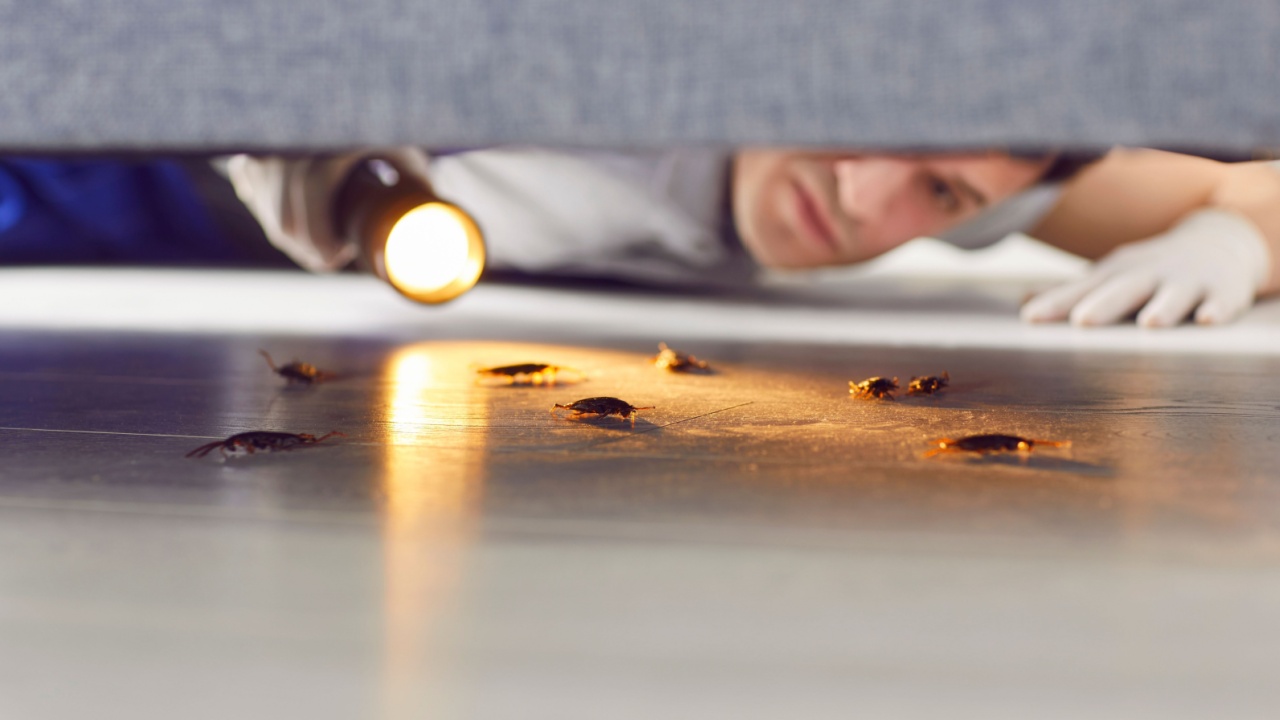
Taking control of a home requires a mix of structural repairs and daily habits. Once the entry points are identified, the focus shifts to maintaining those barriers through every season. Inspect the exterior of the property with a flashlight to find the most obvious gaps.
Addressing the largest openings first provides the fastest results in reducing the number of sightings inside. Moving forward, make it a habit to check the seals on doors and windows at least twice a year. This proactive approach keeps the home secure and ensures that the only residents are the ones who actually belong there.
Read More:
9 Natural Pest Control Methods for Backyard Gardens That Actually Work