12 At‑Home Hobbies Getting Shockingly Expensive
Staying home used to be the go-to money-saving move. Cancel the trip, skip the fancy dinners, and settle in for some budget-friendly fun at home, right? Well, not so fast. Thanks to inflation and supply chain chaos, even your favorite stay-at-home hobbies are starting to feel pretty pricey.
From skyrocketing costs of materials to fancy gear upgrades, hobbies that once screamed “cheap fun” are now whispering “serious investment.” If you’ve tried picking up a new project or splurging on better equipment lately, you’ve probably felt the sting in your wallet.
Here’s a breakdown of 13 popular home hobbies that are getting more expensive and some clever ways to keep enjoying them without blowing your budget.
1. Gardening and Landscaping

For generations, gardening was the go-to frugal hobby. After all, you could literally grow your own food to save money. But getting started has gotten more expensive. Seeds, fertilizer, and good soil are more expensive now due to higher transportation costs and supply chain issues.
If you want to build raised beds, lumber and hardware prices are still higher than they were before the pandemic. What used to trim your grocery bill can now cost you more per tomato than buying organic at the store.
The Budget-Friendly Fix:
- Avoid buying established nursery plants, as they often carry a high markup.
- Create your own nutrient-rich soil using kitchen scraps to avoid buying bags of fertilizer.
- Learn to cut and replant existing greenery to expand your garden for free.
2. PC Gaming and Building
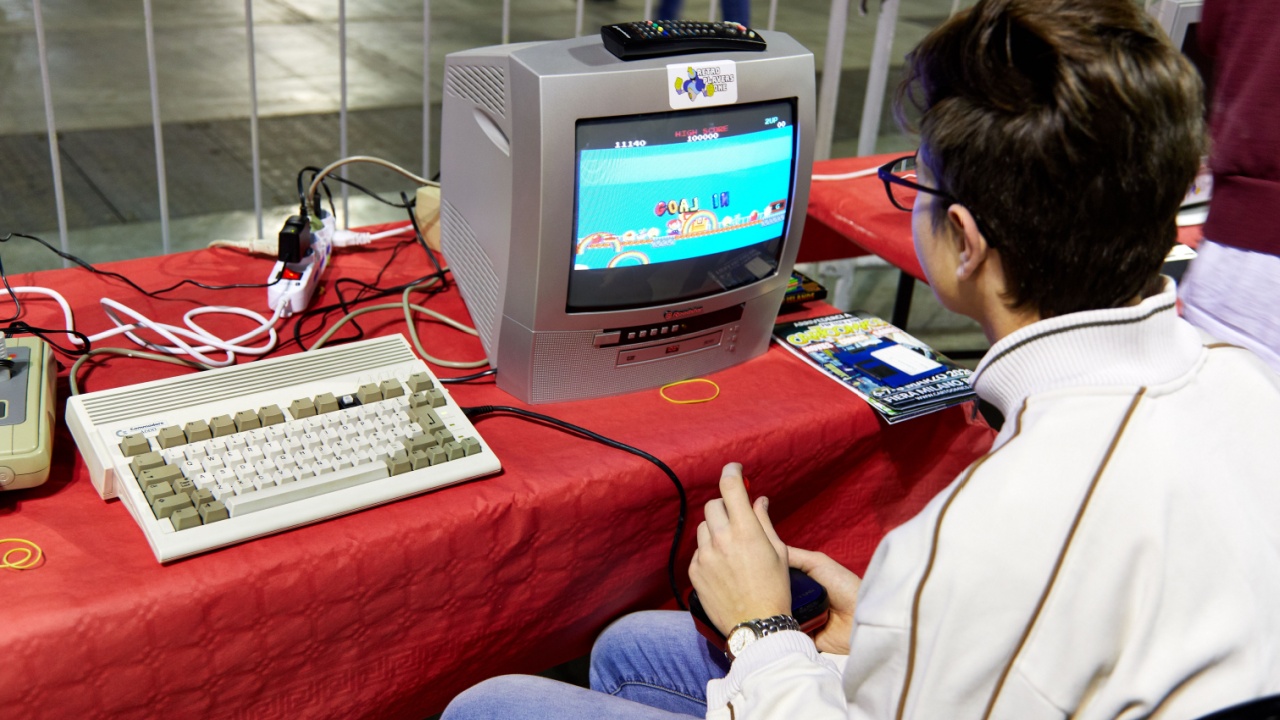
Building a custom PC used to be the go-to way to save money, but the market has flipped. Even though the chip shortage has calmed down, some graphics cards (GPUs) are still priced at a massive premium. Plus, when you add in rising electricity bills and the fact that new “Triple-A” games now debut at $70+, this hobby is starting to feel like a serious luxury.
The Budget-Friendly Fix:
- Indie Games: Explore independent games, which are often cheaper and more creative than big-budget studio releases.
- Wait for Sales: Never buy on launch day. Utilizing Steam sales or Game Pass subscriptions can save you hundreds a year.
- Cloud Gaming: Services like GeForce Now allow you to stream games on older hardware, negating the need for an expensive PC upgrade.
3. Woodworking and DIY
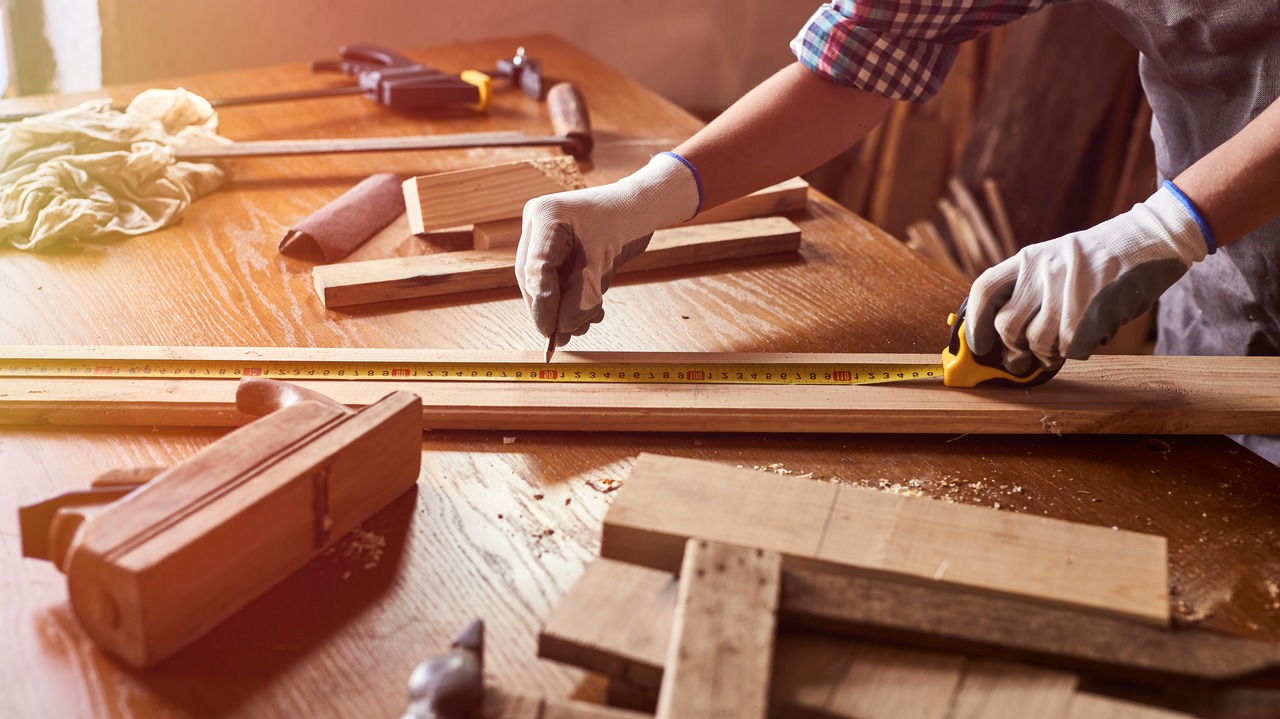
During the lockdowns, many people discovered the joy of building furniture or whittling. However, woodworking is heavily dependent on raw materials. Although lumber prices have stabilized from their historic peaks, hardwoods (like oak, walnut, and cherry) and quality plywood remain expensive.
Additionally, the cost of power tools and essential consumables like sandpaper, stains, and screws has crept up, making that “DIY bookshelf” more expensive than a store-bought one.
The Budget-Friendly Fix:
- Upcycle: Source wood from discarded pallets or old furniture found at thrift stores.
- Hand Tools: Focus on traditional hand-tool woodworking. It’s slower and requires more skill, but the tools are cheaper and quieter than power machinery.
4. Gourmet Cooking and Baking

Cooking at home is generally cheaper than dining out, but treating cooking as a hobby, where you experiment with complex recipes and high-end ingredients, is getting pricey. Inflation has hit specific categories hard, including dairy (butter and heavy cream), specialty flours, and premium proteins.
If your hobby involves replicating Michelin-star meals or baking elaborate pastries, your grocery bill can easily rival a restaurant tab.
The Budget-Friendly Fix:
- Buy in Bulk: Purchase expensive staples like vanilla, nuts, or specialty flours from wholesale clubs.
- Seasonal Focus: Build your menus around what is currently in season and abundant, rather than forcing recipes that require imported, off-season goods.
5. Knitting and Fiber Arts
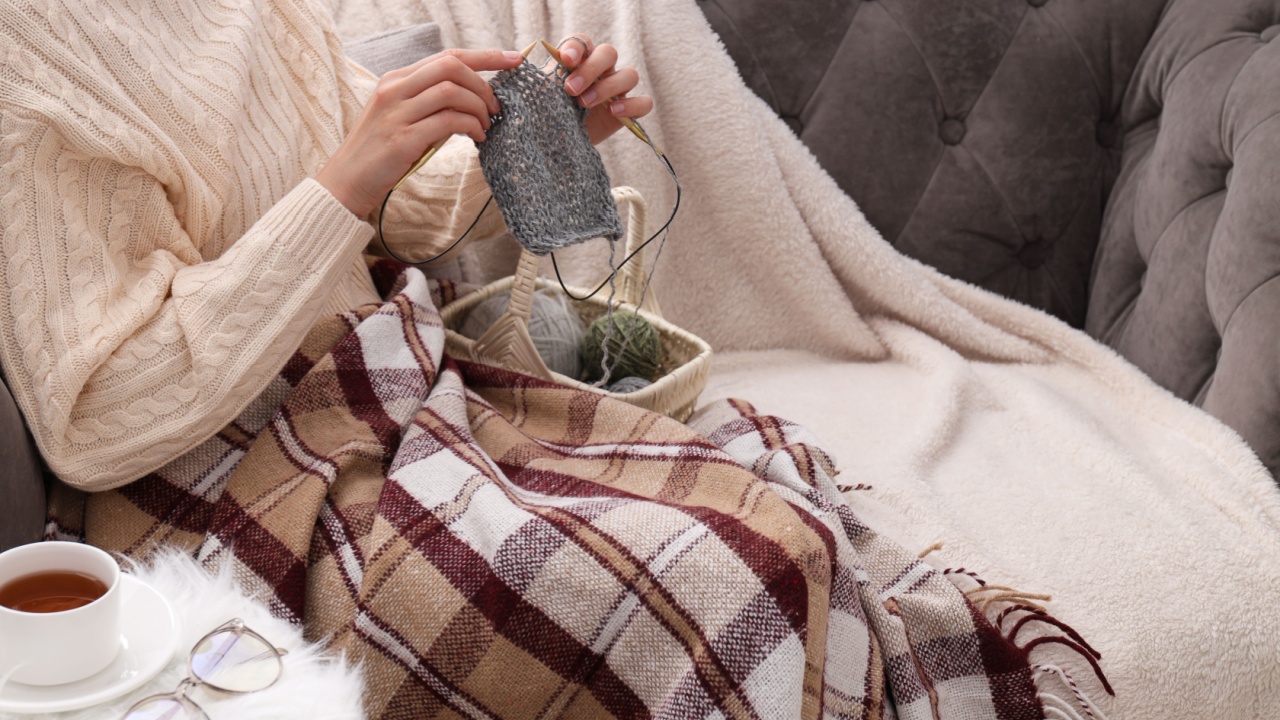
Ask any knitter, and they will tell you the joke: “Why buy a $50 sweater when you can make one yourself for $150?” Unfortunately, this is becoming less of a joke and more of a reality.
The price of natural fibers like wool, alpaca, and silk has risen due to farming and processing costs. Even acrylic yarns have seen price increases. For those who view knitting as an artistic expression requiring quality materials, a single blanket project can be a significant investment.
The Budget-Friendly Fix:
- Unraveling: Buy high-quality wool sweaters from thrift stores and unravel them to reclaim the yarn for new projects.
- Stash Busting: Challenge yourself to use every scrap of yarn you currently own before buying new skeins.
6. High-End Home Audio (Audiophilia)
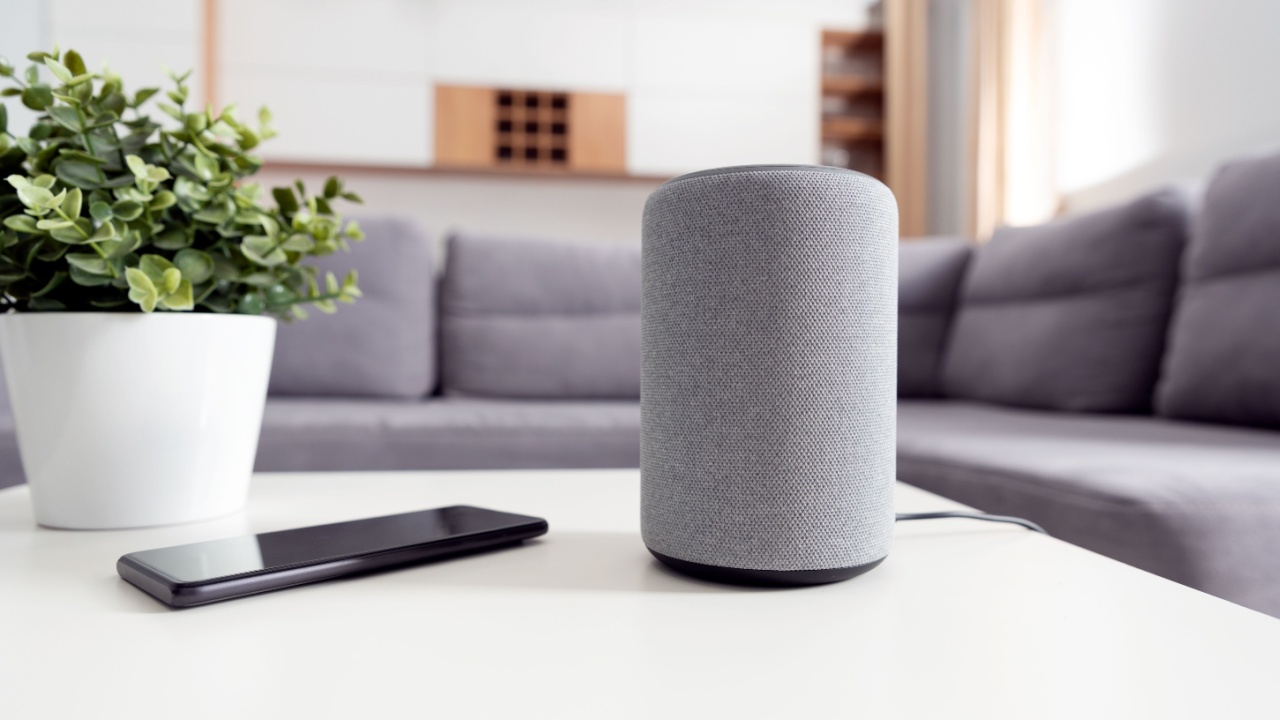
The pursuit of perfect sound has never been cheap, but the “audiophile” hobby is seeing unprecedented inflation. High-fidelity speakers, amplifiers, and turntables are luxury goods often imported from Europe or Asia, meaning they are subject to shipping hikes and tariffs.
Furthermore, the revival of vinyl records has created a seller’s market; new vinyl albums now regularly cost between $30 and $40, a steep price to pay for 45 minutes of music.
The Budget-Friendly Fix:
- Vintage Gear: Look for audio equipment from the 70s and 80s on the used market; they often offer incredible sound quality for a fraction of the price of modern gear.
- Digital Hi-Fi: Invest in a high-quality streaming service (like Qobuz or Tidal) rather than buying physical media.
7. Aquarium Keeping
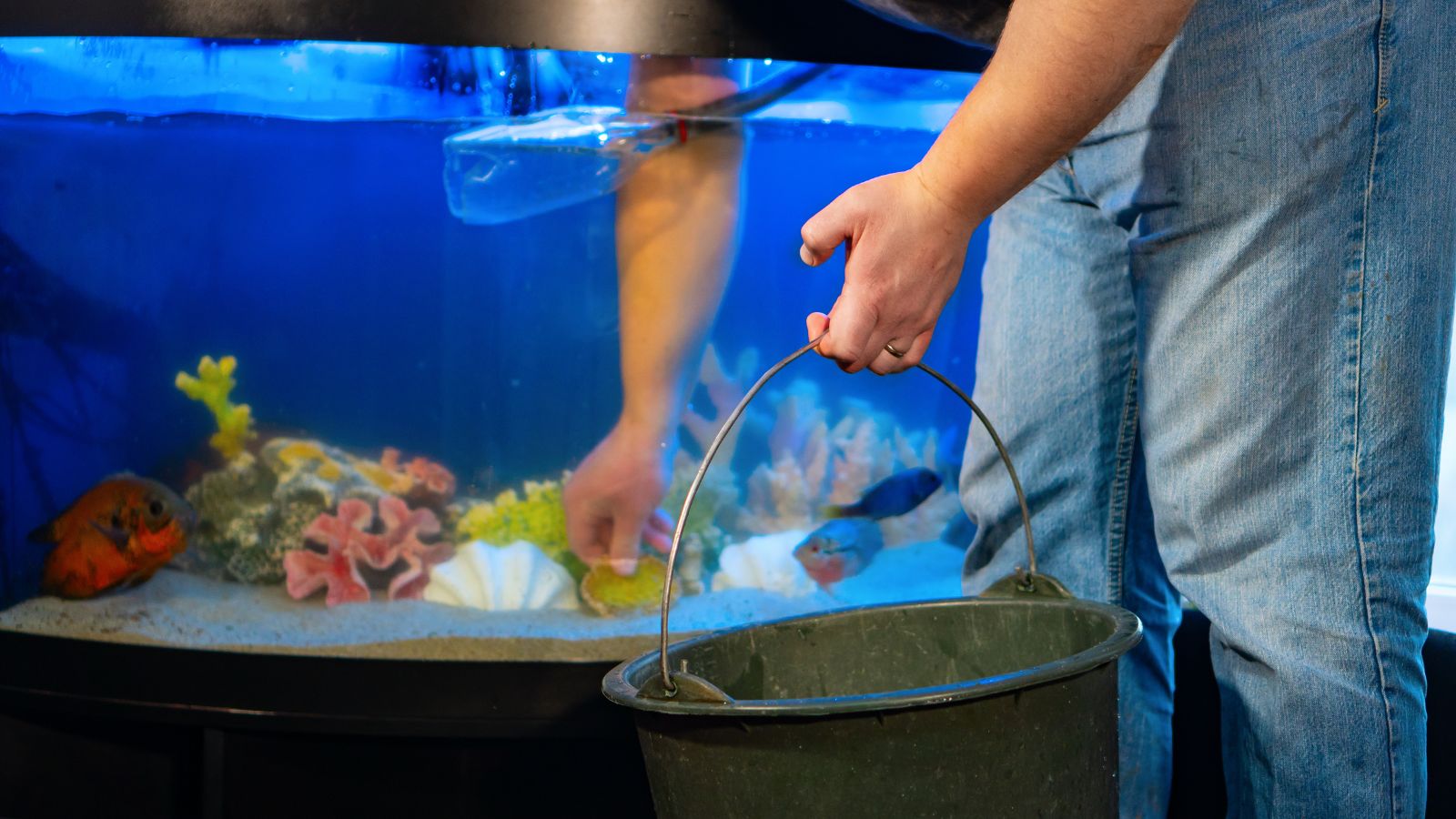
Fish keeping is a hobby that hits the wallet from two angles: setup and maintenance. The glass tanks, filtration systems, and lighting required for a healthy ecosystem have become more expensive to manufacture and ship.
More critically, energy costs have risen, meaning that running heaters, filters, and high-intensity lights 24/7 adds a noticeable amount to your monthly utility bill. Rare livestock and coral fragments have also seen price jumps due to stricter export regulations.
The Budget-Friendly Fix:
- Low Tech Tanks: Focus on freshwater setups with plants that require low light and fish that don’t need heaters (like White Cloud Mountain Minnows).
- Propagate Plants: Grow and sell your own aquatic plants to local hobbyists to offset the cost of maintenance.
8. Home Brewing

Brewing beer at home was once the hallmark of the frugal drinker. However, climate change and supply chain issues have impacted the barley and hop harvests, driving up the cost of ingredients.
Aluminum and glass shortages have also made bottling and canning more expensive. While it can still be cheaper than craft beer bars, the margin is shrinking, especially if you factor in the equipment upgrades many homebrewers lust after.
The Budget-Friendly Fix:
- Buy Bulk Grain: Splitting 50lb bags of base malt with a local brew club significantly lowers the cost per batch.
- Yeast Washing: Learn to harvest and reuse yeast from previous batches rather than buying a new packet every time.
9. Photography

While you can take great photos on a phone, the hobby of dedicated photography is becoming financially exclusive. Camera manufacturers have largely abandoned the entry-level DSLR market, focusing instead on high-end Mirrorless systems. A mid-range body and a decent lens can easily set you back $2,000+.
Additionally, the move to subscription-based editing software (like Adobe Lightroom) adds a recurring monthly cost that never goes away.
The Budget-Friendly Fix:
- Buy Used: Camera gear depreciates. Buying a model that is 3-4 years old from a reputable dealer like MPB or KEH can save you 40% or more.
- Free Software: Use open-source alternatives like Darktable or GIMP instead of paid subscriptions.
10. Smart Home Automation

Turning your house into a “smart home” is a popular modern hobby, but the cost of components is adding up. Microchip shortages drove up the prices of sensors, smart switches, and hubs.
Many smart home ecosystems are moving toward subscription models to unlock advanced features like video recording or person detection, turning a one-time hardware purchase into a monthly liability.
The Budget-Friendly Fix:
- Standardize: Stick to one protocol (like Zigbee or Matter) to ensure all devices work together without needing multiple expensive hubs.
- Local Control: Use platforms like Home Assistant that run locally, avoiding cloud subscription fees.
11. Painting and Fine Art

The cost of art supplies has quietly skyrocketed. Quality pigments, specifically those using real cobalt or cadmium, are subject to mining and resource constraints. Canvases, brushes, and specialized papers have also seen price hikes due to manufacturing and shipping costs.
For a hobbyist painter who goes through materials quickly, this inflation is limiting how often they can create.
The Budget-Friendly Fix:
- Limited Palette: Master the “Zorn Palette” or a limited split-primary palette. You buy fewer tubes of paint but learn more about color mixing.
- Paint on Board: Instead of expensive stretched canvas, prep Masonite boards or heavy paper for your studies.
12. Collecting (Cards, Comics, Memorabilia)
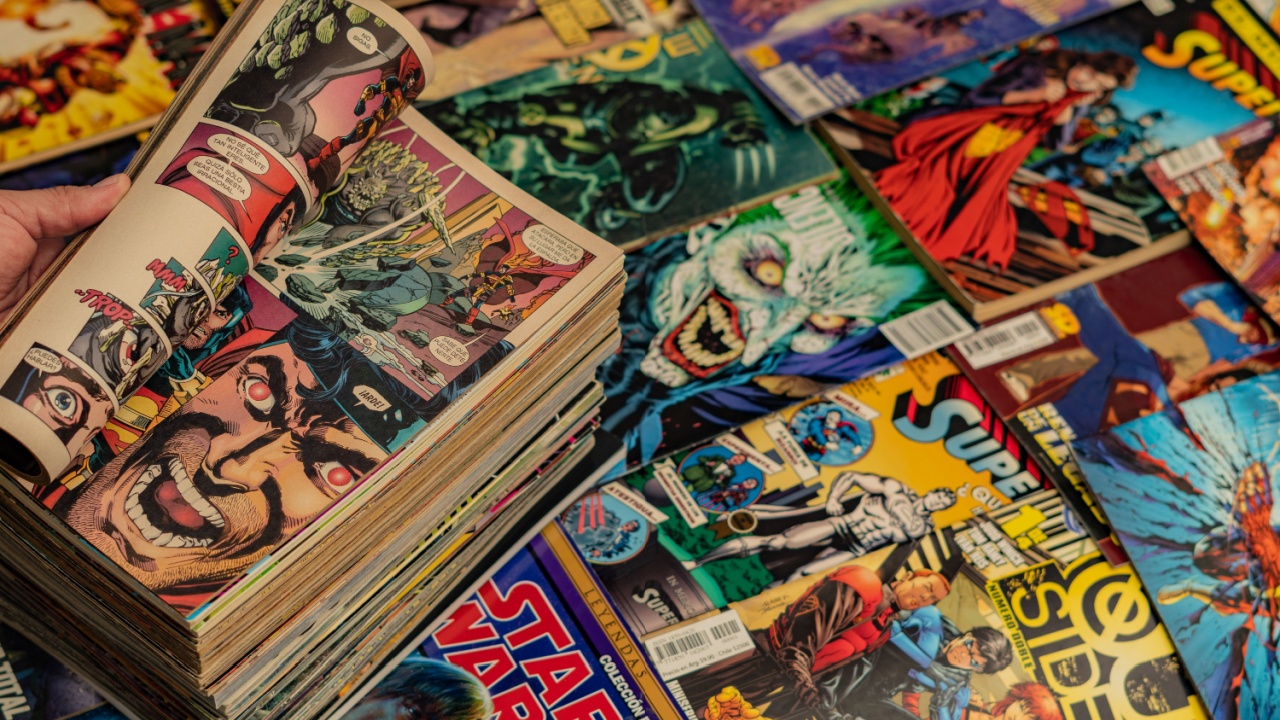
During the pandemic, the collectibles market exploded. Whether it is Pokémon cards, vintage comics, or sports memorabilia, prices on the secondary market hit all-time highs and haven’t fully corrected. This “speculator boom” priced out many casual hobbyists who just wanted to collect for fun.
Grading services (sending items away to be authenticated) also raised their prices, adding another barrier to entry.
The Budget-Friendly Fix:
- Focus on Modern: Instead of chasing vintage “grail” items, focus on new, accessible releases or lesser-known niche artists/players.
- Trade: Utilize local trade nights to swap items rather than spending cash.
Approaching Hobbies for Your Wallet and Well-being

While rising costs are discouraging, hobbies are essential for your well-being. Instead of quitting, try adapting: buy used gear, downsize projects, or explore free alternatives like hiking or the library. If inflation is squeezing your budget, consider consulting a financial advisor to help balance your future savings with today’s fun.