11 Things to Never Toss in the Trash
Every home has those moments when the clutter starts building up, and items with mysterious pasts resurface, such as half-spent batteries, stray keys, and the odd twist tie colony. The urge to clear it all out can turn trash day into a major event, where the regular bin seems like a quick escape. But before you toss everything without a second glance, slow down for a minute.
Throwing certain items in your regular garbage isn’t just bad for the planet; it’s often illegal and occasionally dangerous for the haulers. You don’t have to hoard yogurt cups until the end of time. Just make sure that spring cleaning doesn’t turn into a hazardous waste situation.
1. Aerosol Cans

Most of us have a collection of half-empty hairspray bottles or spray paint cans gathering dust on a shelf somewhere. While it feels satisfying to chuck them in the bin, aerosol cans are actually pressurized little bombs waiting to go off if they get crushed in a garbage truck. Even if you hold the nozzle down until it stops hissing, there is often still propellant inside that can ignite or explode under pressure, putting sanitation workers at serious risk.
If the can is completely empty, you might be able to recycle it with your steel or aluminum cans, but you need to check your local municipal guidelines first. If there is still product sloshing around inside, that can is officially household hazardous waste. Your best bet is to take these to a local waste management facility or wait for a community drop-off day where they handle tricky items safely.
2. Aluminum Cans
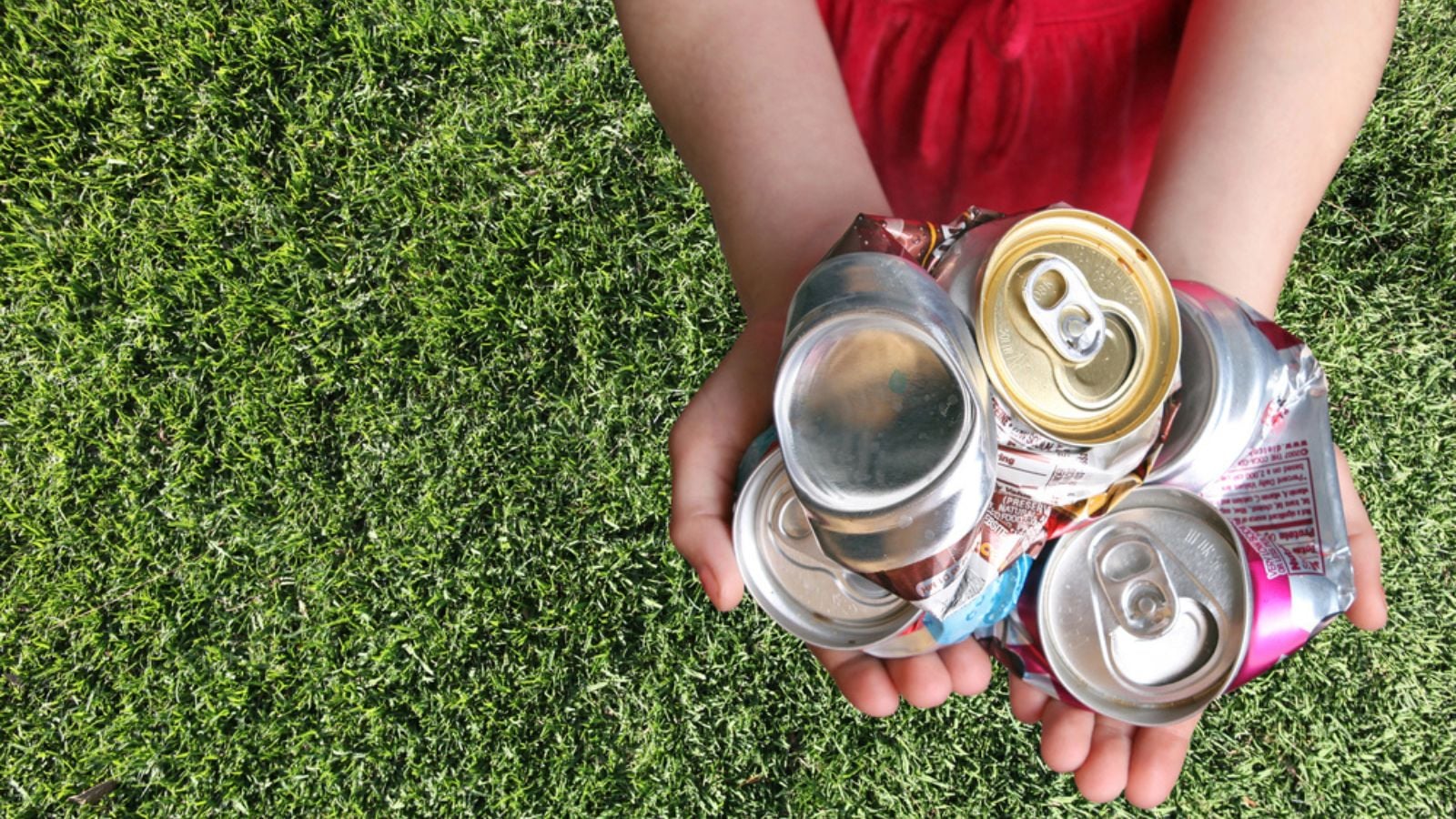
It seems obvious, but people still pitch soda and beer cans into the regular trash with alarming frequency. Aluminum is one of the most recyclable materials on the planet because it can be melted down and turned into a new can infinitely without losing quality. Putting this metal in a landfill is a massive waste of energy and resources, considering recycled aluminum saves about 95% of the energy needed to make new aluminum from raw ore.
The fix here is simple: toss them in your recycling bin. If you don’t have curbside pickup, start a designated bag or bin in the pantry. Once it fills up, a quick trip to a local recycling center might even put a few bucks back in your pocket, depending on where you live. It is an easy win for your wallet and the environment that requires almost zero effort.
3. Tires

Old tires are a nuisance. They take up space, collect rainwater that breeds mosquitoes, and look generally terrible sitting in the yard. However, rolling them to the curb isn’t an option because landfills hate them. Their shape and durability make them impossible to compact, and they have a nasty habit of trapping methane gas and bubbling back up to the surface years later like rubber zombies.
Most tire shops will dispose of your old set for a small fee when you buy new ones, which is usually the path of least resistance. If you are stuck with random tires you found in the shed, check with your local waste management department. Many communities host specific amnesty days for tires, or you can drop them at a facility that shreds them for use in playground surfaces or asphalt.
4. Batteries
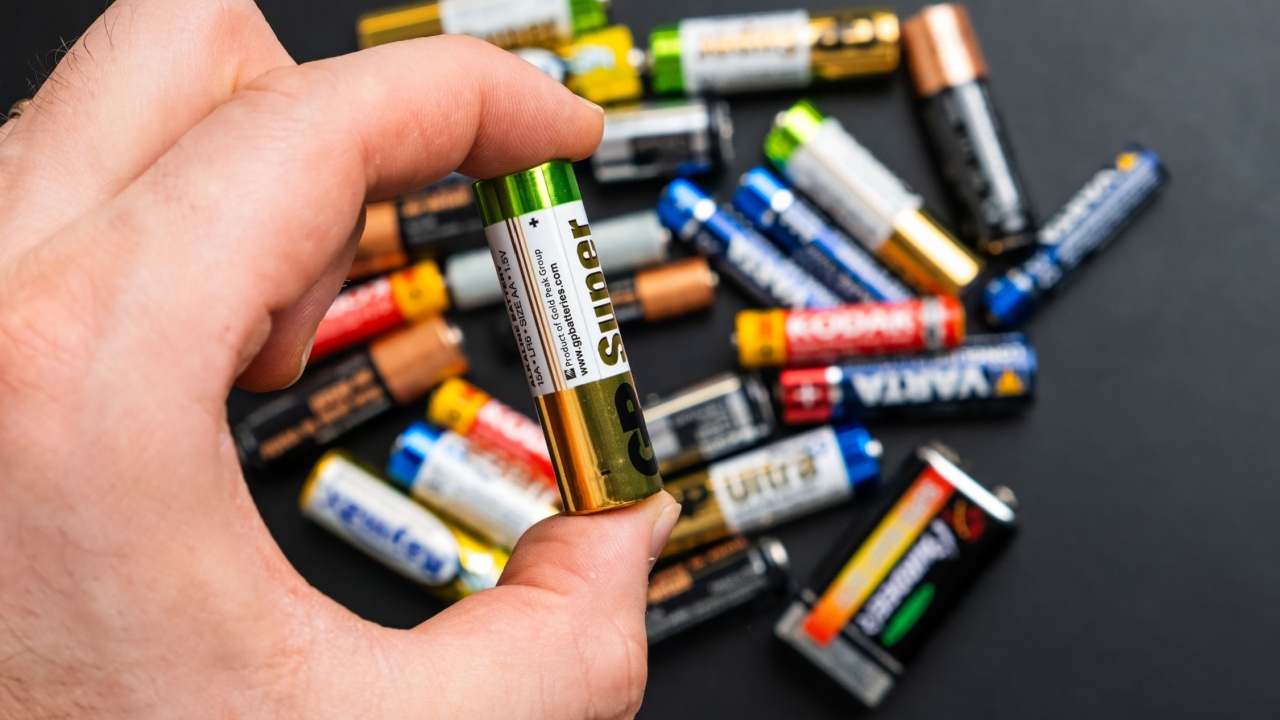
We go through batteries like water, but tossing them in the kitchen trash is a recipe for soil and water contamination. Alkaline, lithium, and rechargeable batteries contain heavy metals like mercury, lead, cadmium, and nickel. When these casings corrode in a landfill, those toxic chemicals leach into the ground, potentially poisoning groundwater supplies and messing up the local ecosystem.
To dispose of them properly, grab a dedicated container; an old coffee can works wonders, and start collecting your dead AAAs and 9-volts. Once the container is full, head to a big-box electronics store or a home improvement center. Many of these retailers have kiosks specifically for battery recycling right near the entrance, making it incredibly convenient to drop them off while you shop for lightbulbs or lumber.
5. Paper and Cardboard
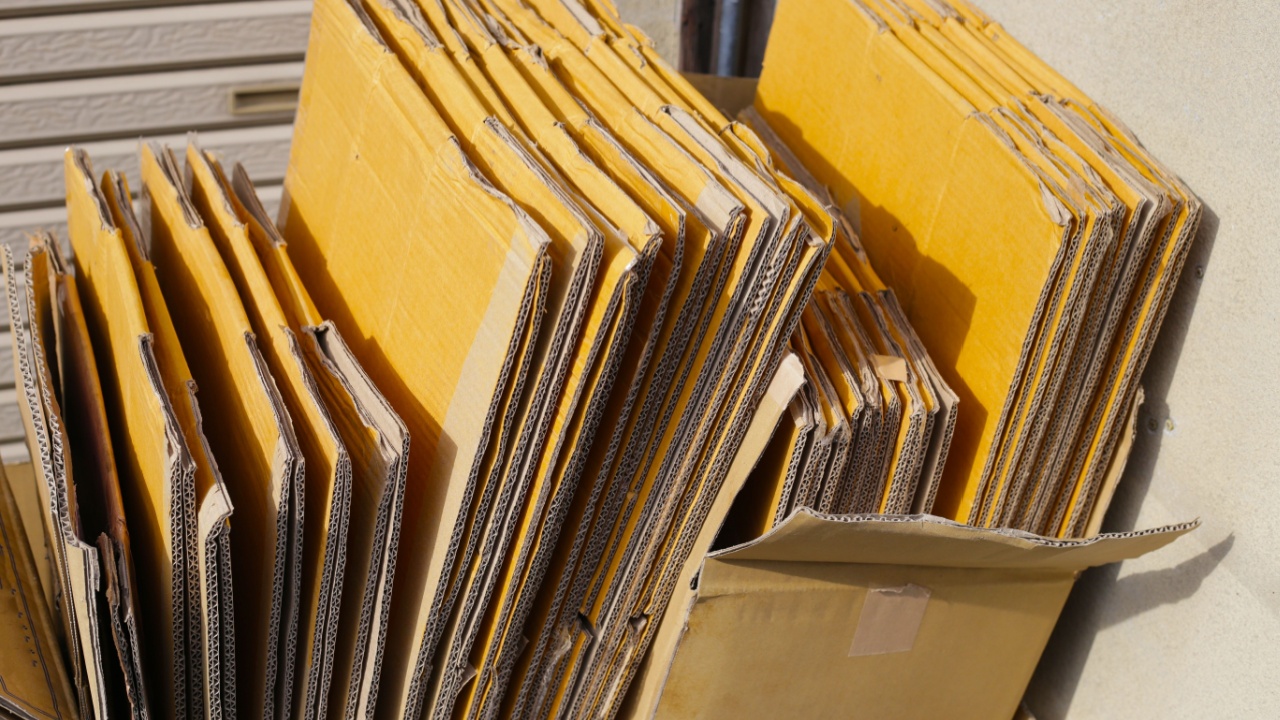
Watching paper and cardboard head for the trash bin is enough to make recycling fans wince. These materials make up a significant chunk of household waste, but sending them to a landfill is a lost opportunity. In landfills, paper and cardboard break down without oxygen, producing methane.
Methane is a greenhouse gas with a serious knack for heating up the planet, so those soggy pizza boxes and coloring book masterpieces deserve better than a ride to the dump. Proper disposal is easy and pays off for both you and your local recycler. Break boxes down flat, wipe off any greasy food residue, and recycle them with your regular curbside pickup.
6. Fuels, Motor Oil, and Chemicals
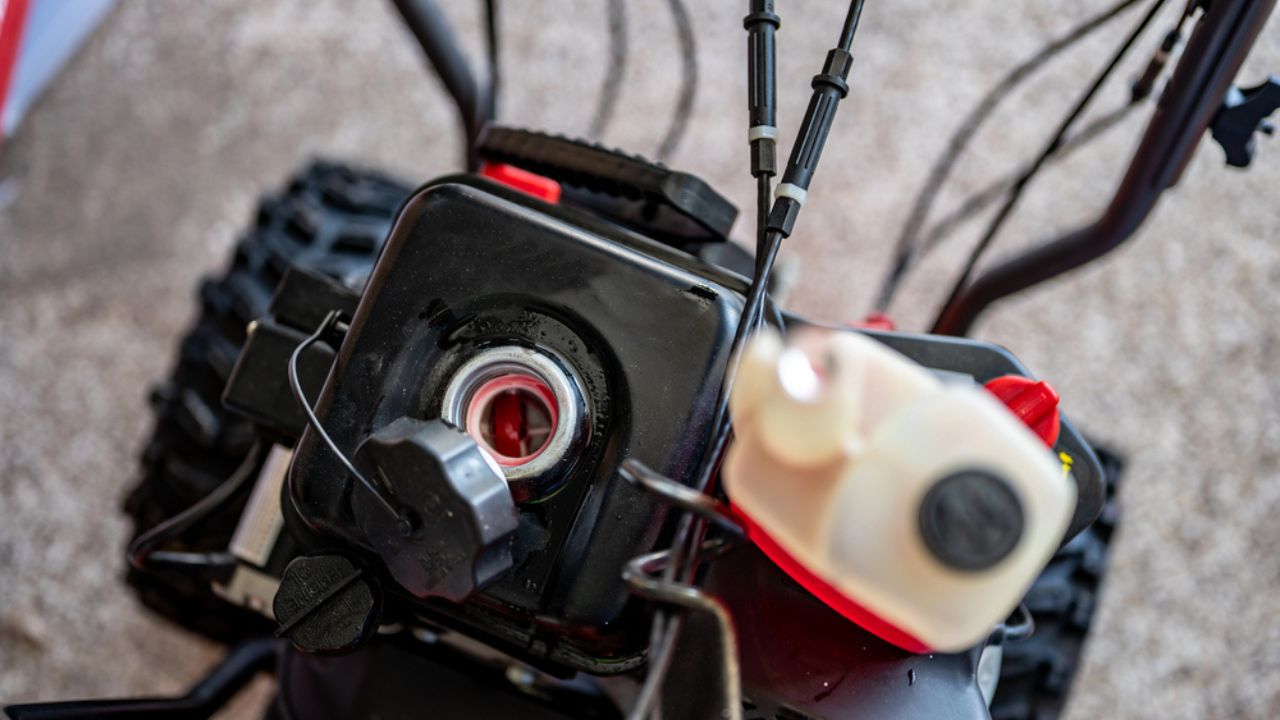
Pouring old gasoline, motor oil, or mystery solvents down the drain or into the dirt is roughly the worst thing you can do for your backyard. A single quart of motor oil can contaminate enormous amounts of drinking water and create a slick that suffocates wildlife. Similarly, tossing bottles of bleach, antifreeze, or pesticides in the trash can lead to chemical reactions that start fires or create toxic fumes.
Most auto parts stores will accept used motor oil for free to be refined and reused. For other chemicals like paint thinners or old fuel, you need to visit a household hazardous waste collection center. Keep the fluids in their original containers if possible, so the workers know exactly what they are handling, preventing accidental chemical cocktails.
7. Lightbulbs
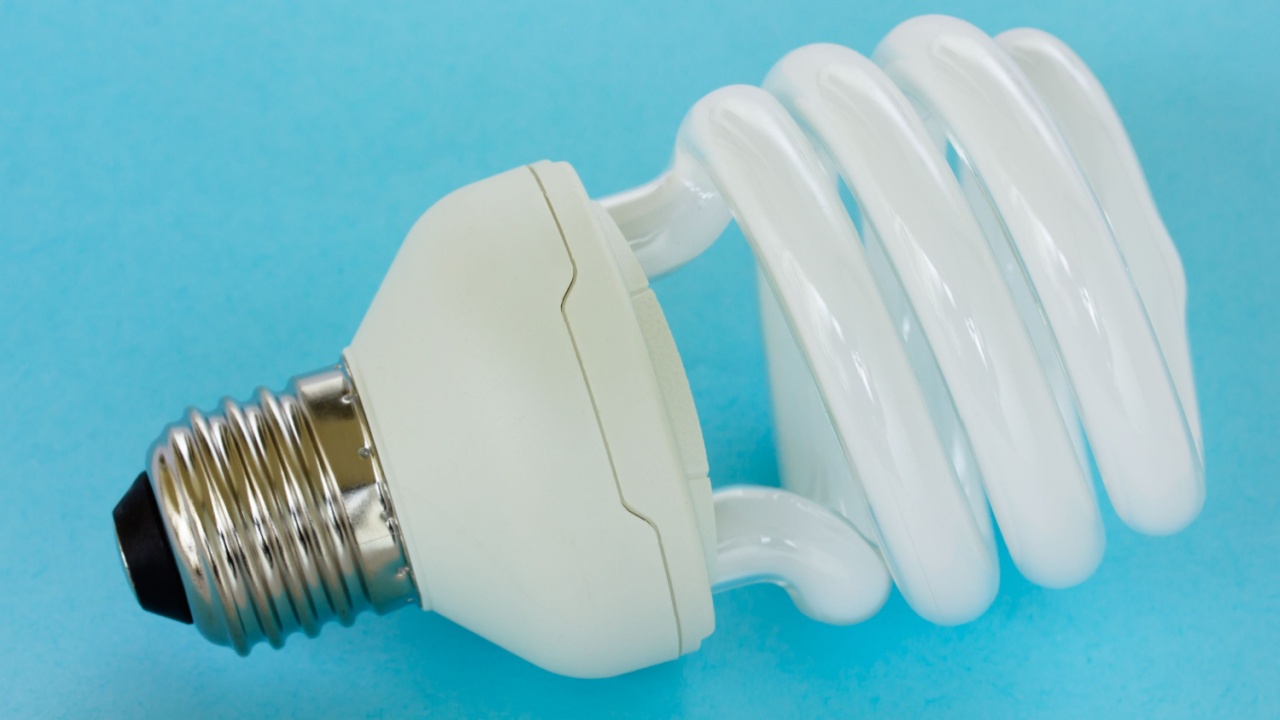
While standard incandescent bulbs can usually go in the trash (wrapped in paper to prevent glass shards), CFLs and fluorescent tubes are a different story. These energy-efficient bulbs contain small amounts of mercury. If they break in a dumpster or landfill, that mercury is released into the air and soil, posing health risks to humans and animals alike.
Many large home improvement retailers offer recycling bins for CFL bulbs near their customer service desks. For long fluorescent tubes, you might need to visit a dedicated waste facility, as they are fragile and tricky to transport. Switching to LEDs is a solid long-term move, as they last longer and don’t contain mercury, though they should still be recycled with electronics due to their circuitry.
8. Mattresses
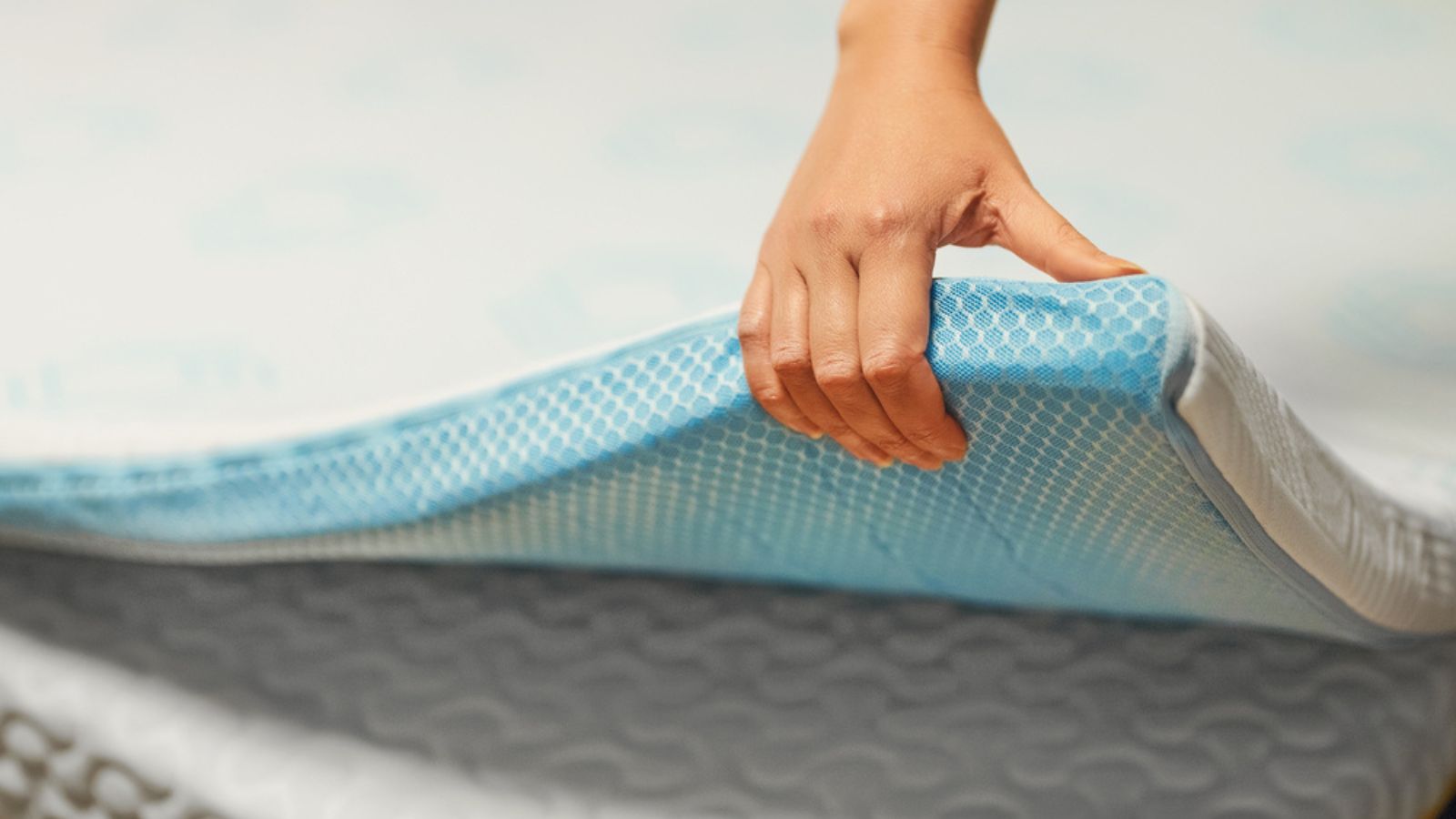
Dragging a mattress to the curb is a universal sign of moving out, but it’s a nightmare for waste collectors. Mattresses are bulky, hard to compact, and their springs can tangle in heavy machinery, causing expensive damage. They occupy a significant amount of valuable landfill space, which is rapidly running out in many parts of the country.
Retailers often offer haul-away services when delivering a new mattress, which is the easiest route. If that isn’t happening, look for a mattress recycling program in your city. These facilities strip the mattress down, recycling the steel springs, foam, and wood frame separately. In some areas, bulky item pickup services will take them, but you usually have to schedule this in advance.
9. Needles and Razor Blades
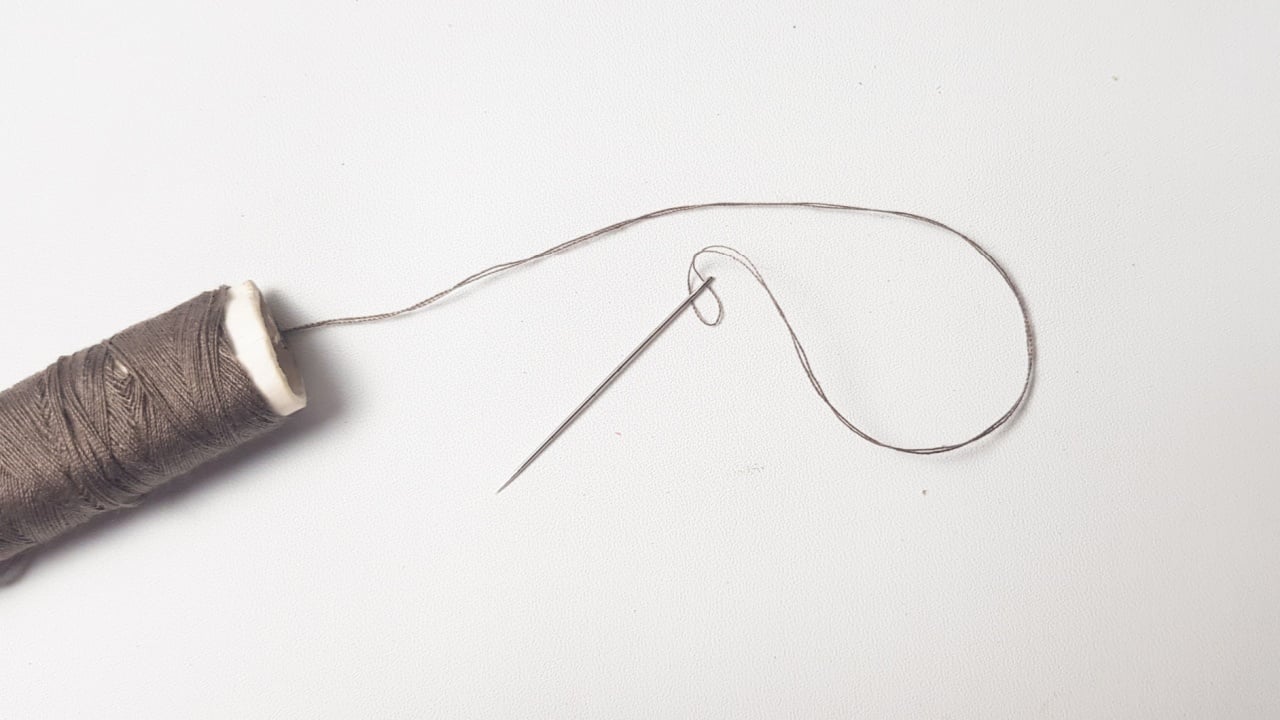
We’re talking medical grade needles here, but sewing needles can also be sharp!
Safety is the primary concern here. Tossing loose razor blades or medical sharps (needles and lancets) into the trash is a direct threat to anyone handling your garbage. Sanitation workers can easily get pricked through plastic bags, exposing them to bloodborne pathogens and serious infection. It creates a dangerous working environment that is entirely preventable.
For razor blades, create a “blade bank” using an old tin can or a jar with a slot in the lid; once full, seal it with heavy tape and label it clearly before disposal (check local metal recycling rules). For medical sharps, you must use an FDA-cleared sharps disposal container. Once filled, check with your local pharmacy, doctor’s office, or health department for safe drop-off locations or mail-back programs.
10. Electronics (E-Waste)

Old computers, printers, VCRs, and televisions are gold mines of heavy metals and valuable components. Known as e-waste, these gadgets contain lead, mercury, and cadmium, alongside gold, silver, and copper. Burying them in the ground wastes those precious metals and allows the toxins to seep out, while incinerating them releases dangerous fumes into the atmosphere.
E-waste recycling events are becoming common in many towns, often held at schools or community centers. Big electronics retailers also frequently accept old devices for recycling, regardless of where you bought them. Before you donate or recycle a computer or phone, remember to wipe your personal data to prevent identity theft, a digital safety step that is just as important as the physical disposal.
11. Paint

Leftover paint is a staple of every garage, but liquid latex or oil-based paint cannot go straight into the trash. Liquid paint spills in trucks, leaks onto roads, and contaminates landfills. Oil-based paints are considered hazardous waste due to their flammability and solvent content, requiring special handling similar to gasoline and pesticides.
If you have latex paint that is still good, consider donating it to a community theater, school, or Habitat for Humanity ReStore. If the paint is old and chunky, dry it out before disposal. You can mix in kitty litter or sawdust to absorb the liquid until it’s rock hard, at which point it is usually safe to toss it in the regular trash (leave the lid off so collectors can see it’s dry). Oil-based paints, however, must always go to a hazardous waste facility.
A Cleaner Backyard Starts Here

It takes a little extra effort to sort the batteries from the banana peels, but keeping hazardous gunk out of our soil and water is worth the detour. Set up a “staging area” in your garage or closet. Grab a box for batteries, a bag for old clothes (textiles are another story!), and a corner for e-waste.
Once a bin is full, make that one trip to the proper facility. You will clear your headspace, declutter your home, and sleep better knowing your old tires aren’t coming back to haunt you. Now, go tackle that junk drawer you’ve got.