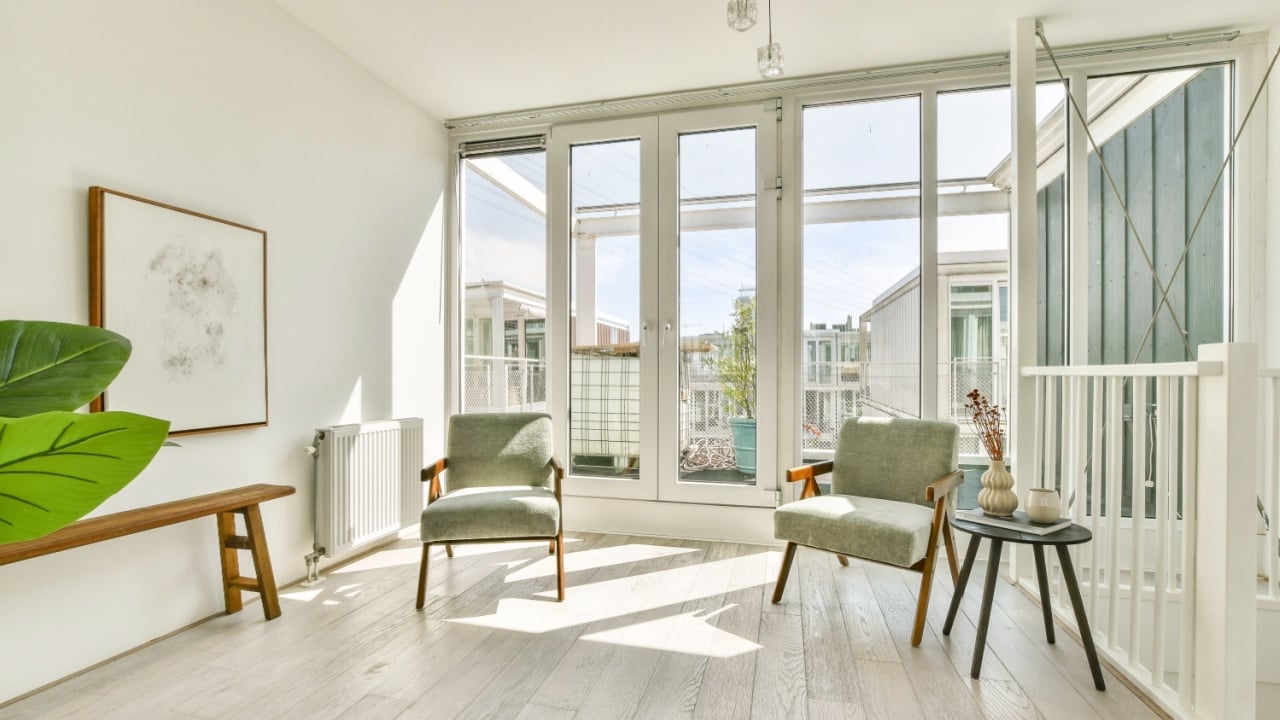
11 Smart Design Hacks for Bringing in More Natural Light
We may spend years of our lives and thousands of hard-earned bucks trying to create an atmosphere at home. Expensive renovations become our means to bring more light into our homes, but is it even necessary when we can use natural light?
Natural light does far more than brighten a room. Exposure to daylight helps regulate our sleep, improve mood, and boost productivity. Furthermore, we all know how sunlight triggers serotonin production, which plays a key role in emotional well-being and energy levels.
Homes filled with daylight also tend to feel larger, more welcoming, and more visually appealing. Fortunately, you don’t always need larger windows or a full renovation to brighten your space. Designers and architects rely on clever strategies to bring daylight deeper into the home.
1. Installing Clerestory Windows
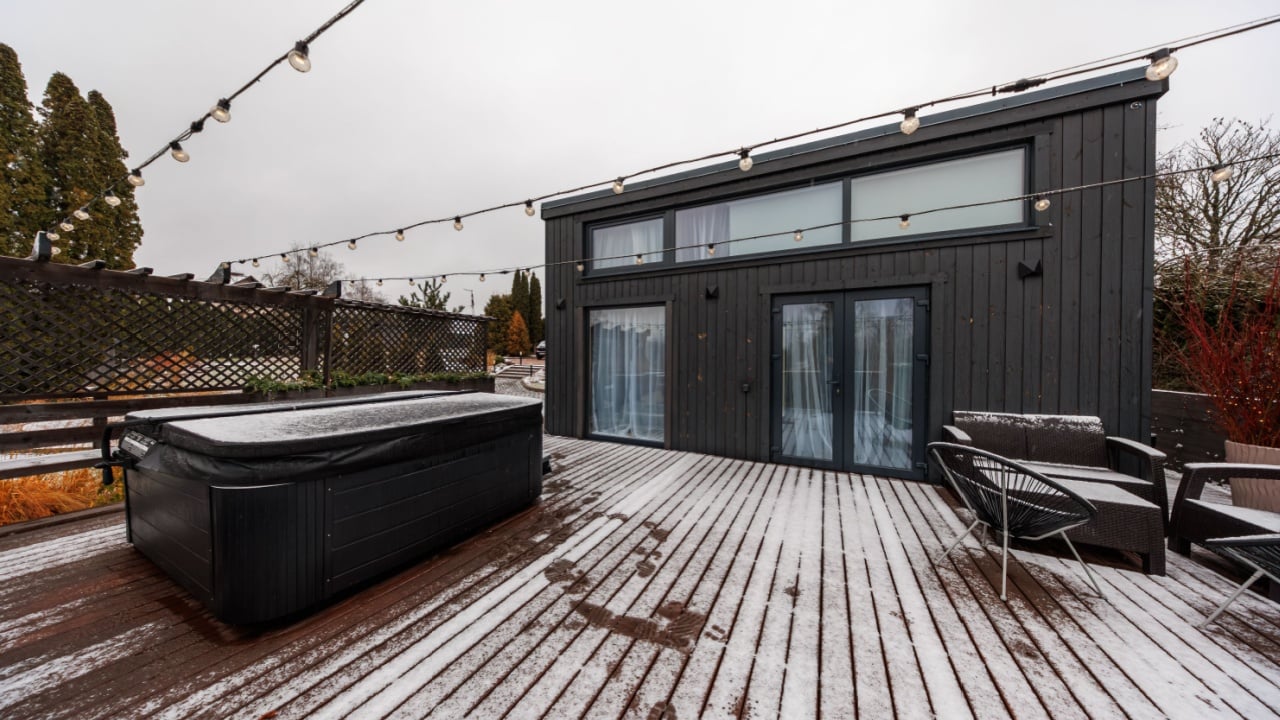
Clerestory windows are narrow windows installed near the roofline that allow sunlight to pour into a room without sacrificing privacy. Because they sit above eye level, they bring in daylight while leaving wall space for furniture and decor.
Eric Allan of Architectural Digest says the feature can transform living spaces with freshness, regardless of home design. “Whereas lower windows can let in sun in a direct and sometimes harsh way, a row of windows up high lets in a more ambient light,” he says.
Architects often use clerestory windows in bathrooms, hallways, and north-facing rooms where soft, indirect light works best.
2. Borrowing Light with Interior Glazing
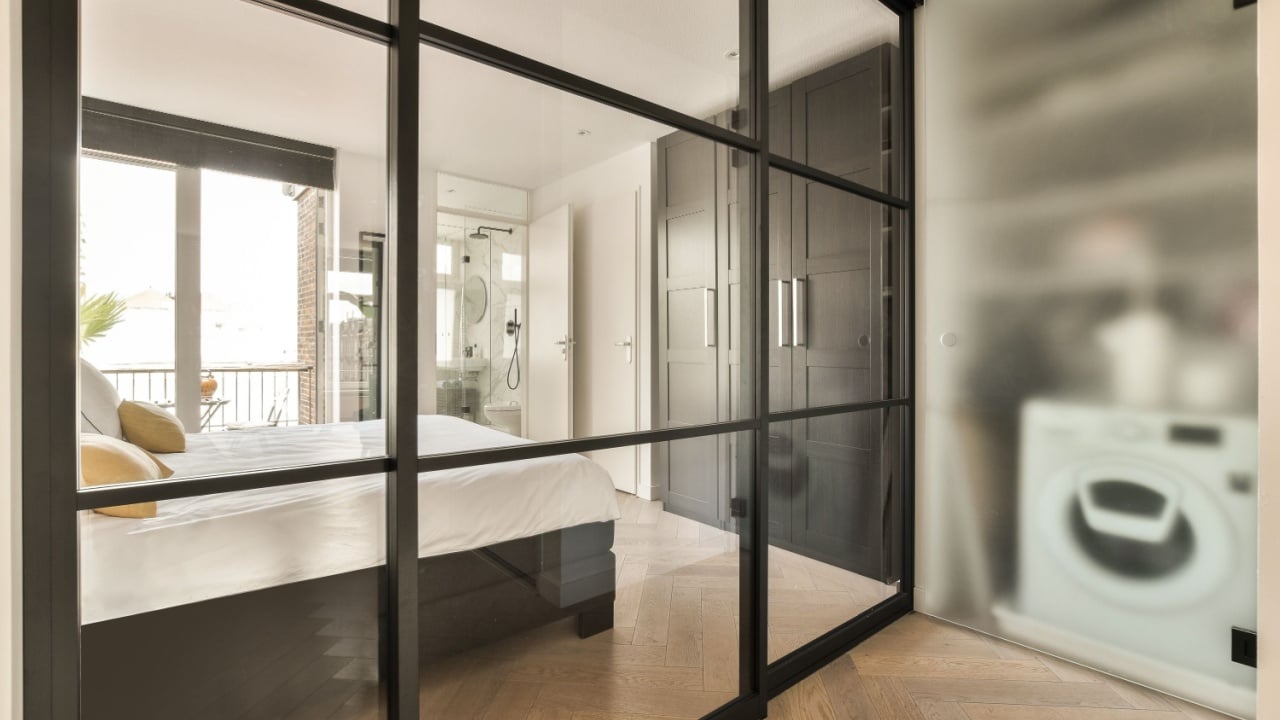
If a room has no exterior window, designers often “borrow” light from adjacent spaces. Interior glass panels, glass blocks, or transom windows allow sunlight from nearby rooms to flow deeper into the house. By redistributing daylight, interior glazing brings that natural light from outside, inside.
This strategy is especially common in apartments or townhomes where interior rooms sit far from exterior walls. “Interior walls built to collect and disperse light rather than restrict it are one solution,” reads a Houzz post. “Clear glass will transmit the greatest amount of light into adjacent spaces.”
3. Painting Exterior Eaves White

Sometimes the easiest lighting improvement happens outside the house. Painting the underside of the roof overhangs a bright white helps reflect sunlight toward nearby windows.
Exterior surfaces around windows can act like natural reflectors, increasing the brightness of incoming light before it even enters the room. Thankfully, Better Homes & Gardens has a detailed step-by-step guide to achieving this aesthetic advantage.
The same principle works outside, where reflective surfaces can boost daylight entering the home.
4. Installing an Open-Tread Staircase
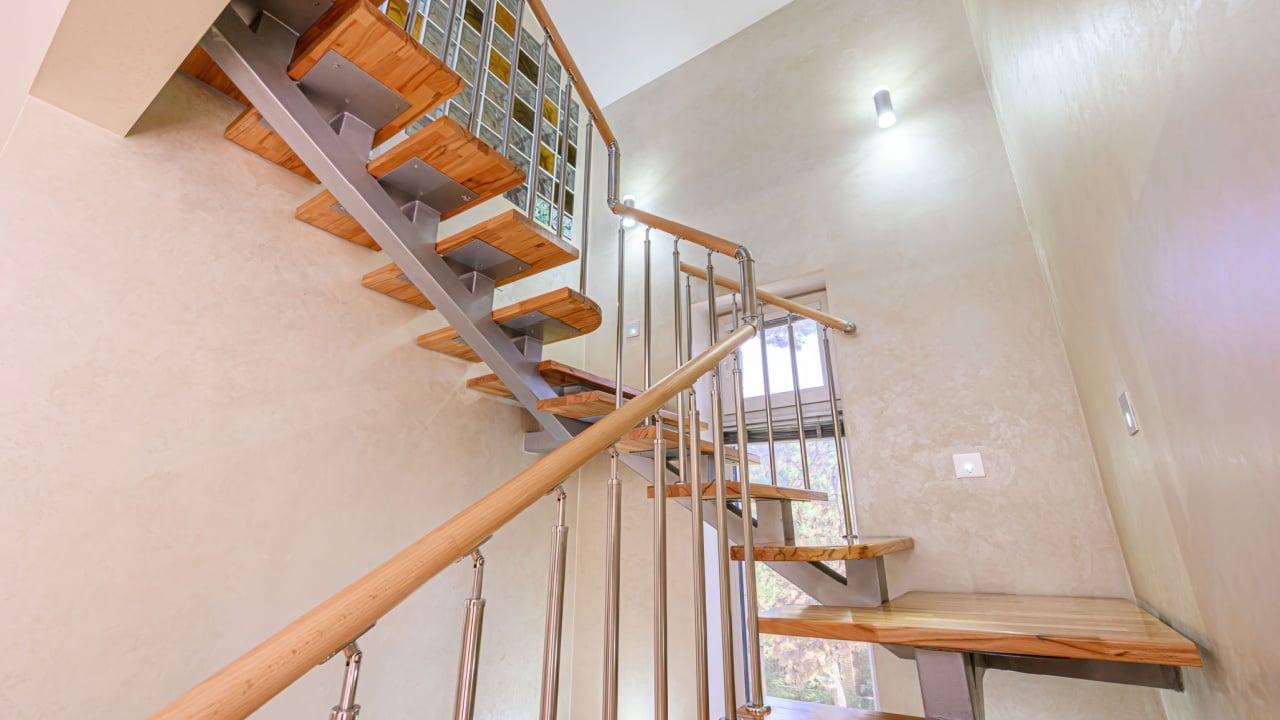
Solid staircases can block large amounts of daylight, particularly in narrow hallways or entryways. Open-tread designs replace solid risers with gaps between steps, allowing light to pass through.
“Open risers allow light to pass through the stair run instead of stacking shadows step after step,” reads a Senmit article. “The gaps between treads help daylight reach the area under the stairs and soften the shadow line that closed risers often create.”
5. Using Light-Reflective Paint
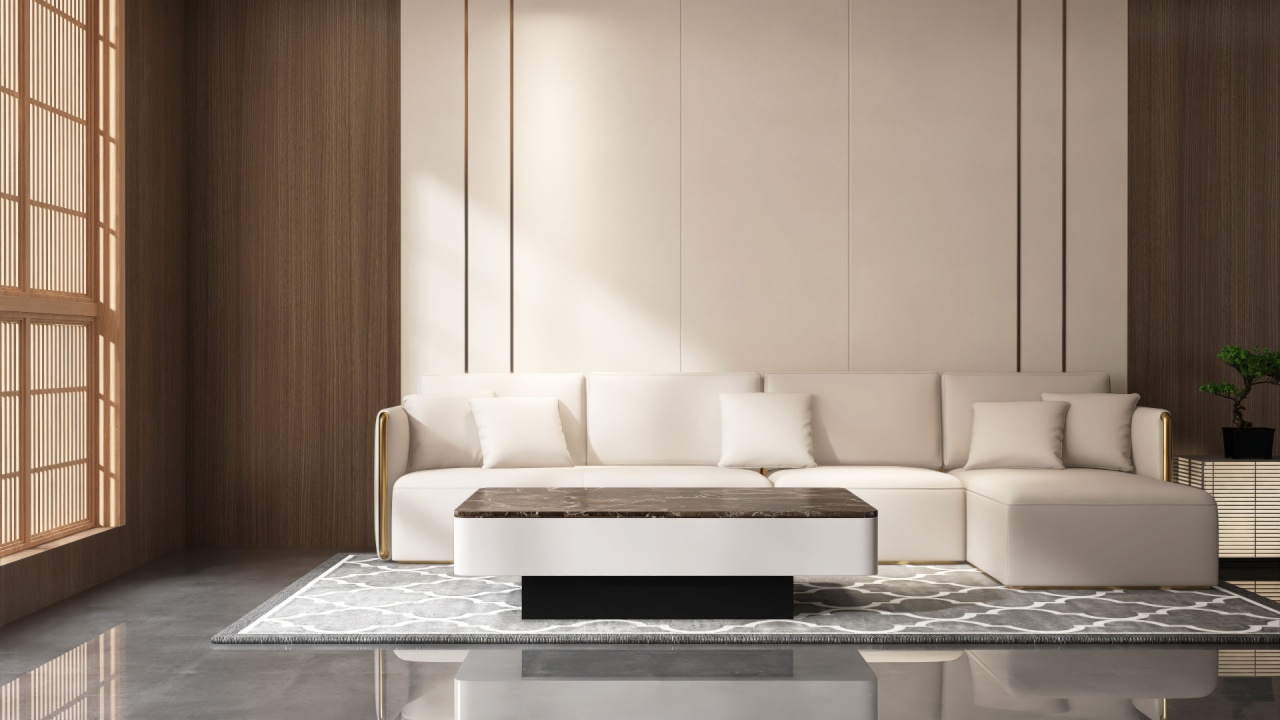
Wall color plays a major role in how light behaves in a room. Painting with a high light reflectance value (LRV) reflects more light into the living space.
Of course, whites, creams, and pale neutrals make sense for darker interiors. Meanwhile, the Sustainability website gives it a term: “daylighting.” According to this organization, “Optimized Daylighting Strategies involve architectural and engineering techniques designed to maximize the use of natural light.”
Choosing reflective paint colors can amplify daylight without structural changes, which is music to any homeowner’s ears. Just be sure not to choose the “superwhite paint” scientists designed to cool buildings. It repels up to 95% of all natural light, so you might need sunglasses at home.
6. Installing Skylights
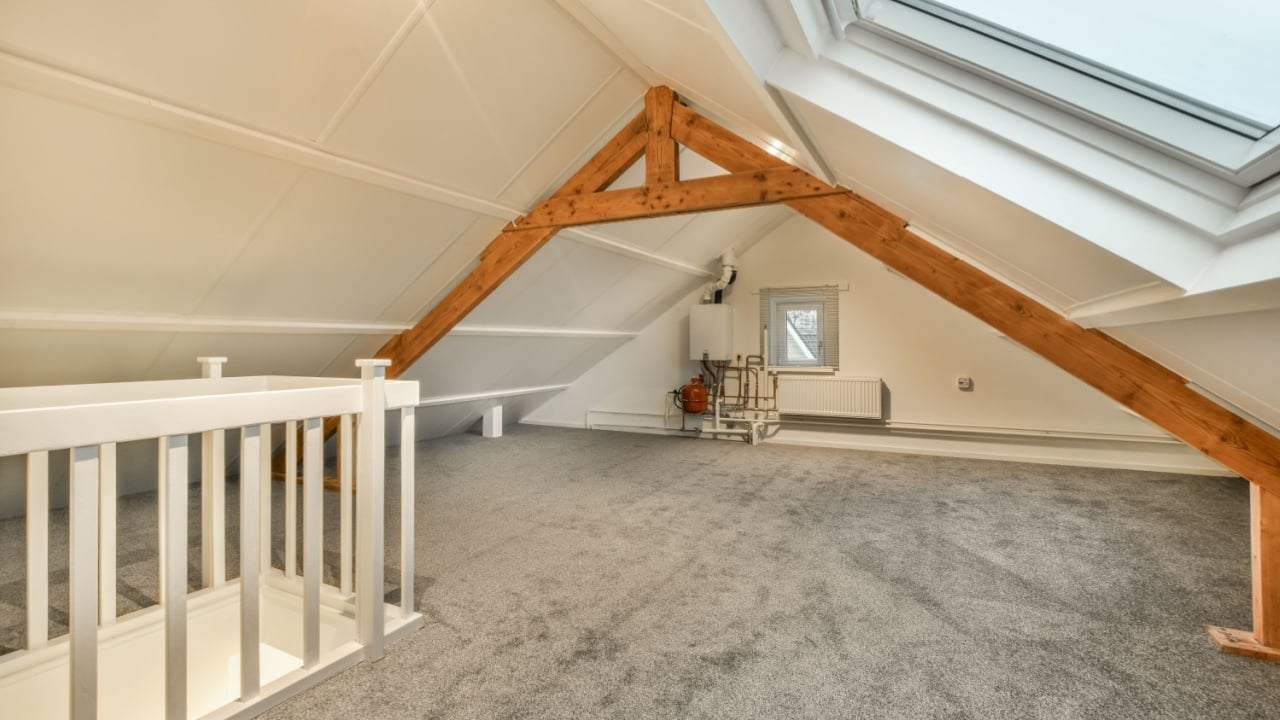
Skylights bring sunlight directly from above, often illuminating spaces that wall windows can’t reach. Because it enters from the roof, these sloped roof windows can deliver stronger and more consistent daylight.
The Department of Energy (DOE) lists all the different types of skylight windows on the market and their utility. Anyone considering this modification has plenty of options, including roof windows, automated skylights, and roof lanterns. The latter is like a mini-conservatory, a 3-D glass portal designed to maximize daylight.
7. Adding Sun Tunnels
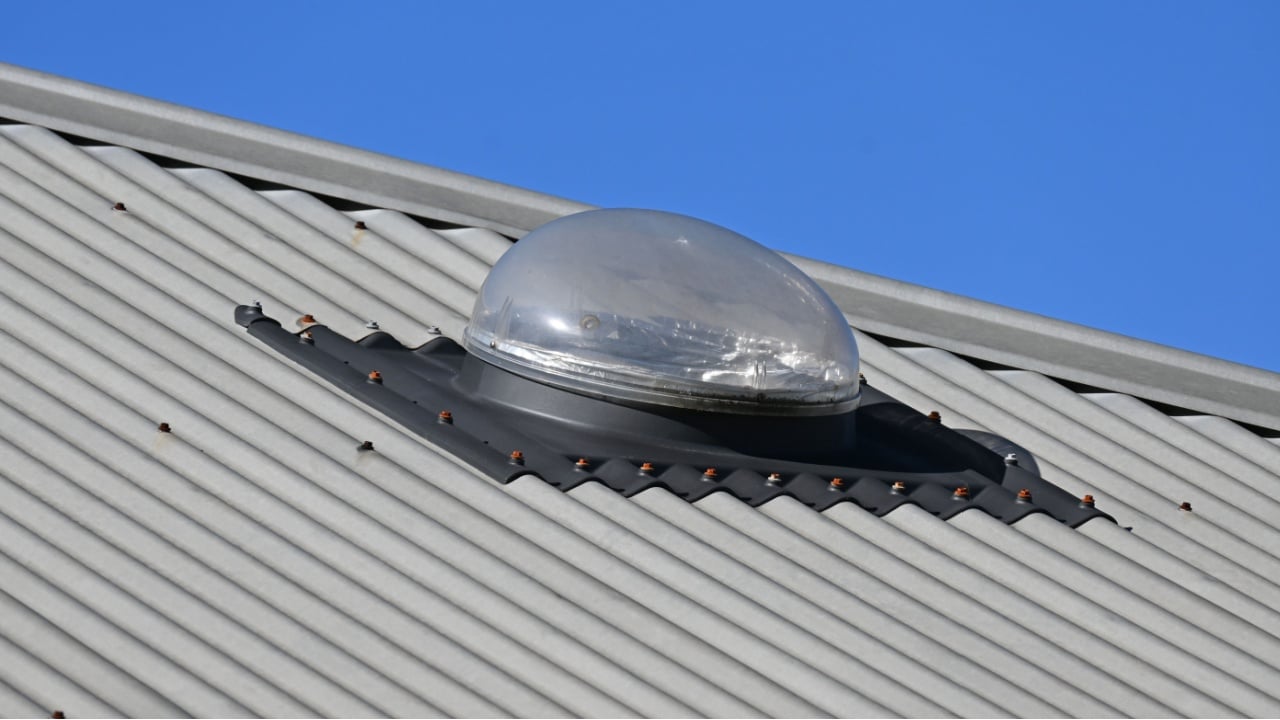
Sun tunnels are also known as solar tubes. They use reflective pipes to channel sunlight from the roof into interior rooms. These systems are commonly used in windowless bathrooms, closets, and hallways, and they reflect light into otherwise dark spaces through a mirrored pipe.
American vendor Natural Light Tubular Skylights shares a solid breakdown of why these ingenious skylight cousins might work for you. For instance, they are more affordable, leakproof, and they eliminate UV rays. What’s not to love?.
8. Replacing Solid Doors with Glass
-
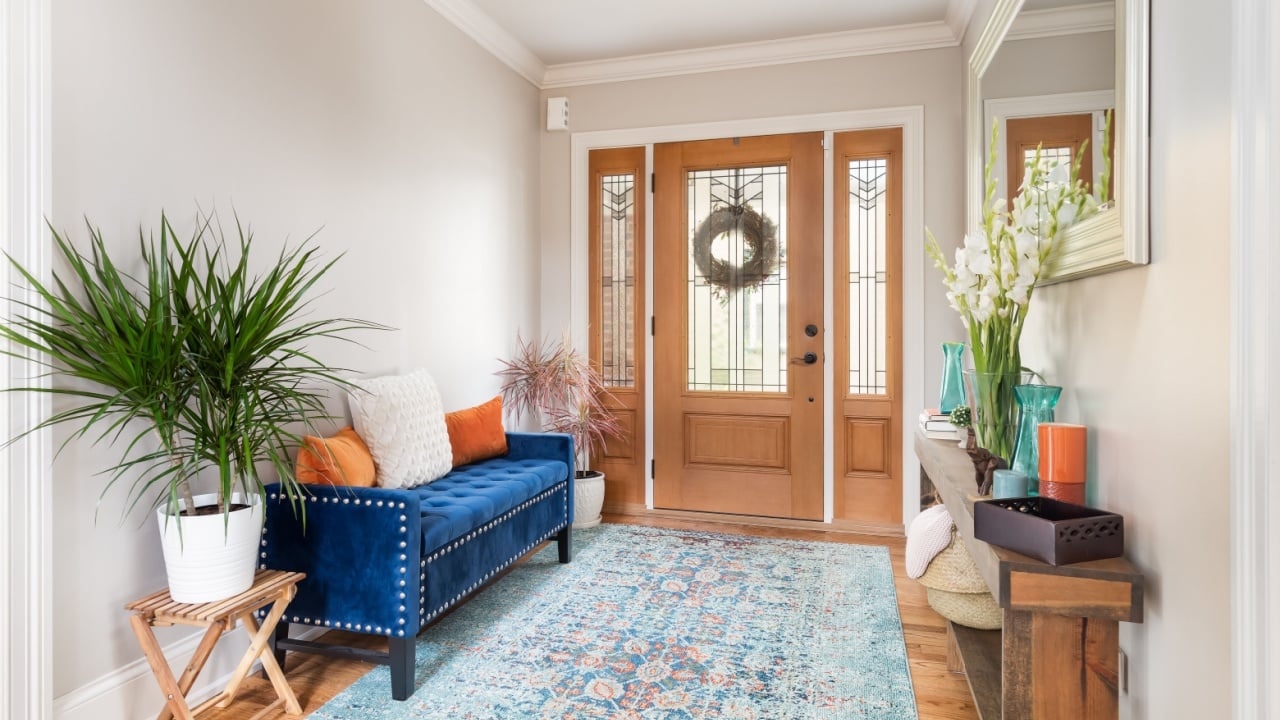
Image Credit: Joseph Hendrickson at Shutterstock.
People in glass houses shouldn’t throw stones, but they do enjoy more natural light than anybody. For those in normal houses, swapping solid doors for glass or French doors allows light to move between rooms. This technique is especially useful in living rooms, kitchens, and hallways.
“Interior glass doors are a great way to let natural light into your home, boost morale, and settle the mind,” argues a Sliding Doors Company guide. Then again, with glass doors everywhere, family members will need to be mindful of when their relatives are “decent.”
9. Opening Up The Floor Plan
-

Image Credit: Shutterstock.
Removing non-load-bearing walls can dramatically improve natural light distribution, while seriously making the space feel bigger. Moreover, open floor plans allow daylight from exterior windows to travel farther through the home.
According to architecture platform The House Plan Company, open layouts improve interior brightness by sharing light between spaces. Its recommendation is to remove walls in common living areas, “where natural light enhances both function and aesthetic appeal.”
10. Trimming Outdoor Foliage
-

Image Credit: Shutterstock.
While many people dream of surrounding their property with foliage, trees, vines, and large shrubs can unintentionally block sunlight from reaching windows. Therefore, the less-is-more method works best if natural light is the objective.
Landscape designers recommend pruning vegetation that shades windows, especially on the south side of the home. Yet, it is a double-edged sword: shady trees also cool the home in the summer months. In any event, the Evergreen platform suggests which trees will add the most shade, thus blocking more natural light.
11. Washing Windows
-

Image Credit: Shutterstock.
It sounds simple, but dirty windows can significantly reduce incoming daylight. Dust, pollution, and mineral buildup all block light. Put simply, the difference between smeared and crystal-clear glass can be dramatic, and it costs very little to fix. Even a quick seasonal window cleaning can noticeably brighten interior spaces.
A British company named DOC Cleaning gives good advice for those living in the more northern reaches. “Clean windows help residents enjoy brighter, warmer homes when the sun is at its weakest,” reads a guide. “As daylight hours decrease, keeping windows clear becomes essential for managing agents and residents in apartment buildings.” In addition to more light coming in, you will also increase kerb appeal. Clean windows are a win-win.