
11 RV Living Challenges No One Warns Retirees About
Are you ready for the raw, unfiltered truth about life on the road in your golden years? Forget those carefully curated Instagram posts of #RVlife with stunning sunsets and panoramic mountain vistas. We’re going beyond the surface-level charm and uncovering the nitty-gritty realities that many retirees face when they ditch the sticks and bricks for a home on wheels.
The appeal of RV living is undeniable. The ability to travel, explore new places, and escape brutal winters while meeting fellow adventurers sounds like a dream. However, life on the road comes with its own unique set of challenges that are often overlooked in those picture-perfect travel blogs.
We’re not here to deter you from pursuing your RV dreams. Instead, we want to empower you with a dose of reality and the knowledge needed to make an informed decision. This way, your retirement adventure will be a fulfilling journey, not a series of frustrating surprises.
1. The Downsizing Dilemma

Trading a spacious house for a home on wheels means getting ruthlessly minimalist. Letting go of sentimental items, furniture that holds memories, and even beloved books is an emotional process that can be far harder than most expect.
It’s not just about the stuff, it’s about what it represents. Downsizing often forces us to confront attachments and memories, making for a sometimes painful emotional journey alongside the practical challenge of fitting your life into a significantly smaller space.
2. The “Honeymoon Phase” Ends Quickly

That initial sense of freedom and novelty is intoxicating. The first few weeks on the road could be exhilarating, filled with new sights and experiences. However, this initial honeymoon phase often gives way to the realities of daily life in a confined space.
The novelty wears off. The close quarters, the constant packing and unpacking, and the challenges of finding reliable internet or cell service can quickly become frustrating. It’s essential to be realistic about the long-term challenges alongside the initial excitement.
3. Maintenance Nightmares

RVs are notoriously finicky. Think of them as houses on wheels that are constantly jostled down the road. Things break, appliances malfunction, leaks spring up unexpectedly, and repairs often require specialized RV mechanics who aren’t always easy to find.
Being handy is a valuable skill for RVers. If DIY isn’t your forte, budgeting for repairs is crucial, as they can quickly add up and put a dent in your travel funds.
4. The Campground Catch-22

Peaceful campsites tucked away in nature might be your dream. The reality is often overcrowded RV parks with noisy neighbors and a distinct lack of privacy. Plus, costs add up quickly, especially if you stay in one place for a longer duration.
Finding the perfect balance between affordability and a serene environment is a constant juggling act. Boondocking (camping without hookups) is an option for the adventurous, but it requires being self-sufficient and mindful of waste disposal.
5. Fueling the Beast: Gas Costs and Environmental Impact

Fueling up an RV can cause sticker shock, especially with today’s soaring gas prices. RVs are notorious gas guzzlers, with large vehicles averaging only 6-10 miles per gallon. A long road trip can easily cost hundreds of dollars, making that “budget vacation” not so budget-friendly after all.
Besides financial considerations, there’s the environmental impact to factor in. If sustainability is a priority, the carbon footprint of an RV lifestyle might give you serious pause. While some models are more fuel-efficient, most RVs’ sheer size and weight mean frequent trips to the pump are unavoidable.
6. Weather Woes: Extreme Temperatures and Unexpected Repairs

Most RVs aren’t built for extreme weather conditions. Intense heat can make life inside unbearable without a powerful air conditioner constantly running (hello, noise and energy costs!), while freezing temperatures can lead to frozen pipes and other costly repairs.
Unless you plan to chase mild weather year-round, be prepared for the challenges each season brings. This can mean shelling out for expensive RV parks with climate-controlled facilities or facing the discomfort and potential hazards of extreme heat or cold.
7. The “Lonely Road” Syndrome
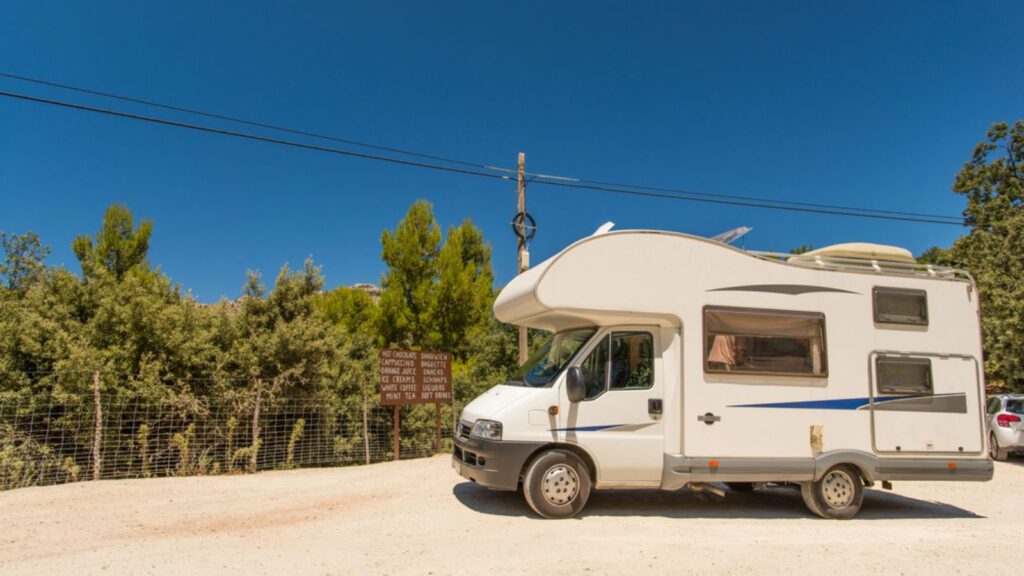
The idealized version of RV life often involves a happy couple exploring the country together and making new friends at every campground. While those connections happen, the reality is often more solitary. Many retirees travel alone, and the transient nature of RV life makes forming lasting friendships challenging.
It’s important to be honest with yourself about your social needs. If you thrive in a tight-knit community, the RV lifestyle might feel isolating. Seeking out RV groups with shared interests or activities can help combat loneliness.
8. The Grocery Gauntlet

Stocking up on groceries in an RV requires strategic planning. Limited fridge and pantry space means frequent trips to the store, which can be time-consuming and expensive, especially in remote areas where grocery options might be limited or overpriced.
Meal planning becomes essential. Look for recipes that utilize versatile ingredients you can use in multiple dishes. Non-perishable food items like canned goods and pasta can be lifesavers on longer trips, but it’s important to maintain a balanced diet with fresh fruits and vegetables as well.
9. Unreliable Internet and Cell Service

Many retirees envision working remotely or staying connected with family and friends while on the road. However, this is easier said than done. Reliable internet and cell service are often spotty in rural areas, making it difficult to work, stream movies, or even make basic phone calls.
This can be a major dealbreaker for those who need consistent connectivity. Researching campsites with strong WiFi or investing in a cellular signal booster can help, but be prepared for the occasional frustrating technological hurdle.
10. Medical Access on the Road

While many retirees enjoy good health, medical needs can arise unexpectedly. Finding a doctor or specialist in unfamiliar locations, dealing with out-of-network insurance issues, and accessing necessary medications can be a logistical nightmare.
It’s crucial to research healthcare options in your intended travel areas beforehand. If you have specific medical needs, consider establishing a relationship with a telemedicine provider for remote consultations and access to prescriptions while on the road.
11. Security Concerns

While the RV community is generally friendly and welcoming, crime is an unfortunate reality in some areas. RVs, often parked in isolated campgrounds or rest stops, can be targets for theft, vandalism, or even break-ins. Investing in additional security measures like alarms, motion-sensor lights, and GPS tracking can help, but the vulnerability of being in a smaller, less secure dwelling is a real concern for some.
It’s also essential to be aware of your surroundings, trust your instincts, and avoid leaving valuables unattended in your RV. Researching safe routes and destinations and being cautious about where you park can further minimize your risk.