10 Ways to Extend Your Growing Season (And Why March Is the Best Time to Start)
If you’re waiting for warm weather to think about your garden, you’ve already missed the best window of the year.
For gardeners who understand season extension, March is the most productive month on the calendar because the decisions made right now determine whether your harvest begins in April or June, and whether it ends in September or November. The difference between a garden that produces for five months and one that produces for eight isn’t a greenhouse or a complicated system. It is a handful of simple techniques, applied at the right moment – which is now.
Most home gardeners operate on what might be called “last frost logic”: wait for the last frost date, then plant. It’s understandable. It’s also one of the most common reasons gardeners lose six to eight weeks of productive growing time every single year. Here are ten ways to reclaim those weeks, starting this month.
1. Start Seeds Indoors Right Now
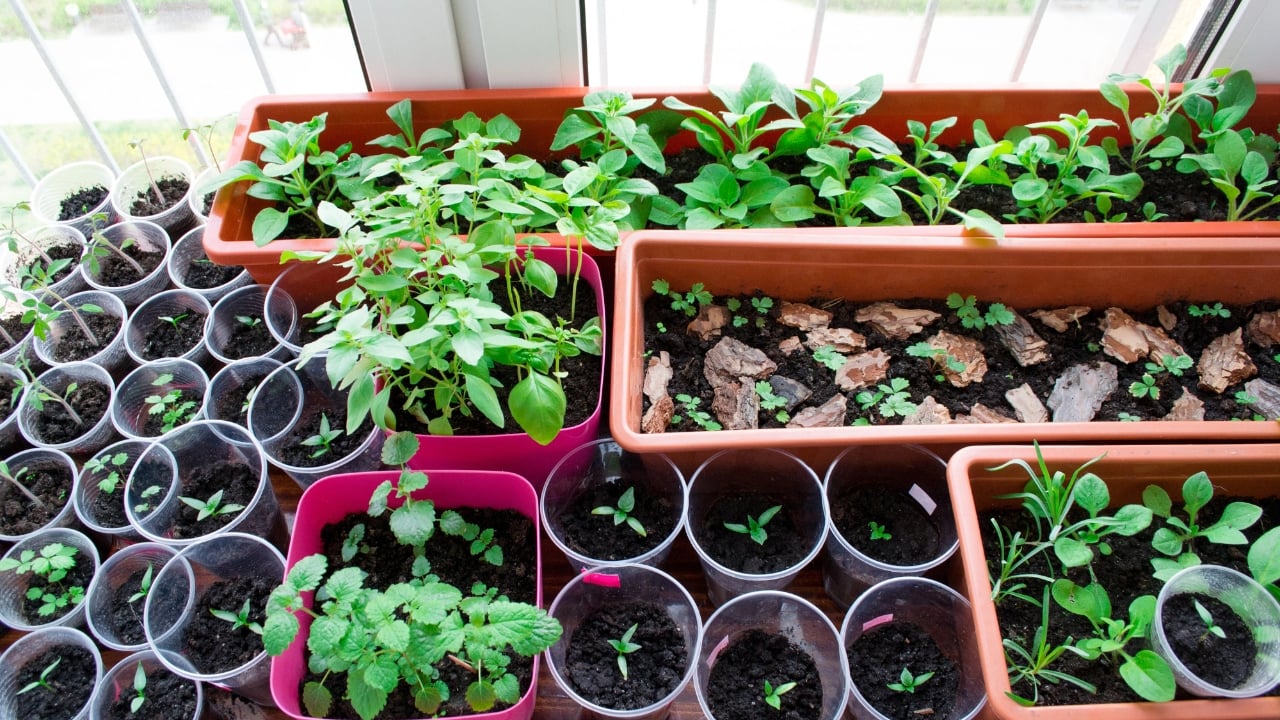
For most of the country, March falls squarely in the eight-weeks-before-last-frost window, which means right now is the ideal moment to start tomatoes, peppers, eggplant, and other warm-season crops from seed indoors. According to the Old Farmer’s Almanac, indoor seed starting is one of the most effective and least expensive ways to get a significant head start on the growing season.
You do not need expensive grow lights to do this well. Standard fluorescent shop bulbs placed a few inches above seedling trays provide adequate light. What matters more is timing: starting too early produces spindly, root-bound plants that stall when transplanted. Eight weeks before your last frost date is the sweet spot for most plants (although, confirm this on the back of your seed packet), and for most of the U.S., that window opens in March.
2. Use a Cold Frame to Plant Outdoors Weeks Earlier
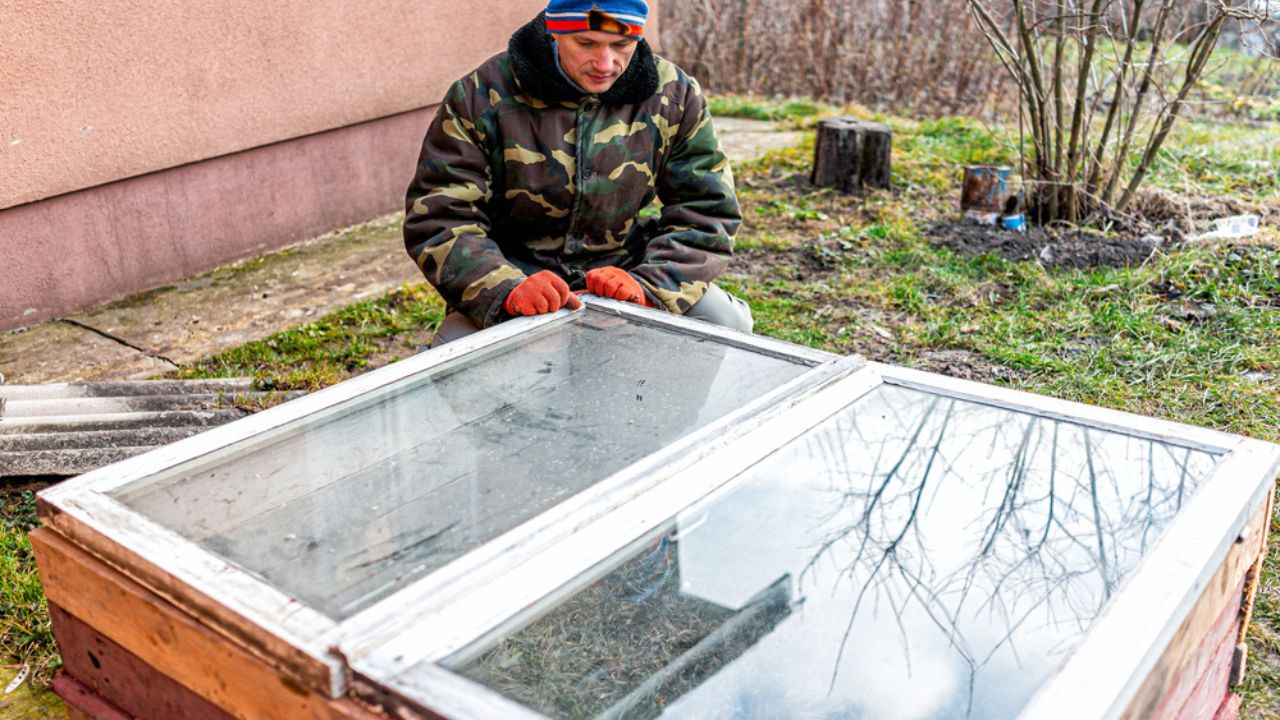
A cold frame is one of the oldest season extension tools in existence. Glass cloches and cold frame-style structures were used in French kitchen gardens as far back as the 1600s, and American Colonial gardeners adopted them widely. They work by trapping solar heat during the day and releasing it slowly at night, creating a microclimate that can be 10 to 15 degrees warmer than the surrounding air.
Cold frames extend the growing season by four to six weeks in both spring and fall, making them genuinely useful on both ends of the calendar. You can build one for free using salvaged storm windows, the kind frequently available at architectural salvage shops or on Facebook Marketplace, laid over a simple wooden box. Orient the frame facing south, with the shorter side toward the sun for maximum light capture.
One critical note: on any sunny day when temperatures climb above 40 degrees F, prop the lid open. The interior of a cold frame can reach 80 degrees F on a 50-degree afternoon, and that will cook your seedlings faster than any frost.
3. Lay Black Plastic Mulch to Wake Up Your Soil
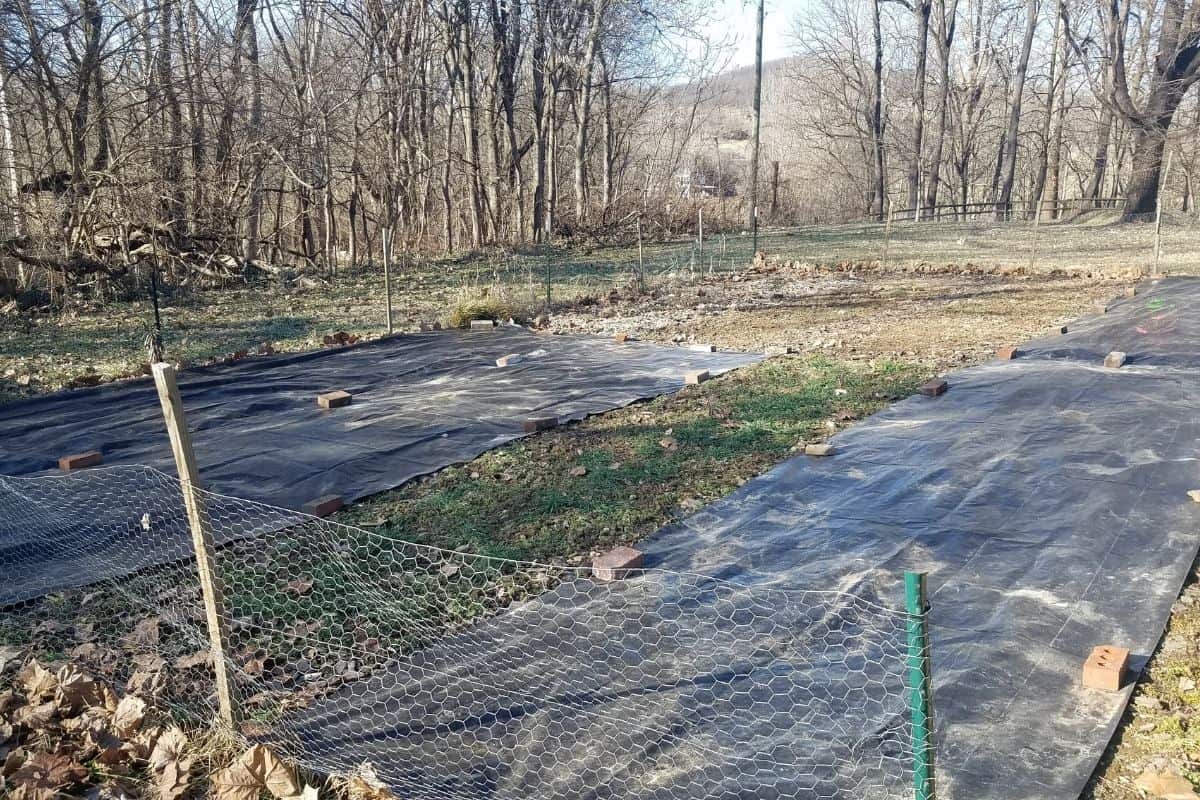
This is where most gardeners are losing time without knowing it. The date on the calendar is not what limits early spring planting. Soil temperature is.
Cool-season crops like lettuce and spinach germinate when the soil reaches around 40 degrees F; warm-season crops like tomatoes need 60 degrees F or above. Air temperature climbs faster than soil temperature, which is why you can have a warm March day and still be weeks away from a plantable garden.
Black plastic mulch laid over your beds now can raise soil temperature by up to five degrees within a week or two. Clear plastic raises it even more, up to 13 degrees F, though it also encourages weed germination. Pull the plastic tight to maximize contact with the soil, rake beds smooth first, and leave it in place until you are ready to plant. This one step can move your outdoor planting date two to three weeks earlier with no ongoing effort required.
4. Cover Crops with Floating Row Covers
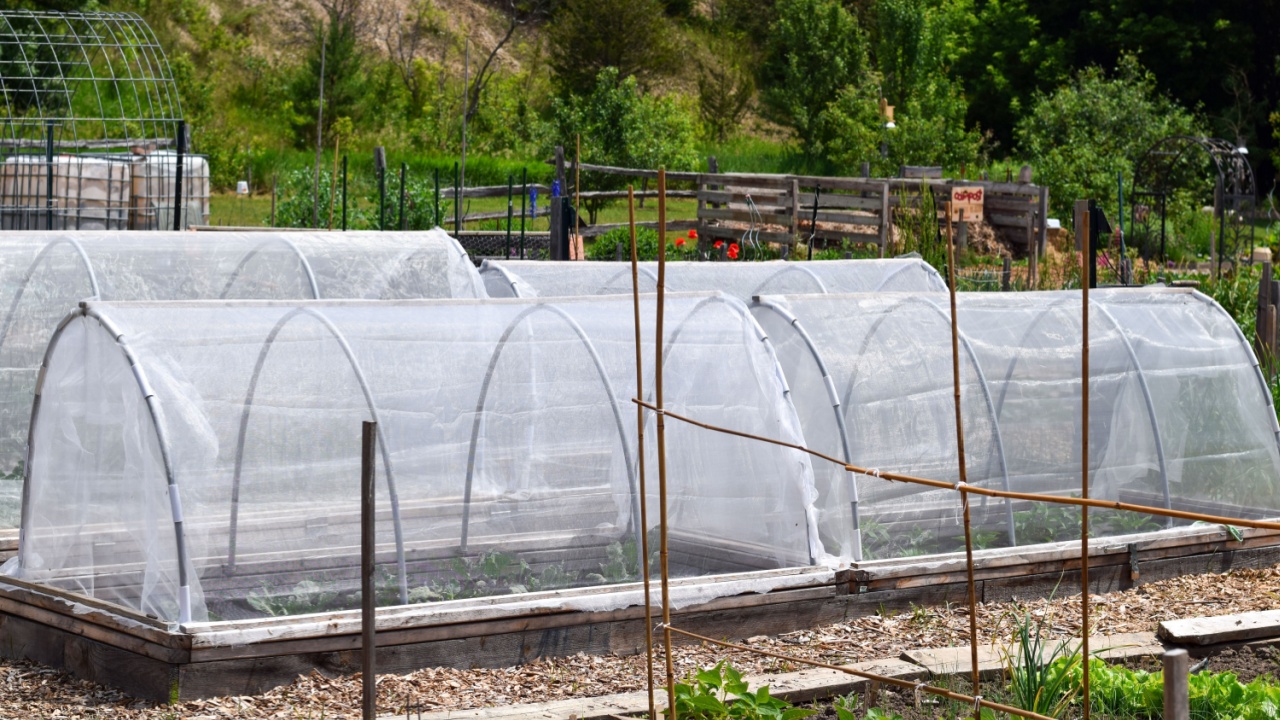
Floating row covers are spun-bonded fabric, loosely draped over crops or supported with wire hoops, and they are widely considered the most versatile tool in the season extension toolkit. They retain five to ten degrees of warmth and protect plants from light frost down to about 28 degrees F. As Gardener’s Supply notes, seedlings grown under the shelter of garden fabric often put on twice as much growth as unprotected plants during the same period.
Unlike plastic sheeting, fabric row covers allow rain, air, and sunlight to pass through, which means you do not need to remove them every time you water or when the sun comes out. They also double as a physical pest barrier, keeping early-season insects off vulnerable seedlings. For March planting, they are the difference between possible and practical.
5. Build a Simple Hoop House Over a Raised Bed
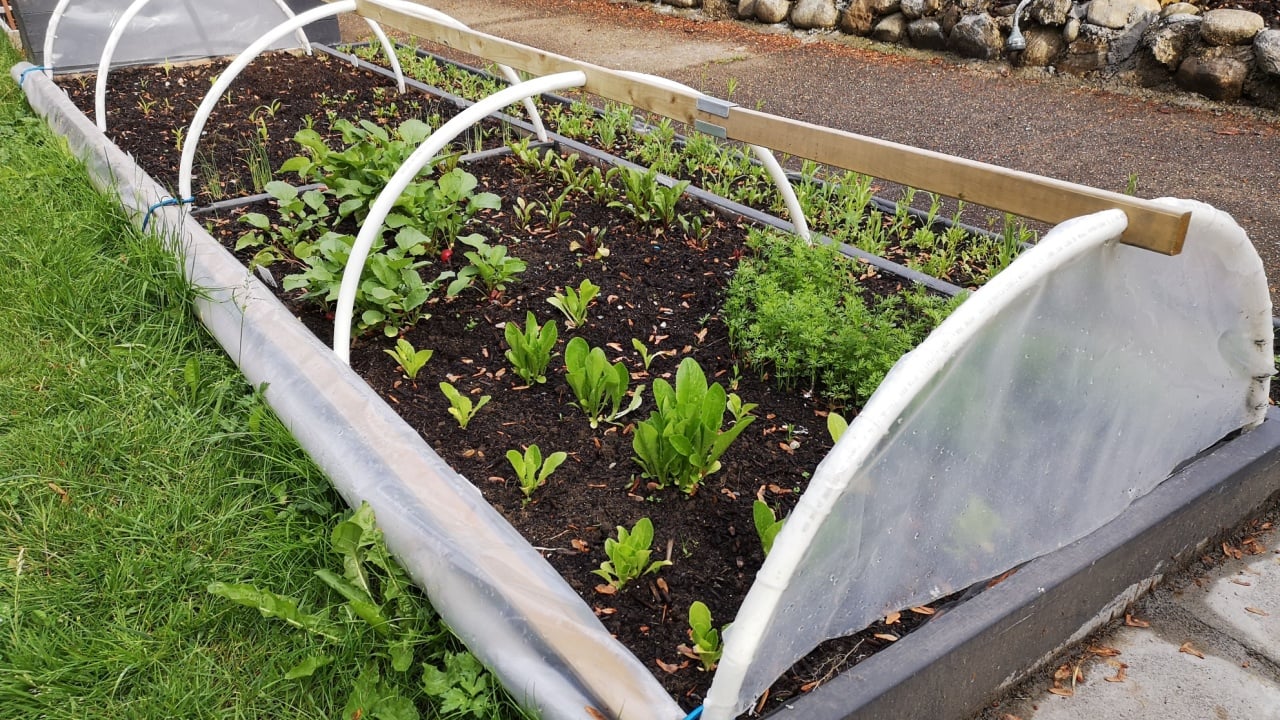
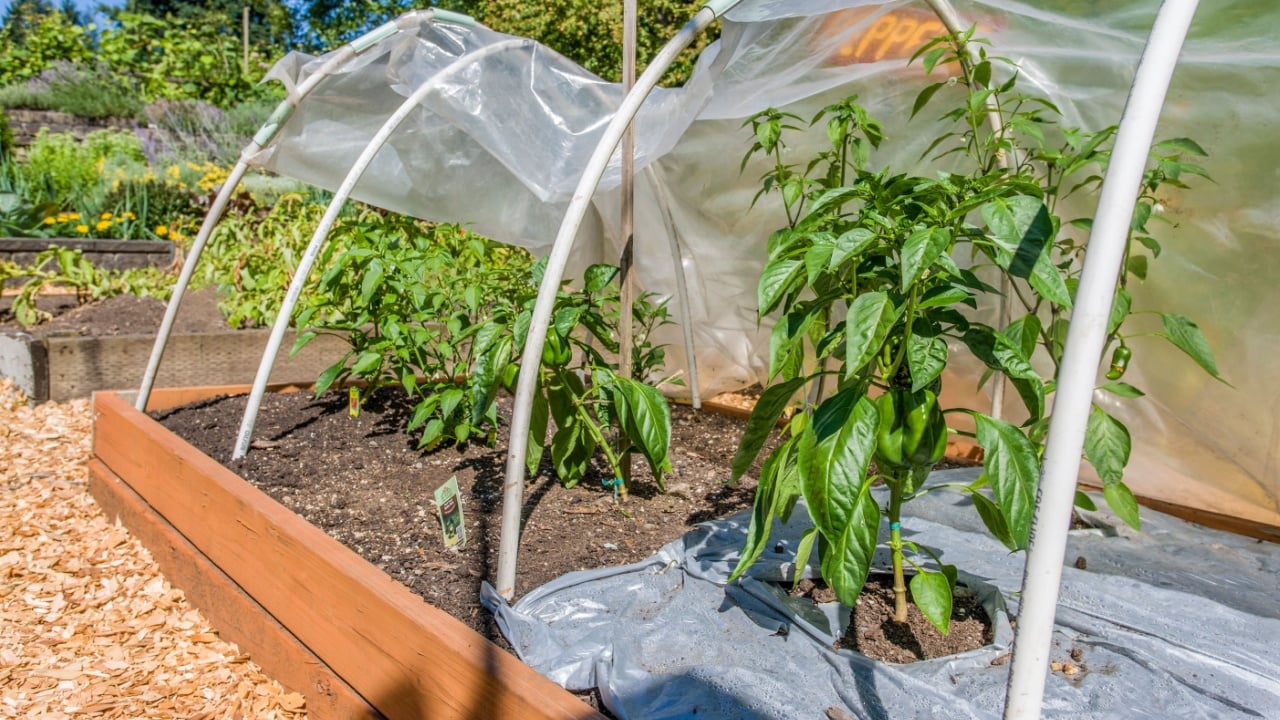
If a cold frame is a tool, a hoop house is a commitment; and for most serious home gardeners, it is the best investment they will ever make in their growing season. A basic DIY version requires only PVC pipe or metal electrical conduit bent into arcs and inserted into the sides of a raised bed, then covered with UV-treated greenhouse plastic. The investment is minimal; the result is a protected growing environment that adds six to eight weeks of production on both ends of the year.
Shawn Kuhn, co-founder of Vitruvian Farms in Wisconsin, runs unheated high tunnels through the winter, growing cold-hardy vegetables from November through March without any supplemental heat. “It’s more about timing the crop growth,” Kuhn told Wisconsin Public Radio. “When you’re growing in the fall or spring, crops can take three to six weeks longer to grow. So we just plan accordingly.” The same logic applies to a backyard hoop house: with the right varieties and the right timing, it performs far beyond what most gardeners expect. Remember to ventilate on warm days; overheating is a genuine risk.
6. Raise Your Beds to Warm Up the Soil Faster
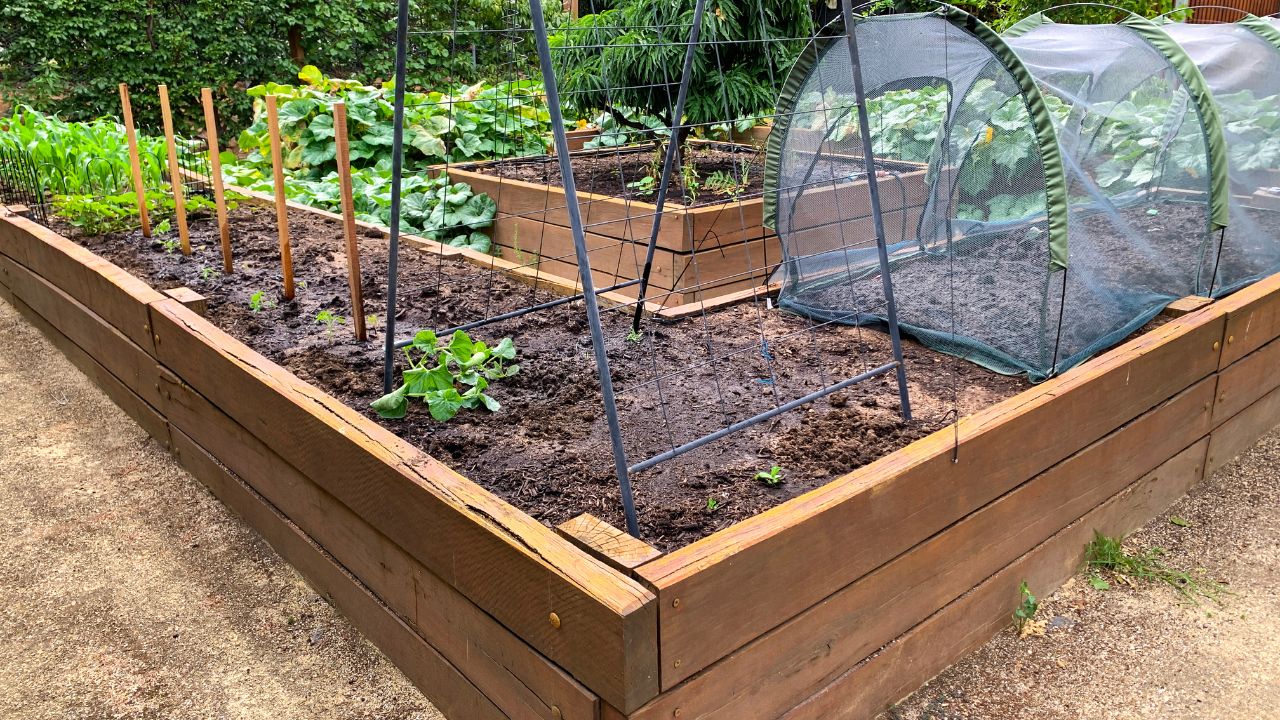
Raised beds warm earlier in spring than in-ground beds for one simple reason: the soil is exposed to air on all four sides rather than just the top. Even four to six inches of elevation makes a measurable difference in how quickly the bed becomes workable after winter. Raised beds also drain faster, which means you can get into them without compacting wet soil weeks before a ground-level plot would be ready.
For March gardening, this is significant. A raised bed can be planted in mid-March when the surrounding ground is still cold and heavy. Paint wooden raised bed frames a dark color to maximize heat absorption from the sun, and consider pulling winter mulch off the beds now to let the soil begin warming immediately.
7. Choose “Early” Varieties for a Head Start
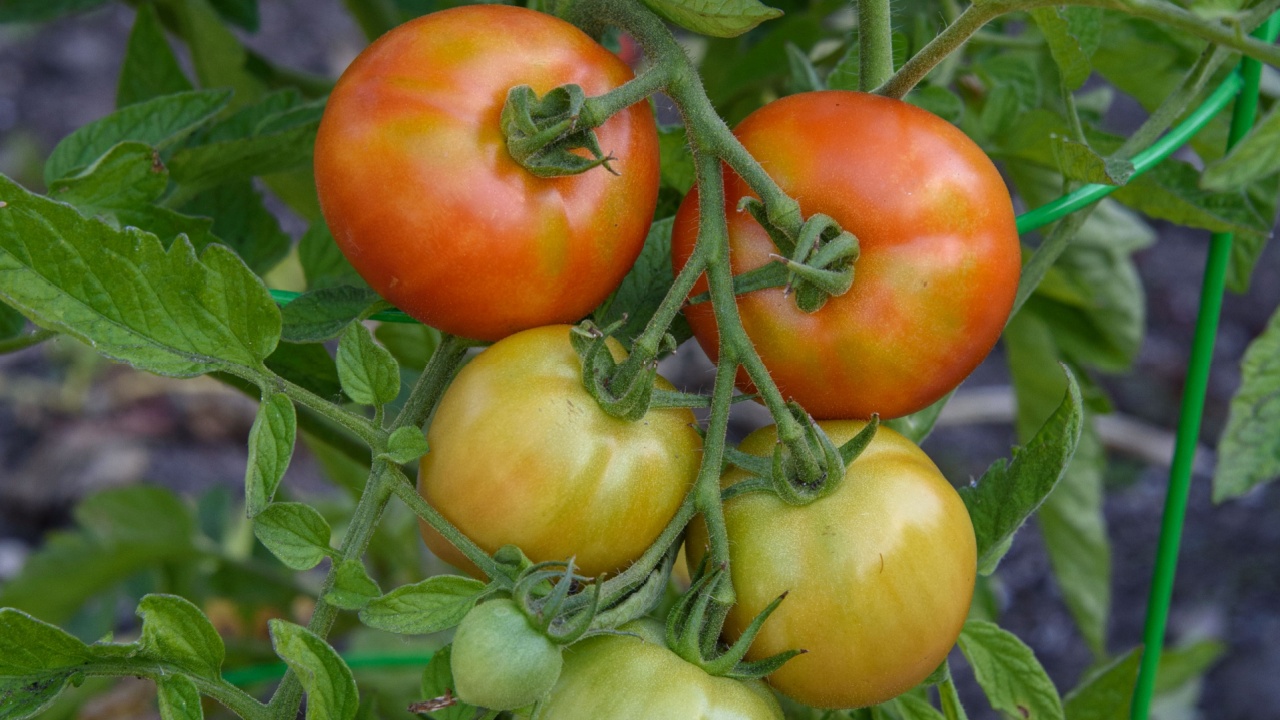
Seed selection is the most overlooked season extension strategy, and it costs nothing extra to practice. When you read seed catalog descriptions, look for the words “early,” “cold-hardy,” “extra cold-tolerant,” or a low number in the “days to maturity” column. These labels signal varieties bred specifically for shoulder seasons.
A tomato that matures in 65 days versus one that takes 85 days is not just a minor convenience in a long growing season. In a short one, it is the difference between a ripe tomato and a green one when the first frost arrives. The same principle applies across crops: a broccoli variety that thrives in cold spring soil and resists bolting gives you weeks of additional harvest that a summer-tolerant variety simply will not.
8. Plant Cool-Season Crops You’ve Been Ignoring
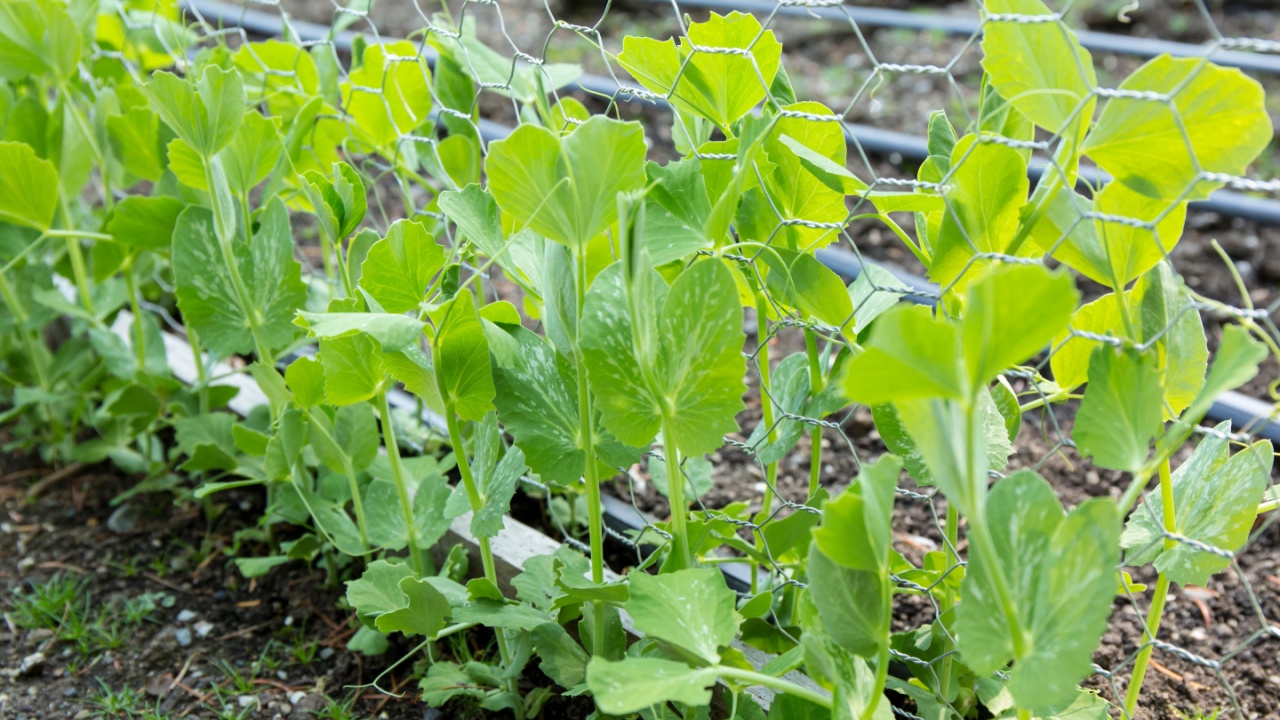
Here is something experienced gardeners know that most beginners do not: kale, lettuce, spinach, radishes, carrots, turnips, and brassicas do not merely tolerate cold; they prefer it. Frost does not damage these crops; it improves them. Carrots left in the ground through a frost cycle convert starches to sugars, producing a sweetness that summer-harvested carrots simply cannot match. Radishes lose their sharpness. Spinach deepens in flavor.
These crops are productive right now, in March, with minimal protection. Starting them in a cold frame or under row covers this month means fresh garden greens in April, while your neighbors are still waiting for the ground to thaw. Kale is particularly tenacious: some varieties continue producing through winter simply by brushing snow off the stems.
9. Succession Plant to Keep the Harvest Coming All Season
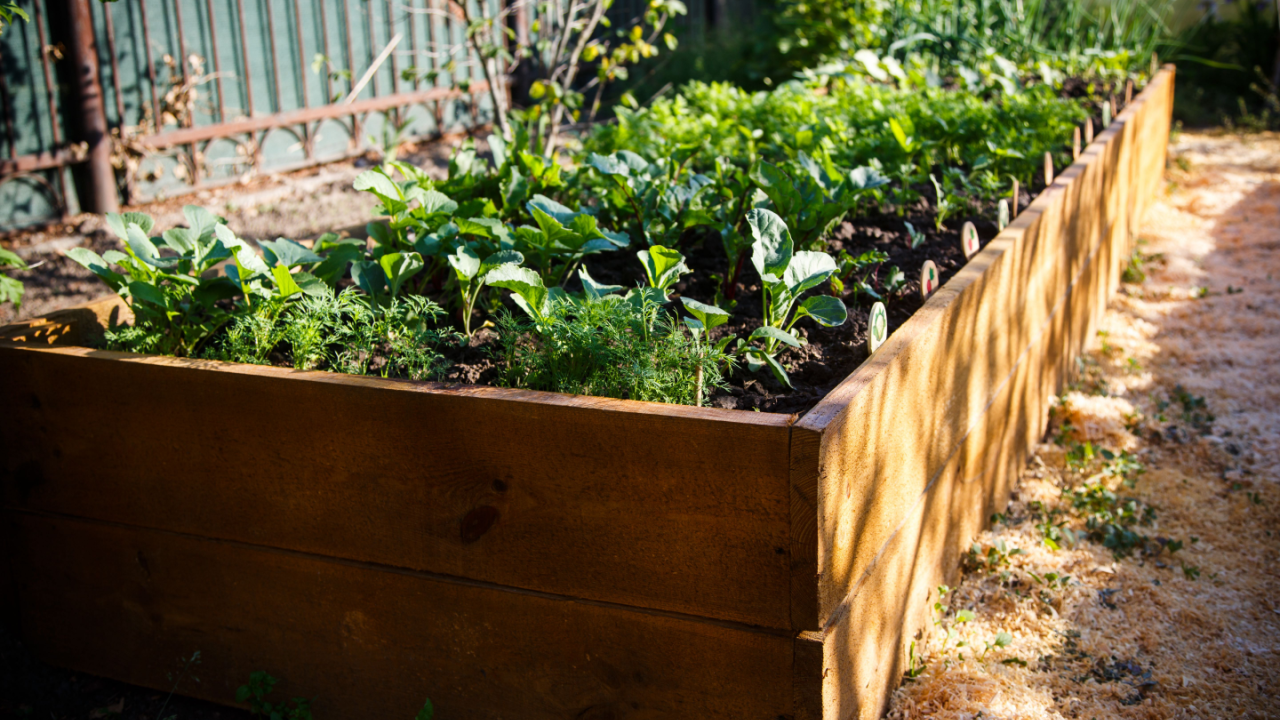
Most gardeners plant in one batch and experience one harvest window. Succession planting, the practice of sowing small amounts of the same crop every two weeks, eliminates the feast-or-famine cycle and creates a continuous supply of fresh produce from spring through fall.
The technique is especially valuable for fast-maturing crops like lettuce, radishes, and beans, which are ready to harvest in 30 to 60 days and then are done. By staggering plantings, you are always two weeks away from a fresh harvest rather than three months away from the next planting opportunity. Begin your first succession planting indoors this month, and plan subsequent rounds to go outdoors as conditions allow.
10. Use the Microclimates Already in Your Yard
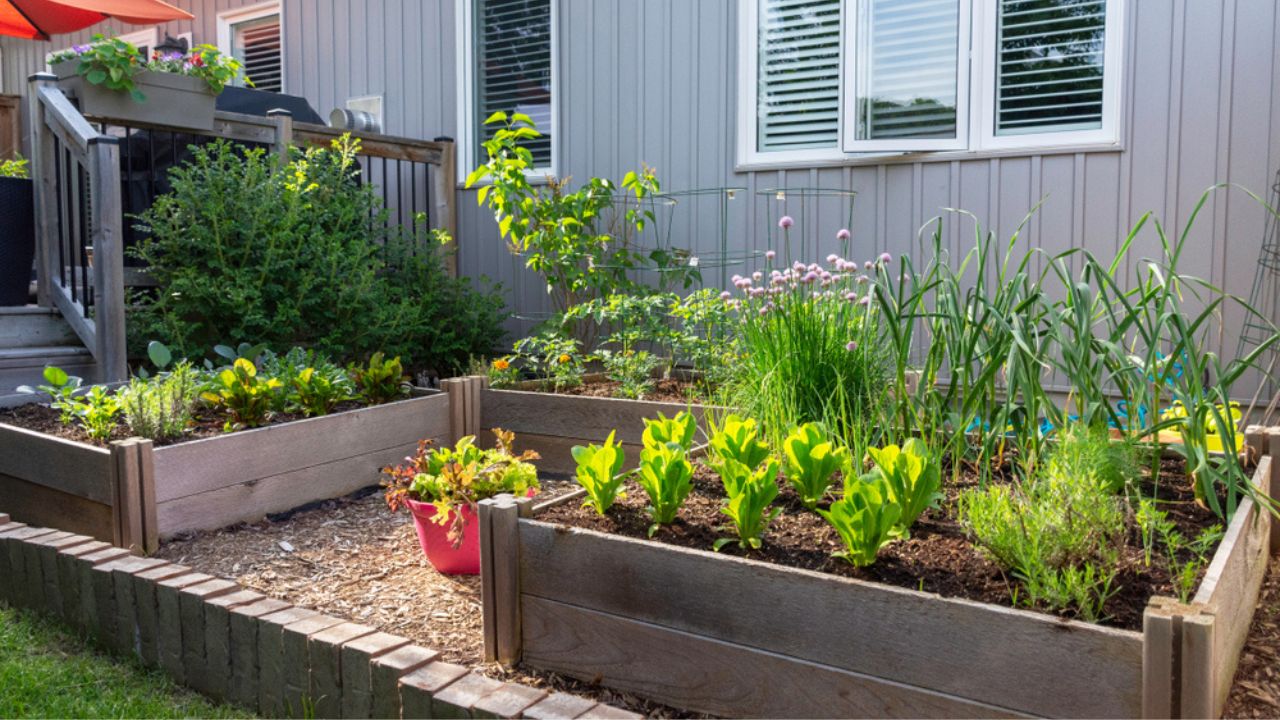
Before spending money on any equipment, walk your property and look for what you already have. A south-facing brick or stone wall radiates heat absorbed during the day back into the surrounding air at night, creating a microclimate that can be a full zone warmer than the middle of your yard. A fence on the north or west side blocks cold prevailing winds that drain heat from exposed beds. A slight rise in grade prevents cold air from pooling around your plants; cold air is heavy and flows downhill, settling in low spots and hollows where it causes the most frost damage.
These are not marginal advantages. Experienced gardeners and organic farmers consistently cite site selection and microclimate awareness as the factors that make the greatest difference to season length, and they are entirely free. Your best season extension tool may already be standing in your backyard.
It’s Time To Get Started
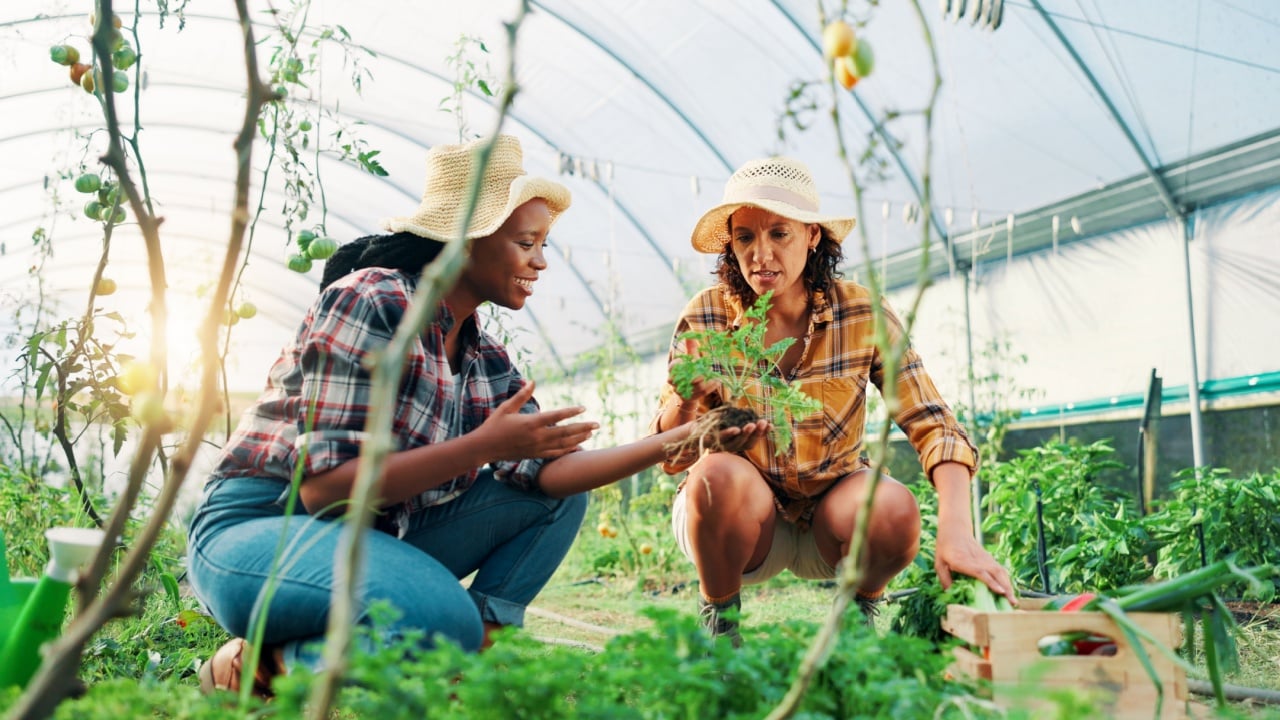
March does not ask you to wait. Cool-season crops are ready to go into protected beds this month. Seeds for warm-season crops belong under lights on your windowsill right now. The soil in your raised beds is waking up faster than you think. The gardeners who harvest the most are not the ones with the most equipment; they are the ones who decided the season started in March.
Read more:
What Your Grandmother Knew About Seeds That Most Gardeners Have Completely Forgotten
The Tilling Mistake Almost Every Gardener Makes