
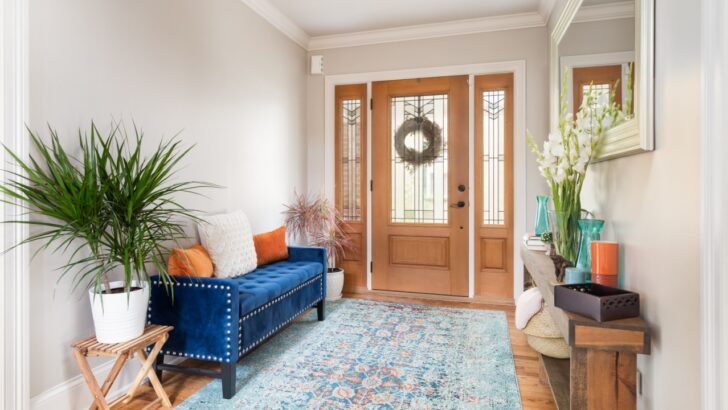
When guests step through the front door, the entryway is the first impression of your home, and sometimes, it can tell the wrong story. Shoes piled high, backpacks strewn across the floor, or mail spilling from a table can make the space feel chaotic, even if the rest of the house is perfectly tidy.
By clearing out what doesn’t belong and creating a purposeful, functional zone, this transitional space can become calm, practical, and even inviting and setting the tone for your entire home from the moment you walk in.
1. Excess Shoes
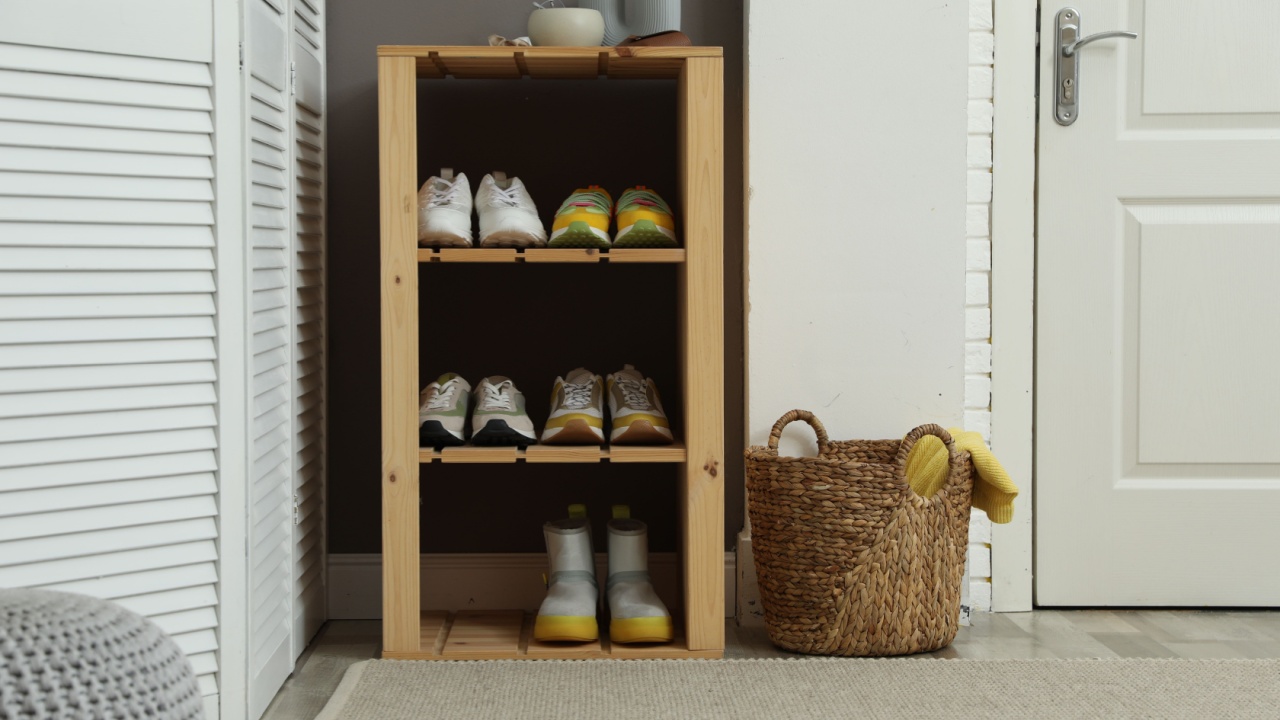
Image Credit: Shutterstock.
Many of us keep every pair of shoes by the door “just in case,” but entryways are not wardrobe shelves. A few everyday pairs can stay, but stashing multiple, rarely worn, or seasonal shoes invites clutter.
Next steps:
- Keep 2–3 pairs you wear regularly.
- Store the rest in a closet, under-bed organizer, or dedicated shoe rack elsewhere.
- Box up off-season shoes and label them clearly.
2. Out-of-Season Outerwear
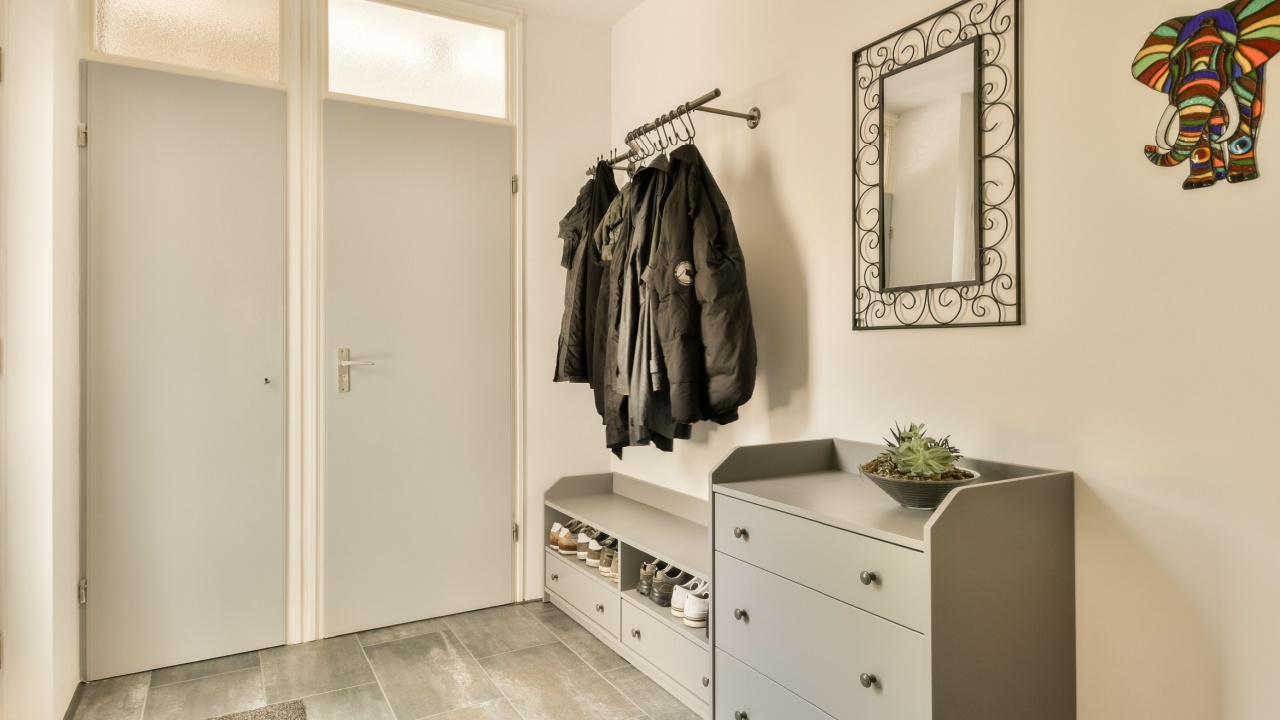
Image Credit: Shutterstock.
Entryways work best when they match real, everyday needs, not “maybe someday” items. When seasonal gear lingers too long, it quietly turns a functional area into a storage zone.
Next steps:
- Rotate outerwear monthly as seasons change.
- Use labeled bins or closet shelves.
- Wash or dry-clean before storing them.
3. Mail & Paper Piles
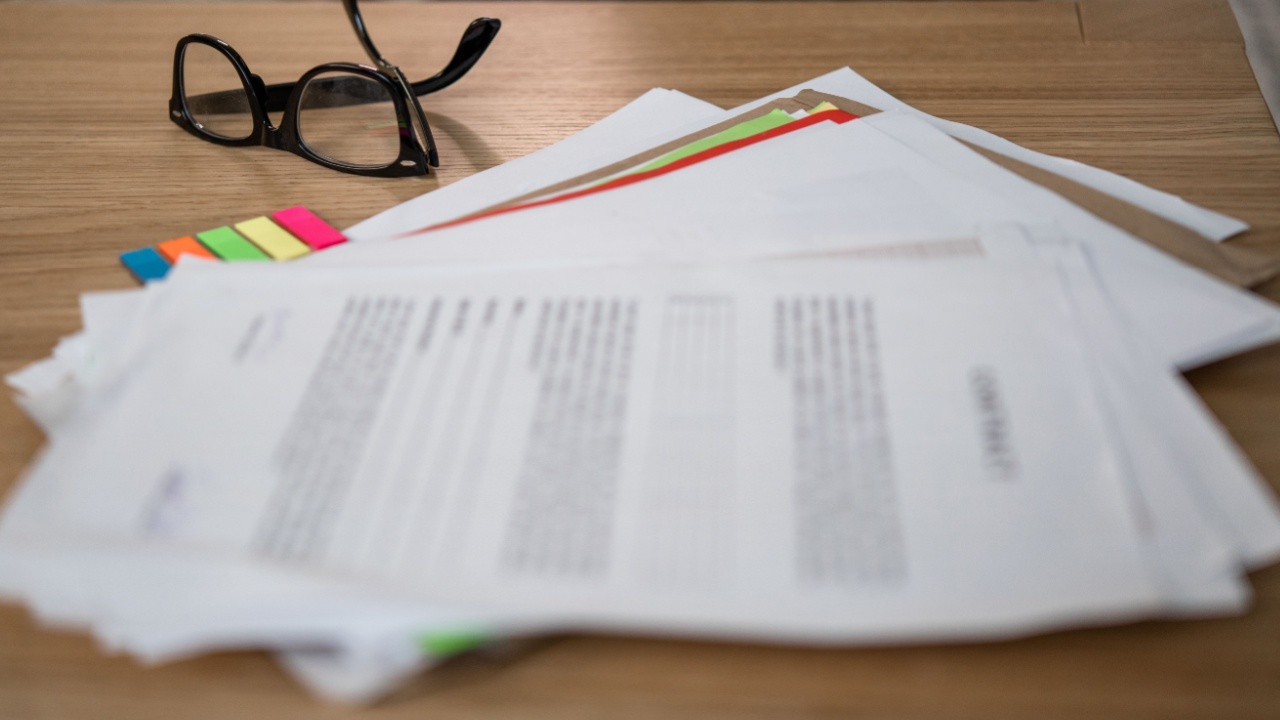
Image Credit: Shutterstock.
Entryway tables often turn into a “temporary” drop zone for mail, school papers, receipts, and random flyers. Because the entryway is a high-traffic area, paper tends to pile up faster here than anywhere else.
Next steps:
- Set up a small bin or rack for incoming mail elsewhere.
- Recycle junk immediately.
- Switch to paperless billing and online statements,
4. Bulky Backpacks, Lunchboxes & Bags
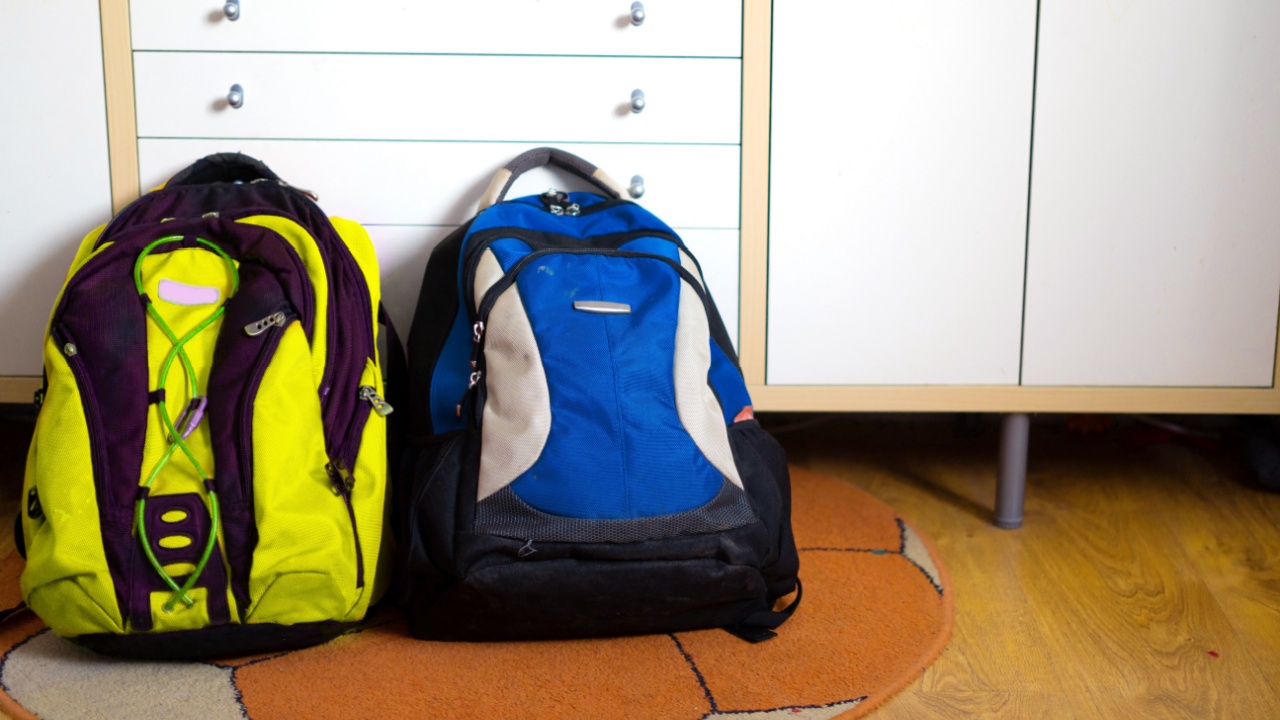
Image Credit: Shutterstock.
Kids’ backpacks and work bags left by the door may seem practical when everyone is rushing in and out, but they quickly take over the entryway. Because entryways are usually narrow, even one or two oversized bags can overwhelm the area.
Next steps:
- Create a designated drop station
- Install sturdy hooks or cubbies for backpacks
- Limit the entryway to one daily-use bag per person
5. Unopened Packages & Delivery Boxes
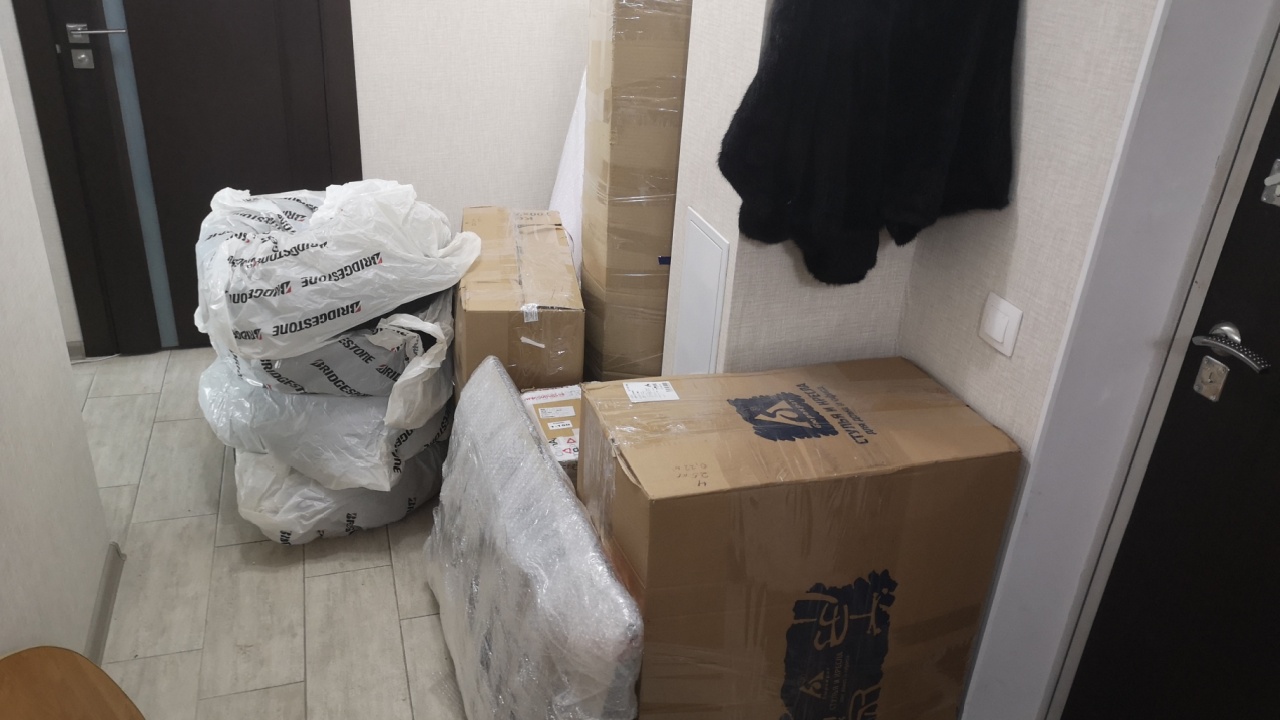
Image Credit: Denis_E / Shutterstock.
Delivery boxes are especially common during sales seasons and holidays, when multiple packages arrive close together. When left by the door, they interrupt traffic flow and make it harder to keep the area clean, organized, and easy to walk through.
Next steps
- Open packages as soon as they arrive.
- Break down and recycle boxes promptly.
- Designate a separate spot for returns or reusable packing materials.
6. Random Loose Items
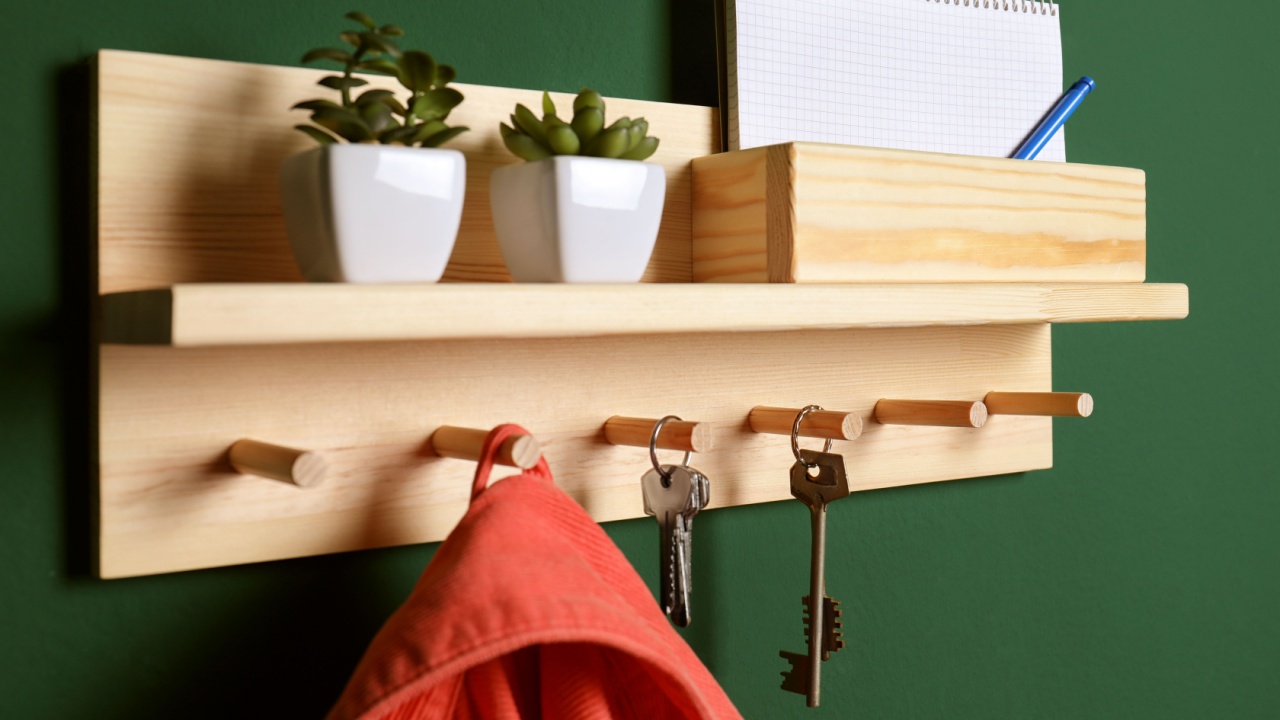
Image Credit: Shutterstock.
Entryways often become a dumping ground for small, random items like old phone chargers, spare keys, loose screws, tape measures, or tools that don’t have an obvious home. Because these items are small, they’re easy to ignore, but together they create a sense of constant clutter.
Next steps
- Assign a specific home for each item
- Toss or donate items
- Do a quick weekly reset
7. Toys & Sporting Equipment
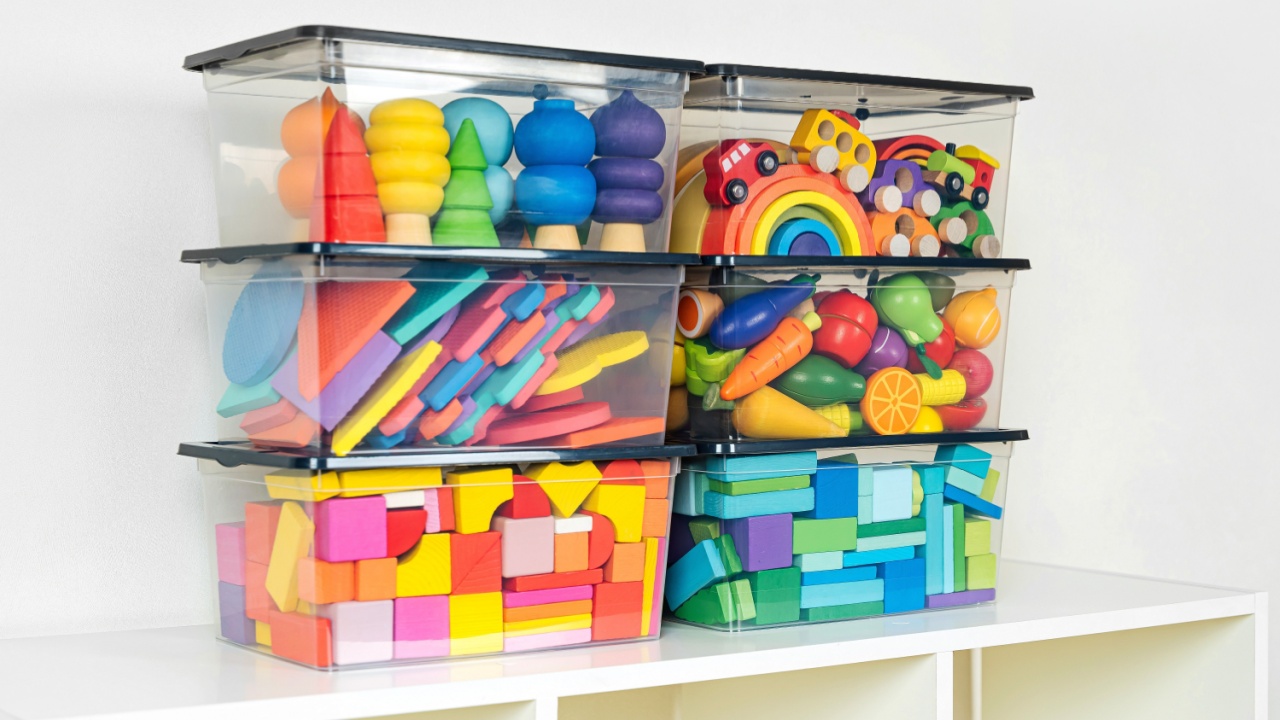
Image Credit: Shutterstock.
Toys, balls, helmets, and pet gear often end up in the entryway because it feels like an easy drop spot after school or playtime. Over time, these items slowly spread across the floor. Items left at ground level are easy to trip over, and they make the space feel messy the moment someone walks in.
Next steps
- Set up a kid-friendly storage bin
- Get into the habit of returning stray items
- Use clear or labeled bins so kids know exactly where items belong.
8. Too Much Decor

Image Credit: Shutterstock.
A carefully chosen welcome sign, mirror, or small piece of art can make an entryway feel warm and inviting. But when the space is filled with multiple decorations, it quickly starts to feel crowded and less functional.
Next steps
- Limit yourself to 1–2 pieces
- Keep flat surfaces clear for keys, wallets, and mail.
- Rotate seasonal decor to keep the space fresh without overcrowding.
9. Oversized or Bulky Furniture

Image Credit: Shutterstock.
While a large bench or chunky console table might seem like a practical addition, oversized furniture can overwhelm an entryway, even if the room itself is fairly spacious. Thick rugs, massive tables, or deep cabinets can block natural pathways, making it harder to move through the space.
Next steps
- Choose narrow or wall-mounted options
- Match the furniture scale to the entryway
- Use multi-functional pieces
10. Wet, Dirty Shoes or Gear
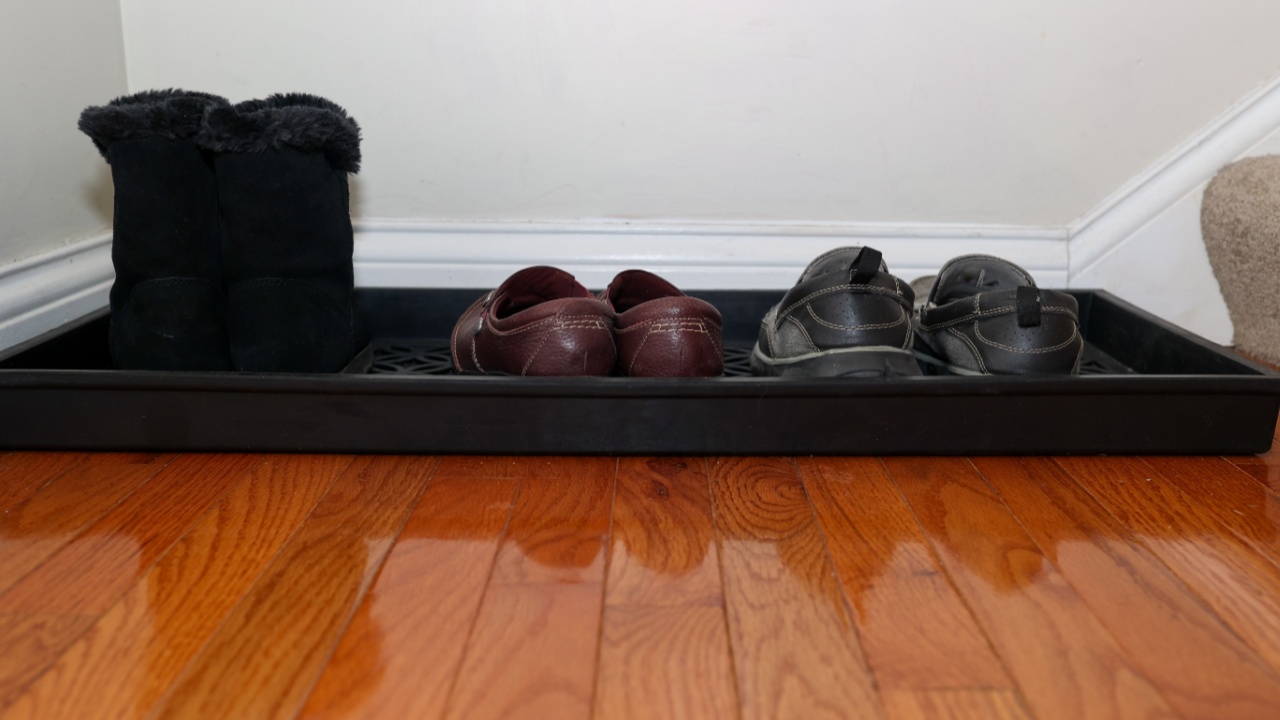
Image Credit: Shutterstock.
It’s tempting to drop muddy boots, wet umbrellas, or raincoats right by the door after a storm, but leaving them there can turn your entryway into a cleaning nightmare. Moisture and dirt quickly spread to floors, rugs, and surrounding surfaces, creating stains, odors, and even slippery spots.
Next steps
- Use a boot tray with absorbent liners.
- Dry shoes, boots, and outerwear first.
- Place mats both outside and inside the door
The Entryway Reset
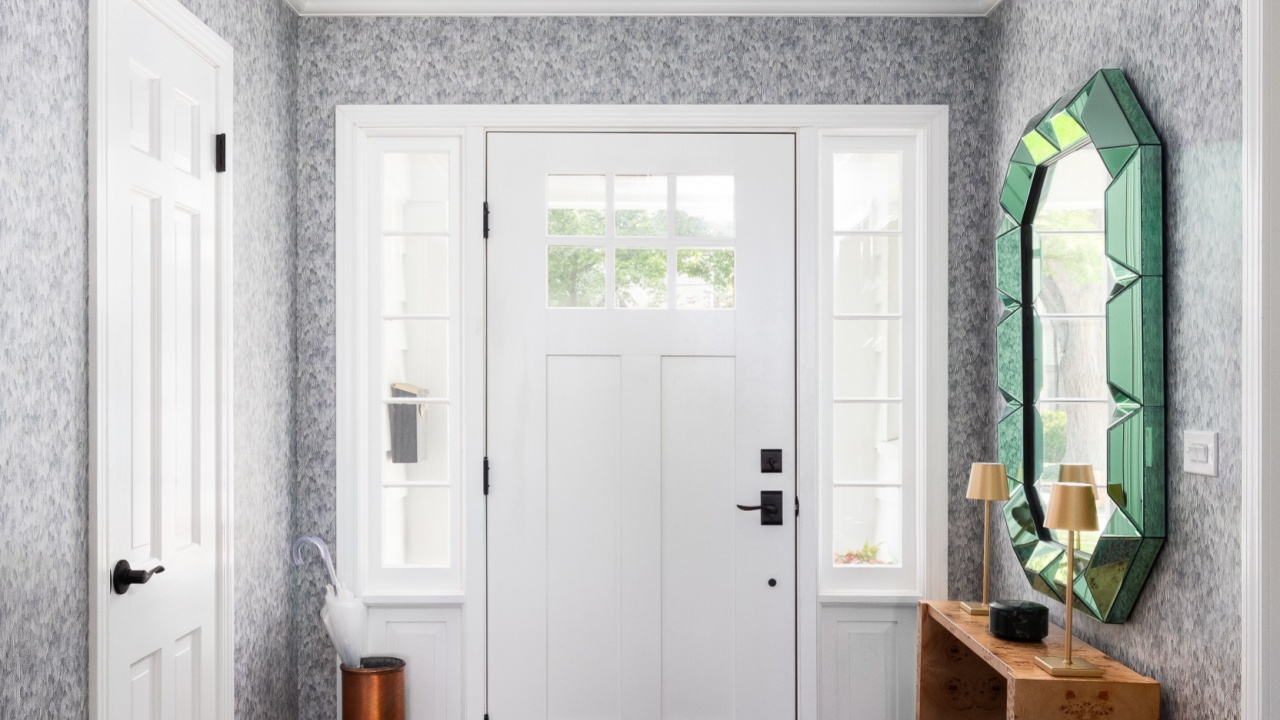
Image Credit: Shutterstock.
An entryway isn’t just a physical space; it’s the emotional threshold of your home. Clearing out what doesn’t belong gives you more than neatness; it brings calm, quicker routines, and a welcoming first impression every time you walk in.
So as your next step, take a quick walk to your own entryway. What’s sitting there that shouldn’t be? Start with one item or even dust it off or find it a new home elsewhere, and you’ll notice the relief right away.