10 Reasons Men Are Over DIY Projects
In recent years, the image of the “handy” man spending his weekends in a garage full of sawdust has begun to fade. While previous generations viewed DIY as a rite of passage or a necessary survival skill, modern men are increasingly “quietly quitting” the home improvement scene.
Whether it’s a shift in priorities, a lack of time, or simply the realization that some things are better left to the pros, the decline in DIY participation is a measurable trend.
If you’ve found yourself staring at an IKEA box with a sense of existential dread, you aren’t alone. Here are 10 reasons men are hanging up their tool belts, backed by current trends and psychological shifts.
1. Modern Homes Have Become Tech Puzzles

Fixing a leaky faucet used to be a simple Saturday task. Today, homes are packed with smart technology and proprietary systems. A “simple” repair now often requires navigating circuit boards, software updates, or specialized parts.
The high barrier to entry makes tinkering with a smart fridge vastly different and much more difficult than fixing a mechanical one.
2. The Math on Tool Costs No Longer Adds Up

There is a common misconception that doing it yourself always saves money. Even with labor costs removed from the equation, the cost of materials and specialized tools has skyrocketed.
Purchasing a specialized saw or a high-end diagnostic tool for a one-time job often costs more than hiring a handyman who already owns the equipment. When you factor in the price of potential mistakes, buying materials twice because the first cut was wrong, the financial benefit evaporates quickly.
3. Online Tutorials Set Unrealistic Standards

Digital platforms condense week-long renovations into quick, polished videos, often with professional lighting, big budgets, and behind-the-scenes help. For DIYers, the reality is messier, slower, and more frustrating.
This gap between online perfection and real-life effort can crush confidence, making success feel like failure simply because it wasn’t effortless.
4. The Social Aspect of Repair Is Gone

Home improvement used to be a communal activity. A father taught a son, a neighbor came over to hold a ladder, or friends gathered to build a deck. Now, DIY is a solitary experience involving a man, his project, and a smartphone screen.
The loss of mentorship and camaraderie turns what could be a bonding experience into a lonely chore. Without shared stories or someone to laugh off the mistakes with, the joy of the process fades rapidly.
5. Burnout From the “Side Hustle” Mentality
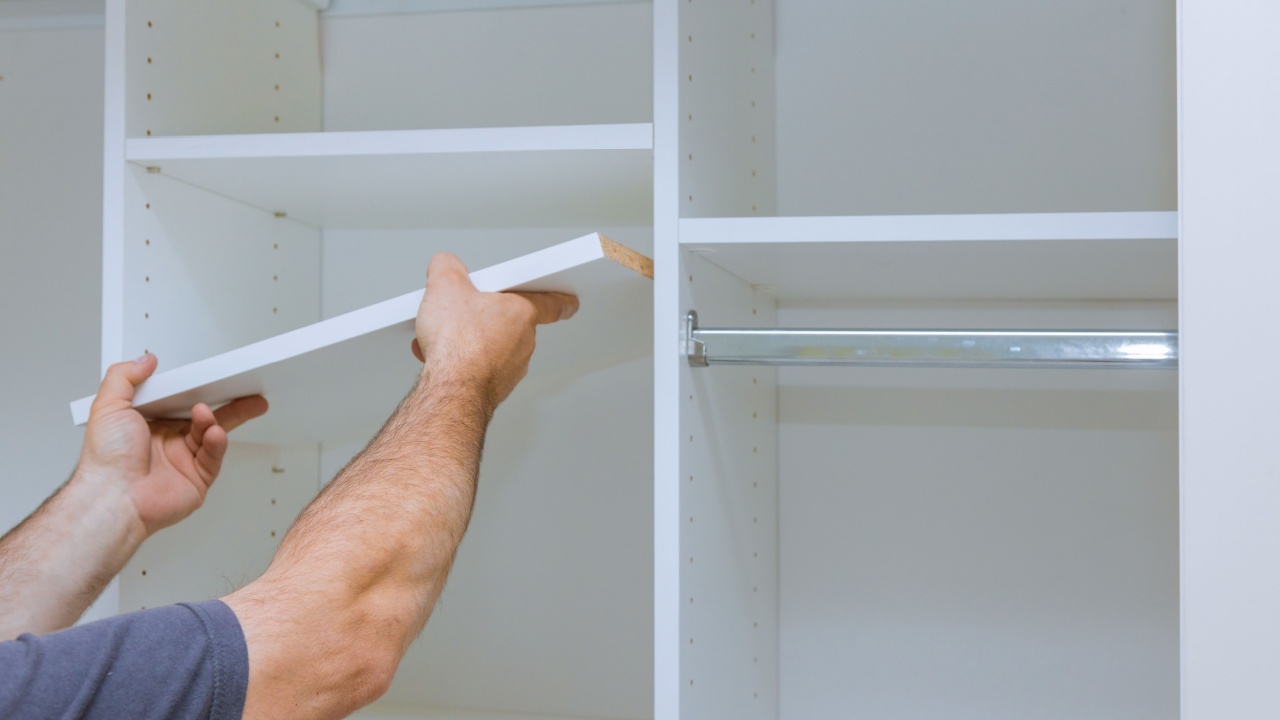
Society currently pushes a narrative that every hobby or skill must be monetized or performed at a professional level. The pressure to flip furniture, increase home value immediately, or create Instagram-worthy spaces adds heavy expectations to casual projects.
Instead of fixing a shelf because it is broken, there is an underlying pressure to build a custom shelving unit that rivals high-end carpentry. This turns a relaxing weekend activity into a high-pressure performance review.
6. The Fear of Hurting Resale Value

Real estate markets are more competitive than ever, and buyers are pickier. In previous decades, a slightly crooked tile job added “character.” Today, it signals a potential liability to a future buyer.
Men are increasingly aware that a botched DIY job can actually lower the value of their home or cause issues during a home inspection. The stakes for getting it wrong are financially higher than they were thirty years ago, leading many to decide the risk is not worth the reward.
7. Weekends Are Too Precious to Sacrifice

Work demands have intensified, and the boundary between office hours and personal time has blurred. For many men, the weekend is the only time to decompress, spend time with family, or rest.
Sacrificing those forty-eight hours to frustration, dust, and physical exhaustion is a harder sell than it used to be. The “opportunity cost” of DIY is high. Time spent sanding a floor is time not spent hiking, reading, or resting.
8. Shrinking Storage and Workspace

As urbanization continues and housing footprints shrink, fewer men have access to a dedicated workshop or a two-car garage. Storing a miter saw, a drill press, and a collection of clamps is impossible in an apartment or a townhouse.
Without a designated space to work and leave projects out, the setup and cleanup time becomes longer than the actual repair. This logistical hurdle makes starting any project a significant mental burden.
9. Decision Fatigue

Walk into the paint aisle or the lumber section of a modern home improvement store, and the choices are paralyzing. There are fifty shades of white paint and a dozen types of screws for a single application.
For a brain already tired from a week of decision-making at work, the research required just to buy materials feels like a second job. The mental load of researching, selecting, and sourcing the “perfect” materials is a major deterrent.
10. A Shift in Identity and Masculinity

The definition of masculinity is broadening. Being “handy” is no longer the sole metric of a man’s worth in the household. Men are contributing to the home in other ways, cooking, childcare, and emotional support, which are equally time-consuming.
As these roles expand, the specific pressure to be the household mechanic is lifting. Men are realizing they do not need to build a deck to be a provider or a capable partner.
Redefining the DIY Spirit

The trend of men stepping back from DIY is not about laziness or a loss of capability. It is a rational response to a world where time is scarce, homes are complex, and the pressure to perform is high.
If you find yourself avoiding the garage, know that you are in good company. The best way forward is to be selective. Choose the projects that genuinely satisfy you or save you significant money, and happily outsource the rest. Your weekends are yours to claim, and sometimes the best tool for the job is a phone number for a reliable handyman.