
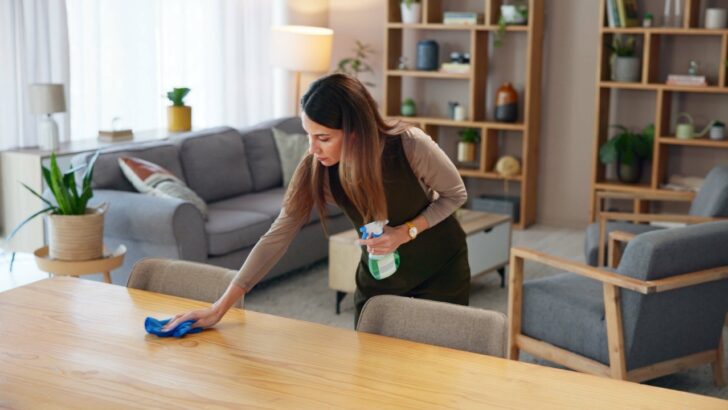
Why does a freshly cleaned room sometimes look messy again within hours? Dust seems to reappear, floors lose their shine, and surfaces feel dull far too quickly. This frustrating pattern often isn’t about poor cleaning; it’s about when and how different areas are cleaned.
Gravity quietly controls the cleaning process. Dust and debris naturally fall from higher surfaces to lower ones, meaning the order of cleaning can either save time or double the workload. Understanding this simple principle helps reduce repeated effort, keeps rooms cleaner for longer, and turns cleaning into a smoother, more efficient routine instead of a constant redo.
1. Too Much Open Shelving and Decorations
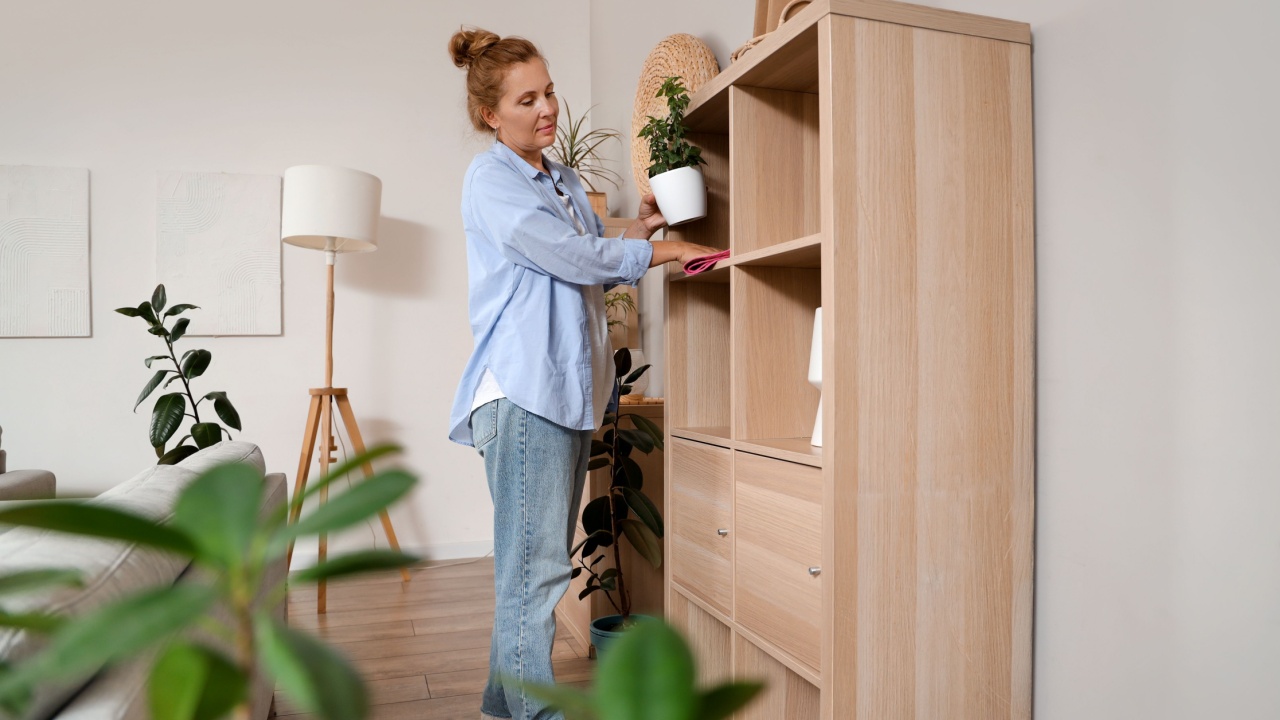
Image Credit: Shutterstock.
Open shelves look great, but every item is like a tiny dust magnet in them. Dust settles quickly on surfaces that aren’t enclosed. Each book, vase, or knick-knack becomes another target for grime. Dust buildup can also worsen allergies and make rooms look less tidy faster.
Quick tips:
- Capture dust before it lands by using microfiber cloths instead of feather dusters (they trap dust rather than push it around).
- Consider swapping some shelves for cabinets with doors or reducing décor to essentials.
- Weekly light dusting prevents layers from forming.
2. High-Pile Rugs and Carpeted Areas
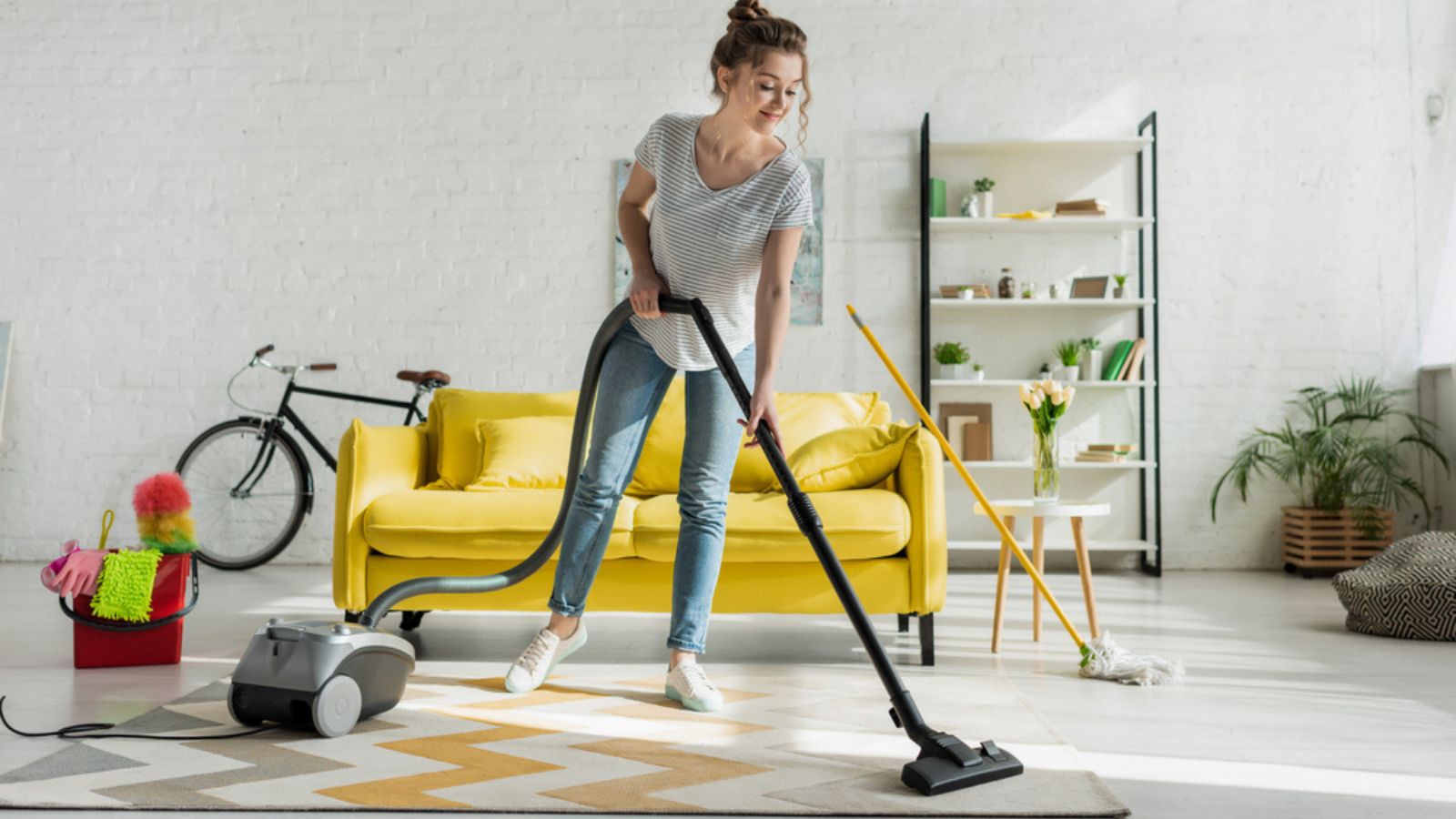
Image Credit: Deposit Photos.
Soft, thick rugs feel cozy but hold onto dirt, hair, and pollen deep within their fibers. High-traffic areas make the problem worse, forcing frequent vacuuming. Carpets trap particles instead of letting them be swept away, meaning dirt stays longer and affects air quality.
Quick tips:
- Vacuum at least twice a week with a machine that has a HEPA filter.
- Consider lower-pile or washable rugs in high-traffic areas.
- Shake small rugs outdoors once a week.
3. Wearing Shoes Inside

Image Credit: Shutterstock.
Shoes track in soil, bacteria, pollen, and road residue. These particles spread quickly across floors, carpets, and even furniture. Outdoor contaminants increase dirt buildup and lead to more frequent sweeping and mopping.
Quick tips:
- Place a washable doormat at each entry.
- Start a no-shoes indoors rule.
- Provide indoor slippers to make it easier for everyone.
4. Drafty Windows and Doors That Let Dirt In
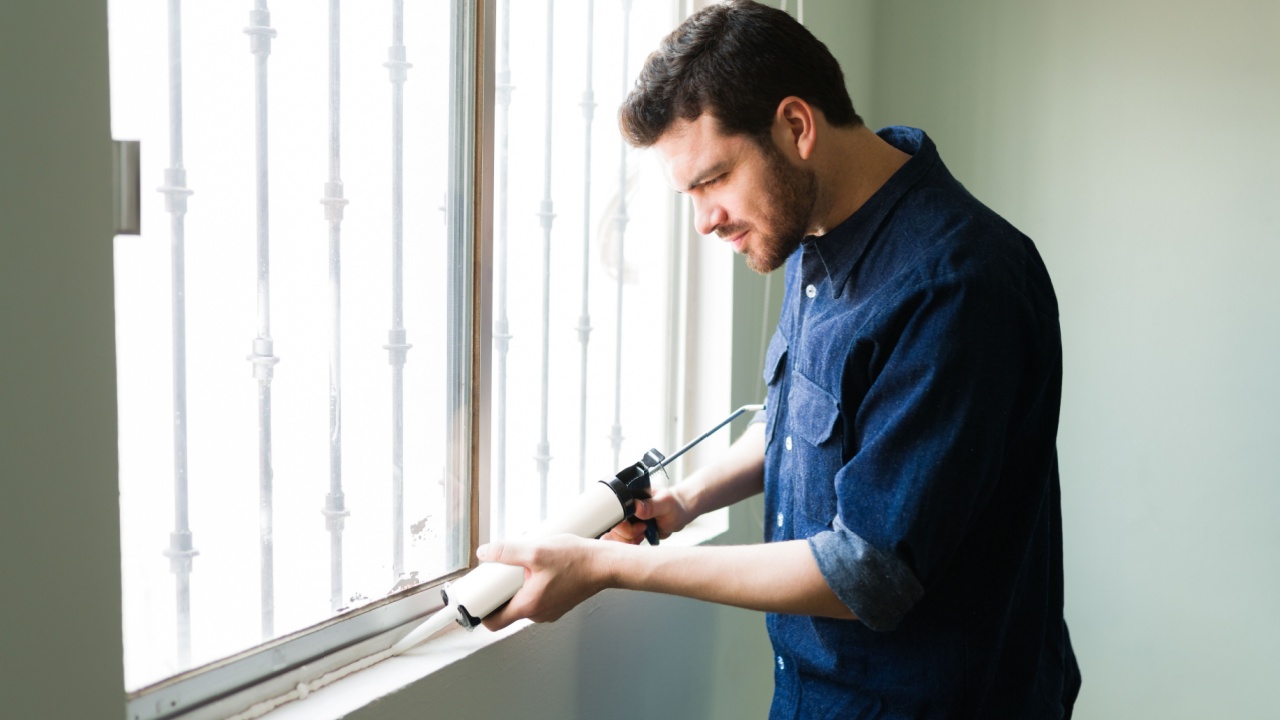
Image Credit: Shutterstock.
Tiny gaps around doors and windows let dust, pollen, and outdoor debris flow indoors without notice. Even a small crack adds a constant source of dust and dirt, making floors and surfaces look dirty again soon after cleaning.
Quick tips:
- Weather-strip or caulk around doors and window frames.
- Use draft stoppers at the bottom of doors.
- On windy days, keep windows closed if possible.
5. Not Maintaining Air Filters and HVAC Systems
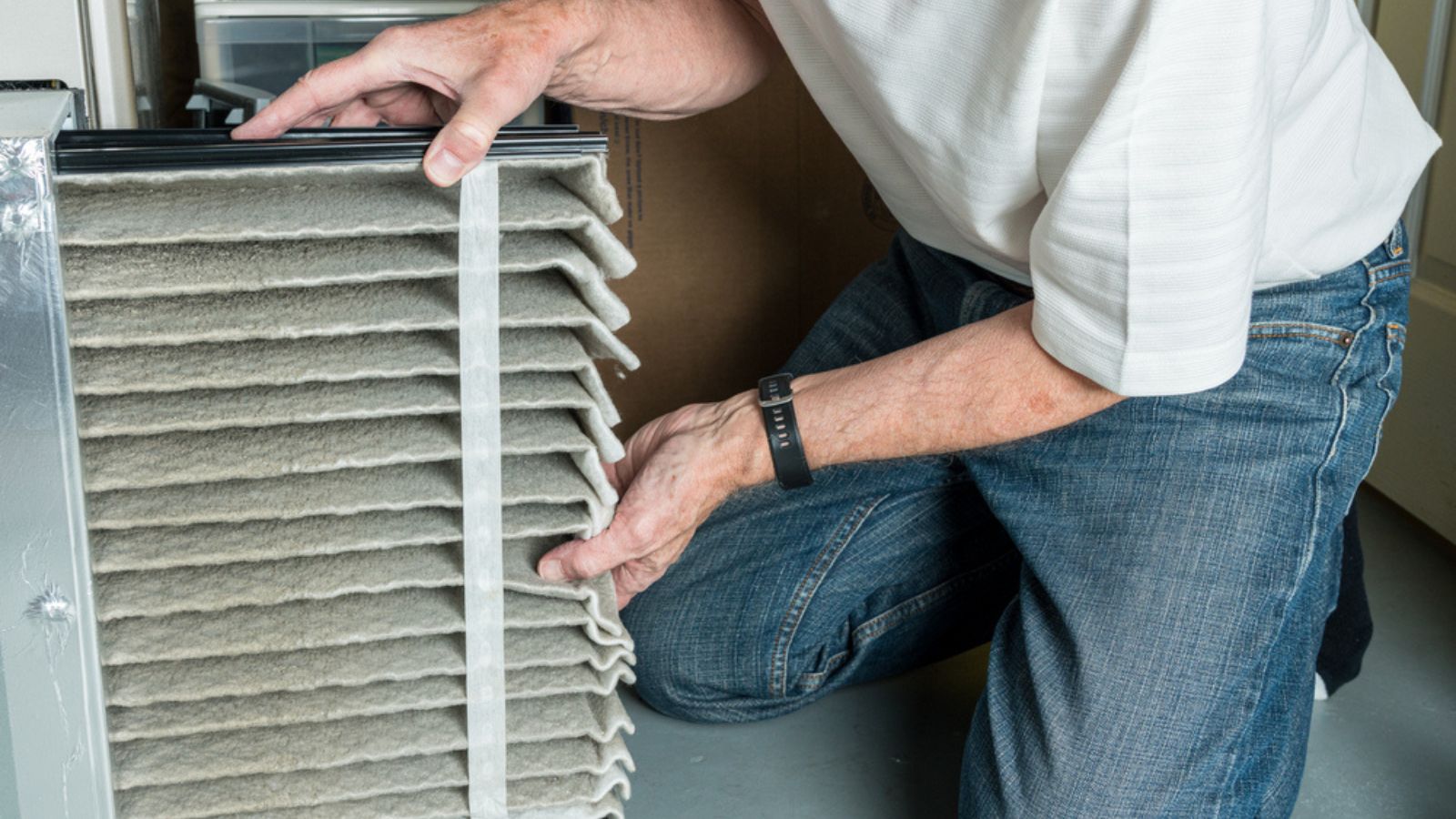
Image Credit: Deposit Photos.
Dirty filters allow dust to circulate instead of being trapped. When neglected, systems circulate particles instead of removing them. An HVAC system with old filters spreads tiny particles throughout your home, forcing you to dust and clean way more often.
Quick tips:
- Replace HVAC air filters every 1–3 months.
- Vacuum vents and grilles regularly to block buildup.
- Consider a portable air purifier with a HEPA filter.
6. Cluttered Flat Surfaces

Image Credit: Shutterstock.
Counters, desks, and tables crowded with items require more time and effort to clean. Every object creates another dust-catching surface. Clutter multiplies cleaning work and makes rooms look messy even when clean.
Quick tips:
- Keep flat surfaces simple (fewer than 3 items).
- Store extra pieces in baskets or drawers.
- Pick décor with smooth surfaces over textured ones for easier wiping.
7. Pet Hair and Dander Buildup
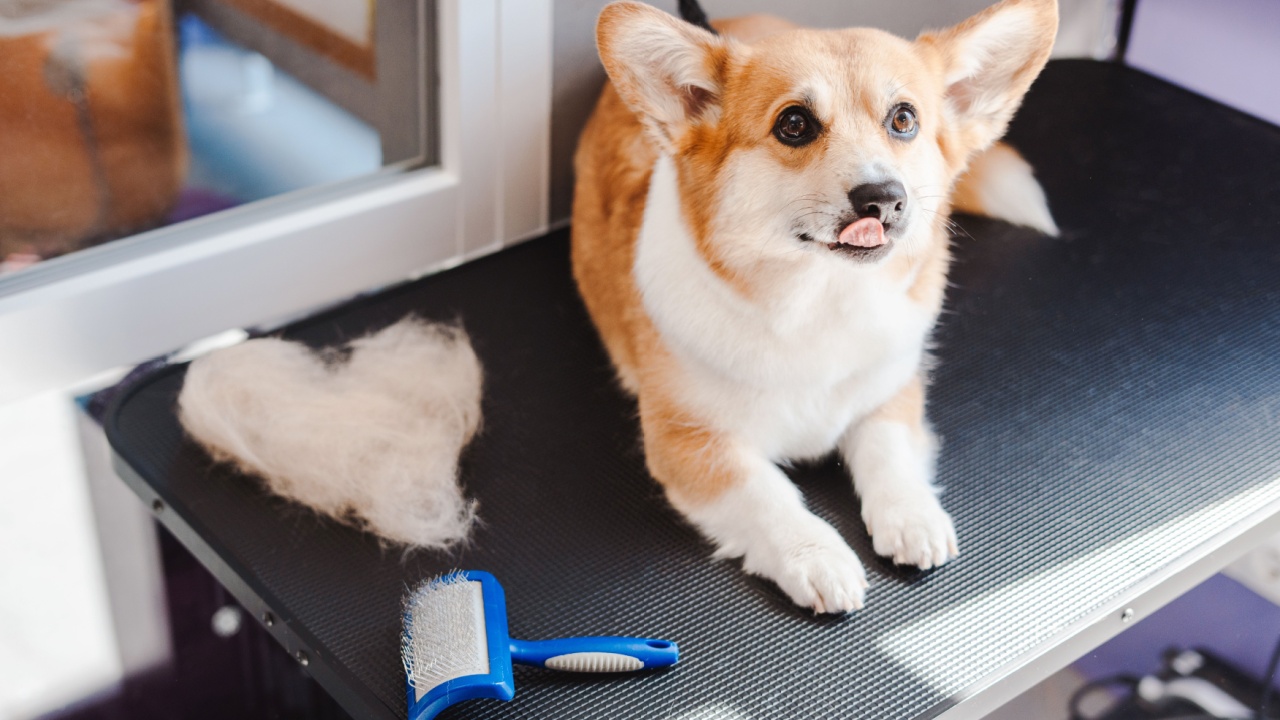
Image Credit: Shutterstock.
Pets are family, but their hair and skin flakes are a major source of dust and allergens. Pets naturally shed hair and skin cells, which circulate through the air and settle on furniture and floors. Pet dander increases dust levels and triggers more frequent vacuuming.
Quick tips:
- Groom pets weekly (daily during shedding season).
- Wash pet bedding often.
- Use a vacuum designed for pet hair.
8. Dirty Cleaning Tools That Spread Dirt Around

Image Credit: Shutterstock.
Old sponges, dusty cloths, and full vacuum canisters redistribute dirt and grime instead of removing it. Dirty tools are ironically one of the biggest reasons we clean more often.
Quick tips:
- Wash clothes, sponges, and mop heads after use.
- Replace sponges every 1–2 weeks.
- Rinse vacuum filters and empty canisters regularly.
9. Spraying Cleaner Incorrectly
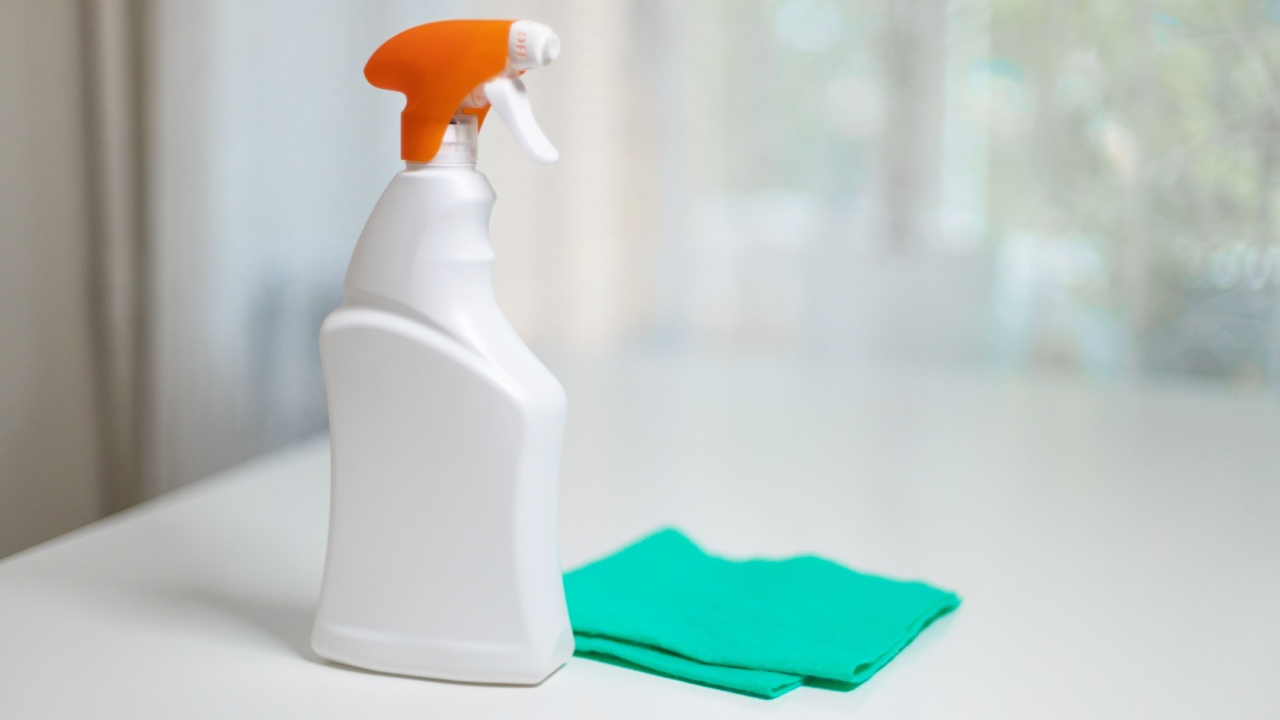
Image Credit: Shutterstock.
When sprays, disinfectants, or multi-surface cleaners are applied heavily, they don’t fully evaporate or rinse away. Instead, a thin film stays behind on countertops, floors, and furniture. That leftover residue becomes slightly sticky, quietly pulling dust, hair, and grime back onto the surface.
Quick tips:
- Spray cleaner on a microfiber cloth, then wipe.
- Less product = faster drying and less buildup.
- Always read directions.
10. Not Cleaning Top to Bottom
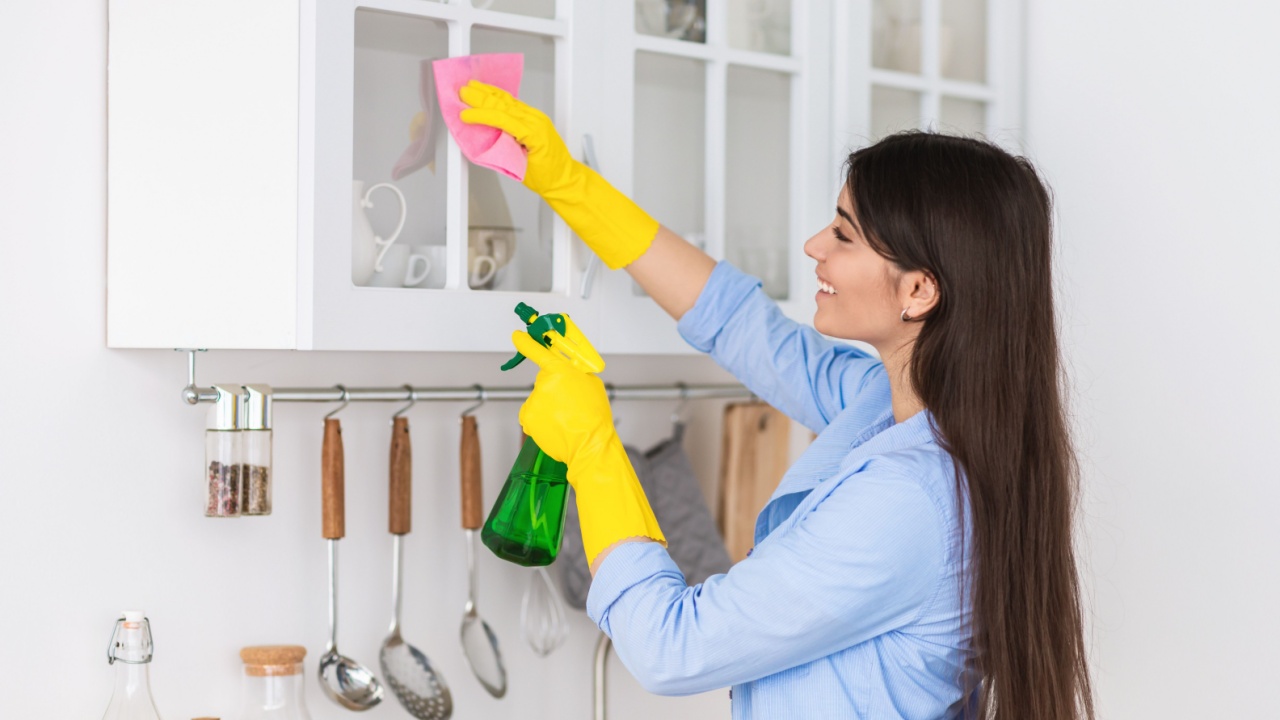
Image Credit: Shutterstock.
When lower surfaces are tackled first, gravity works against the effort, undoing hard work in minutes. Dust naturally falls downward, so starting at the bottom almost guarantees that surfaces will need to be cleaned twice.
Quick tips:
- Start with ceilings and high shelves.
- Move down to counters, furniture, and floors last.
- Finish with vacuuming.
Clean Once, Enjoy Longer
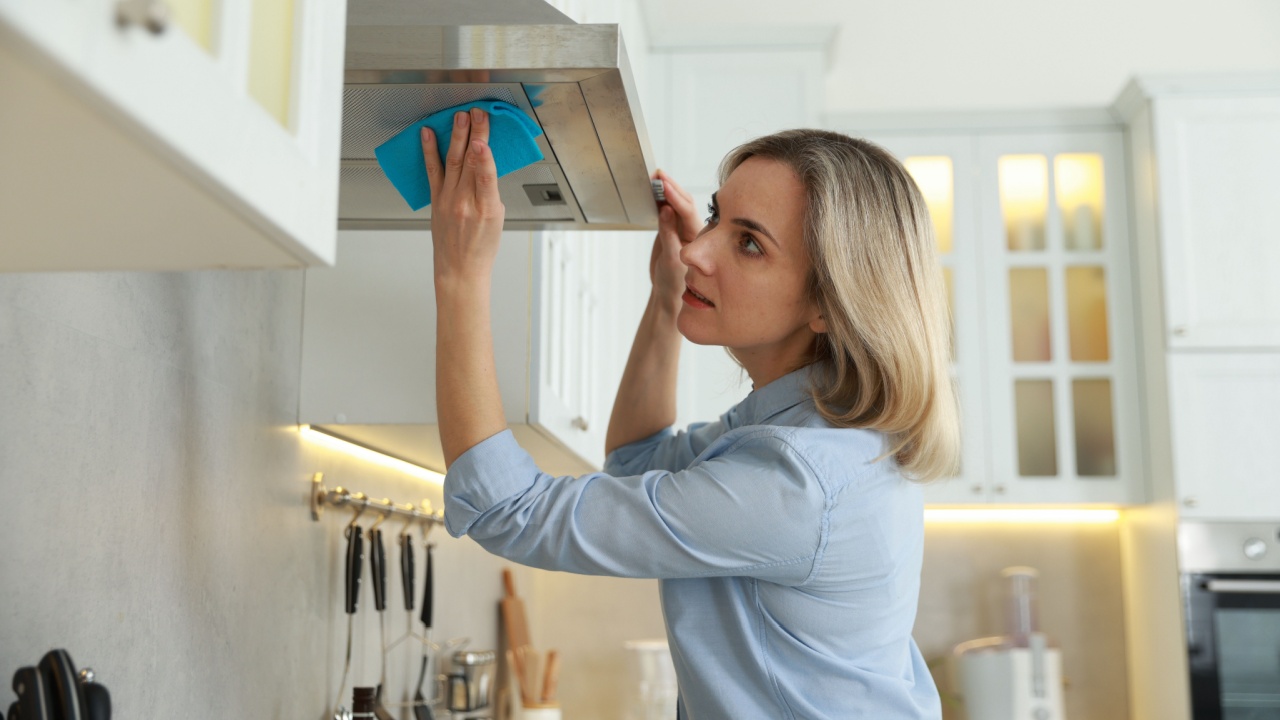
Image Credit: Shutterstock.
A clean home is built by working with how dust, dirt, and gravity behave. Small adjustments, like changing the order of cleaning or rethinking everyday habits, can dramatically reduce how quickly mess returns. When cleaning is done strategically, surfaces stay fresh longer, and effort finally pays off.