
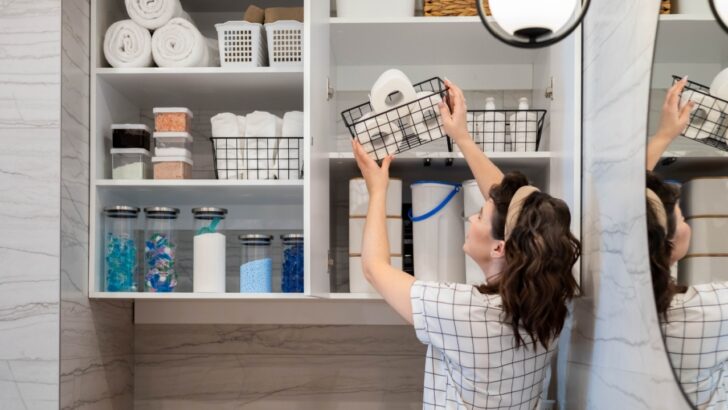
If your house sometimes feels more chaotic than calm, with clutter piling up in unexpected places, you’re not alone. A simple way to restore clarity is to organize your home into “zones.” Instead of thinking only in terms of rooms.
This approach focuses on how each area is used, from the garden gate to the kitchen heart. The “5‑Zone Harmony System” works from the outside in, helping you declutter step by step without feeling overwhelmed.
Starting at the perimeters gives quick wins (like a tidy yard or a welcoming entryway), builds momentum, and gently prepares you for the harder, more personal zones like bedrooms or the kitchen.
1. Exterior Zone

Image Credit: Shutterstock.
When you think of “home,” the first thing most people see is the outside, that is, the yard, driveway, garden, fence, maybe a pool or patio. This “Exterior Zone” shapes first impressions, but more importantly, it sets the atmosphere for how you feel about your home every time you pull up or walk through the gate.
Quick tips
- Clear out unused garden tools, broken furniture, decaying plant pots, and any debris.
- Use a shed, outdoor cabinet, or storage bench to store garden tools, hoses, toys, and seasonal gear.
- Design a garden or yard layout to include easy-maintain paths, defined flower beds or plant areas, and a dedicated spot for items used often.
- If you have a pool or, fountain, keep it clean and maintained. Standing water or clutter around it can bring safety risks or create a sloppy look.
2. Entry Zone — porch, foyer, garage, hallway
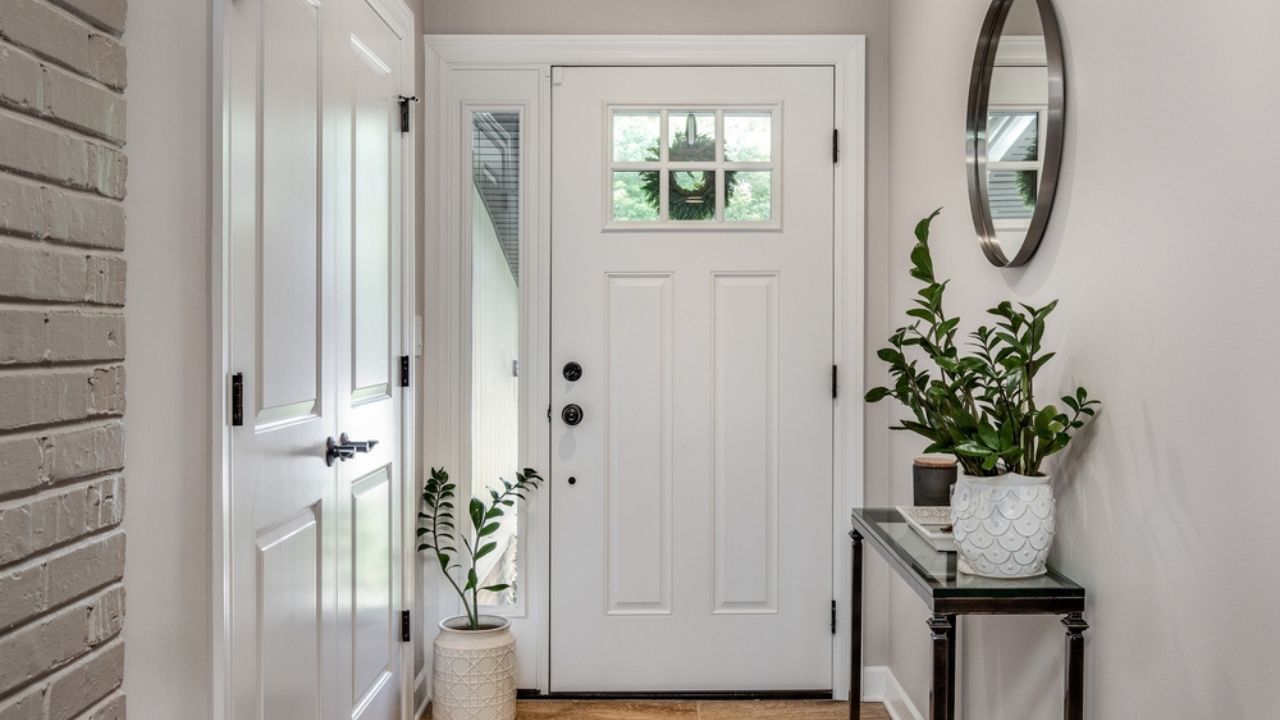
Image Credit: Shutterstock.
This is the threshold between outdoors and home: the porch, doorway, entry hallway, or even garage/ mudroom. It’s where you first arrive and where you step out for errands, a transitional space that often ends up as a dumping ground for shoes, bags, coats, mail, umbrellas, and whatever you unload after a long day.
Quick tips
- Give this space a “home” for everything: a shoe rack or mat for shoes, hooks or a stand for coats/ umbrellas, a tray or small shelf for keys/ mail/ bags.
- Recycle old mail, donate or store rarely used winter clothes, and remove any miscellaneous items that don’t belong here.
- A doormat, a small plant, or a welcoming decoration can make the entry feel intentional rather than chaotic.
- sweep or wipe down floors, wipe surfaces, to prevent dirt from spreading into the home interior.
3. Social Zone — living room, dining room, shared spaces

Image Credit: Shutterstock.
The Social Zone covers spaces where people gather, such as living rooms, dining areas, maybe a family room or shared lounge, spots meant for conversation, relaxation, meals, or hosting friends. Organizing this zone helps preserve calm, reduce visual clutter, and create spaces that really invite connection and comfort rather than mess.
Quick tips
- Pull out items that don’t belong here. Either relocate, donate, or discard.
- Keep only what adds value: functional furniture, a few favourite decor pieces, and comfortable seating.
- Use smart storage: baskets, shelves with doors, closed storage for toys, throws, or items you want accessible but out of sight.
- Arrange furniture to support interaction but not block walking paths.
- Make sure there’s enough space for movement, and that key items (remote controls, games, reading materials) have set spots.
4. Private Zone — bedrooms, bathrooms, home offices

Image Credit: Deposit Photos.
These are personal spaces where you rest, recharge, and work, bedrooms, bathrooms, and possibly a home office. They tend to collect clothes, personal items, documents, sentimental objects, and all the small bits of daily life.
Quick tips
- Sort through clothes, old papers, accessories, and items you no longer use. Donate or store seasonally if still needed.
- Use storage solutions: drawers, closed wardrobes, boxes under the bed, but avoid over-stuffing.
- For a home office: organize documents, cables, and work items so the desk stays clean and only keep what you need now.
- In bathrooms: regularly clear out expired toiletries, unused products, and empty containers.
5. Core Zone — the kitchen (heart of home)

Image Credit: Shutterstock.
At the heart of the home lies the kitchen, where cooking, food storage, meal prep, and family gatherings revolve. The Core Zone is often the busiest, messiest, but also most important area to get right. A kitchen that’s organized, intuitive, and functional reduces daily friction dramatically mealtimes become easier, cooking becomes more enjoyable, and clean-up feels less like a chore.
Quick tips
- Evaluate what you actually use: appliances, utensils, cookware, food storage. If something hasn’t been used in months (or years), consider donating.
- Organize based on functionality, like group items by use (cooking tools, baking, daily dishes, food storage).
- Keep countertops mostly clear.
- Make a habit of rotating items to use older food first, checking expiry dates, and keeping the pantry/fridge orderly.
Organize Your Home Stress Free
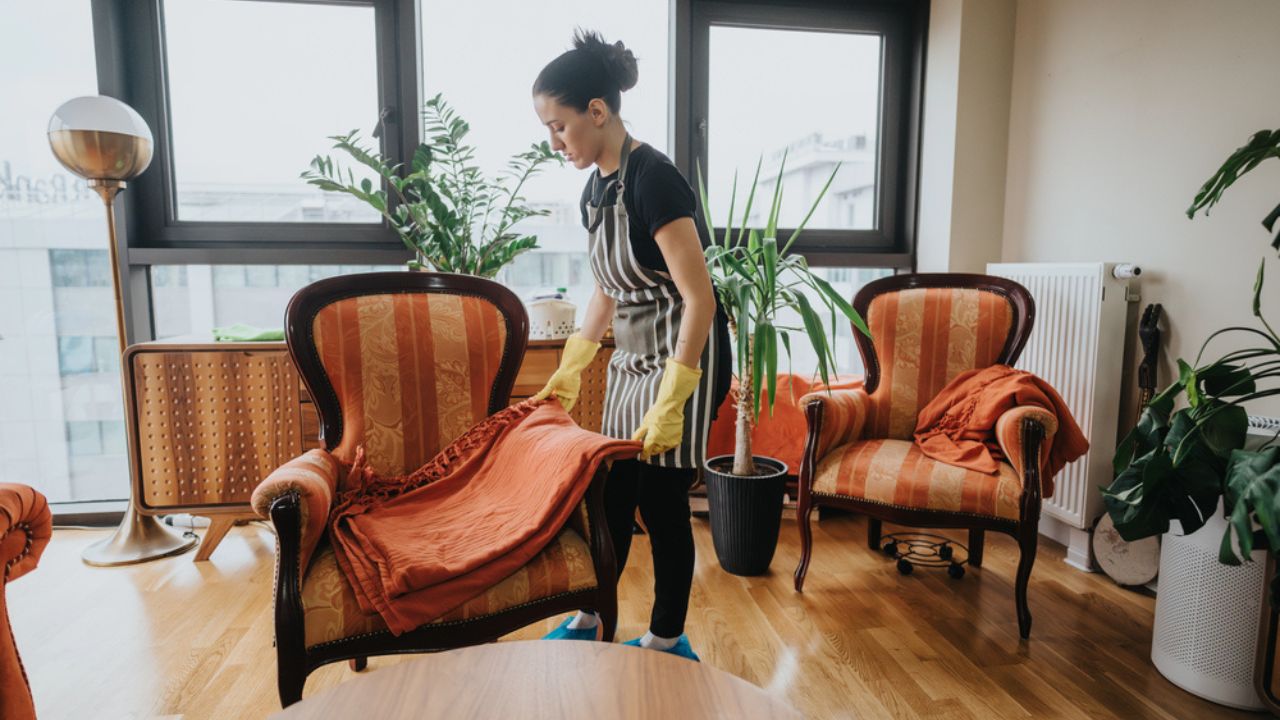
Image Credit: Deposit Photos.
If your home feels messy, chaotic, or just not quite “yours,” the zone-based approach can make a big difference. Just proceed step by step, room by room, area by area. Start with the easiest zone (often the outside or entryway) for a quick win, then move inward. For a garden-oriented home, begin with the exterior by clearing the yard, organizing tools, and defining outdoor storage.
Once you’ve sorted through each zone, take a bit of time to build maintenance habits: maybe a weekly or monthly “zone check,” seasonal decluttering of storage or hobby zones, and nightly resets (putting things away, clearing surfaces, tidying up). Over time, these small routines will help keep your house and garden feeling peaceful, functional, and welcoming.