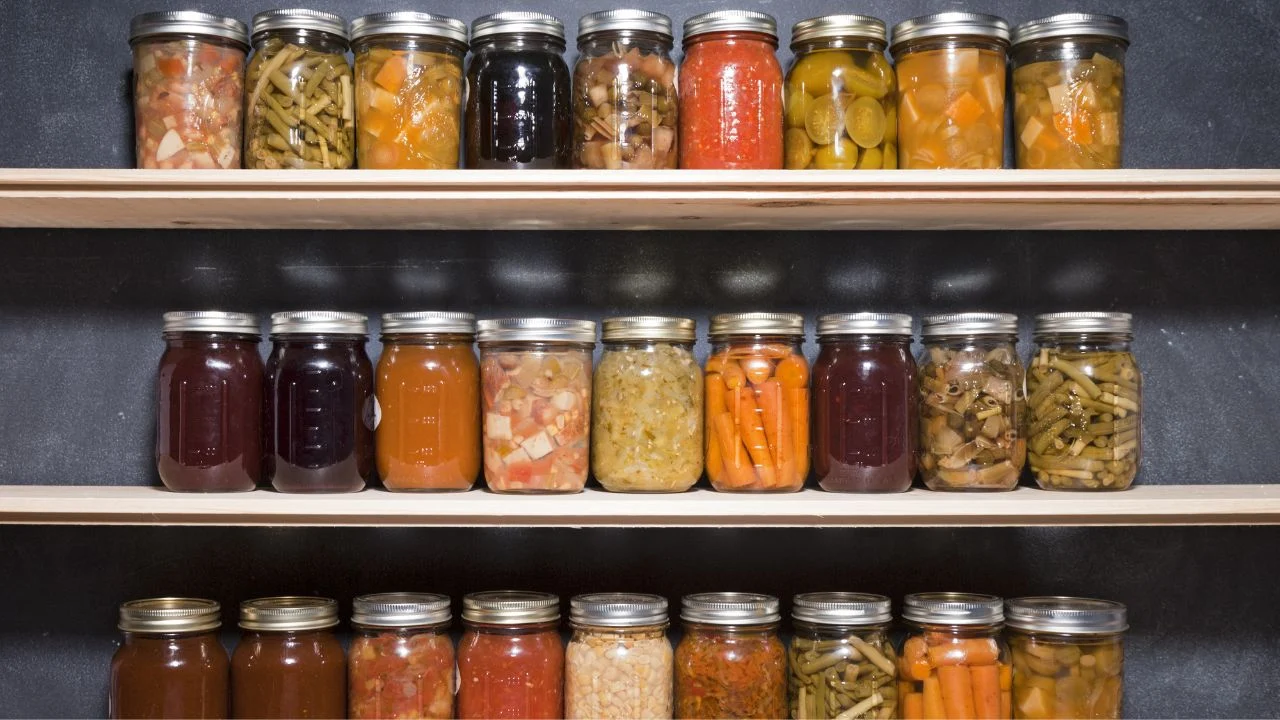
Your Grandmother Stored These 8 Foods All Winter Without Canning a Single Jar
Most gardeners spend all summer tending tomatoes and lettuce they will never eat past October. Meanwhile, a small group of old, unglamorous crops can sit quietly in a basement corner for eight months without a single canning jar, freezer bag, or piece of special equipment. If you have been growing food and still watching your grocery bill climb every winter, the problem is not your garden; it’s what you’re planting in it.
With grocery prices climbing again in 2026 and 43% of American households now growing some of their own food, the smartest gardening move this August is not planting more. It is planting smarter. Your grandmother understood this instinctively; she filled her garden with potatoes, squash, onions, and beans because she knew they would feed the family until spring without any fuss. The Old Farmer’s Almanac has recommended these same crops for over a century, and the advice has not changed because it works.
These eight crops are the ones experienced gardeners have quietly relied on for generations. Every one of them grows easily, stores for months, and requires nothing more than a cool, dark spot in your home. If you have been overwhelmed by the idea of food preservation, this is your permission to skip all of it.
1. Winter Squash
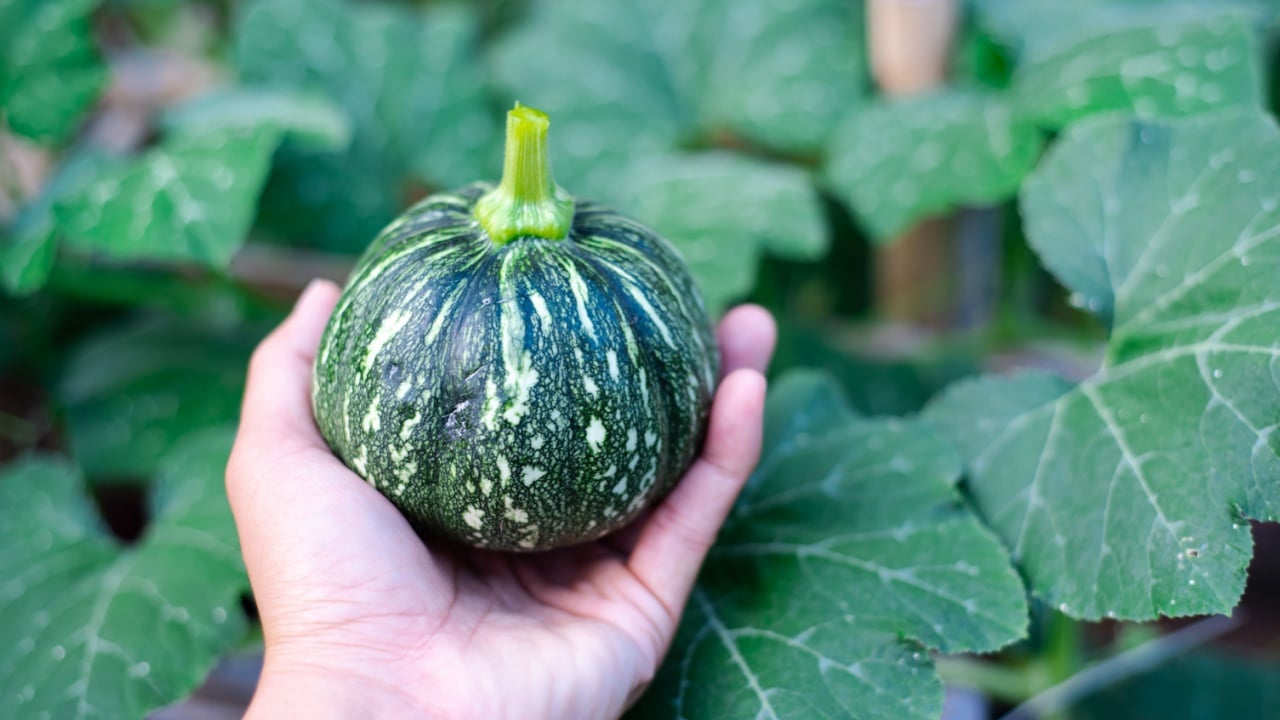
Winter squash is the undisputed queen of effortless storage. A properly cured butternut or hubbard squash can last six to twelve months sitting on a shelf at room temperature. “Thick-skinned late-season squash, when properly cured, can last for 6-12 months,” notes Jim Kurczodyna of From Scratch Farmstead. Cure them by laying them out in a single layer for ten to fourteen days after harvest, then tuck them into any spot that stays around 50°F. One important rule: always leave an inch of stem attached when you harvest. Removing the stem opens a door for mold, and a single rotting squash will spoil the ones around it.
2. Potatoes
If you grow nothing else on this list, grow potatoes. They are the caloric backbone of any storage garden, and they keep for six to eight months in a cool, dark space after a simple one- to two-week curing period. Stop watering your potato plants two weeks before harvest; this toughens the skins for better storage.
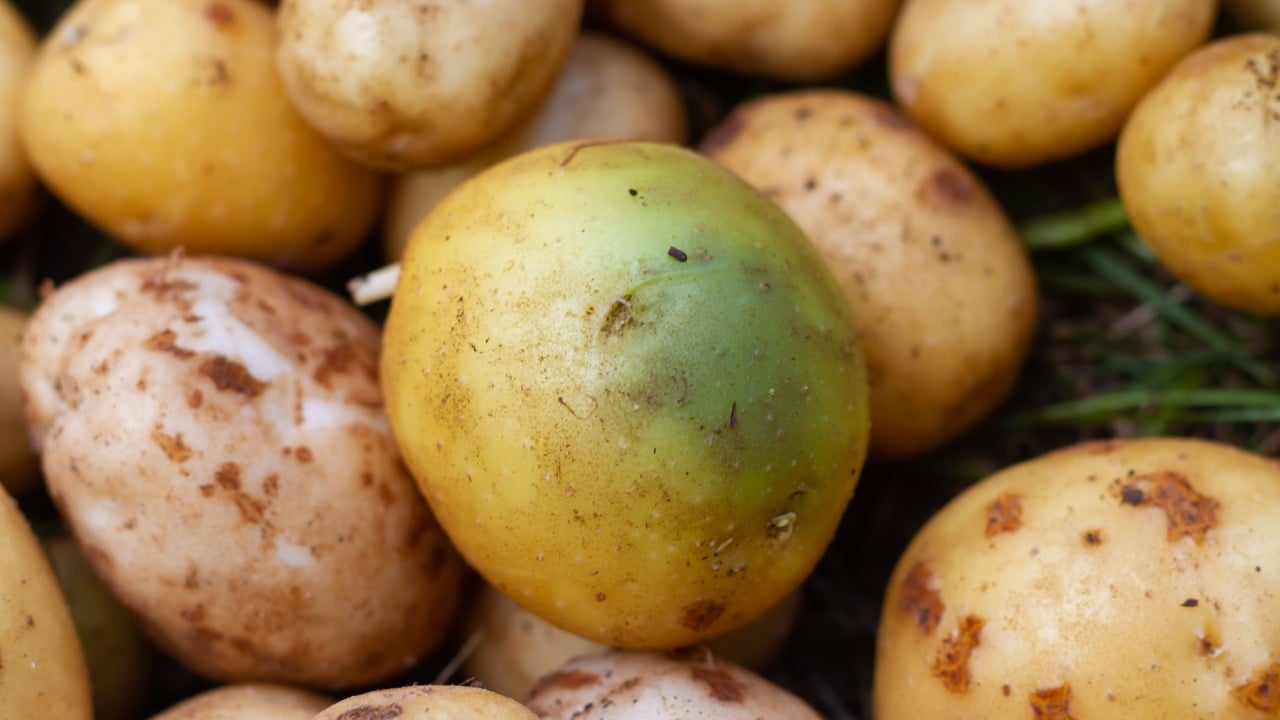
A word of caution: never eat or store green potatoes. The green color signals the presence of solanine, a toxic compound that builds up when potatoes are exposed to light. According to Purdue University‘s Consumer Horticulture program, even small amounts of solanine can cause illness.
3. Dry Beans
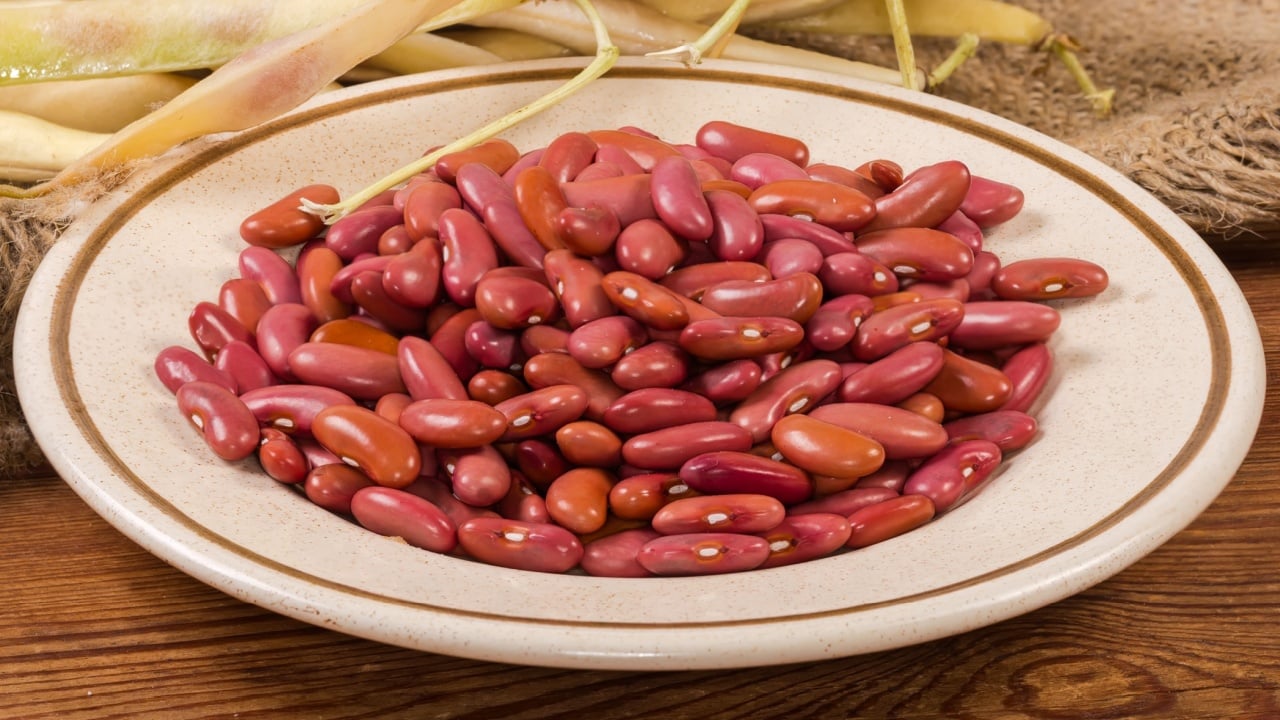
No other crop gives you this much food security for so little effort. Dry beans store for years in a mason jar, provide 245 calories and substantial protein per cup, and actually improve your soil by fixing nitrogen while they grow. “Beans are unique among the plant world in providing such a high protein content,” writes the team at Wandering Star Farmhouse. Let the pods dry right on the vine until they rattle, shell them, and pour them into an airtight container. That is the entire preservation process. For gardeners looking to simplify, dry beans are the smartest low-maintenance crop you can add this season.
4. Garlic
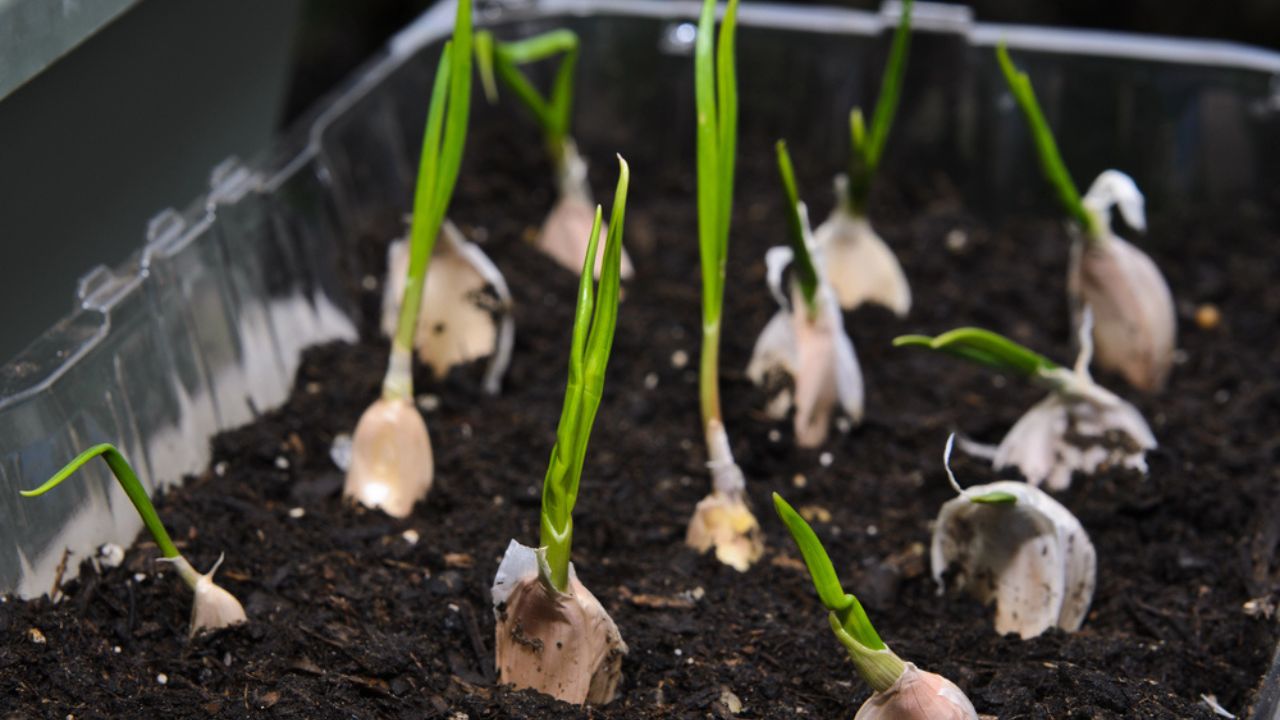
Plant garlic cloves in October, ignore them all winter, and harvest plump heads the following June. Softneck varieties store for up to a year at room temperature; hardneck varieties keep for several months and offer more complex flavor. “Easy to grow lots in a small space, and easy to store for gardeners without many storage options,” writes horticulturist Steven Biggs of Food Garden Life. Just cure the heads for two weeks in a dry, ventilated area before storing. At roughly $1 per head in the grocery store, a single 10-foot row of garlic can replace $40 to $60 in annual purchases.
5. Onions
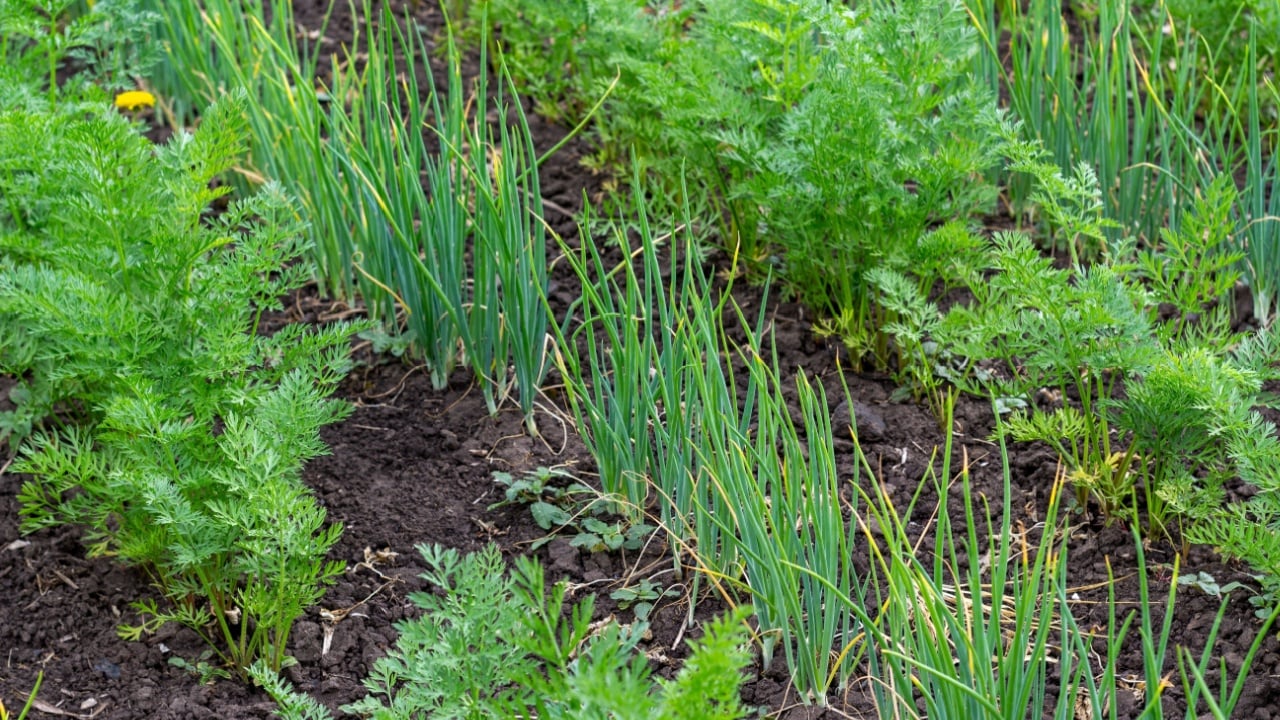
Properly cured onions store for six to eight months in a mesh bag or basket in a cool, dark place. The Farmers’ Almanac recommends curing onions for several weeks until the tops are completely dry, then trimming the tops to one inch. Here is the mistake that costs gardeners their entire onion harvest every year: storing them next to potatoes. Both vegetables emit gases that cause the other to sprout and spoil weeks ahead of schedule. Keep them in separate areas, and your onions will last well past March.
6. Carrots
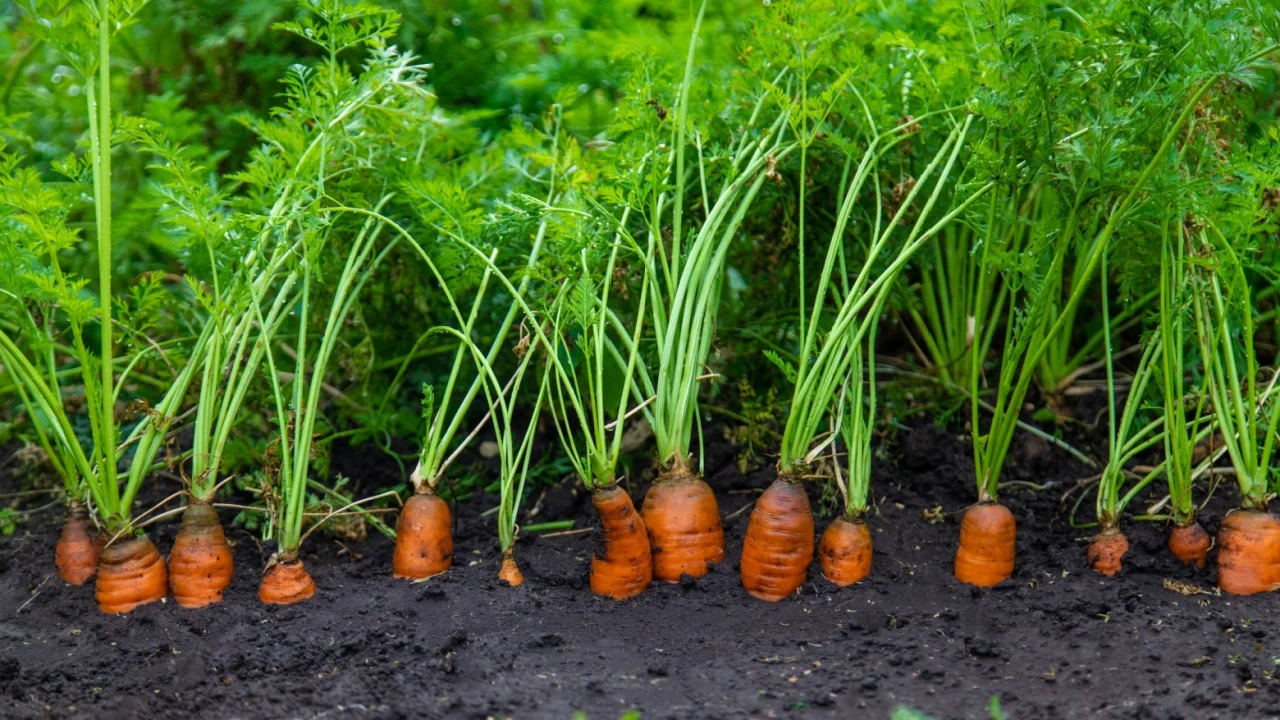
Carrots are one of the few storage crops that actually taste better after they have been through a frost. Cold temperatures convert their starches to sugars, which is why a January carrot pulled from under a layer of straw tastes sweeter than anything you picked in July. The Maine Organic Farmers and Gardeners Association recommends storing carrots in damp sand or sawdust in a cool cellar, where they keep for three to six months. Remove the greens before storing; they pull moisture from the root and shorten its life.
7. Beets
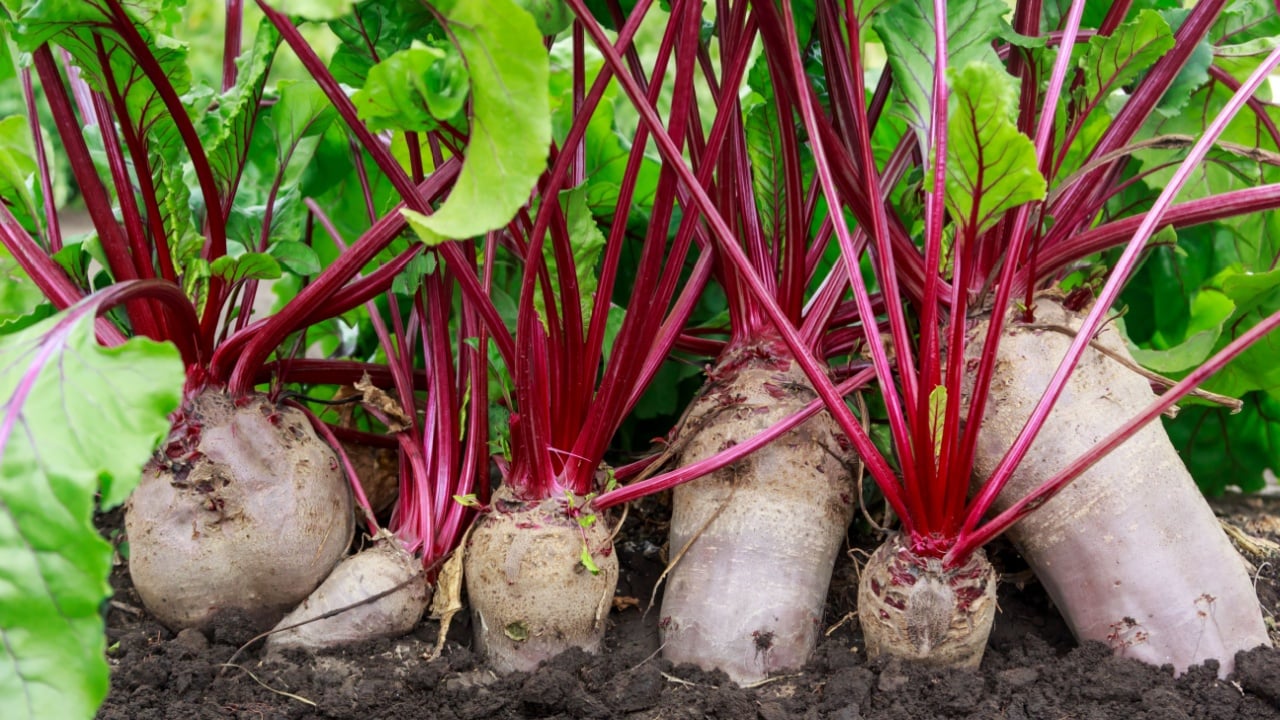
Often overlooked, beets store beautifully for five to six months with almost no preparation. Do not wash them. The natural waxy layer on the skin protects them from rot. Just twist off the greens, leaving about half an inch of stem, and tuck them into a perforated plastic bag in the fridge or a cool basement. “Leave a half inch of stem on the roots as you prepare to store beets. Then they won’t bleed as much,” advises Steven Biggs. Beet greens are edible too, so you get two harvests from one plant.
8. Sweet Potatoes
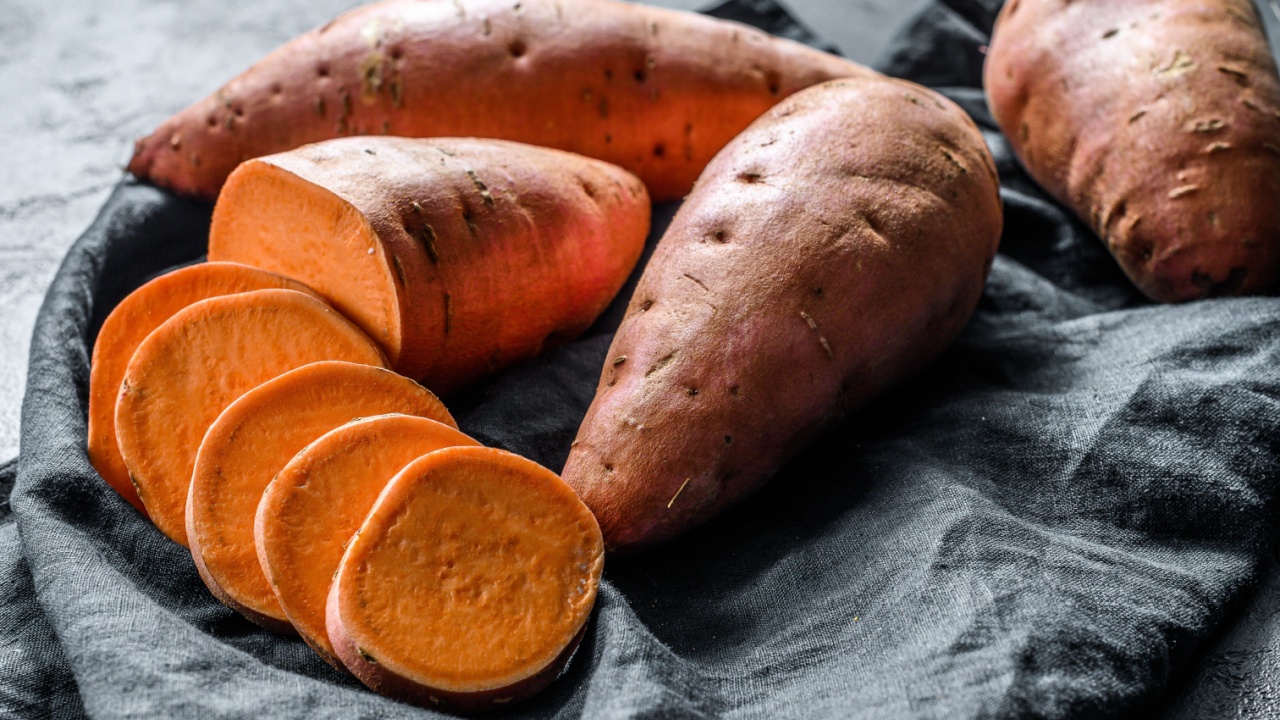
Sweet potatoes are the crop that catches beginners off guard because their curing process is the opposite of everything else on this list. While most storage crops want cool, dry conditions, sweet potatoes need to cure at 85°F with high humidity for about two weeks. After that initial warm cure, they store for four to six months in a cooler spot around 50 to 60°F. The curing develops their flavor; a sweet potato eaten right after harvest tastes starchy and flat compared to one that has been properly cured for six weeks.
The One Storage Mistake That Ruins Everything

The villain in every storage garden is not pests or weather; it’s skipping the cure. Every experienced gardener will tell you the same thing: rushing harvested crops into storage without curing them first is how you lose half your food to rot by December. Potatoes need their skins to toughen. Squash needs its rind to harden. Onions need their outer layers to dry and seal. Skip this step and one soft, moldy specimen will silently contaminate everything around it. Check your stored crops once a month and pull anything that feels soft. That single habit is worth more than any fancy root cellar.
You do not need a root cellar, a homestead, or years of experience to store food that lasts. A cool basement corner, an unheated garage, or even a closet against an exterior wall can hold hundreds of pounds of produce through the winter. The crops on this list cost almost nothing to grow from seed, require no special preservation skills, and reward you with months of free food when grocery prices are at their highest. Plant even two or three of them this August, you will spend the winter eating from your own garden instead of emptying your wallet at the store.
Read more:
Is Your House A Wildfire Target? 7 Things That Increase Your Risk At Home
Is The Heat To Blame for Your Struggling Vegetable Garden This Summer? Stop Making These 7 Mistakes