
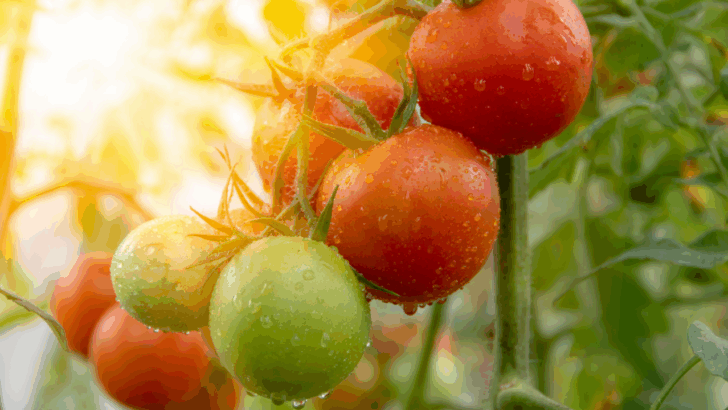
Growing tomatoes successfully hinges on one of a few critical factors: one of them being location. Where you plant your tomatoes determines how much sunlight they receive, if their roots stay healthy, and whether they can avoid pests and diseases. Choose the right spot, and your plants will reward you with sweet, plump fruits. But place them poorly, and you’ll end up with a disappointing harvest—or none at all.
This guide dives deep into the best and worst places to grow tomatoes. Whether you’re a beginner expanding your garden or a seasoned gardener fine-tuning your approach, you’ll learn to evaluate tomato-growing locations with confidence. By the end, you’ll have actionable tips to maximize your harvest.
Best Places to Grow Tomatoes- 1. Full-Sun Locations

Image Credit: Shutterstock.
Tomatoes thrive in sunlight. These sun-loving plants need a minimum of 6-8 hours of direct sunlight daily to fuel growth, photosynthesis, and fruit production. A sunny location ensures the plants produce abundant and flavorful fruit.
Actionable Tips:
- Orientation matters: If possible, place tomatoes in south- or west-facing gardens for optimal sun exposure.
- Deal with partial sun: If 8 hours of sunlight isn’t feasible, choose fast-maturing varieties like Cherry Cascade or Glacier that adapt well to less light.
2. Well-Drained, Loamy Soil

Image Credit: Shutterstock.
Tomatoes despise “wet feet.” They grow best in loose, well-draining soil that holds moisture but doesn’t become waterlogged or compacted. Loamy soil enriched with organic matter gives roots space to expand and access nutrients.
How to Optimize Soil:
- Conduct a test: A simple squeeze test can determine soil texture—loamy soil crumbles rather than clumps together when squeezed.
- Amend heavy soil: Add compost, aged manure, and sand to improve drainage in compacted clay soils.
3. Raised Garden Beds
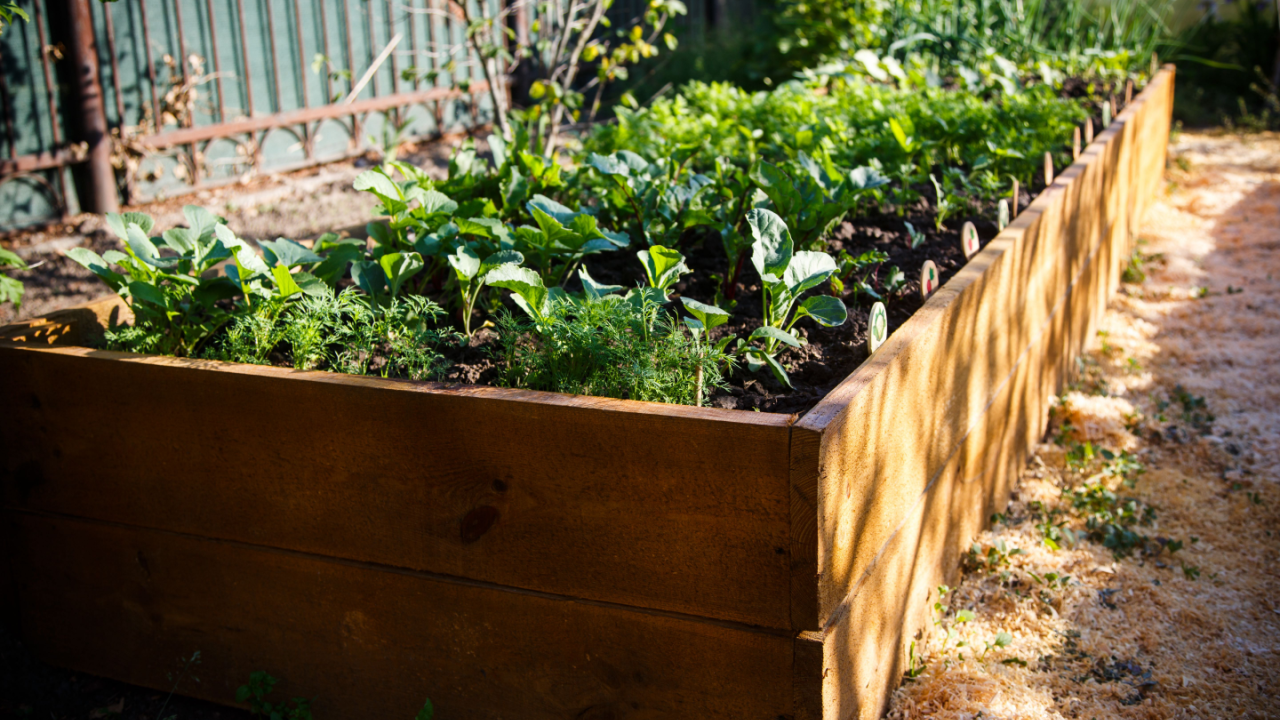
Image Credit: Shutterstock.
Raised beds warm up faster in spring, provide excellent drainage, and allow you to control soil quality. These features make them an ideal home for tomato plants (at least determinate ones that won’t take over the entire space!). Plus, they reduce the risk of diseases caused by soilborne pathogens.
Quick Setup Tips:
- Build beds that are at least 12 inches deep to accommodate tomato roots.
- Add a layer of mulch to retain soil moisture and regulate temperature.
4. South-Facing Walls or Fences

Image Credit: Shutterstock.
South-facing walls absorb heat and reflect sunlight, creating a microclimate that tomatoes adore. This setup not only promotes faster growth but also extends the growing season, especially in cooler regions.
Best Practices:
- Space the plants 12–18 inches away from the wall to prevent overheating.
- Use trellises or vertical supports to guide growth and improve air circulation.
5. Containers or Grow Bags
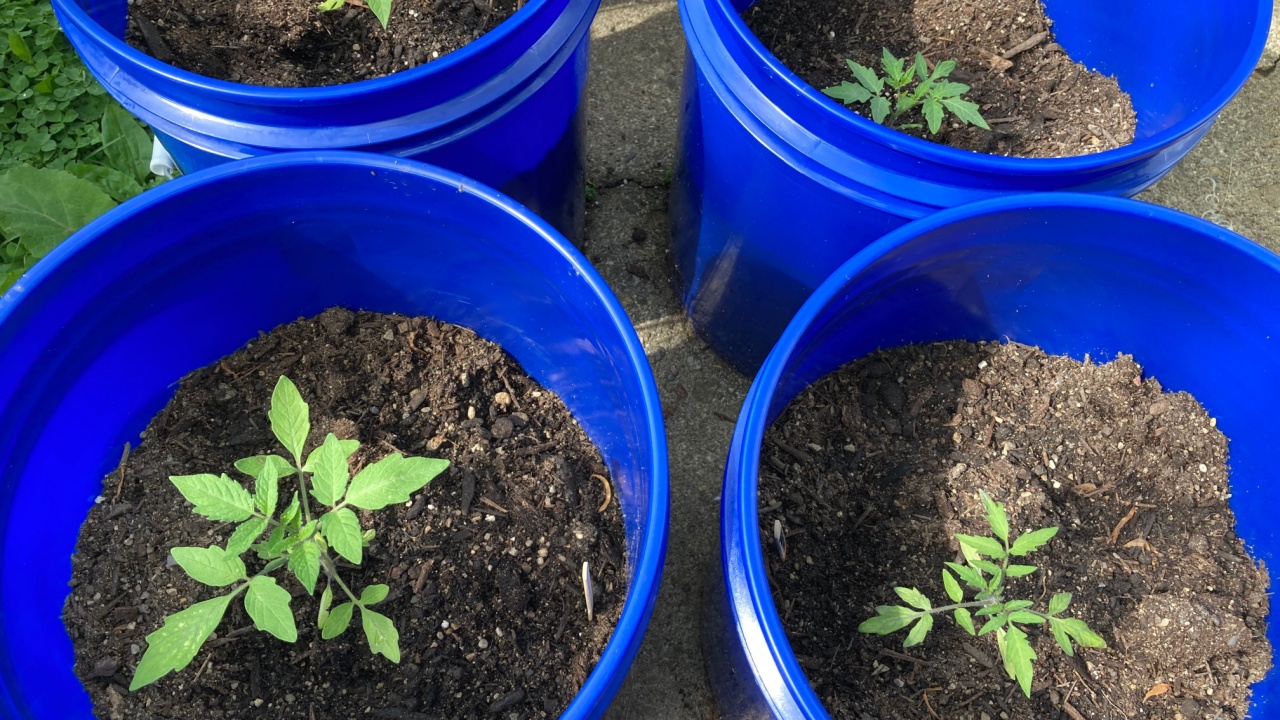
Image Credit: Shutterstock.
For gardeners short on space, containers offer a flexible way to grow tomatoes anywhere. With the right care, container-grown tomatoes often rival—or surpass—those planted in the ground.
Container Advice:
- Use containers of at least 5 gallons per plant to support deep roots.
- Choose lightweight, well-draining potting mixes enriched with organic matter.
- Ensure pots have drainage holes to prevent waterlogging.
6. Near Companion Plants for Tomatoes

Image credit: Backyard Garden Lover.
Some plants are said to benefit each other when grown in close proximity. While many companion planting theories are based on anecdotal evidence, scientific findings do suggest that some species of plants can deter pests or attract beneficial insects like pollinators.
Plants purported to be good companions for tomatoes:
- Basil: Repels flies and mosquitoes while enhancing the flavor of tomatoes.
- Marigolds: Deters beetles, slugs, and snails.
- Chives: Attracts pollinating bees.
- Nasturtiums: Repel a variety of pests, including aphids and whiteflies.
Worst Places to Grow Tomatoes- 1. Shady Areas

Image Credit: Shutterstock.
Tomatoes crave light, and without sufficient sunlight, they become leggy, weak, and unproductive. Shaded gardens lack the intense light that tomatoes need to grow strong and bear fruit.
Why It’s a Problem:
- Photosynthesis stalls without direct sunlight, leading to poor plant growth.
- Shady spots promote excess moisture, which invites fungal diseases like powdery mildew.
What to Do Instead:
- Relocate shaded plants to a sunnier area, or consider growing shade-tolerant crops like lettuce or kale in their place.
2. Near Black Walnut Trees

Image Credit: Shutterstock.
Black walnuts release juglone, a chemical toxic to many plants, including tomatoes. Even the fallen leaves and roots can leach juglone into the surrounding soil, causing tomatoes to wilt or fail to thrive.
How to Adjust:
- Maintain a radius of at least 50 feet between your black walnut tree and garden beds.
- Grow tomatoes in raised beds with a root barrier to prevent contamination.
3. Where Tomatoes or Potatoes Grew Last Year
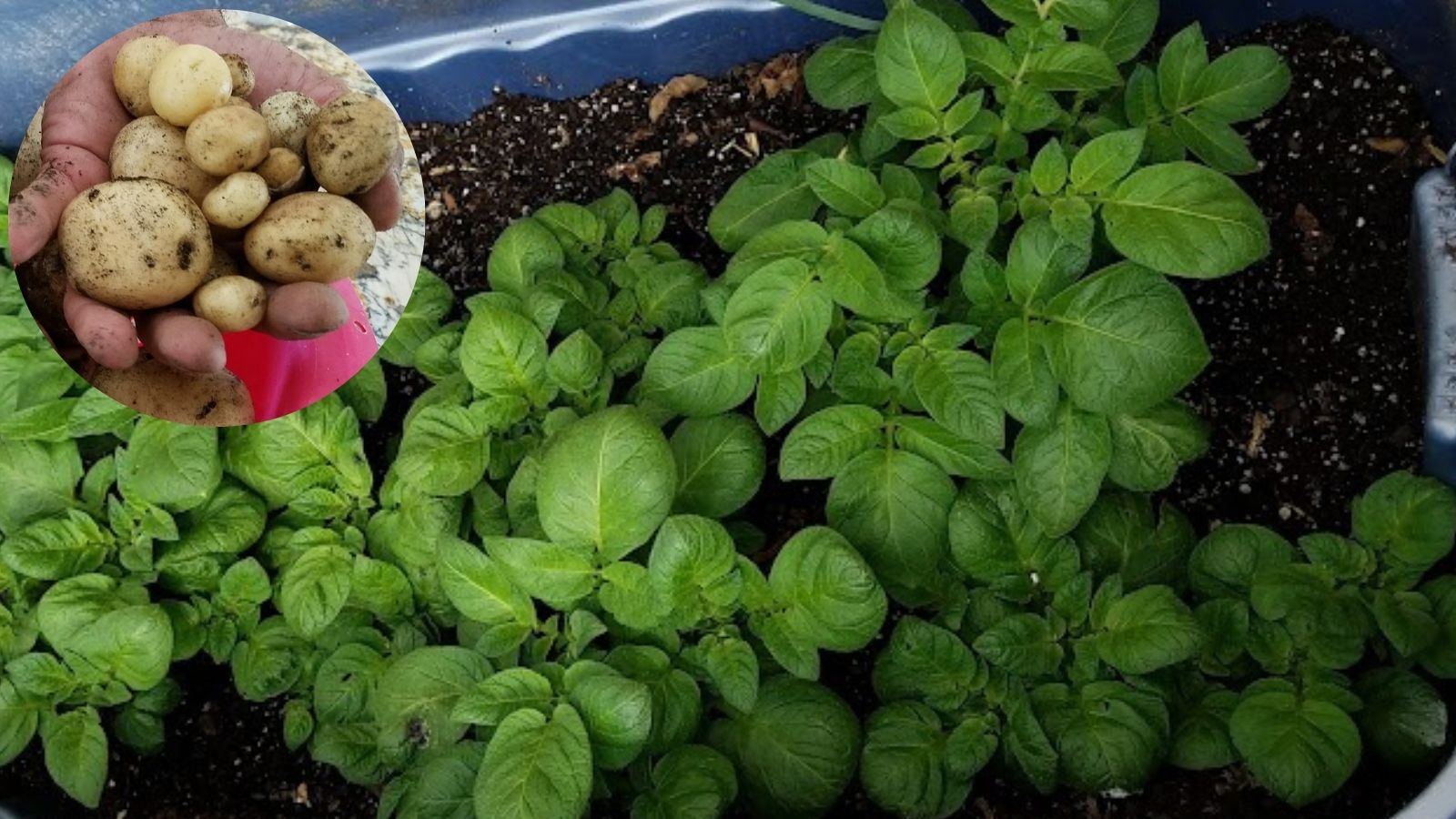
Image credit: Backyard Garden Lover.
Tomatoes belong to the nightshade family, along with potatoes, peppers, and eggplants. Planting tomatoes in the same spot year after year depletes nutrients and encourages soil-borne diseases like blight or verticillium wilt.
Rotation Plan:
- Rotate crops yearly by planting tomatoes in a bed where legumes (like beans or peas) grew last year. Legumes enrich the soil with nitrogen, benefiting tomatoes.
4. Compacted, Heavy Clay Soil
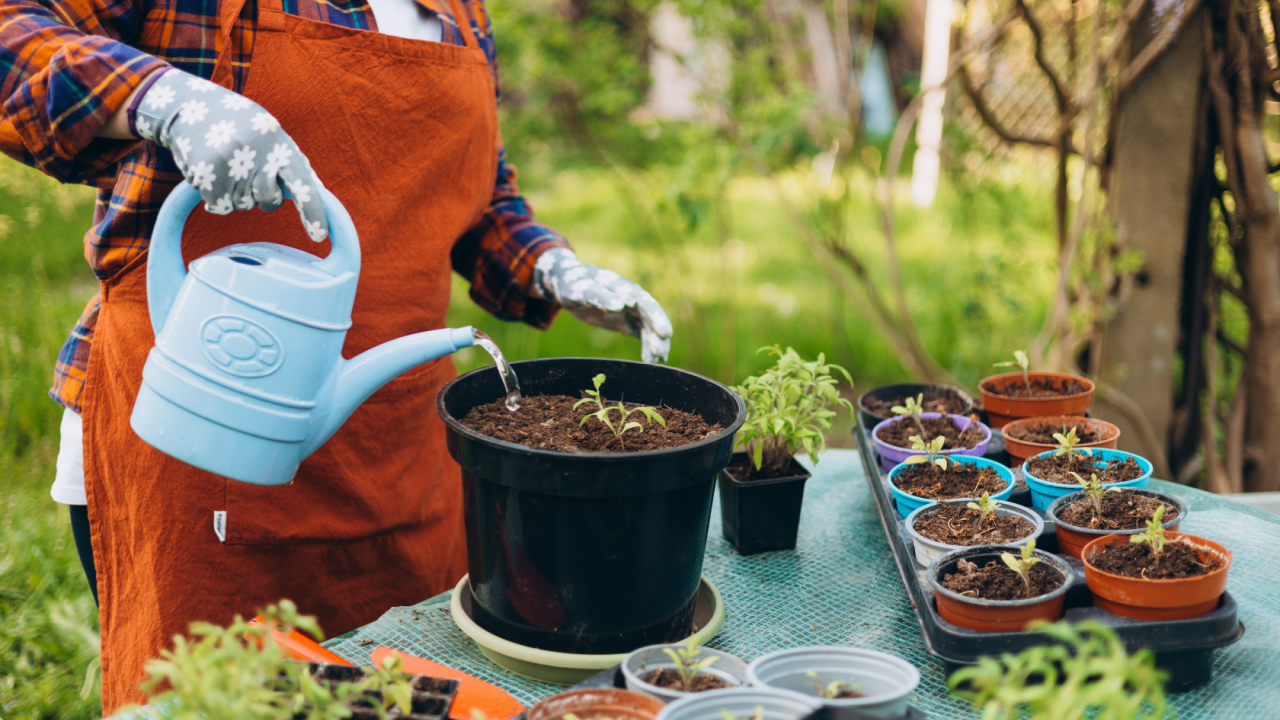
Image Credit: Shutterstock.
Heavy clay soil retains too much water, leading to soggy roots and poor aeration, which stifles tomato growth. If the soil dries out, it hardens and becomes difficult for roots to penetrate.
Soil Fix:
- Incorporate organic matter like peat moss or rice hulls to lighten the soil.
- Consider raised beds or containers as an alternative.
5. Next to Fennel
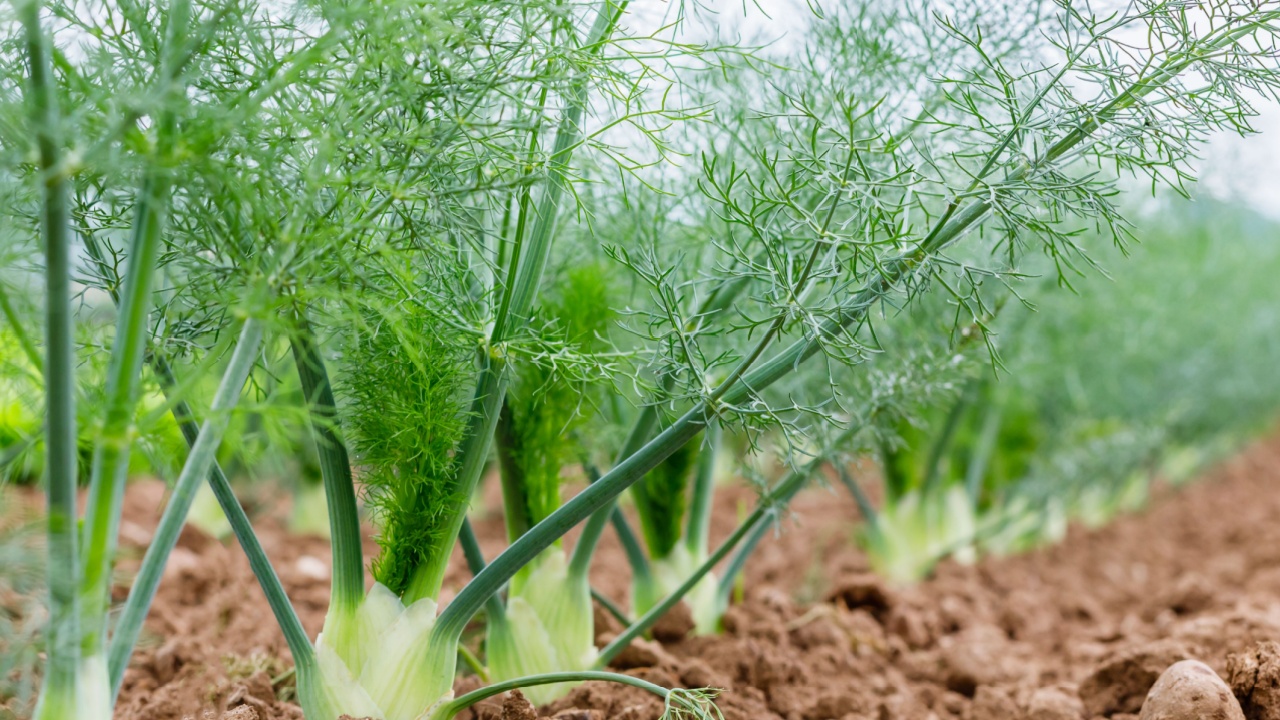
Image Credit: Shutterstock.
Fennel produces allelopathic compounds that inhibit the growth of nearby plants. It’s a poor companion for tomatoes, as its chemicals disrupt the tomato’s normal development.
Companion Planting Tip:
- Swap fennel with basil, marigolds, or borage, which complement tomato growth by repelling pests.
6. Next to Corn

Image credit: YAY Images.
Corn is a heavy feeder, depleting the soil of vital nutrients like nitrogen and phosphorus.
Soil Fix:
- Rotate crops from year to year, allowing the soil to replenish itself.
- Plant beans or peas alongside corn – these plants have bacteria on their roots that can fix nitrogen for other plants to use.
7. Next to Cabbage

Image Credit: Shutterstock.
Cabbage is often attacked by aphids and cabbage worms, which can ruin crops.
Companion Planting Tip:
- Intercropping with onions can help repel these pests.
- Planting dill nearby can also attract parasitic wasps, which prey on cabbage worms.
8. Next to Broccoli

Image Credit: Shutterstock.
Broccoli is susceptible to attacks from flea beetles and caterpillars that feed on its leaves and florets.
Companion Planting Tip:
- Interplant with aromatic herbs like rosemary and thyme to repel these pests.
- Planting cilantro or chamomile nearby can also attract hoverflies, which feed on aphids that may be attacking the
9. Under Large Trees
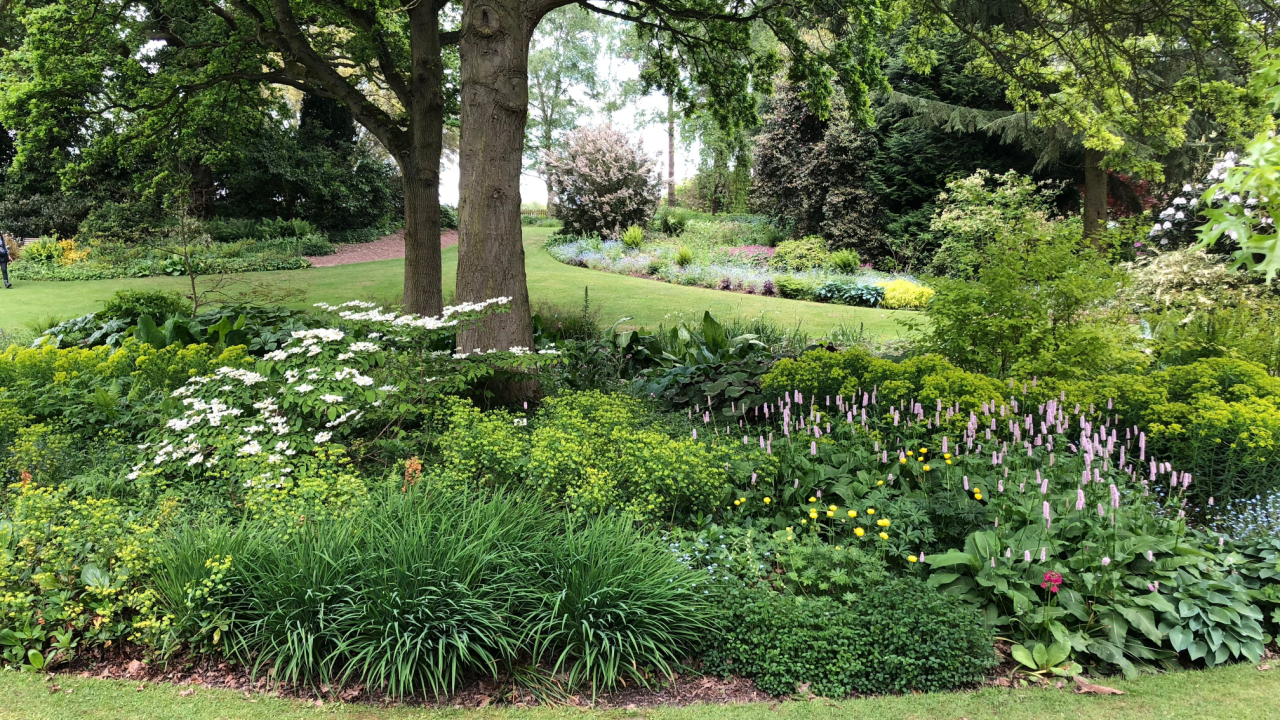
Image Credit: NGarden21 at Shutterstock.
Shading is just one issue when planting tomatoes under large trees. Trees like oaks, maples, or pines have extensive root systems that compete for water and nutrients, starving nearby plants.
Suggestions:
- Avoid planting within a tree’s drip line (the area beneath the canopy).
- Use containers or elevated beds to bypass tree root competition.
10. Excessively Windy Areas
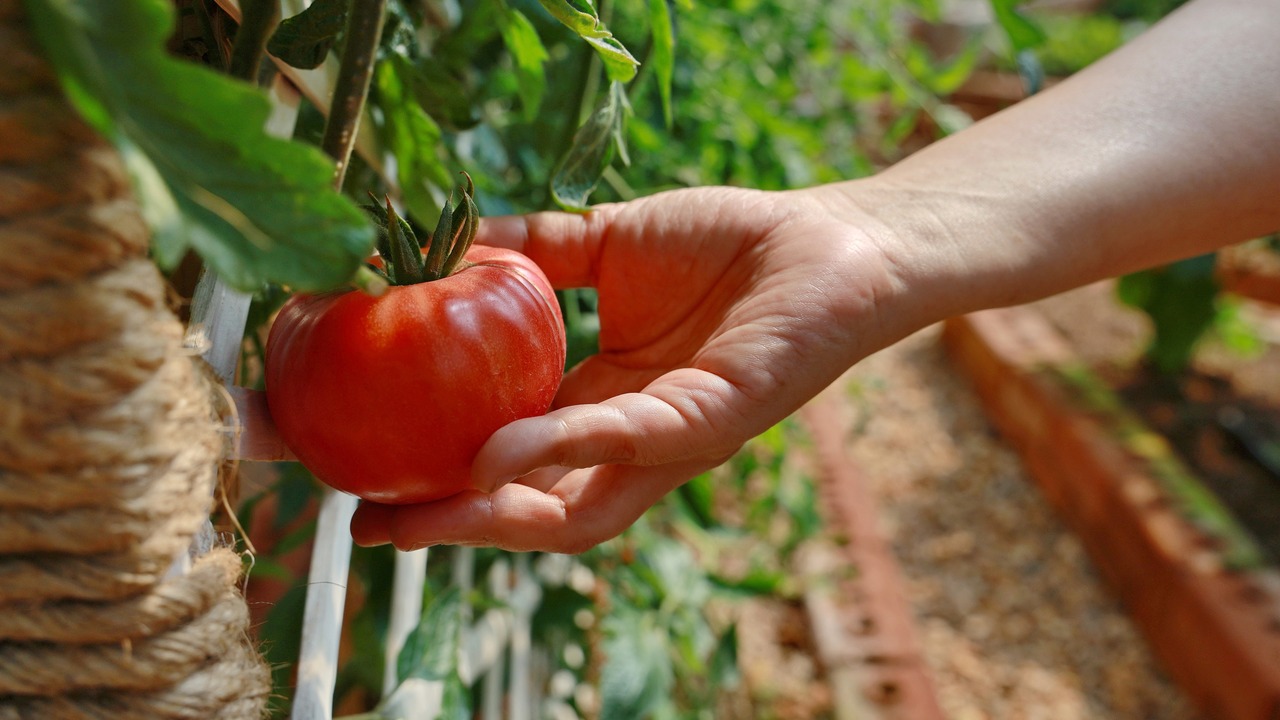
Image Credit: Shutterstock.
Tomatoes are tall plants that can’t handle constant wind, which can break stems, tear leaves, and stress the plants.
Wind Protection:
- Plant near natural windbreaks like fences, hedges, or shrubs.
- Use sturdy cages or stakes to support plants and protect them from damage.
Tomato Growing Success Tips
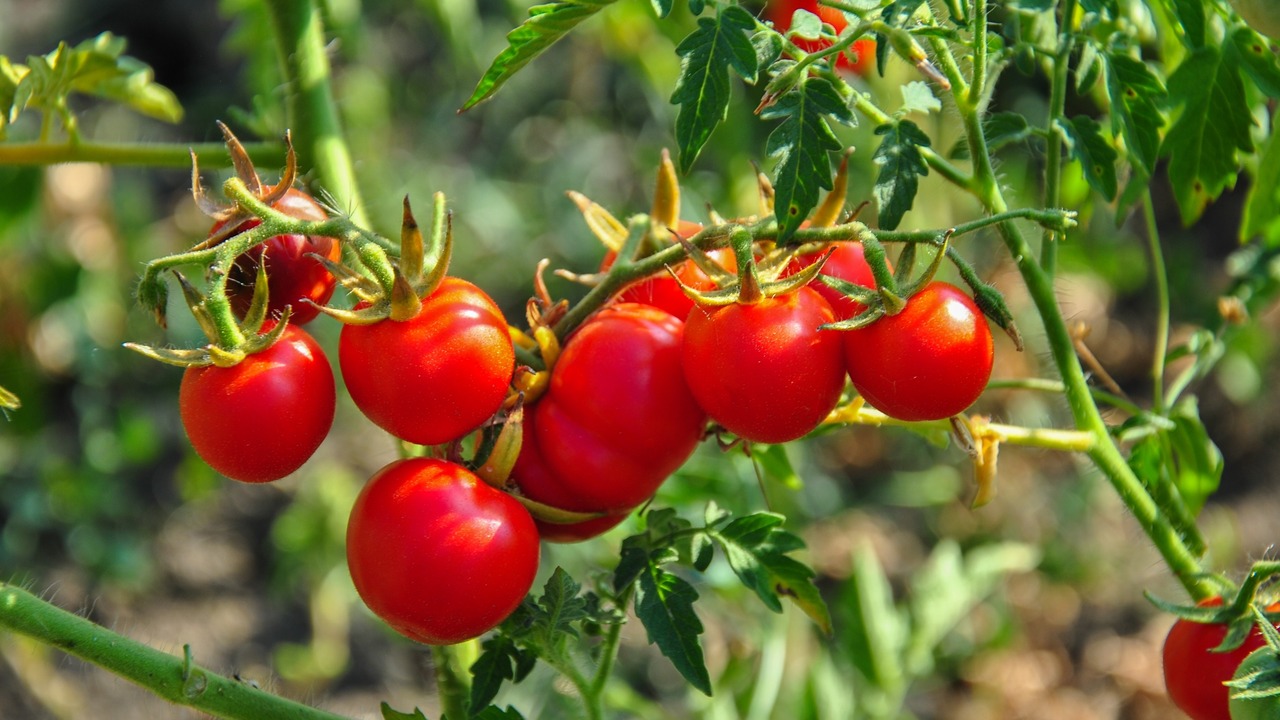
Image Credit: Shutterstock.
No matter where you plant your tomatoes, these tips can help you optimize conditions for a thriving crop:
Mulch Your Plants
Mulching conserves moisture, prevents soil erosion, and suppresses weeds. Use straw, shredded leaves, or grass clippings as mulch—but avoid materials that have been treated with herbicides.
Water Wisely
Regular, consistent watering (1-2 inches weekly) keeps tomatoes happy. Deep watering promotes robust roots, while inconsistent watering can lead to issues like blossom end rot or splitting.
Practice Pruning
Prune the lower leaves of indeterminate varieties to improve airflow and reduce disease risk. Removing suckers (small shoots between the stem and branches) can also focus the plant’s energy on fruiting.
Use Organic Pest Control
Companion planting offers an eco-friendly way to combat pests. Basil repels aphids, while marigolds deter nematodes. For larger pests like hornworms, handpicking or introducing predatory insects can keep their populations in check.
Find the Perfect Spot
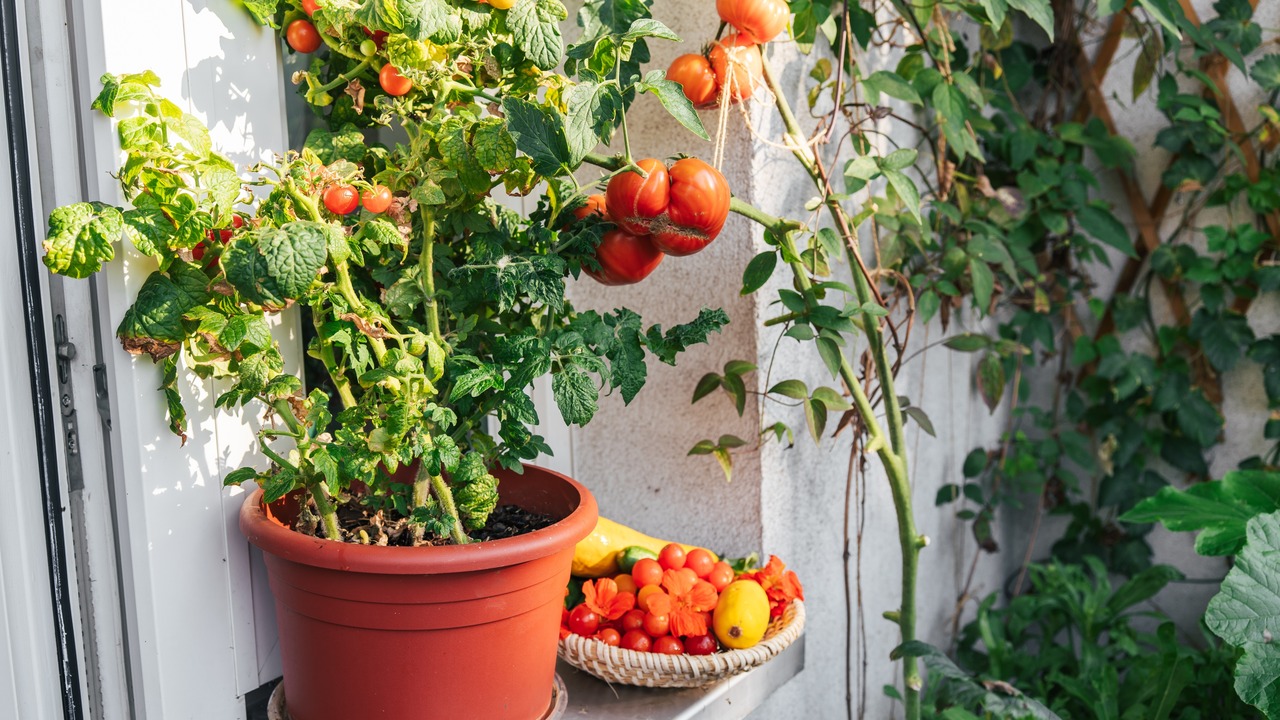
Image Credit: Shutterstock.
Tomatoes are versatile and rewarding plants, but their success depends heavily on location. By choosing sunny spots with well-drained soil or exploring options like raised beds and containers, you can cultivate a thriving tomato garden. Avoid problem areas like shaded spaces or black walnut trees, and your efforts will pay off with lush, flavorful harvests.
If this is your first season growing tomatoes or you’re seeking better yields, now’s the time to evaluate your growing conditions. Apply these insights and watch your garden flourish with vibrant, productive tomato plants.