World’s Busiest Airport Reconsiders TSA Privatization After Months of Debate
The idea of replacing federal TSA screeners with private security workers has become a major topic of debate following months of airport disruptions. Now, officials at the world’s busiest airport have studied the idea and reached a recommendation: keep the TSA.
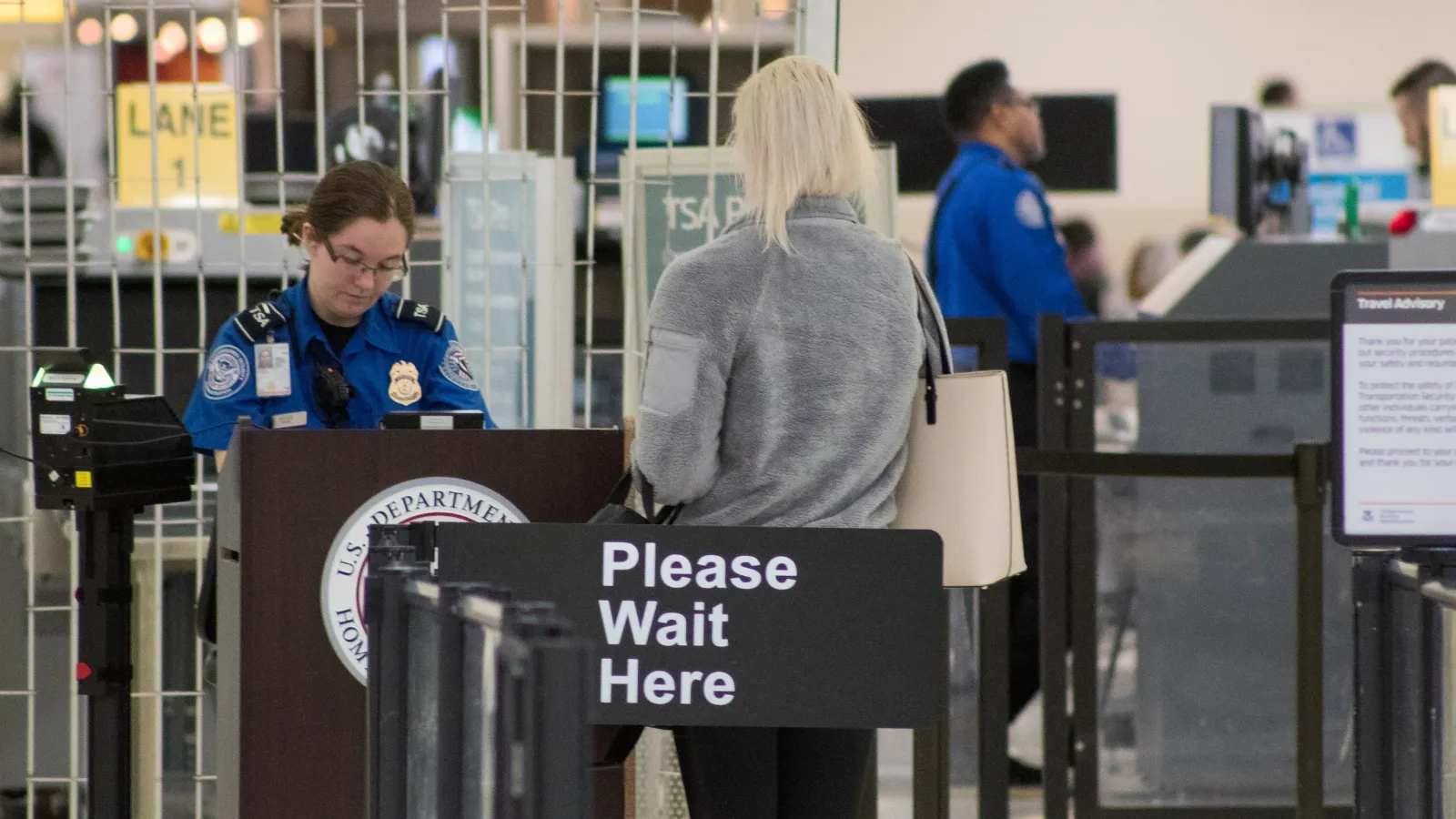
Hartsfield-Jackson Atlanta International Airport considered switching to private contractors after a lengthy federal government shutdown earlier this year left security workers without pay. Staffing shortages sent passengers into lines that sometimes stretched for hours.
The situation drove Atlanta City Councilmember Byron Amos to see if a different approach could prevent travelers from facing the same chaos during a potential future shutdown. Back in May, the Atlanta City Council approved his proposal to study whether private security screening would be a viable alternative.
On Nov. 9, Atlanta’s Department of Aviation presented its findings to the City Council’s Transportation Committee. The department recommended keeping federal TSA screeners after the study found no clear advantage to privatization and identified potential risks in making such a major change.
Why Atlanta Considered Replacing TSA Workers
Embedded media follows. Please allow a moment for it to load.
Councilmember Byron Amos issued the following statement saying he fully supports the findings from the Department of Aviation on the feasibility of privatizing security checkpoints at Hartsfield-Jackson Atlanta International Airport.
In May, Councilmember Amos introduced legislation requesting the Department of Aviation commission a formal feasibility study with an independent third-party consultant to evaluate the potential conversion of privatizing Transportation Security Administration security screening operations at Hartsfield-Jackson.
Read more here: https://t.co/GaU7TPIFMo
— Atlanta City Council (@atlcouncil) November 9, 2026
The debate all started with a 76-day partial federal government shutdown that started in February. As TSA employees continued working without regular paychecks, absences increased. More and more, security checkpoints struggled to handle the volume of passengers passing through Atlanta. At one point, travelers faced waits exceeding three hours.
In May, the Atlanta City Council approved a resolution requesting an independent examination of privatized screening. The proposal focused on TSA’s Screening Partnership Program, which already allows participating airports to employ private contractors at security checkpoints.
Under the program, the federal agency remains responsible for airport security. Contractors must follow the same screening procedures as TSA employees and meet federal training requirements. The TSA also oversees the companies performing the work.
Why Officials Recommended Keeping the TSA
Atlanta’s aviation officials found no meaningful financial advantage to making the change. TSA pays for screening operations under either model, so replacing federal workers would not lower costs for the airport or its passengers.
There was also the question of scale. Hartsfield-Jackson has approximately 1,300 TSA employees, and the private screening program has never been introduced at an airport handling Atlanta’s passenger volume. Assistant General Manager Tom Nissalke warned that such a transition would carry significant uncertainty.
Perhaps the biggest concern involved the very problem that sparked the study. Private screening companies receive their payments from TSA, meaning a government shutdown could still interfere with the money flowing to those contractors. As Georgia Public Broadcasting reported, Nissalke explained that some companies had to rely on their own financing to continue paying employees when federal payments were delayed.
Amos accepted the recommendation he had originally requested the airport investigate. In a Nov. 9 Atlanta City Council statement, he expressed support for the Department of Aviation’s findings and urged Congress to address the conditions TSA employees faced.
“Now we call on Congress to listen to the cries of the people that Washington D.C. is hurting air transportation and do the work to ensure that our TSA workers are treated fairly,” said Amos.
The recommendation does not formally block Atlanta from reconsidering private screening in the future, so this practice may be revisited again. According to WSB-TV, aviation officials intend to monitor developments at airports participating in the federal program.
Airport General Manager Ricky Smith said the Department of Aviation is already looking ahead to the possibility of another government shutdown. The agency plans to work alongside TSA, its local union, and Delta Air Lines to find ways to keep security checkpoints operating smoothly if federal funding runs into trouble again.