
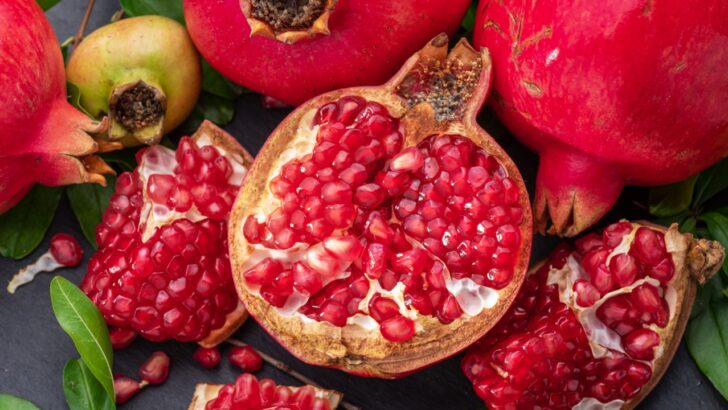
Winter often brings comfort food cravings, but it’s also the perfect time to load up on powerful, nutrient-dense superfoods. Many of these seasonal gems are packed with anti-inflammatory properties that can help protect your body from chronic diseases, ease joint pain, and boost your overall well-being (and immunity during cold and flu season!).
Here are 12 of the best winter superfoods that fight inflammation. Which ones can you add to your pantry, fridge, or freezer?
Where We Got This Data
The information in this article is drawn from peer‑reviewed scientific studies, agricultural extension resources, trusted nutrition references, and evidence‑based health organizations. Research on compounds such as flavonoids, carotenoids, betalains, curcumin, and gingerols provided the foundation for understanding their anti‑inflammatory effects, while agricultural extensions offered practical growing tips and seasonal advice
1. Kale

Image Credit: Shutterstock.
This hardy green is a true nutritional powerhouse, especially in the colder months. Kale is loaded with antioxidants like beta-carotene and vitamin C, as well as flavonoids such as quercetin and kaempferol, which have potent anti-inflammatory effects.
Some studies suggest that these compounds can help combat oxidative stress, a key driver of chronic inflammation. A light frost can actually make kale taste sweeter, making it a perfect crop for your winter garden.
- Why it’s great: Rich in vitamins A, C, and K, along with powerful antioxidants that neutralize inflammatory free radicals.
- Growing tips: Plant kale in late summer for a fall and winter harvest. It’s frost-tolerant and can often be harvested even under a layer of snow.
- How to use it: Sauté it with garlic and olive oil, blend it into a green smoothie, or bake it into crispy kale chips for a healthy snack.
2. Brussels Sprouts
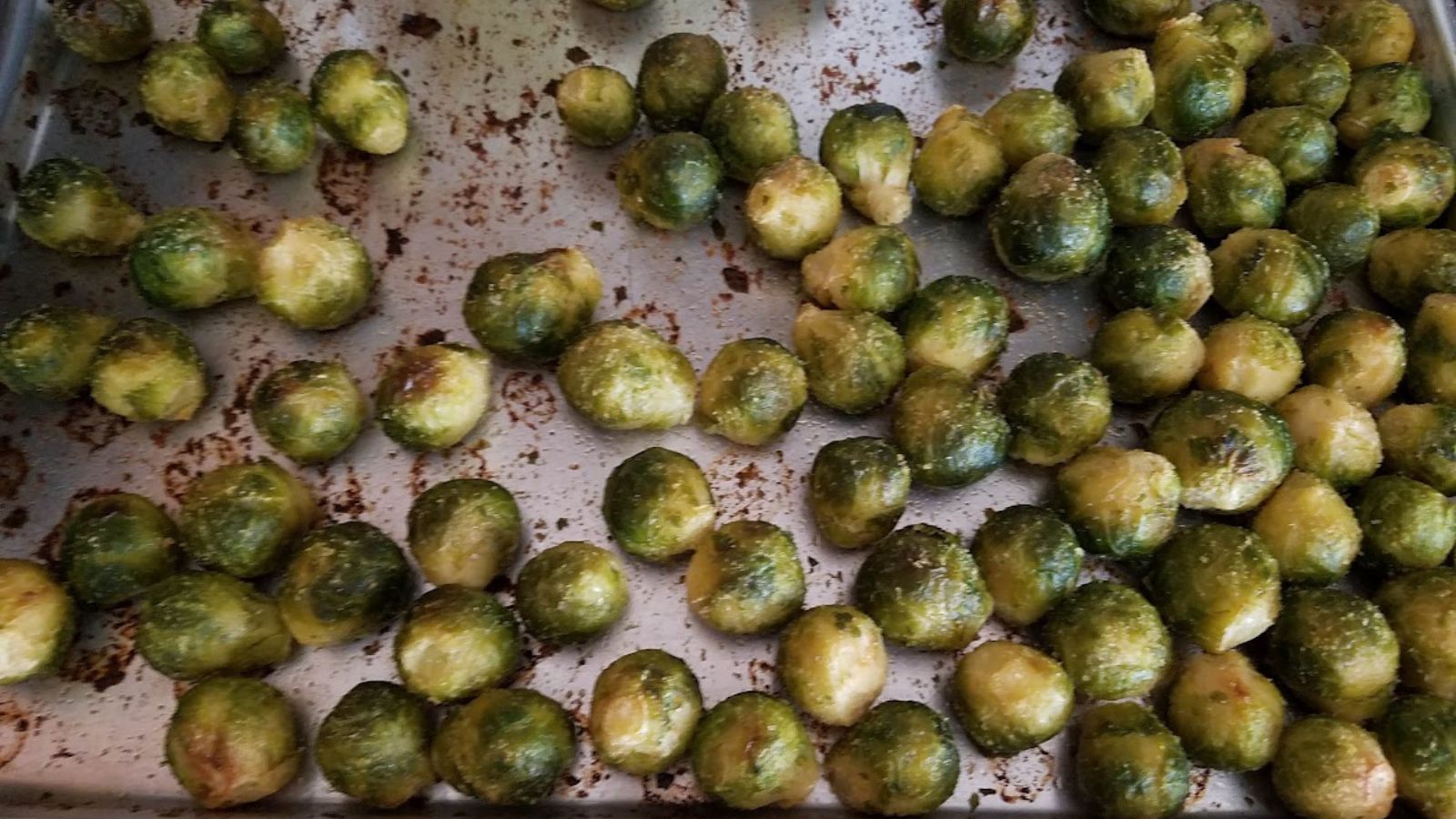
Image credit: Backyard Garden Lover.
Often misunderstood vegetable, Brussels sprouts are a fantastic source of anti-inflammatory compounds. They belong to the cruciferous family and are rich in glucosinolates, which convert to isothiocyanates when chewed or chopped.
These compounds have been shown to reduce inflammation and may even help protect against certain types of cancer. Brussels sprouts are also packed with antioxidants and vitamin K, which plays a crucial role in regulating inflammatory responses.
- Why it’s great: High in vitamin K and antioxidants. Contains compounds that may help lower levels of inflammatory markers in the blood.
- Growing tips: Plant them in mid-to-late summer. They grow on a tall stalk and mature in cool weather, with flavor improving after a light frost.
- How to use it: Roast them with a drizzle of balsamic glaze and a sprinkle of bacon, or shred them raw for a crunchy winter salad.
3. Pomegranates
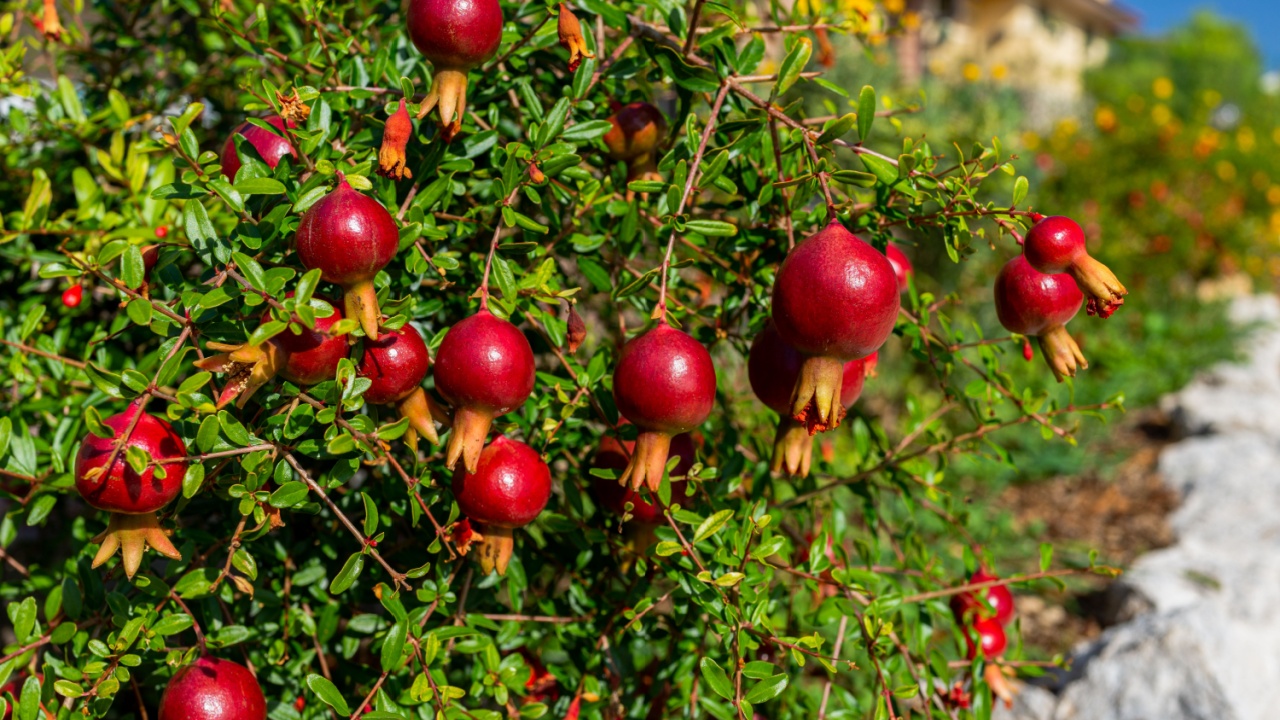
Image Credit: Shutterstock.
These jewel-toned fruits are brimming with powerful anti-inflammatory agents called punicalagins. Research suggests that the antioxidant activity of pomegranate juice can be three times higher than that of red wine or green tea. These compounds work by reducing inflammatory activity in the digestive tract and have been studied for their potential benefits in conditions like arthritis and inflammatory bowel disease.
- Why it’s great: Exceptionally high in antioxidants, particularly punicalagins, which have been shown to have potent anti-inflammatory effects.
- Growing tips: Pomegranate trees thrive in warmer climates but can be grown in containers and moved indoors during winter in colder regions.
- How to use it: Sprinkle the arils (seeds) over salads, yogurt, or oatmeal. You can also press them for fresh, antioxidant-rich juice.
4. Sweet Potatoes
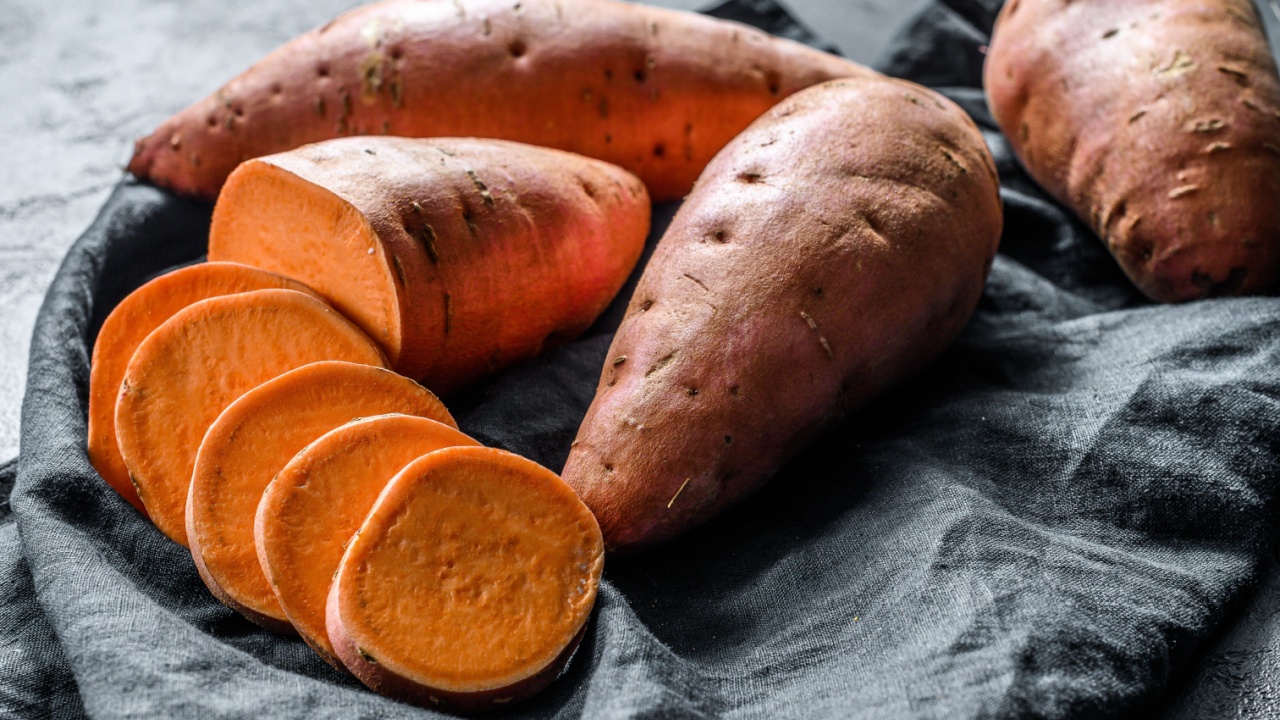
Image Credit: Shutterstock.
More than just a holiday staple, sweet potatoes are a fantastic source of complex carbohydrates and fiber. Their vibrant orange flesh is a sign of high beta-carotene content, a powerful antioxidant that the body converts to vitamin A.
This vitamin is essential for a healthy immune system and helps fight inflammation. Unlike regular potatoes, sweet potatoes have a slightly lower glycemic index, which helps prevent spikes in blood sugar that can contribute to inflammation.
- Why it’s great: Packed with beta-carotene, vitamin C, and fiber. Helps stabilize blood sugar levels.
- Growing tips: Sweet potatoes need a long, warm growing season. Plant “slips” (sprouted sections) in late spring after the last frost for a fall harvest. Cure them in a warm, humid place for about 10 days before storing.
- How to use it: Bake them whole, mash them as a side dish, or cut them into wedges and roast with spices for a healthy alternative to fries.
5. Beets
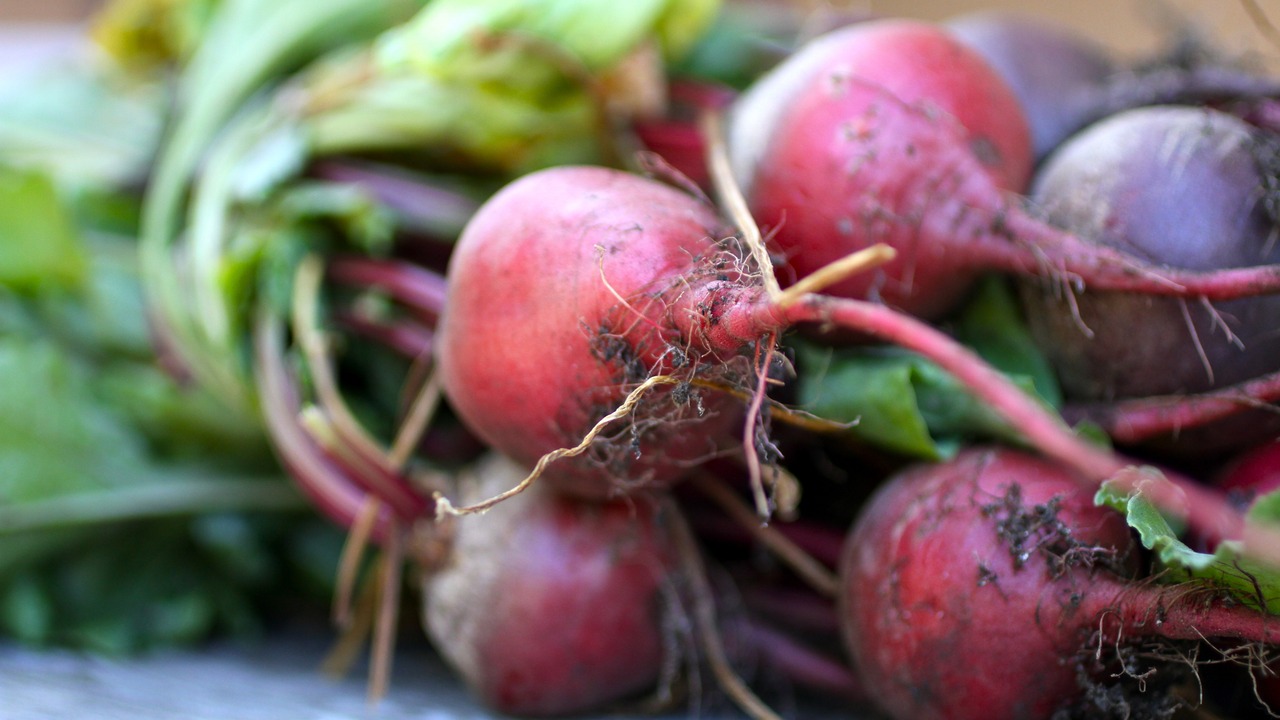
Image Credit: The Farmstrs – CC BY-SA 2.0/Wiki Commons.
The deep, rich color of beets comes from pigments called betalains, which possess significant anti-inflammatory and antioxidant properties.
Studies have indicated that betalains can help protect cells from damage and reduce inflammatory markers. Beets are also a good source of nitrates, which can help improve blood flow and lower blood pressure. Both the root and the greens are edible and packed with nutrients.
- Why it’s great: Contains unique betalain pigments that fight inflammation. Also provides dietary fiber and nitrates.
- Growing tips: Sow beet seeds directly into the garden from spring to early fall. They prefer cool weather and can be harvested throughout the winter in milder climates.
- How to use it: Roast them to bring out their natural sweetness, grate them raw into salads, or blend them into a vibrant borscht soup. Don’t forget to sauté the nutritious beet greens!
6. Turmeric
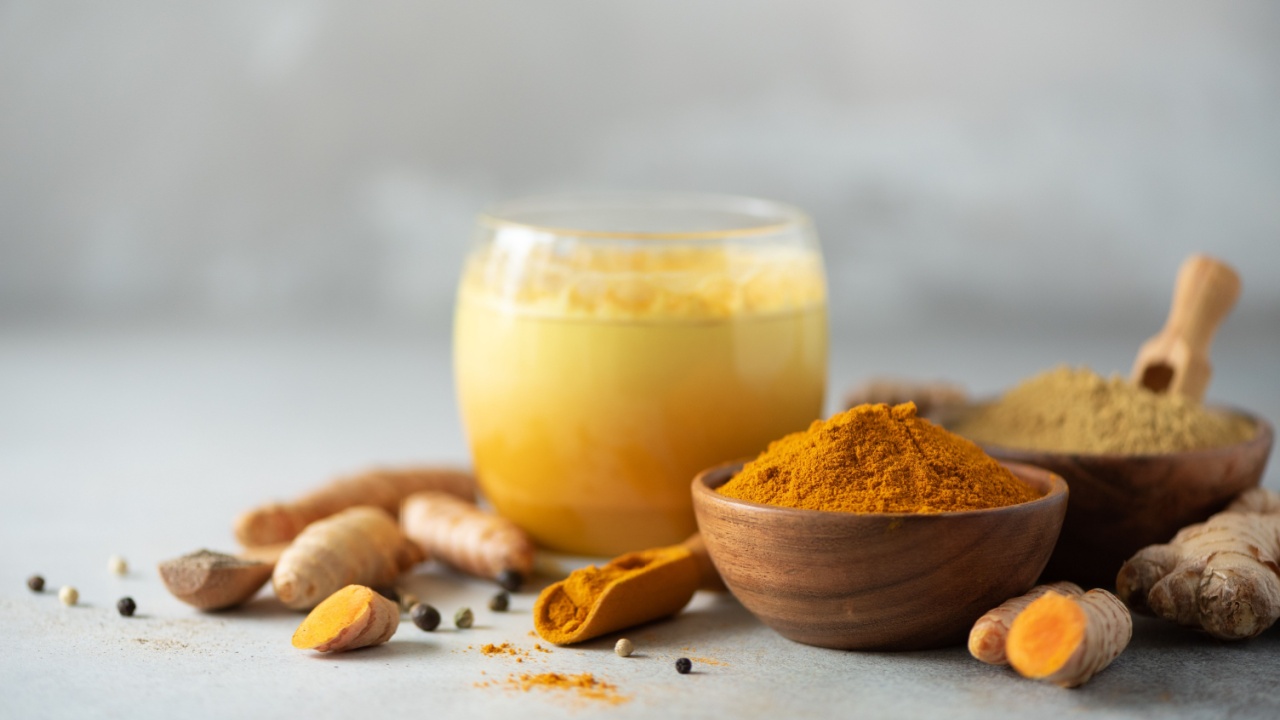
Image Credit: Shutterstock.
While it’s a tropical plant, turmeric can be grown indoors or harvested and used all winter long. Its active compound, curcumin, is one of the most powerful natural anti-inflammatory substances known.
Curcumin is so effective that it has been compared to some anti-inflammatory drugs, but without the side effects. It is said to block a molecule that travels into the nuclei of cells and turns on genes related to inflammation. For best absorption, always pair turmeric with a pinch of black pepper.
- Why it’s great: Contains curcumin, a potent anti-inflammatory compound that has been extensively studied for its health benefits.
- Growing tips: Grow turmeric in a pot indoors in a sunny, warm spot. You can harvest the rhizomes as needed once the plant is mature.
- How to use it: Add fresh or powdered turmeric to curries, soups, and golden milk lattes. Mix it with black pepper and a healthy fat like coconut oil to maximize absorption.
7. Ginger
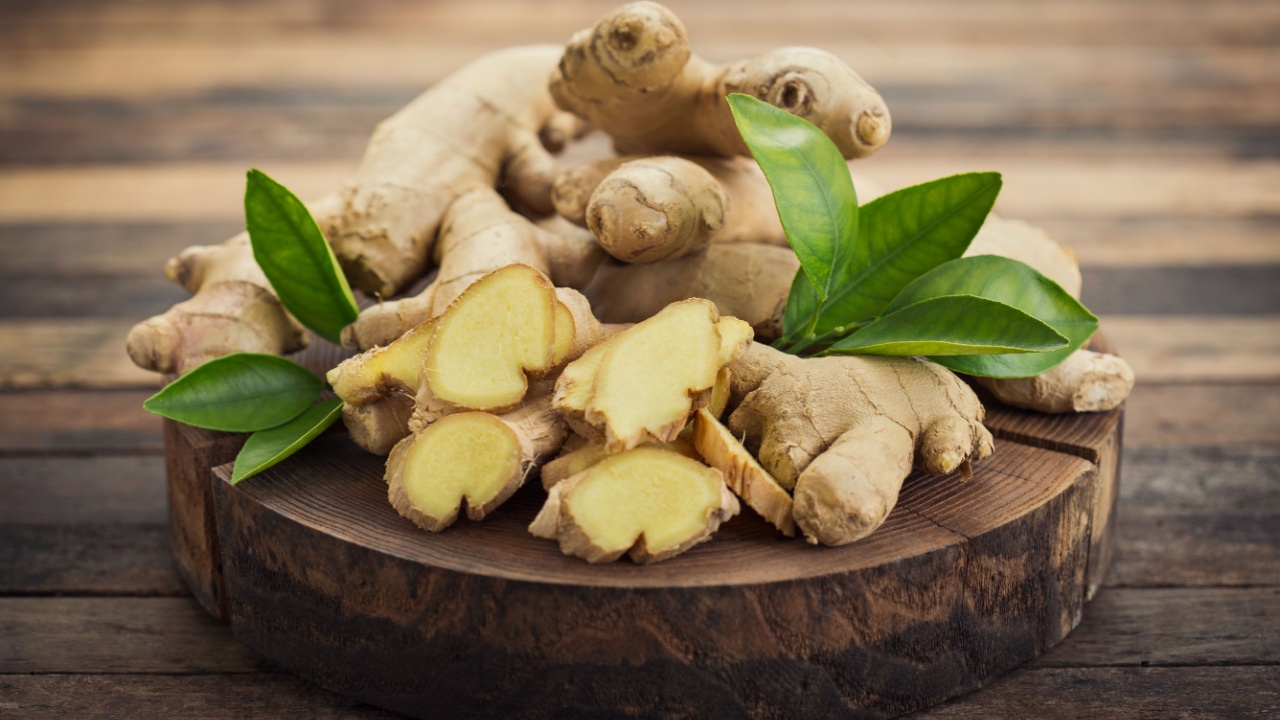
Image Credit: Shutterstock.
A close relative of turmeric, ginger contains gingerol, a substance with powerful anti-inflammatory and antioxidant effects.
For centuries, ginger has been used to aid digestion, reduce nausea, and help fight the flu and common cold. Its ability to reduce inflammation makes it a valuable food for managing symptoms of arthritis and muscle soreness.
- Why it’s great: The main bioactive compound, gingerol, is responsible for much of its medicinal and anti-inflammatory properties.
- Growing tips: Like turmeric, ginger thrives in warm conditions and can be grown in a pot indoors. Plant a piece of the rhizome from the grocery store.
- How to use it: Grate fresh ginger into stir-fries, brew it into a soothing tea with honey and lemon, or add it to smoothies for a spicy kick.
8. Citrus Fruits
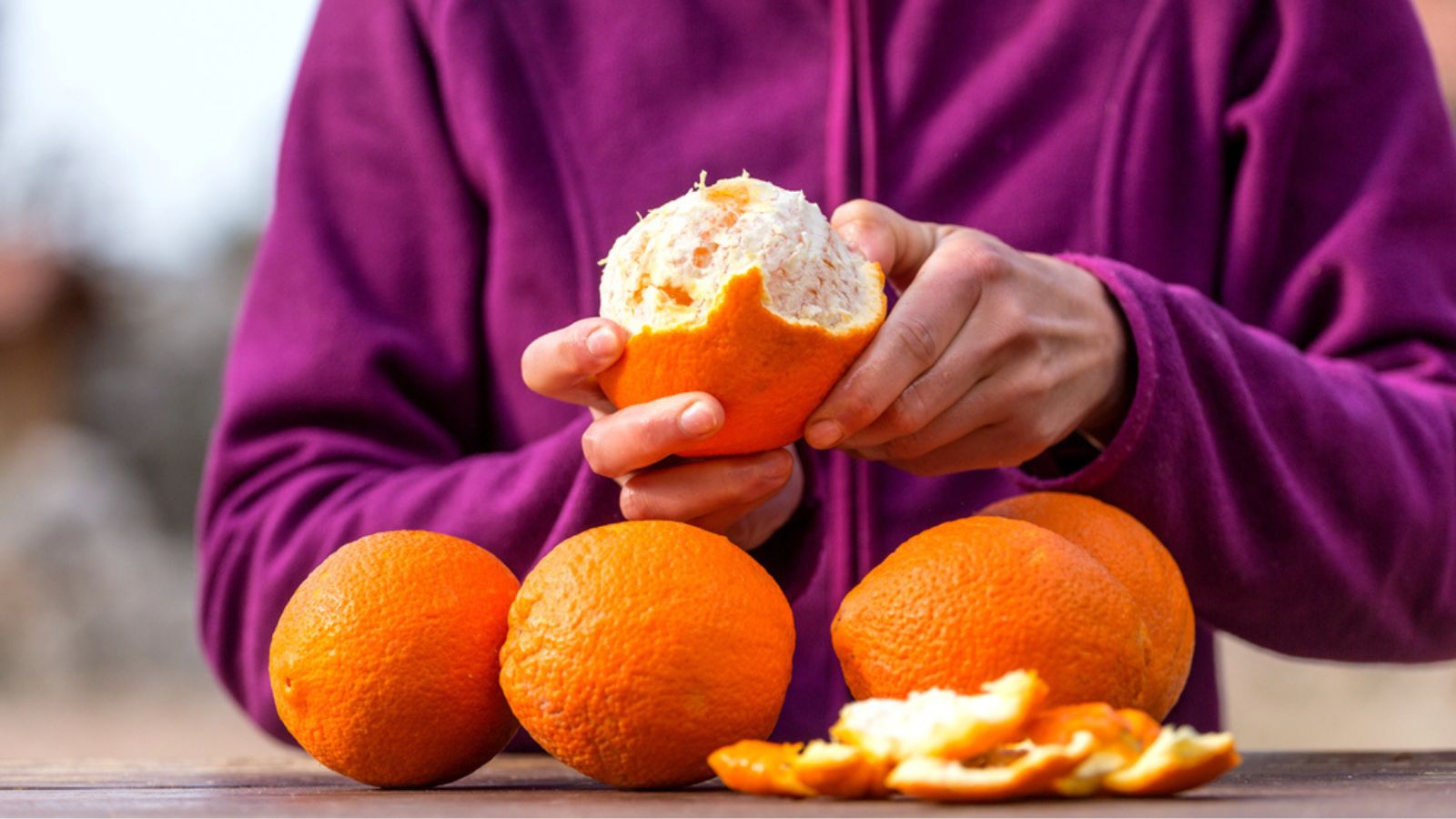
Image Credit: Deposit Photos.
Winter is peak season for citrus fruits like oranges, grapefruits, lemons, and clementines. They are famously high in vitamin C, a vital antioxidant that helps strengthen the immune system and protect cells from damaging free radicals.
Citrus fruits also contain flavonoids, which contribute to their anti-inflammatory effects. Enjoying these fruits during the winter can help you ward off seasonal illnesses.
- Why it’s great: Excellent source of vitamin C and flavonoids, which reduce inflammation and boost immune function.
- Growing tips: Dwarf citrus trees can be grown in large pots and brought indoors to a sunny window during the winter months.
- How to use it: Eat them fresh for a simple snack, squeeze the juice over fish or into dressings, or use the zest to add bright flavor to baked goods.
9. Winter Squash

Image Credit: Shutterstock.
Varieties like butternut, acorn, and spaghetti squash are delicious, versatile, and also loaded with antioxidants. The orange and yellow pigments indicate a high concentration of carotenoids, such as alpha-carotene and beta-carotene, which have strong anti-inflammatory properties.
Winter squash is also an excellent source of fiber, which supports a healthy gut microbiome, a key factor in regulating inflammation.
- Why it’s great: Rich in carotenoids and fiber, which helps reduce inflammation and promote digestive health.
- Growing tips: Plant seeds in late spring or early summer. These sprawling vines need plenty of space. Harvest in the fall before the first hard frost, and store in a cool, dry place to enjoy all winter.
- How to use it: Roast butternut squash for a creamy soup, stuff acorn squash with quinoa and vegetables, or use spaghetti squash as a low-carb pasta substitute.
10. Parsnips
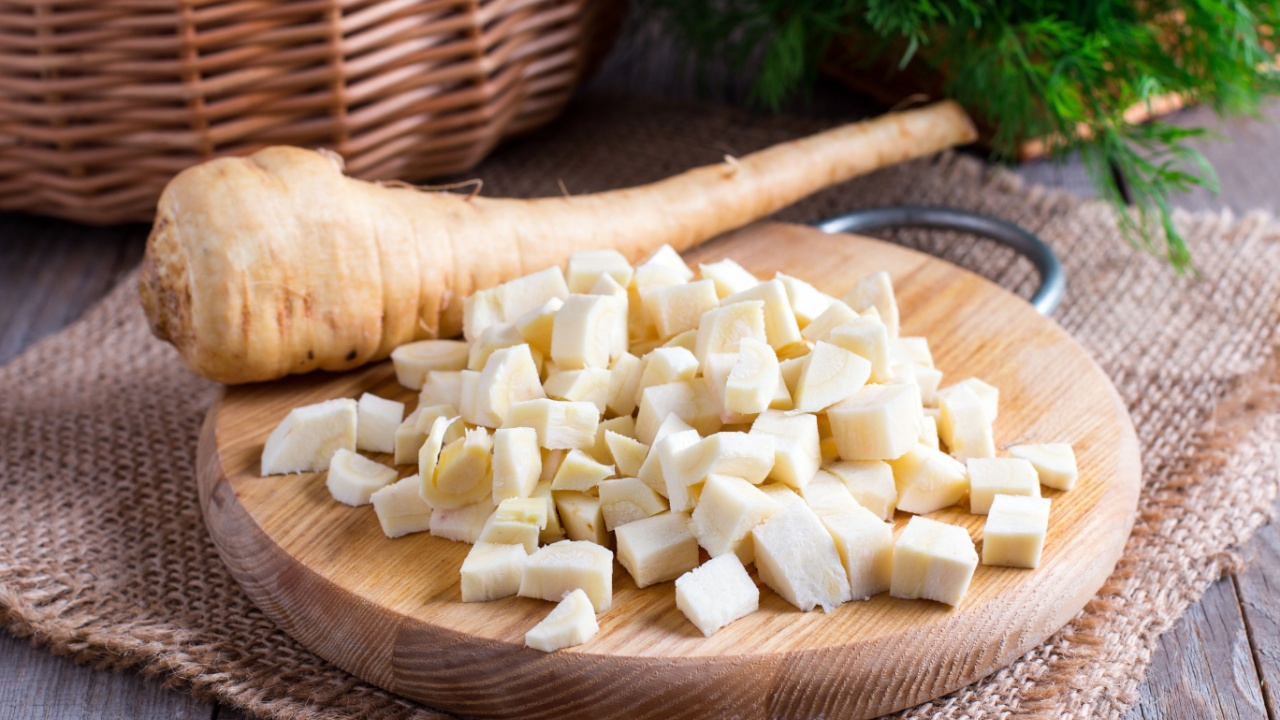
Image Credit: Shutterstock.
This sweet, earthy root vegetable is a lesser-known winter hero. Parsnips are a great source of vitamin C, vitamin K, and folate, but their real anti-inflammatory power comes from their high fiber content and unique antioxidants.
They contain falcarinol, a natural pesticide that has been studied for its anti-inflammatory and anti-cancer effects.
- Why it’s great: High in soluble fiber, which is beneficial for gut health and reducing systemic inflammation.
- Growing tips: Sow parsnip seeds in the spring. They have a long growing season and, like carrots, their flavor is enhanced by a few frosts. Leave them in the ground and harvest as needed.
- How to use it: Roast them with carrots and herbs, mash them with potatoes for a sweet and savory side, or puree them into a creamy winter soup.
11. Carrots
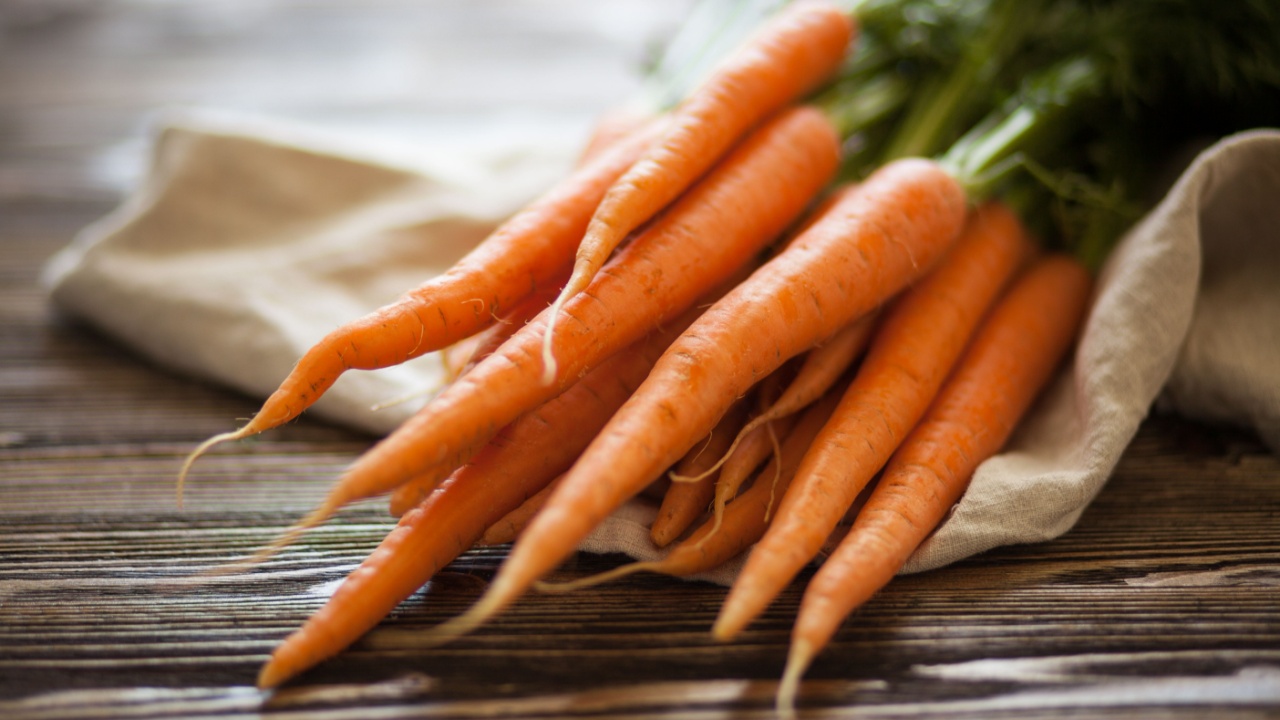
Image Credit: Shutterstock.
Carrots are a classic garden staple for good reason. They are one of the best sources of beta-carotene, an antioxidant that helps fight inflammation.
The body converts beta-carotene into vitamin A, which is essential for immune function. Winter-harvested carrots are often sweeter and crunchier, making them a delightful and healthy addition to your cold-weather diet.
- Why it’s great: Packed with beta-carotene and other antioxidants that combat cellular damage.
- Growing tips: Plant carrots in late summer for a fall and winter harvest. In many climates, they can be left in the ground and pulled as needed, with mulch for protection.
- How to use it: Enjoy them raw as a snack, shred them into salads, roast them to bring out their sweetness, or blend them into a warming soup.
12. Onions and Garlic
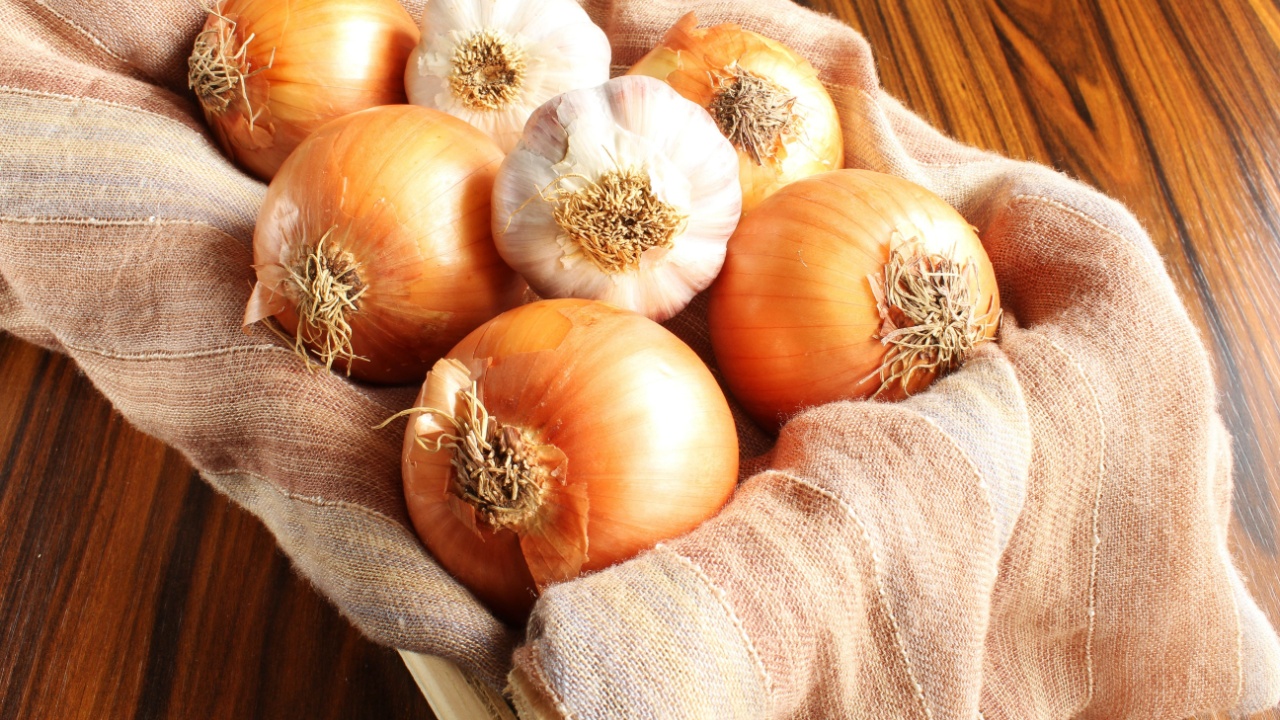
Image Credit: Shutterstock.
These flavorful alliums are foundational ingredients in cuisines around the world, and they’re also packed with health benefits.
Both are rich in sulfur compounds and antioxidants like quercetin, which has powerful anti-inflammatory and antihistamine effects. These compounds can inhibit the activity of inflammatory enzymes in the body.
- Why it’s great: contains quercetin and sulfur compounds that have been shown to reduce inflammation and boost the immune system.
- Growing tips: Plant garlic cloves in the fall for a harvest the following summer. Plant onion sets or seeds in early spring.
- How to use it: Use them as a flavor base for nearly any savory dish, from soups and stews to stir-fries and roasts. Roasting garlic whole makes it sweet and spreadable.
Embrace Winter Wellness with These Superfoods
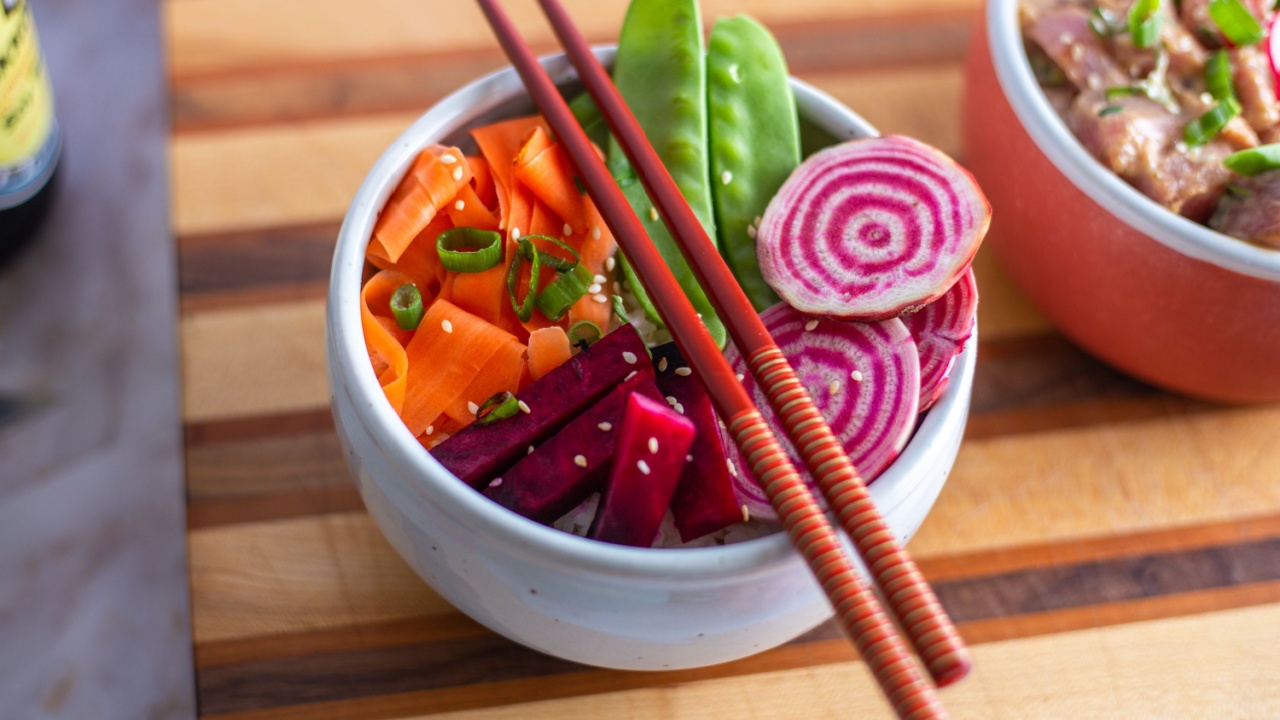
Image Credit: Shutterstock.
Incorporating these 12 superfoods into your winter meals is a delicious and effective way to support your body’s health and reduce inflammation. Whether you grow them in your own garden or find them at the local market, embracing these seasonal powerhouses can help you feel your best all winter long. For more tips on growing your own healthy food, explore our other gardening guides.