
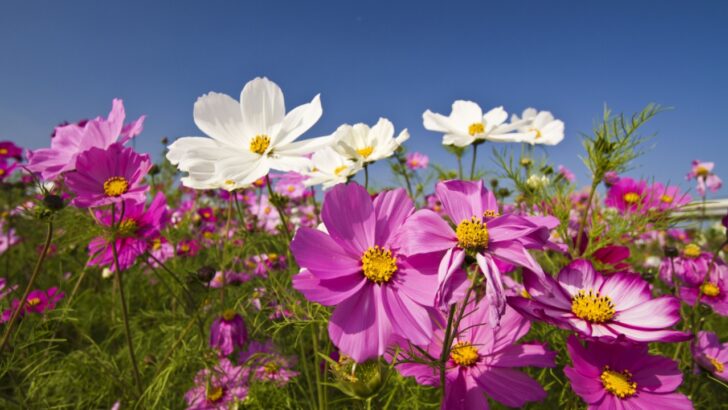
Adding wildflowers to your garden is one of the easiest ways to create a vibrant, low-maintenance, pollinator-friendly space. Wildflowers enhance biodiversity, provide critical nectar and pollen resources, and can thrive with minimal intervention.
Whether you’re a seasoned gardener or a beginner, these 23 wildflowers will grow effortlessly and attract an array of bees, butterflies, and hummingbirds.
1. Bee Balm (Monarda spp.)
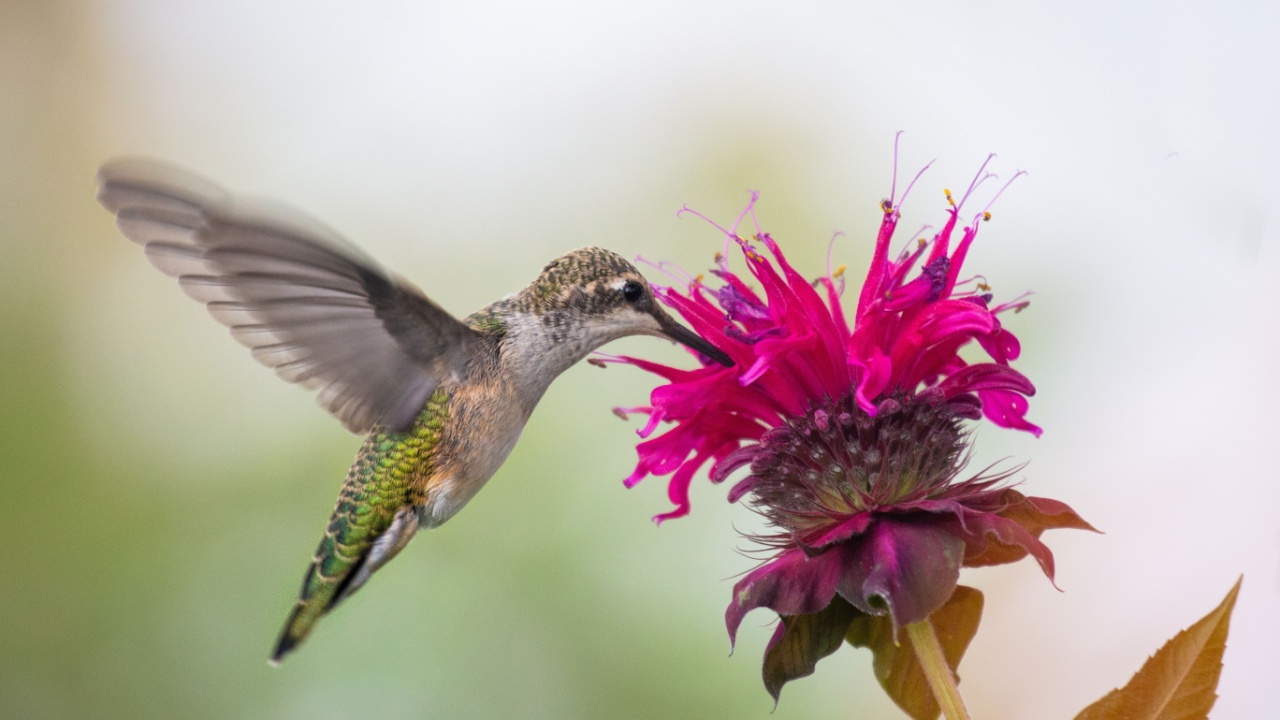
Image Credit: Shutterstock.
Bee balm is highly popular among bees, butterflies, and hummingbirds due to its aromatic flowers that bloom in shades of red, pink, purple, and white.
Care Tips
- Hardiness Zones: 3–9
- Sunlight: Full sun to partial shade
- Watering: Thrives in moist, well-drained soil; water regularly during dry spells.
- Maintenance: Space plants 18–24 inches apart to improve air circulation and prevent powdery mildew. Deadheading fading blooms encourages extended flowering.
Pollinators Attracted: Honeybees, bumblebees, butterflies, and hummingbirds.
2. Black-Eyed Susan (Rudbeckia hirta)
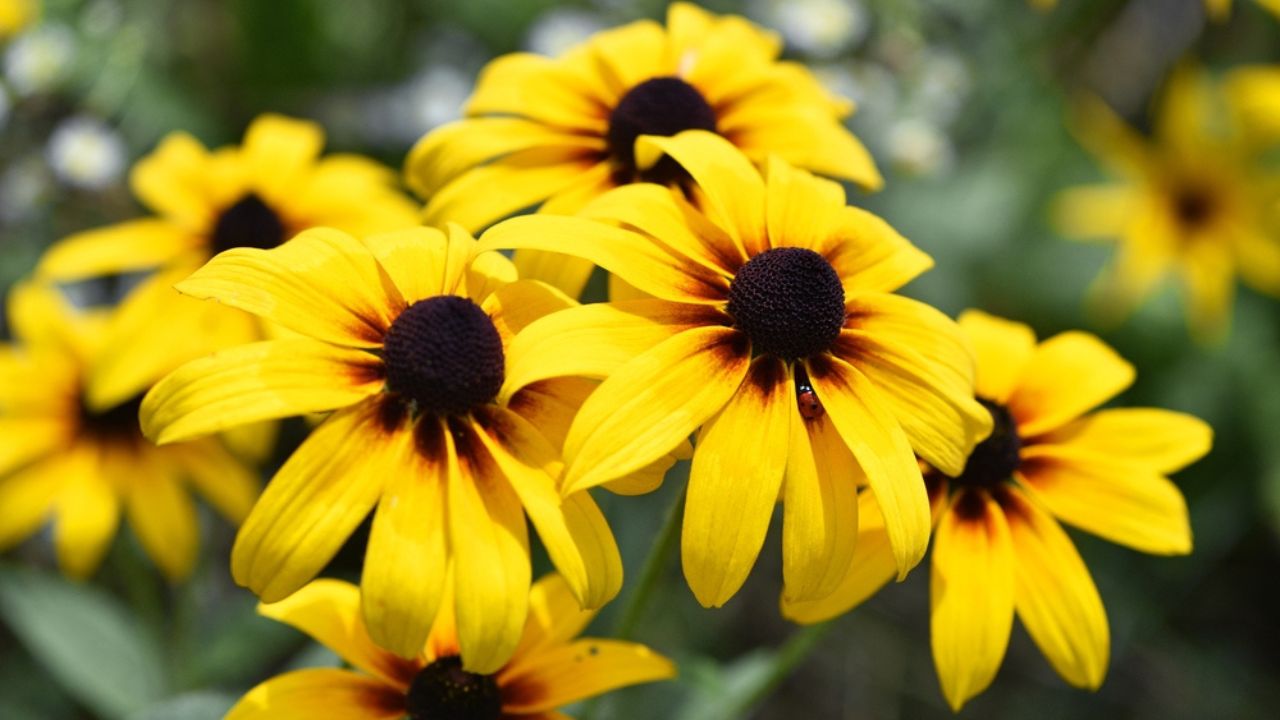
Image Credit: Shutterstock.
With its bright yellow, daisy-like petals, Black-Eyed Susan is a cheery addition to gardens while offering sustenance to butterflies and bees.
Care Tips
- Hardiness Zones: 3–9
- Sunlight: Full sun
- Watering: Requires moderate watering and adapts to most soil types.
- Maintenance: Remove spent flowers to promote continuous blooms through late summer.
Pollinators Attracted: Bees, butterflies, and native wasps.
3. Purple Coneflower (Echinacea purpurea)
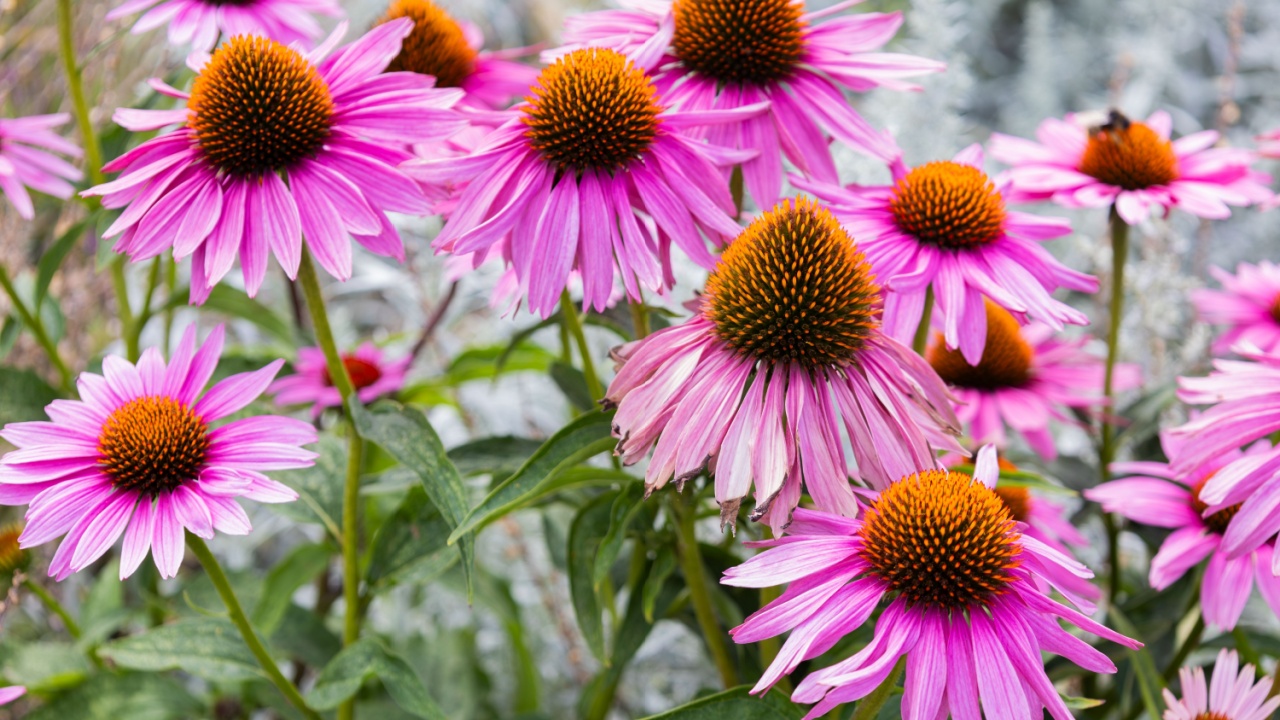
Image Credit: Shutterstock.
Purple coneflower is a standout in pollinator gardens thanks to its nectar-rich blooms and resistance to drought conditions.
Care Tips
- Hardiness Zones: 3–8
- Sunlight: Full sun to light shade
- Watering: Tolerates dry soil but should be watered during prolonged droughts.
- Maintenance: Deadhead regularly to extend the blooming period, and divide clumps every 3–4 years to maintain plant vigor.
Pollinators Attracted: Butterflies, bees, and goldfinches, which feed on the seeds.
4. Goldenrod (Solidago spp.)
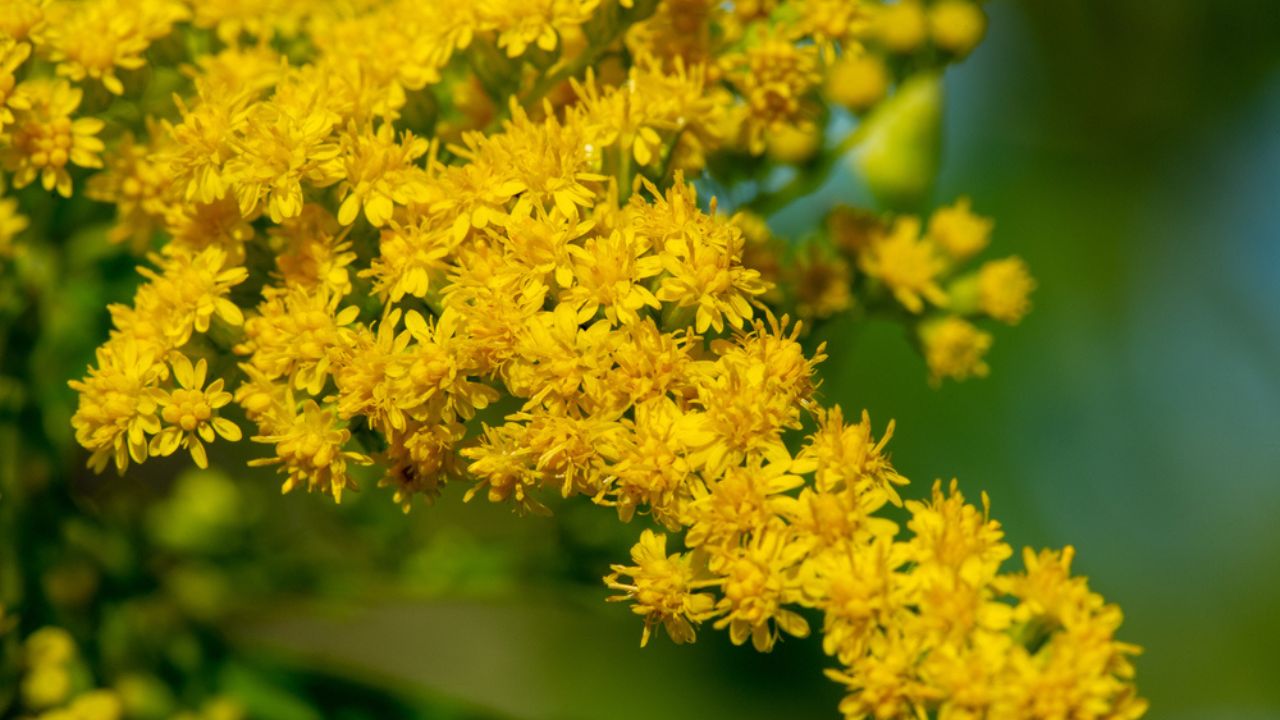
Image Credit: Shutterstock.
This late-blooming wildflower brightens the garden with its golden clusters and supports a diverse range of pollinators. Check with your local extension office to ensure this plant isn’t too aggressive in you’re region.
Care Tips
- Hardiness Zones: 3–9
- Sunlight: Full sun
- Watering: Prefers well-drained soil and tolerates dry conditions.
- Maintenance: Cut down stems after flowering to control spreading.
Pollinators Attracted: Butterflies, native bees, and hummingbirds.
5. Blanket Flower (Gaillardia spp.)
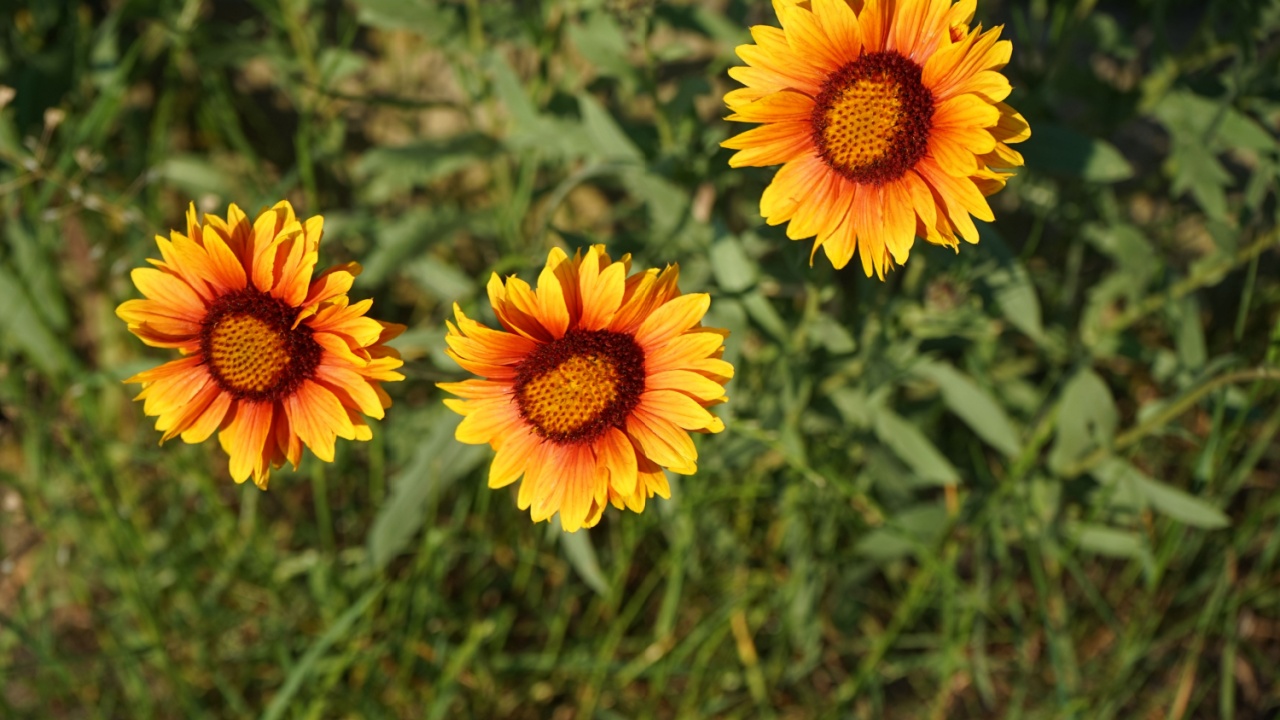
Image Credit: Shutterstock.
With its fiery red and yellow blooms, blanket flower is a heat-resistant, long-blooming perennial. For this flower too, check with your local extension office to ensure this plant isn’t too aggressive in you’re region.
Care Tips
- Hardiness Zones: 3–10
- Sunlight: Full sun
- Watering: Requires minimal watering after establishment.
- Maintenance: Deadhead to extend the flowering season, and cut back to the ground in late fall.
Pollinators Attracted: Butterflies, native bees, and moths.
6. Milkweed (Asclepias spp.)

Image Credit: Depositphotos.com.
Essential for monarch butterflies, milkweed serves as a larval host plant and an abundant nectar source for adult butterflies.
Care Tips
- Hardiness Zones: 3–11 (varies by species)
- Sunlight: Full sun
- Watering: Needs well-drained soil and is drought-tolerant once established.
- Maintenance: Avoid removing milkweed stems, as they often house overwintering monarch chrysalises.
Pollinators Attracted: Monarch butterflies, honeybees, and hummingbirds.
7. Lupine (Lupinus spp.)
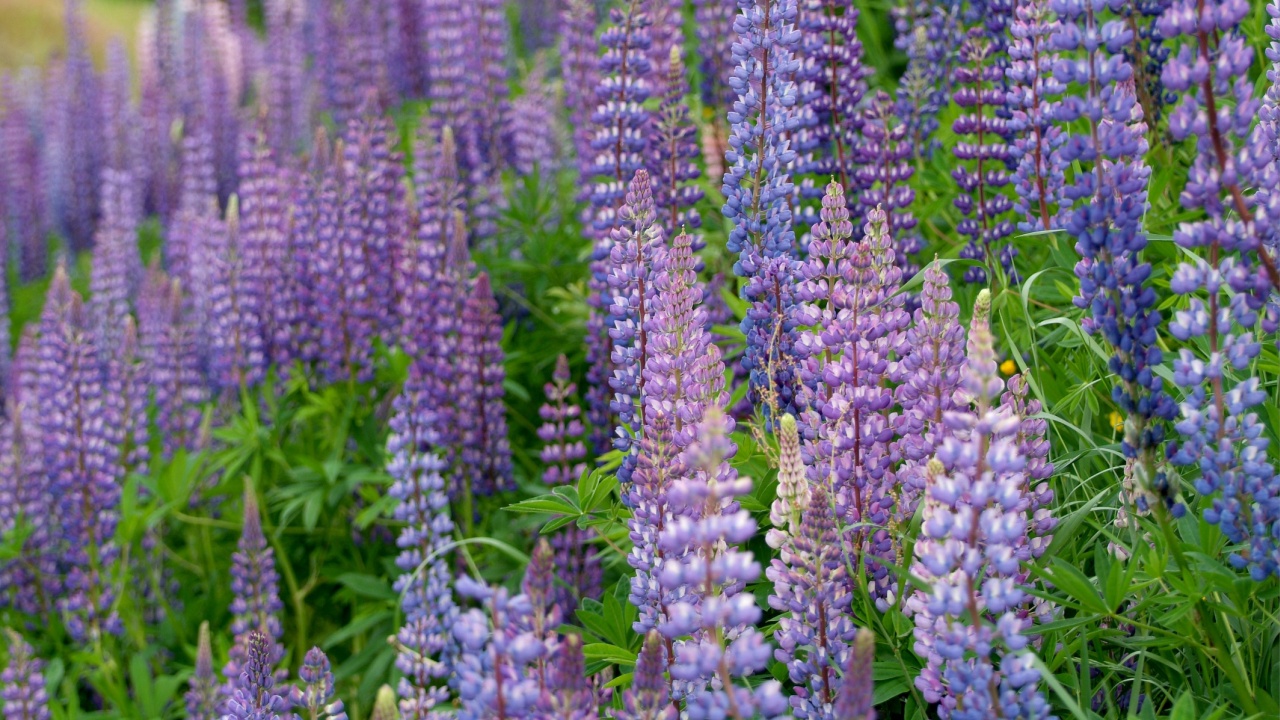
Image Credit: Shutterstock.
Lupines produce tall spikes of pea-shaped flowers in vibrant shades of blue, purple, and pink, providing food and shelter for pollinators.
Care Tips
- Hardiness Zones: 4–8
- Sunlight: Full sun to partial shade
- Watering: Prefers slightly acidic, sandy soil; keep moist but not waterlogged.
- Maintenance: Cut back stalks once seeds develop to encourage more blooms.
Pollinators Attracted: Bumblebees and butterflies.
8. Foxglove (Digitalis purpurea)
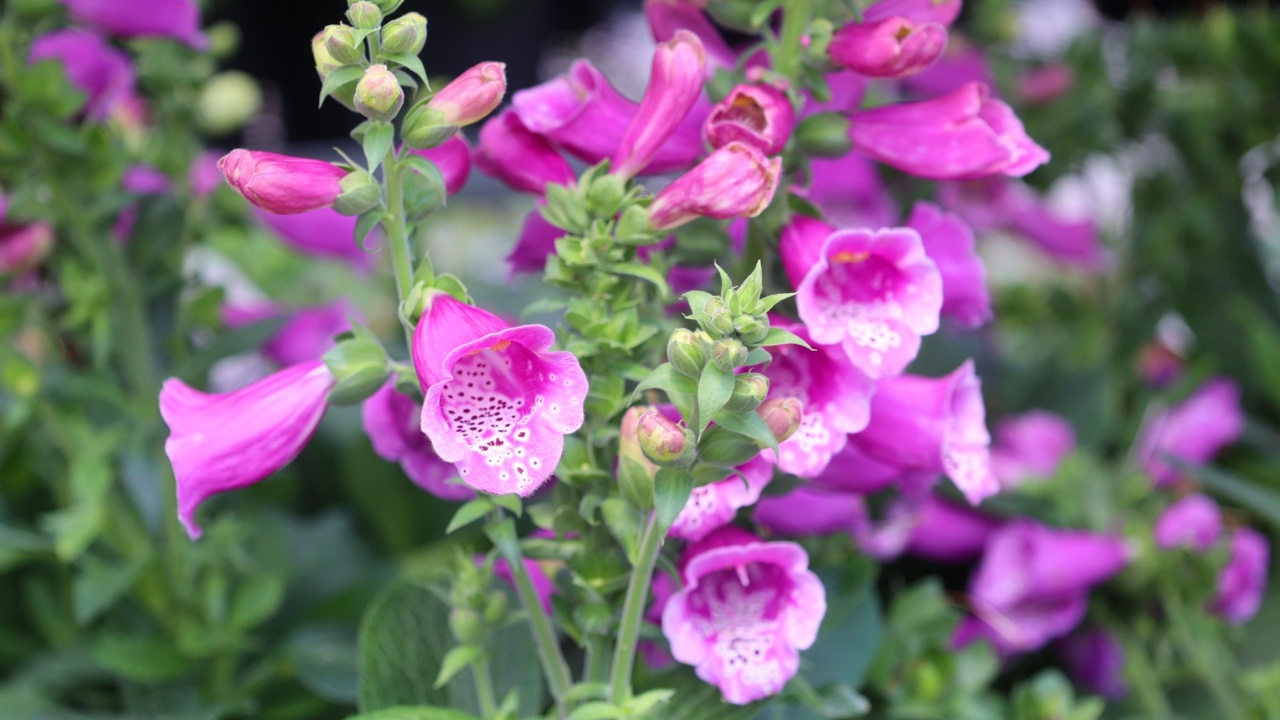
Image Credit: Shutterstock.
This striking biennial with tubular blooms is beloved by pollinators for its nectar-rich flowers. Warning: this flower is toxic to humans and pets.
Care Tips:
- Hardiness Zones: 4–10
- Sunlight: Full sun to partial shade
- Watering: Thrives in evenly moist, well-drained soil.
- Maintenance: Allow seedheads to form to ensure self-seeding.
Pollinators Attracted: Bumblebees and hummingbirds.
9. Coreopsis (Coreopsis spp.)
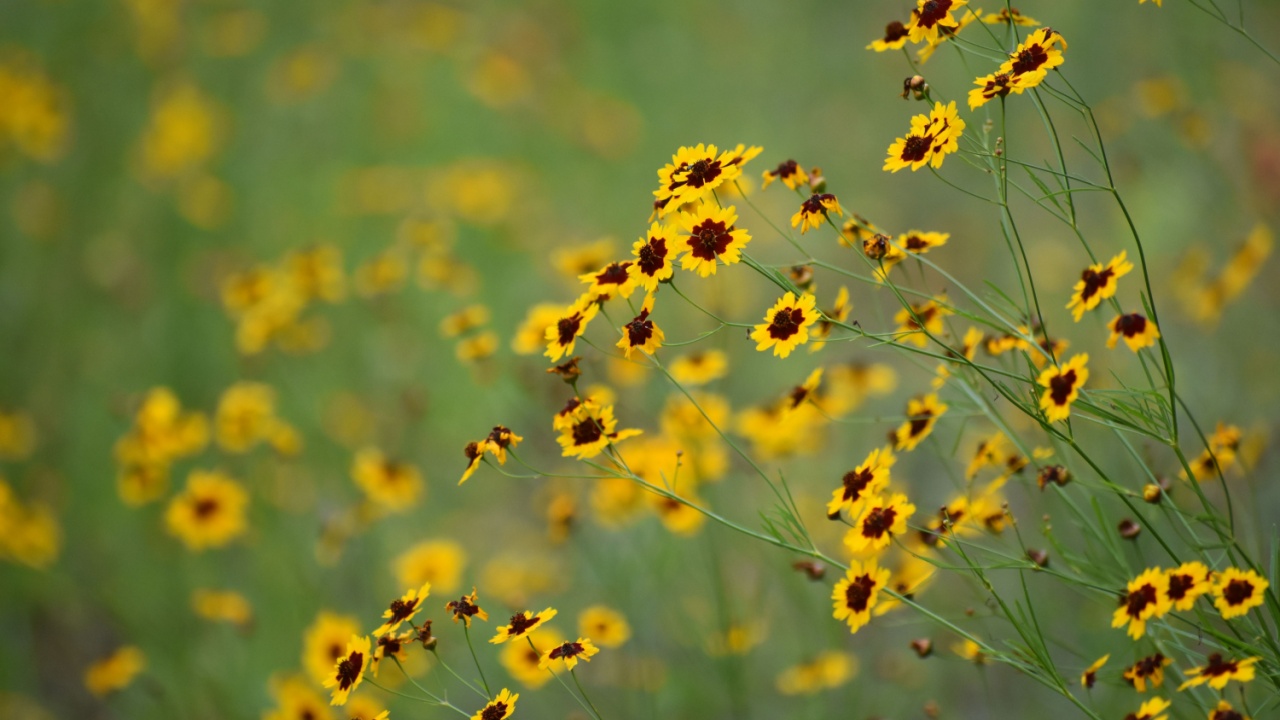
Image Credit: Shutterstock.
Coreopsis offers vibrant yellow, orange, or pink blooms that attract pollinators while resisting drought conditions.
Care Tips
- Hardiness Zones: 4–9
- Sunlight: Full sun
- Watering: Requires little water once established.
- Maintenance: Deadhead faded flowers regularly, and cut plants back in late summer to promote additional blooms.
Pollinators Attracted: Bees, butterflies, and moths.
10. Asters (Aster spp.)
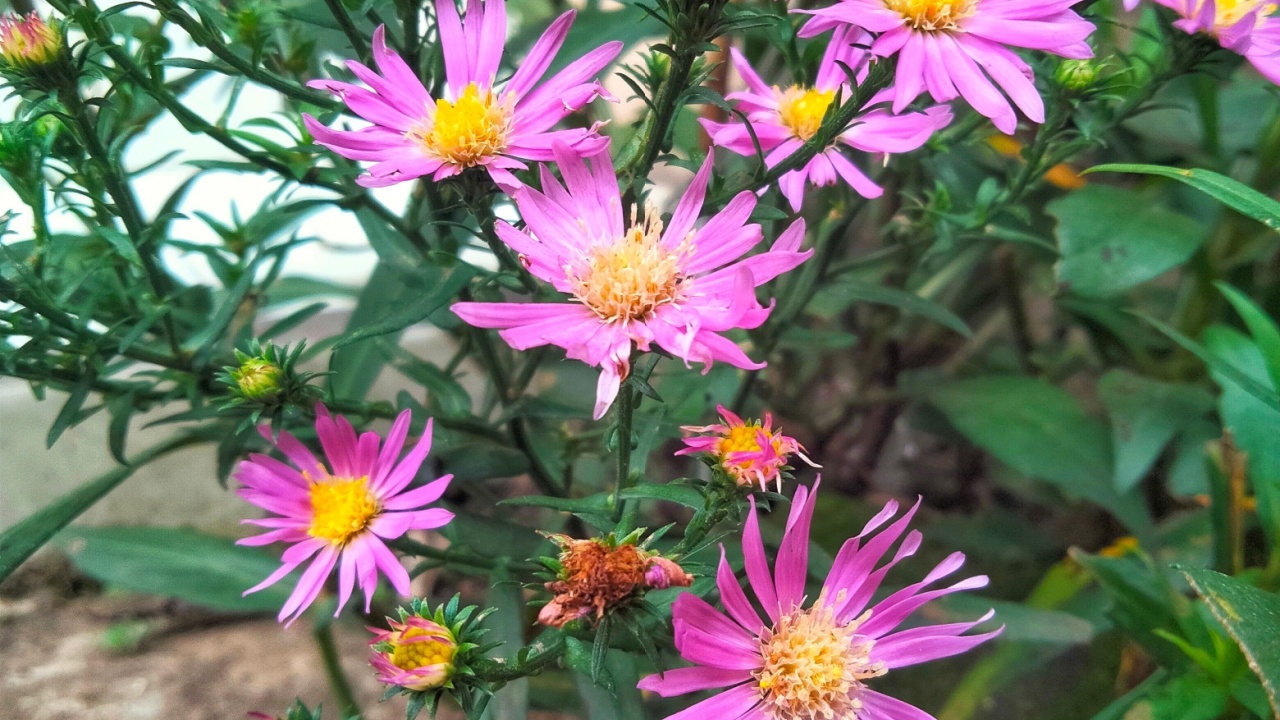
Image Credit: Shutterstock.
Asters add late-season color to the garden while providing nectar for pollinators preparing for colder months.
Care Tips
- Hardiness Zones: 3–8
- Sunlight: Full sun
- Watering: Keep soil consistently moist; mulch to retain water.
- Maintenance: Divide every 2–3 years to maintain healthy growth.
Pollinators Attracted: Butterflies, honeybees, and hoverflies.
11. California Poppy (Eschscholzia californica)
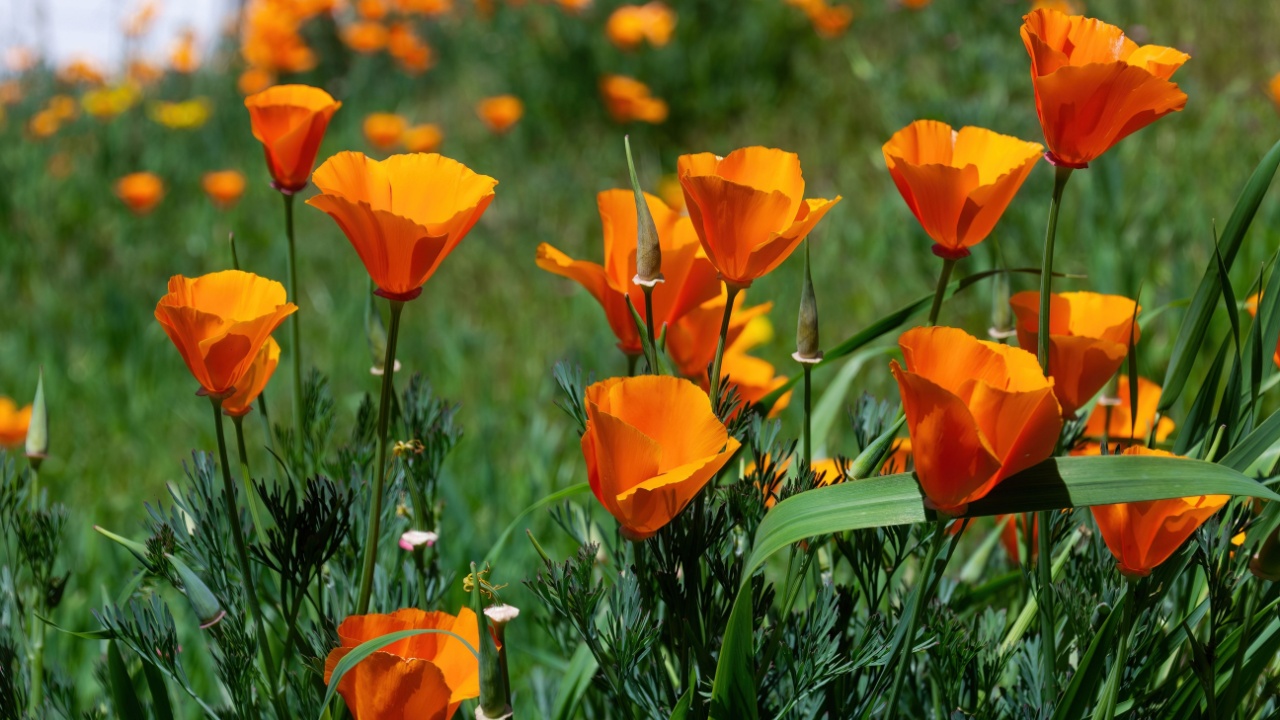
Image Credit: Shutterstock.
This vibrant annual boasts delicate orange and yellow blooms that brighten any garden.
Care Tips
- Hardiness Zones: 6–11
- Sunlight: Full sun
- Watering: Thrives in well-drained, sandy soil; requires little irrigation.
- Maintenance: Deadhead spent blooms to encourage continuous flowering.
Pollinators Attracted: Bees and hoverflies.
12. Yarrow (Achillea millefolium)
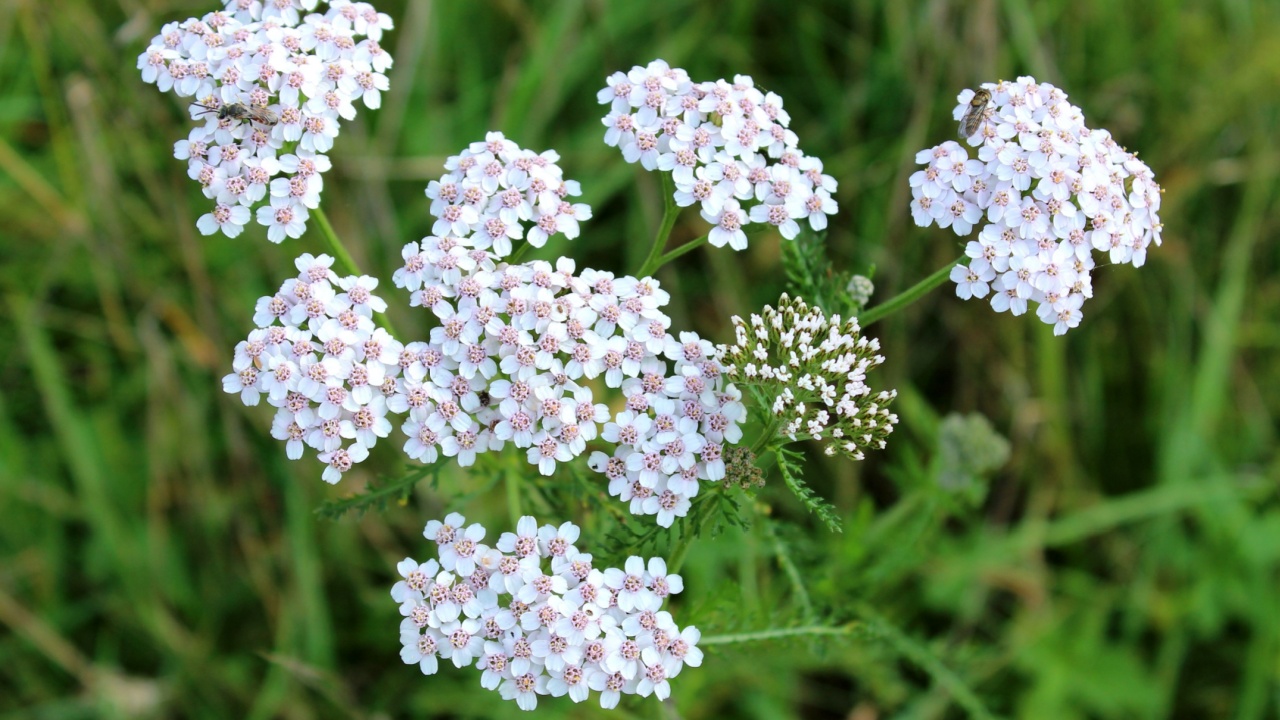
Image Credit: Shutterstock.
Yarrow thrives in various conditions, producing umbrella-like blooms that attract pollinators throughout summer and fall.
Care Tips
- Hardiness Zones: 3–9
- Sunlight: Full sun
- Watering: Drought-tolerant; requires minimal watering.
- Maintenance: Cut back stems after flowering to promote a second bloom cycle.
Pollinators Attracted: Butterflies, bees, and beetles.
13. Sweet Alyssum (Lobularia maritima)
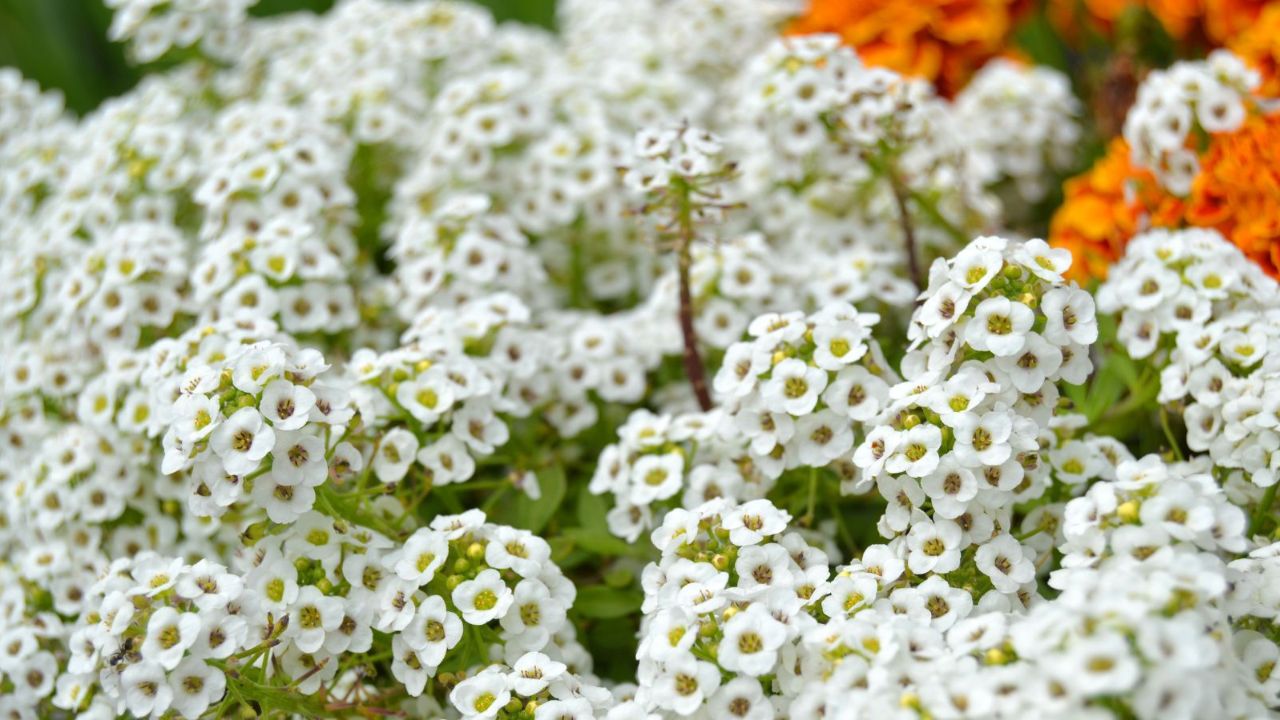
Image Credit: Depositphotos.com.
Sweet alyssum creates dense clusters of fragrant blooms that attract small pollinators like hoverflies and bees.
Care Tips
- Hardiness Zones: 5–9
- Sunlight: Full sun to partial shade
- Watering: Tolerates dry soil but thrives with consistent watering.
- Maintenance: Deadhead regularly to prolong blooming and maintain neat edges.
Pollinators Attracted: Hoverflies and honeybees.
14. Wild Bergamot (Monarda fistulosa)
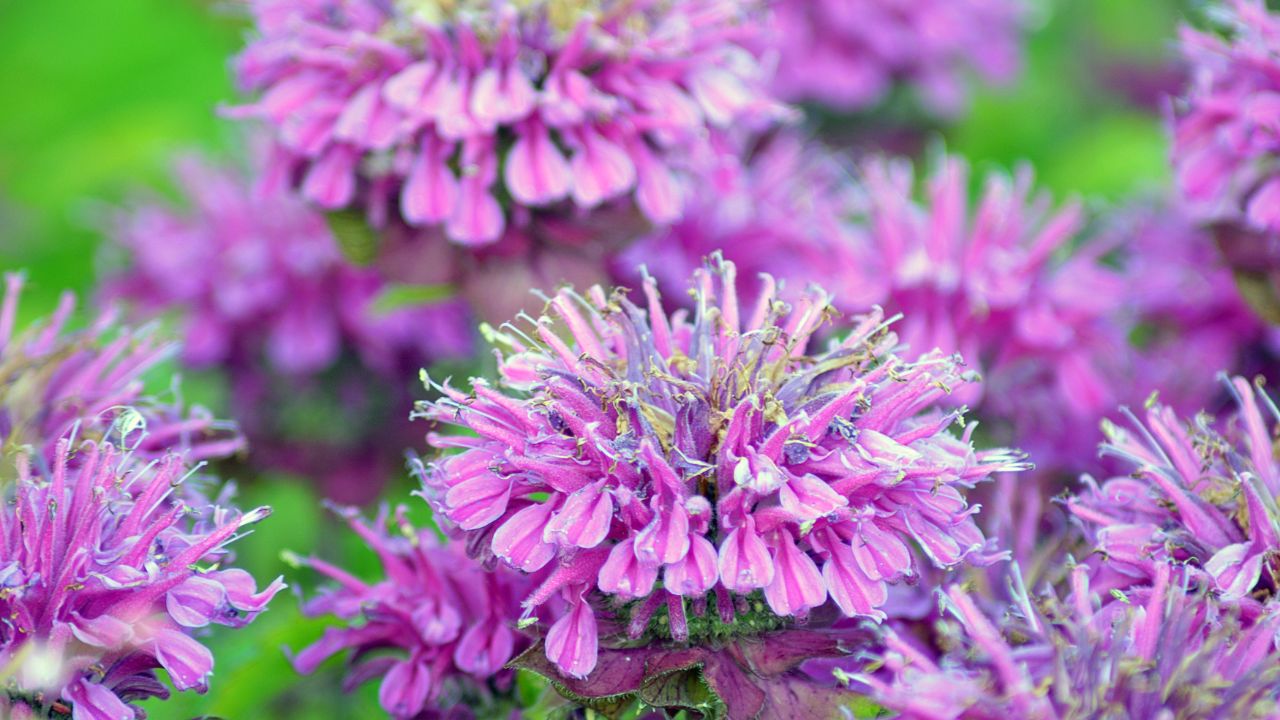
Image Credit: Shutterstock.
This native wildflower is highly aromatic and produces lavender-pink blooms that are magnets for pollinators.
Care Tips
- Hardiness Zones: 3–9
- Sunlight: Full sun to partial shade
- Watering: Prefers well-drained, loamy soil; water during prolonged dry periods.
- Maintenance: Prune spent flowers to keep plants looking fresh.
Pollinators Attracted: Bees, butterflies, and hummingbirds.
15. Heliotrope (Heliotropium arborescens)
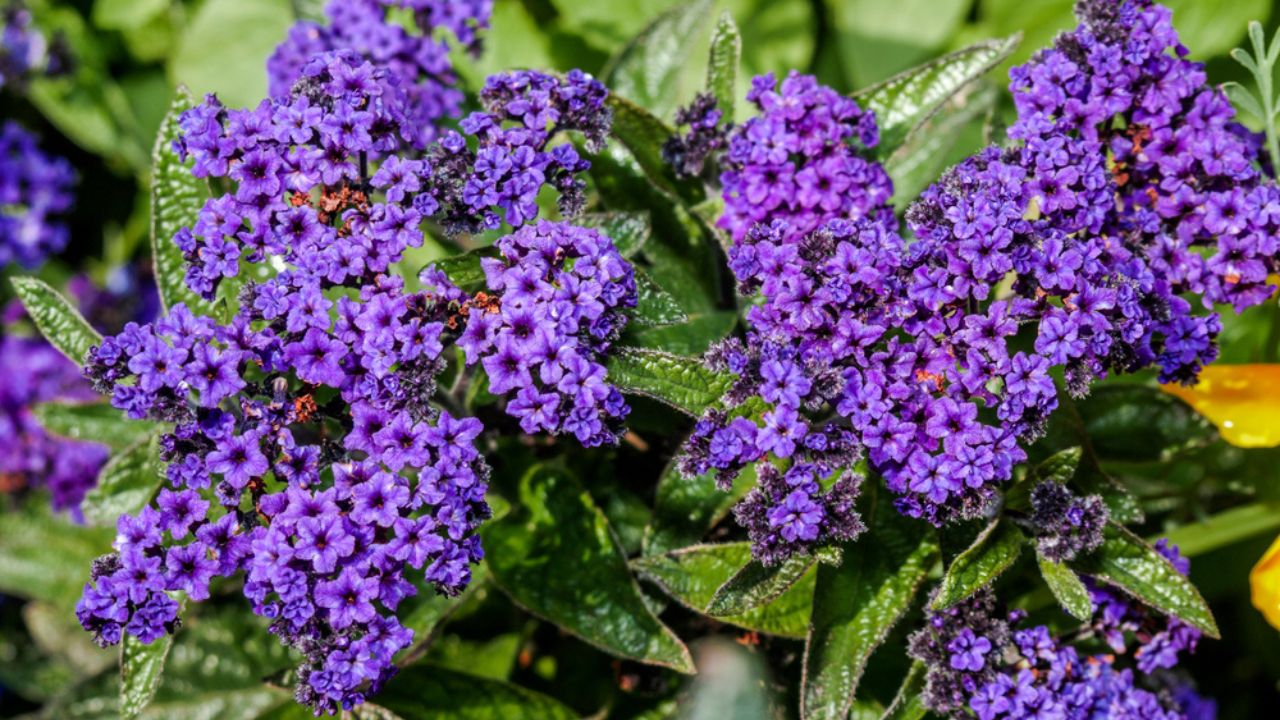
Image Credit: Shutterstock.
Known for its sweet vanilla-like fragrance, heliotrope produces clusters of deep purple flowers.
Care Tips
- Hardiness Zones: 9–11
- Sunlight: Full sun to partial shade
- Watering: Prefers consistently moist soil; avoid letting it dry out.
- Maintenance: Pinch off spent blooms to encourage continuous flowering.
Pollinators Attracted: Butterflies and bees.
16. Candytuft (Iberis sempervirens)
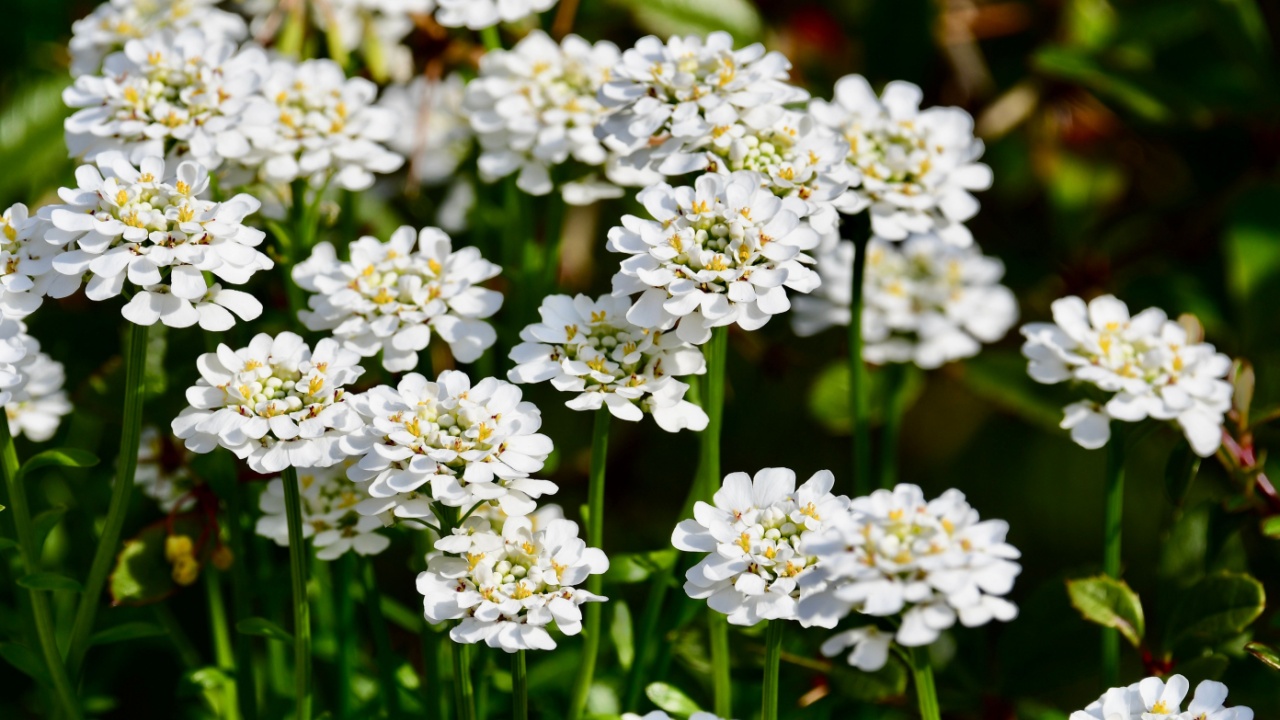
Image Credit: Shutterstock.
This evergreen perennial creates carpets of white flowers in spring, perfect for attracting early-season pollinators.
Care Tips
- Hardiness Zones: 4–8
- Sunlight: Full sun
- Watering: Tolerates drought but benefits from occasional supplemental watering.
- Maintenance: Prune after flowering to encourage compact growth.
Pollinators Attracted: Bees and butterflies.
17. Blazing Star (Liatris spicata)
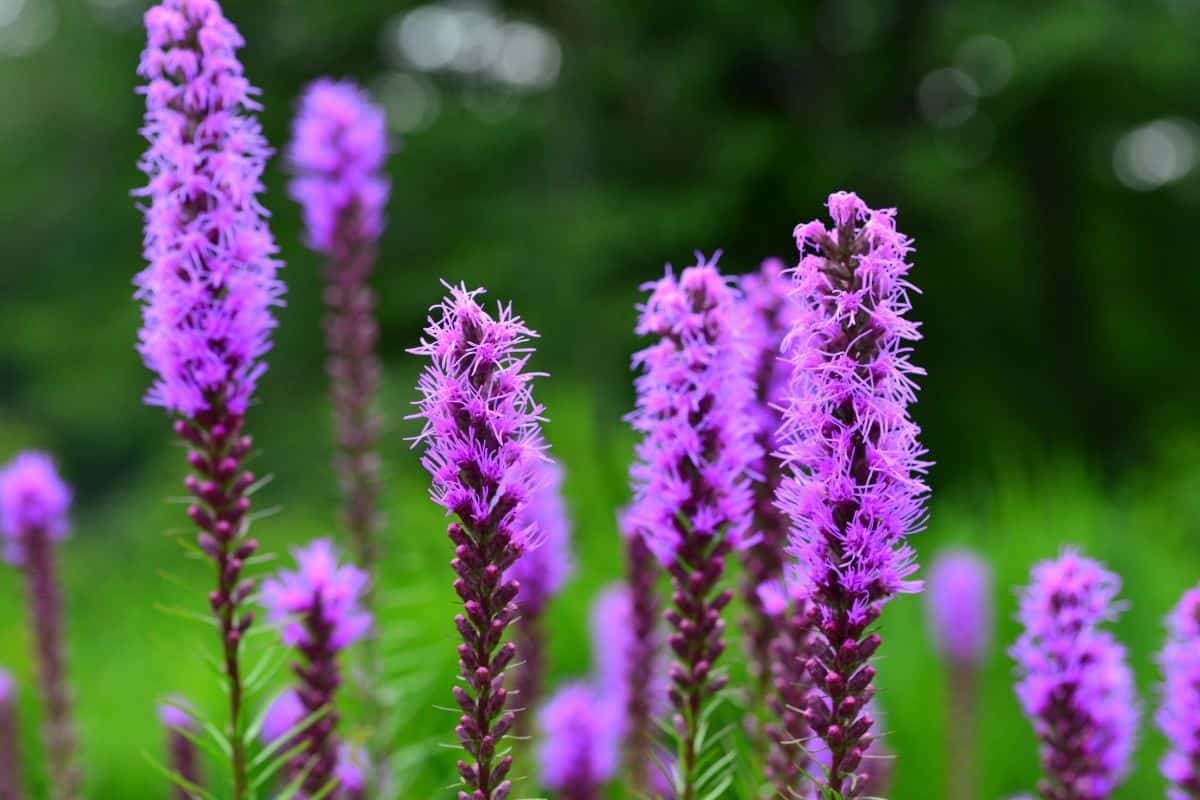
Image Credit: Shutterstock.
The tall, spiky blooms of blazing star add dramatic flair to the garden and lure an array of pollinators.
Care Tips
- Hardiness Zones: 3–8
- Sunlight: Full sun
- Watering: Requires well-drained soil; water moderately.
- Maintenance: Mulch around plants to retain moisture during hot weather.
Pollinators Attracted: Butterflies, bees, and hummingbirds.
18. Snapdragon (Antirrhinum majus)
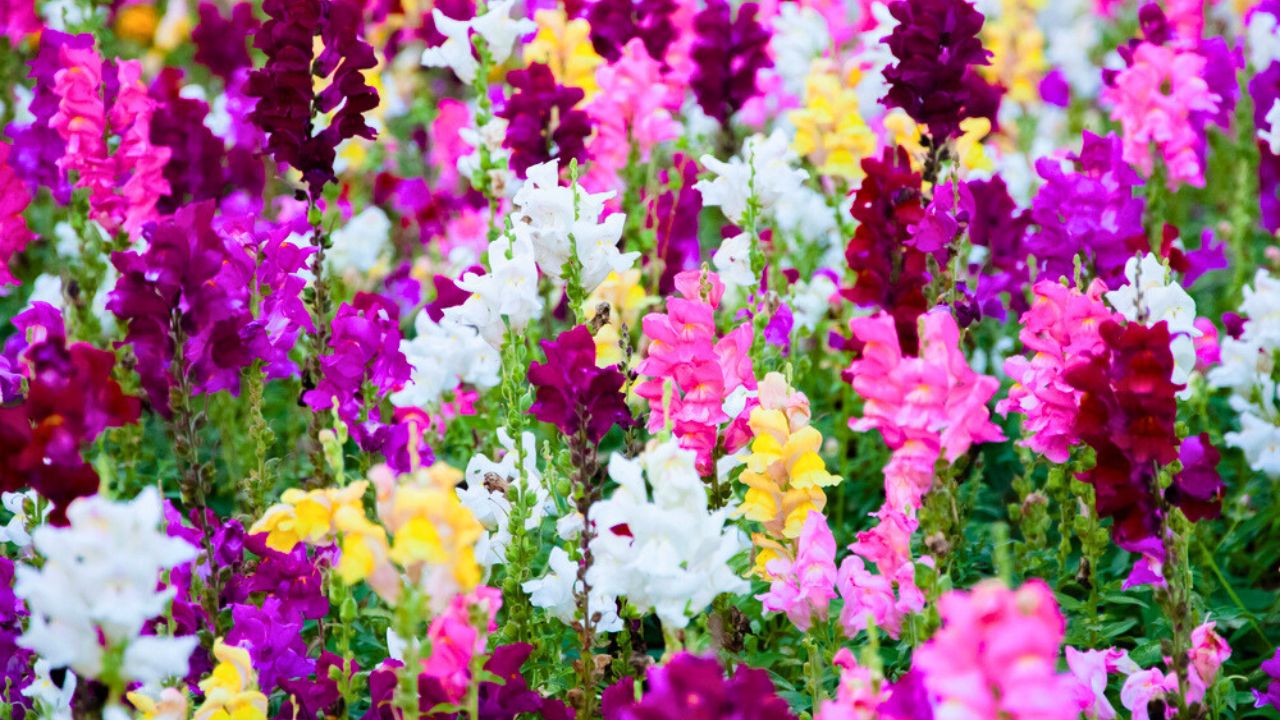
Image Credit: Shutterstock.
Snapdragons offer bright, tubular blossoms that provide nectar for long-tongued pollinators.
Care Tips
- Hardiness Zones: 7–10
- Sunlight: Full sun
- Watering: Prefers evenly moist, nutrient-rich soil.
- Maintenance: Remove faded flowers to encourage continuous blooming.
Pollinators Attracted: Bees and hummingbirds.
19. Columbine (Aquilegia spp.)
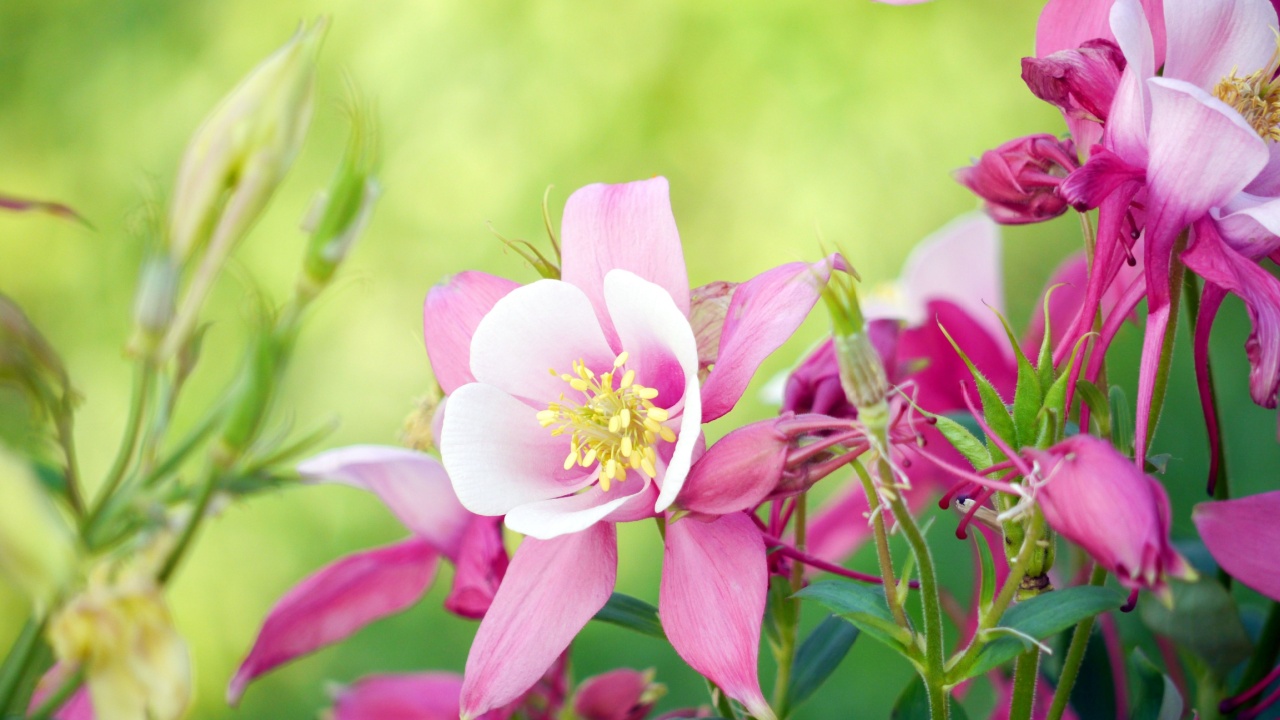
Image Credit: Shutterstock.
Columbine’s delicate blooms attract nectar-seeking pollinators and add whimsy to your garden.
Care Tips
- Hardiness Zones: 3–9
- Sunlight: Partial shade to full sun
- Watering: Keep soil evenly moist; benefits from a layer of mulch in dry climates.
- Maintenance: Allow natural reseeding for a self-perpetuating display.
Pollinators Attracted: Hummingbirds and butterflies.
20. Poppies (Papaver spp.)
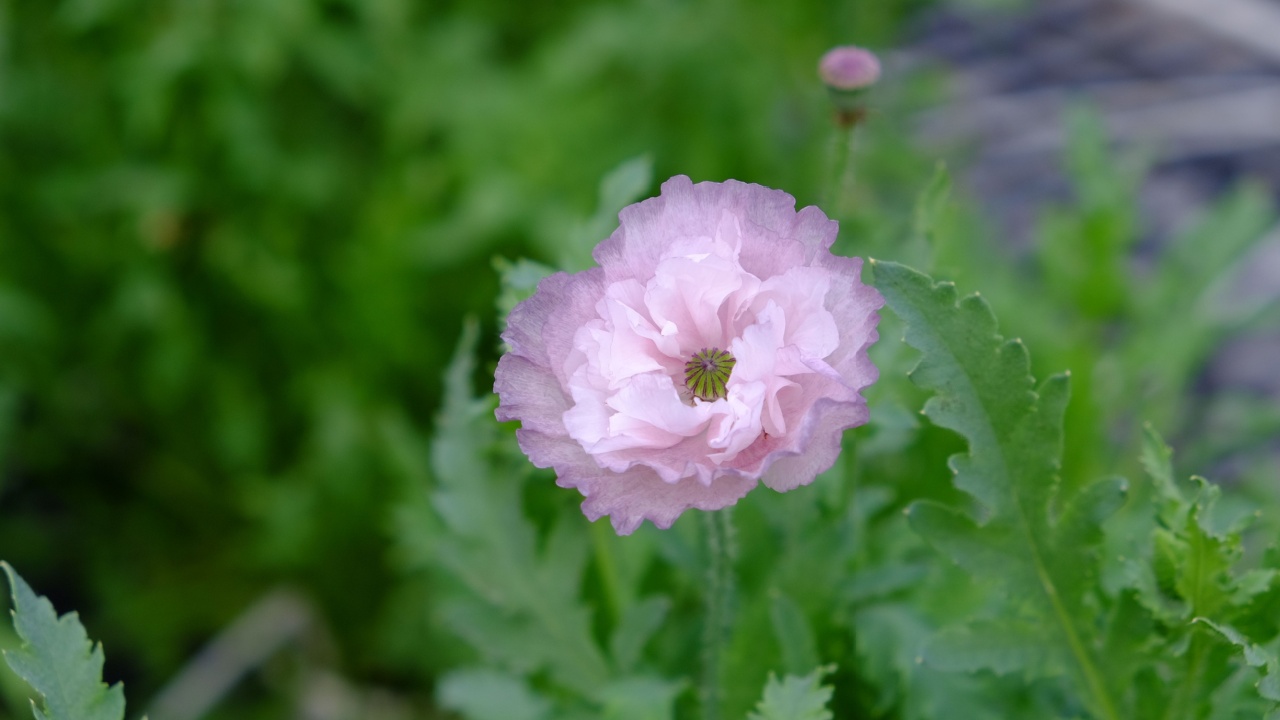
Image Credit: Shutterstock.
Poppies make a bold statement with their large, colorful petals and provide food for many types of pollinators.
Care Tips
- Hardiness Zones: 4–9
- Sunlight: Full sun
- Watering: Requires well-drained soil with moderate watering.
- Maintenance: Deadhead regularly to promote additional bloom cycles.
Pollinators Attracted: Bees and hoverflies.
21. Cosmos (Cosmos bipinnatus)
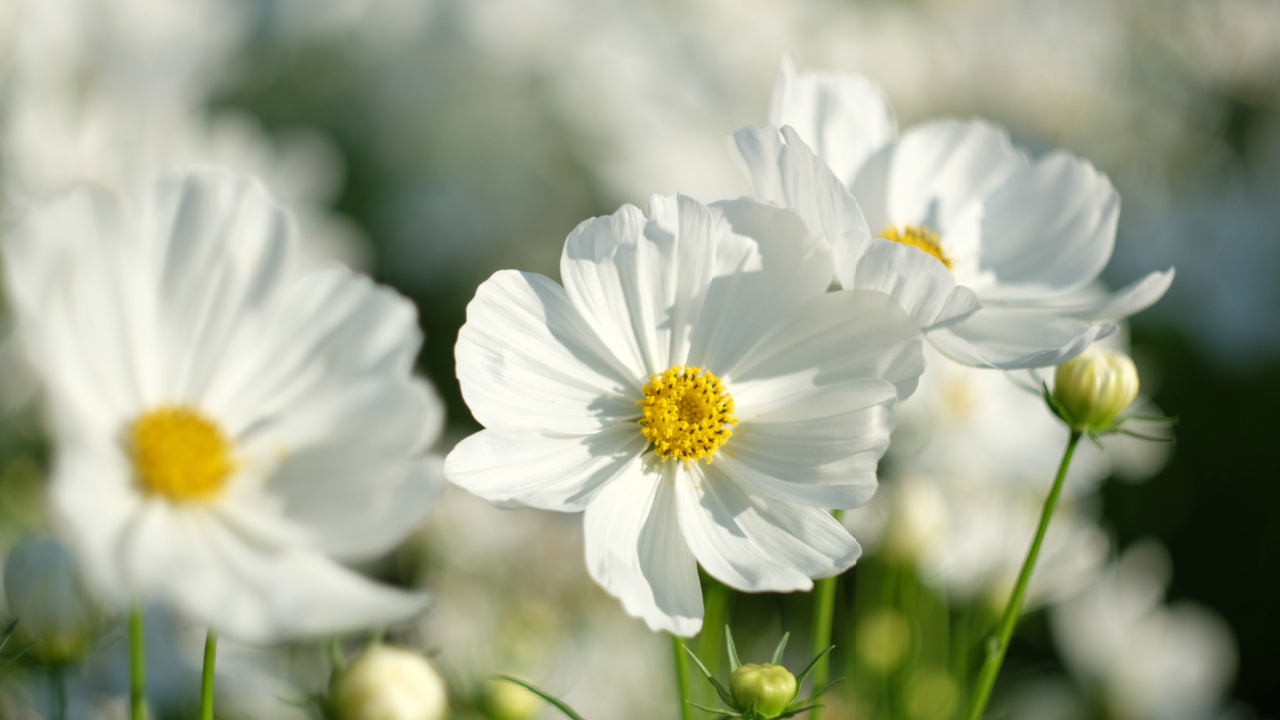
Image Credit: Shutterstock.
Cosmos brings bright, feathery blooms to your garden and is ideal for pollinators in midsummer.
Care Tips
- Hardiness Zones: Annual
- Sunlight: Full sun
- Watering: Thrives in poor, well-drained soil with minimal watering once established.
- Maintenance: Sow seeds after the last frost; deadhead flowers for prolonged blooming.
Pollinators Attracted: Bees, butterflies, and hoverflies.
22. Shasta Daisy (Leucanthemum × superbum)
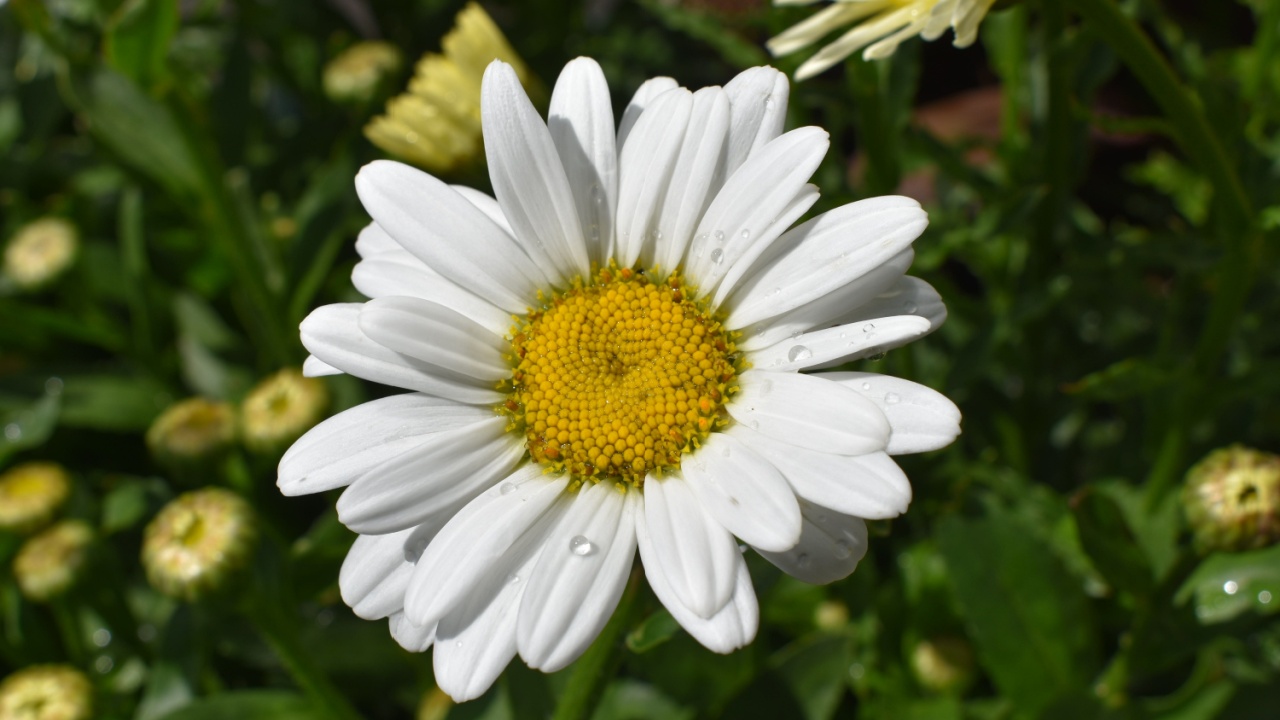
Image Credit: Shutterstock.
Shasta daisies provide cheerful white flowers that serve as landing pads for pollinators.
Care Tips
- Hardiness Zones: 4–9
- Sunlight: Full sun
- Watering: Needs well-drained soil; water during dry spells.
- Maintenance: Divide clumps every 2–3 years to maintain healthy growth.
Pollinators Attracted: Butterflies and bees.
23. Wild Indigo (Baptisia australis)
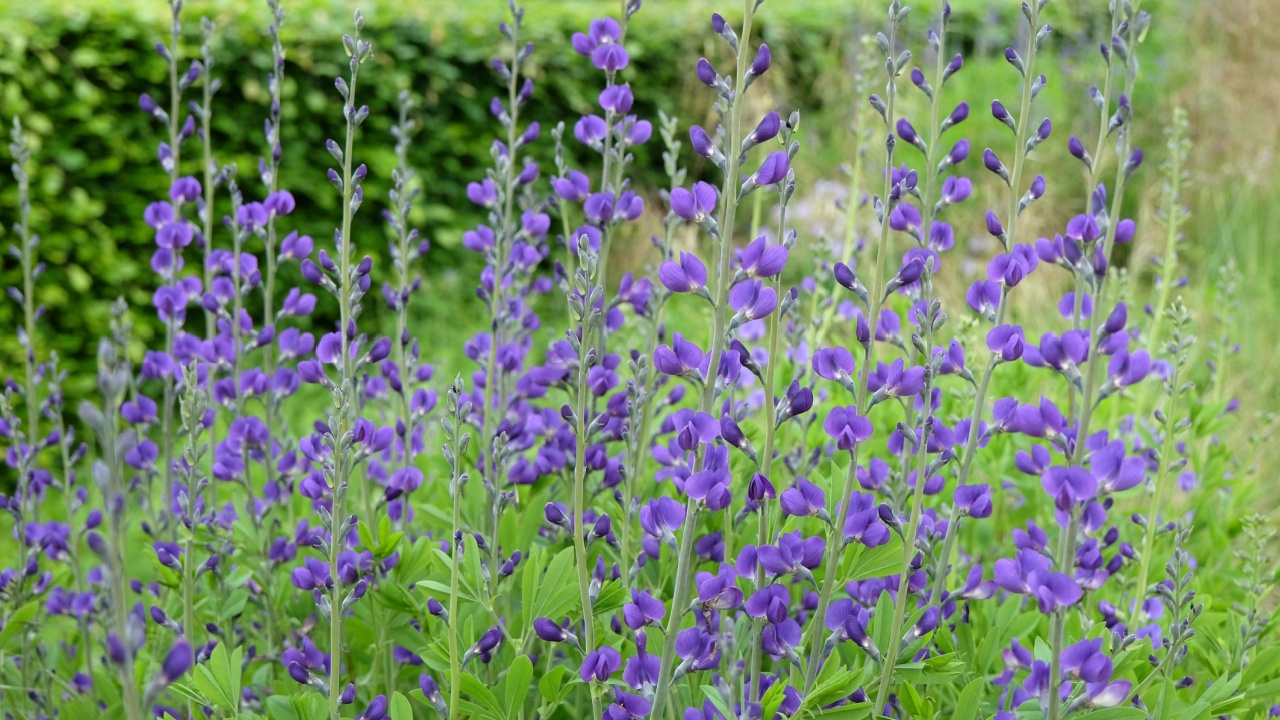
Image Credit: Shutterstock.
This native perennial produces striking blue flowers in spring and sustains itself in poor soils.
Care Tips
- Hardiness Zones: 3–9
- Sunlight: Full sun
- Watering: Drought-tolerant once established; water during dry periods.
- Maintenance: No deadheading required; cut back in late fall.
Pollinators Attracted: Bumblebees and butterflies.
Support Local Pollinators
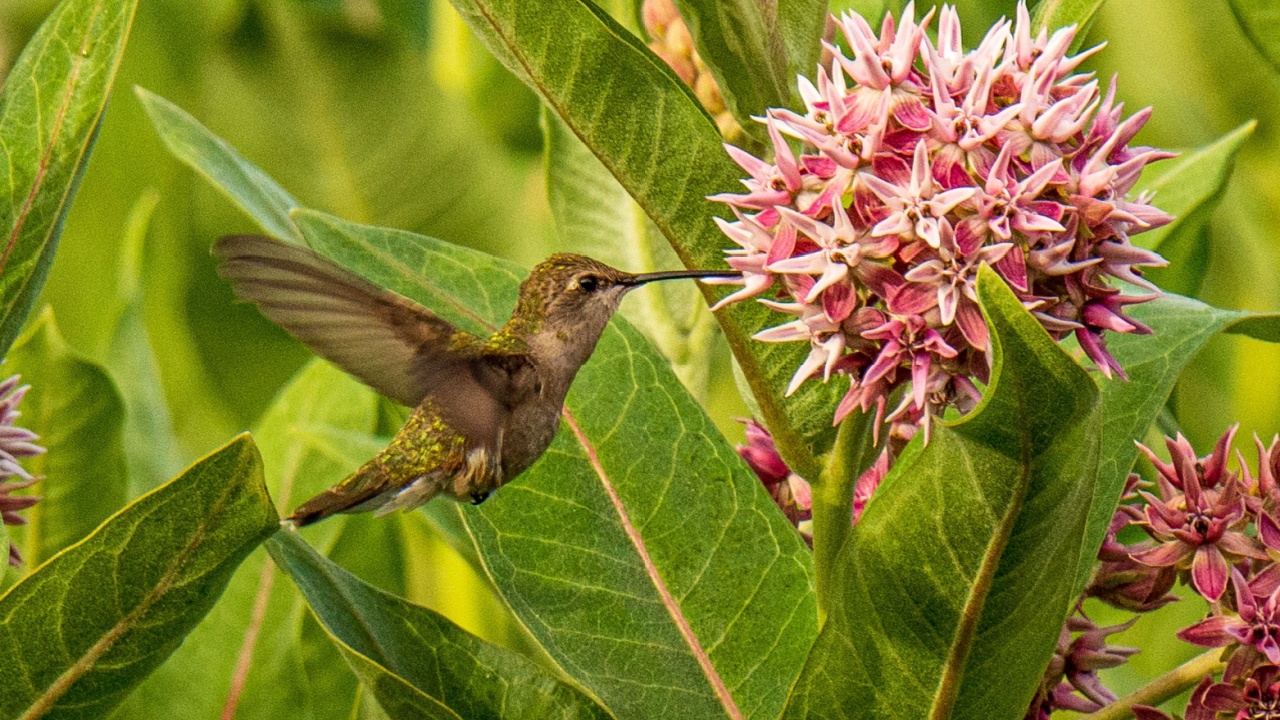
Image Credit: Shutterstock.
Wildflowers are a powerful addition to any garden, bringing beauty, sustainability, and ecological benefits. By incorporating these 23 low-maintenance species and following simple care guidelines, you’ll create a thriving pollinator-friendly haven that requires minimal effort.