Why Smart Gardeners Are “Garden Banking” Before October Ends (and What Skipping It Costs You)
The prettiest spring gardens on your street are not planted in spring. They are banked in October, one bulb, one seed packet, and one divided clump at a time, and the gardeners who skip that deposit end up paying full price for flats of blooming color next April.
Gardeners have a name for this habit now: garden banking. You do the quiet work in fall, and the withdrawal arrives months later as flowers you did not have to buy. It sounds like a trend, but it is really an old habit with a new name, and the gap between people who do it and people who don’t shows up every single spring. Miss the window, and there is no catching up, because a spring bulb needs months of cold that April simply cannot give it.
The stakes are bigger than a few missing daffodils. Done right, garden banking turns one perennial into three, puts a few dollars of seed to work as a carpet of June color, and keeps your dog away from the most toxic part of the plants you love. Done wrong, it feeds the squirrels, rots in cold mud, or quietly puts a prohibited plant in your yard.
Here are the nine deposits worth making before October ends, starting with the timing mistake that ruins more bulb plantings than any pest ever will.
1. Stop Planting Bulbs by the Calendar
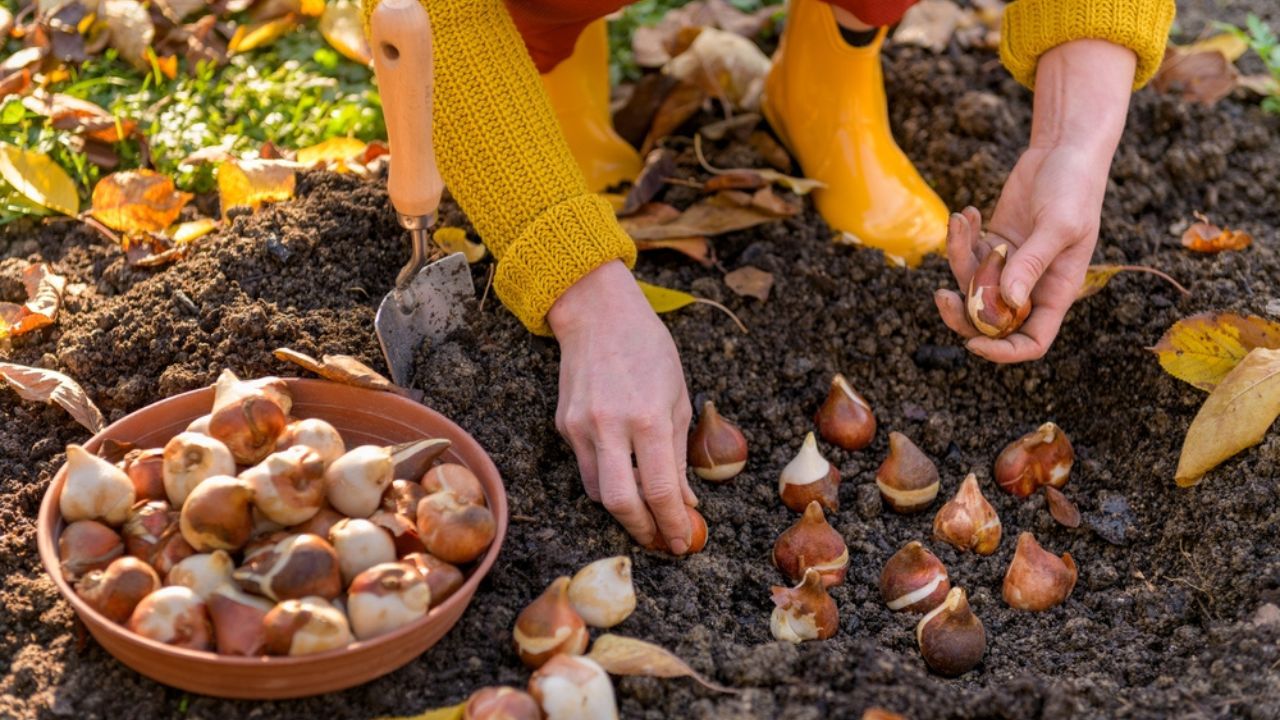
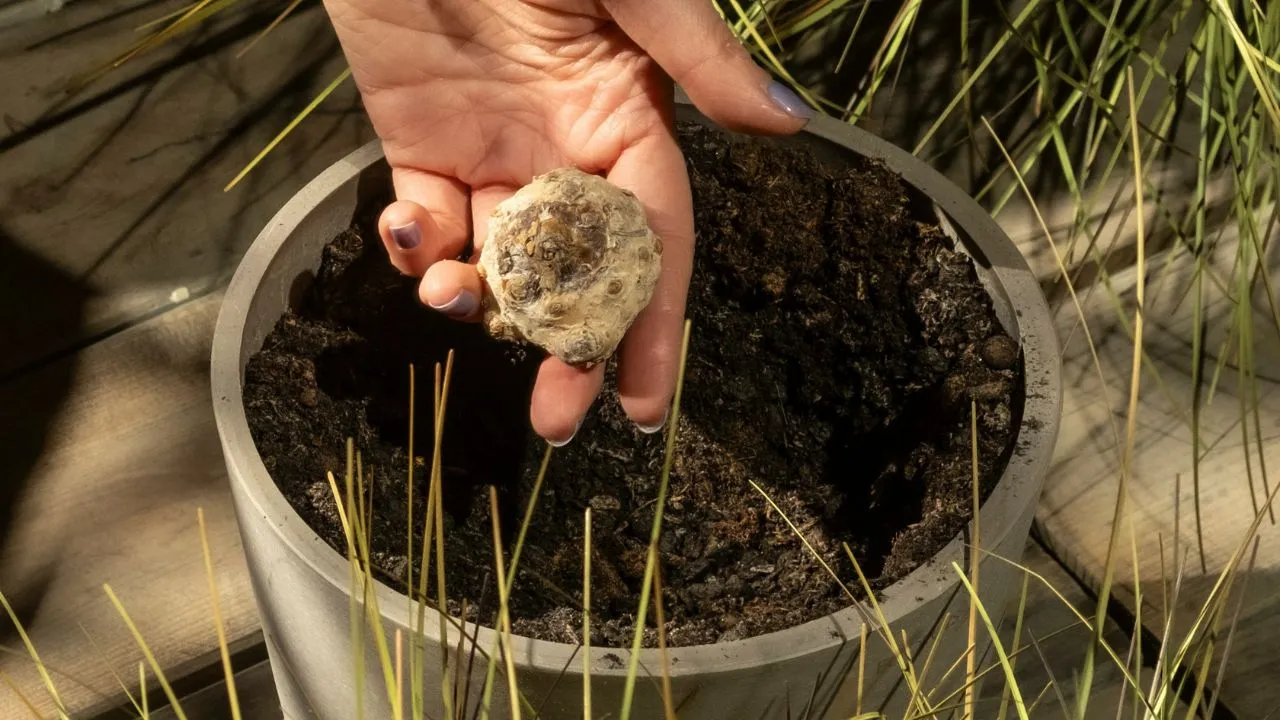
Bulbs do not read the date; they read the soil. NC State Extension advises planting once the soil is consistently 60°F or below, and the reason is more surprising than most gardeners realize. According to University of Missouri Extension, spring bulbs need about 12 weeks of soil temperatures below 38°F before they will bloom. Set them into warm soil too early, and MU Extension warns they “will sprout and not do well in spring.” Wait too long, and you lose those chilling weeks entirely. In most northern gardens, October is the sweet spot.
2. Never Plant Shallow to Save Time
UGA Cooperative Extension gives the classic rule of thumb: bury a bulb two to three times as deep as the bulb is tall. Skimp on depth and, as Epic Gardening puts it, “shallow planting exposes the bulb to the elements,” which means winter heaving and easy pickings for anything that digs. A 2-inch tulip bulb belongs 4 to 6 inches down. If your soil is heavy clay, loosen it first; a bulb that sits in cold, wet mud all winter is a bulb you will end up buying twice.
3. Stop Feeding Tulips to the Squirrels
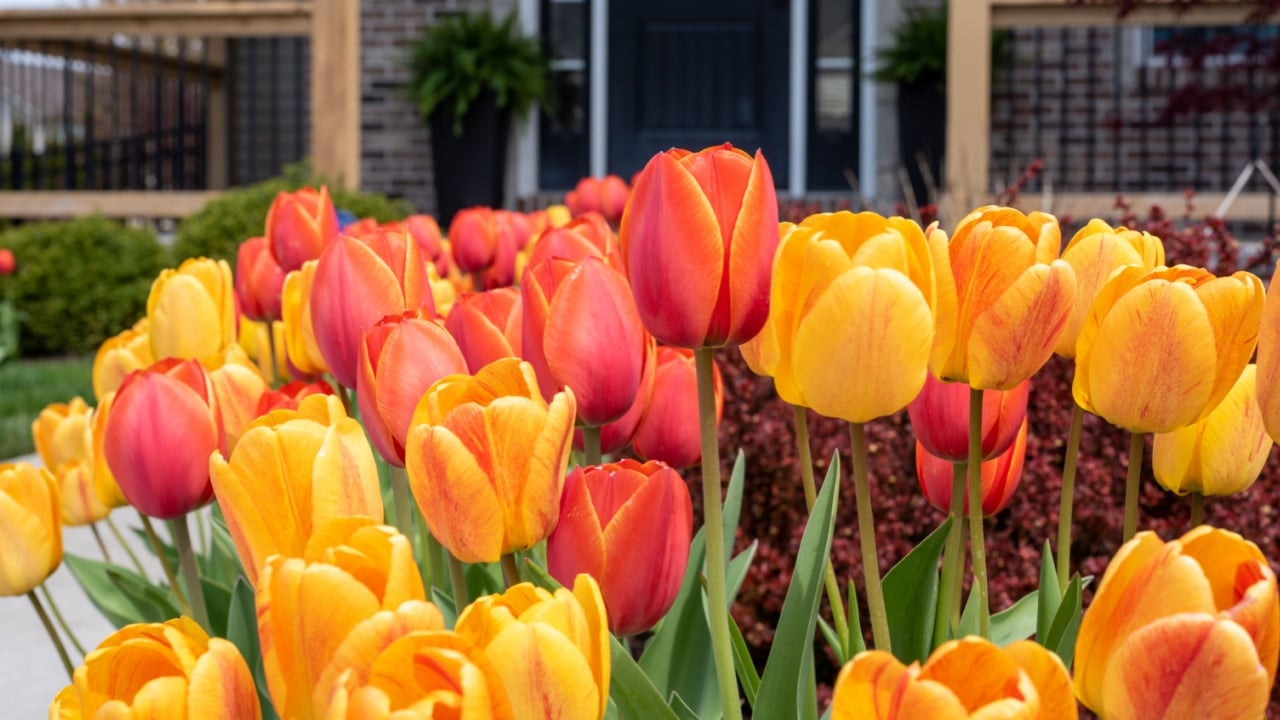
This is where most fall bulb budgets disappear. UNH Extension notes that freshly planted tulips, and to a lesser extent crocus, are regularly devoured by voles, chipmunks and deer, while daffodils, snowdrops, Siberian squill, grape hyacinth and allium are usually left alone. One Purdue horticulture columnist skips tulips altogether, calling them “a favorite of all rodents.” If you can’t live without tulips, UNH recommends burying them inside cages of ½ inch galvanized hardware cloth. Better still, bank daffodils. Missouri Botanical Garden singles them out for naturalizing because they shrug off insects and disease, which is exactly why your grandmother’s daffodils came back every April without a lick of fuss.
4. Divide One Crowded Perennial for Free Plants
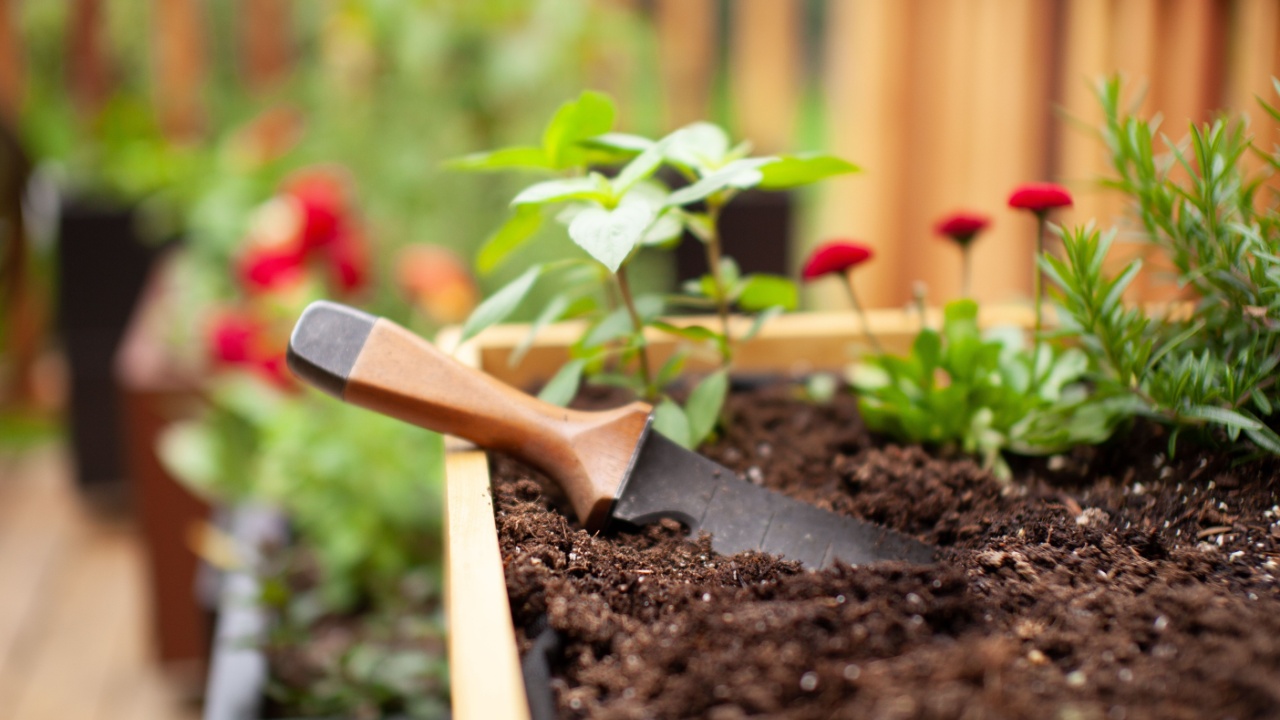
Here is the deposit with the clearest return. Experienced gardeners have repeated the old rule for generations, as Chalet Nursery notes: divide spring bloomers in fall and fall bloomers in spring. Penn State Extension recommends fall divisions between mid-September and mid-October, giving plants about six weeks to root before the ground freezes. Daylilies and hostas split cleanly with a sharp spade. The payoff is real money. A garden columnist at 27east calls division “a huge financial savings,” pointing out that one $18 garden center perennial divided every three years can produce three free plants. That is more than $50 of plants banked from a single clump, without spending a dime.
5. Avoid Pass Along Plants That Could Be Illegal
Fall division season is also swap season, and that is where a friendly gift can turn into a legal problem. Lesser celandine, also called fig buttercup and sold under cheerful variety names like ‘Buttered Popcorn’ and ‘Pencarn,’ is a prohibited species according to the Wisconsin DNR, which considers those named varieties equally invasive. The Minnesota Department of Agriculture prohibits its propagation and sale outright. Wisconsin invasive species specialist Jason Granberg puts it plainly: “early detection is the key to stopping invasive species.” Most homeowners don’t realize the glossy yellow ground cover a neighbor offers could be on that list. If a plant spreads by tiny bulblets and nobody can name it, don’t plant it.
6. Never Leave the Bulb Bag Where the Dog Can Reach It
Here is the safety deposit nobody talks about. The ASPCA lists tulips, hyacinths, irises, and daffodils as toxic to dogs and cats, and it calls the bulbs “the most dangerous part.” Daffodils eaten in large amounts can even trigger seizures. Penn State Extension advises keeping bulbs out of reach before planting, which means no mesh bag sitting on the porch steps while you dig. The ASPCA also warns that fertilizer can tempt curious dogs, so close the bag between holes. If your dog is a digger, bank your bulbs in a fenced bed this year.
7. Sow Seeds Now Instead of Buying Flats in June
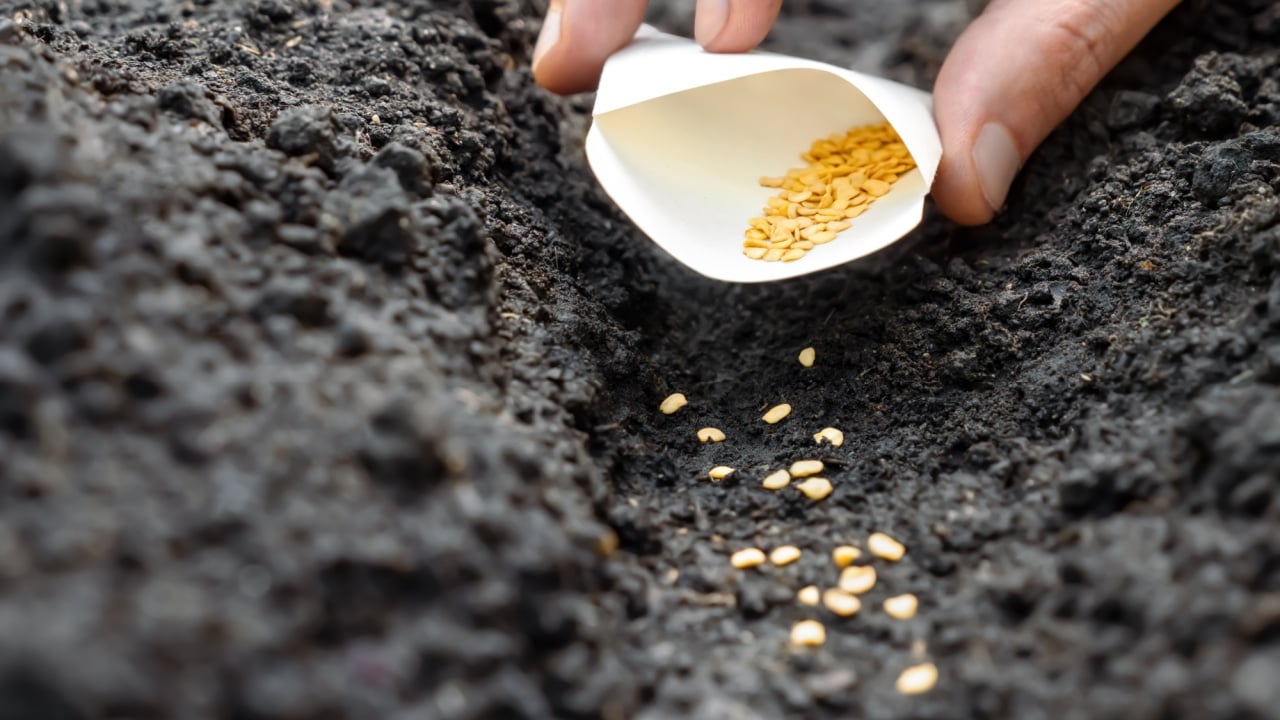
Bulbs are finished by mid-May, while hardy annuals keep going. At Longwood Gardens, Patrick Greenwald sowed rocket larkspur and love in a mist over a bed of fall-planted bulbs; the seedlings formed a green carpet by January and carried the display into the third week of June, long after a bulb display would have ended. One admiring visitor called the larkspur “floral fireworks.” The budget math is hard to argue with: according to AOL, a single seed packet can give you loads of annuals for under $5, while a nursery flat may cost four times as much. Just make sure the seed is a winter-hardy annual for your region.
8. Stop Waiting Until April to Plant Spring Perennials
Fall’s still warm soil and cooler, wetter weather push roots instead of leaves, which is why Bob Vila recommends planting spring-blooming perennials like hellebores and false indigo before winter, especially in drought-prone areas. Many perennials planted in fall are better able to flower the following spring than their April counterparts. As a garden center manager wrote in the Santa Monica Daily Press, “Don’t wait until you see them blooming in your neighbor’s garden.” By then, the neighbors have already cashed in, and you are the one paying retail.
9. Don’t Let New Plantings Go Thirsty Before the Freeze
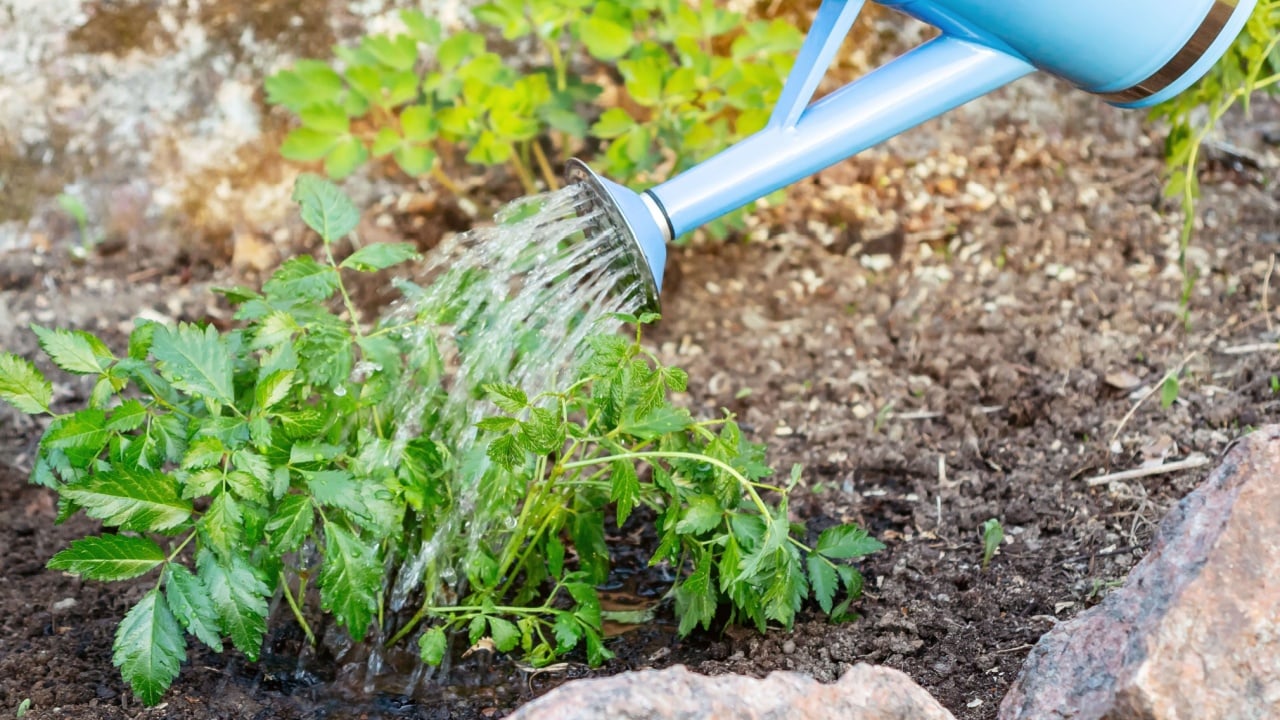
The final mistake is walking away too early. Bulbs and divisions are building roots right now, and the Master Gardeners of Mercer County caution against letting the soil dry out in fall and early winter, because that is exactly when bulb roots form. Water everything in well after planting, then, as MU Extension advises, add mulch once the soil has cooled. Nature often lends a hand; an expert quoted by Homes & Gardens notes that after ample fall rains, extra watering “may not be needed.” Check the soil with a finger before you reach for the hose.
What to Do This Weekend to Start Garden Banking
Don’t try to make all nine deposits at once. Start with the three that pay best: plant a bag of daffodils, divide your most crowded clump, and scatter one packet of hardy annual seed. Writing in the Echo Press, University of Minnesota Extension educator Robin Trott advises, “Aim to divide perennials four to six weeks before the ground freezes,” so the dividing should come first. Keep the dog inside while you work, label what you planted, and set aside any mystery plant from a neighbor until you know its name.
None of this feels urgent on a golden October afternoon, and that is exactly the trap. The villain here was never the squirrel or the clay; it was waiting. Spring flowers aren’t bought in spring; they’re banked in October, and the interest is paid in blooms you never have to buy twice. As Bob Vila puts it, savvy gardeners know fall planting “leads to big-time gardening success.” Make a few small deposits this month, and next April your garden will do the bragging for you.
Read More
The 7 Best Garden Items to Thrift This Fall
9 Smart Ways to Save Money in the Garden Before Fall Ends