
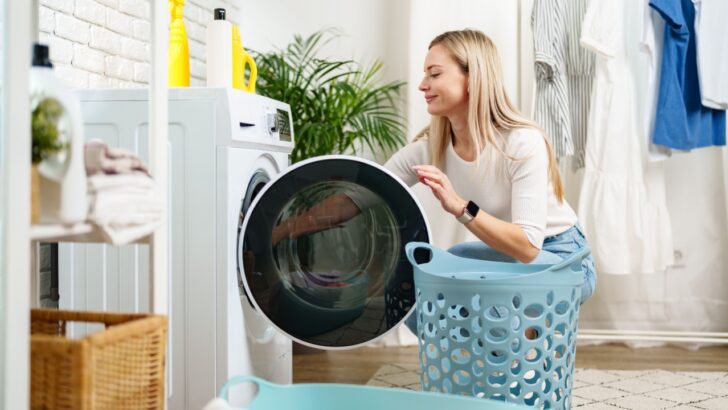
Do you believe that your appliances are invincible? Think again. Even the sturdiest machines can succumb to neglect and misuse. We all want our homes to run smoothly, but sometimes, our habits inadvertently lead to appliance breakdowns and hefty repair bills. It’s a bit like expecting a car to run forever without an oil change—sooner or later, it will sputter and stall.
While it’s easy to assume that appliances are built to withstand the rigors of daily life, the reality is that they are sensitive to how we treat them. Simple oversights and bad habits can dramatically shorten their lifespan and lead to unexpected expenses and disruptions to your daily routine.
So, are you ready to uncover the hidden dangers lurking in your kitchen, laundry room, and beyond? We’re about to expose 15 ways you might be unknowingly sabotaging your household appliances.
1. Overloading the Washing Machine
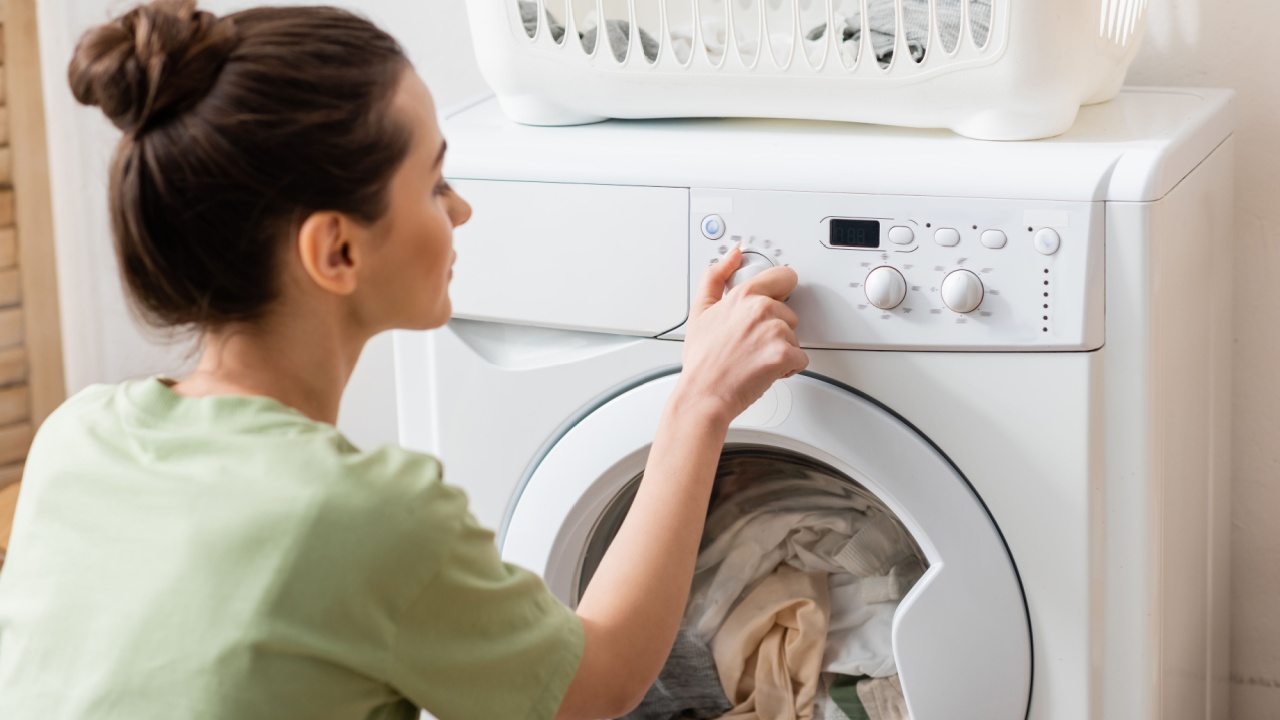
Image Credit: Shutterstock.
We’ve all been tempted to cram every last sock into the washing machine, but you must resist the urge! Overloading puts immense strain on the motor and drum. The excess weight can cause the drum to become unbalanced, leading to excessive vibrations and potential damage to the machine’s internal components. In a worst-case scenario, the motor might burn out, or the drum could even crack.
Always follow the manufacturer’s recommended load capacity. It’s far better to do multiple smaller loads than to risk costly repair or replacement.
2. Using Harsh Chemicals in the Dishwasher

Image Credit: Depositphotos.com.
While it may be tempting to use the strongest cleaning agents to tackle stubborn stains, harsh chemicals can wreak havoc on your dishwasher. These abrasive substances can corrode the seals, gaskets, and internal components over time, leading to leaks, malfunctions, and a significantly shortened lifespan for your appliance.
Opt for dishwasher detergents specifically designed for your appliance. These products are formulated to effectively clean dishes without harming the machine. Sometimes, a gentle touch is all you need.
3. Neglecting Refrigerator Coil Cleaning

Image Credit: Depositphotos.com.
Refrigerator coils play a crucial role in dissipating heat, ensuring your appliance operates efficiently. When dust and debris accumulate on the coils, they act as insulation, hindering heat transfer. This forces the compressor to work harder, consuming more energy and potentially leading to premature failure.
Regularly clean your refrigerator coils using a vacuum cleaner or a brush. This simple maintenance task can significantly extend the lifespan of your appliance and improve its energy efficiency. Think of it as giving your refrigerator a much-needed spa treatment.
4. Ignoring Strange Noises

Image Credit: Depositphotos.com.
Hearing unusual noises coming from your appliances, such as grinding, squealing, or rattling, is often a sign of trouble brewing. These sounds could indicate worn-out bearings, loose belts, or other mechanical issues that require attention. Ignoring these warning signs sets you up for disaster, leading to further damage, costly repairs, and even complete appliance failure.
If you notice any strange noises coming from your appliances, don’t hesitate to investigate the cause or seek professional assistance. Addressing problems early can prevent them from escalating and potentially save your appliance.
5. Skipping Regular Maintenance

Image Credit: Depositphotos.com.
Many appliances require routine maintenance to ensure optimal performance and longevity. Neglecting these tasks, such as cleaning filters, checking hoses, and lubricating moving parts, can lead to a domino effect of problems. Dust and debris can clog filters, reducing efficiency and increasing energy consumption. Worn-out hoses can leak, causing water damage and potential mold growth. Lack of lubrication can cause moving parts to seize, leading to malfunctions and breakdowns.
Consult your appliance manuals for recommended maintenance schedules and stick to them diligently. Regular maintenance can prevent costly repairs and extend the life of your appliances.
6. Placing Hot Items Directly on Countertops

Image Credit: Depositphotos.com.
Placing hot pots, pans, or baking dishes directly on countertops can cause unsightly scorch marks and even permanently damage the surface. This is particularly true for delicate materials like marble or granite, which can crack or chip under extreme heat.
Always use trivets or hot pads to protect your countertops from hot items. This will prevent damage and keep your kitchen looking its best.
7. Not Cleaning the Dryer Vent

Image Credit: Depositphotos.com.
Lint buildup in the dryer vent is a major fire hazard. When lint accumulates, it restricts airflow, causing the dryer to work harder and potentially overheat. This can lead to a fire, putting your home and family at risk. In fact, according to the U.S. Fire Administration, failure to clean dryer vents is the leading cause of home clothes dryer fires.
Clean your dryer vent regularly to prevent lint buildup. You can do this yourself or hire a professional to do it for you. A clean vent will improve dryer efficiency and reduce the risk of fire.
8. Using the Garbage Disposal as a Trash Can

Image Credit: Depositphotos.com.
The garbage disposal is designed to handle food scraps, not everything you scrape off your plate. Grease, fibrous vegetables, coffee grounds, and other non-food items can wreak havoc on your disposal. Grease can solidify and coat the blades, while fibrous materials can tangle and jam the motor. Coffee grounds can accumulate and create a thick paste that clogs the pipes.
Use your garbage disposal only for small amounts of food scraps. Avoid putting grease, fibrous vegetables, coffee grounds, or other non-food items down the drain. Compost or throw these items in the trash instead.
9. Forgetting to Clean the Range Hood Filter

Image Credit: Depositphotos.com.
The range hood filter is designed to trap grease and other airborne particles produced during cooking. Over time, these substances can accumulate, clogging the filter and reducing its effectiveness. A clogged filter hinders ventilation and poses a fire hazard, as grease buildup can ignite.
Clean your range hood filter regularly to prevent grease buildup and ensure proper ventilation. Most filters can be easily removed and washed with warm, soapy water. A clean filter will keep your kitchen air fresh and reduce the risk of fire.
10. Leaving Wet Clothes in the Washing Machine

Image Credit: Depositphotos.com.
Leaving wet clothes in the washing machine for extended periods creates a breeding ground for mold and mildew. The damp environment promotes the growth of these fungi, which can cause unpleasant odors, stains, and even health problems.
Always remove wet clothes from the washing machine as soon as the cycle is complete. If you can’t hang them to dry immediately, transfer them to a dryer or a well-ventilated area to prevent mold and mildew growth.
11. Running the Dishwasher Half-Full

Image Credit: Depositphotos.com.
Running the dishwasher when it’s only half-full is not only inefficient but can also lead to long-term damage. The appliance uses the same amount of water and energy regardless of the load size, so running it half-full wastes valuable resources and puts unnecessary strain on the machine.
Only run your dishwasher when it’s full to maximize efficiency and minimize wear and tear on the appliance. If you need to wash a few dishes quickly, consider hand-washing them instead.
12. Not Cleaning the Coffee Maker
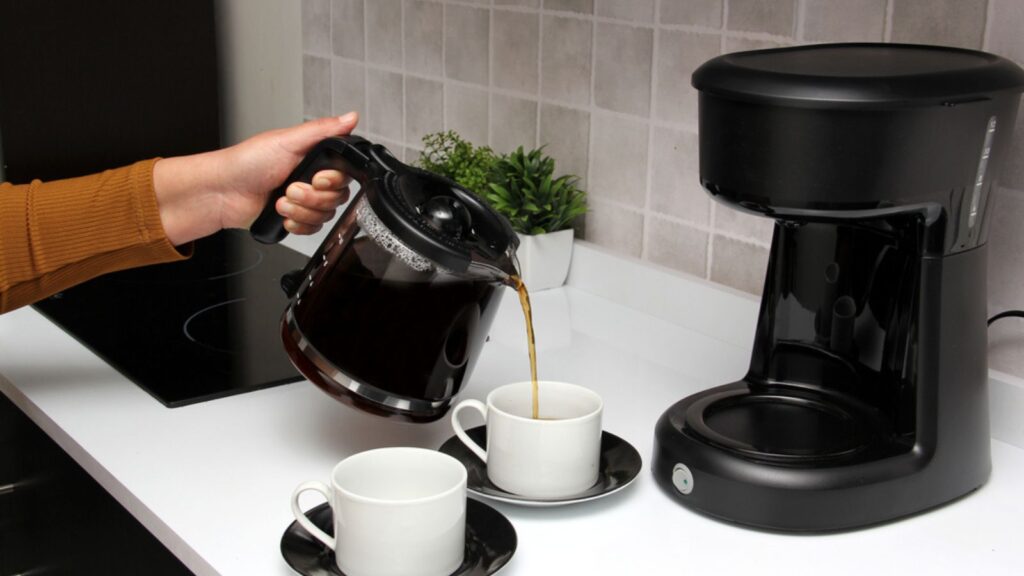
Image Credit: Depositphotos.com.
Coffee residue and mineral deposits can build up in your coffee maker over time, affecting its performance and flavor. This buildup can also clog the machine’s internal components, leading to malfunctions and a shortened lifespan.
Follow the manufacturer’s instructions for cleaning your coffee maker regularly. This typically involves descaling the machine with vinegar or a specialized cleaning solution. A clean coffee maker will produce better-tasting coffee and last longer.
13. Using Metal Utensils in Non-Stick Cookware

Image Credit: Depositphotos.com.
Using metal utensils on non-stick cookware can scratch the delicate coating, rendering it less effective and potentially releasing harmful chemicals into your food. Once the non-stick coating is damaged, food is more likely to stick and burn, making cleaning more difficult and potentially damaging the cookware further.
Use wooden, silicone, or plastic utensils on non-stick cookware to avoid scratching the surface. This will preserve the non-stick properties and extend the lifespan of your cookware.
14. Leaving Small Appliances Plugged In

Image Credit: Depositphotos.com.
Many small appliances, such as toasters, coffee makers, and blenders, continue to draw power even when they’re turned off. This “phantom” energy drain can add up over time, increasing your electricity bill and potentially shortening the lifespan of your appliances.
Unplug small appliances when they’re not in use to prevent phantom energy drain. This simple habit can save you money and help protect your appliances from potential power surges.
15. Ignoring Manufacturer’s Instructions

Image Credit: Depositphotos.com.
Your appliance manuals are not just for show. They contain valuable information about proper usage, maintenance, and troubleshooting. Ignoring these instructions can lead to misuse, neglect, and a shortened lifespan for your appliances.
Take the time to read your appliance manuals and follow the manufacturer’s instructions. This will help you get the most out of your appliances and ensure they last for years to come.