
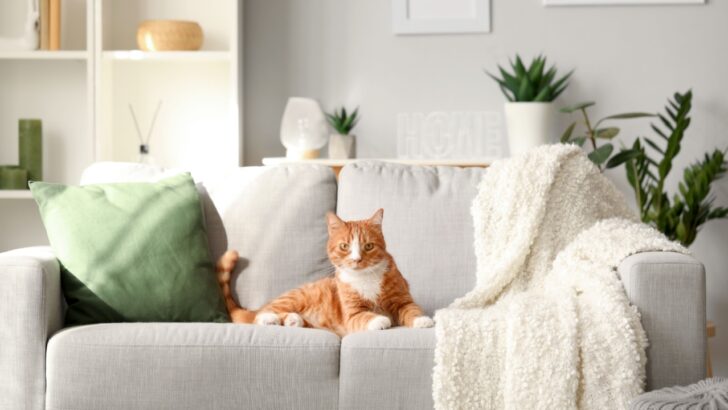
If you share your home with a furry friend, you know that dismaying moment when your furniture looks like a rabbit is nesting on your couch. You’ve spent time curating a home and garden that reflects your style, you don’t have to choose between a chic interior and a happy pet.
The last thing any design-conscious pet owner wants is for their carefully chosen aesthetic to be compromised by claw marks, shedding, and the occasional stain. It can be a constant battle to maintain a clean and stylish appearance. In this piece, you will learn 14 practical ways you can protect your furniture and keep your home looking its best, all while living in harmony with your four-legged family members.
1. Choose Pet-Friendly Fabrics

Image Credit: Shutterstock.com.
The first line of defense is selecting the right materials for your furniture. Some fabrics are far more resilient to the daily activities of pets. Although no material is 100% scratch-proof, tightly woven materials and smooth surfaces are your best bet.
Microfiber is an excellent choice because its tight weave prevents claws from snagging and makes it difficult for pet hair to embed itself. Leather and pleather are also great options; fur can be easily wiped away, and most surfaces can be cleaned with a simple damp cloth. While they can be scratched, minor marks often add to the patina over time or can be buffed out. Fabrics to avoid include tweed, chenille, and any material with a loose weave. These can be magnets for fur and are easily pulled by excited claws.
Key Takeaways:
- Best Fabrics: Microfiber, leather, pleather, and outdoor fabrics.
- Fabrics to Avoid: Tweed, chenille, silk, and velvet.
- Next Steps: When shopping for new furniture, ask for fabric swatches. Test them at home by rubbing them to see how they hold up to friction and running a fingernail across them to check for snagging.
2. Use Stylish Sofa Protectors and Throws
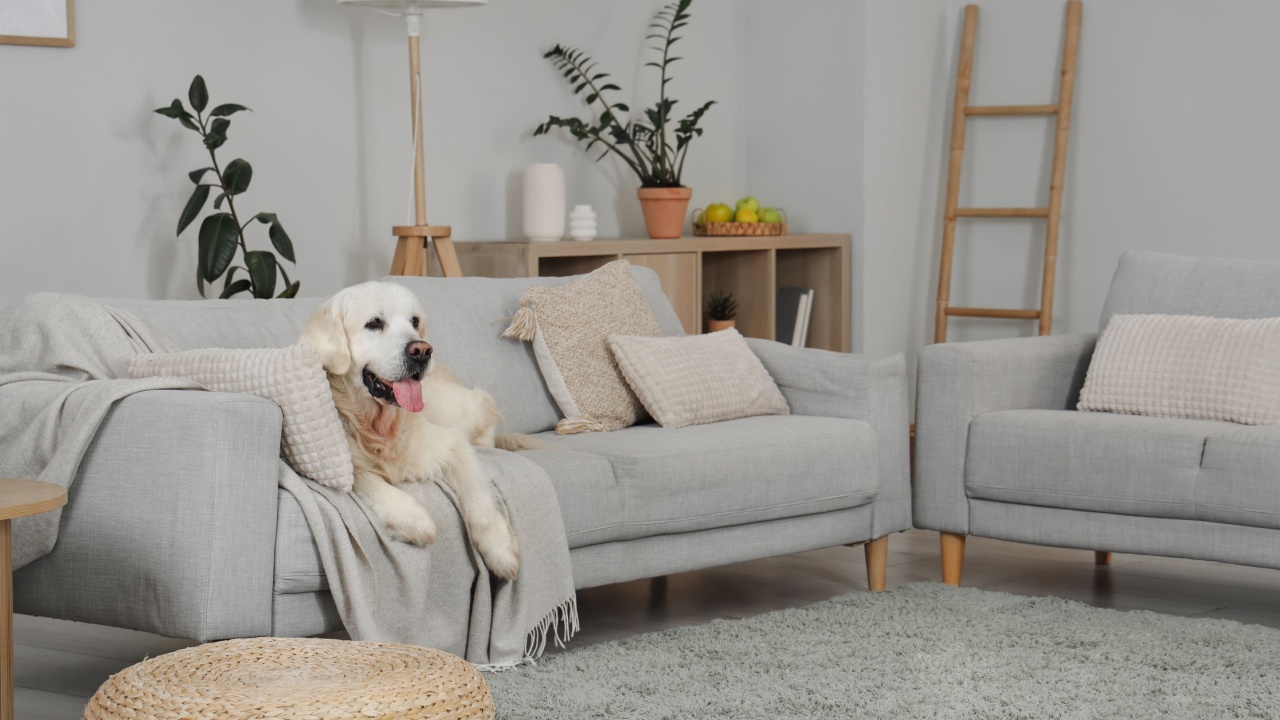
Image Credit: Shutterstock.com.
Covering your furniture is one of the most direct ways to protect it. Modern furniture protectors have moved light years beyond the unflattering covers we witnessed in Grandma’s house in the 90s or the plastic sheets of the past.
Today, you can find quilted, stylish covers in a huge range of colors and patterns that complement your decor. Decorative throws are another fantastic tool. Draping a beautiful, durable throw blanket over your pet’s favorite napping spot on the sofa protects the upholstery beneath. Throws are much easier to wash than an entire sofa cushion. You can also put washable covers on the throws.
Key Takeaways:
- Function and Style: Use covers and throws that match your room’s color scheme.
- Easy Maintenance: Choose machine-washable options for quick cleanups.
- Next Steps: Measure your sofa or chair before purchasing a protector to ensure a snug fit. For throws, look for materials like cotton canvas or a tight-knit wool blend that are both durable and attractive.
3. Provide Comfortable Pet Beds
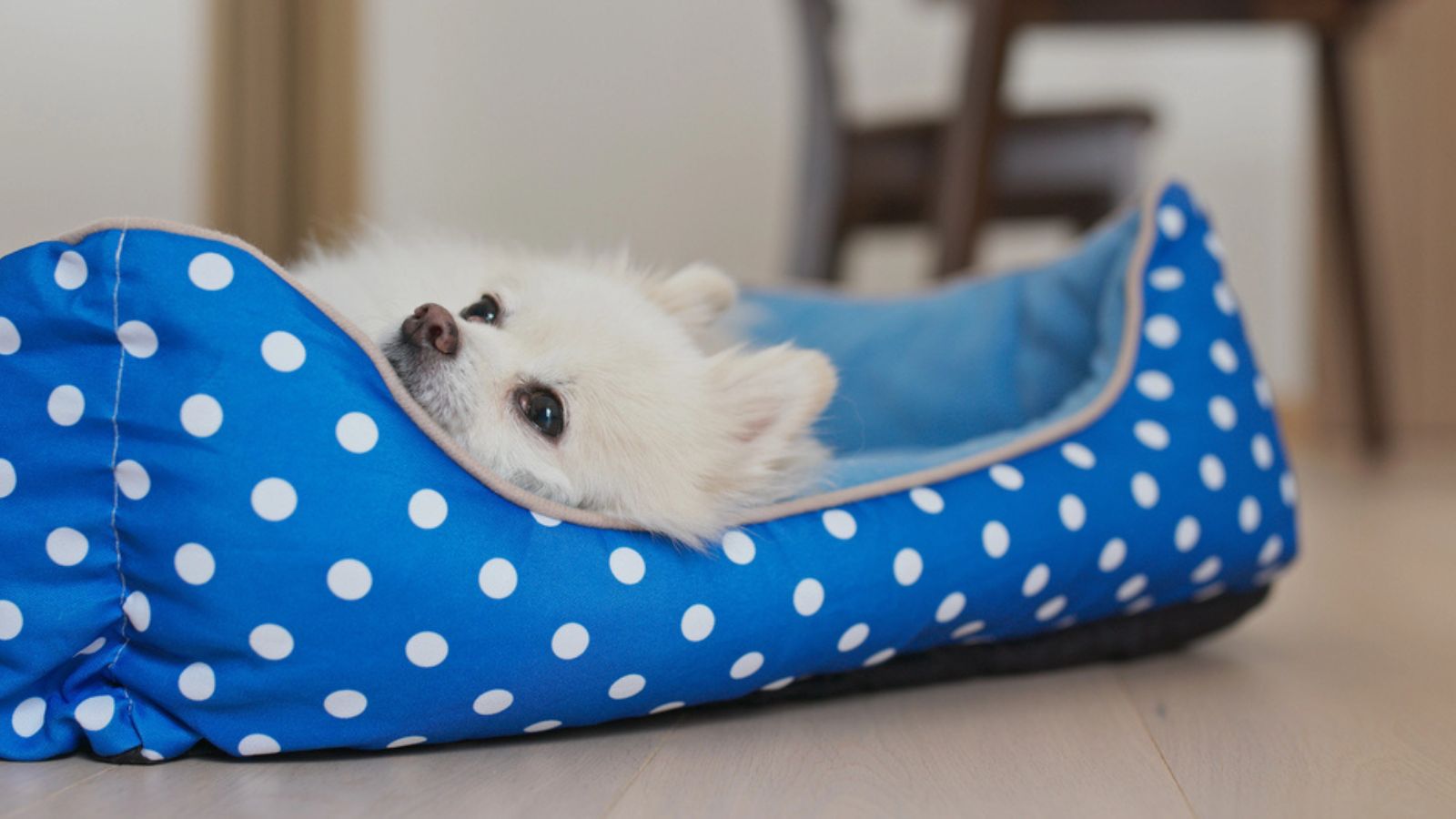
Image Credit: Depositphotos.com.
One of the most effective ways to keep your pet off the furniture is to give them an even better alternative. A high-quality, comfortable pet bed in a strategic location can become their preferred spot for lounging.
Place the bed in a social area of the house, like the living room, so your pet can relax near you without needing to be on the couch. Consider orthopedic beds for older pets or beds with raised sides for animals that like to feel secure. Making their bed the most appealing option reduces the temptation to jump on your furniture.
Key Takeaways:
- Location Matters: Place pet beds in family-centric rooms.
- Comfort is King: Choose a bed that suits your pet’s size, age, and sleeping style.
- Next Steps: Observe where your pet naturally likes to rest. Place their new bed in or near that spot to encourage them to use it. Praise and reward them when they choose their bed.
4. Train Your Pet with Clear Boundaries

Image Credit: Shutterstock.com.
Consistent training is fundamental to protecting your home. Teach your pet commands like “off” or “down” to use when they jump on furniture.
Positive reinforcement is key; reward your pet with praise or a small treat when they obey. Never punish your pet for getting on the furniture, as this can create fear and anxiety. Instead, gently redirect them to their own bed or a designated mat. Consistency from every member of the household is crucial for the training to be successful.
Key Takeaways:
- Use Positive Reinforcement: Reward good behavior.
- Be Consistent: Everyone in the house should enforce the same rules.
- Next Steps: Start a training routine. Dedicate a few minutes each day to practicing commands. Make it a fun and positive experience for your pet.
5. Redirect Scratching and Chewing Behavior

Image Credit: Shutterstock.
Pets, especially cats and puppies, have a natural instinct to scratch and chew. It may look like they’re ruining your beloved rattan rocking chair, but they are fulfilling a need. The solution is to provide acceptable alternatives.
For cats, place scratching posts near the furniture they tend to target. Offer different materials, like sisal rope, cardboard, and carpet, to see what your cat prefers. For dogs who chew, provide a variety of durable chew toys. When you see your pet starting to scratch or chew on furniture, immediately redirect their attention to the appropriate item and praise them when they use it.
Key Takeaways:
- Provide Alternatives: Have plenty of scratching posts and chew toys available.
- Strategic Placement: Put scratching posts near “problem” furniture.
- Next Steps: Experiment with different types of scratching surfaces. Some cats prefer vertical posts, while others like horizontal or angled scratchers. For dogs, try puzzle toys that dispense treats to keep them engaged.
6. Implement Regular Grooming
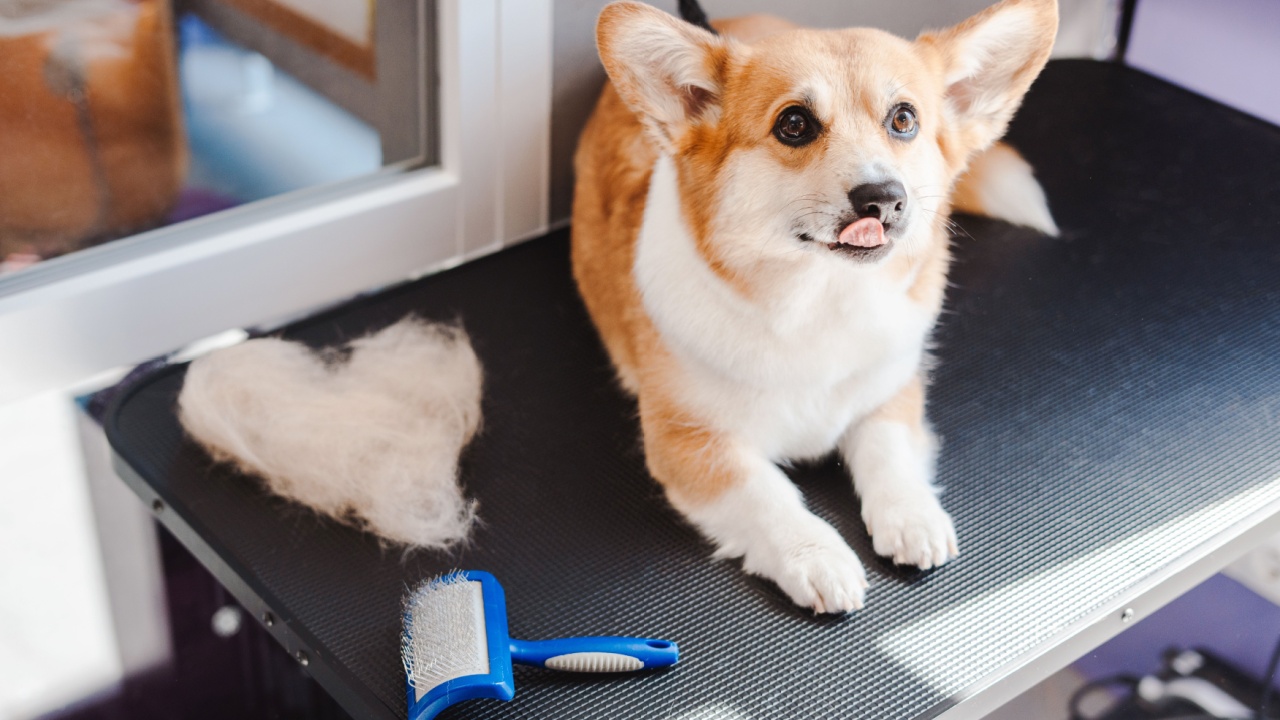
Image Credit: Shutterstock.com.
A good grooming routine can significantly reduce the amount of fur, dander, and dirt that ends up on your furniture. Regular brushing removes loose hair before it has a chance to shed all over your house.
Keeping your dog’s nails trimmed and your cat’s claws clipped will minimize damage from accidental scratches. For cats, you can also try using soft nail caps. These are small vinyl covers that are glued over your cat’s claws, effectively blunting them. They are a humane alternative to declawing and can save your upholstery from shredding.
Key Takeaways:
- Brush Regularly: Aim for a few times a week, or daily for heavy shedders.
- Trim Nails: Keep nails short to prevent snags and deep scratches.
- Next Steps: Create a grooming station in your home with all the necessary tools. Make grooming a positive bonding experience with praise and treats.
7. Use Pet-Repellent Sprays
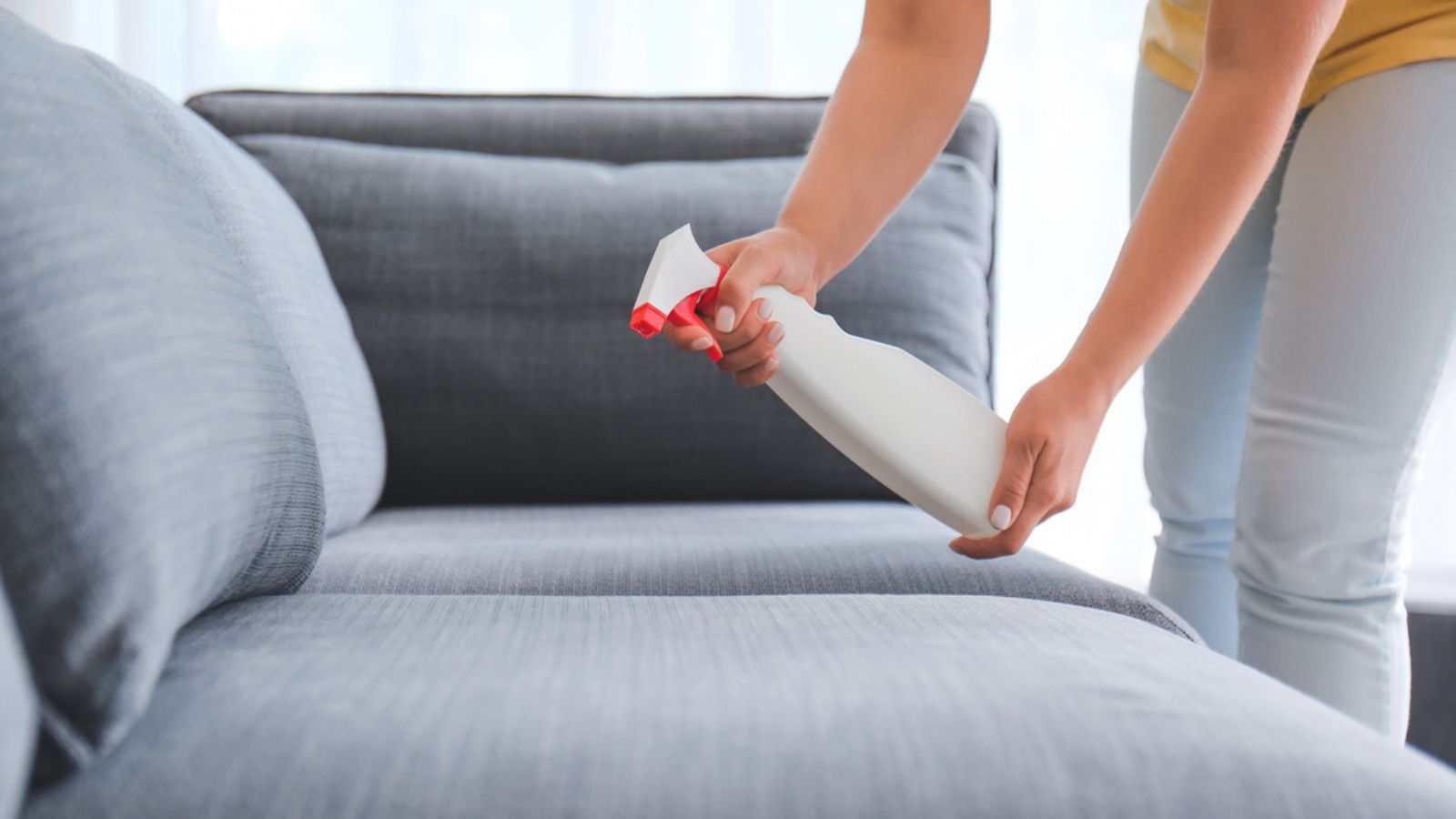
Image Credit: Depositphotos.com.
Commercial pet-repellent sprays can be a useful training aid. These sprays use scents that are unpleasant to pets, such as citrus or bitter apple, but are generally undetectable to humans.
Lightly spray the repellent on the areas of the furniture you want your pet to avoid. The smell will deter them from jumping up, scratching, or chewing. Always test the spray on a small, inconspicuous area of your furniture first to ensure it doesn’t cause discoloration. Remember that this is a deterrent, and it works best when combined with positive reinforcement and providing attractive alternatives.
Key Takeaways:
- Non-Toxic Deterrent: Choose sprays with natural ingredients that are safe for pets.
- Test First: Always perform a spot test on your fabric.
- Next Steps: Reapply the spray every few days as the scent fades. Use it consistently during the initial training period until your pet learns to avoid the furniture.
8. Apply Protective Furniture Treatments
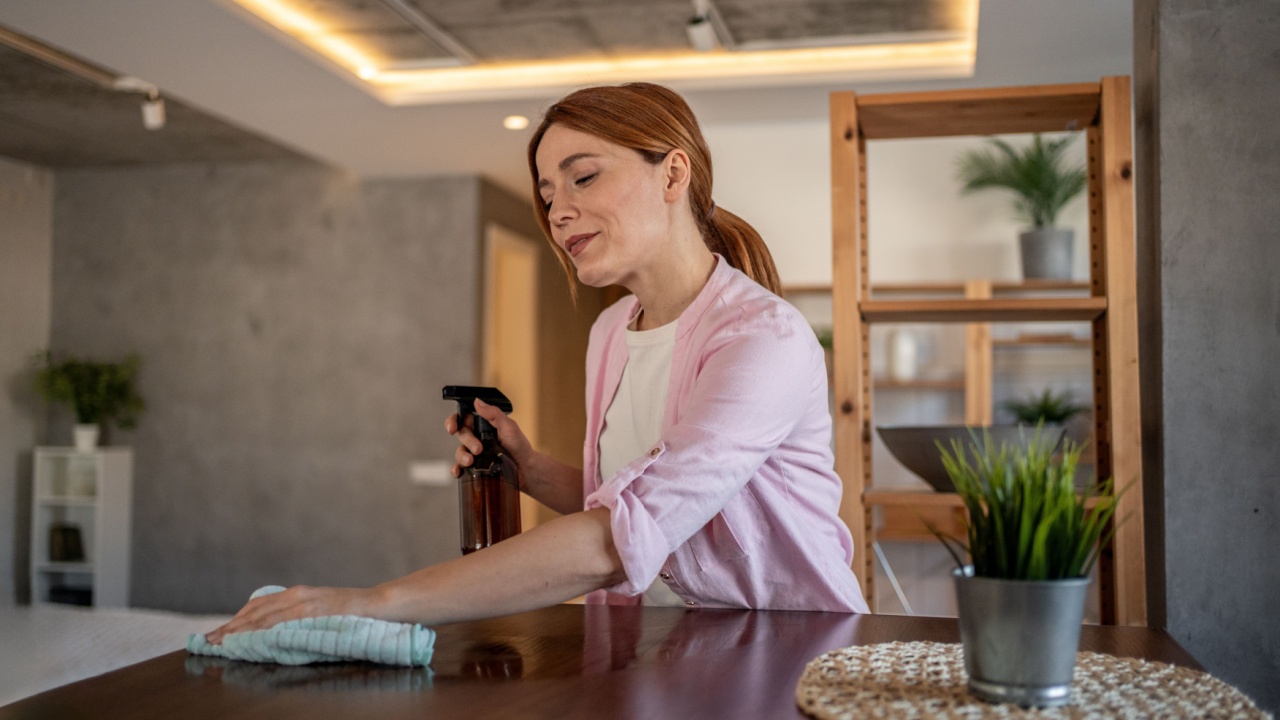
Image Credit: Shutterstock.
Treat your furniture before accidents happen. Fabric protector sprays, like Scotchgard, create an invisible barrier on upholstery that repels liquids and prevents stains from setting in. This gives you extra time to clean up spills before they soak into the fibers.
For wood furniture, regular polishing creates a slick surface that can help protect against minor scratches. Waxes can provide an even more durable layer of protection. These treatments make your furniture easier to clean and help maintain its original appearance.
Key Takeaways:
- Proactive Protection: Apply protectors to new or newly cleaned furniture.
- Repel Spills: Treatments cause liquids to bead up on the surface.
- Next Steps: For best results, have your upholstery professionally cleaned before applying a fabric protector. Reapply the treatment annually or after deep cleaning.
9. Install Pet Gates
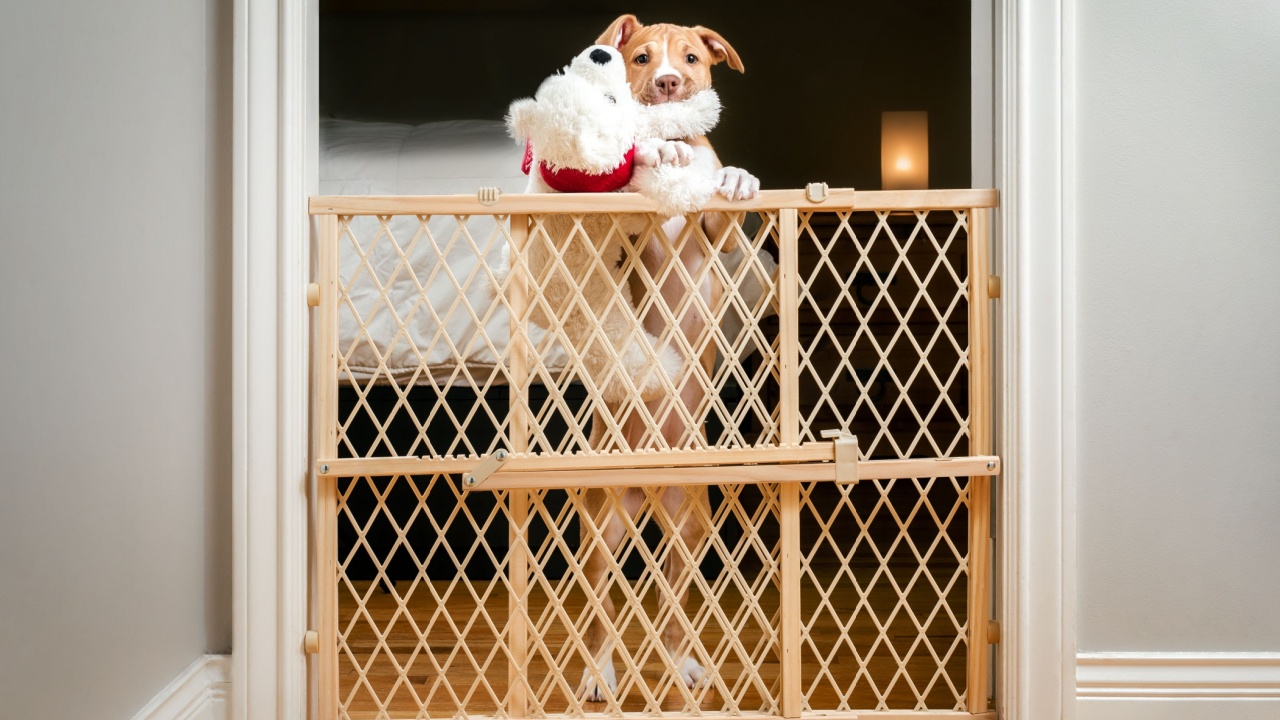
Image Credit: Shutterstock.com.
Sometimes, the easiest solution is to restrict access. If you have particularly valuable or delicate furniture in one room, use a pet gate to designate that area as a pet-free zone.
Modern pet gates come in a variety of stylish designs and finishes, from wood to metal, that can blend seamlessly with your home’s decor. This is an especially useful strategy when you are not home to supervise your pet or during the puppy and kitten stages when they are most likely to get into mischief.
Key Takeaways:
- Create Pet-Free Zones: Protect entire rooms with delicate furnishings.
- Stylish Options: Choose gates that complement your interior design.
- Next Steps: Measure your doorways or hallways accurately before purchasing a gate. Opt for pressure-mounted gates for easy installation and removal, or hardware-mounted gates for more permanent security.
10. Consider Anti-Scratch Mats and Tape
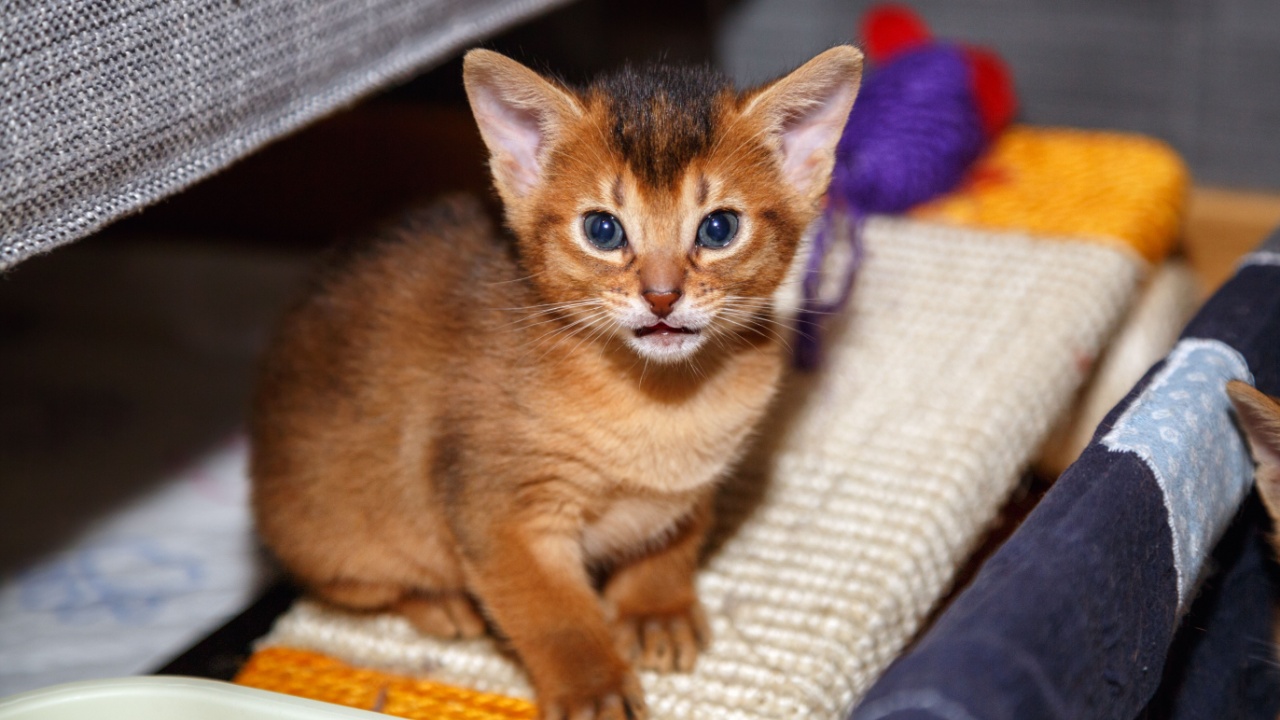
Image Credit; Shutterstock.com.
For persistent scratchers, anti-scratch solutions can be very effective. Clear, adhesive anti-scratch tape can be applied directly to furniture corners and surfaces.
Cats dislike the sticky feeling on their paws, which discourages them from scratching in that spot. The tape is transparent and won’t ruin the look of your furniture. Anti-scratch mats are another option. These are often made of durable plastic and can be laid over cushions or attached to the sides of a sofa. They provide a physical barrier while being less noticeable than a full cover.
Key Takeaways:
- Discourage with Texture: The sticky surface of the tape is a natural deterrent.
- Invisible Protection: Clear tape and mats don’t obstruct your furniture’s appearance.
- Next Steps: Apply the tape or mats to the areas your pet currently favors. Be sure to also provide an appealing scratching post nearby as an alternative.
11. Utilize Crate Training

Image Credit: Shutterstock.com.
A crate can be a valuable tool for protecting your furniture, especially when you can’t supervise your pet. When introduced properly, a crate becomes a safe, personal den for your dog, not a punishment. Furnish the crate with a comfortable bed and special toys to make it an inviting space. Use it for short periods when you are away from home to prevent destructive behavior. This keeps your dog safe from household hazards and your furniture safe from chewing or accidents.
Key Takeaways:
- A Safe Space: A crate provides a secure den for your dog.
- Prevents Accidents: Ideal for times when you cannot supervise.
- Next Steps: Introduce the crate gradually with lots of praise and treats. Never use the crate as a form of punishment.
12. Add Furniture Skirts
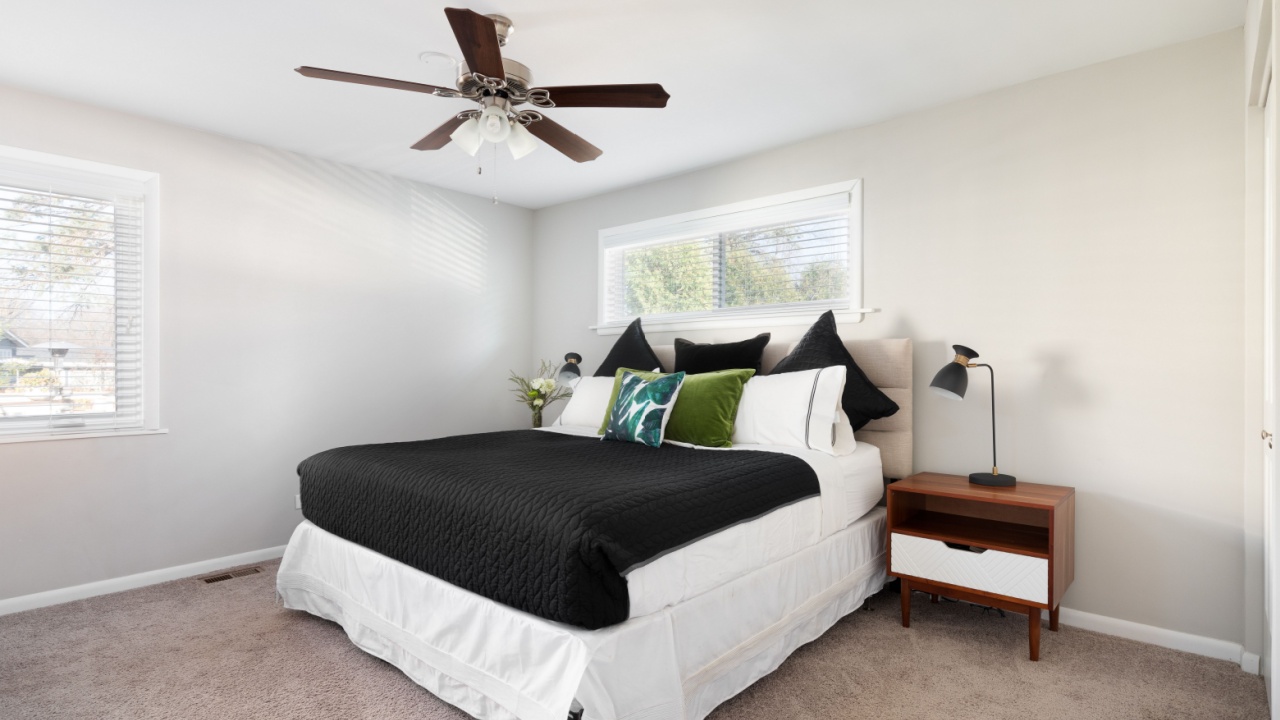
Image Credit: Joseph Hendrickson / Shutterstock.com.
The legs and base of your furniture are prime targets for chewing puppies and scratching cats. Furniture skirts, which drape over the base of sofas and chairs, offer an elegant solution.
A skirt protects the lower part of your furniture and changes its entire look. It hides any existing damage and prevents future scratches and chew marks. You can have them custom-made to match your upholstery or buy pre-made versions for a quick and easy update.
Key Takeaways:
- Protect Furniture Legs: Skirts shield the base from claws and teeth.
- Aesthetic Update: Can refresh the style of an older piece of furniture.
- Next Steps: Choose a durable, tightly woven fabric for the skirt. If you are handy with a sewing machine, creating a custom skirt can be a rewarding DIY project.
13. Choose Furniture with Exposed Legs

Image Credit: Shutterstock.
If skirts aren’t your style, go in the opposite direction. Opt for furniture with exposed metal or wood legs instead of an upholstered base that runs to the floor. Pets are much less likely to scratch or chew on hard materials like metal or treated wood.
This design choice elevates the look of your furniture while cleverly designing out a common problem area. Mid-century modern and industrial styles often feature pieces with exposed legs that are both pet-friendly and fashionable.
Key Takeaways:
- Design Out the Problem: Metal and wood legs are less tempting to pets.
- Stylish and Practical: Many modern furniture designs incorporate this feature.
- Next Steps: When furniture shopping, look for sofas and chairs with slender, durable legs. Avoid pieces with soft, untreated wood that can be easily chewed.
14. Keep Pet-Safe Cleaning Products on Hand
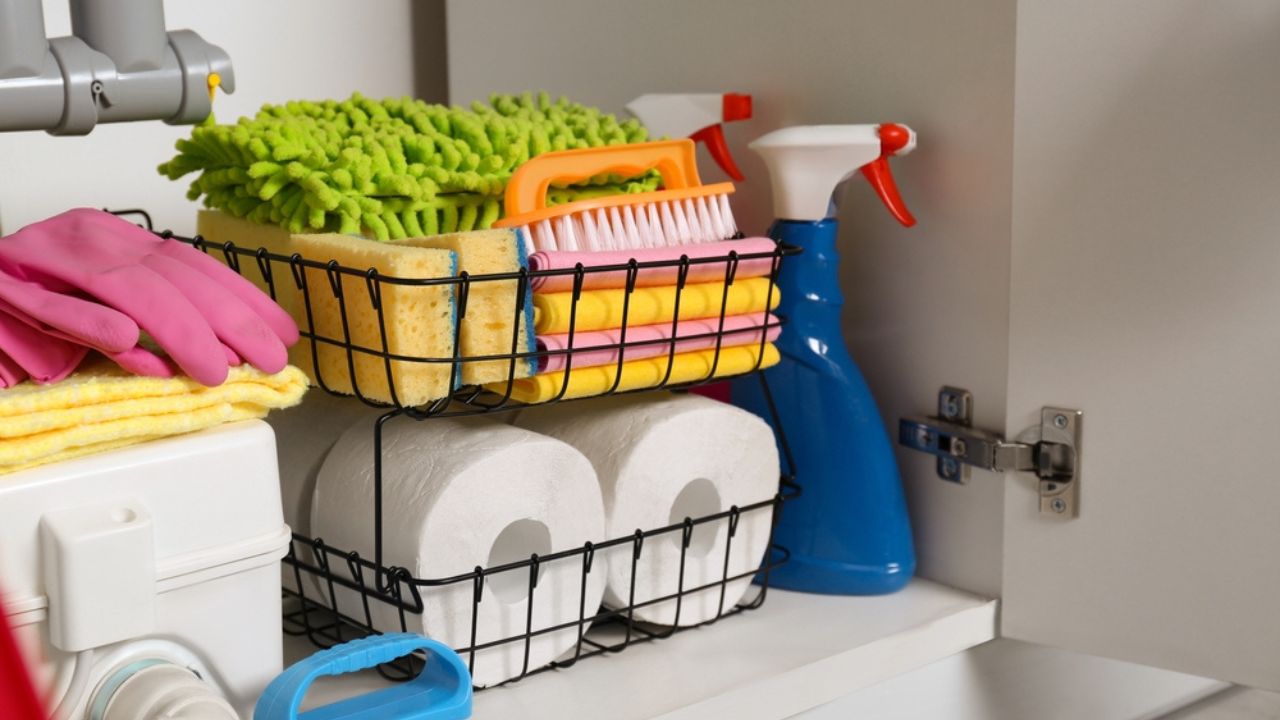
Image Credit: Shutterstock.
Accidents will happen. The key to preventing permanent damage is to act quickly with the right products.
Keep a well-stocked cleaning caddy with pet-safe cleaners designed to tackle stains and odors. Enzymatic cleaners are essential for pet urine, as they break down the organic proteins that cause lingering smells. Having these supplies ready means you can address messes immediately, preventing stains from setting into your furniture and garden rugs.
Key Takeaways:
- Act Fast: Address accidents as soon as they happen.
- Use Enzymatic Cleaners: These are crucial for completely eliminating urine odors.
- Next Steps: Assemble a pet cleanup kit that includes paper towels, an enzymatic cleaner, a pet-safe fabric cleaner, and a scrub brush. Keep it in a central, easy-to-access location.
Creating a Pet-Friendly Paradise
Image Credit: Shutterstock.com.
When it comes to having nice things and having a furry, four-legged roommate, you can have it all. Living with pets doesn’t mean your home has to look like a tornado hit a chew toy factory. It’s totally possible to have a beautiful space that works for everyone in the family, whiskers and all.
Pick one or two of these ideas that don’t make your eyes glaze over. Maybe it’s finally investing in that ridiculously plush pet bed you’ve been eyeing, or grabbing a chic throw for the sofa that can double as a dog-hair barrier. Little by little, you can weave in more, like getting serious about training.