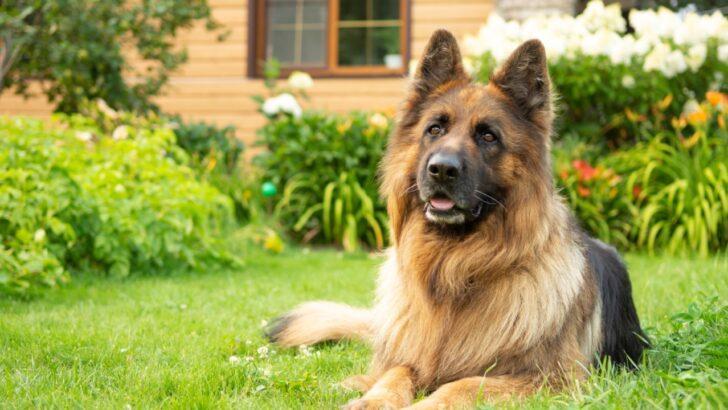
Creating a backyard that is a safe and joyful space for your dog is a top priority for any pet owner. However, a standard garden can harbor hidden dangers, from toxic plants to easy escape routes. A dog-proof backyard is not about limiting your pet’s freedom but about designing an environment where they can play, explore, and relax without you having to worry.
The key to effective dog-proofing is to think like your dog. What captures their curiosity? What are their natural instincts? By understanding their behavior—whether they’re a digger, a jumper, or a chewer—you can anticipate potential problems and implement creative solutions.
This guide offers 15 practical strategies to transform your backyard into a secure, engaging, and beautiful sanctuary for your canine companion. We sourced recommendations from pet-friendly sites such as the ASPCA to give you the best ideas for your furry friend.
1. Secure the Perimeter Fencing
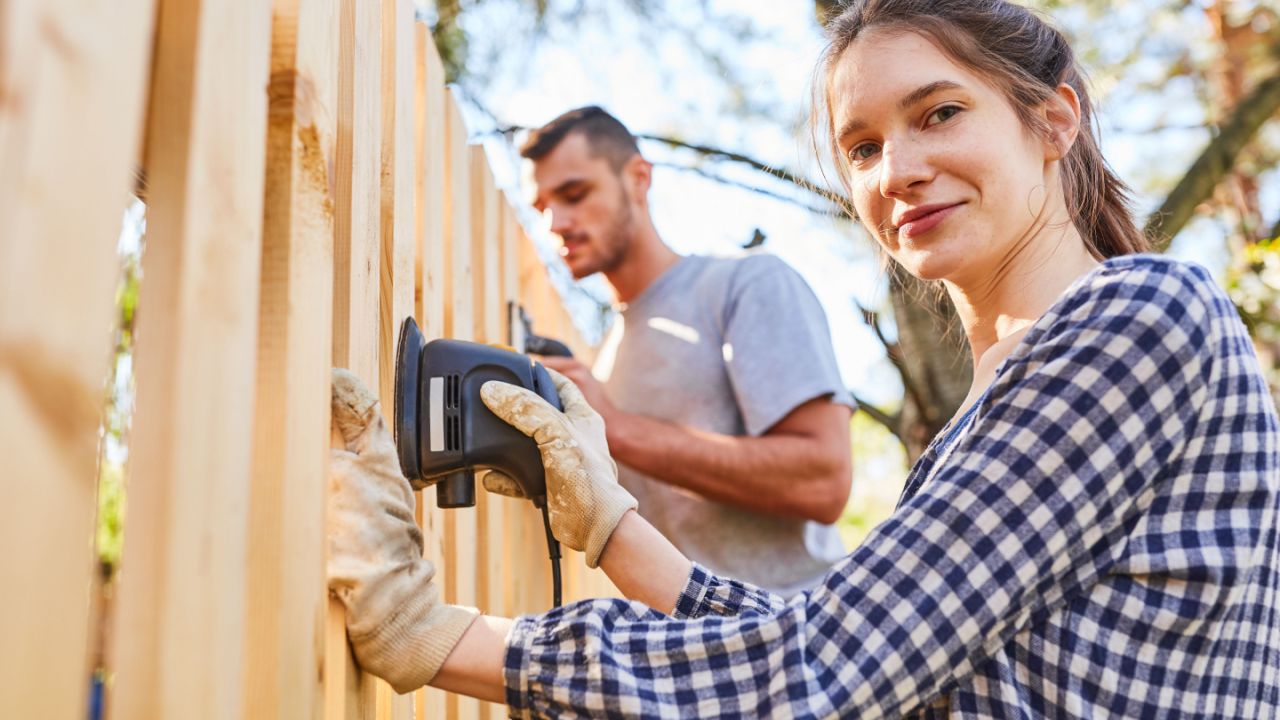
Image Credit: Shutterstock.
A solid fence is the first line of defense in keeping your dog safe. Many escapes happen through small, overlooked gaps or weaknesses in the barrier. A thorough inspection is crucial because a determined dog can exploit even the tiniest opening.
This works by creating a complete physical barrier that contains your dog and keeps potential threats out. It addresses the most common escape method: simply finding a way through or under the existing boundary.
How to Implement
- Walk the entire fence line, checking for loose boards, holes, or gaps between the fence and the ground.
- Ensure the fence is high enough for your dog’s breed; a minimum of six feet is recommended for large or athletic dogs. Otherwise, choose a height that prevents your dog from jumping over it.
- Check the material’s integrity—wood fences can rot, and chain-link fences can become bent or disconnected.
- Reinforce the bottom of the fence with L-footers (wire mesh bent at a 90-degree angle and buried) to deter digging.
Easy First Step
Grab a notepad and walk your entire fence line from both the inside and outside. Note every single gap, loose board, or potential weak spot you find. This initial audit will become your action plan.
2. Install a Dog-Friendly Gate
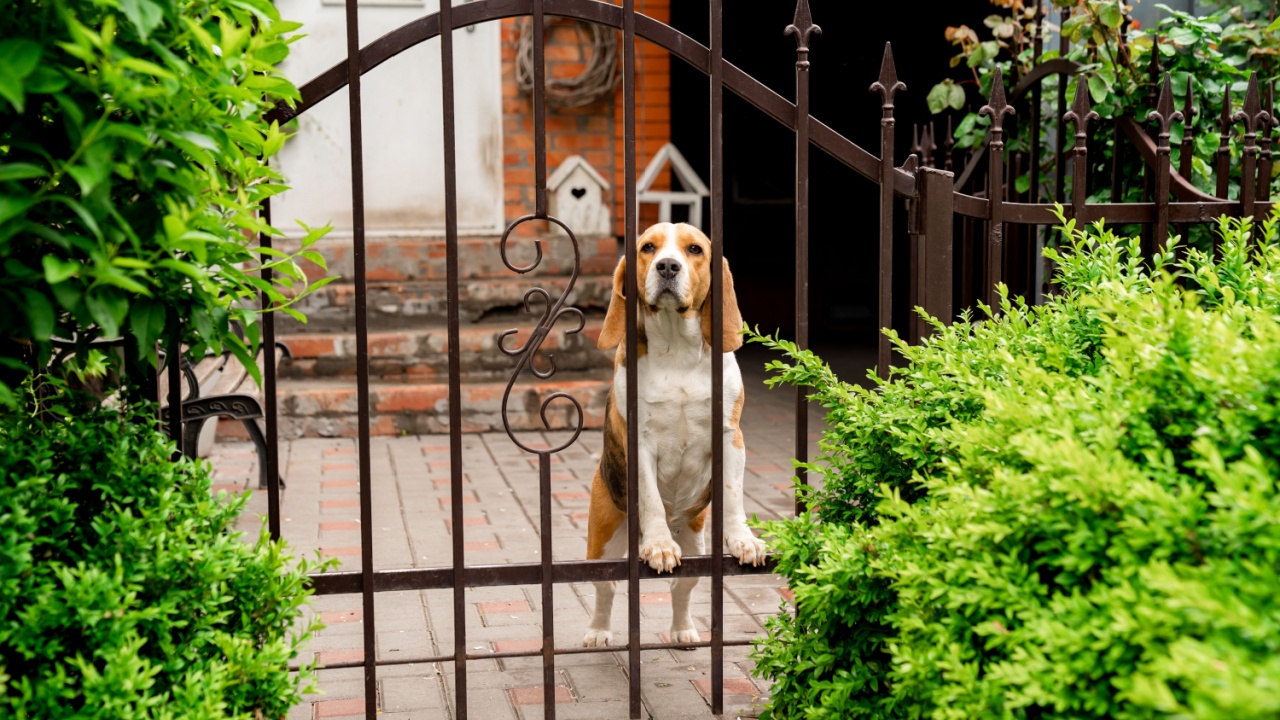
Image Credit: Shutterstock.
The gate is often the weakest point in an otherwise secure fence. It’s frequently left unlatched by accident or has a mechanism that a clever dog can learn to operate. A purpose-built, dog-friendly gate addresses these vulnerabilities directly.
This strategy works by ensuring the entry and exit point is as secure as the rest of the fence. Self-closing and self-latching mechanisms remove the element of human error, providing consistent security.
How to Implement
- Choose a gate that matches the height and sturdiness of your fence.
- Install a self-closing hinge and a self-latching mechanism.
- Place the latch high up, out of your dog’s reach.
- Ensure the gate swings inward, as this makes it harder for a dog to push open.
Easy First Step
Check your current gate’s latch. Is it secure? Could a clever dog nudge it open? Consider adding a simple carabiner clip or a secondary slide bolt as an immediate, low-cost security boost.
3. Use Strategic Landscaping
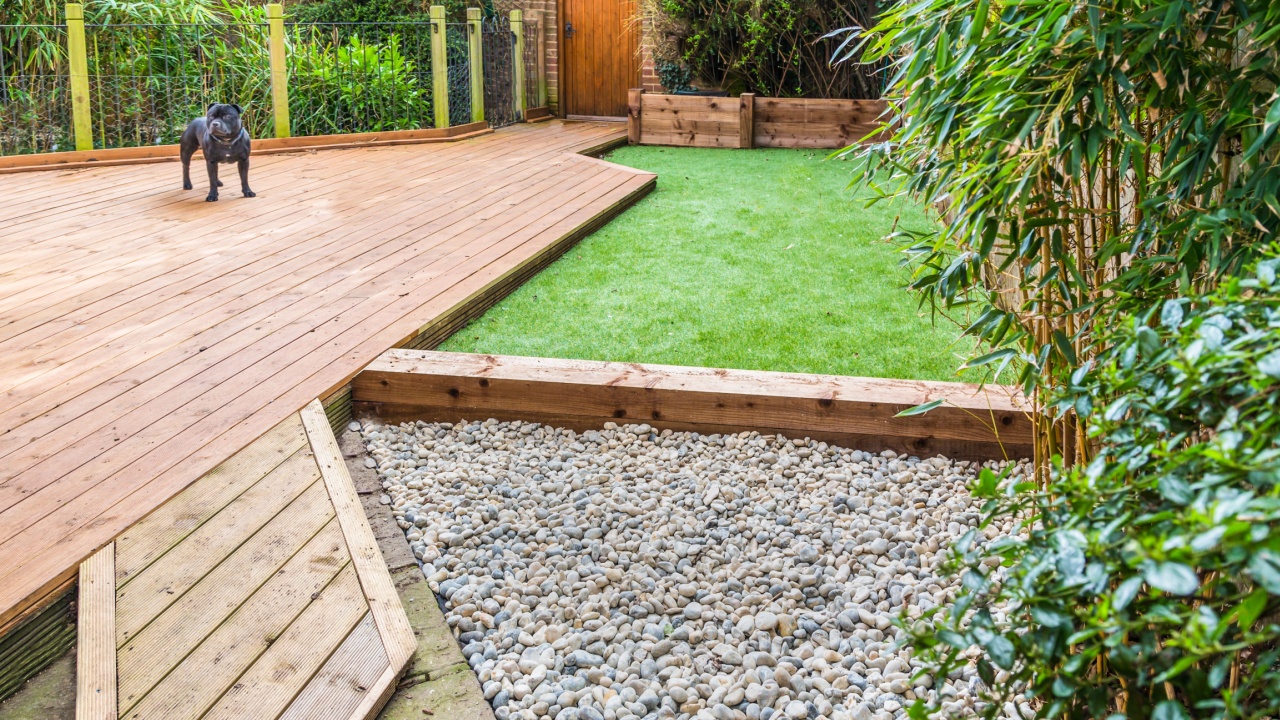
Image Credit: Shutterstock.
Landscaping can be both beautiful and functional in a dog-proof yard. Plants can act as natural, secondary barriers, discouraging your dog from reaching the fence line in the first place.
This method works by creating a “buffer zone” along the fence. Dense or slightly thorny plants make it uncomfortable for a dog to run along the perimeter, reducing their temptation to dig or look for escape routes.
How to Implement
- Plant dense shrubs or hardy ornamental grasses about two feet in front of your fence line.
- Choose dog-safe plants like local bushes, such as deutzia or hardy roses.
- Avoid toxic plants entirely. The ASPCA has a comprehensive list of plants that are poisonous to dogs.
- Use raised garden beds for your delicate plants to keep them safe from trampling paws.
Easy First Step
Identify one section of your fence where your dog spends the most time trying to dig or escape. Plan to install a simple row of tough, dog-safe shrubs in that specific area as a pilot project.
4. Create a Designated Digging Zone

Image Credit: Shutterstock.
Digging is a natural, instinctual behavior for many dog breeds. Trying to stop it completely can be a frustrating and losing battle. A designated digging zone redirects this instinct to an approved area.
This works by providing a positive outlet for a natural behavior. Instead of punishing the dog for digging in your flowerbeds, you reward them for digging in their special spot, making it a more attractive option.
How to Implement
- Choose a corner of the yard for the digging zone. A sandbox or a simple bordered area works well.
- Fill it with a mix of loose soil and sand, which is more appealing to dig in than compacted garden soil.
- Bury some favorite toys or dog-safe treats in the spot to encourage initial exploration.
- If you catch your dog digging elsewhere, gently redirect them to their digging zone and praise them when they use it.
Easy First Step
Buy a bag of play sand and mix it into a small, out-of-the-way corner of your yard. Bury one of your dog’s favorite chew toys just under the surface and guide them to it.
5. Provide Ample Shade and Water
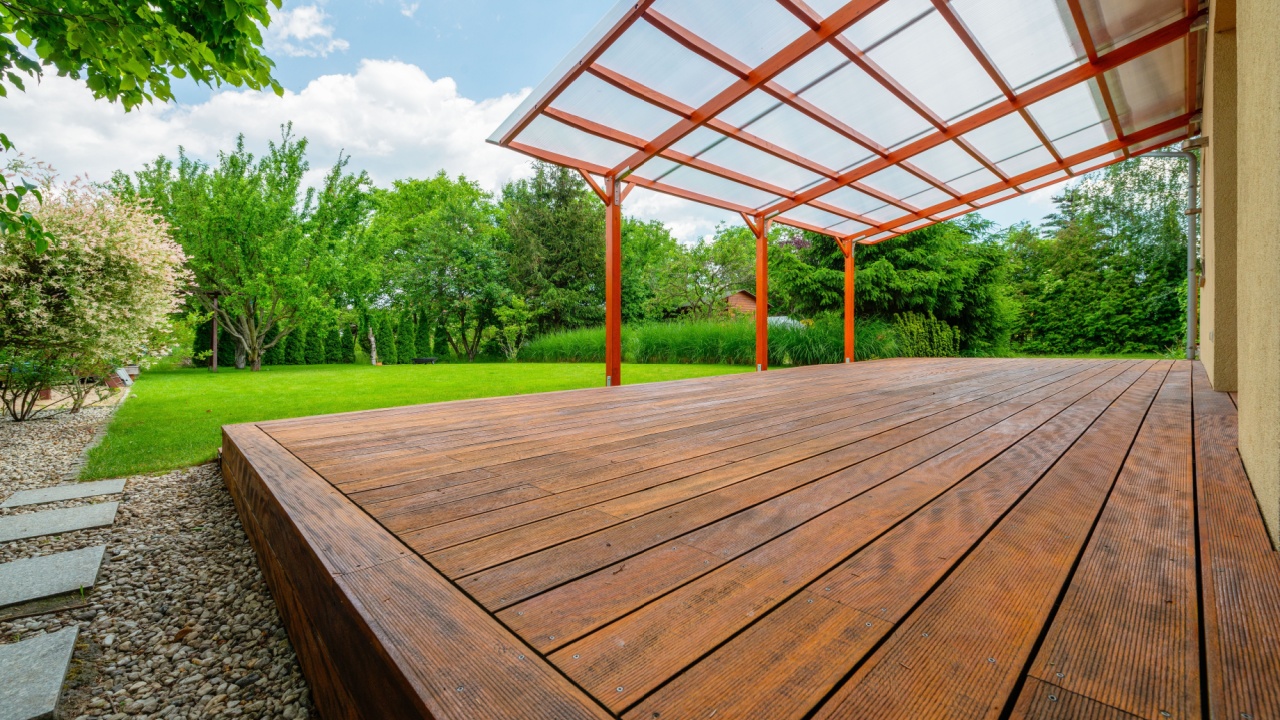
Image Credit: Shutterstock.
Dogs can overheat quickly, especially on warm days. Providing constant access to shade and fresh water is not just a comfort measure; it’s a critical safety requirement to prevent heatstroke.
This strategy works by giving your dog the means to regulate their own body temperature. When they feel warm, they can retreat to a cool, shady spot and rehydrate, preventing a medical emergency.
How to Implement
- Ensure your yard has natural shade from trees or large shrubs.
- If natural shade is lacking, install a sun sail, a large umbrella, or a covered pergola.
- A well-ventilated doghouse can also serve as a shady retreat. However, well-placed shade trees might be better in warmer climates, since heat can become trapped in a small space.
- Place a large, heavy water bowl that can’t be tipped over in a shaded area and refresh it daily.
Easy First Step
Go into your backyard at noon on a sunny day. Observe where the shadows fall and ensure there’s a consistently shady spot large enough for your dog to lie down comfortably. If not, plan to move a large patio umbrella to that area.
6. Remove All Toxic Hazards
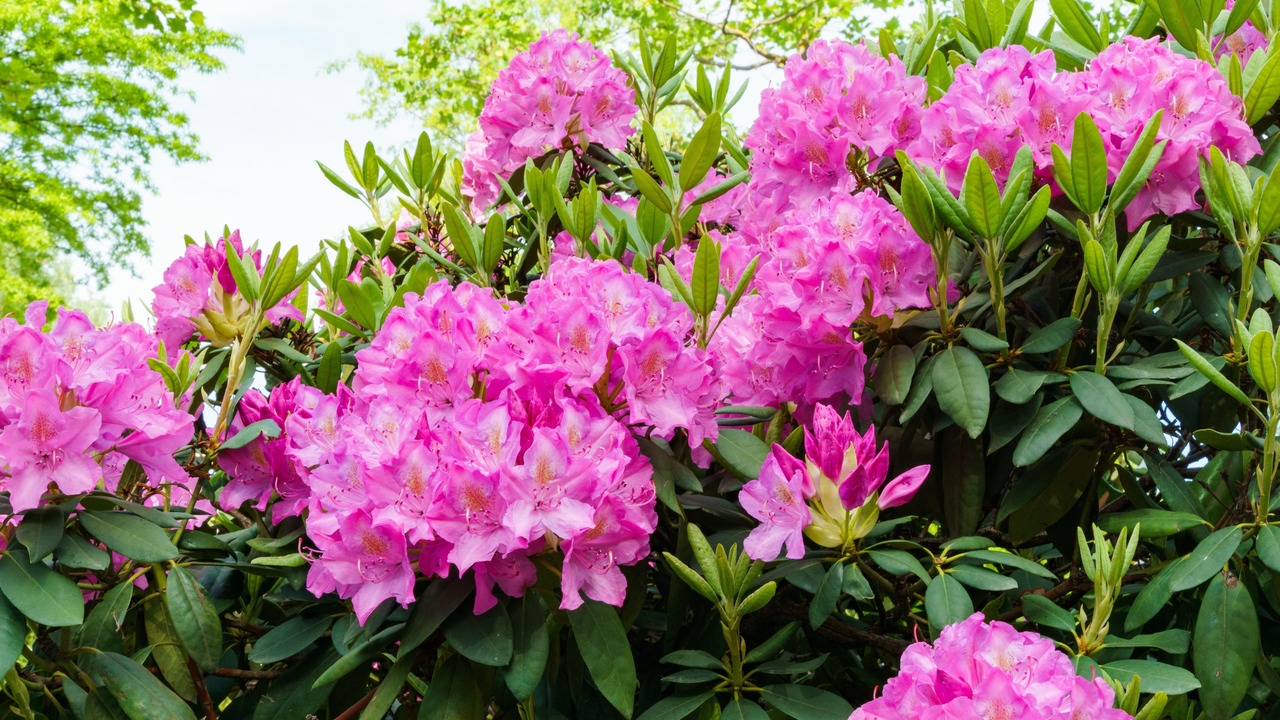
Image Credit: Shutterstock.
A backyard can contain numerous items that are toxic to dogs, from common garden plants to chemicals. Identifying and removing these hazards is essential for creating a truly safe space.
This works by eliminating the risk of accidental poisoning. Since dogs explore the world with their mouths, removing toxic substances is the only guaranteed way to prevent ingestion.
How to Implement
- Research all the plants in your yard and remove any that are toxic to dogs, such as lilies (particularly lily of the valley for dogs), sago palms, azaleas, and certain types of ivy.
- Store all garden chemicals like fertilizers, pesticides, and herbicides in a locked cabinet or shed.
- Switch to pet-safe options for lawn care and pest control.
- Ensure compost bins are securely latched, as decomposing food can contain harmful mold.
Easy First Step
Take photos of every plant in your yard. Use a plant identification app or website to name them, then cross-reference each one with the ASPCA’s toxic plant list.
7. Choose Dog-Safe Mulch
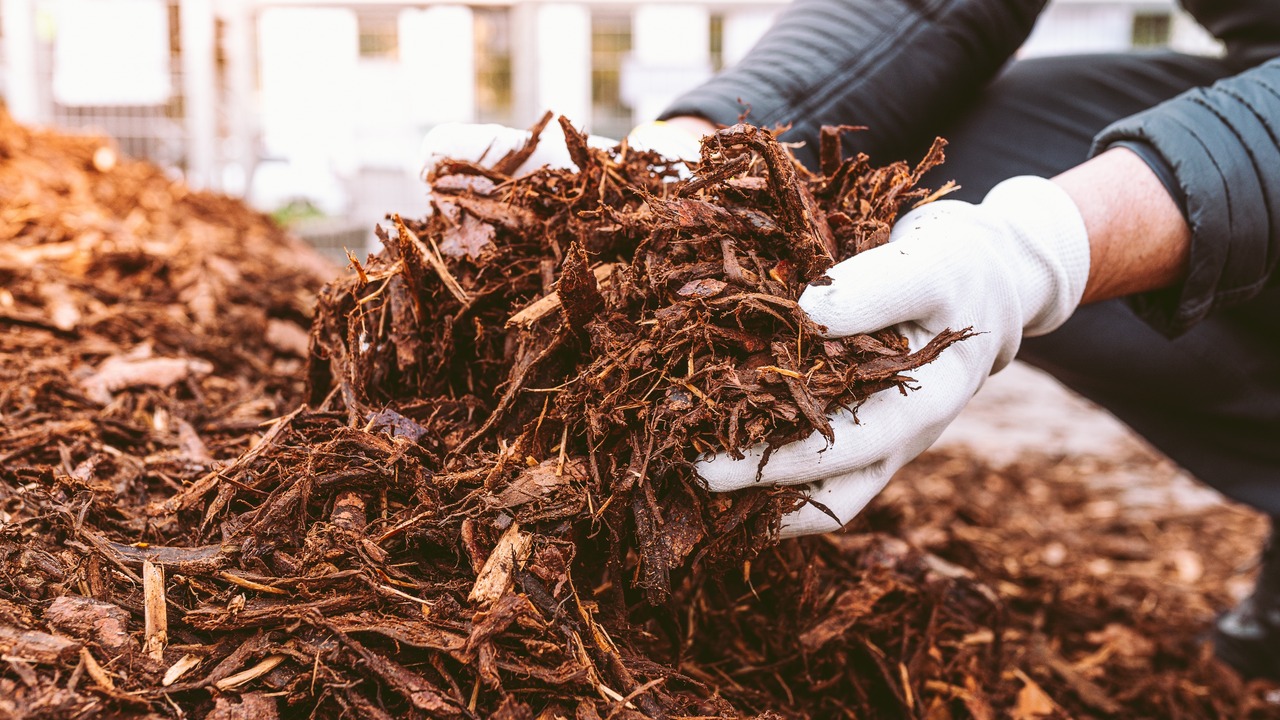
Image Credit: Shutterstock.
Many common types of mulch can be harmful to dogs. Cocoa mulch is notoriously toxic because it contains theobromine, the same compound that makes chocolate dangerous for dogs. Others can be a choking hazard or cause intestinal blockages.
Using dog-safe mulch works by removing a common but often overlooked source of poisoning and injury. It allows you to maintain beautiful garden beds without putting your pet at risk.
How to Implement
- Avoid cocoa mulch at all costs.
- Opt for natural, untreated wood mulches like cedar, pine, or hemlock. (Even with safe mulches, watch dogs that like to chew to minimize risk of intestinal obstructions.)
- Shredded leaves or straw are also safe and effective options.
- Avoid mulches made from recycled rubber tires, as they might contain harmful chemicals if chewed.
Easy First Step
Check the label on your current bag of mulch. If it’s cocoa mulch, plan to rake it up and replace it. If you’re unsure what type you have, switch to a clearly labeled, pet-safe option next time you refresh your garden beds.
8. Install a Fence Window
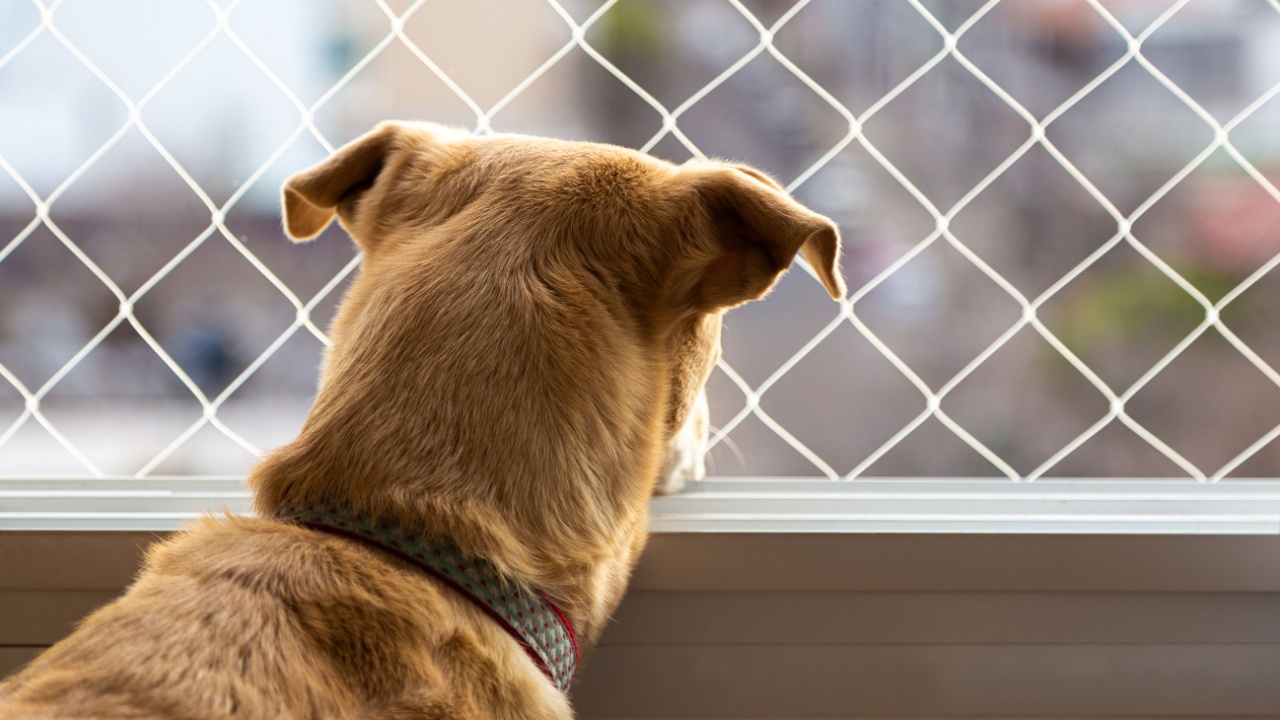
Image Credit: Shutterstock.
A dog’s curiosity about the world beyond the fence can lead to boredom-related behaviors like barking, digging, or escape attempts. A fence window provides a safe outlet for this curiosity.
This works by providing mental stimulation. It allows your dog to watch passersby, other animals, and neighborhood activity without the frustration of a solid barrier, which can reduce anxiety and boredom.
Note: Only try this option if you’re dog isn’t overly reactive to the outside world. In these instances, less stimulation may be better.
How to Implement
- Purchase a pre-made acrylic dome window designed for fences.
- Choose a spot in the fence at your dog’s eye level.
- Follow the manufacturer’s instructions to cut a hole in the fence and install the dome securely.
- Ensure there are no sharp edges after installation.
Easy First Step
Observe where your dog most often tries to peek through or under the fence. This is the ideal location to consider installing a fence window.
9. Create a Safe Play and Potty Area
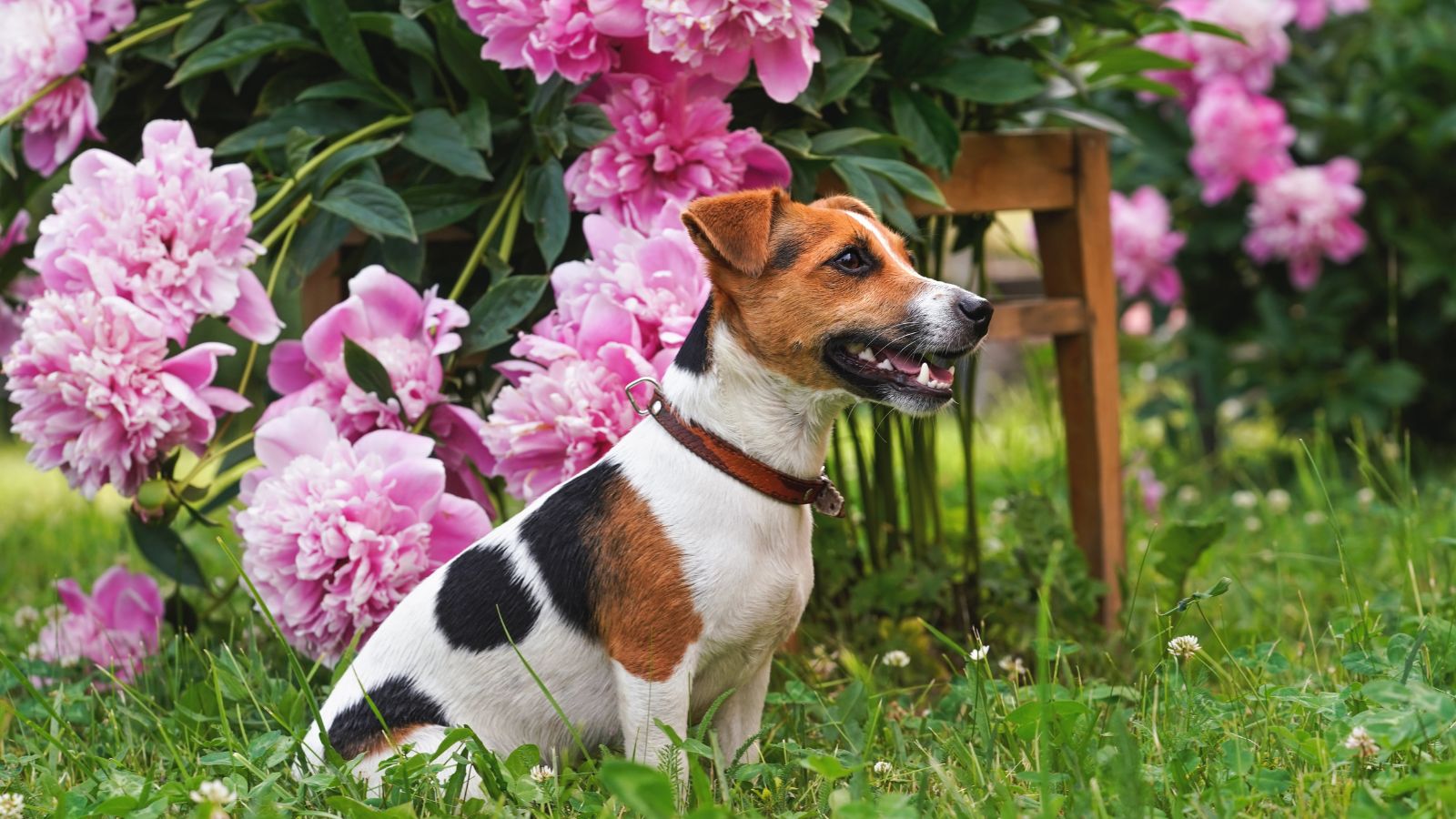
Image credit: YAY Images.
Designating specific zones for different activities helps protect your lawn and garden while giving your dog a clear place to play and do their business. This can save your prize-winning roses and prevent yellow spots on your lawn.
This strategy works by using surface textures and location to guide your dog’s behavior. A soft, durable play surface is more inviting for running, while a specific potty area can be trained through positive reinforcement.
How to Implement
- Designate a play area using a soft, durable surface like artificial turf, cedar chips, or smooth pea gravel (most common option).
- Create a separate, designated potty area in a less visible part of the yard. Use materials like sand or pea gravel that are easy to clean.
- Train your dog to use the potty area by taking them there on a leash and rewarding them when they go.
- Install agility equipment or sturdy toys in the play zone.
Easy First Step
Choose a small, discreet area of your yard for a potty spot. Take your dog there on a leash every time you let them out, and give them a high-value treat immediately after they do their business there.
10. Install Motion-Activated Lights
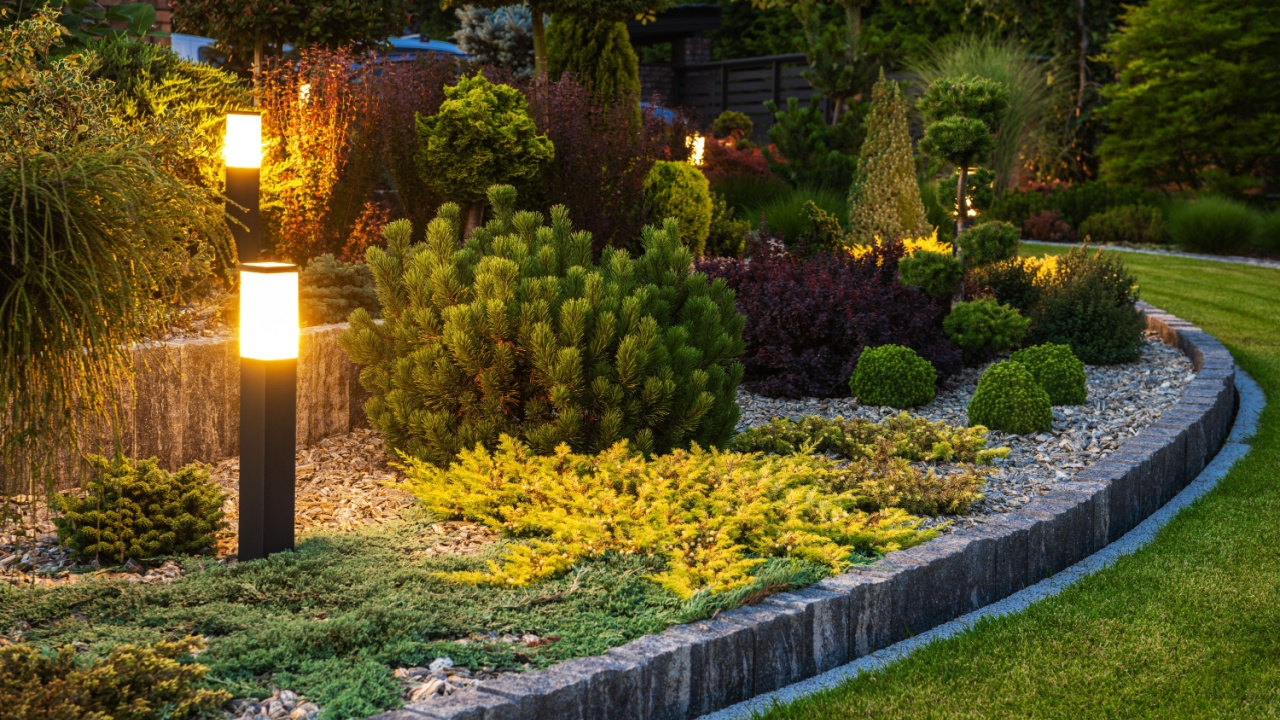
Image Credit: Shutterstock.
A dark backyard can hide potential hazards for your dog and make it difficult for you to supervise them at night. Motion-activated lights provide safety and security.
This works by illuminating the yard instantly when your dog moves into an area, allowing you to see them clearly and startling any nocturnal wildlife that may have entered the yard.
How to Implement
- Install solar-powered or wired motion-activated lights around the perimeter of your yard.
- Position them to cover pathways, doorways, and the primary areas where your dog plays.
- Choose LED lights for energy efficiency and long life.
- Adjust the sensitivity to ensure your dog triggers them, but not every rustling leaf.
Easy First Step
Purchase one or two inexpensive, solar-powered motion-activated lights and place them near the back door and your dog’s favorite nighttime potty spot.
11. Provide Enrichment Activities
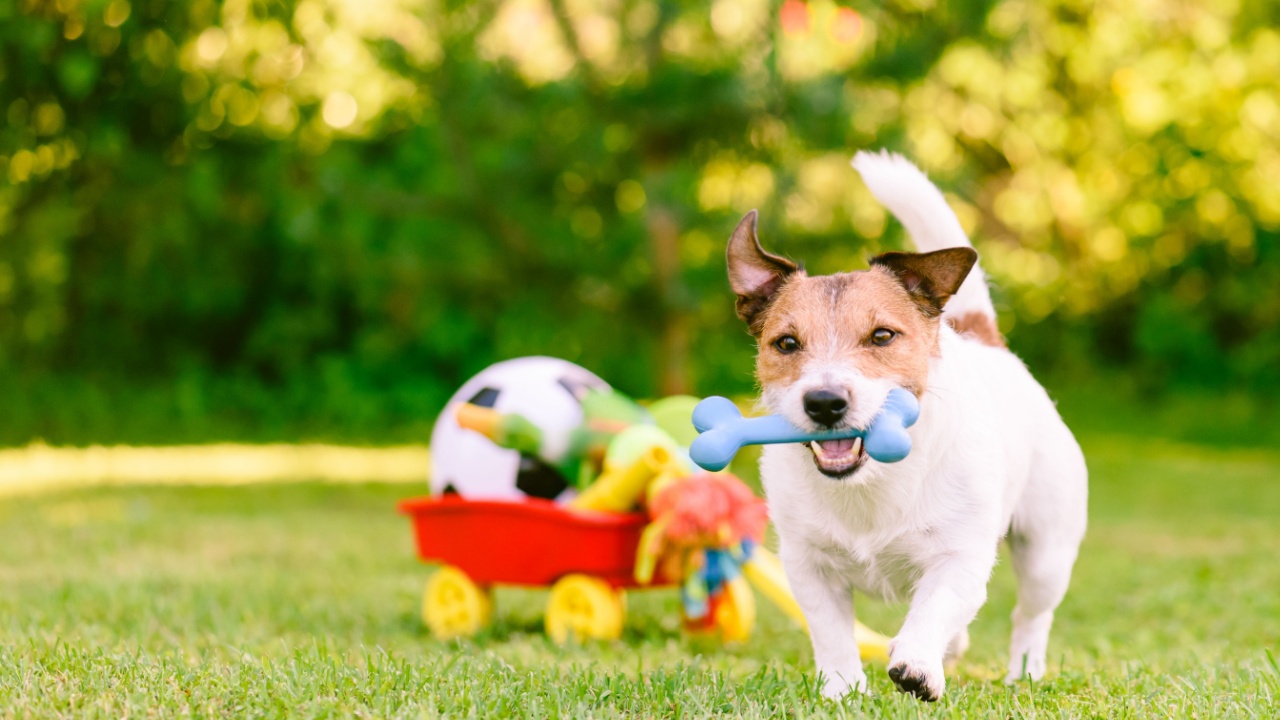
Image Credit: Shutterstock.
A bored dog is often a destructive dog. Enrichment activities provide mental stimulation that can curb unwanted behaviors like chewing, digging, and excessive barking.
This strategy works by channeling your dog’s energy and intelligence into productive, engaging tasks. A mentally tired dog is a calm and happy dog, less likely to invent their own “fun” by destroying your landscaping.
How to Implement
- Use puzzle toys or treat-dispensing balls in the yard.
- Set up a “sniffari” by hiding small, high-value treats around the yard for your dog to find.
- Rotate their outdoor toys regularly to keep them novel and exciting.
- Practice simple training commands for a few minutes during backyard playtime.
Easy First Step
Take a handful of your dog’s favorite treats and toss them into a patch of grass. Say “Find it!” and let them use their nose to hunt for the snacks.
12. Secure Pools and Water Features
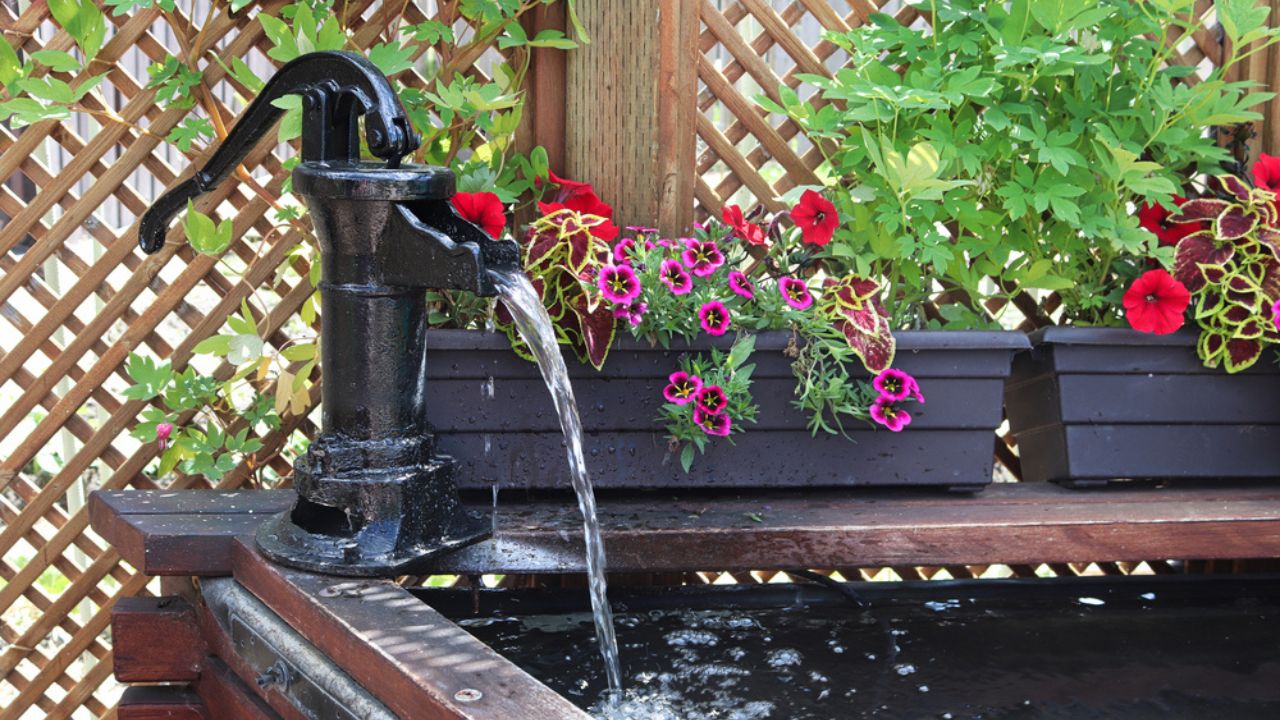
Image Credit: Shutterstock.
Open water sources like pools, ponds, and even rain barrels can pose a serious drowning risk, especially for small breeds or dogs that are not strong swimmers.
This works by creating a physical barrier that prevents accidental falls into the water. For dogs that can swim, it provides a clear and easy way for them to exit the water on their own.
How to Implement
- Install a secure, four-sided fence with a self-latching gate specifically around your pool or pond.
- Use a pool cover that can support your dog’s weight when the pool is not in use.
- Install a pool ramp or steps, like a Skamper Ramp, to give your dog an easy way to climb out.
- Place a secure lid on rain barrels or other water collection containers.
Easy First Step
If you have a pool, walk your dog around it on a leash and teach them where the steps are. Gently guide them in and out of the water using the steps several times so they know the primary escape route.
13. Check for Pest and Wildlife Hazards
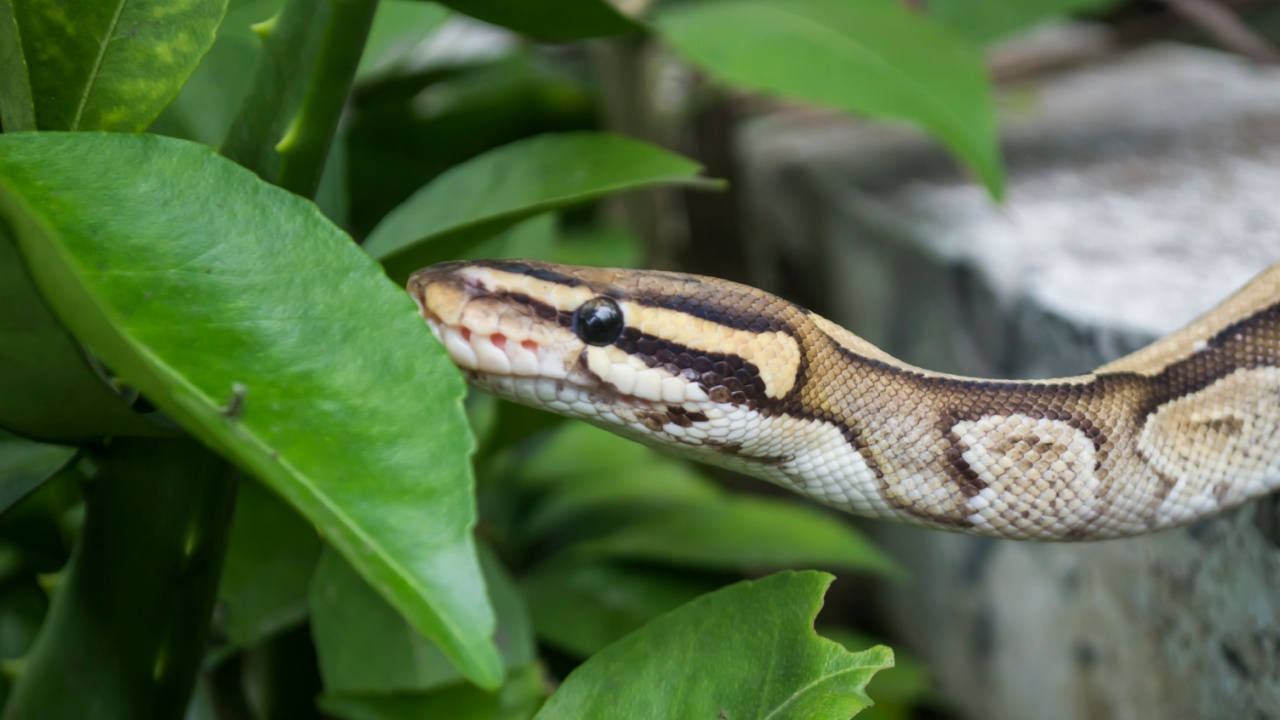
Image Credit: Shutterstock.
Your backyard is part of a larger ecosystem, which can include pests and wildlife that may pose a threat to your dog. This includes fleas, ticks, stinging insects, snakes, and larger animals.
This method works by proactively making your yard less attractive to unwanted visitors and by taking preventative measures to protect your dog from those that do appear.
How to Implement
- Keep your lawn mowed and remove brush piles to reduce habitat for ticks and snakes.
- Ensure garbage cans are securely lidded to avoid attracting wildlife like raccoons or opossums.
- Check for wasp or hornet nests regularly and have them safely removed.
- Use a vet-recommended flea and tick preventative for your dog.
Easy First Step
Do a quick scan of your yard for standing water (a mosquito breeding ground), woodpiles (a snake and rodent habitat), and unsecured trash cans. Address the easiest one first, such as tipping over a bucket of rainwater.
14. Create Safe Pathways
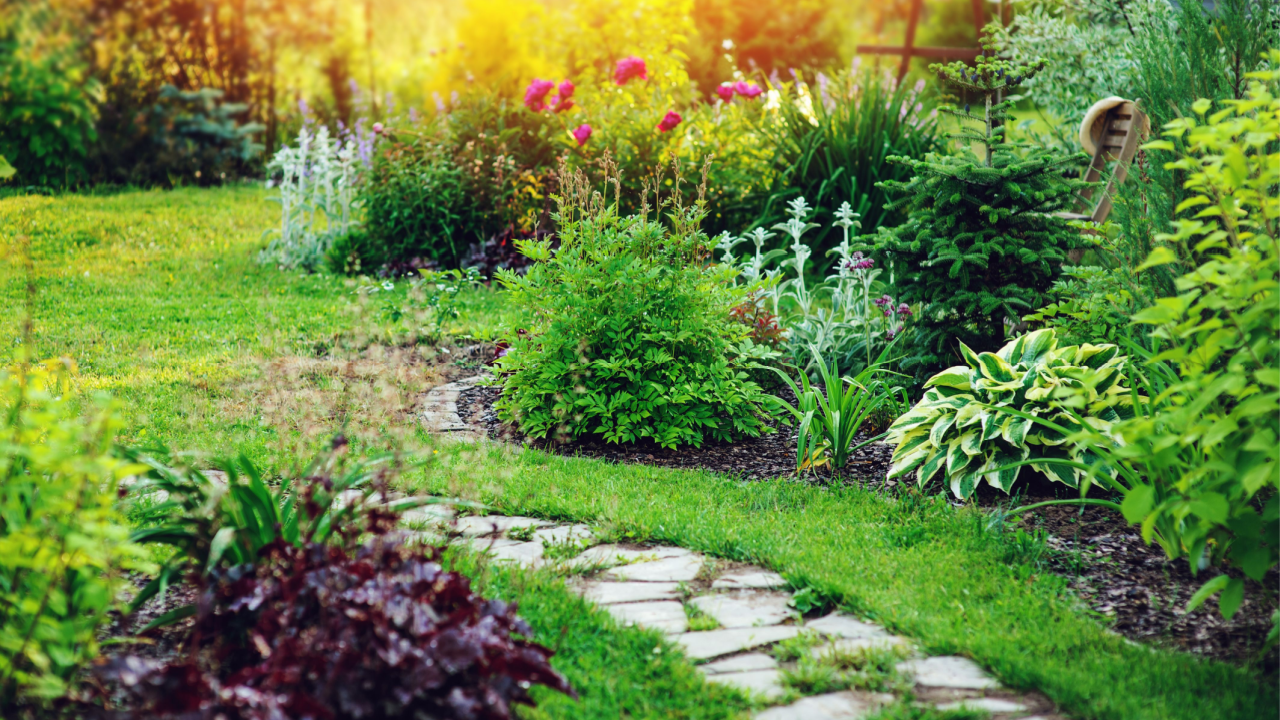
Image Credit: Shutterstock.
Dogs often create their own “patrol paths” along fences or from the door to their favorite spots. These can become muddy, worn-out trails. Creating intentional pathways protects your lawn and your dog’s paws.
This works by providing a durable and comfortable route for your dog to travel. It prevents muddy paws from coming into the house and protects their paw pads from hot pavement or sharp rocks.
How to Implement
- Observe your dog’s natural routes through the yard.
- Lay down pathways using paw-friendly materials like smooth flagstones, cedar chips, or brick pavers.
- Ensure pathways are wide enough for your dog to comfortably walk on.
- Leave small gaps between pavers and fill with a soft groundcover like creeping thyme for a softer feel.
Easy First Step
Watch your dog the next few times you let them out. Note the exact path they take from the back door. This is the first place to consider installing a simple path of stepping stones.
15. Regular Inspection and Maintenance
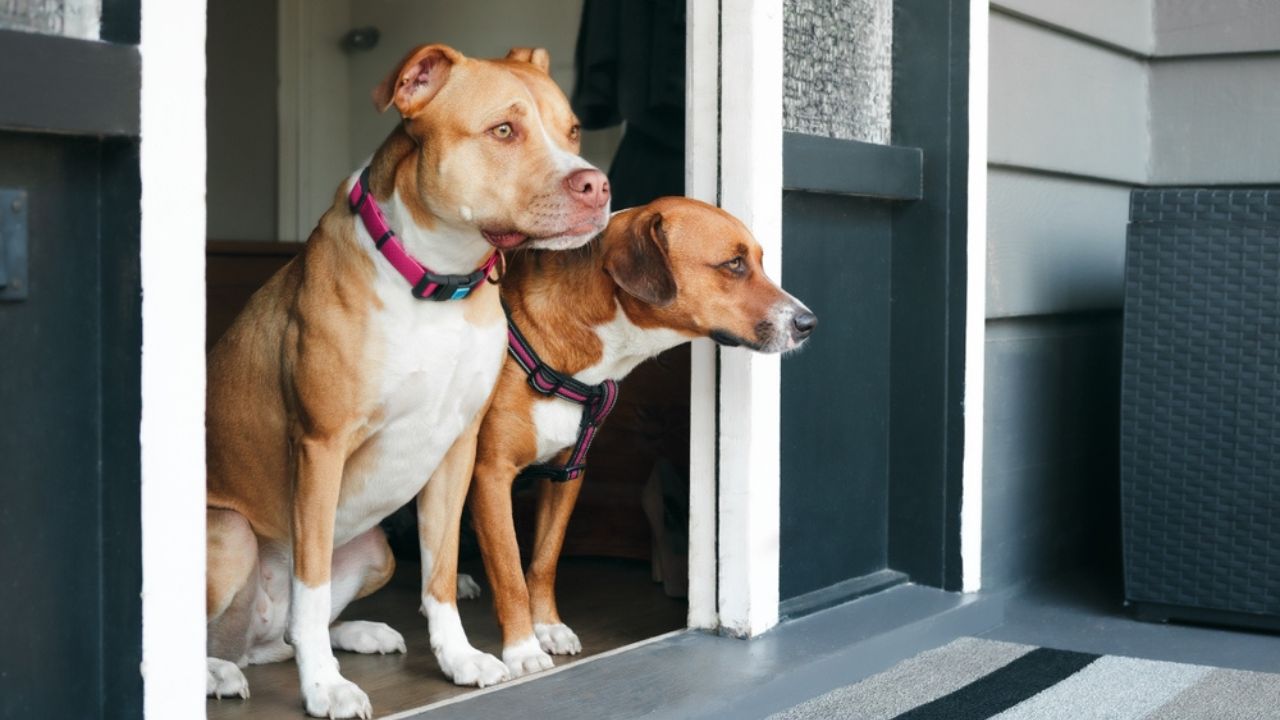
Image Credit: Shutterstock.
A dog-proof yard is not a “set it and forget it” project. Regular maintenance is key to ensuring it remains safe over time. Fences degrade, new hazards can appear, and your dog’s behavior might change.
This works by treating dog safety as an ongoing process. Regular checks allow you to catch small problems before they become big dangers, ensuring your yard remains a secure sanctuary.
How to Implement
- Schedule a monthly “safety walk” to inspect your fence, gates, and landscaping.
- Check for and remove any new or broken objects that could be a hazard.
- Monitor your dog’s behavior for any new habits, like a sudden interest in a specific part of the fence.
- Refresh mulch, check for new pest activity, and ensure all safety features are in good working order.
Easy First Step
Set a recurring reminder on your phone for the first Saturday of every month to do a 10-minute backyard safety check.
No matter what you do to doggy-proof your backyard, having a safe space for your pooch will give you peace of mind when they’re out roaming free. Start by recognizing which items need to be addressed and then tackle the highest priority to-dos first. Then, slowly work your way through the rest.