

Watering your garden sounds simple, but getting it wrong can spell disaster for your plants. From overzealous showers to accidental neglect, watering mistakes are one of the most common reasons gardens fail to thrive.
If you’ve struggled to keep your garden alive and are ready to learn practical tips to transform your watering habits, this guide is for you.
Where We Got Our Advice
Image Credit: Shutterstock,
To ensure the accuracy of this guide, we’ve consulted credible horticultural experts and trusted resources. These include the University of California Agriculture and UC Natural Resources, authorities on proper plant care across various climates.
1. Overwatering Your Plants
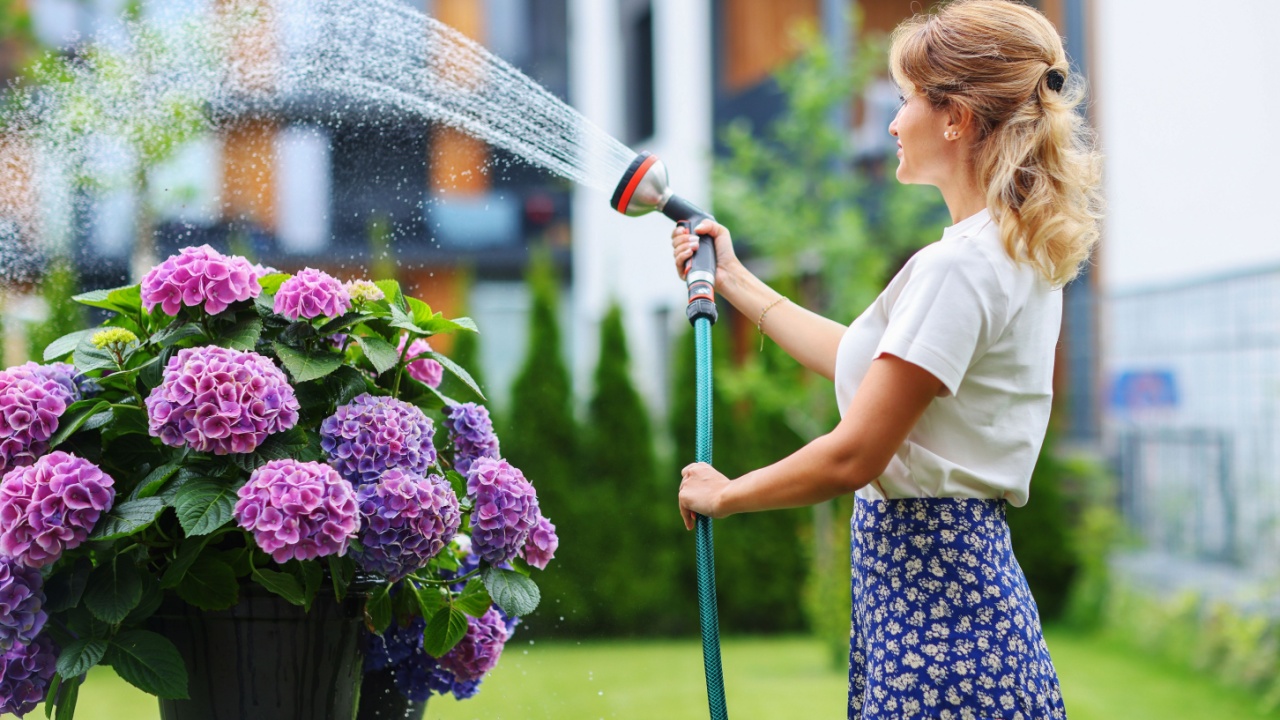
Image Credit: Shutterstock.
The Mistake: Many gardeners kill their plants with kindness by watering too frequently or too heavily. Overwatering causes roots to suffocate and encourages diseases like root rot and fungal infections.
How to Avoid It: Check the soil’s moisture level before watering by sticking your finger one to two inches deep into the soil. Only water when the soil feels dry at this depth. For plants like succulents, allow the soil to dry out completely between waterings.
2. Underwatering Your Plants
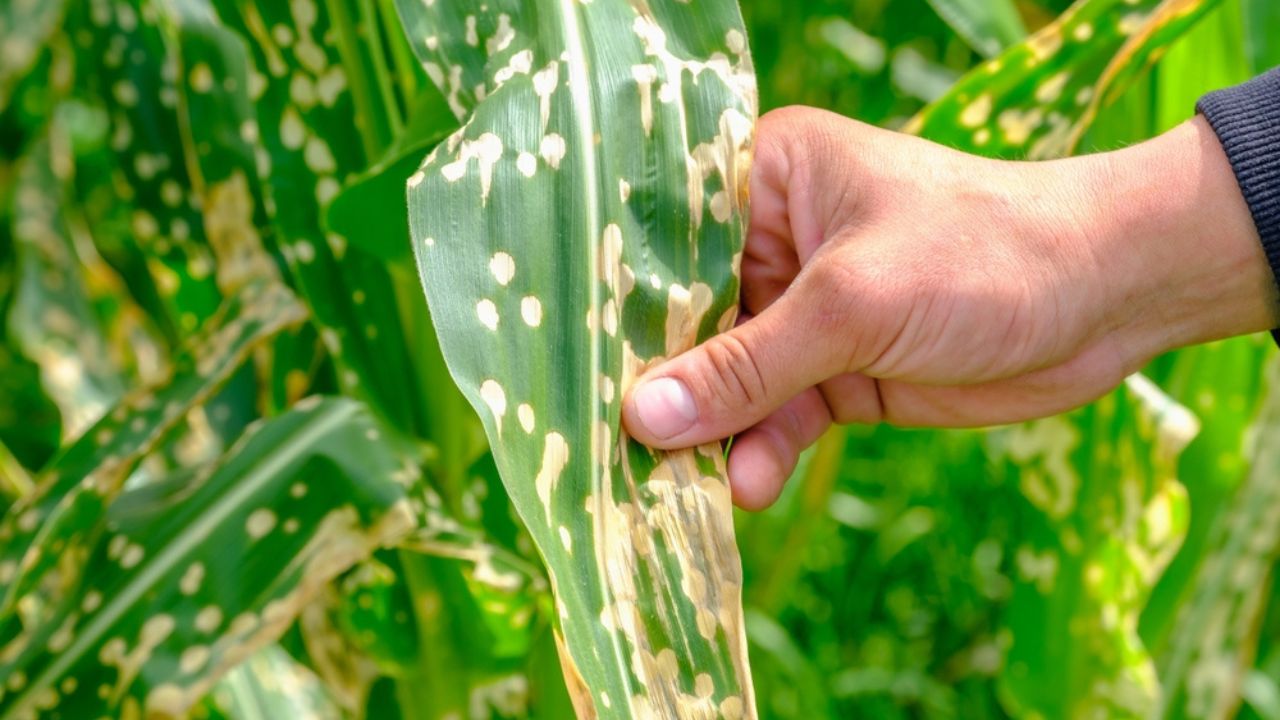
Image Credit: Shutterstock.
The Mistake: Forgetting to water or waiting too long between waterings causes plants to dry out. Signs of underwatering include wilting leaves, drooping stems, and dry soil.
How to Avoid It: Set a reminder to check your plants regularly and ensure the soil is evenly moist without becoming soggy. Use mulch to retain moisture longer, especially during hot summers.
3. Watering at the Wrong Time of Day
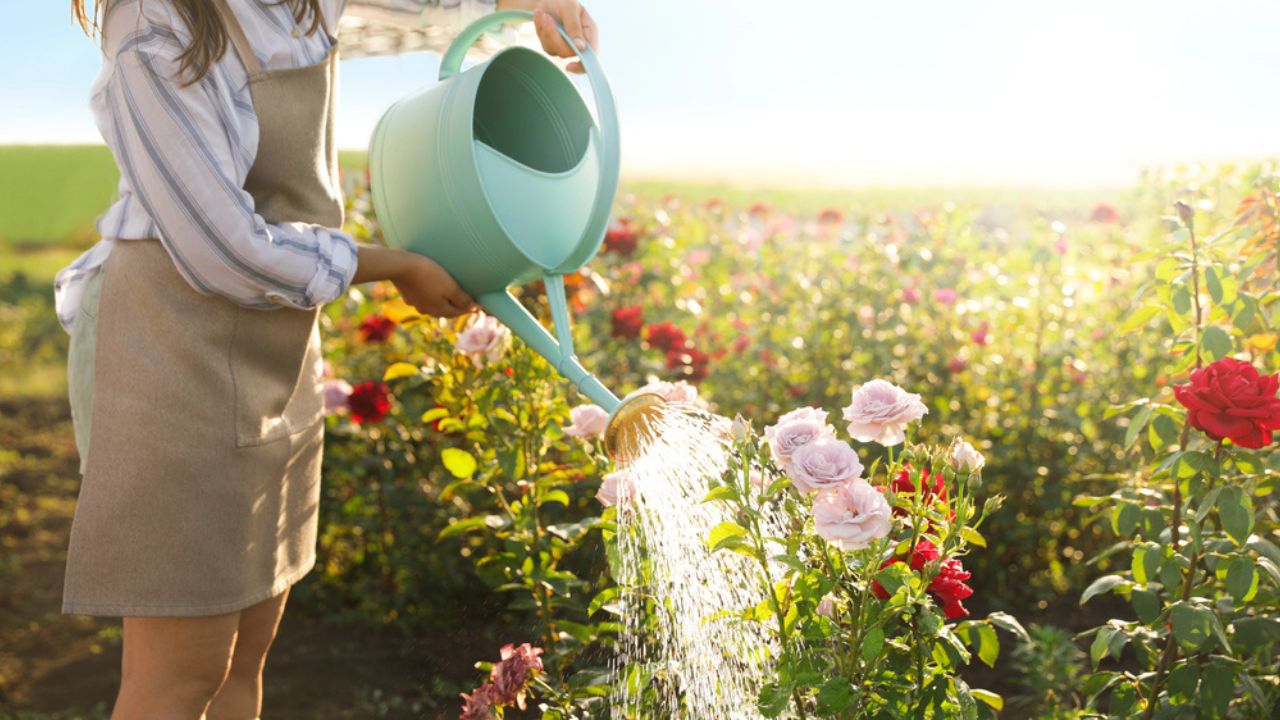
Image Credit: Depositphotos.com.
The Mistake: Watering in the middle of the day exposes your plants to rapid evaporation, leaving them thirsty. Wet leaves in hot sunlight may also lead to scorching.
How to Avoid It: Water early in the morning or late in the evening. This allows the water to soak into the soil before the sun’s heat causes it to evaporate, ensuring your plants stay hydrated.
4. Splashing Water on Leaves and Stems

Image Credit: Shutterstock.
The Mistake: Watering plants from above can leave water droplets on leaves and stems, creating an environment for fungal diseases to thrive. This is especially a problem for plants like tomatoes and roses, which are prone to leaf spot and mildew.
How to Avoid It: Aim your watering can or hose nozzle directly at the soil, focusing on the base of the plant. This ensures water reaches the roots, where it’s needed most.
5. Ignoring Soil Drainage
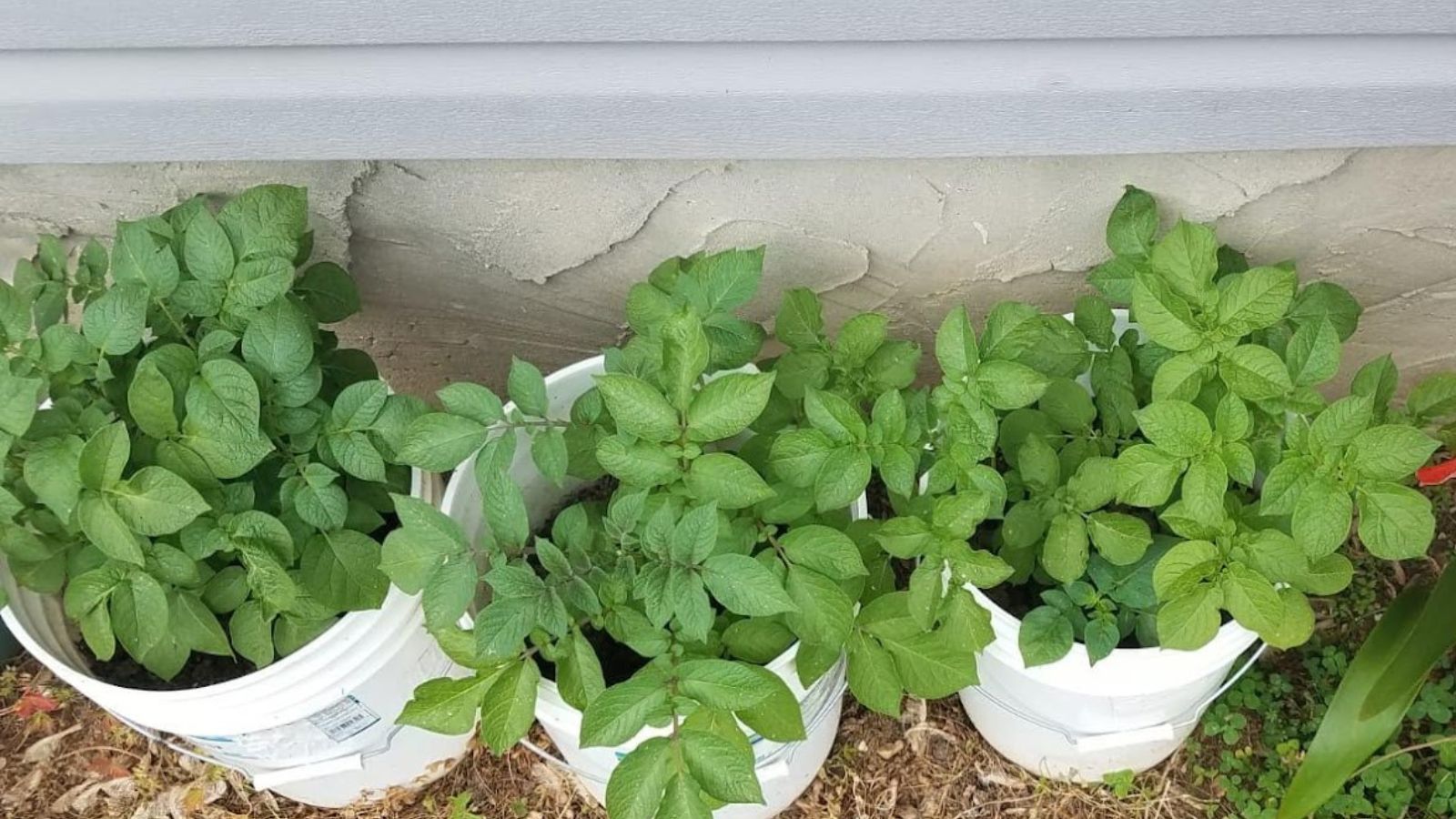
Image credit: Backyard Garden Lover.
The Mistake: Plants sitting in poorly draining soil are at high risk of developing root rot. Heavy clays and container plants without drainage holes are particularly problematic.
How to Avoid It: Use well-draining soil and avoid planting in areas prone to waterlogging. If using containers, ensure they have adequate drainage holes. You can also add sand or compost to improve heavy clay soils.
6. Watering Plants on a Schedule
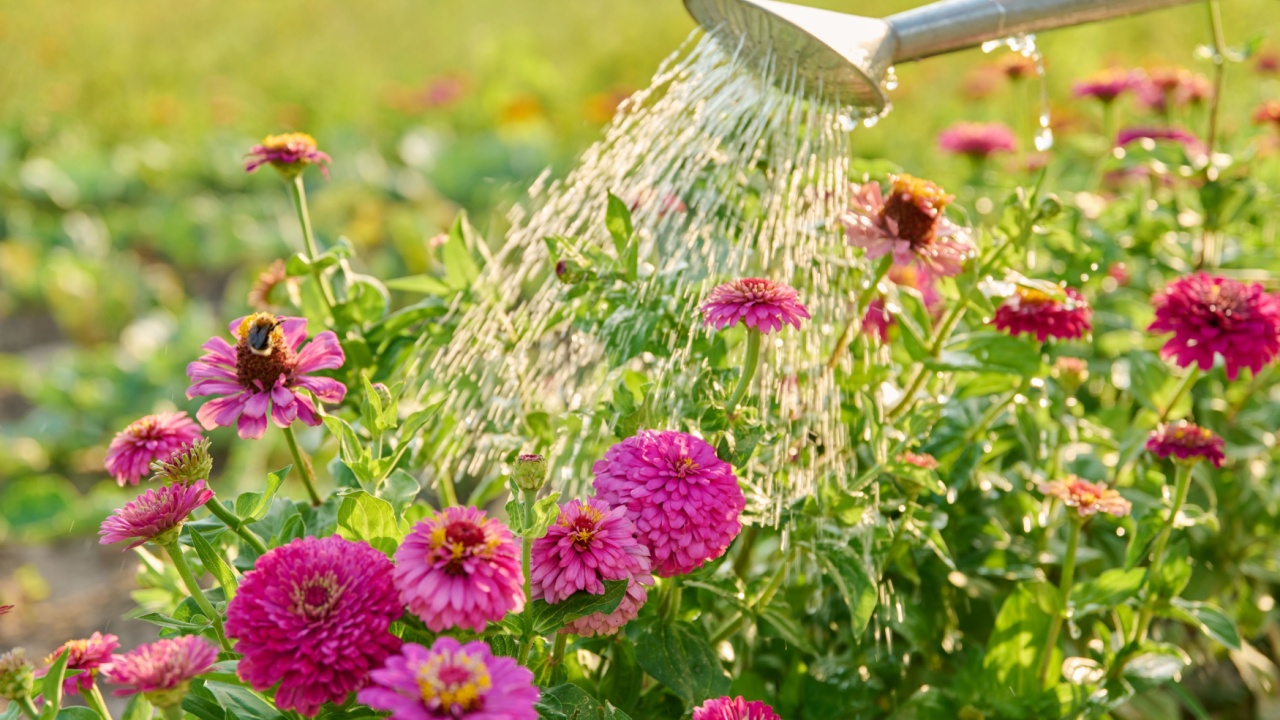
Image Credit: Shutterstock.
The Mistake: Sticking to a fixed watering schedule (e.g., “once every three days”) without checking the soil can lead to overwatering or underwatering, depending on weather and soil type.
How to Avoid It: Check your soil’s moisture level with a finger test or moisture meter before watering. Adjust your watering frequency according to temperature, rainfall, and the specific needs of your plants.
7. Forgetting to Mulch
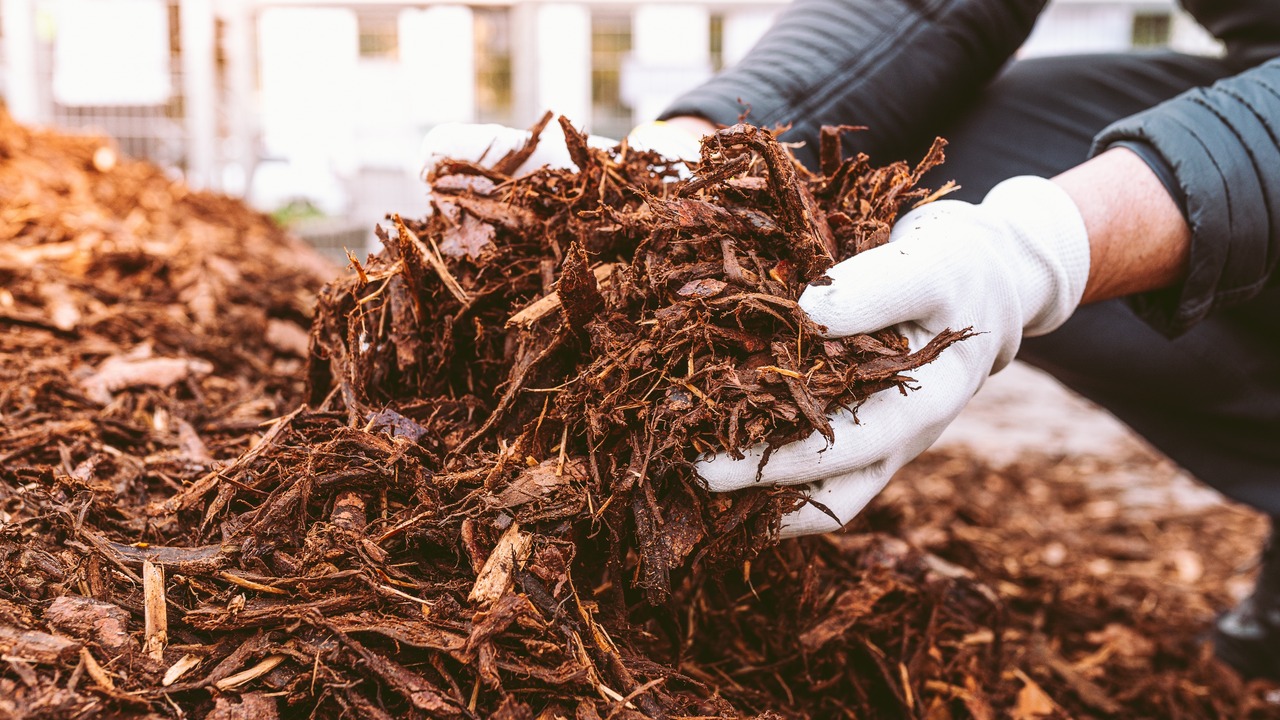
Image Credit: Shutterstock.
The Mistake: Failing to apply mulch around plants causes soil moisture to evaporate quickly, especially in hot weather.
How to Avoid It: Add a 2–3 inch layer of organic mulch, such as bark or straw, around the base of your plants. Mulch not only conserves moisture but also regulates soil temperature and reduces weed growth.
8. Overlooking the Individual Needs of Plants

Image Credit: Shutterstock.
The Mistake: Treating all plants as if they have the same water requirements. For example, succulents need far less water than moisture-loving plants like ferns.
How to Avoid It: Group plants with similar water needs together in “watering zones.” Research the specific watering requirements for each plant in your garden to meet their individual needs.
9. Using Tap Water Exclusively
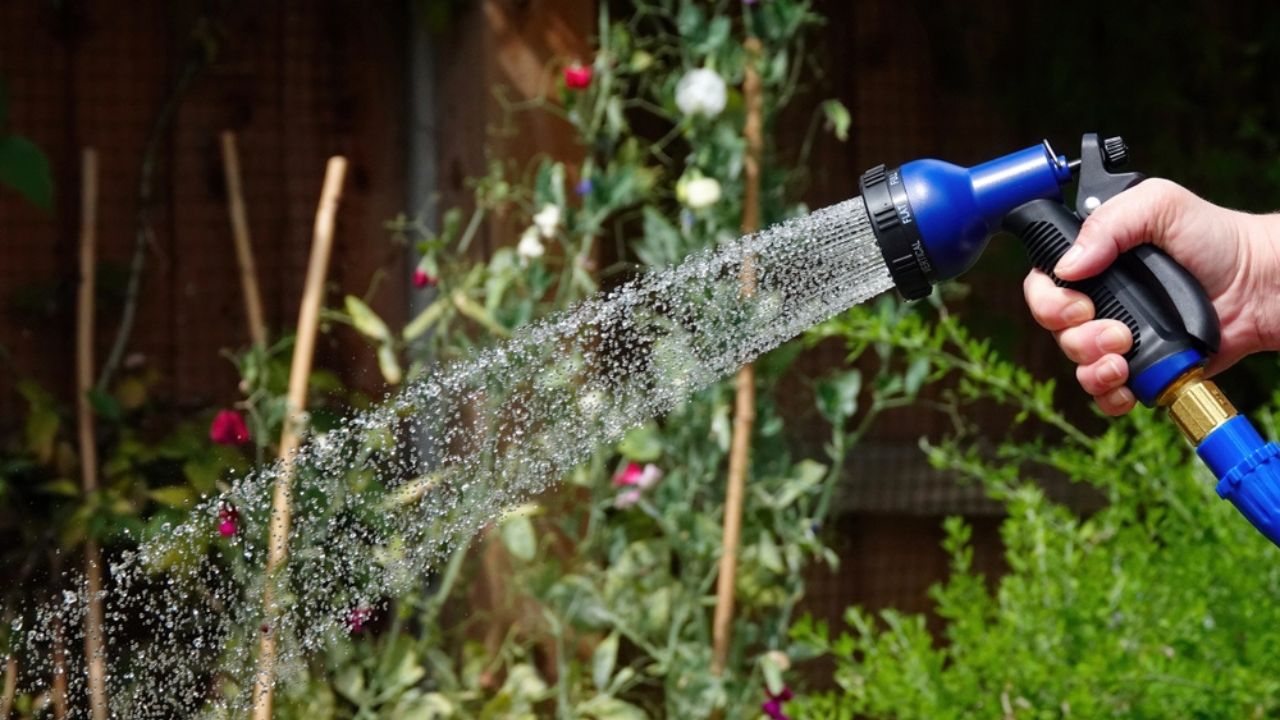
Image Credit: Shutterstock.
The Mistake: Some gardeners rely solely on tap water, which can contain chemicals (like chlorine) that harm sensitive plants over time.
Note: Most municipal water is regulated and safe. If you’re plants are struggling, you can test your tap water to see, as some gardeners swear it makes a difference, noting it’s most obvious when comparing garden growth between tap and rainwater.
How to Avoid It: Collect rainwater using barrels or other collection systems. Rainwater is chemical-free and better suited for plants. Just be sure to check local regulations about rainwater harvesting before starting.
10. Not Using Deep Watering Techniques
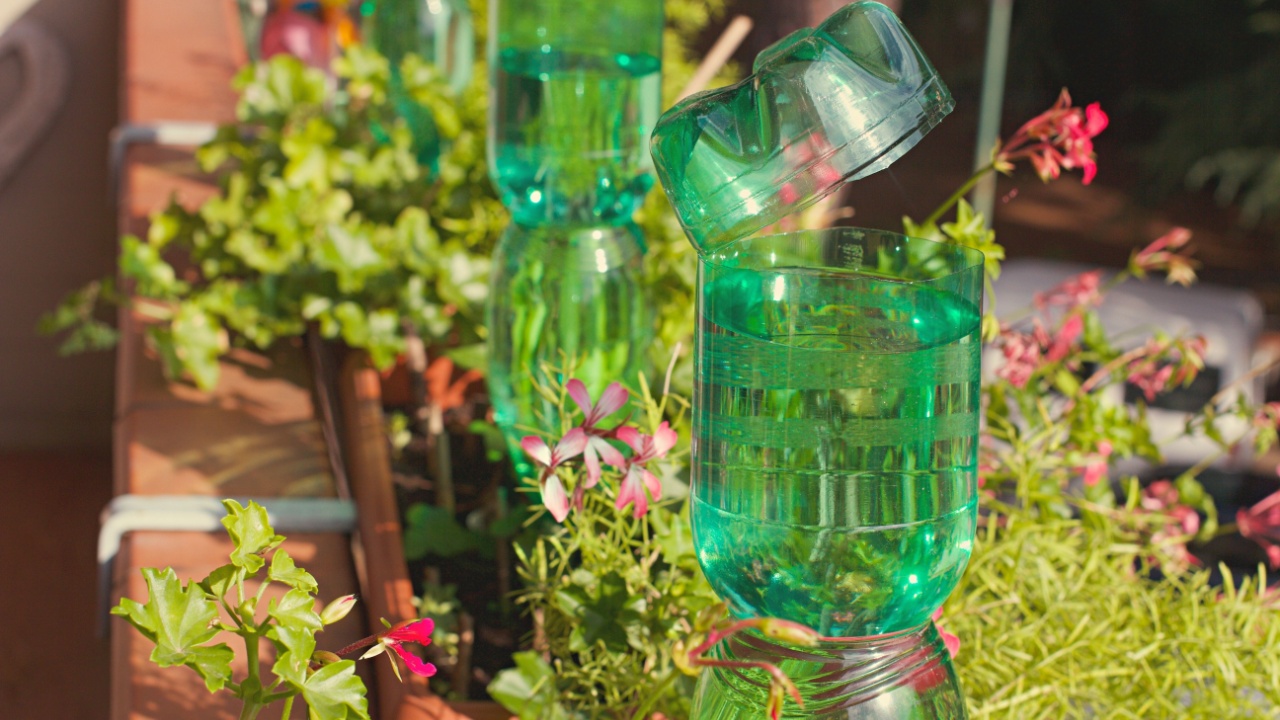
Image Credit: Shutterstock.
The Mistake: Watering lightly and frequently encourages shallow root development, making plants less drought-tolerant.
How to Avoid It: Water deeply but less often, letting water soak into the soil to reach deeper roots. Use slow-drip irrigation systems to deliver consistent moisture while avoiding runoff.
11. Neglecting to Adjust for Seasonal Changes
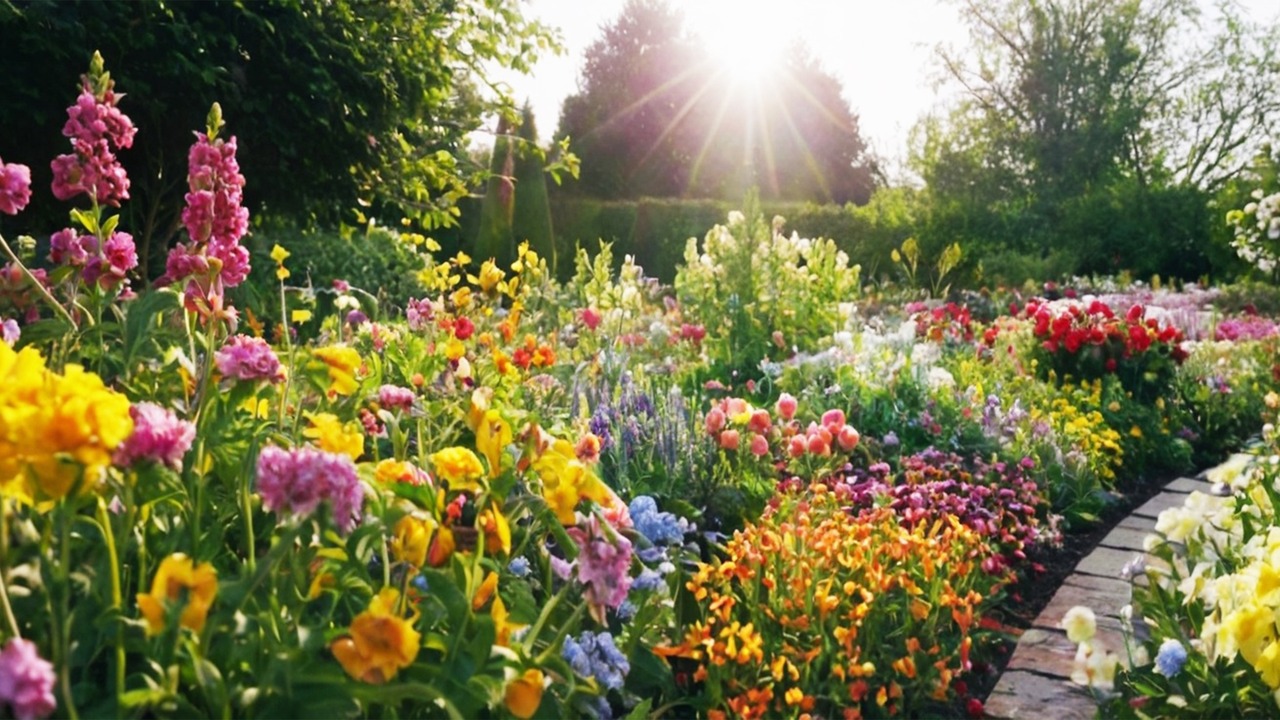
Image Credit: Shutterstock.
The Mistake: Watering your plants the same way year-round without accounting for seasonal weather changes can lead to overwatering or underwatering.
How to Avoid It: Reduce watering frequency during cooler months when plants are less active, and increase it during hot, dry weather. Check the soil moisture regularly as environmental conditions shift.
Awareness Yield Thriving Plants

Image Credit: Shutterstock.
Watering shouldn’t feel like a daunting task, but it’s easy to make mistakes when you don’t have the right information. By avoiding these 11 common watering errors, you’ll set your garden up for success and enjoy healthier, more vibrant plants. Remember to account for plant-specific watering needs and take the time to monitor your soil’s moisture levels.
With these adjustments, even the most forgetful gardeners can grow thriving plants.