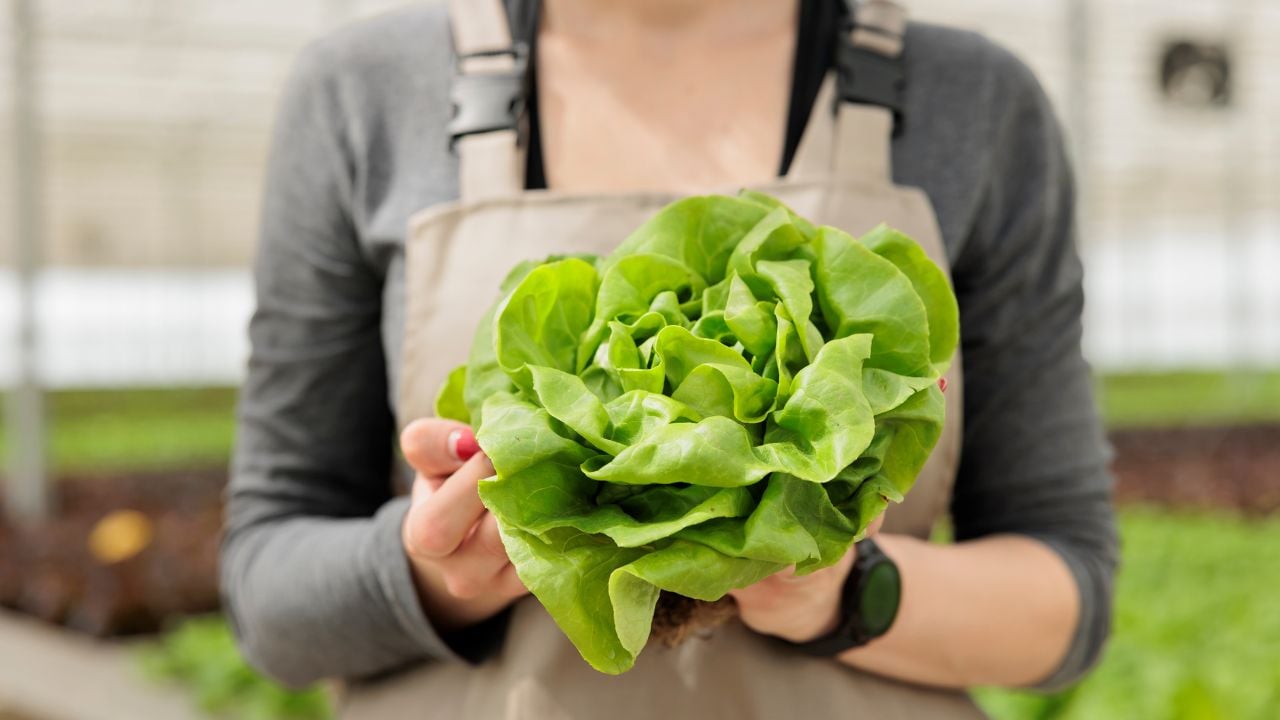
Washing Your Lettuce Won’t Remove Cyclosporiasis, But Growing Your Own Will
Washing your lettuce will not save you from cyclosporiasis. The parasite behind the largest foodborne illness outbreak of 2026 is resistant to chlorine, standard sanitizers, and the vigorous rinsing most of us were taught would keep produce safe. If you have been nervously eyeing the bagged salad aisle, you are not alone.
As of August 2026, the Centers for Disease Control has reported more than 6,358 laboratory-confirmed cyclosporiasis cases across 15 states, with at least 278 hospitalizations and two deaths. The source is likely shredded iceberg lettuce from Taylor Farms de Mexico, distributed to Taco Bell locations and major retailers including Walmart, according to the Food & Drug Administration. Scientific American notes that cyclospora eggs adhere tightly to the surface of leafy greens, making them nearly impossible to remove at home. This is not a problem you can solve at the sink.
The good news is that you can sidestep the entire commercial lettuce supply chain for about $3. That is the cost of one packet of loose-leaf lettuce seeds, enough to keep you in fresh, crunchy salads for months. According to the Gardenary, home gardeners who succession plant lettuce can save $15 to $20 per week on greens alone; over a year, that adds up to more than $500. Your grandmother grew her own salad greens not because it was trendy, but because it was the smartest, safest, most economical choice available. It still is.
Whether you have a sprawling backyard or a single sunny windowsill, there is a method here that fits your life. These seven approaches range from zero equipment to mildly ambitious, and every one of them will put safe, flavorful lettuce on your plate faster than you expect.
1. The Sunny Windowsill
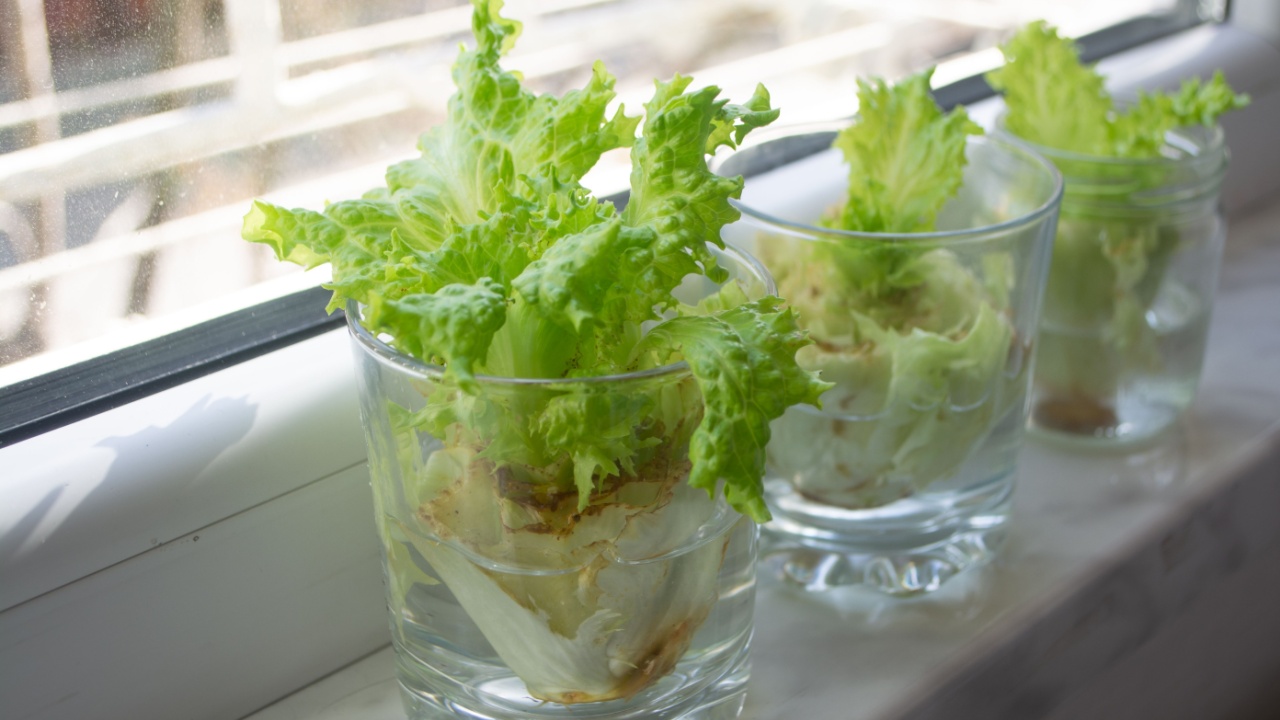
A 4- to 5-inch pot filled with damp potting soil, two or three lettuce seeds pressed gently into the surface, and a bright window are all you need. Lettuce has shallow roots and does not demand much space; it grows as a compact rosette of green or red leaves that looks just as pretty as any houseplant. Tracey Besemer of Rural Sprout writes that she started treating lettuce as a temporary edible houseplant and now never buys store greens in winter. If your window gets six to eight hours of sunlight, you are in business for the cost of a coffee.
2. The Under-Cabinet Kitchen Setup

Most kitchens do not have a south-facing window flooding the counter with light, but inexpensive LED grow lights solve that problem for under $25. Mount a compact T5 grow light strip beneath your upper cabinets, set pots of lettuce on the counter below, and you have a year-round salad station that doubles as a conversation piece. Rural Sprout calls this the best kitchen upgrade she ever made, and notes the setup is entirely renter-friendly; no drilling into walls required. If you have the budget, you could even invest in full hydroponic setups. For gardeners who want fresh greens without bending over garden beds, this is the easiest, most back-friendly option available.
3. Containers on a Patio or Balcony
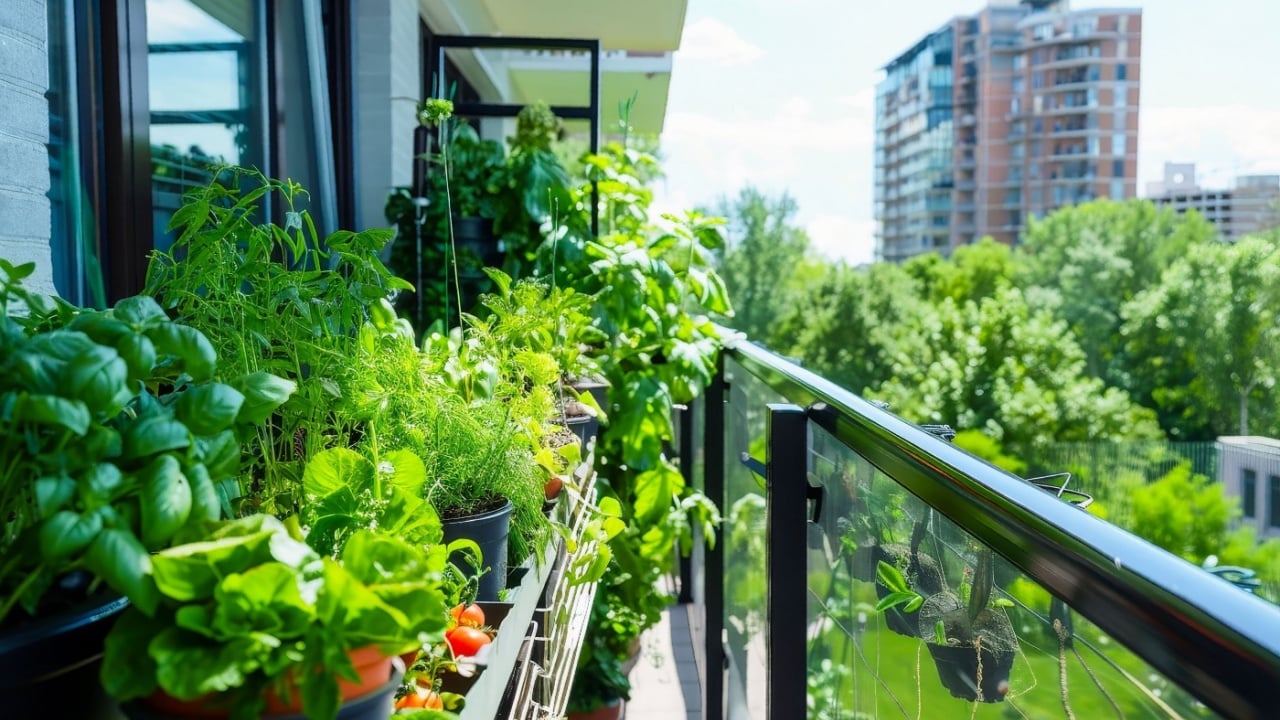
Lettuce will grow in anything that holds dirt and drains water. Hanging baskets, window boxes, repurposed wheelbarrows, old enamel bowls; experienced gardeners on The Easy Garden forum have grown thriving lettuce in all of them. Garden Therapy recommends a minimum container depth of 10 to 12 inches and adding compost for sweeter, faster growth. The real advantage of containers is portability; when August heat threatens to bolt your lettuce, you can move pots into afternoon shade and extend your harvest by weeks.
4. The Cut and Come Again Tray

This method is the fastest path from seed to salad. Sow loose-leaf lettuce seeds densely in a shallow tray of moist potting soil, place it under a grow light or in a sunny spot, and wait. Karen of The Art of Doing Stuff reports that seeds sprouted in three days and produced enough for a first small salad in just 25 days. Cut the leaves an inch above soil level, and they regrow for two to three additional harvests from the same planting. A single tray costs almost nothing to set up and replaces roughly $20 worth of bagged greens per month.
5. Rain Gutter Wall Gardens
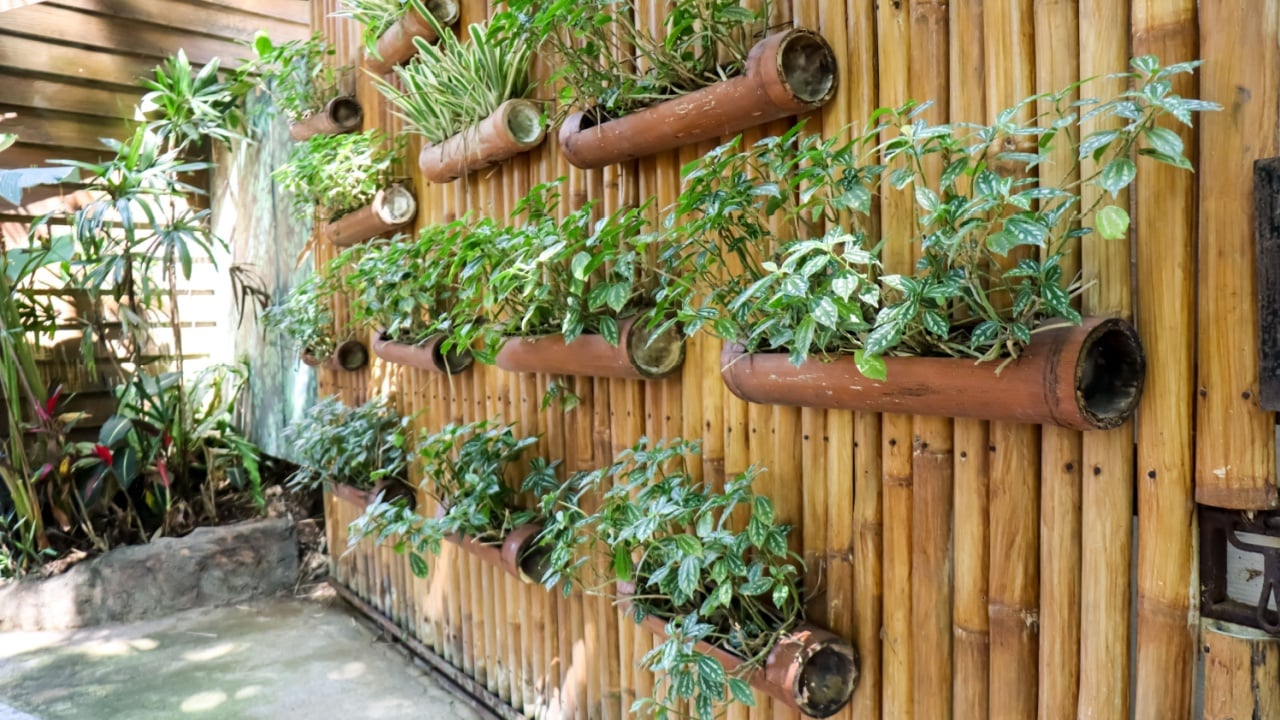
If floor space is your limitation, go vertical. Mounting standard rain gutters on a sunny exterior wall or fence creates a tiered lettuce garden that takes up almost no footprint. Gutters are inexpensive even when purchased new, and several rows of 8-foot sections can produce as much lettuce as a traditional garden bed. The one caveat, noted by gardeners on The Easy Garden, is that gutters dry out quickly. Water-absorbing crystals mixed into the soil or a drip irrigation line solves this, and the setup makes harvesting as simple as snipping leaves at eye level.
6. The Storage Tote Method
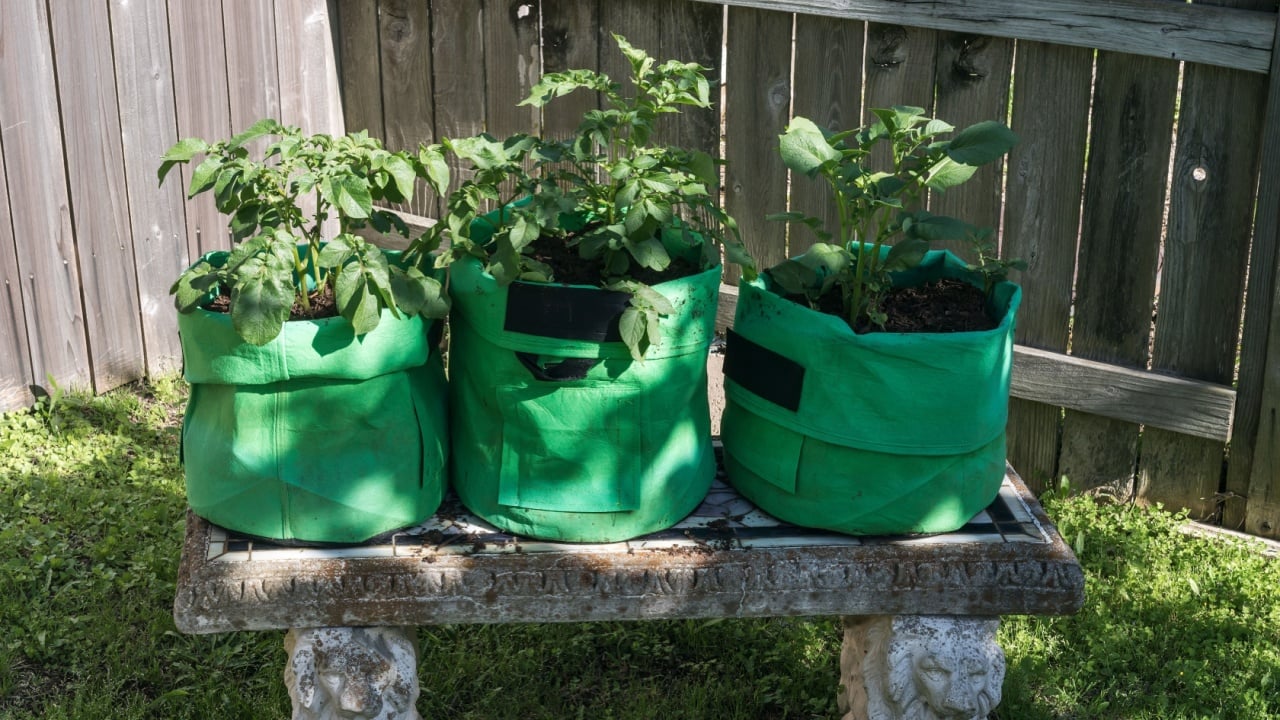
For the gardener who wants volume without complexity, 5-gallon plastic storage totes are a quiet powerhouse. Drill a few drainage holes in the bottom, fill with potting soil, and plant up to six heads of lettuce in a single tote. Rural Sprout uses two totes planted two weeks apart for a continuous harvest cycle that runs all winter under grow lights. This is the method that most closely replicates the output of a garden bed while fitting in a basement, garage, or spare closet. At full production, two totes can replace $40 or more in monthly lettuce purchases.
7. Raised Beds or Garden Rows
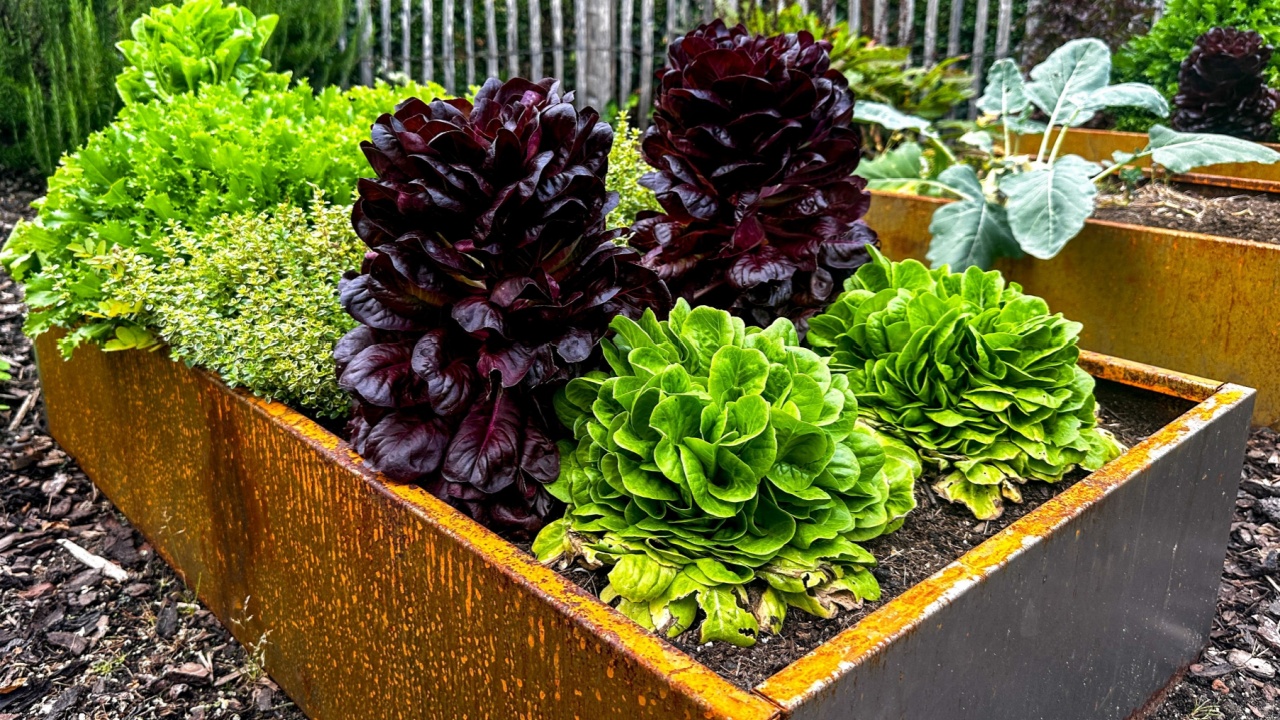
If you have outdoor space, a small raised bed devoted to lettuce is one of the most productive things you can do with four square feet of your yard. The University of Wisconsin Extension notes that lettuce is one of the oldest cultivated vegetables and thrives in cool weather with minimal fuss. Succession planting, or sowing a new short row every two weeks, ensures you never face a glut or a gap. In August, shade cloth extends the season by keeping soil temperatures in the 55 to 65 degree range lettuce prefers. Homesteading Family recommends planting densely to eliminate weeding entirely.
Growing Your Own Is Simpler Than You Think
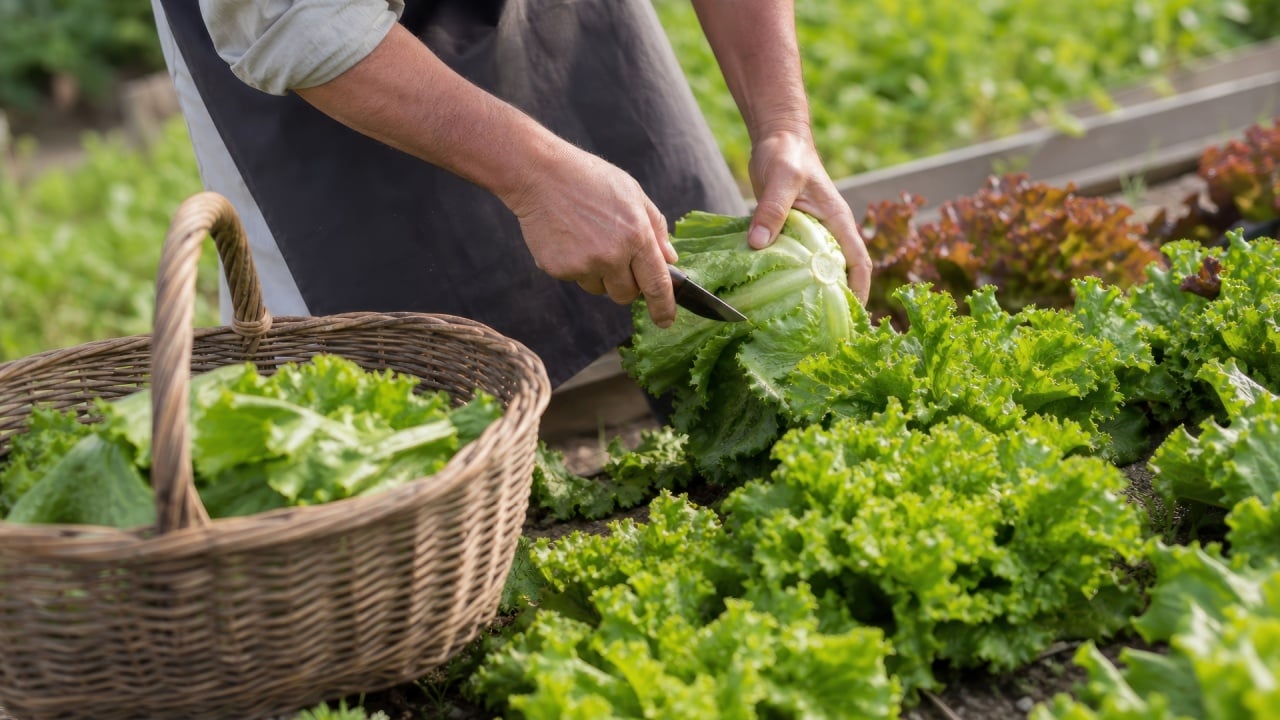
Start with loose leaf lettuce varieties. They are the fastest, most forgiving, and most productive option for beginners. Savvy Gardening notes that looseleaf lettuce forms large heads in just five to six weeks, and you can harvest outer leaves continuously without waiting for the full plant to mature. Butterhead varieties like Bibb are a beautiful second choice.
Skip iceberg for now; the irony of growing at home what is currently making people sick at the store is not lost on anyone, but iceberg is also the slowest, fussiest type to grow and offers the least flavor and nutrition per square inch of garden space. A single $3 packet of lettuce seeds can yield over $500 worth of salad greens in a year; no recall, no parasites, no flimsy plastic bags of wilting leaves.
You do not need a farm, a greenhouse, or even a yard. You need a pot, some soil, seeds, and light. The cyclosporiasis outbreak has reminded all of us that the commercial food supply chain is not infallible, and that the safest lettuce is the lettuce you grew yourself, with your own water, in your own home. Start with one windowsill pot this week. In 30 days, you will have your first homegrown salad. By next month, you will be wondering why you ever trusted a plastic bag.
Read more:
Is Your House A Wildfire Target? 7 Things That Increase Your Risk At Home
Is The Heat To Blame for Your Struggling Vegetable Garden This Summer? Stop Making These 7 Mistakes