
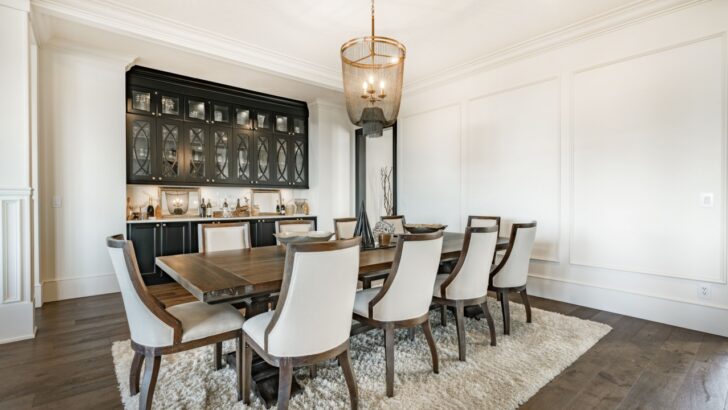
Plain, flat walls can feel uninspired, but the solution is often simpler and more affordable than you might think.
Decorative wall molding and trim are powerful design tools that can instantly add character, depth, and a touch of custom elegance to any room. From the classic charm of wainscoting to the clean lines of modern geometric patterns, these architectural details can transform a space from ordinary to extraordinary.
This guide will walk you through 16 inspiring ideas from designers, showing you how to bring a polished, sophisticated look to your home that reflects your personal style.
What Are Trim and Molding?
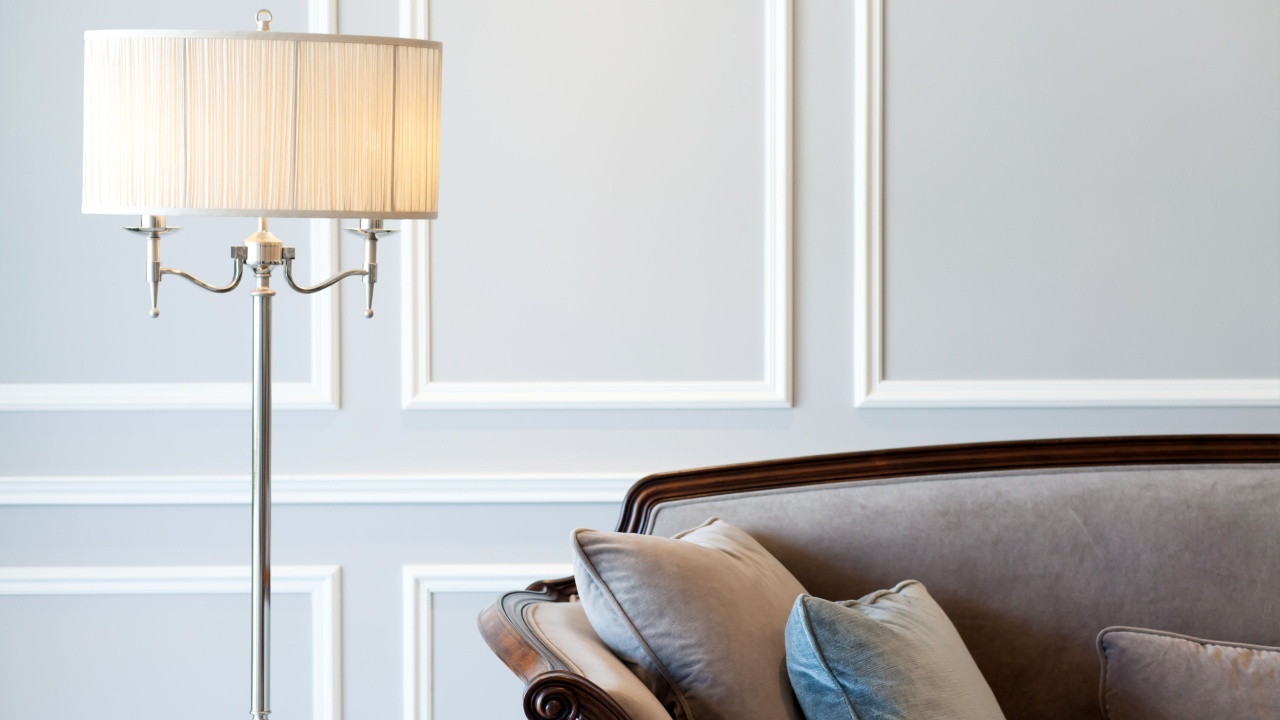
Image Credit: Shutterstock.com.
Trim and molding refer to the strips of wood, MDF, or other material that frame, line, or accent the surfaces of your home’s interior walls. Their main purposes are both practical and decorative: trim can conceal the gaps where walls meet floors and ceilings, or where doors and windows are installed.
Molding, while serving a similar function, often features more elaborate shapes and profiles and is designed to add architectural interest and sophistication. There are several types of trim and molding commonly used in home interiors:
- Baseboards: Run along the bottom of the wall, protecting it from scuffs and giving the room a finished look.
- Crown molding: Sits at the junction of walls and ceilings, adding height and elegance.
- Chair rails: Protect walls from furniture and visually break up tall spaces.
- Wainscoting and panel moldings: Cover the lower portions of walls or frame out decorative panels.
- Casings: Surround doors and windows to hide gaps and create visual definition.
These features do more than hide imperfections; they set the tone for a room, enhance its proportions, and can even echo styles from traditional to ultra-modern. Trim and molding are the subtle details that can turn a plain space into one that feels truly personal and beautifully finished.
1. Traditional Picture Frame Molding
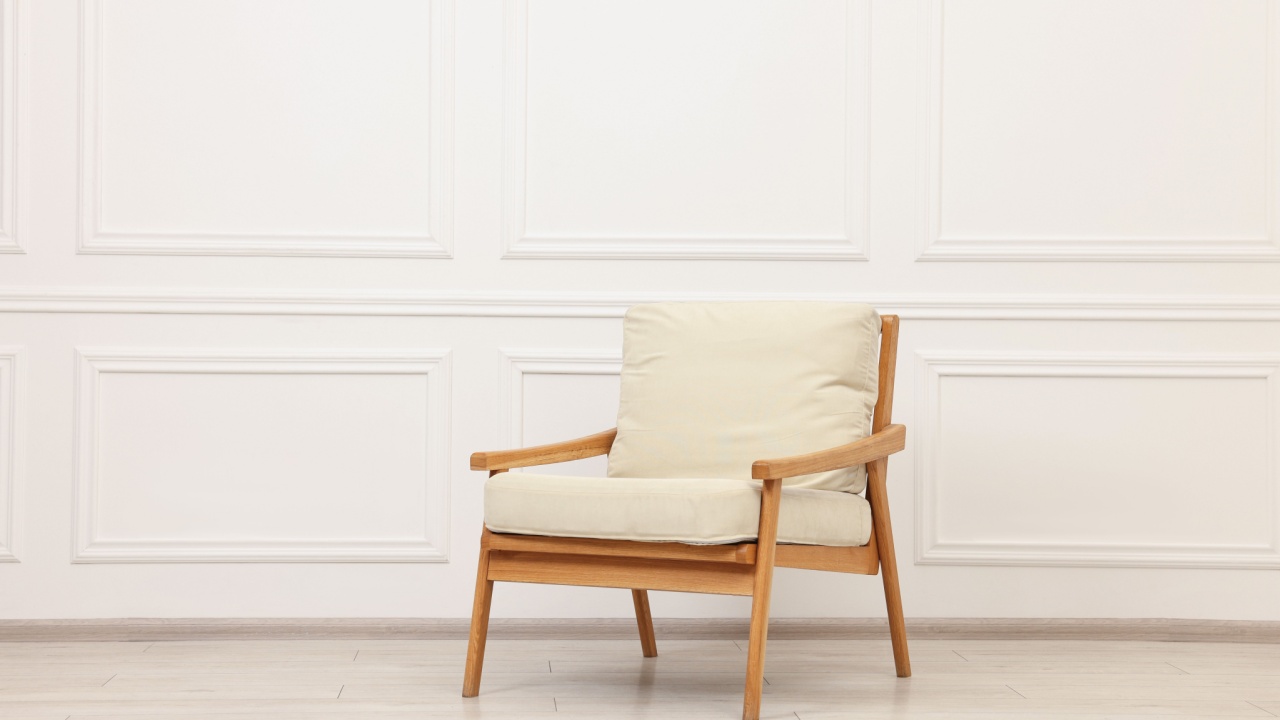
Image Credit: Shutterstock.com.
This classic style involves creating “frames” on the wall using thin pieces of molding. These empty boxes add a sense of history and architectural interest, making large walls feel more detailed and less imposing. It’s a timeless look that complements traditional, transitional, and even Parisian-inspired interiors.
Picture frame molding is an excellent choice for adding elegance without overwhelming a space. It creates visual rhythm and can be used to define specific areas or simply add texture. You can paint the molding the same color as the wall for a subtle, textural effect or a contrasting color for a bolder statement. This style is particularly effective in dining rooms, living rooms, and bedrooms, where it adds a layer of quiet sophistication.
Quick Look:
- Best For: Living rooms, dining rooms, bedrooms, entryways.
- Style: Traditional, classic, elegant.
- Care Tip: Dust regularly with a microfiber cloth or a soft brush attachment on your vacuum. For cleaning, use a damp cloth with mild soap and water, being careful not to soak the wood or MDF.
- Next Step: Use painter’s tape to map out your boxes on the wall. This helps you visualize the spacing and proportions before you make any cuts.
2. Board and Batten
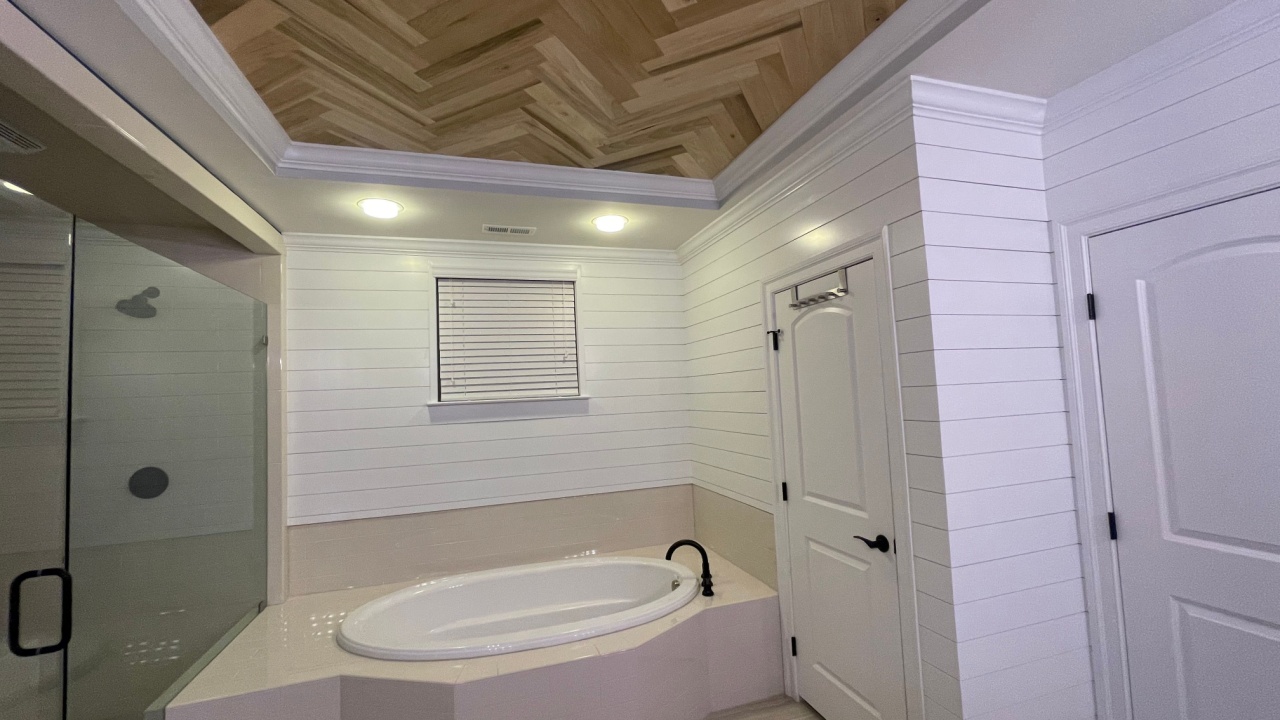
Image Credit: Shutterstock.com.
Board and batten is a popular style where wide vertical boards are installed over a wall, with thinner strips called “battens” used to cover the seams. Traditionally used on exteriors, it has become a favorite for interiors, adding a rustic, farmhouse, or coastal feel. It can be installed on the lower third of a wall, a full accent wall, or an entire room.
This design is highly versatile and can be adapted to suit various aesthetics. A crisp white board and batten wall can brighten an entryway, while a dark, moody color can create a dramatic focal point in a bedroom or office. It’s also a practical way to add durability to high-traffic areas like mudrooms and hallways.
Quick Look:
- Best For: Entryways, hallways, mudrooms, bedrooms.
- Style: Farmhouse, coastal, traditional.
- Care Tip: The ledges can collect dust, so wipe them down regularly. Use a semi-gloss or satin paint finish for easier cleaning, especially in busy areas.
- Next Step: Decide on the height and spacing of your battens. For a traditional look, space them 12-20 inches apart.
3. Classic Wainscoting
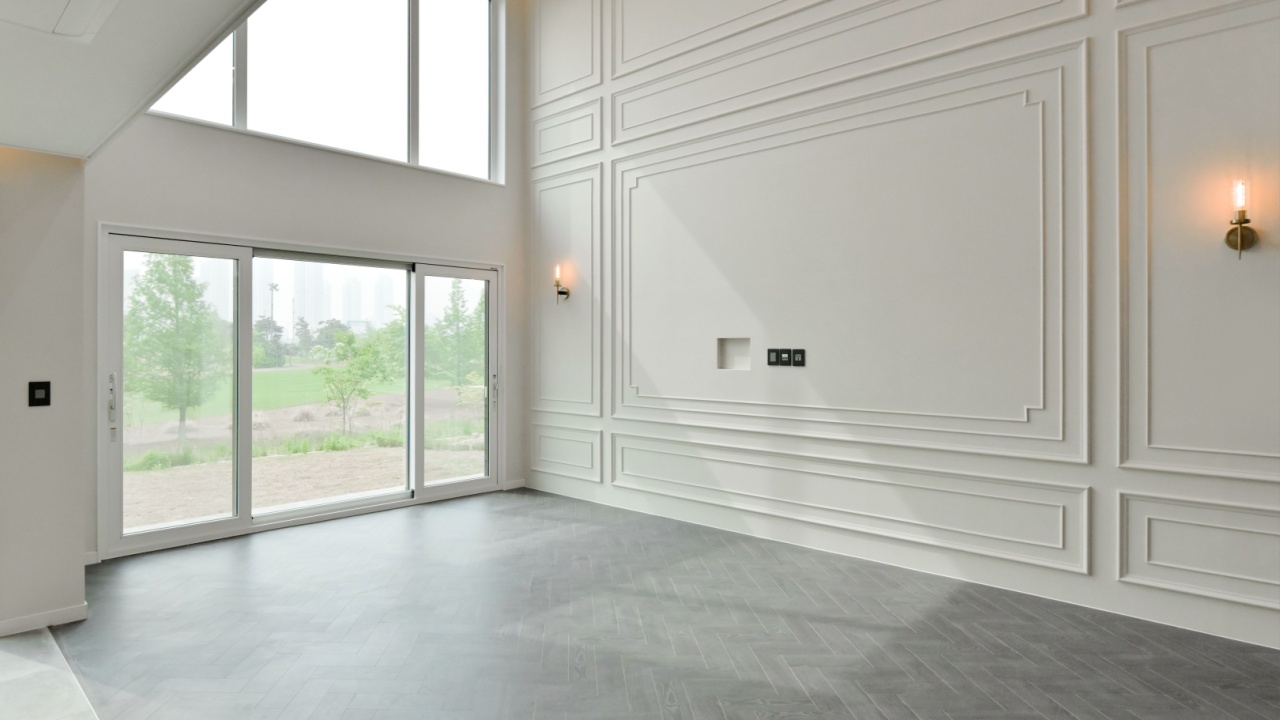
Image Credit: Shutterstock.com.
Wainscoting is a timeless form of wall paneling that typically covers the lower portion of a wall, usually between 32 and 48 inches high. It consists of panels and molding, often topped with a chair rail. It was originally used to protect walls from scuffs and provide insulation, but today it’s primarily a decorative element that adds formality and grace.
Wainscoting is perfect for creating a sophisticated and polished look in formal spaces like dining rooms and powder rooms. It breaks up tall walls and provides an opportunity to introduce a second color or texture. The classic white wainscoting paired with a richer color above is a look that never goes out of style.
Quick Look:
- Best For: Dining rooms, powder rooms, formal living rooms.
- Style: Classic, traditional, formal.
- Care Tip: Wipe down the chair rail and panels to prevent dust buildup. Touch up any scuffs or chips in the paint promptly to maintain a clean appearance.
- Next Step: For a budget-friendly DIY approach, you can create the look of wainscoting using picture frame molding below a chair rail, a technique often called “faux wainscoting.”
4. Modern Geometric Slat Wall
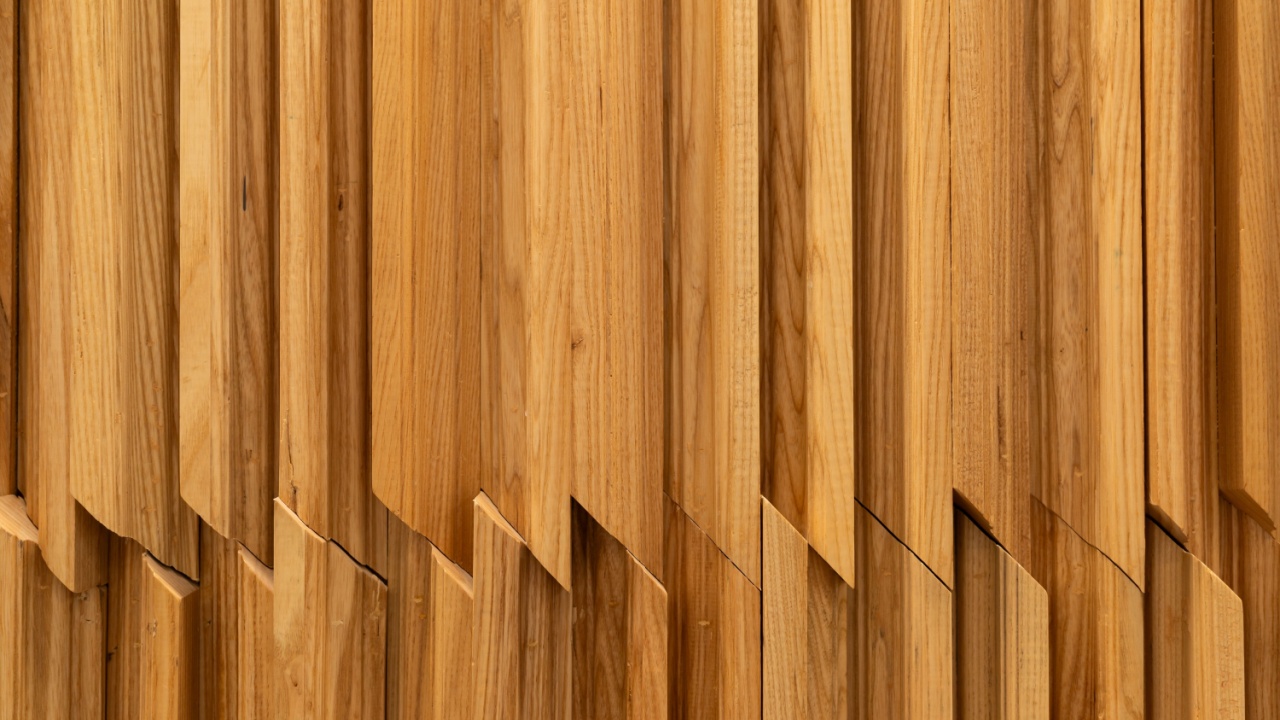
Image Credit: Shutterstock.com.
For a contemporary and visually striking feature, a geometric slat wall is an unbeatable choice. This design uses thin wood slats, often 1×2 boards, arranged in a dynamic pattern of intersecting lines, chevrons, or abstract shapes. It’s a fantastic way to add texture and movement to a room.
This style is ideal for creating a bold accent wall in a living room, bedroom, or office. The natural wood tones can bring warmth to a space, while painting the slats a dark color can create a moody, dramatic effect. It’s a project that allows for immense creativity, as you can design a pattern that is completely unique to your space.
Quick Look:
- Best For: Bedrooms, living rooms, home offices.
- Style: Modern, contemporary, bohemian.
- Care Tip: Dusting is key. Use a duster or a soft brush to get between the slats. If using natural wood, ensure it’s properly sealed to prevent it from drying out or absorbing moisture.
- Next Step: Lay out your slats on the floor before attaching them to the wall. This allows you to perfect your design and make any necessary cuts without trial and error on the wall itself.
5. Sleek Vertical Slat Wall
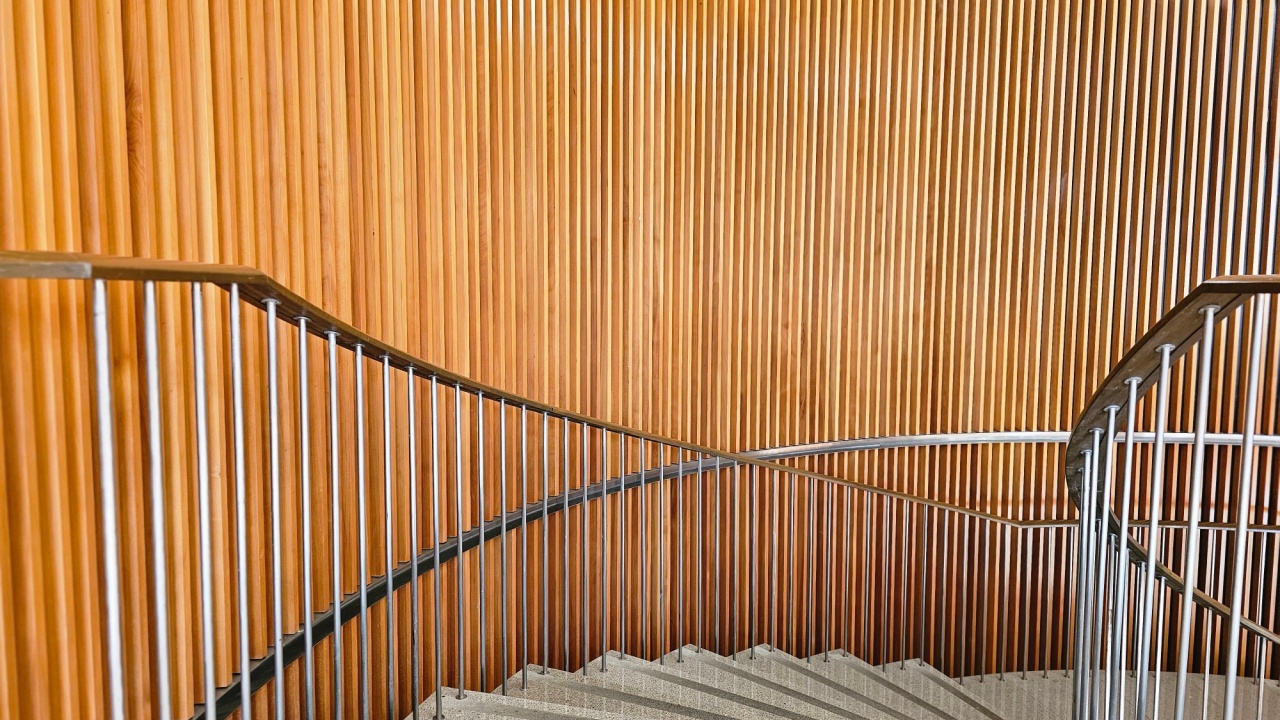
Image Credit: Shutterstock.com.
A vertical slat wall, also known as a fluted or reeded wall, brings a sense of height and sleek sophistication to a room. This design features thin, parallel wood strips installed vertically, creating a clean, linear texture. It’s a hallmark of mid-century modern design, but works beautifully in minimalist and contemporary spaces as well.
This is a great option for making a room feel taller and more open. It can be used to create a stunning accent wall behind a bed or sofa. Some slat wall panels are also designed for sound absorption, making them a functional and stylish choice for media rooms or home offices.
Quick Look:
- Best For: Media rooms, bedrooms, modern living spaces.
- Style: Mid-century modern, minimalist, contemporary.
- Care Tip: Use a vacuum with a brush attachment to easily clean between the slats. For wood slats, an occasional wipe with a wood-conditioning product can restore their luster.
- Next Step: Consider purchasing pre-made acoustic slat panels. They often come with a felt backing for easy installation and added sound-dampening benefits.
6. Parisian-Style Molding
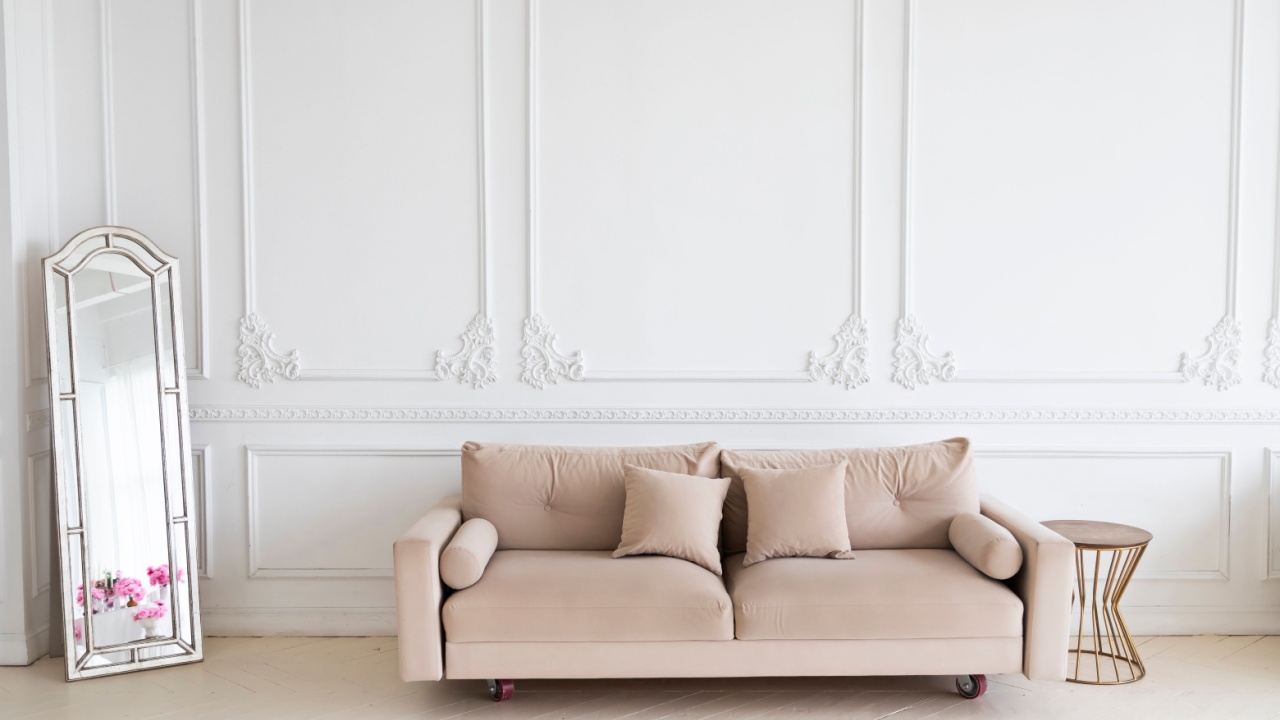
Image Credit: Shutterstock.com.
Inspired by the elegant apartments of Paris, this style involves intricate, often ornate, picture frame molding arranged in a formal pattern. It typically features larger panels with curved corners or decorative corner pieces, exuding a sense of romance and old-world charm.
Parisian molding is perfect for anyone looking to create a sophisticated and feminine space. It works beautifully in bedrooms and living rooms, especially when painted in soft, delicate colors like blush, cream, or a soft gray. This style elevates a room, making it feel grand and thoughtfully designed.
Quick Look:
- Best For: Bedrooms, formal living rooms, dressing areas.
- Style: Parisian, romantic, classic chic.
- Care Tip: The ornate details can be dust magnets. A feather duster or soft-bristled paintbrush is perfect for cleaning the intricate corners and curves.
- Next Step: Source decorative corner pieces or appliques online. These small additions are key to achieving an authentic Parisian look without complex miter cuts.
7. Two-Tone Molding
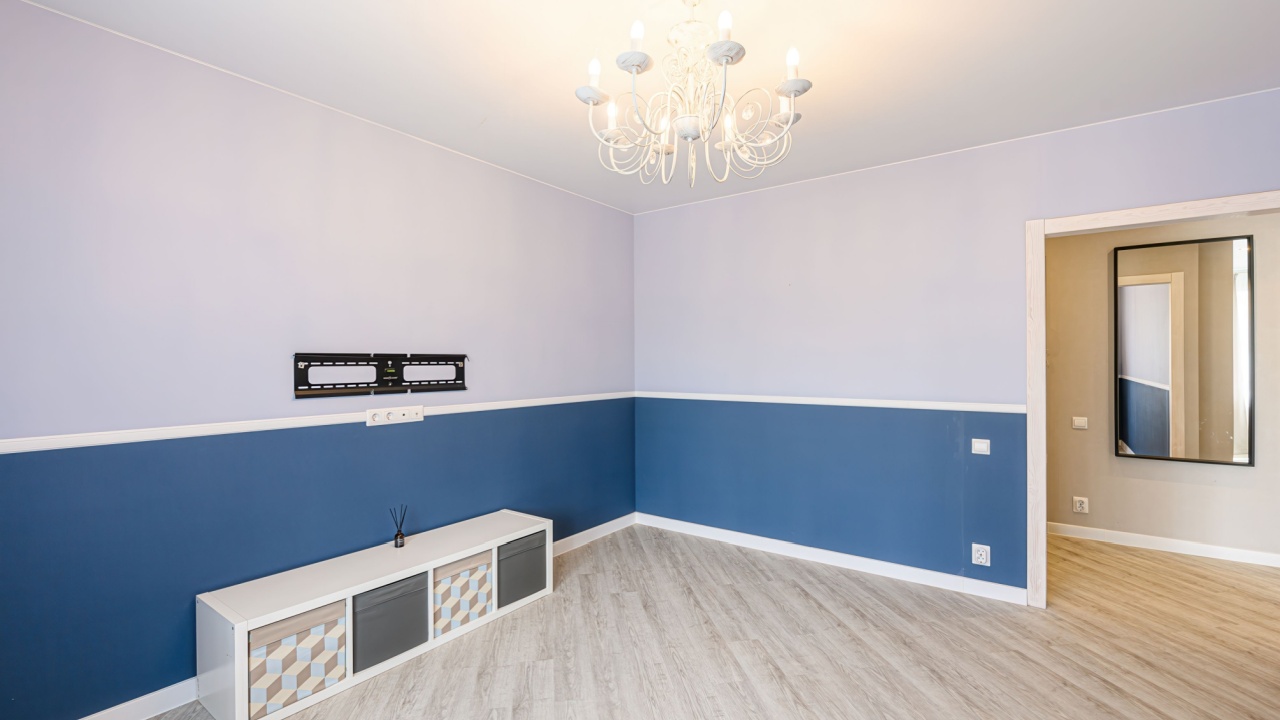
Image Credit: Shutterstock.com.
This technique involves painting the molding and the wall in two different colors to create a bold, graphic effect. You can paint the lower portion of the wall, including the molding, one color and the upper portion another. Alternatively, you can paint just the molding itself a contrasting color.
A two-tone approach is a fantastic way to add drama and personality with paint. Using a dark color on the bottom third of a wall can ground the space and add coziness, while a lighter color on top keeps it feeling airy. It’s a modern take on traditional wainscoting and allows for endless color combinations.
Quick Look:
- Best For: Dining rooms, bedrooms, entryways.
- Style: Modern, bold, eclectic.
- Care Tip: Use high-quality painter’s tape to get crisp, clean lines between the two colors. A satin or semi-gloss finish on the lower portion will make it more durable and easier to clean.
- Next Step: Test your color choices on a small section of the wall before committing. Pay attention to how the colors look in different light throughout the day.
8. Simple Paneled Entryway
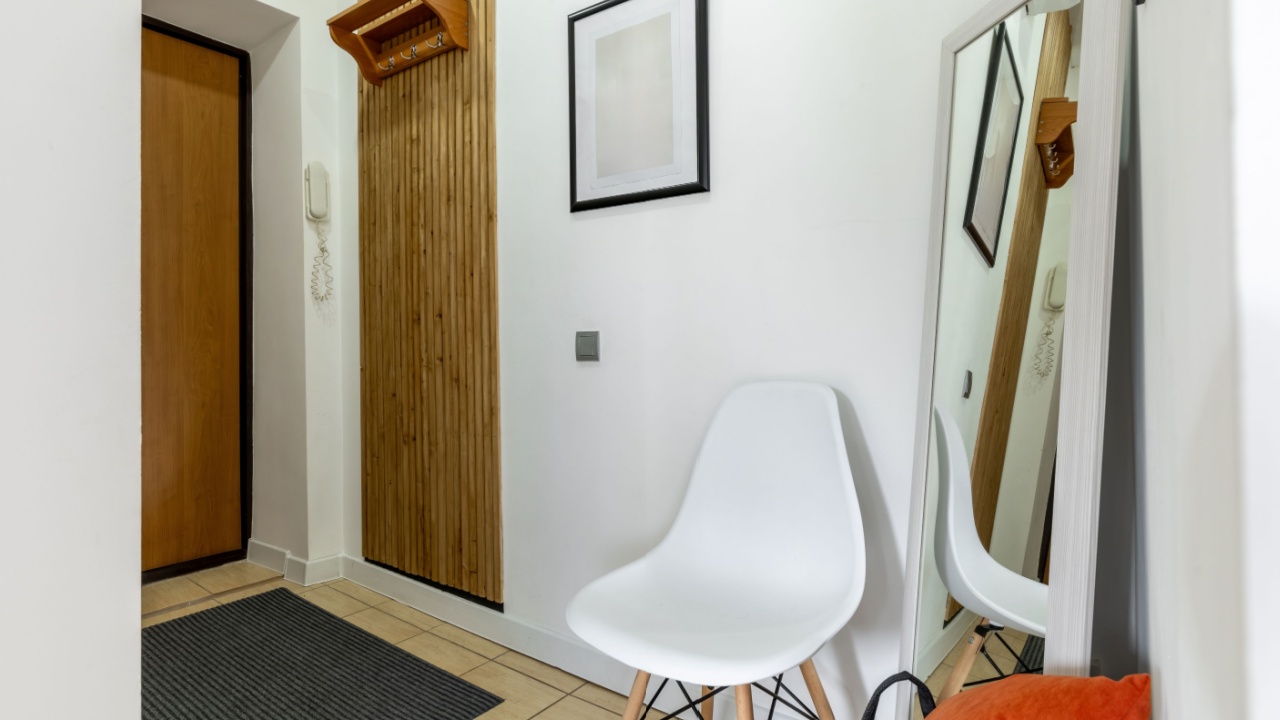
Image Credit: Shutterstock.com.
An entryway is the first impression of your home, and simple wall paneling can make it feel welcoming and custom-built. This style often uses flat-stock boards to create a clean, grid-like pattern that complements Craftsman or transitional architecture.
This is an excellent way to add character to a small or plain entryway without overwhelming it. The clean lines provide visual interest and structure. When painted a fresh, light color, it can make a compact space feel larger and more organized.
Quick Look:
- Best For: Entryways, foyers, mudrooms.
- Style: Craftsman, transitional, modern farmhouse.
- Care Tip: Entryways see a lot of traffic. A durable, scrubbable paint finish is essential. Wipe down scuffs and dirt regularly to keep it looking fresh.
- Next Step: Plan your paneling around existing features like light switches, outlets, and doorways to ensure a seamless, integrated look.
9. Monochromatic Board and Batten
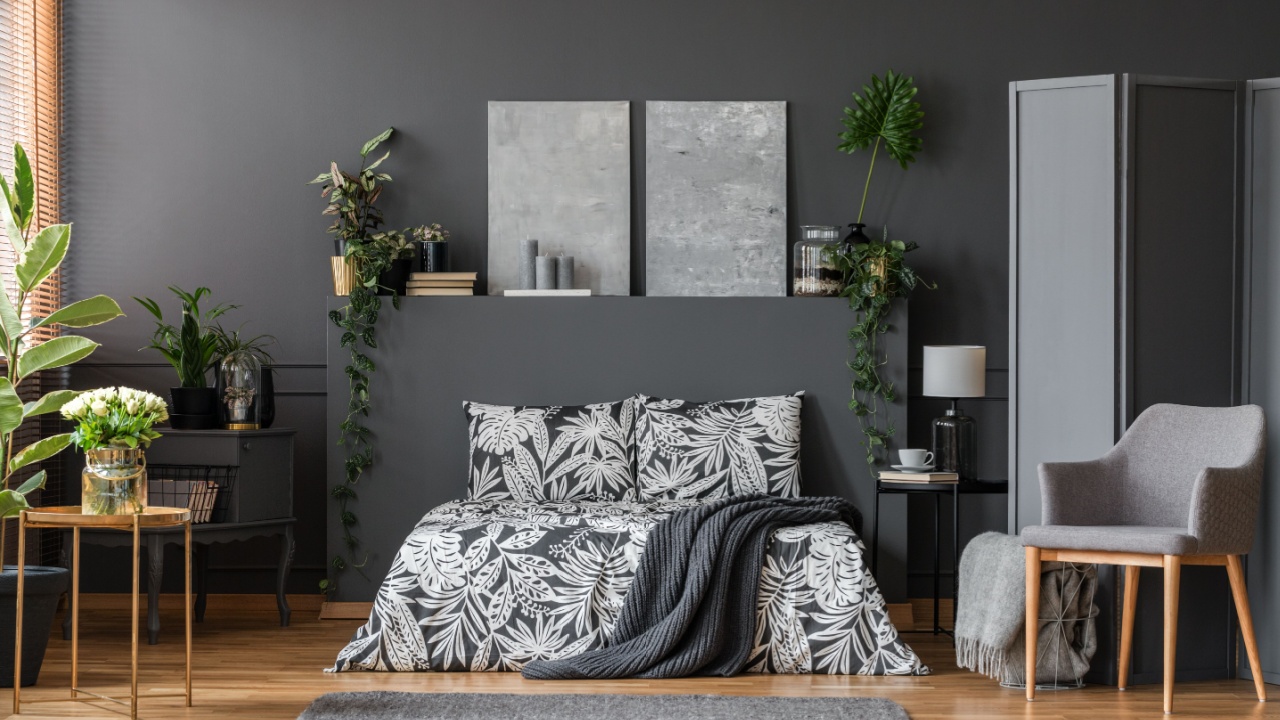
Image Credit: Shutterstock.com.
For a modern and sophisticated take on a classic, install board and batten and paint both the wall and the trim the exact same color and finish. This technique emphasizes texture and shadow over color, creating a subtle yet impactful design statement.
A monochromatic look is perfect for creating a serene and cohesive feel. It allows the architectural detail to stand on its own without competing with other colors. This approach works especially well with bold or deep colors, like navy, charcoal, or forest green, where the play of light and shadow on the trim becomes the main feature.
Quick Look:
- Best For: Bedrooms, home offices, living rooms.
- Style: Modern, minimalist, sophisticated.
- Care Tip: Since the color is uniform, any imperfections in the finish will be more noticeable. Ensure proper prep work, including sanding and priming, for a flawless result.
- Next Step: Choose your paint finish carefully. A matte or eggshell finish will create a soft, velvety look, while a satin finish will offer more durability and a slight sheen.
10. Box Trim Above a Fireplace
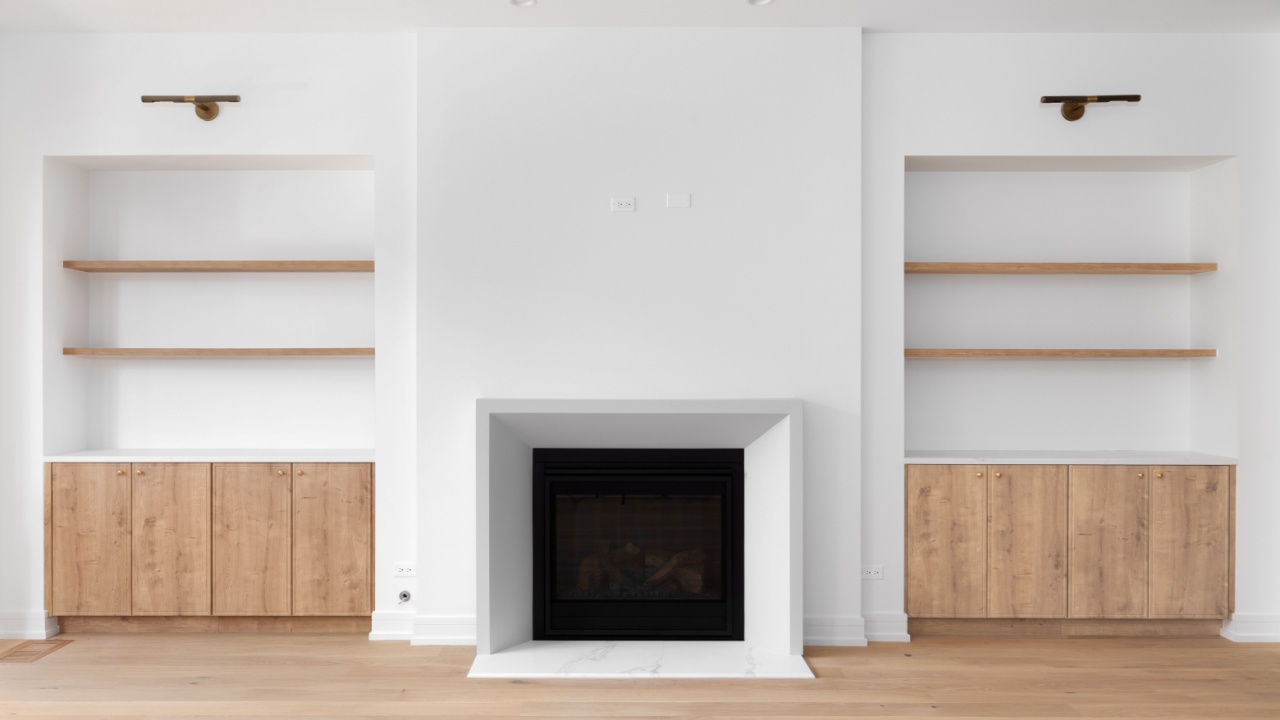
Image Credit: Shutterstock.com.
A fireplace is already a natural focal point, but adding simple box trim above the mantel can elevate it further. A single, large rectangle or a series of smaller boxes can frame the space perfectly, turning it into a piece of architectural art.
This is a simple, high-impact project that adds a custom touch to your living room. It provides a perfect backdrop for a mirror, a piece of artwork, or a seasonal wreath. The trim adds texture and dimension, preventing the large wall space above the mantel from feeling blank and empty.
Quick Look:
- Best For: Living rooms, family rooms with a fireplace.
- Style: Traditional, transitional.
- Care Tip: Keep the molding clean and free of soot, especially if you have a wood-burning fireplace. A quick wipe-down after the heating season is a good practice.
- Next Step: Center your box trim design on the firebox, not necessarily the mantel, for a balanced and professionally installed appearance.
11. Cottage-Style Trim with Decorative Corners
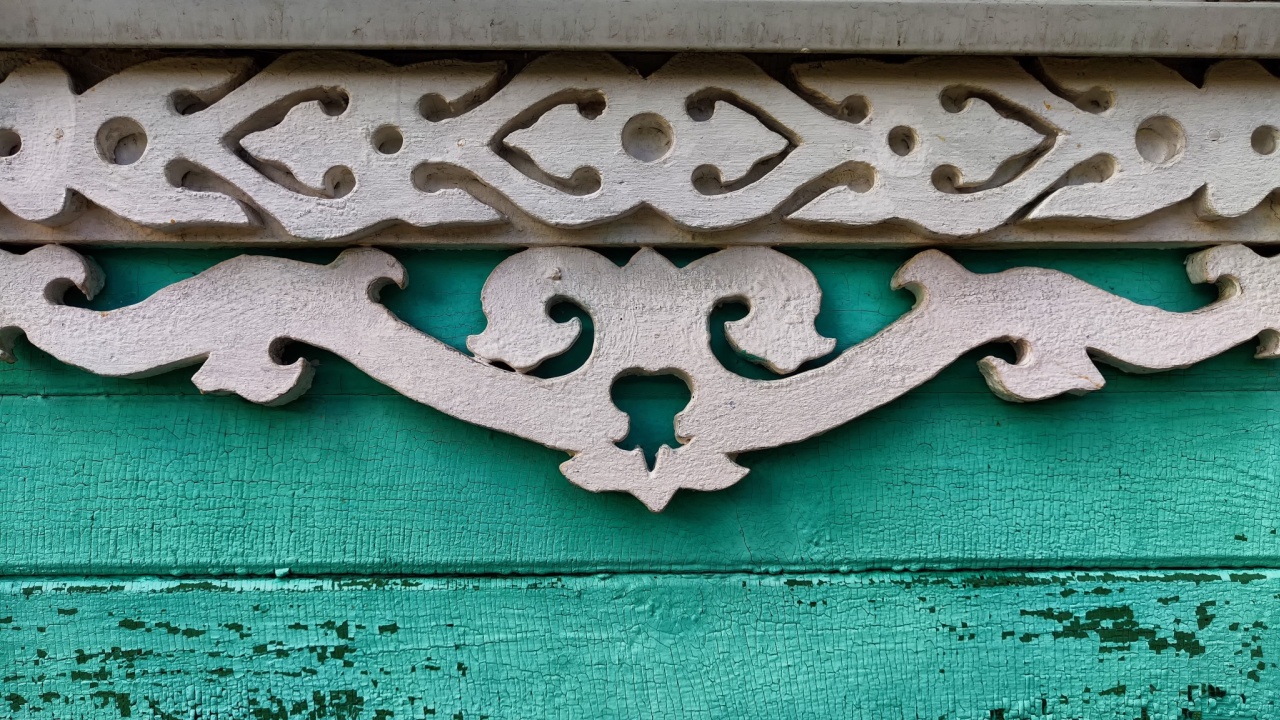
Image Credit: Shutterstock.com.
Add a touch of country charm to standard picture frame molding by incorporating small, decorative corner blocks. These simple additions eliminate the need for tricky miter cuts and introduce a delicate, whimsical detail that is characteristic of cottage and country design.
This is a beginner-friendly way to achieve a custom look. The corner blocks add a unique flair that sets your molding apart from standard designs. It’s a perfect choice for bedrooms or bathrooms where you want to create a cozy, inviting atmosphere with a hint of vintage appeal.
Quick Look:
- Best For: Bedrooms, bathrooms, laundry rooms.
- Style: Cottage, farmhouse, vintage.
- Care Tip: The small details of the corner blocks can be cleaned with a cotton swab or a soft toothbrush to remove dust from crevices.
- Next Step: Look for pre-made decorative corner blocks at home improvement stores or online. They come in various styles, from simple squares to more ornate rosettes.
12. Gilded Accent Molding
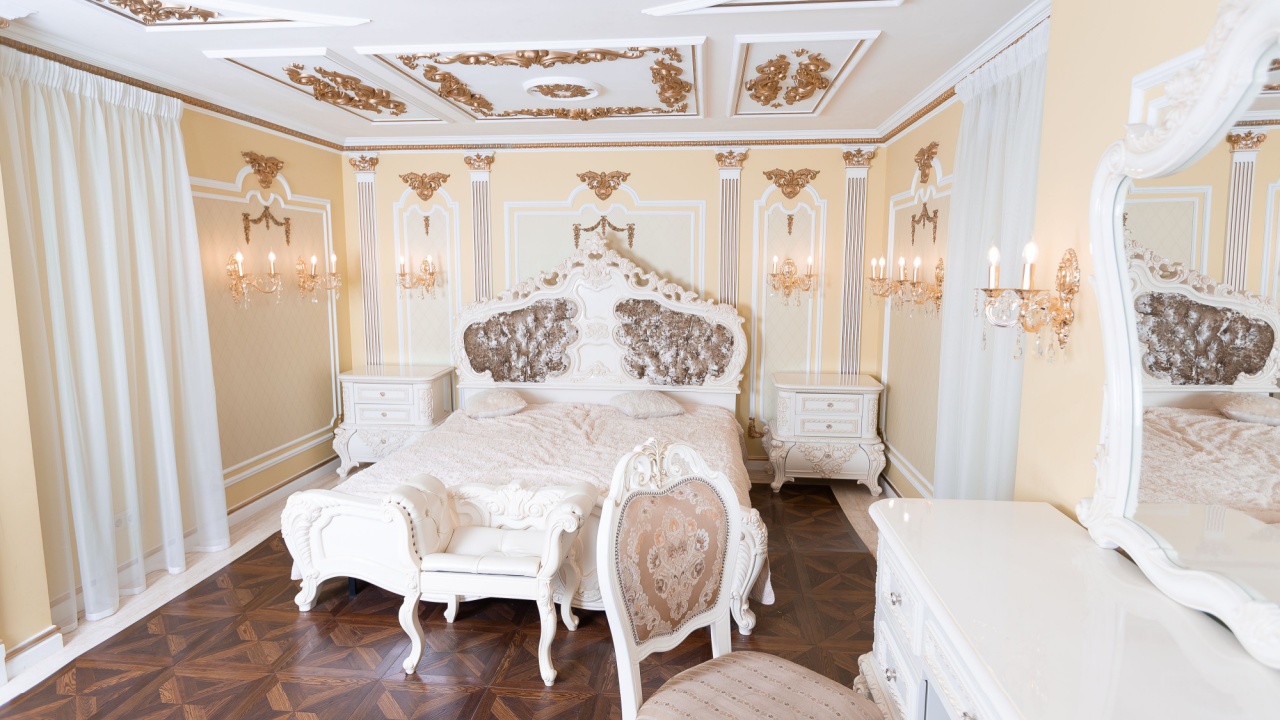
Image Credit: Shutterstock.com.
For a touch of glamour, add a metallic accent to your molding. This can be achieved by painting a thin, interior piece of trim in a gold, silver, or bronze metallic paint. It’s a subtle detail that catches the light and adds a luxurious feel to the room.
This technique is perfect for anyone wanting to create a high-end, glamorous space. It pairs beautifully with dark, moody wall colors and tufted furniture. The metallic glint adds a layer of sparkle and sophistication, making the room feel like a boutique hotel.
Quick Look:
- Best For: Bedrooms, dining rooms, walk-in closets.
- Style: Glam, Hollywood Regency, luxe.
- Care Tip: Use a high-quality metallic paint for the best finish. Apply thin, even coats with a small artist’s brush for precision. Avoid harsh chemical cleaners that could tarnish the metallic finish.
- Next Step: Use a very thin piece of molding, like a screen mold or panel cap, for the interior gilded detail to keep the look refined and elegant.
13. Diagonal Stripe Accent Wall
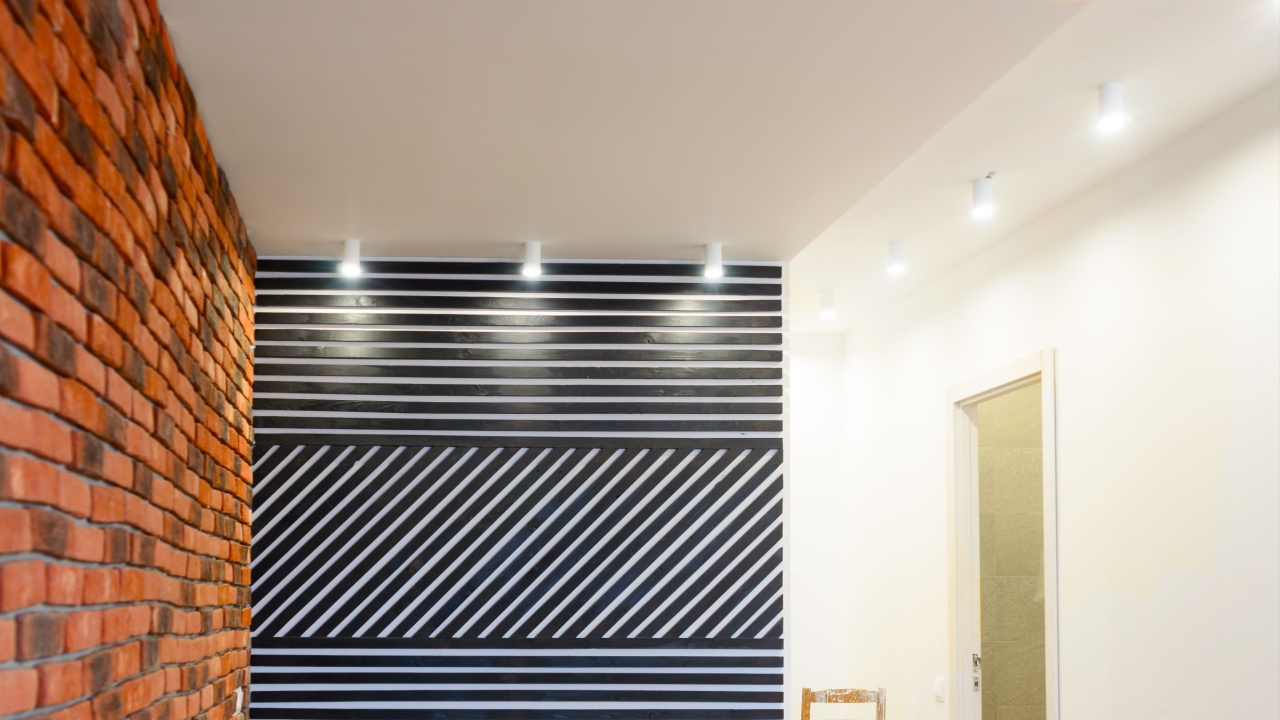
Image Credit: Shutterstock.com.
Move beyond vertical and horizontal lines with a dynamic diagonal accent wall. By installing thin boards or molding in a diagonal pattern, you can create a sense of energy and movement. This is a modern, graphic approach that makes a bold statement.
A diagonal wall is an excellent choice for a playful and energetic space like a kid’s room, a creative home office, or a modern dining area. The unexpected angle immediately draws the eye and makes the room feel more dynamic. It’s a project that is surprisingly straightforward for a DIYer but delivers a high-end designer look.
Quick Look:
- Best For: Home offices, kids’ rooms, modern dining rooms.
- Style: Modern, graphic, playful.
- Care Tip: Paint the wall your desired color before installing the boards. This saves you from having to carefully cut in around each diagonal piece later.
- Next Step: Determine your angle. A 45-degree angle is a classic choice, but you can experiment with steeper or shallower angles for a different effect. Use a level with an angle finder for accuracy.
14. Modern Shiplap with Geometric Shapes
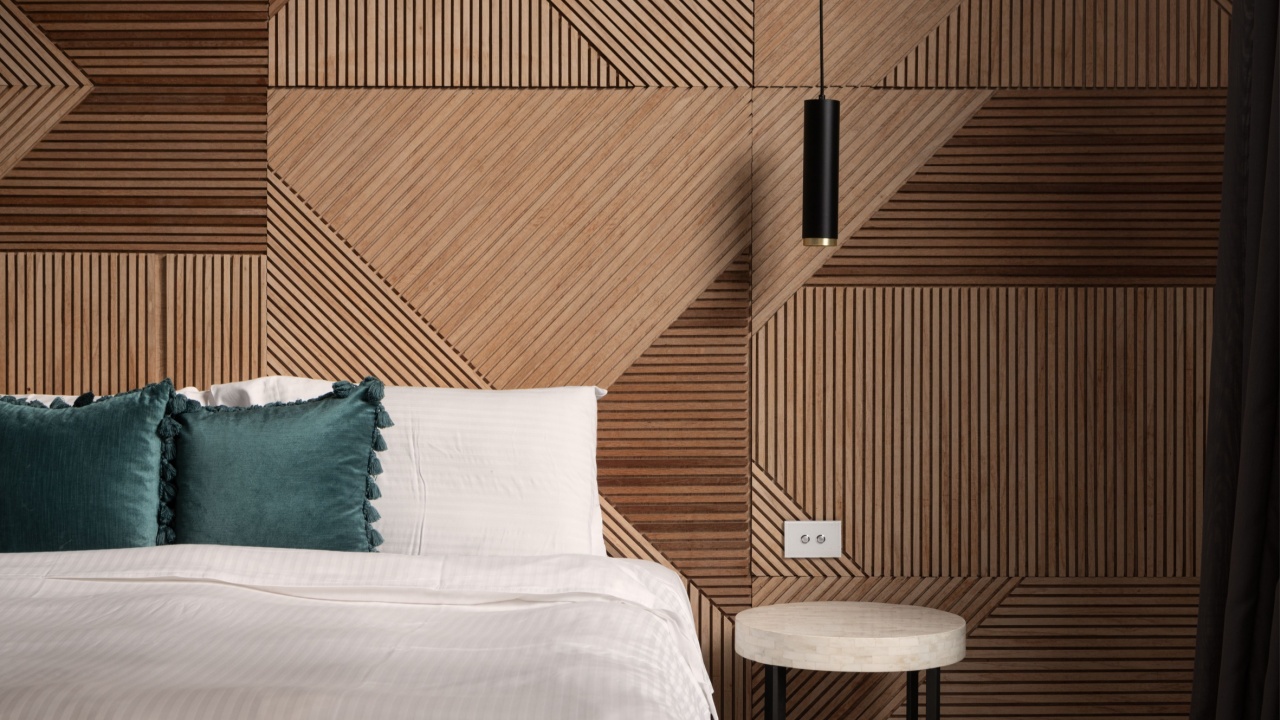
Image Credit: Shutterstock.
Combine two popular trends by blending classic shiplap with modern geometric overlays. Start with a base of horizontal shiplap and then add thin wood strips on top to create large-scale geometric shapes like triangles or diamonds.
This hybrid design offers the best of both worlds: the rustic texture of shiplap and the clean, sharp lines of modern geometry. It creates a multi-layered, visually interesting wall that serves as a unique piece of art. It’s a great way to update a shiplap wall or create a one-of-a-kind feature in a home office or nursery.
Quick Look:
- Best For: Home offices, nurseries, feature walls in living spaces.
- Style: Modern rustic, Scandinavian, eclectic.
- Care Tip: Dust can settle on the horizontal lines of the shiplap and the top edges of the geometric overlay. Regular dusting with a microfiber cloth is necessary.
- Next Step: Plan your geometric design on paper first. Using inexpensive plywood sheets for the geometric shapes can make this a very cost-effective project.
15. Inexpensive Chevron Wall
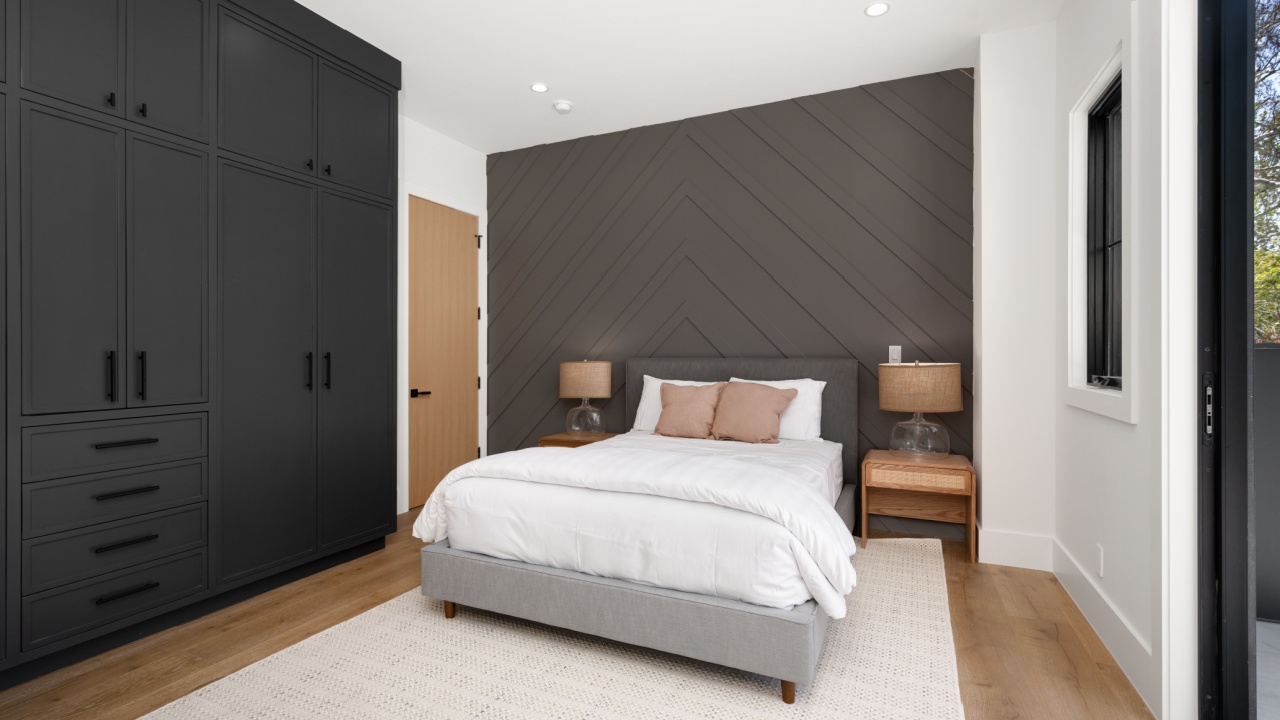
Image Credit: Shutterstock.com.
Create a stunning chevron accent wall on a budget by using unconventional materials. Instead of expensive lumber, use MDF casing, the material typically used for trimming doors and windows. It’s pre-primed, smooth, and much more affordable.
A chevron pattern brings classic style and dynamic energy to a room. It’s a pattern that has stood the test of time and works well in both traditional and modern contexts. Using MDF casing makes this sophisticated look accessible for anyone on a tight budget.
Quick Look:
- Best For: Living room accent walls, bedrooms, hallways.
- Style: Classic, modern, transitional.
- Care Tip: MDF is susceptible to water damage, so this is best for dry areas of the home. Fill and sand nail holes carefully for a seamless finish before painting.
- Next Step: To create the chevron pattern, you’ll need to cut your boards at a 45-degree angle. A miter saw is the best tool for this job to ensure clean, precise cuts.
16. Recessed-Look Paneling
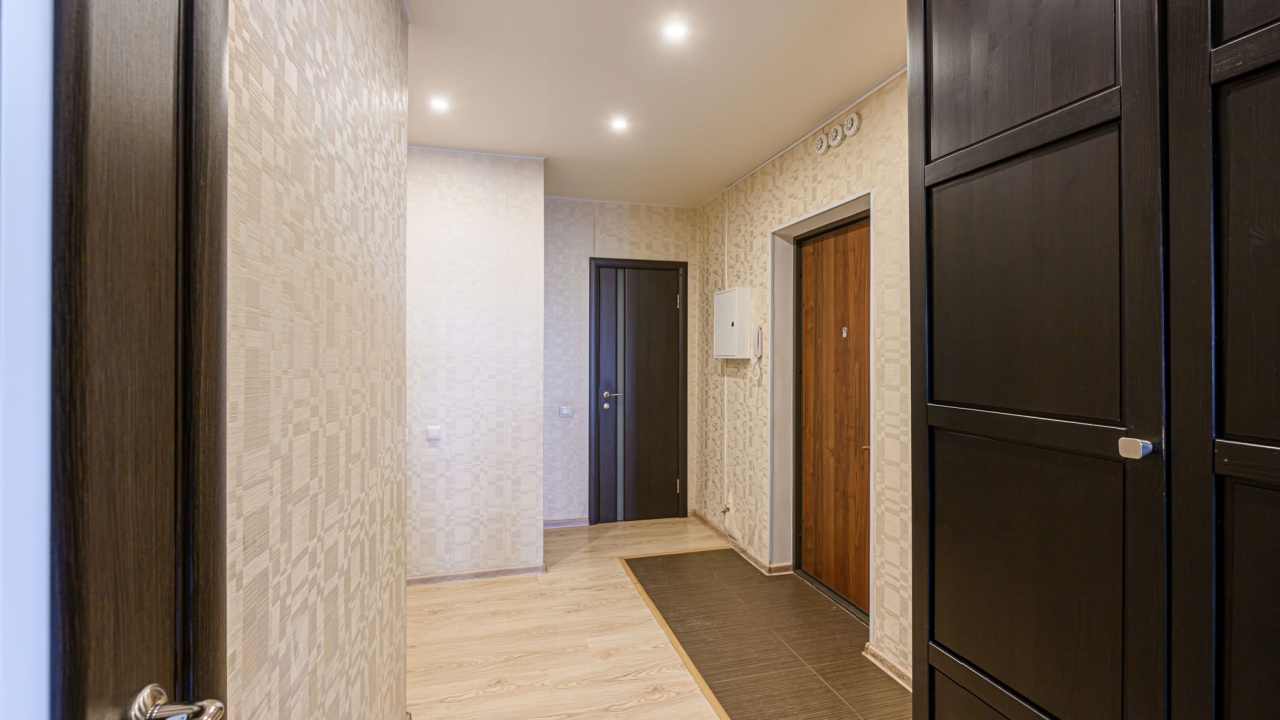
Image Credit: Shutterstock.com.
Achieve the look of deep, recessed wall panels without major construction. This effect is created by using wider boards for the “frame” and then adding a thinner piece of decorative molding, like a base cap, along the inside edge. This creates a shadow line that gives the illusion of depth.
This method provides a high-end, custom-milled appearance for a fraction of the cost and effort of true recessed paneling. It’s perfect for adding architectural weight and character to a home office, study, or formal living room. The added dimension makes the walls feel more substantial and luxurious.
Quick Look:
- Best For: Home offices, studies, dining rooms.
- Style: Traditional, classic, sophisticated.
- Care Tip: The inner molding creates a small ledge that will need to be dusted. Use a satin or semi-gloss paint to highlight the dimensional details and make cleaning easier.
- Next Step: Paint the wall and the wider boards first. Then, install and paint the inner decorative molding. This two-step process is easier than trying to paint inside the tight corners after assembly.
Find Your Style
Image Credit: Shutterstock.
Feeling inspired? The best way to start is to choose a room and pick one of these ideas that speaks to you. Your next move is to grab some painter’s tape and a tape measure. Mock up the design on your wall to get a real-world feel for the scale and spacing. This simple step can help you avoid mistakes and build confidence before you commit.
And don’t forget to connect your indoor style with your outdoor spaces. A classic board and batten in your mudroom can tie in beautifully with a charming garden shed, while a modern slat wall in your living room might inspire a similar design for a privacy screen on your patio. Your home is a complete ecosystem of style, and thoughtful details like wall molding can help create a beautiful, cohesive flow from the inside out.