Wait to Harvest These 9 Vegetables: They Get Sweeter After Your First Frost!
The worst thing you can do to a parsnip is pull it out of the ground the moment frost shows up in the forecast.
Yet that is exactly what most of us do. The cold warning pings our phones, and out we go with a basket, stripping the beds bare as if winter were a burglar. That reflex makes sense for tender crops; Gardener’s Supply notes that basil, cucumbers, eggplant, beans, and melons can’t handle a cold snap and should come in when frost threatens. Cool season crops are a different animal. Farmer and author Jill Ragan put it plainly to Martha Stewart: “A common slip-up is rushing to harvest carrots and beets right after frost.”
Many experienced gardeners were probably taught to clear the garden before the first freeze, just as you were taught to bring in the tomatoes when the weather turns cold. For a whole category of crops, that habit costs you both flavor and it costs you money. Fresh kale averages about $3.57 a pound at the grocery store and fresh spinach about $4.50, according to the USDA Economic Research Service. Every pound you leave in the bed to sweeten is a pound you don’t buy in a plastic clamshell, and it will taste better than anything on the shelf.
Right now, in November, the window is wide open. The vegetables that get sweeter after your first frost are doing their best work in the weeks ahead, and the gardeners who wait are the ones who end up with roots that taste almost like candy.
Here is which crops to leave alone, and the refrigerator trick that does in two weeks what frost takes two months to do.
Why Vegetables Get Sweeter After Your First Frost
Cold-hardy vegetables spend all season storing energy as starch. When temperatures drop, they convert that starch into sugar, which works like antifreeze inside their cells, as Gardening Know How explains. Sugar lowers the freezing point of the water in the plant, so ice crystals are less likely to rupture its tissue. It’s the same principle as salting an icy driveway.
Researchers at Jacobs University Bremen and the University of Oldenburg confirmed it in kale: plants exposed to cold broke down complex carbohydrates in their cell walls into smaller sugars, and showed elevated levels of sugars including fructose, maltose, and raffinose. As Nicole Burke of Gardenary puts it, “The plant isn’t doing this for your dinner. It’s doing it to survive.”
Stop Harvesting These 9 Vegetables Too Early
- Parsnips. No crop rewards patience more. The University of Arkansas Cooperative Extension Service says parsnip flavor is “not fully developed until the roots have been exposed to near-freezing temperatures,” ideally for two to four weeks. University of Illinois Extension adds that roots left in the ground and dug in early spring are especially tender and sweet.
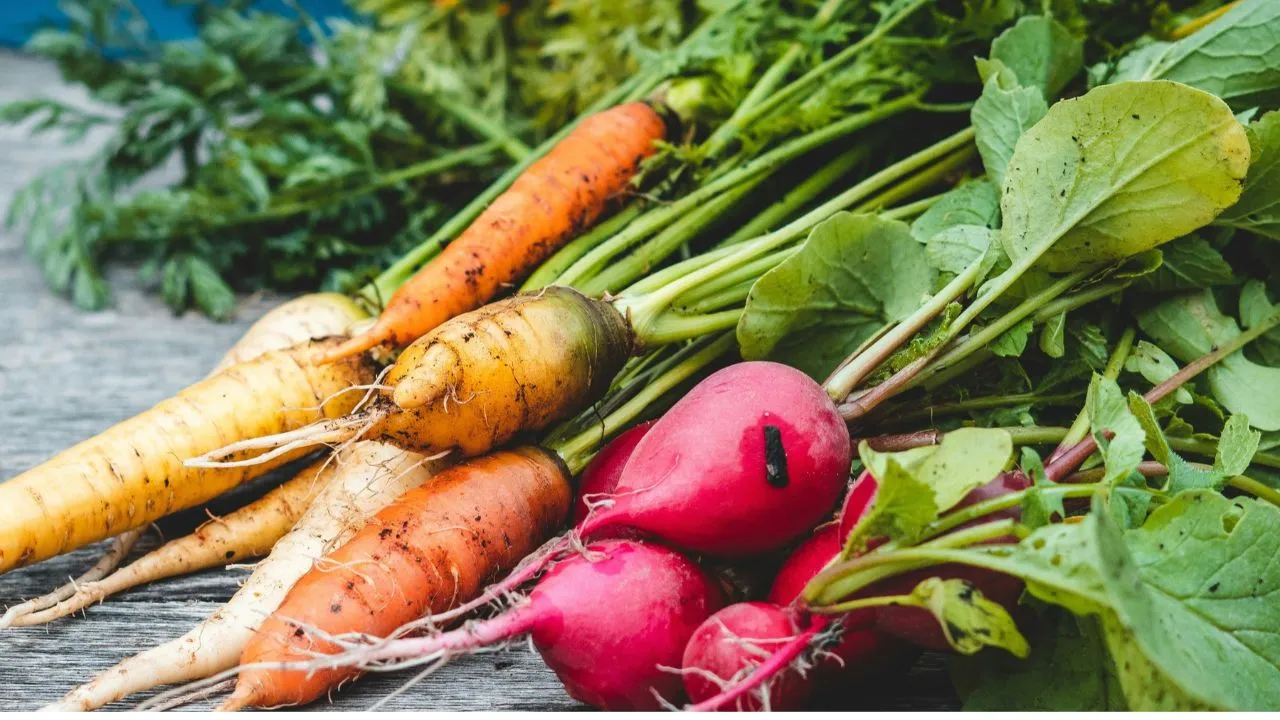
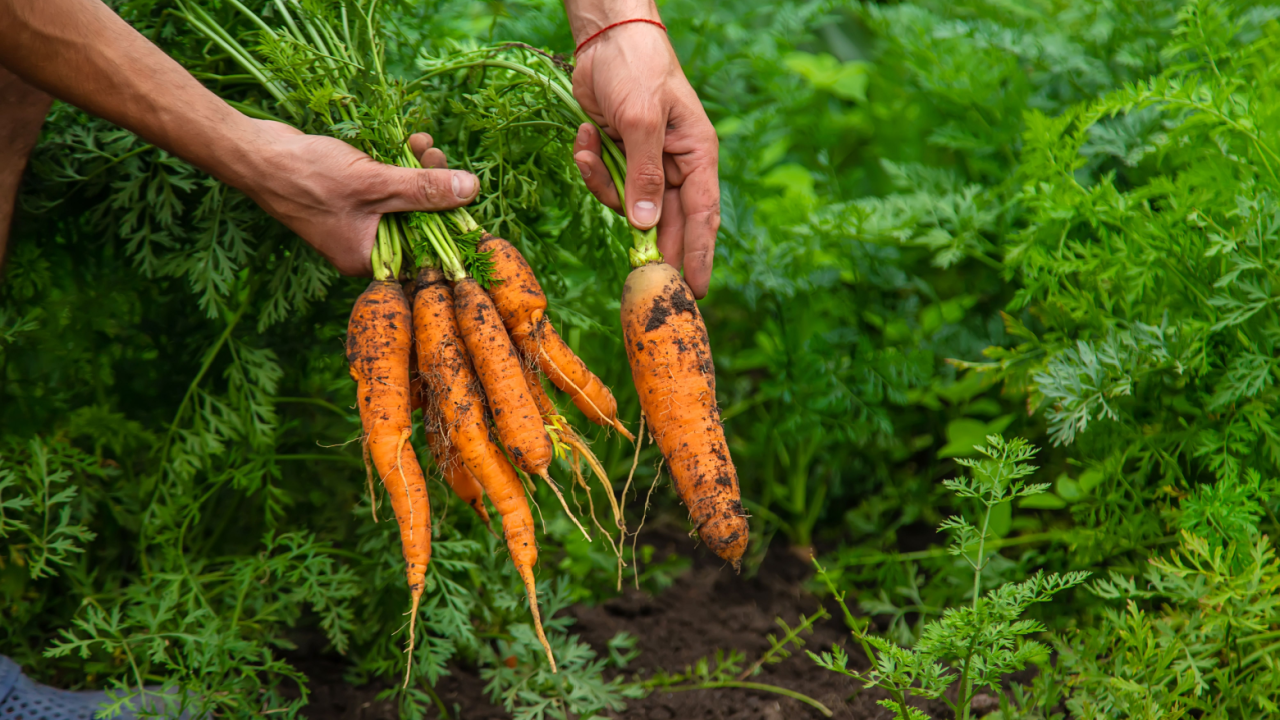
- Carrots. Gardenary’s Nicole Burke says carrots pulled after a frost taste almost like candy compared with the same carrot pulled in September. Mulch their exposed shoulders, as Rural Sprout recommends, and they will handle temperatures in the 20s easily.
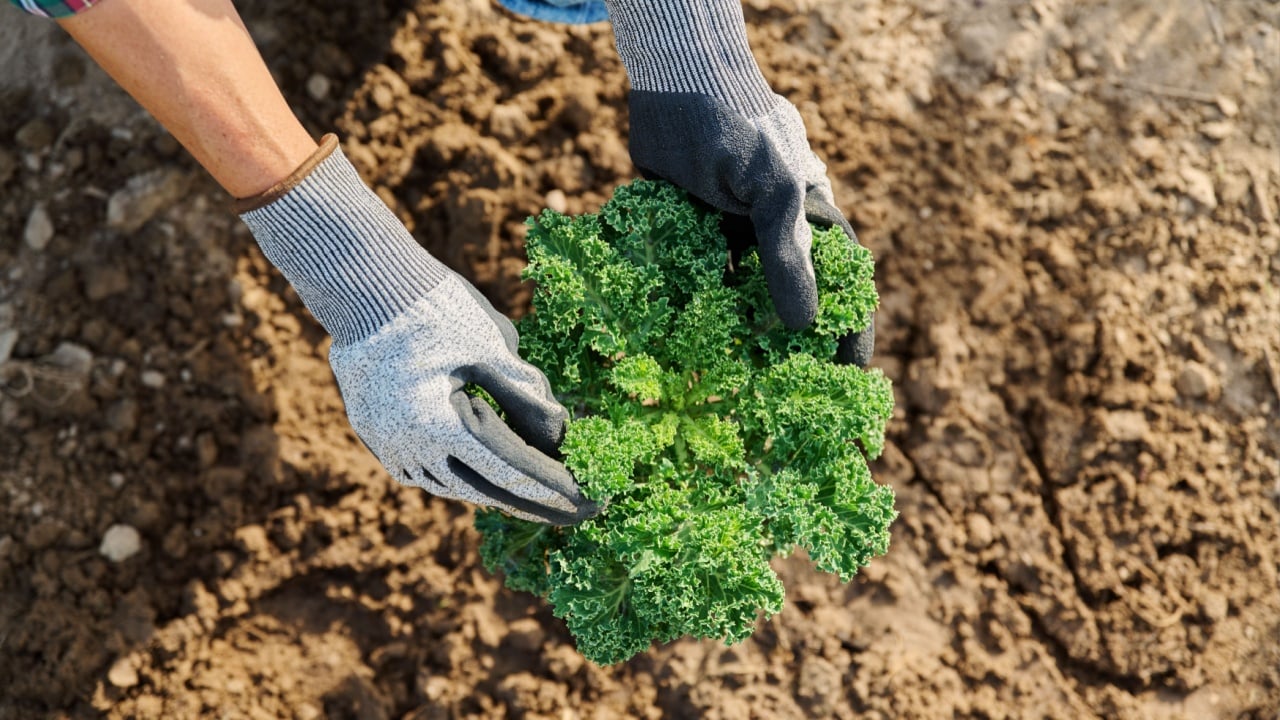
- Kale. Burke likes to tell kale skeptics they have probably only eaten it in July. Rural Sprout’s editor reports that some varieties, like lacinato, handle temperatures down to 0°F, sweetening all the way into the darkest part of winter.
- Brussels sprouts. These are among the toughest crops in the fall garden. According to Rural Sprout, they stand tall down to about 20°F, and some varieties take the teens.
- Collard greens. This Southern staple tolerates temperatures as low as 10°F, per Rural Sprout, which makes it one of the toughest greens you can grow for a late harvest.
- Cabbage. Mature heads can take temperatures around 20°F, and Savoy types go into the mid teens, according to Rural Sprout. Gardenary notes that fall cabbage gets crisper and sweeter, losing its raw peppery bite.
- Beets. Beets pulled after a light frost taste rounder and less earthy, but they are less hardy than most crops on this list. Rural Sprout advises getting them up before temperatures land in the 20s.
- Spinach. Cold-grown spinach, especially savoy types, develops thicker, noticeably sweeter leaves, per Rural Sprout. Unprotected plants die off around 20°F, but a late summer sowing mulched well can be harvested through winter.
- Leeks. Leeks also turn sweeter in the cold, as Garden Therapy notes, and you can keep harvesting as long as they are not frozen into the ground.
Don’t Wait Out a Hard Freeze
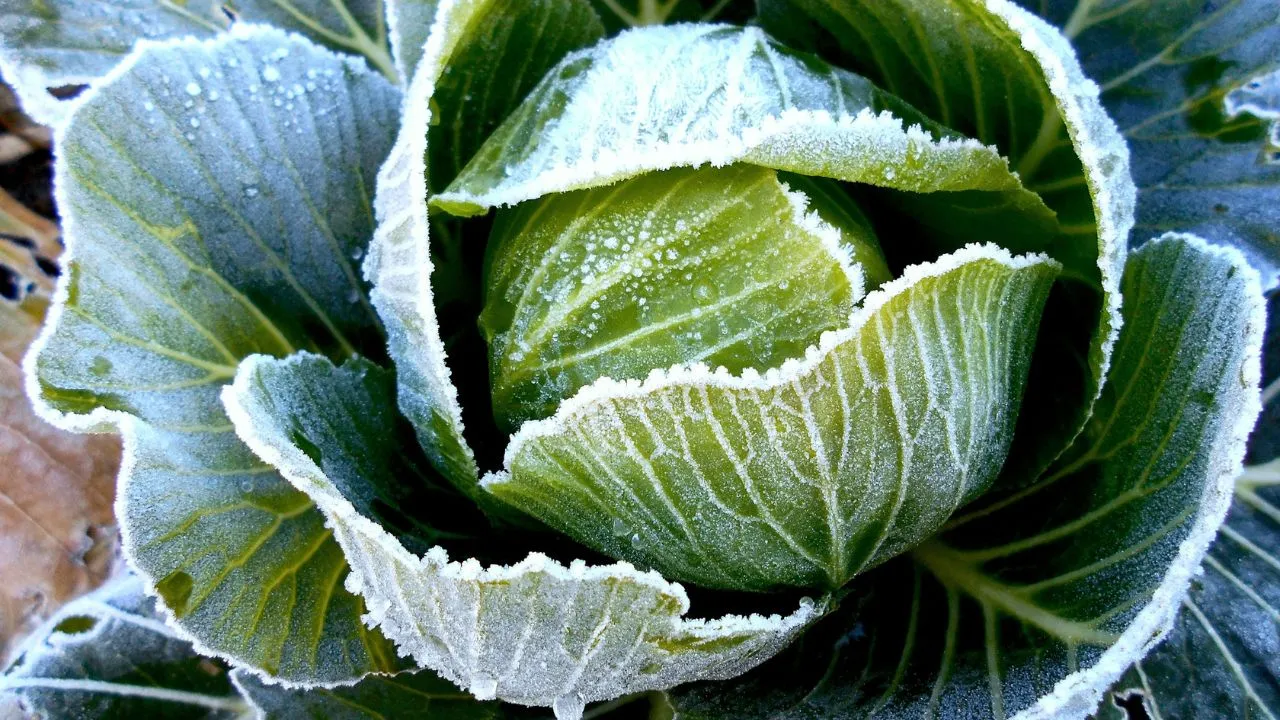
A light frost is a gift; a hard freeze is not. Gardenary draws the line clearly: frost in the high 20s to low 30s triggers the sugar conversion you want, but a forecast in the mid 20s or lower lasting several hours means it’s time to dig roots and cut greens. Root crops are insulated by soil and forgive a lot. Leafy greens sitting in open air do not.
Timing your harvest matters, too. Garden Therapy’s Stephanie Rose cautions against cutting spinach while it’s frozen, because “they will turn mushy once thawed.” Let the leaves thaw before you cut, and you keep both the sweetness and the texture. Rural Sprout suggests a lightweight mulch topped with a row cover to stretch the season further.
No Frost Yet? Your Refrigerator Can Do It in Two Weeks
Most gardeners never hear this. According to the WFLO Commodity Storage Manual, reviewed by Dr. Jeff Brecht of the University of Florida’s Horticultural Sciences Department, early harvested parsnips held at 32 to 34°F reach a sweetness “equal to that of later-harvested roots subjected to fall frosts for 2 months.” Two weeks of cold storage matches two months of frost.
Texas A&M AgriLife Extension puts it into practice for home cooks: harvest parsnips two weeks before you plan to eat them and refrigerate the roots. With Thanksgiving falling on November 26 this year, parsnips dug by November 12 and tucked into the coldest part of your fridge will be at their sweetest when the gravy hits the table. Use the refrigerator, not the freezer; the storage guidance behind this trick calls for 32 to 34°F, just above freezing, not frozen solid.
Your Grandmother’s Root Cellar Had It Right

Our grandparents never needed a lab to tell them this. Gardeners have long mulched parsnips with straw so they could dig them all winter, as Arkansas Extension notes, and the winter roots were always the sweet ones. History backs them up: Michigan State University Extension notes that “before the cultivation of sugar beets and cane sugar, parsnips were used as sweetener.”
So this November, resist the urge to strip the beds the night the frost warning arrives. Bring in the tomatoes, cover what needs covering, and leave the roots and greens where they are. Frost is not the end of your vegetable garden; for the right crops, it’s the final ingredient.
Read More
Stop Making These 8 Watering Mistakes Before Your First Hard Frost
How to Transition Plants Indoors for Winter: 9 Mistakes to Stop Making This Fall