Viral Facebook Post Warns of Water Hemlock, North America’s Most Toxic Native Plant
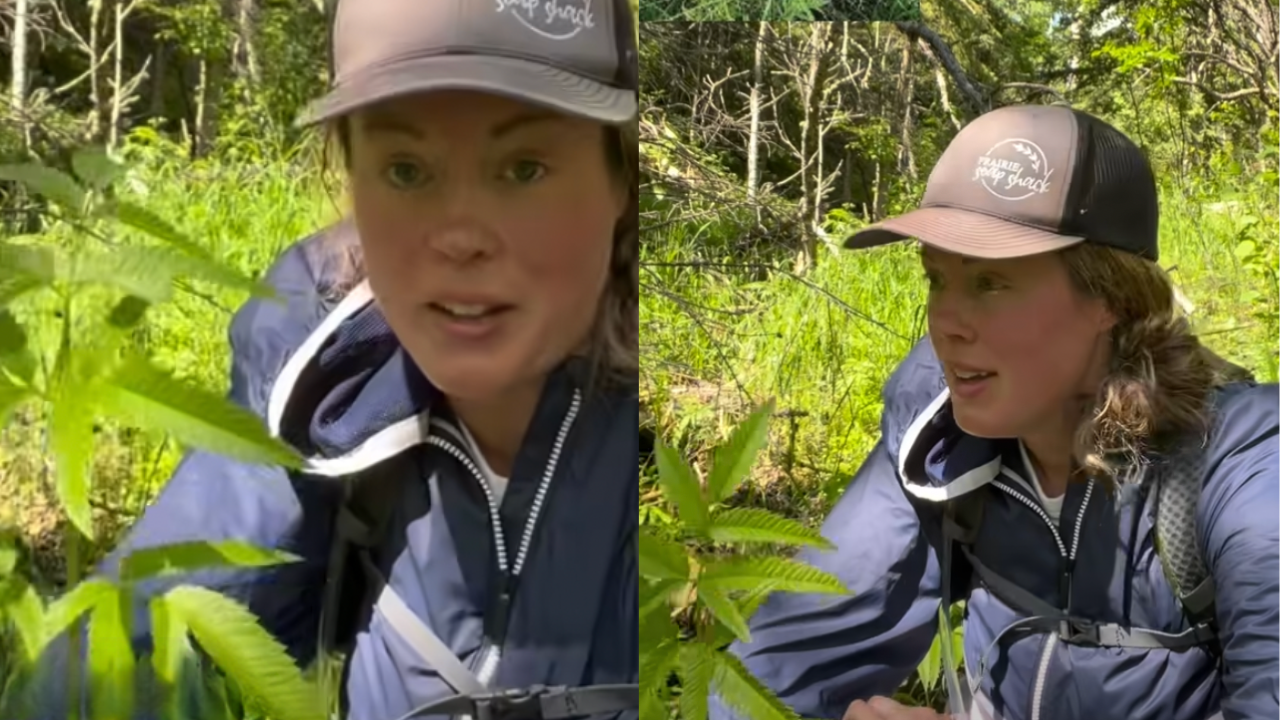
One woman is warning people about water hemlock, a native plant whose toxin can kill within hours, by way of an important video shared to social media. The video, posted by Prairie Soap Shack, urges viewers to learn to recognize the species and to keep their distance from it outdoors. It could very well save your life one day to remember the information.
Plenty of foragers and naturalists would agree with her. They put water hemlock near the top of the list of plants you need to know before you spend time near water. Botanists and agricultural agencies have warned about it for generations, and states still publish guides to help people avoid accidental poisonings.
The plant belongs to the genus Cicuta, part of the carrot family. It grows just about everywhere in North America, from northern Canada down to southern Mexico. The U.S. Forest Service has more than cited its reputation as the deadliest plant in the North Temperate Zone. Livestock have gotten the worst of it historically, though.
Human poisonings are far less common, but they’ve still been recorded over the years. The plant is potent enough that, according to the Missouri Department of Conservation, a piece of root the size of a walnut can kill an animal the size of a cow or larger. All of it comes down to a single fast-acting compound that water hemlock carries in every season of its growth, and it’s important to look out for it.
What Makes Water Hemlock So Deadly?
Britannica explains that the compound responsible, cicutoxin, hits the central nervous system fast and works like a stimulant. It floods the brain with electrical activity it can’t shut off. It’s in every part of the plant, and the roots are the most poisonous part of all. Just a tiny amount can kill, and no one has pinned down exactly how much it takes in a person.
Symptoms can show up within an hour of swallowing it, and they move fast. The U.S. Forest Service says seizures can hit within 60 minutes, along with nausea, vomiting, and stomach pain. Heavy drooling, muscle twitching, and dilated pupils come on early, too, and death usually follows from respiratory failure soon after. There’s no antidote, and care is mostly a matter of keeping the patient stable.
How Can You Tell It Apart From Edible Look-Alikes?
Most poisonings happen because someone mistook the plant for something safe to eat. It likes wet ground: marshes, stream banks, ditches, soggy meadows. Those are the same spots where edible plants grow, and water hemlock looks a lot like several of them, including wild carrot (known as Queen Anne’s lace) and wild parsnip. Unfortunately, the root even smells sweet, a little like parsnip, so your nose won’t warn you off either.
The stems give it away: smooth, hairless, often streaked or mottled with purple. On the leaves, the veins run to the notches between the teeth instead of the tips, which is unusual for a plant.
University of Nevada, Reno Extension says the surest sign is underground, where the root splits into small chambers holding a poisonous, straw-colored liquid. Even so, you shouldn’t go digging for it: cicutoxin soaks right through the skin, so the safest move is to learn the plant by sight and never touch it.